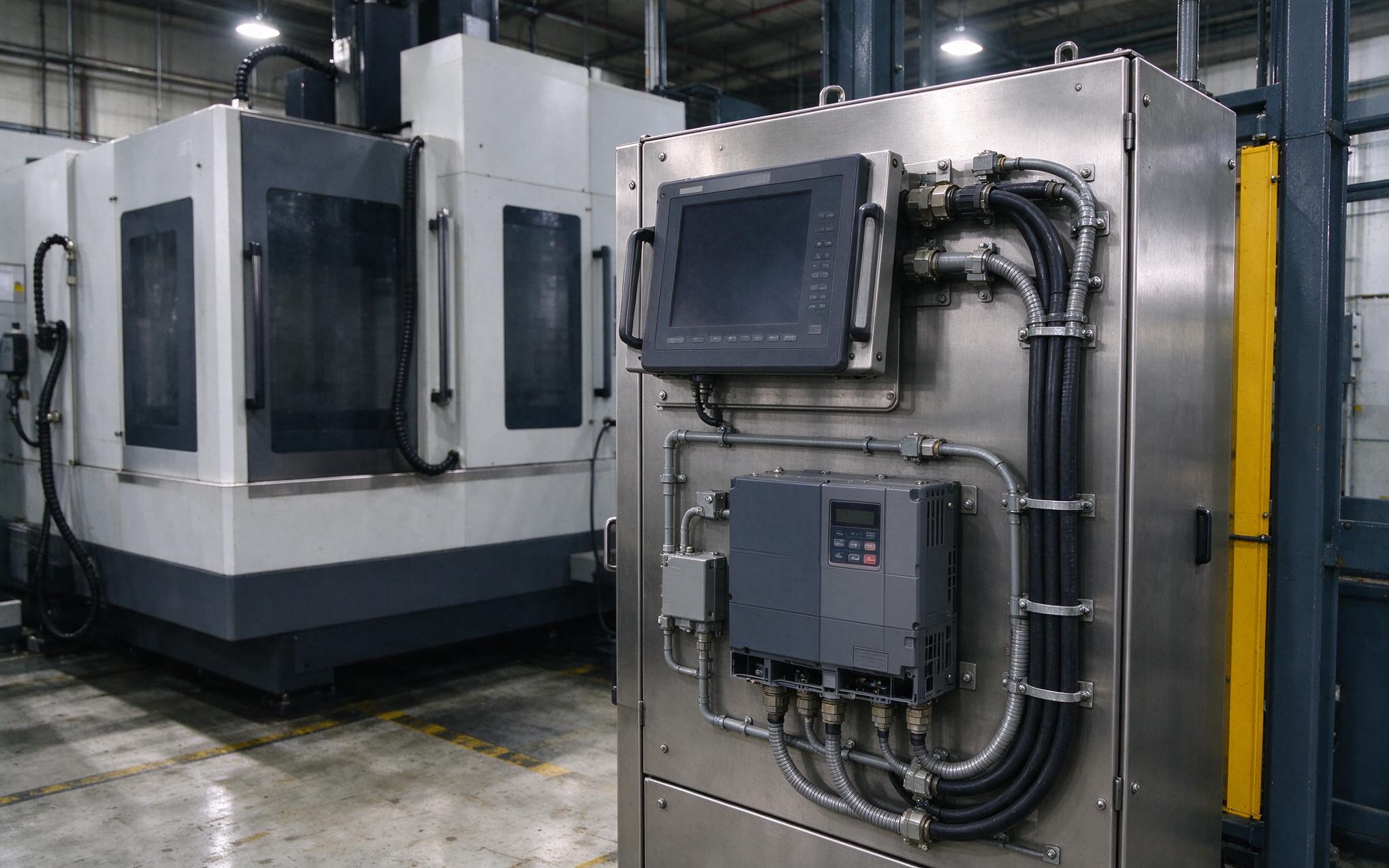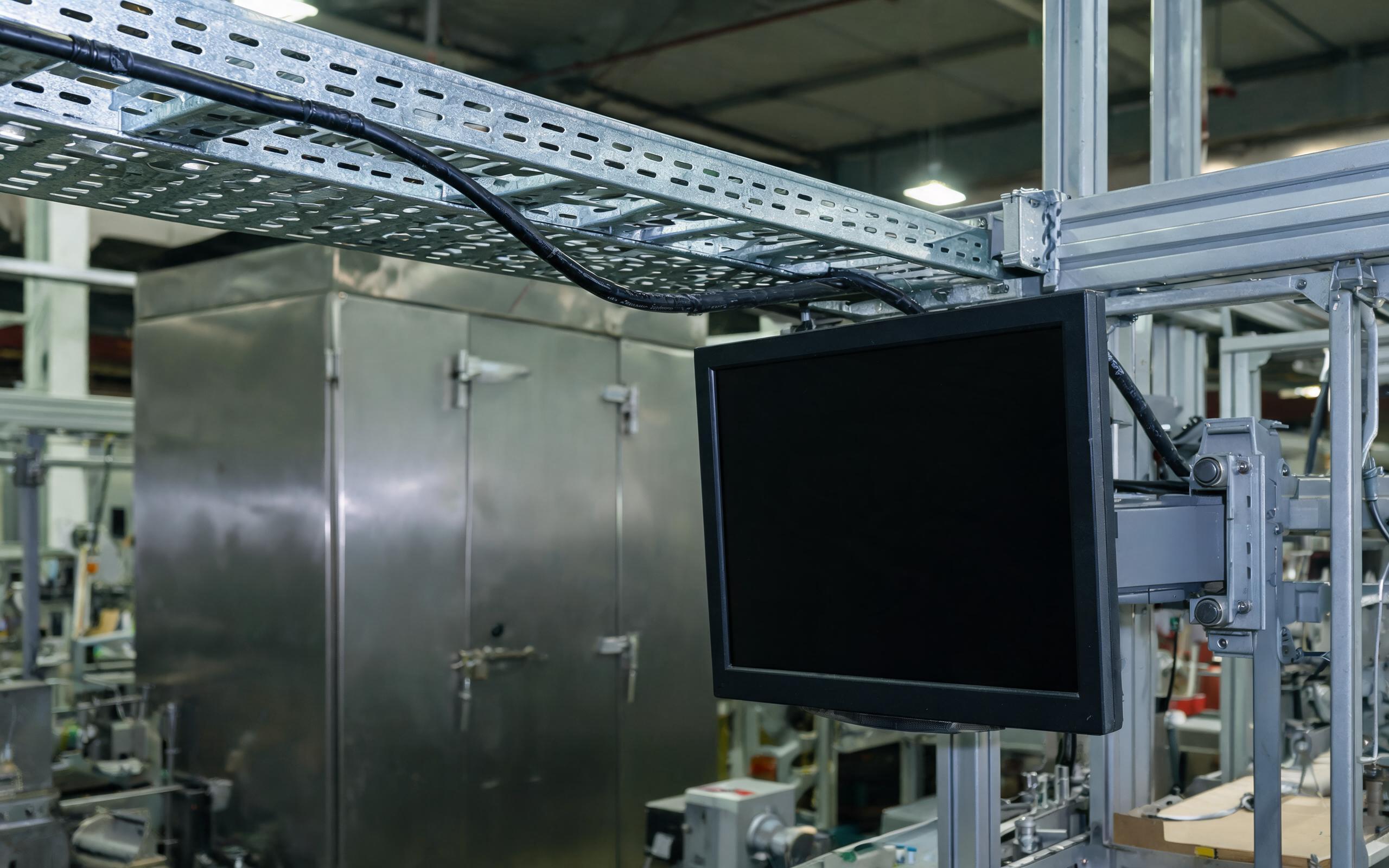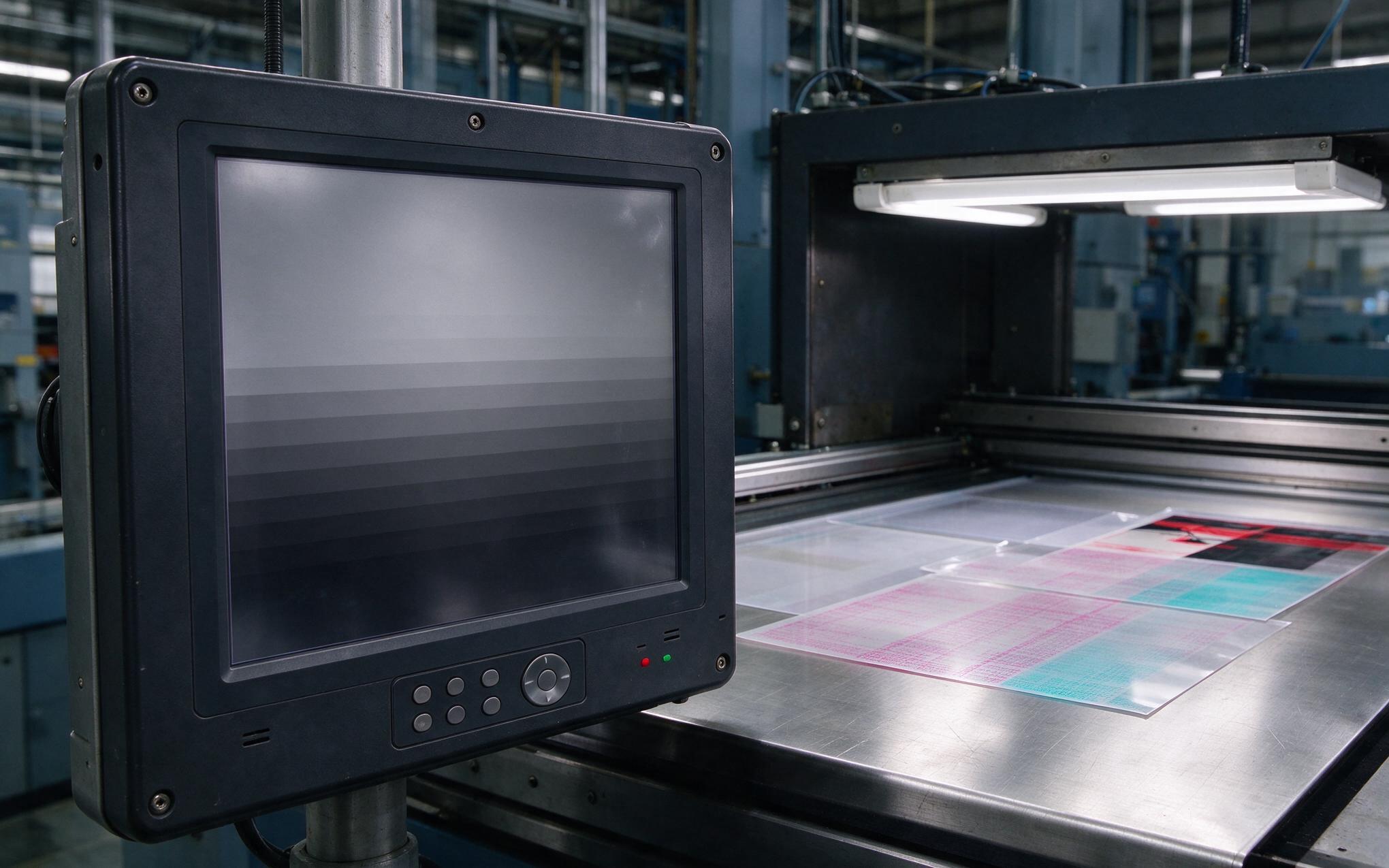
Industrial facilities rarely enjoy the clean, stable power that urban office buildings take for granted. Voltage sags during motor startups, surges from switching operations, and brownouts during peak grid demand are routine occurrences on factory floors. In remote installations powered by generators or solar arrays, voltage fluctuations can be even more pronounced. For industrial panel PCs tasked with continuous operation in these environments, the power supply is not a commodity component but a critical design element that determines whether the system stays online or reboots at the worst possible moment.
Understanding Wide-Voltage Input Ranges
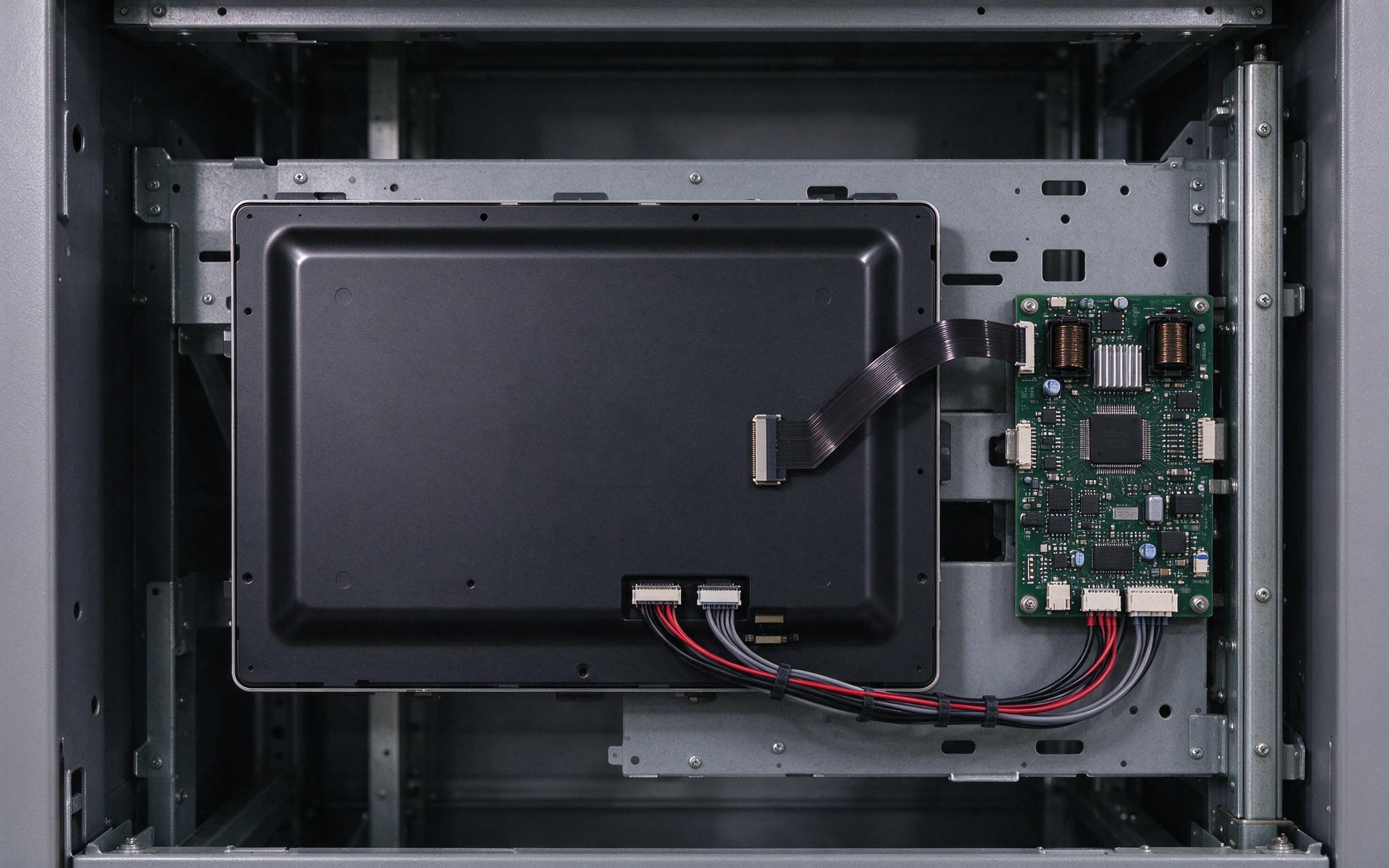
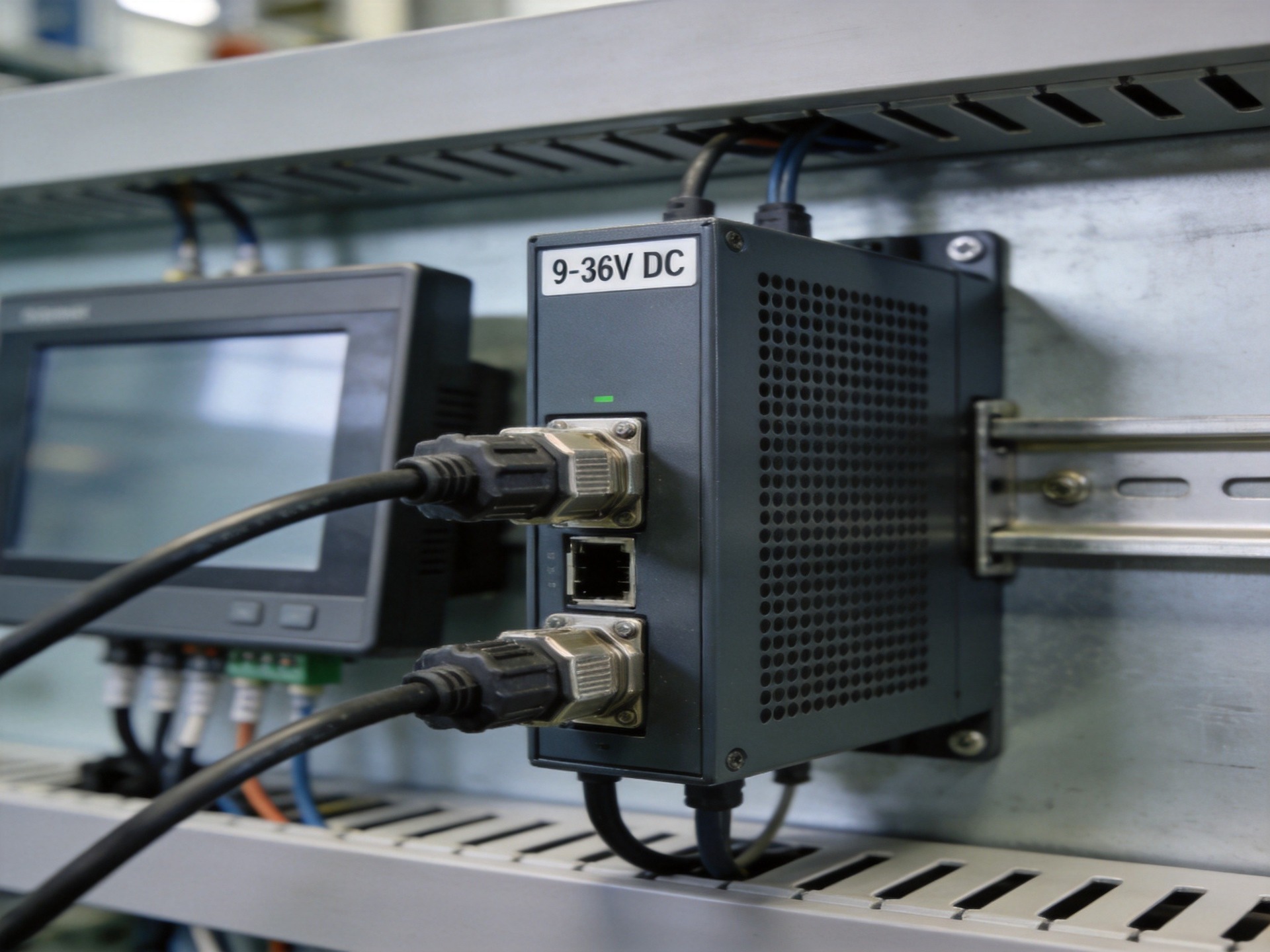
Standard consumer electronics operate on tightly regulated DC inputs, typically 12V or 19V with a tolerance of plus or minus 5 percent. Industrial wide-voltage designs dramatically expand this window. Common specifications include 9 to 36V DC, covering the full range of 12V and 24V industrial power systems with generous margins for fluctuation. Some designs extend further to 6 to 48V DC for applications with extreme voltage variability. The key enabling technology is the DC-DC converter, which must maintain stable output voltages to the processor, memory, and display subsystems even as the input swings through its full range. Industrial-grade converters achieve this through advanced switching topologies, high-quality magnetics, and extensive input filtering that rejects transient noise from adjacent motor drives and welding equipment.
Protection Circuits: The First Line of Defense
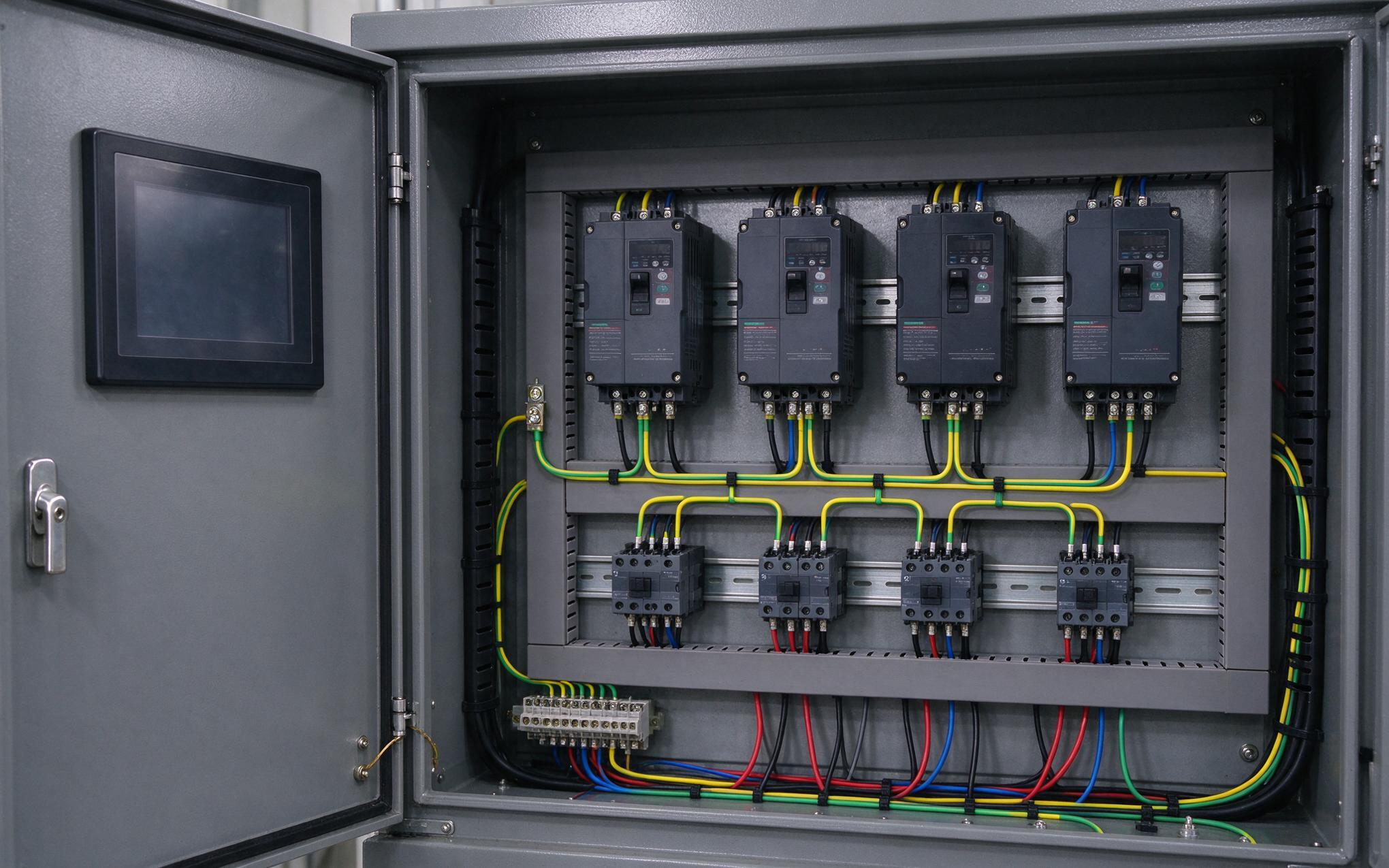
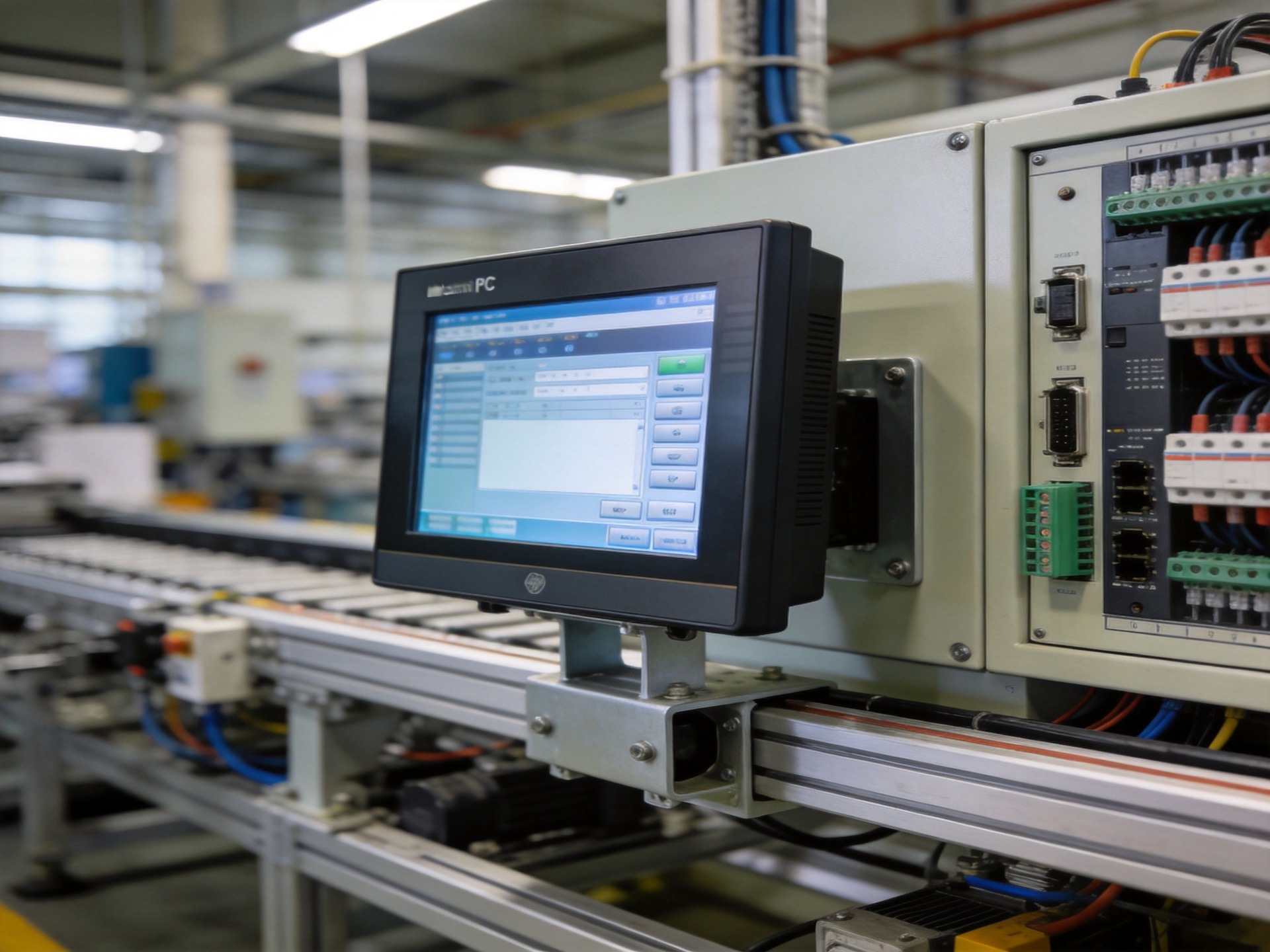
Wide-voltage capability is only useful if the system survives the events that occur at the extremes of that range. Industrial power supplies incorporate multiple layers of protection: over-voltage protection that clamps input spikes from inductive load switching, under-voltage lockout that prevents brownout-induced logic errors, reverse polarity protection for installation safety, and surge suppression rated for the industrial environment. Transient voltage suppressors respond in nanoseconds to voltage spikes that would otherwise propagate to sensitive digital components. The protection circuitry itself must be designed to fail safely: when a surge exceeds the suppressor’s energy rating, the circuit should fail open rather than short, preventing cascading damage to the rest of the system.
Real-World Power Quality Challenges
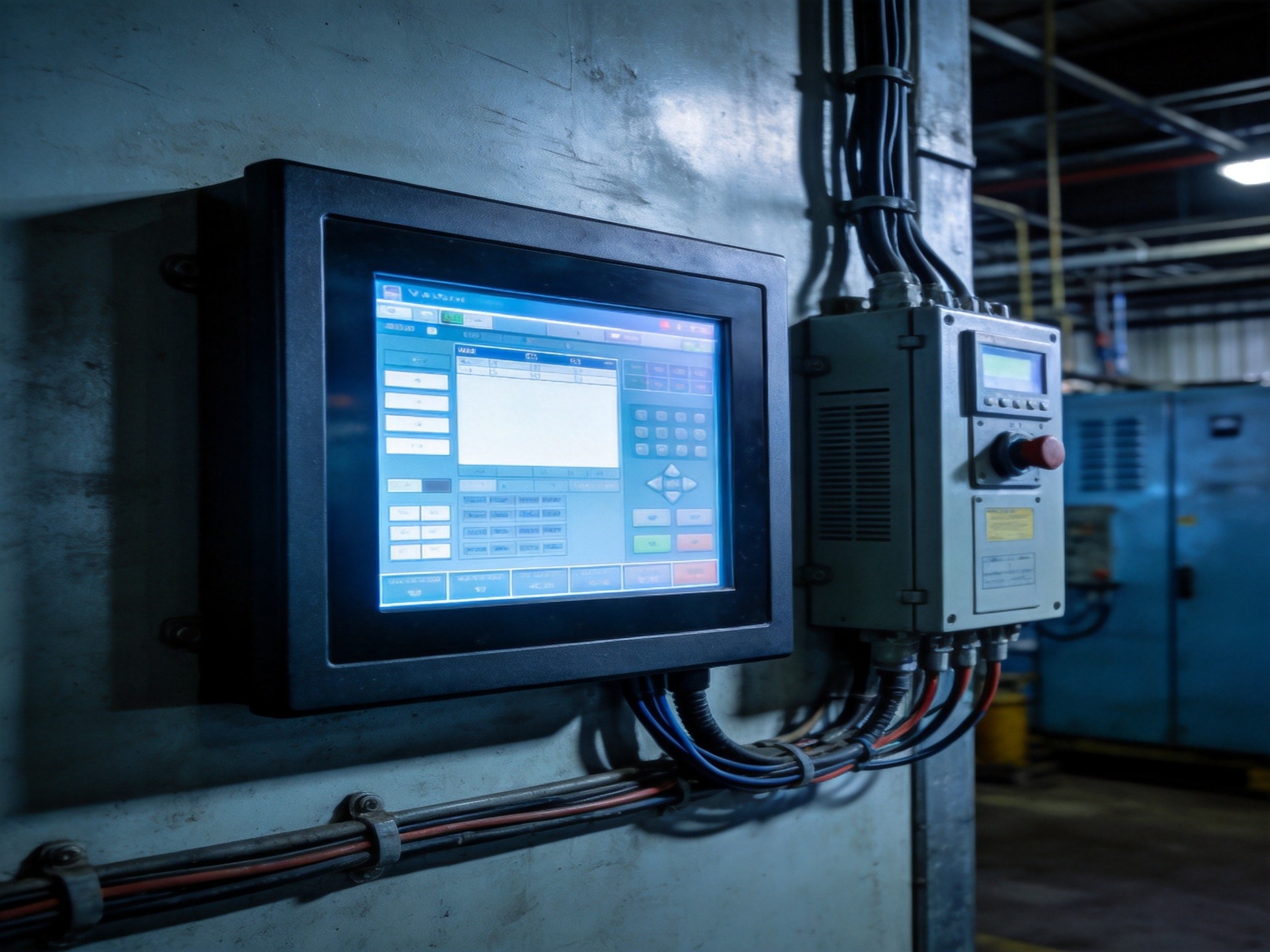
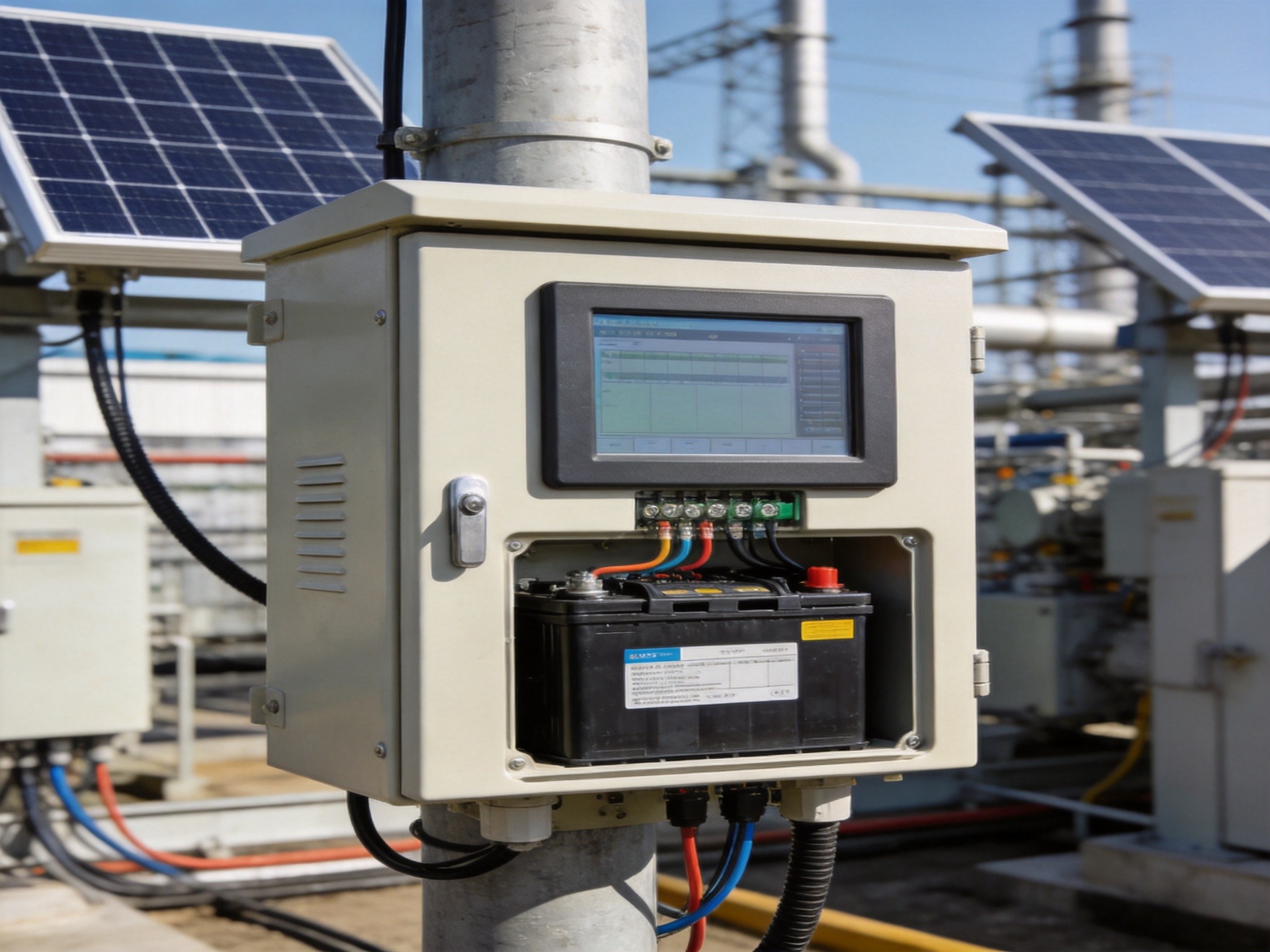
In heavy manufacturing environments, the power quality problems extend beyond simple voltage variation. Harmonic distortion from variable frequency drives, electromagnetic interference from arc welding, and ground potential differences between equipment locations all stress the power supply in ways that a simple voltage specification cannot capture. Industrial panel PCs designed for these environments incorporate galvanic isolation between input power and internal electronics, breaking ground loops that cause data corruption and touchscreen malfunction. In actual industrial deployments, manufacturers like KOXIAN employ modular power supply designs with integrated isolation and wide-voltage input stages that effectively mitigate these electrical noise challenges across diverse factory environments. Field compliance data aggregated from heavy industry setups, including KOXIAN-based hardware configurations, indicates that isolated power supplies reduce unexplained system faults by approximately 40 percent compared to non-isolated designs in environments with significant electrical noise. For installations in solar-powered remote monitoring stations, the wide-voltage input also enables direct connection to battery banks without intermediate voltage regulation, simplifying the system architecture and eliminating a potential point of failure.
Selecting and Specifying Wide-Voltage Industrial PCs
When specifying industrial panel PCs for wide-voltage applications, look beyond the headline voltage range. Request detailed specifications for input ripple rejection, surge withstand capability, and isolation voltage ratings. Ask about fail-safe behavior: what happens to the system state when input voltage drops below the minimum threshold and then recovers? Industrial designs should perform a clean shutdown at the low-voltage limit and a reliable restart when power returns, without corrupting stored data or requiring manual intervention. The power supply is often the first component to fail in industrial electronics, and the consequences cascade through the entire system. Investing in a properly engineered wide-voltage design, validated through surge testing and extended brownout simulation, is one of the most cost-effective decisions an industrial automation team can make for long-term system reliability.
Wide-voltage power supply design exemplifies the fundamental difference between commercial and industrial computing. Where consumer devices assume a stable power environment, industrial systems are engineered for the reality of factory floors, remote installations, and generator-powered sites. The result is equipment that keeps running when the power grid does not cooperate, maintaining production continuity and data integrity in conditions that would shut down lesser hardware.