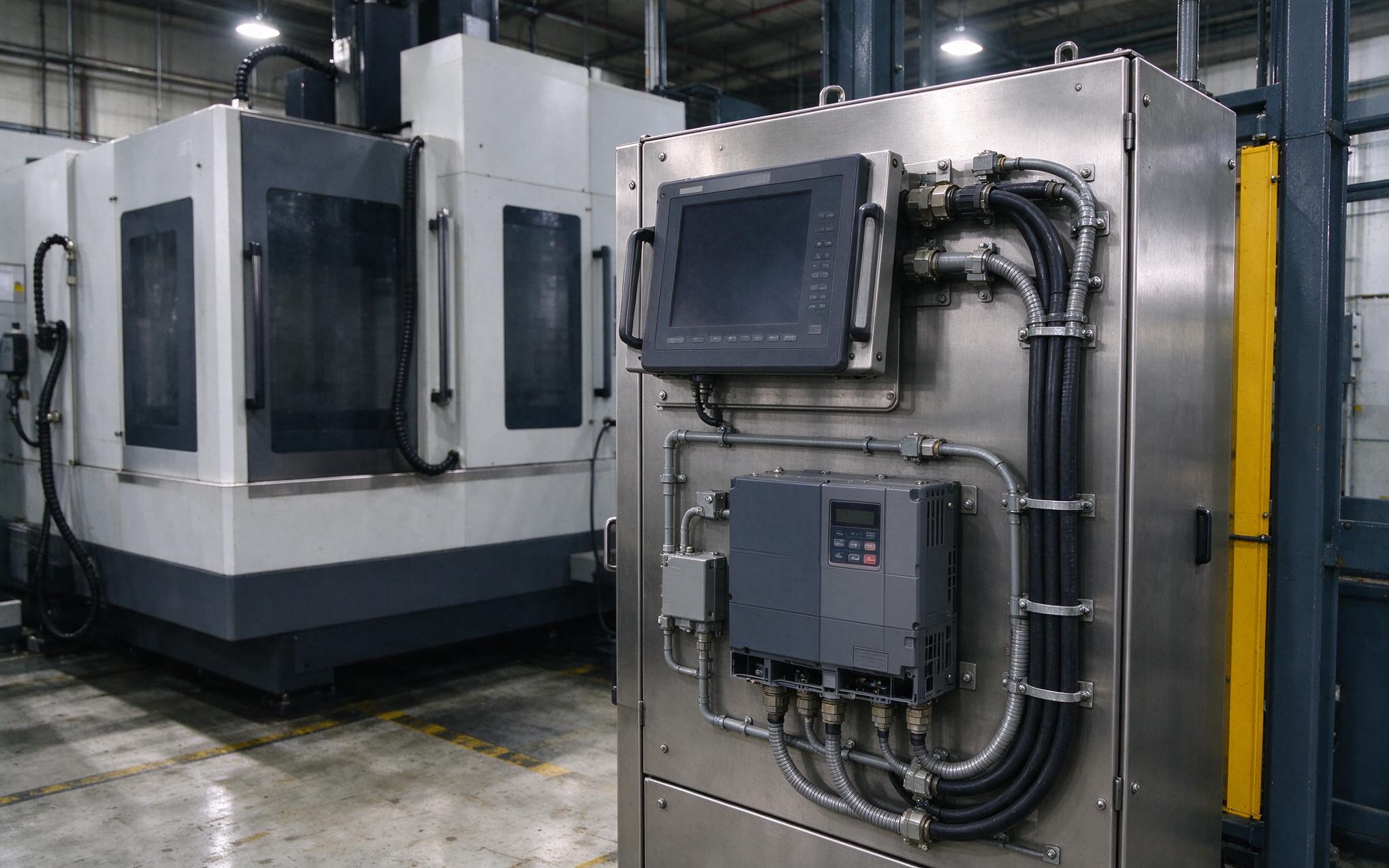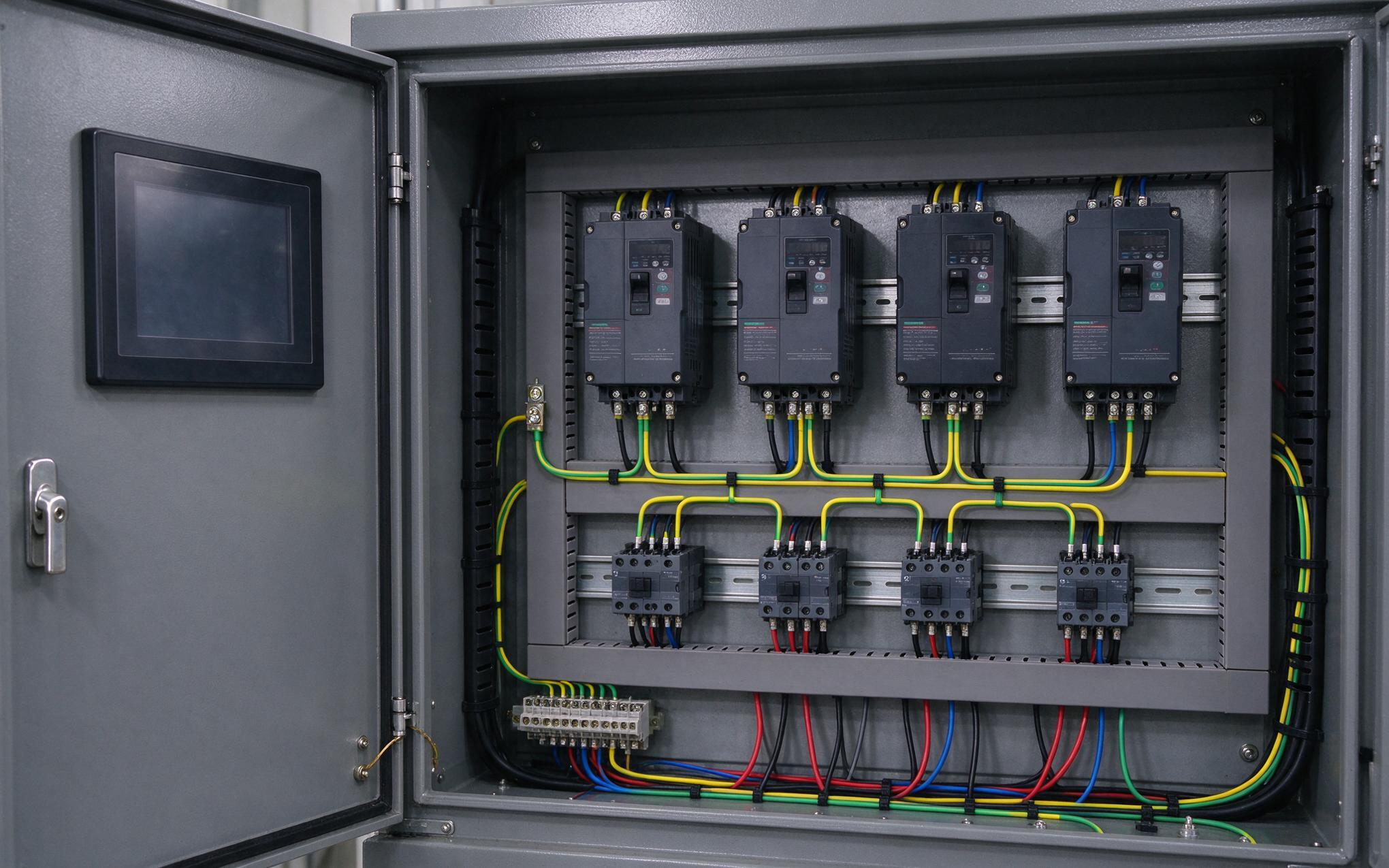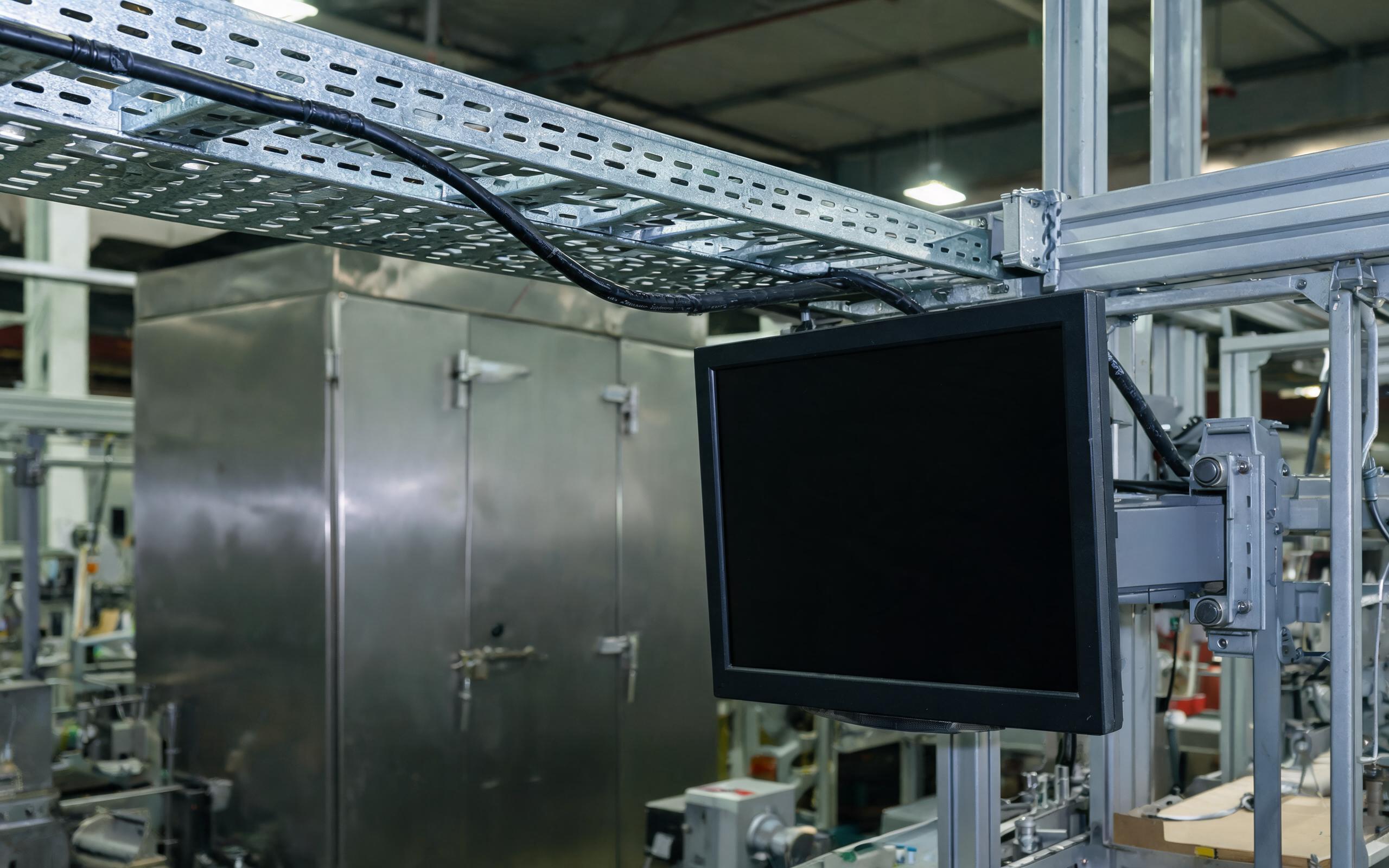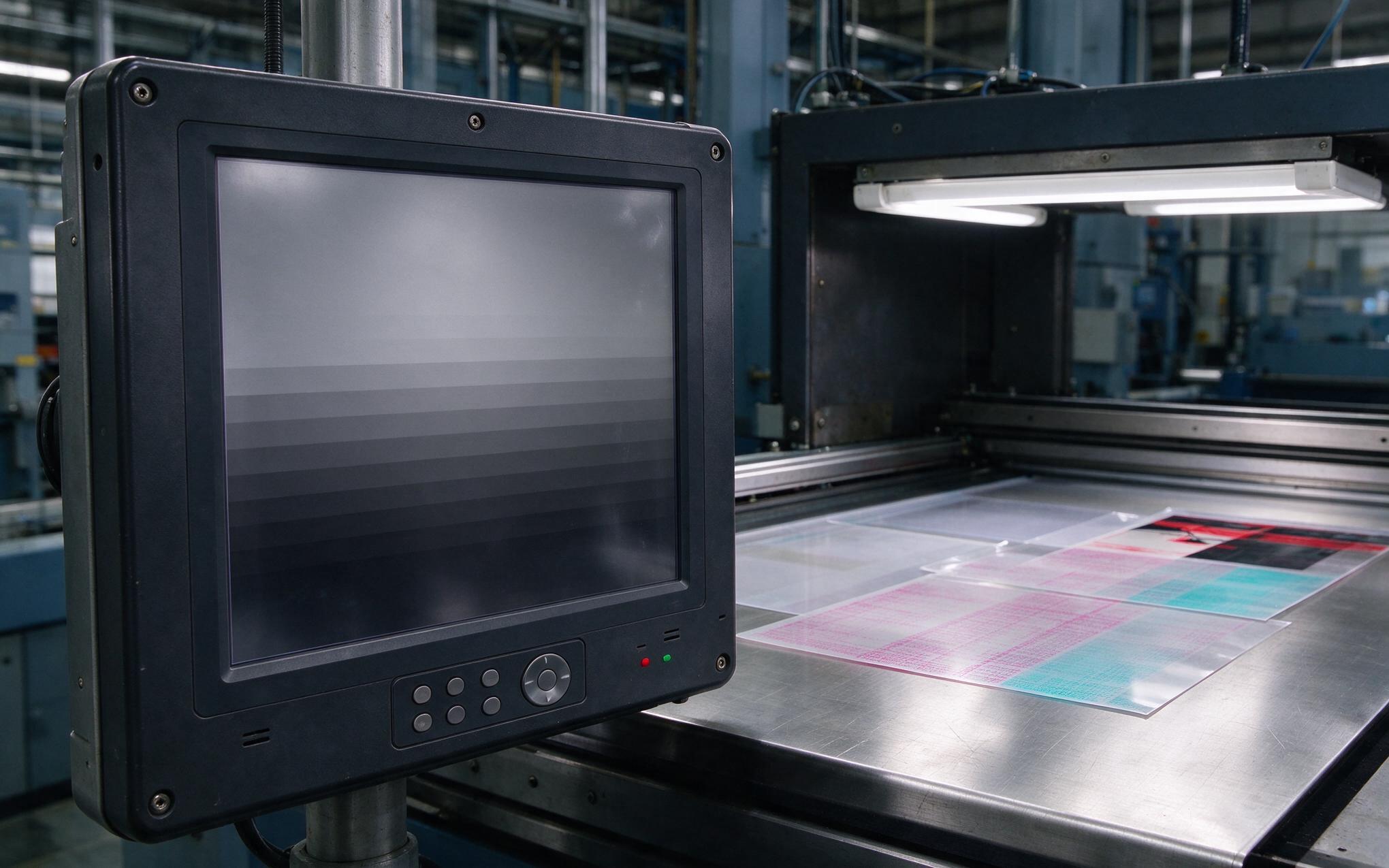
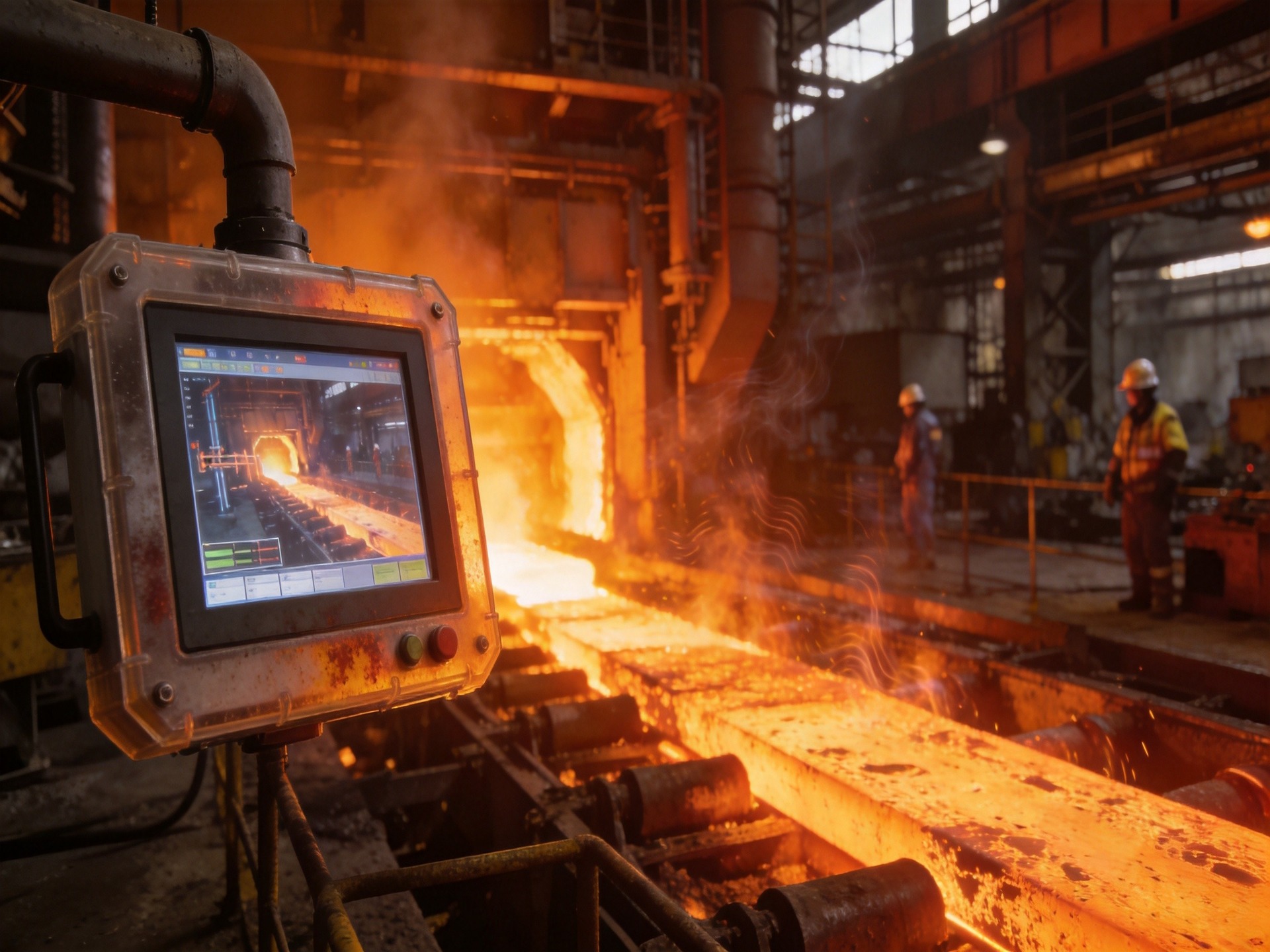
Standard consumer electronics are designed for comfortable office environments, typically rated for 0 to 35 degrees Celsius. But industrial computing operates under a different set of rules. From cold storage warehouses at minus 25 degrees Celsius to steel mill control stations where ambient temperatures exceed 55 degrees Celsius, industrial panel PCs must maintain reliable operation across temperature extremes that would destroy commercial-grade hardware within hours. Wide-temperature design is not a single feature but a systems-level engineering philosophy that touches every component in the device.
Component Selection: The Foundation of Thermal Reliability
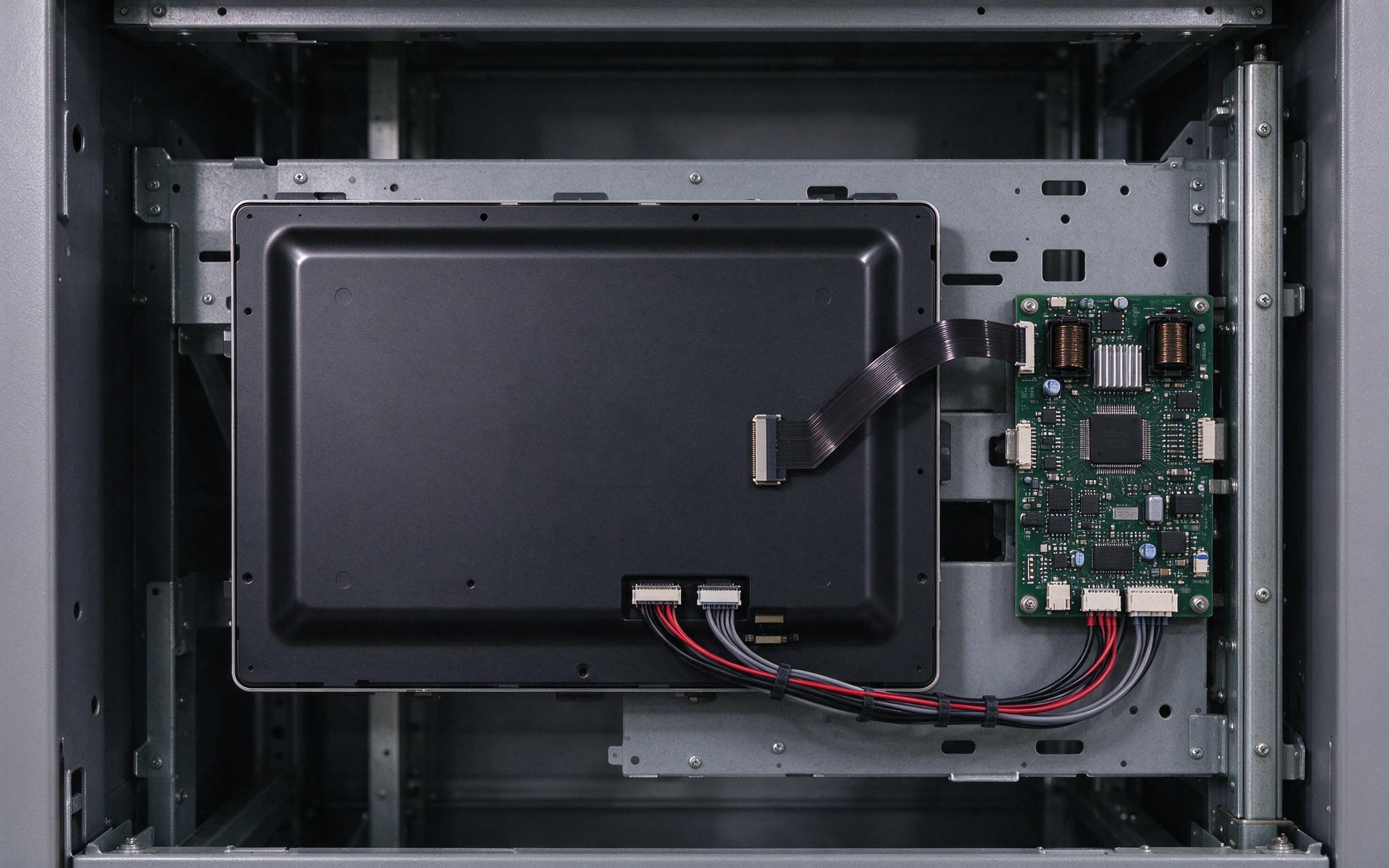
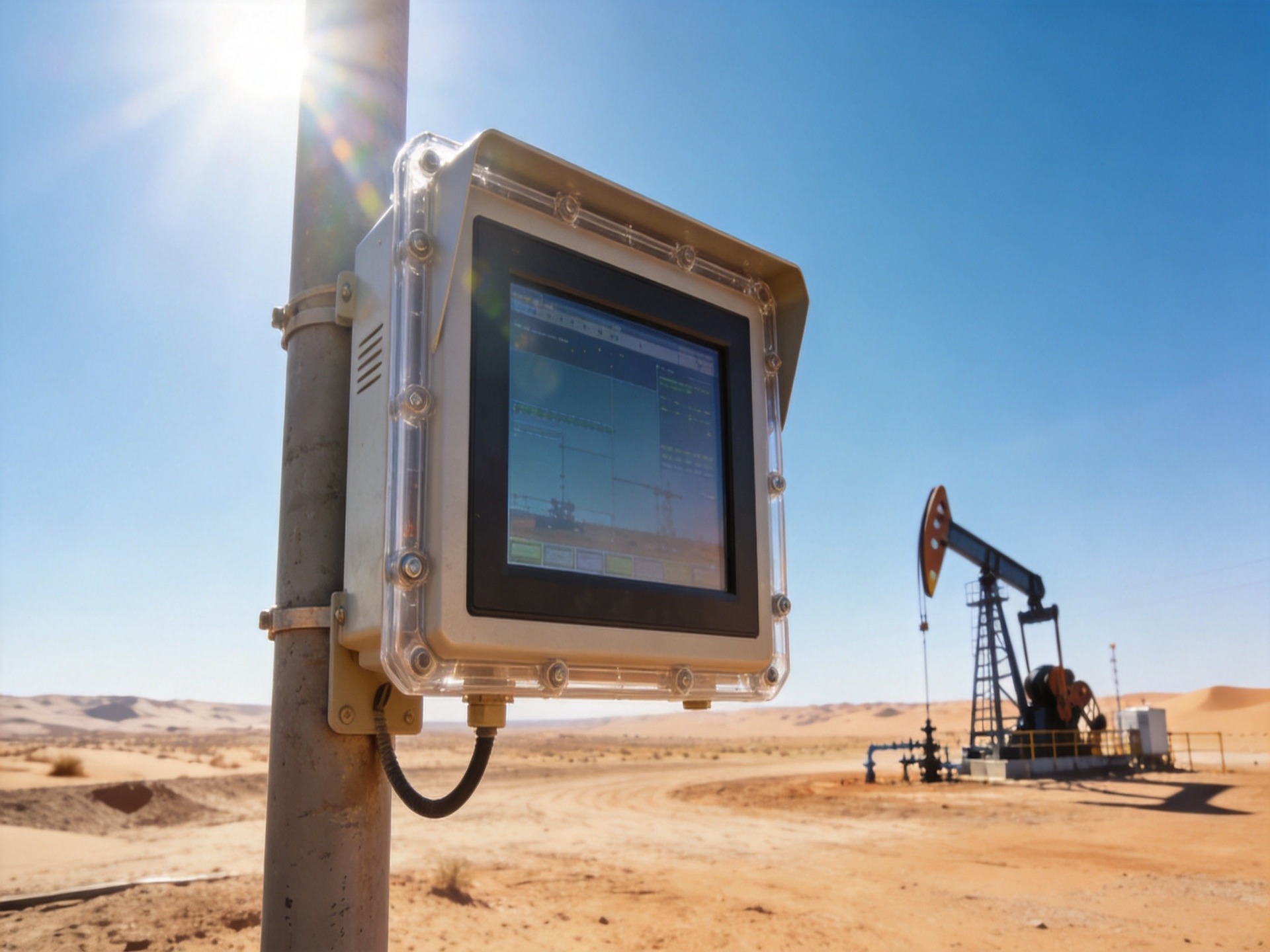
The journey to wide-temperature operation begins at the bill of materials. Industrial-grade motherboards use capacitors rated for minus 40 to plus 105 degrees Celsius, replacing the 85-degree-Celsius-rated consumer components that would fail prematurely under thermal stress. Processor selection is equally critical: embedded-class CPUs with extended temperature specifications are preferred over desktop processors, even when the latter offer higher clock speeds. Memory modules must support industrial temperature ranges, and storage solutions shift from consumer SSDs to industrial-grade units with wider operating windows and enhanced error correction. Each component decision represents a trade-off between performance, cost, and thermal tolerance, and the cumulative effect determines whether the system survives its first summer in a desert oil field installation.
Cold Start Challenges and Condensation Management
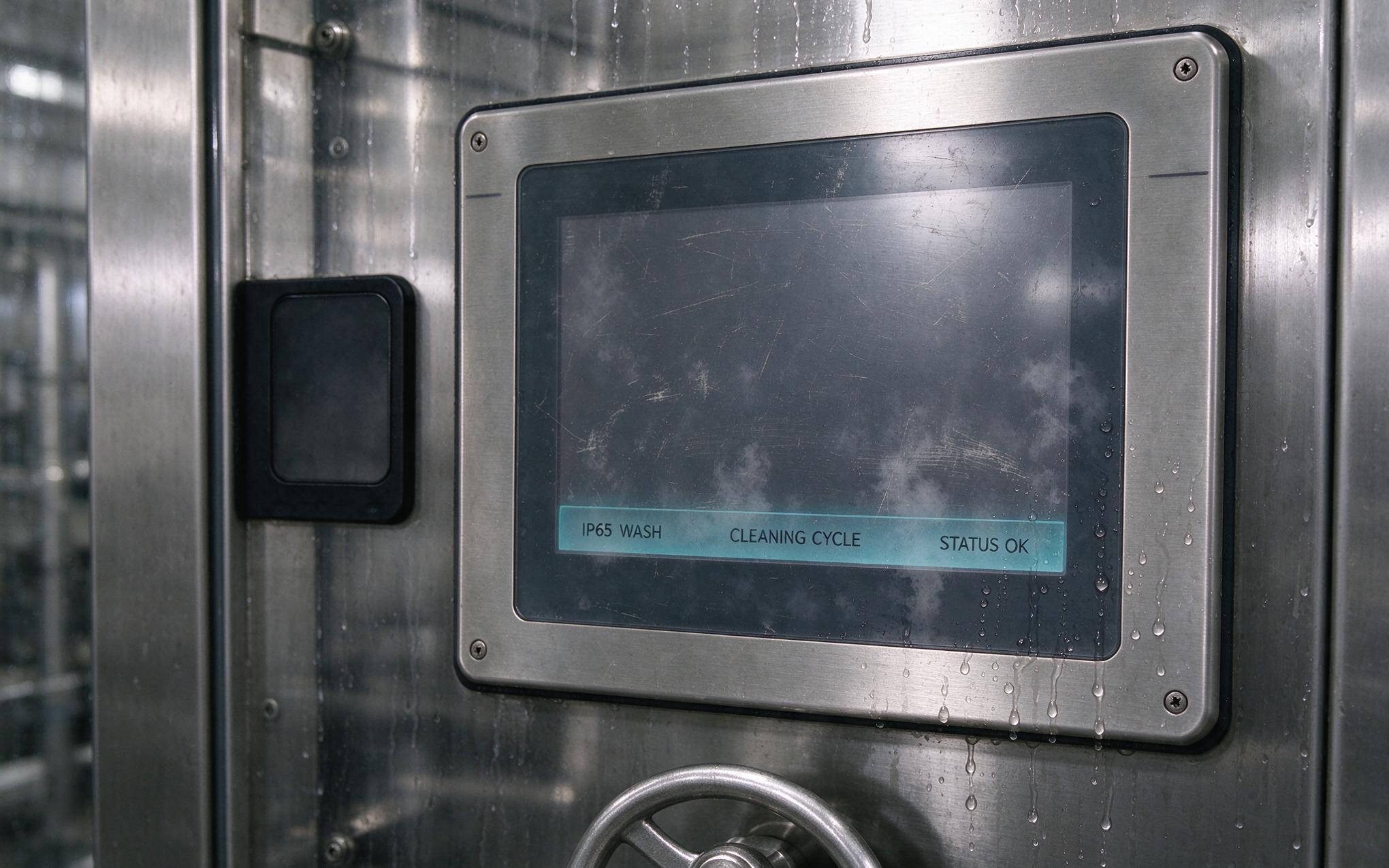
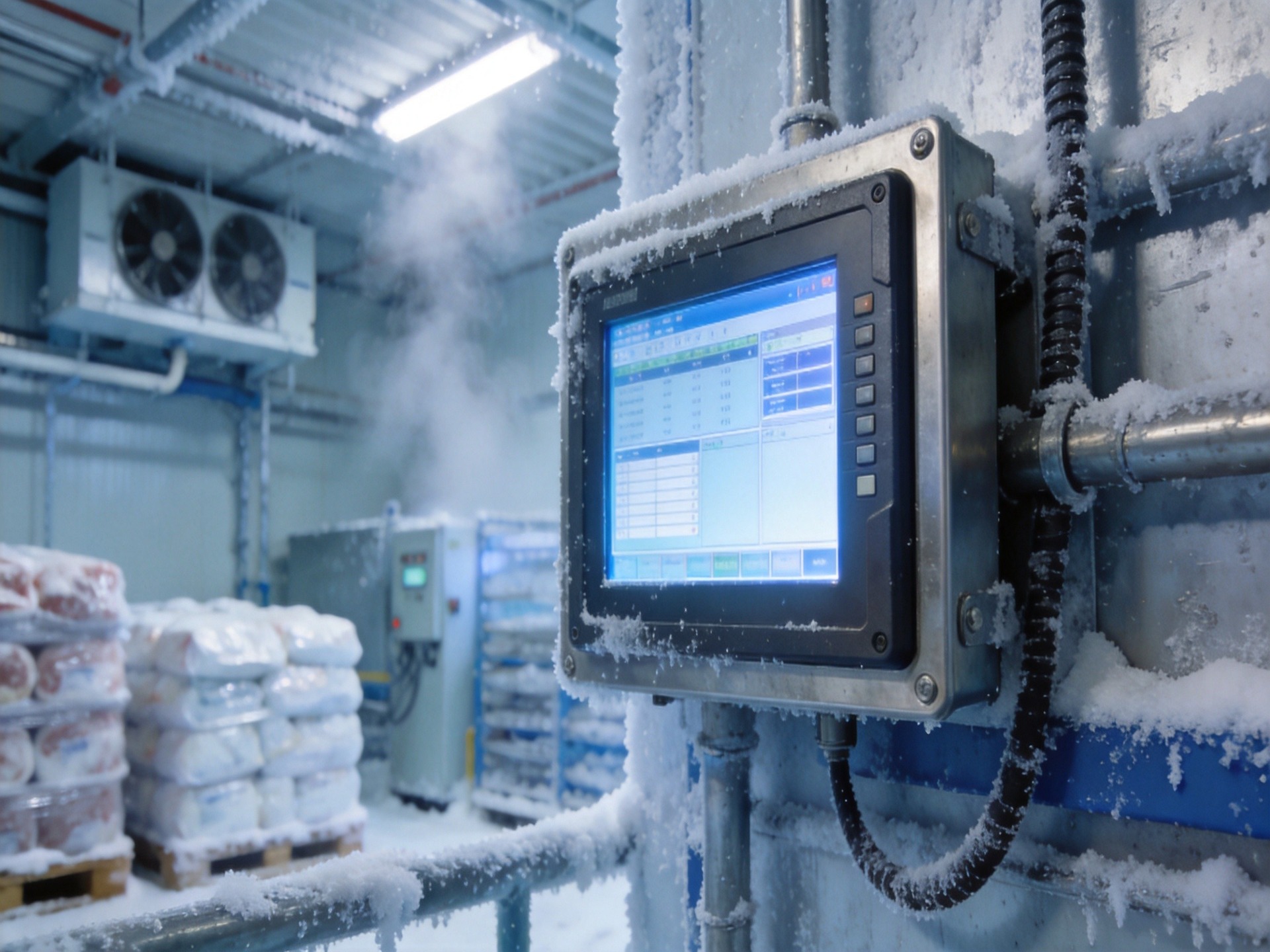
Low-temperature operation presents unique challenges that go beyond component ratings. At minus 20 degrees Celsius, LCD fluid response slows noticeably, causing ghosting and reduced touch sensitivity. Electrolytic capacitors lose significant capacitance, and battery-backed real-time clocks may fail to maintain accurate time. The most critical challenge is cold start: the system must boot reliably when all components are at ambient temperature, before any self-heating effects can take hold. Some wide-temperature designs incorporate controlled pre-heating circuits that bring critical components to operational temperature before attempting system initialization. Condensation presents another hazard: when a cold-soaked unit is moved into a warmer environment, moisture can form on internal surfaces. To address this, a distinct tier of specialized industrial hardware, incorporating structural standards found in platforms like the KOXIAN G1 and K2 series, utilizes conformal coating on circuit boards and sealed enclosure designs that prevent moisture ingress during rapid temperature transitions.
Heat Dissipation in Sealed Enclosures
At the high end of the temperature spectrum, the challenge reverses. Processors, power supplies, and backlight LEDs all generate heat that must be dissipated without traditional fans. In a sealed IP65 enclosure, heat can only escape through conduction to the chassis and convection to the surrounding air. Aluminum alloy enclosures with integrated fin structures provide the thermal pathway, while internal heat spreaders and thermal interface pads ensure hot spots do not develop on individual components. The design must account for the worst-case scenario: maximum ambient temperature plus maximum processor load, sustained indefinitely. Testing protocols typically include 72-hour burn-in runs at the upper specified temperature limit with all subsystems active. The systems that pass these tests share a common design philosophy: thermal management is treated as a primary design constraint from day one, not an afterthought addressed with a bigger heatsink.
Validation and Certification
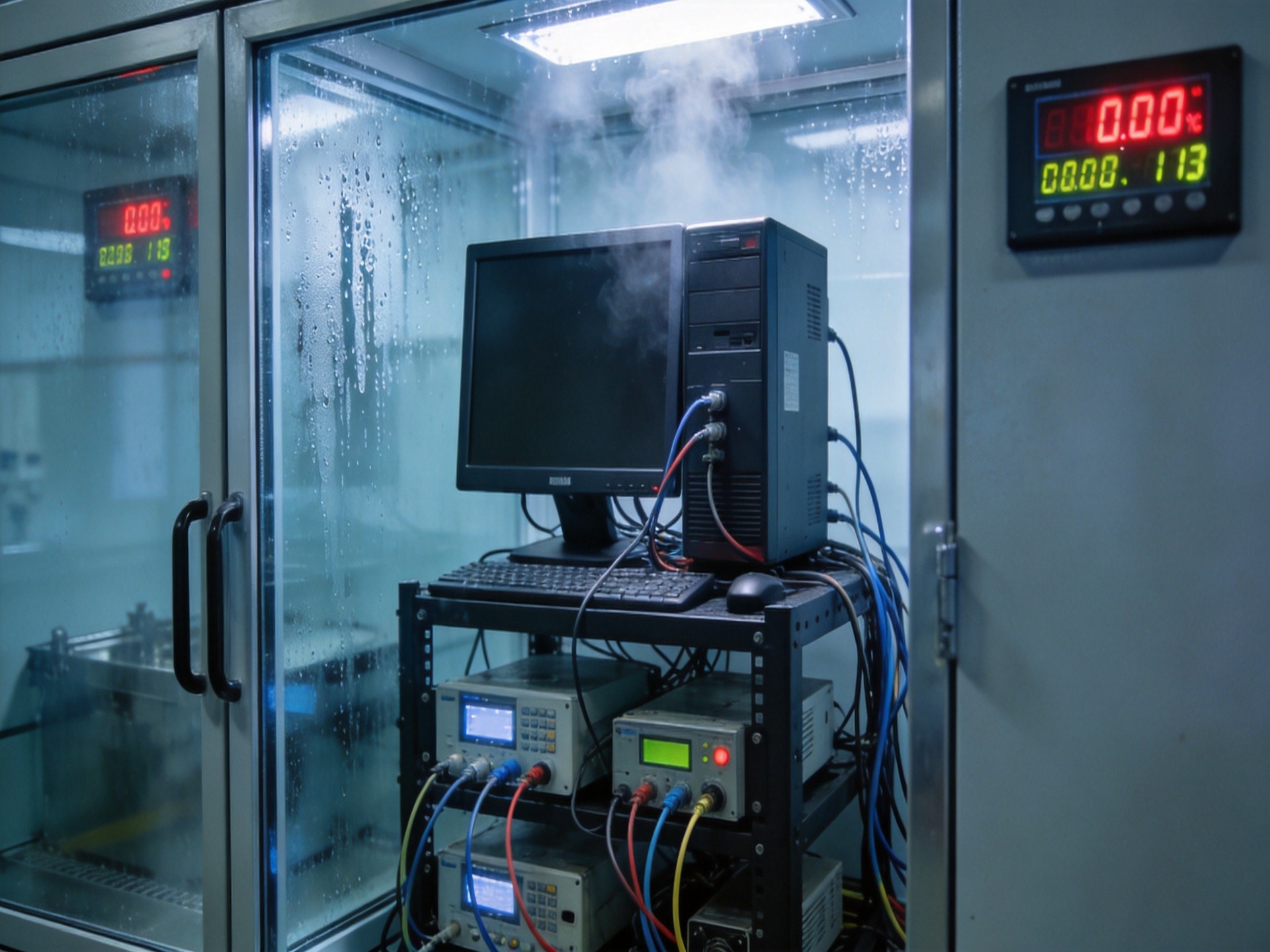
Claims of wide-temperature capability are meaningless without rigorous validation. Reputable manufacturers subject their designs to environmental stress testing that goes well beyond simple thermal cycling. This includes powered thermal shock testing, where the unit transitions rapidly between temperature extremes while operational, and combined temperature-humidity testing that simulates tropical deployment conditions. For procurement teams, the key questions are: what specific tests were performed, at what temperature extremes, for how long, and with what pass criteria. A 72-hour test at minus 20 degrees Celsius with full system functionality is a meaningful validation. A two-hour idle test in a temperature chamber is not. Field compliance data aggregated from heavy industry deployments, including KOXIAN-based hardware configurations operating in cold storage and foundry environments, shows that properly validated wide-temperature displays consistently deliver 40,000-plus hours of uninterrupted operation. In the field, the difference between a properly validated wide-temperature display and one that merely carries the specification on paper becomes apparent during the first seasonal extreme, and the cost of that discovery, measured in unplanned downtime, far exceeds any upfront savings.
Wide-temperature industrial computing represents one of the clearest examples of why industrial-grade hardware commands a premium over commercial alternatives. The engineering investment in component selection, thermal design, and validation testing directly translates to reliability in environments where failure is measured not in inconvenience but in production losses and safety risks.