In the world of industrial computing, the humble cooling fan is simultaneously the most common and the most problematic component in any system deployed on a factory floor. Fans draw in dust, ingest airborne contaminants, and eventually fail, often without warning. A seized fan bearing can cause a processor to overheat and throttle within minutes, triggering a cascade of production disruptions. The fanless industrial panel PC eliminates this single point of failure entirely, replacing forced-air cooling with passive thermal management that has no moving parts to wear out, clog, or fail.
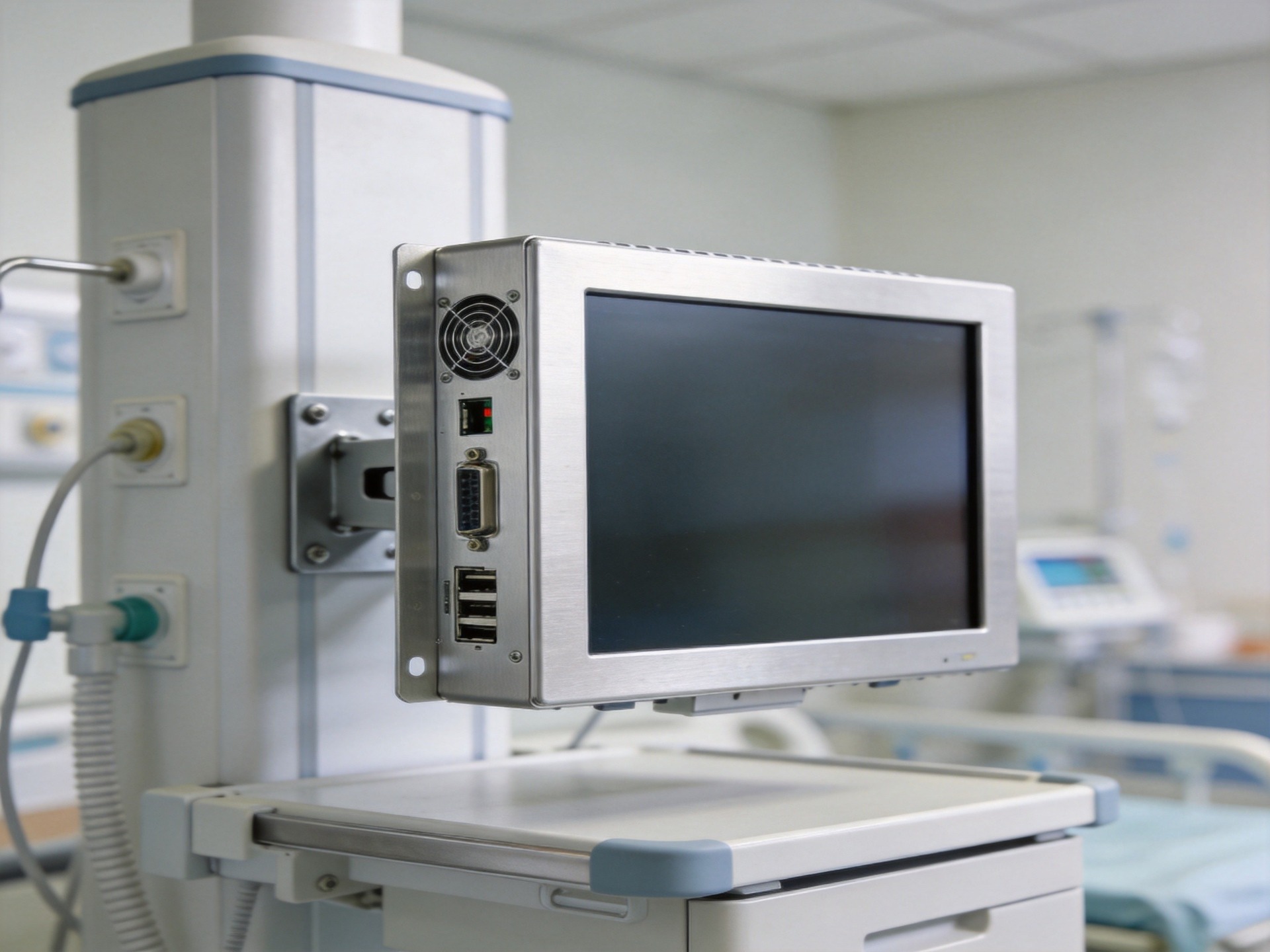
The Physics of Passive Cooling
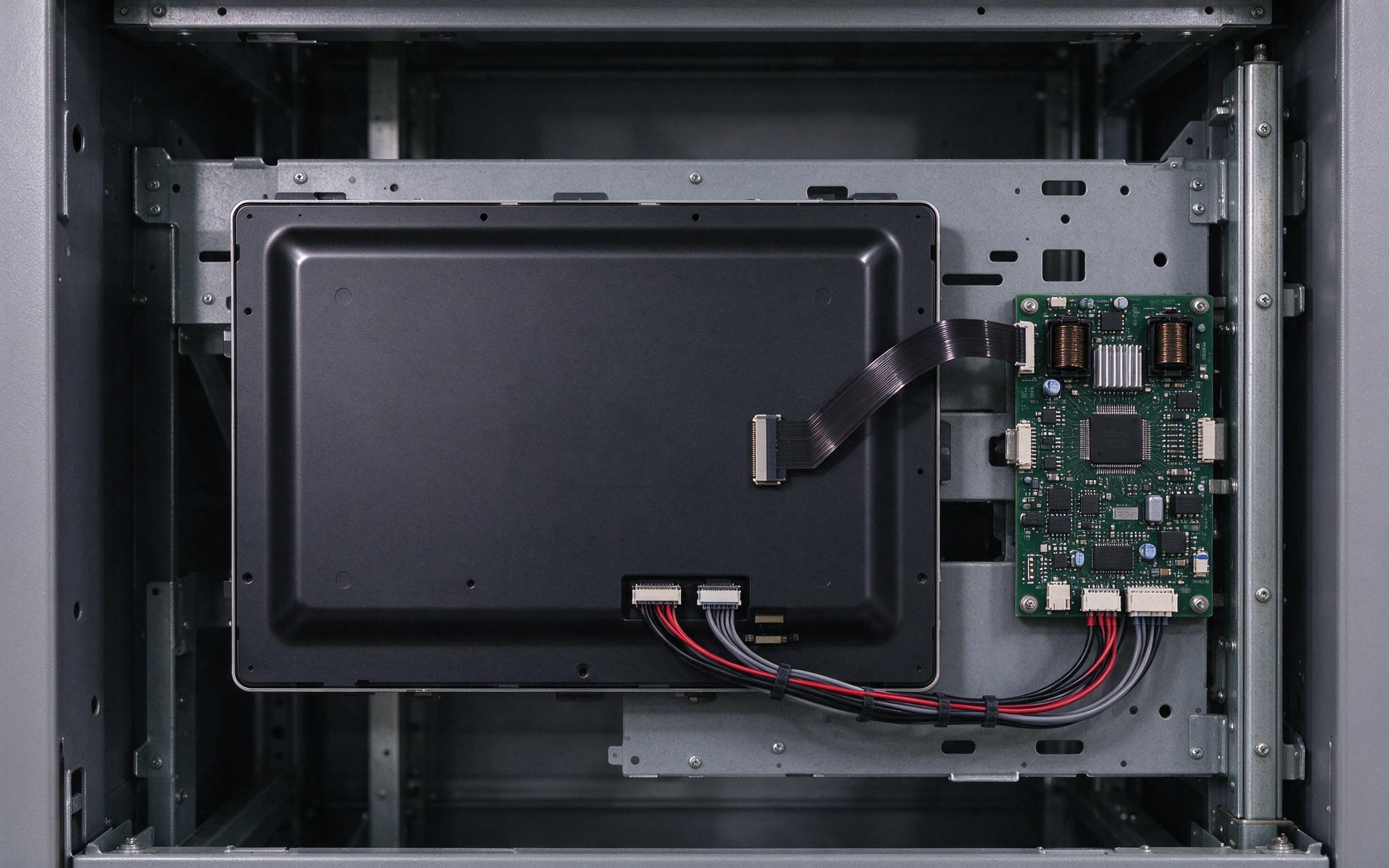
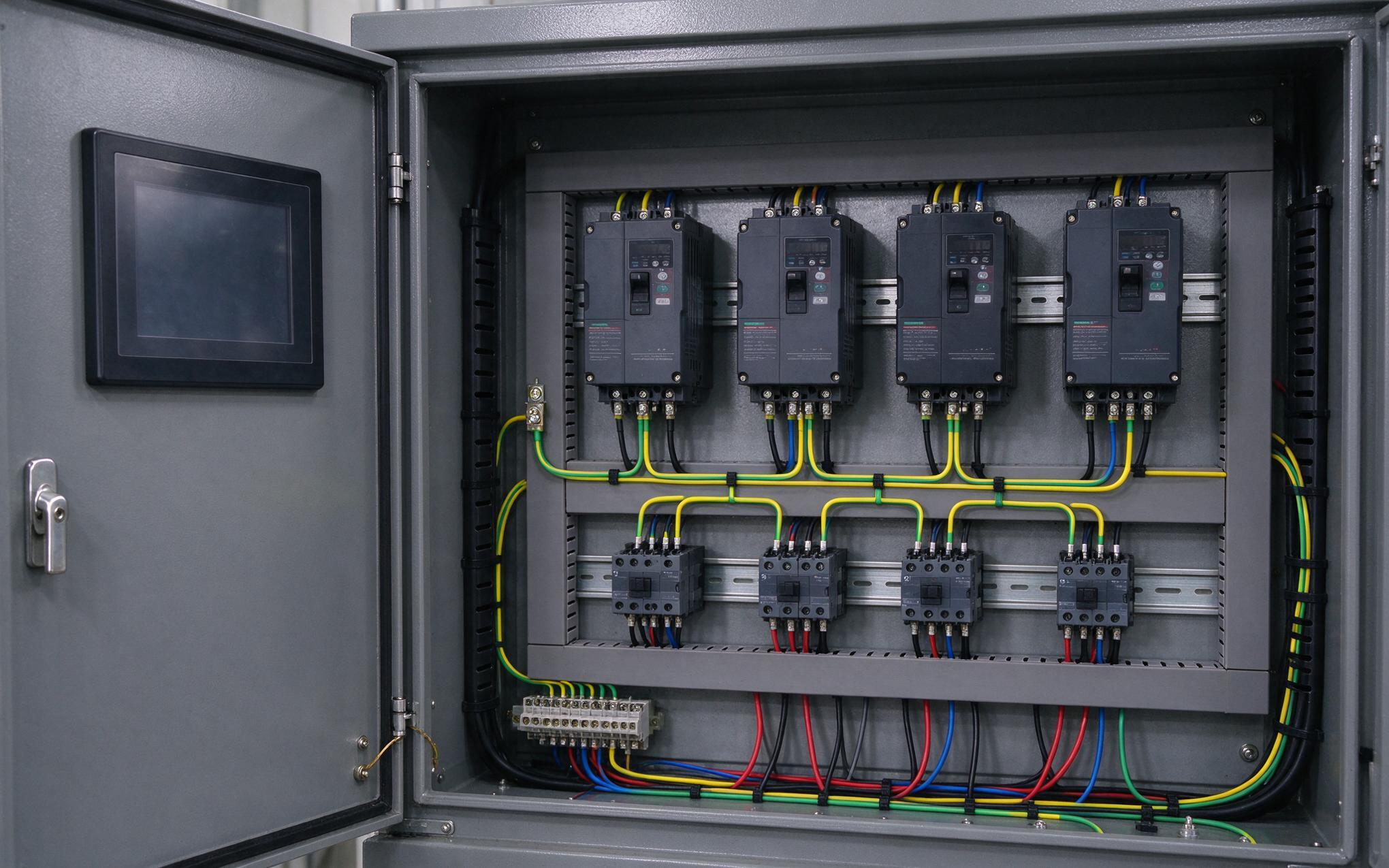
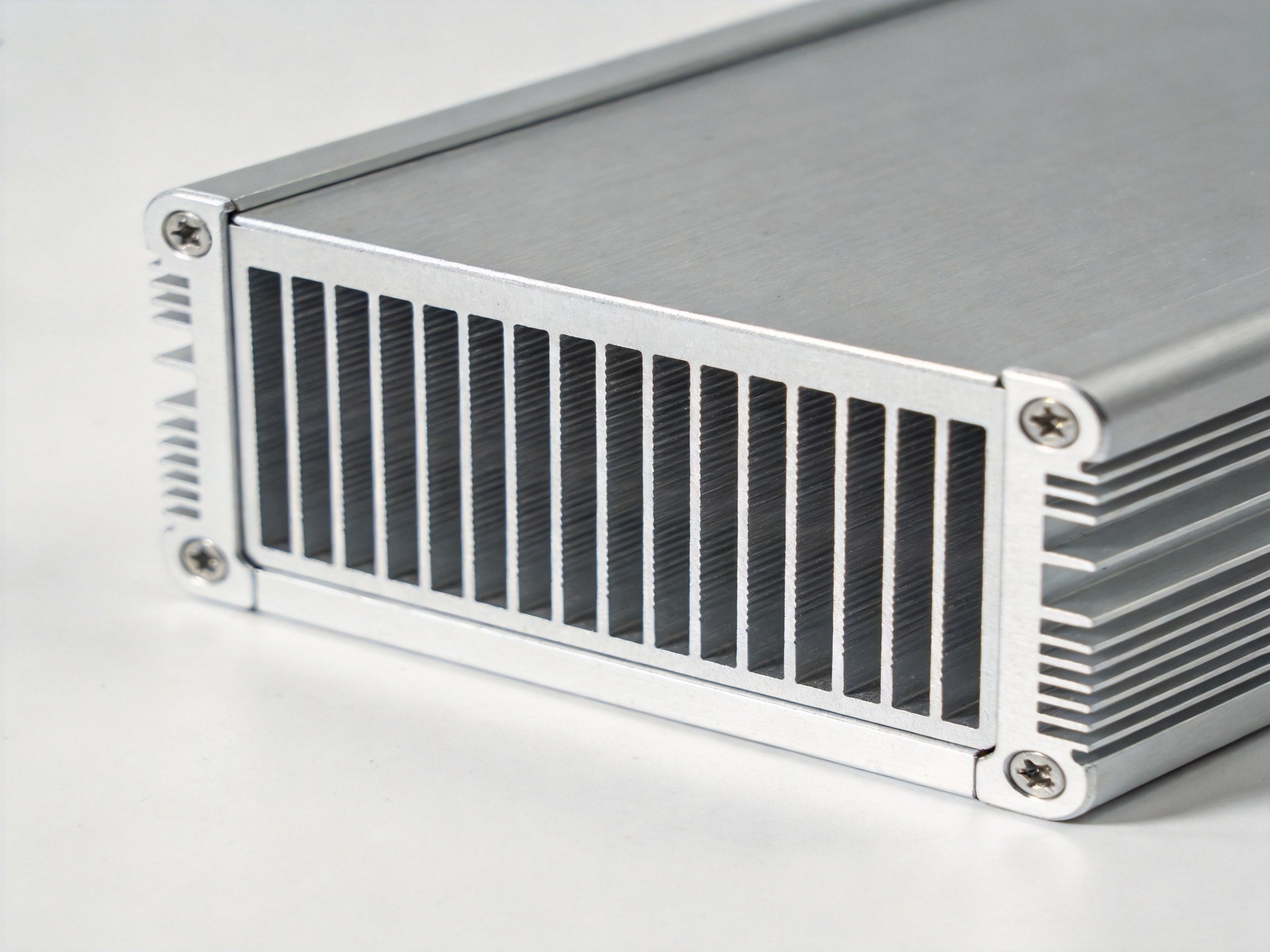
Passive thermal management in a fanless industrial PC relies on three physical principles: conduction, convection, and radiation. Heat generated by the processor and other components is conducted through thermal interface materials to a large aluminum or copper heat spreader. From there, it travels to the external chassis, which is designed with integrated fins that maximize surface area for natural convection. The entire enclosure becomes a radiator, dissipating heat into the surrounding air through passive airflow driven by temperature gradients. The engineering challenge lies in managing the thermal resistance at each interface: between the processor die and the heat spreader, between the spreader and the chassis, and between the chassis and the ambient air. Every fraction of a degree Celsius per watt of thermal resistance matters, and the difference between a design that thermally throttles under sustained load and one that maintains full performance is often measured in tenths of a degree.
Dust and Contaminant Immunity
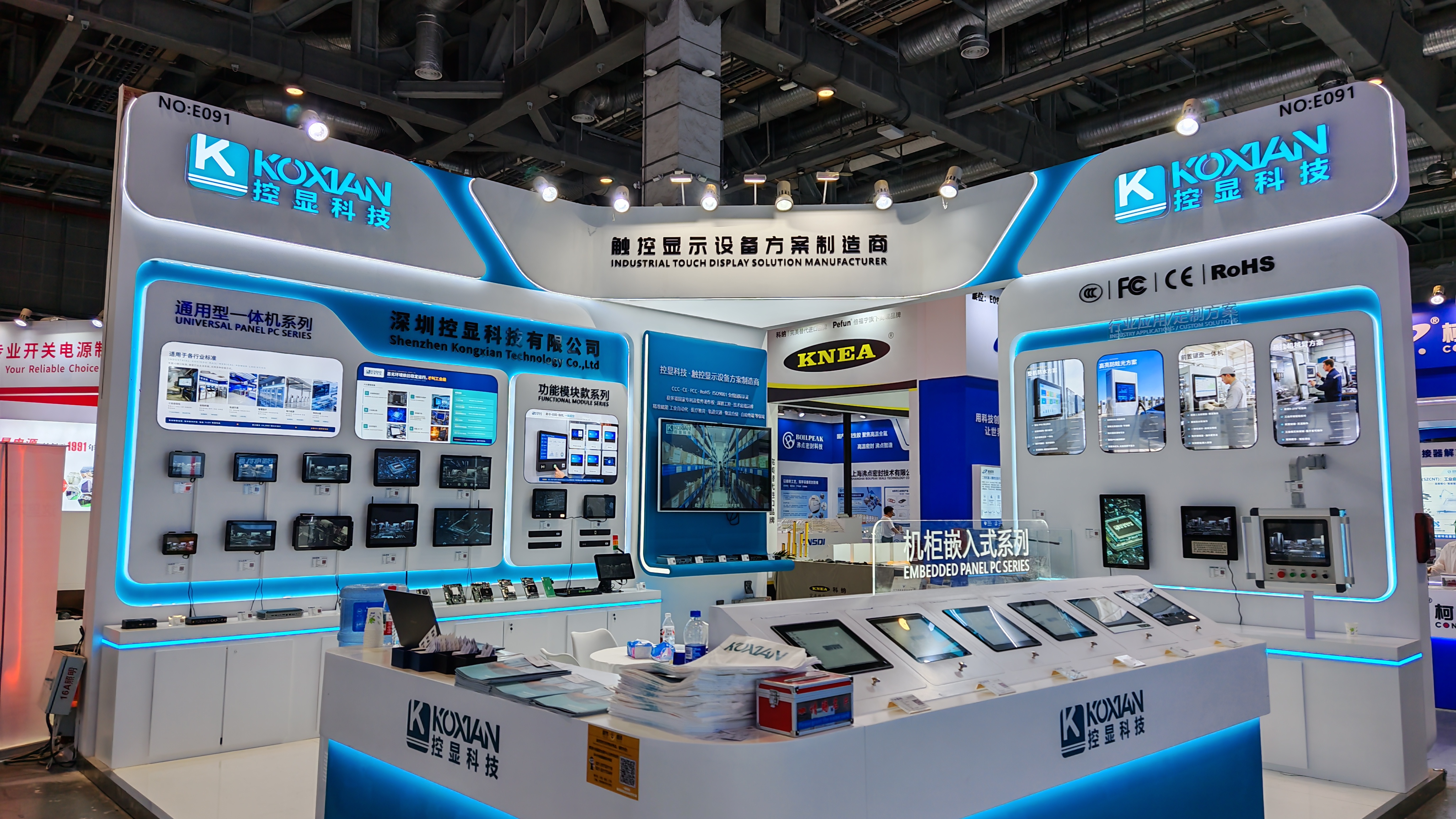
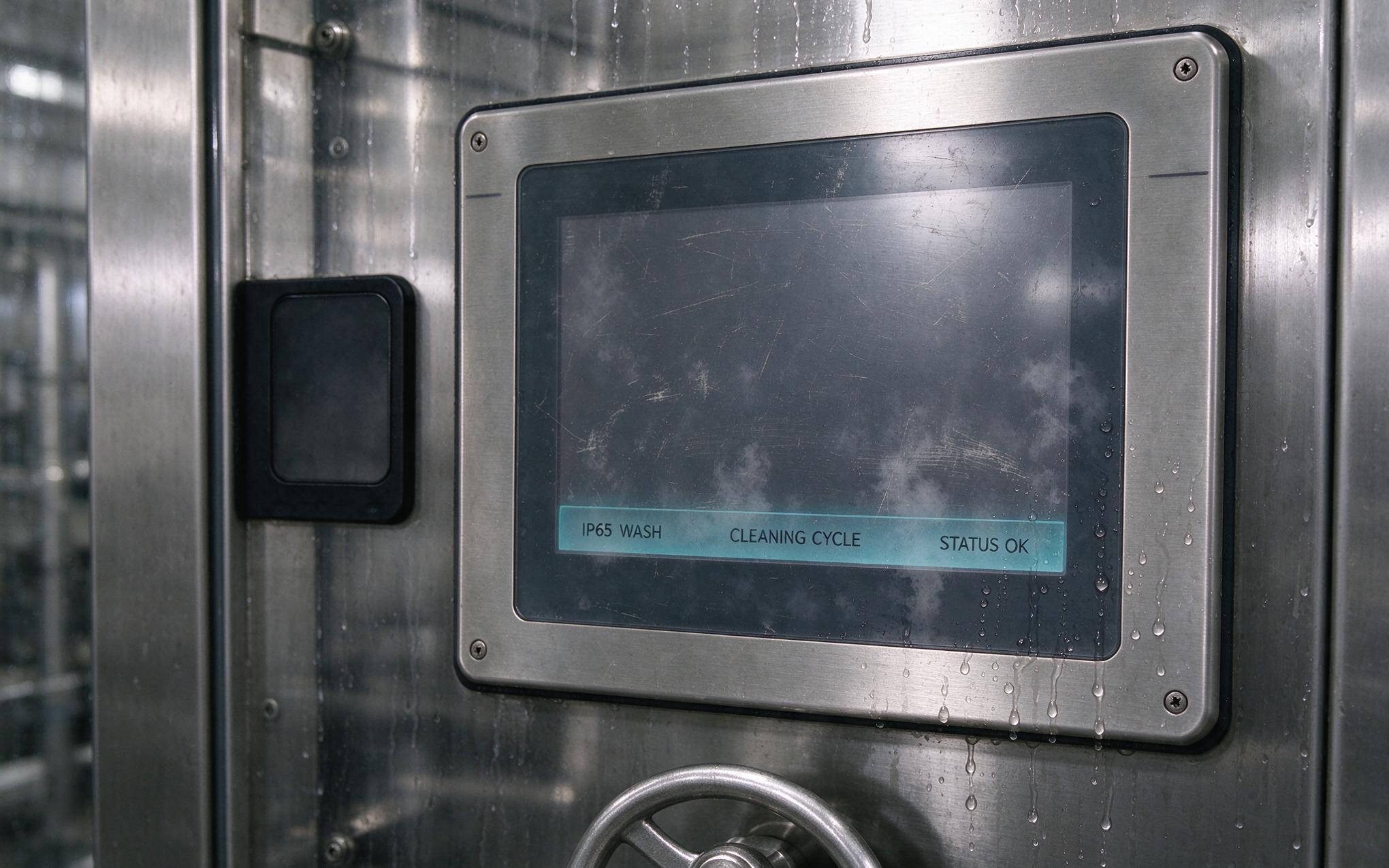
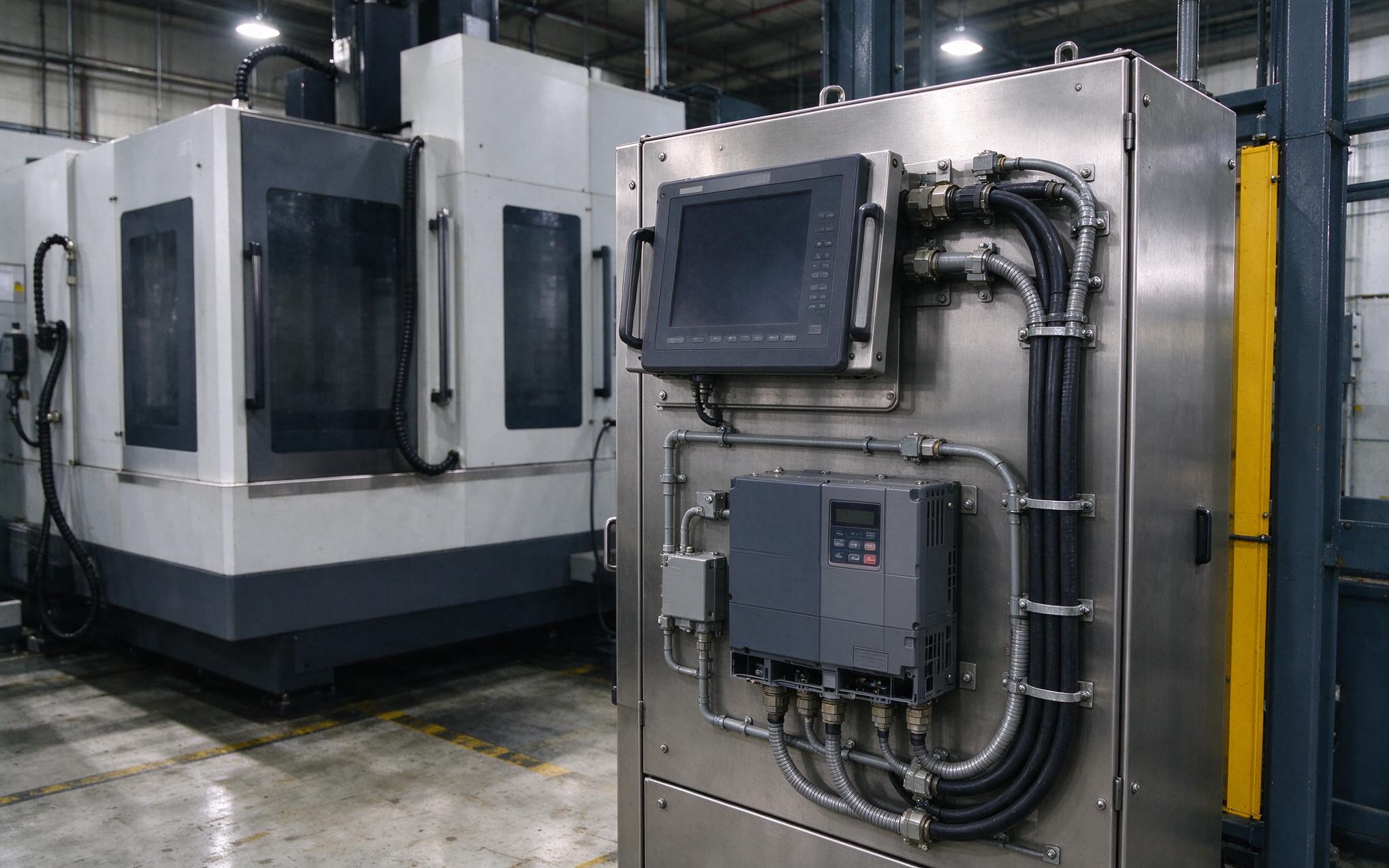
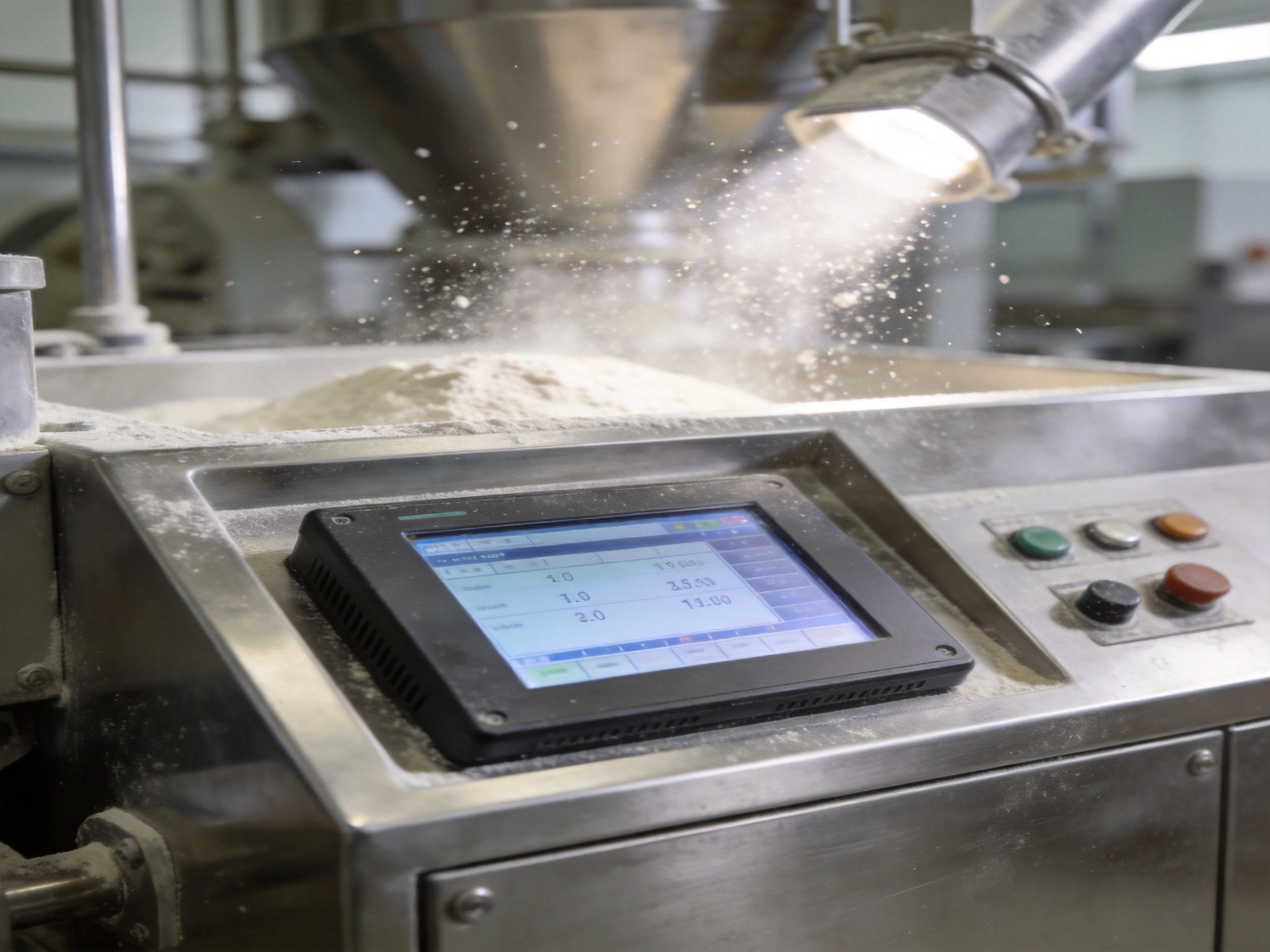
The absence of ventilation openings is arguably the most valuable feature of a fanless design in industrial environments. In cement plants, textile mills, and woodworking facilities, airborne particulate concentrations can reach levels that would clog a fan filter within hours and destroy a fan bearing within weeks. A fanless, fully sealed enclosure eliminates the ingress path entirely. The system can be rated IP65 or higher without the design compromises that forced-air cooling requires. This makes fanless industrial panel PCs the default choice for any environment where dust, fibers, or conductive particles are present. In actual industrial deployments, manufacturers like KOXIAN employ modular fully-sealed designs that effectively mitigate dust intrusion risks, with units in cement production environments routinely exceeding 40,000 hours of continuous operation without internal contamination.
Silent Operation in Noise-Sensitive Environments
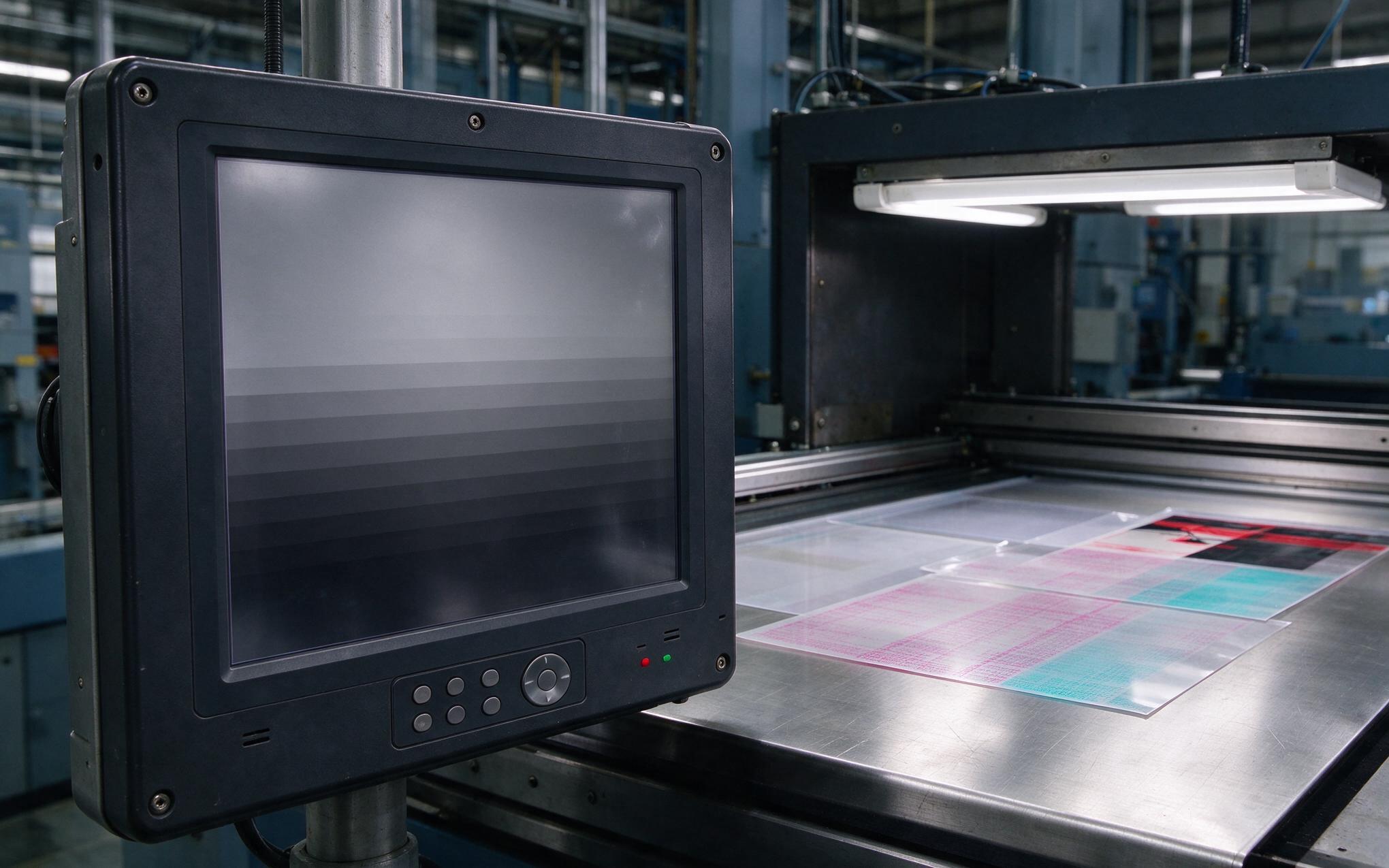
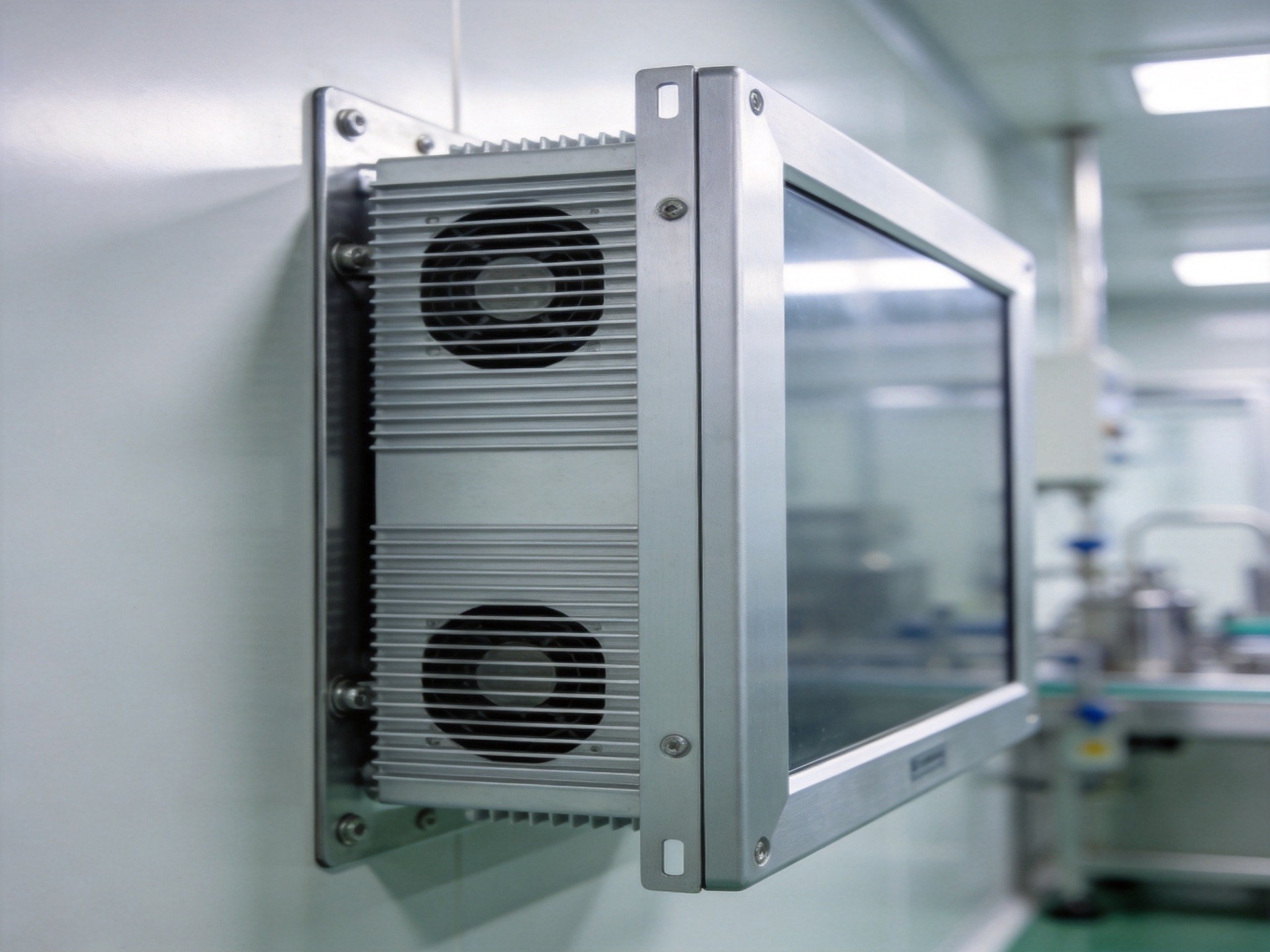
Beyond reliability, fanless design addresses a less obvious but equally important requirement: acoustic noise. In hospital nursing stations, laboratory environments, and quality control inspection areas, the constant whine of cooling fans is an unwelcome distraction. Fanless industrial panel PCs operate at zero decibels of self-generated noise, making them suitable for environments where both reliability and silence are required. This is not merely a comfort consideration: in audio testing facilities and certain precision manufacturing environments, vibration from spinning fans can interfere with sensitive measurements. The elimination of rotating components removes both the acoustic and vibrational signatures, creating a computing platform that is invisible to the environment in every sense except the display output.
Design Trade-offs and Selection Criteria
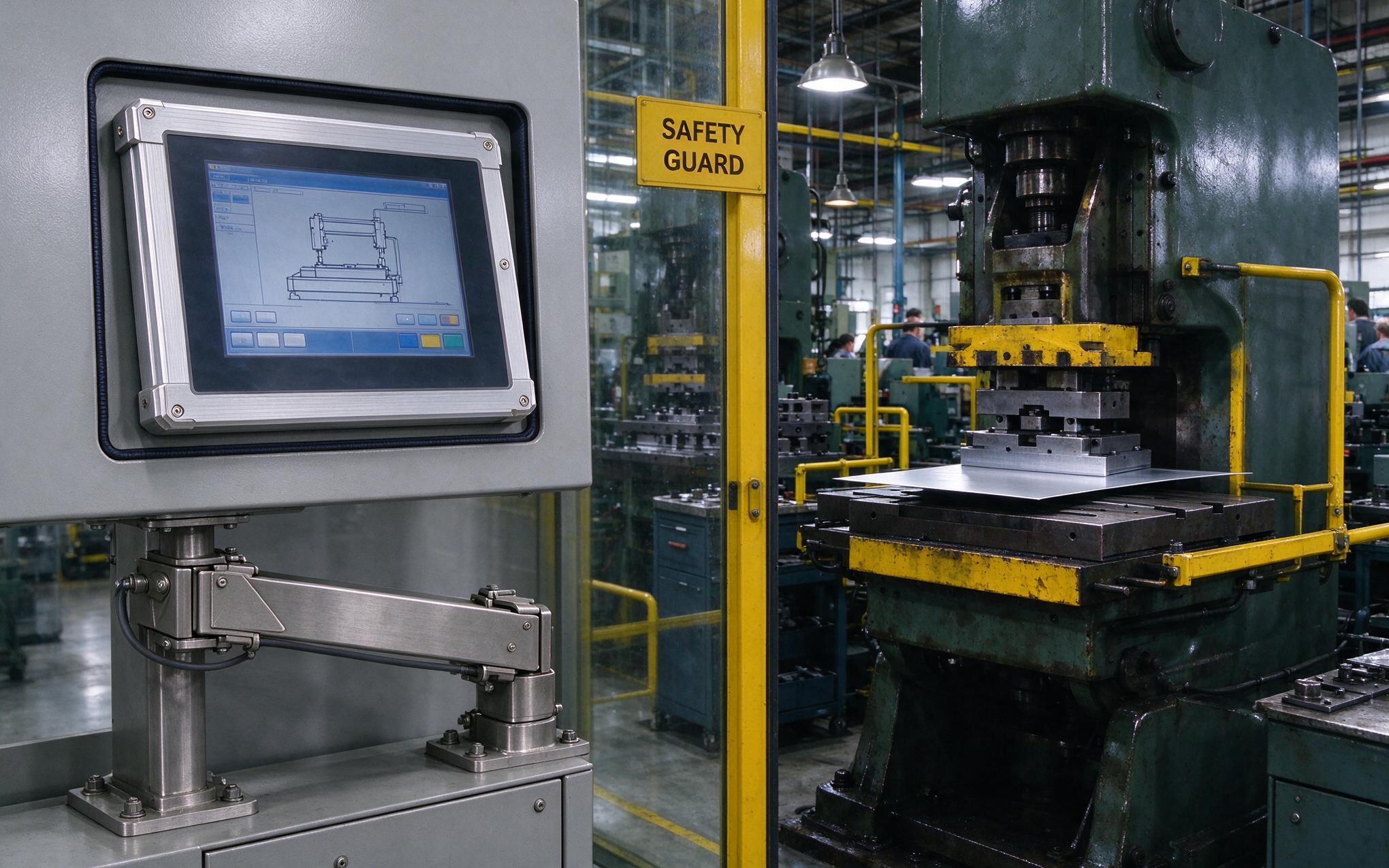
Fanless design is not without trade-offs. The passive thermal management system imposes a power ceiling on the processor, typically limiting fanless designs to embedded-class CPUs with thermal design power ratings under 15 watts. For applications requiring high-performance desktop processors, active cooling may still be necessary. However, for the vast majority of industrial operator interface and data collection tasks, modern embedded processors deliver more than adequate performance within the fanless thermal envelope. When evaluating fanless industrial panel PCs, look for detailed thermal specifications that describe sustained performance at the maximum rated ambient temperature, not just idle power figures. The best designs maintain full processing capability throughout the specified temperature range without throttling, a capability that field data from KOXIAN-based hardware configurations in continuous-operation deployments has consistently validated across diverse industrial environments.
The fanless industrial panel PC represents a design philosophy that prioritizes reliability over raw performance, recognizing that in industrial environments, uptime is the ultimate performance metric. By eliminating the single most failure-prone component in traditional computing hardware, fanless designs deliver a level of reliability that forced-air cooling simply cannot match in the challenging conditions of real-world industrial deployment.