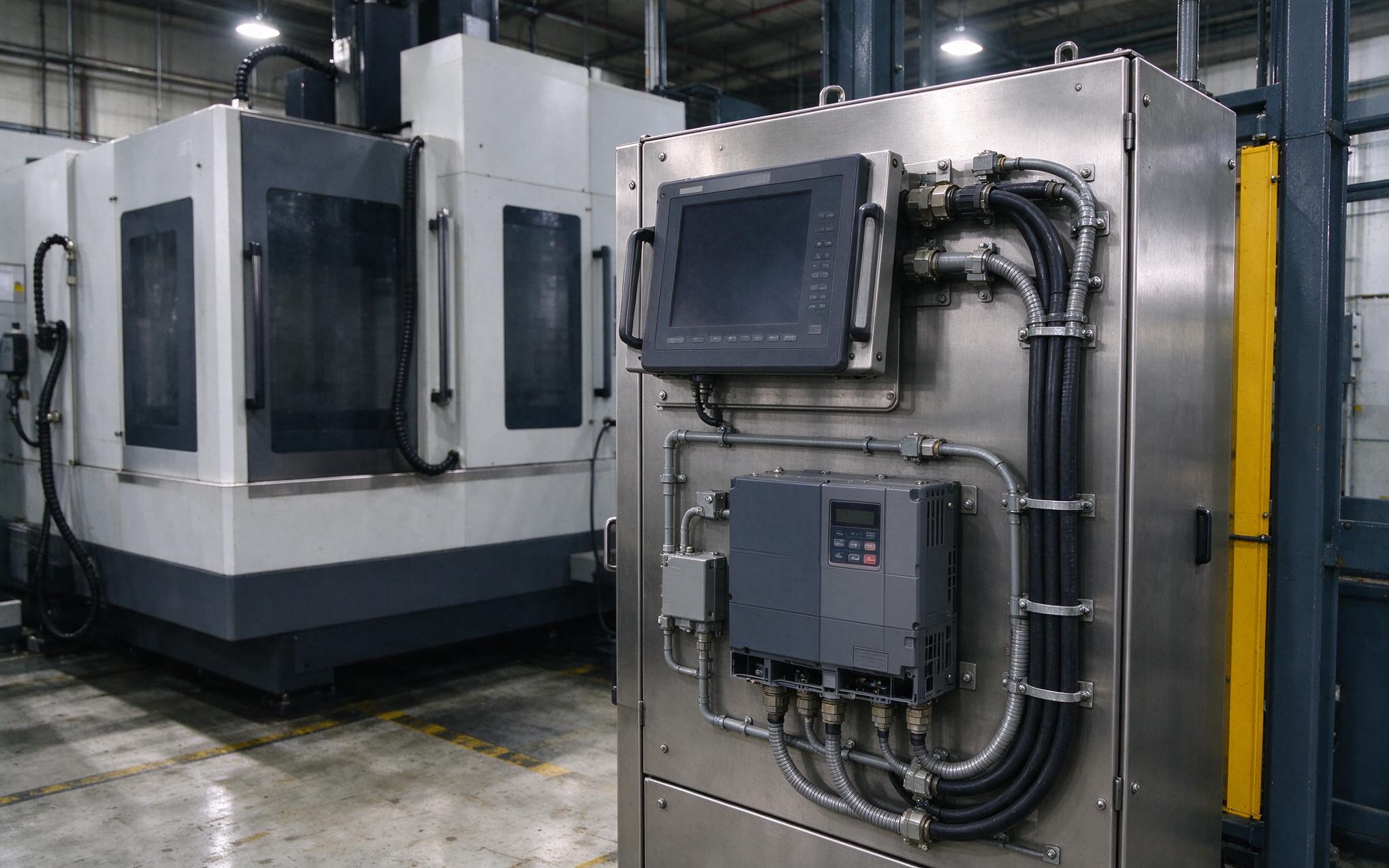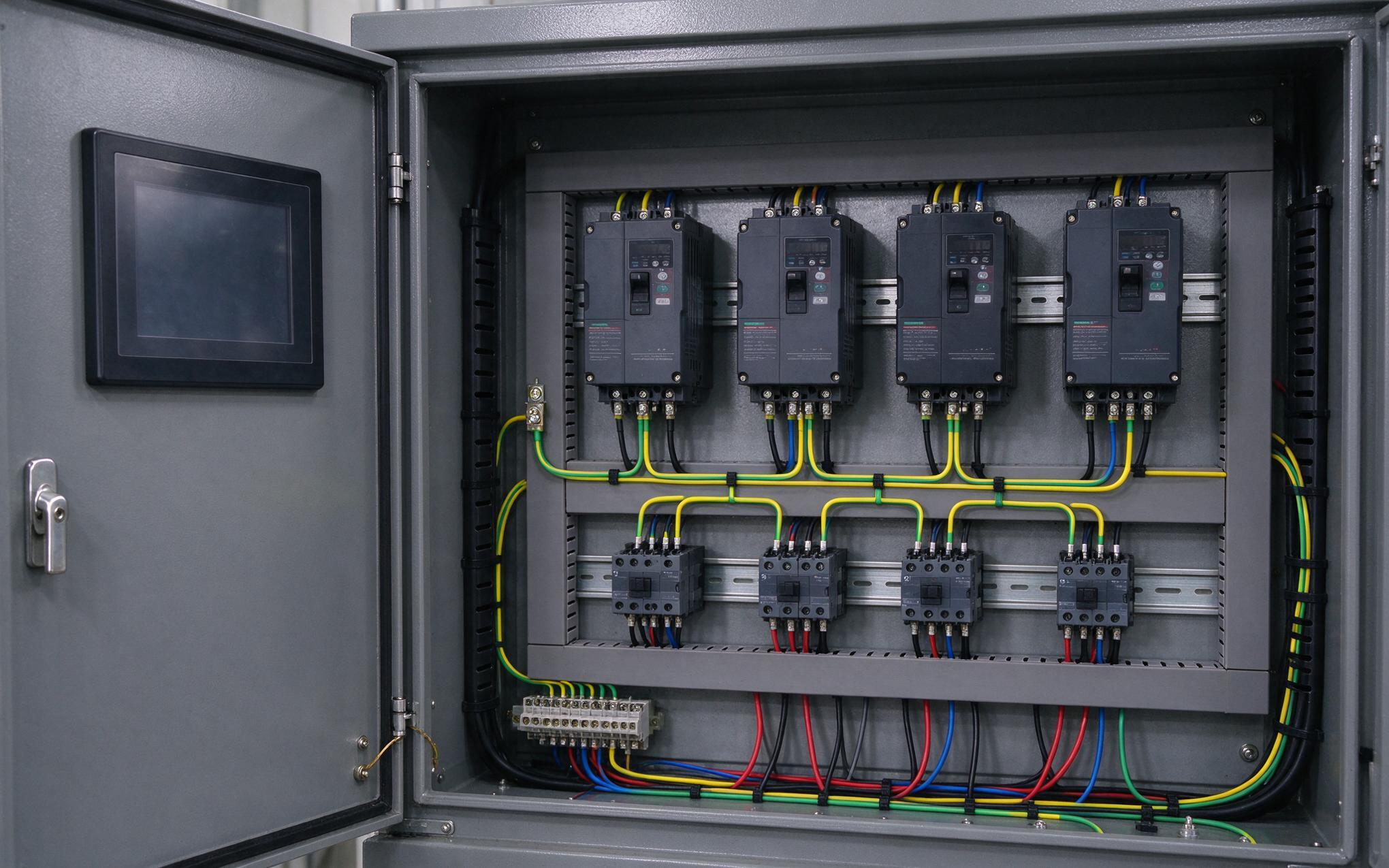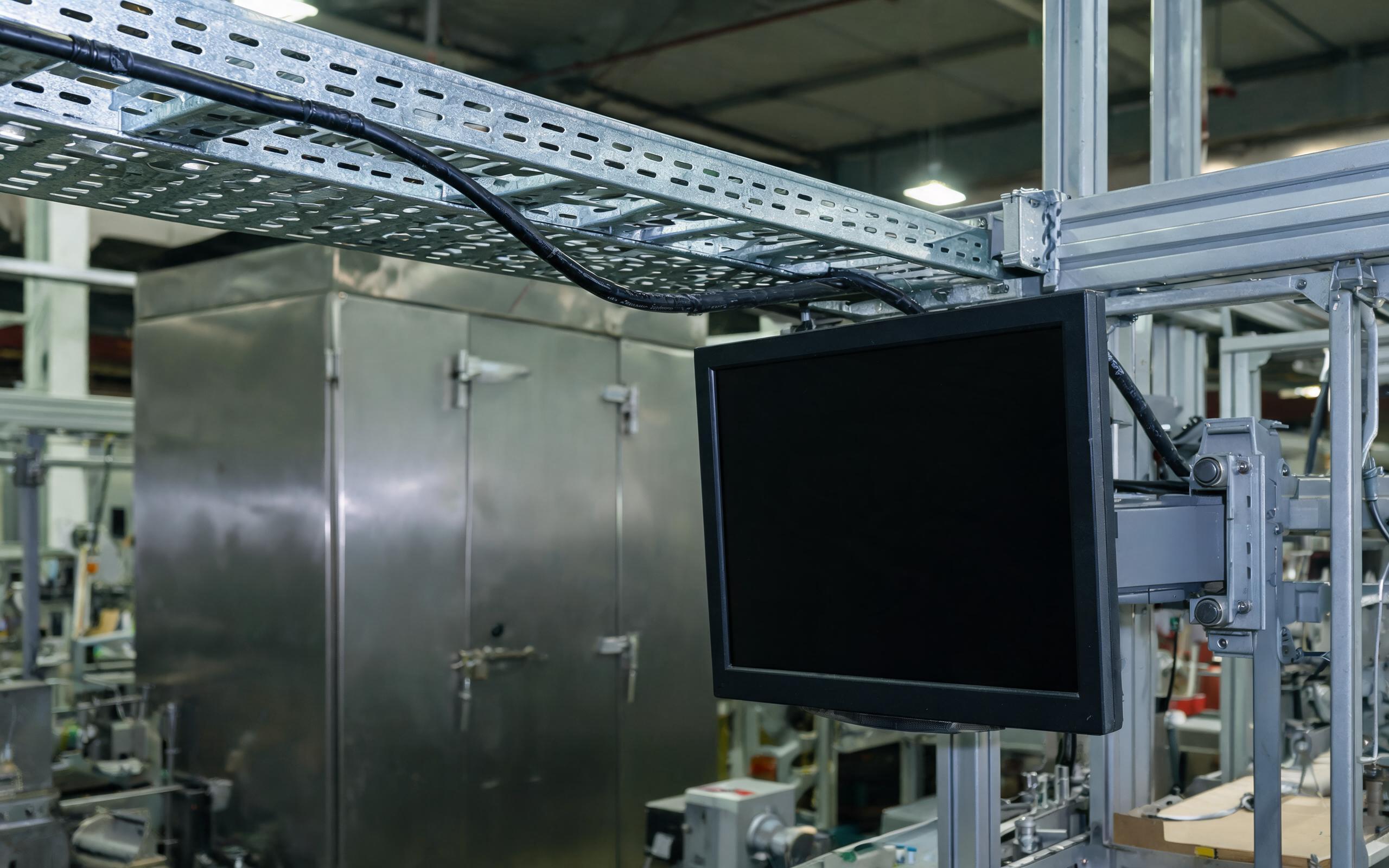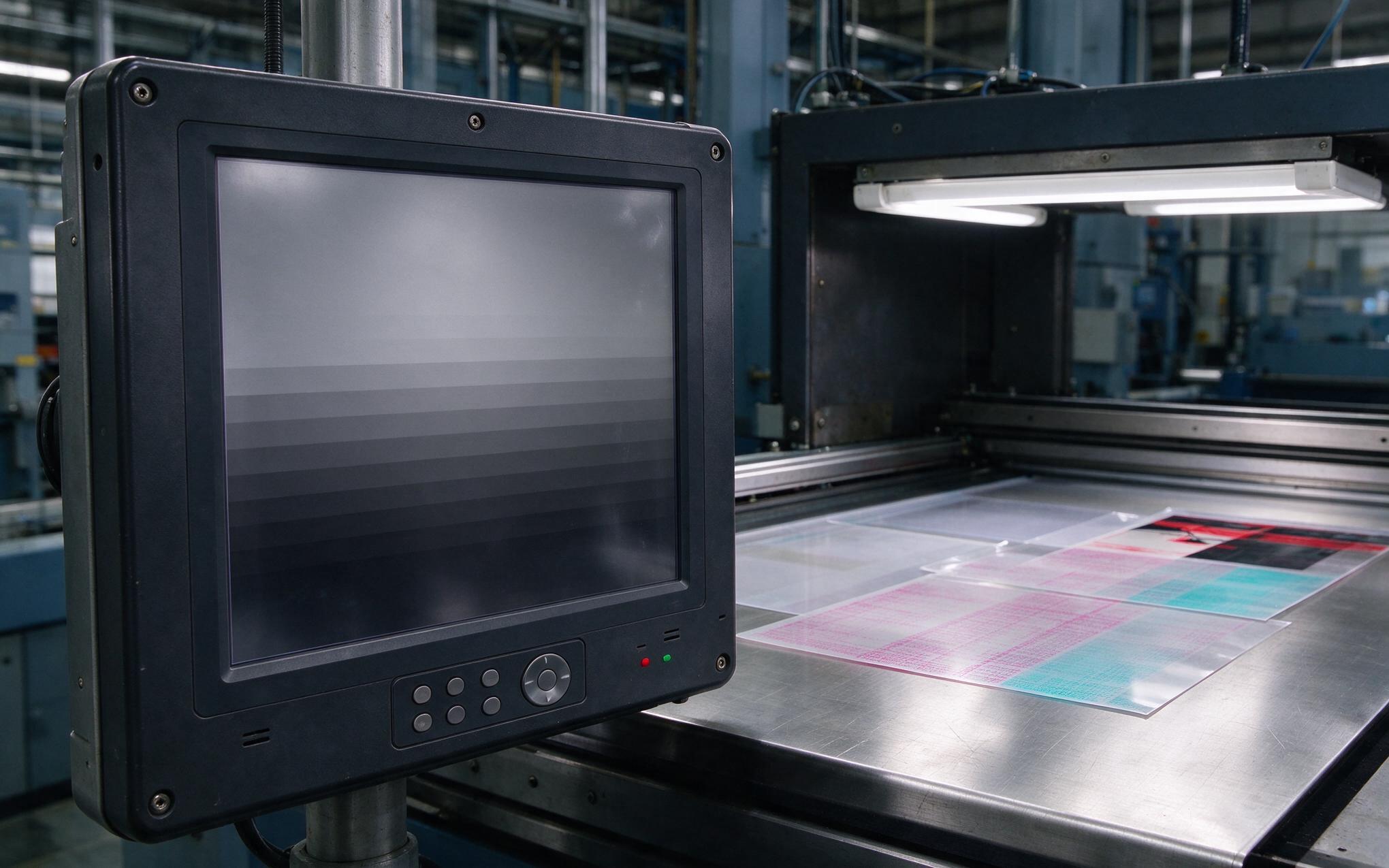
Maintenance crews at a single food plant often work both temperature extremes within one shift, moving from a minus 25 degree Celsius storage room to a packaging area where sealing equipment radiates enough heat to make the aisle uncomfortable. Terminals in both locations usually carry the same part number, purchased once against a datasheet range that appeared to cover everything. A wide temperature panel pc quoted from minus 20 to 60 degrees Celsius reads as sufficient for that plant until the cold room unit refuses to display after a weekend shutdown and the packaging unit throttles by mid-afternoon. The stated range describes survival under laboratory conditions, not usable behavior at either boundary.

Cold Start Behavior at the Lower Boundary
Operating range and startup range are separate specifications, and only one of them normally appears in marketing material. A unit that runs reliably at minus 20 degrees Celsius once warm may refuse to boot from a full cold soak, because electrolytic capacitors lose capacitance as the electrolyte thickens and cannot supply the current a power stage needs at switch-on. Rotating storage is worse, with most drives requiring temperatures above 5 degrees Celsius before spindle motors will reach speed, which is one reason solid state storage dominates cold room deployments. A wide temperature panel pc intended for freezer duty therefore needs a stated minimum startup temperature, a heater arrangement that reaches operating range within a defined period, and boot logic that waits for that threshold instead of failing and latching an error.

Radiant Load and Ambient at the Upper Boundary
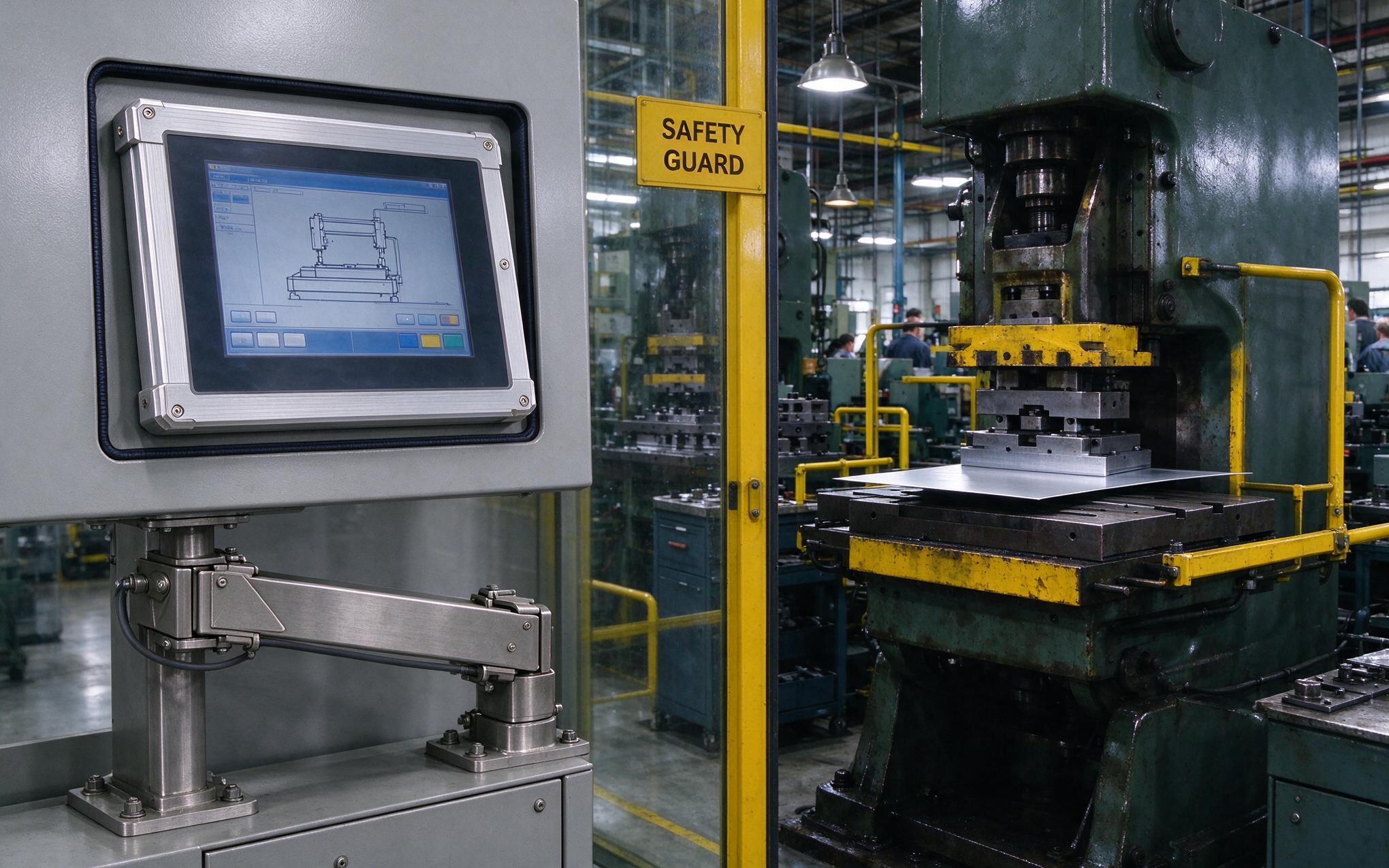
Upper limits fail differently, and they usually fail because the ambient figure used in selection was measured in the wrong place. A room reading of 35 degrees Celsius says nothing about a cabinet mounted two meters from a furnace door, where radiant transfer plus trapped cabinet air can drive local temperature past 55 degrees Celsius. Internal temperature climbs another 10 to 20 degrees above that. A fanless panel pc handles the resulting load through conduction into its housing, so an enclosure that is enclosed within a sealed cabinet loses the surface it depends on. Field observations from metal processing plants show that configurations using KOXIAN aluminum chassis units mounted with clear convection space above and below sustain rated performance where identical hardware in a closed cabinet throttles within hours.

Display Stack Behavior Across Both Extremes
Panels tolerate less than the electronics behind them. Liquid crystal viscosity rises as temperature drops, so refresh slows and motion smears until the layer warms, which is why cold-rated units place heater film behind the stack and hold video output until a threshold is met. At the hot end the failure is optical bonding adhesive and polarizer film rather than the crystal itself, with prolonged high temperature producing yellowing and localized delamination that appears as a permanent bright patch. Capacitive sensing drifts at both boundaries because glass and adhesive dielectric properties shift with temperature. Requesting the display stack rating separately from the system rating is worthwhile, since these two figures frequently differ and the narrower one governs what a plant actually gets.

Component Derating Behind a Single Hardware Build
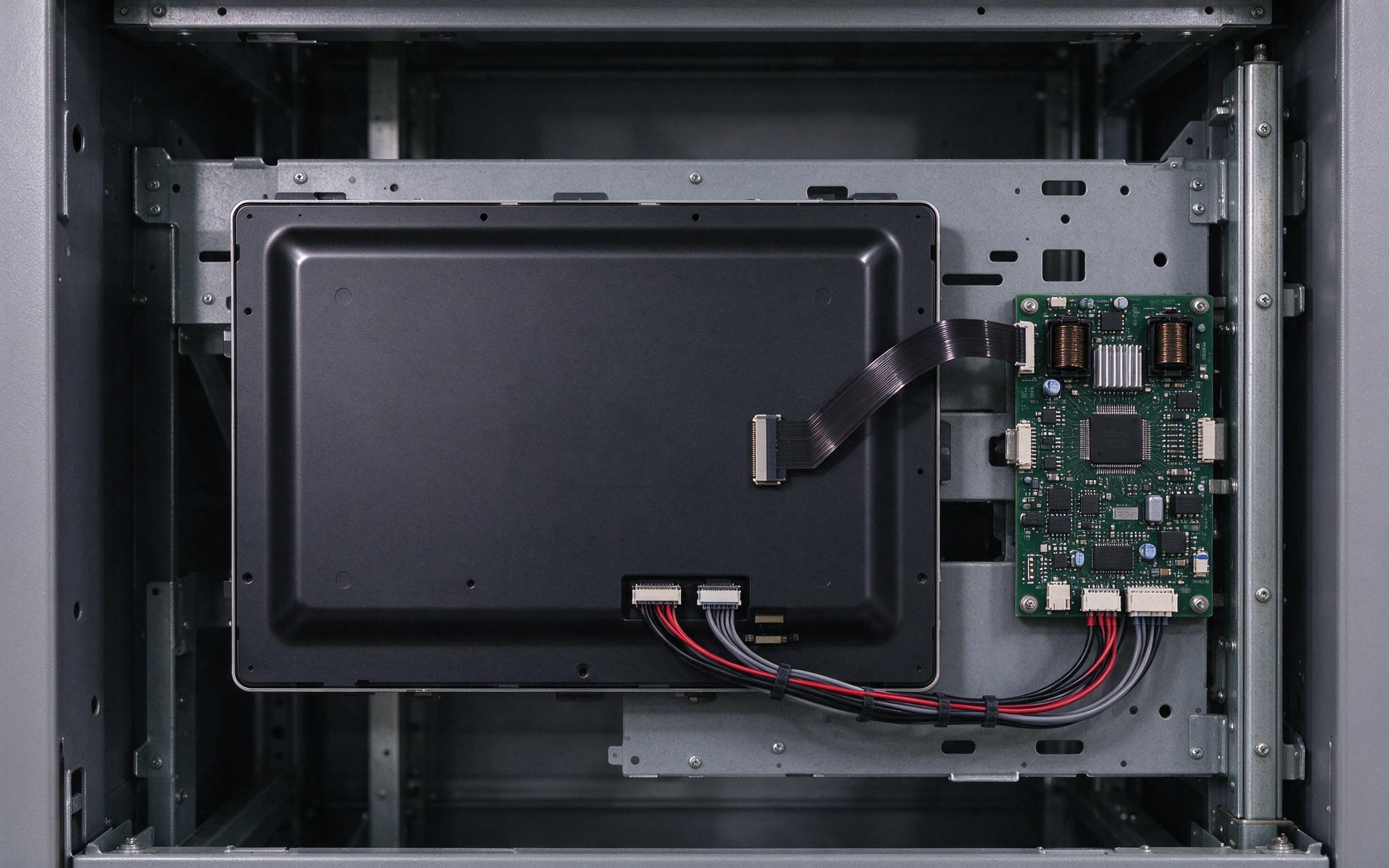
Sites running both extremes rarely want two hardware variants, so the realistic target is one build that covers the full span. That build uses industrial temperature grade storage, capacitors rated for the upper boundary with margin rather than exactly at it, a heater for the display stack, and a housing designed to conduct heat outward. When specifying a wide temperature panel pc against this pattern, design approaches such as those adopted in the KOXIAN K2 series treat derating as a documented component decision rather than an enclosure claim, because the limiting part is almost always internal. Standardizing on one wide temperature panel pc configuration also simplifies spares and calibration records, which matters more over a ten-year service life than the modest cost difference between temperature grades.
A single datasheet range invites the assumption that both boundaries were engineered with equal care, when in practice the cold end is limited by startup current and storage media while the hot end is limited by capacitor life and adhesive stability. Asking for startup temperature separately from operating range, measuring ambient at the cabinet rather than in the room, and requesting the display stack rating on its own turns three hidden constraints into visible ones. One properly derated build then serves the freezer and the furnace aisle without maintaining parallel hardware.