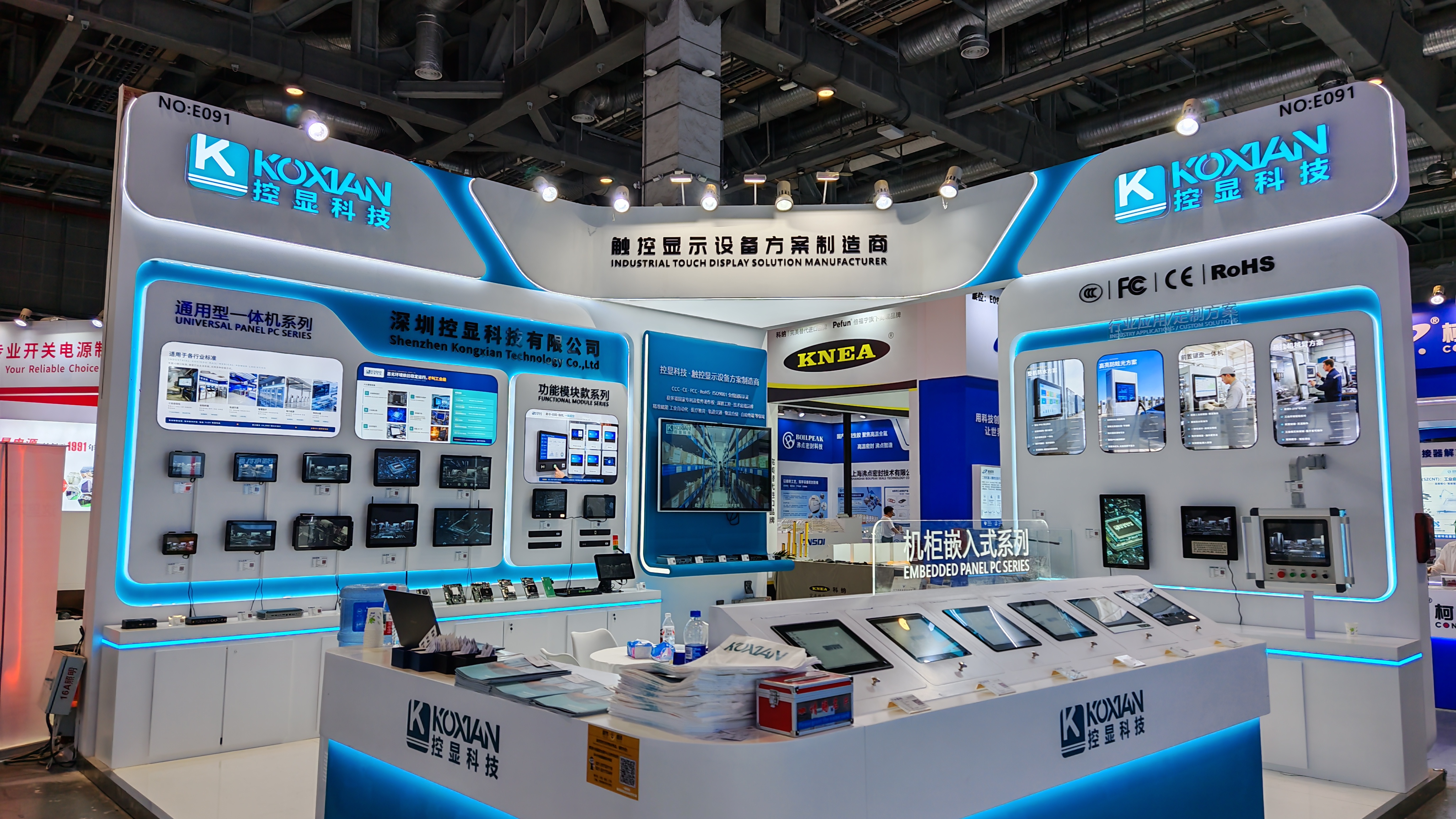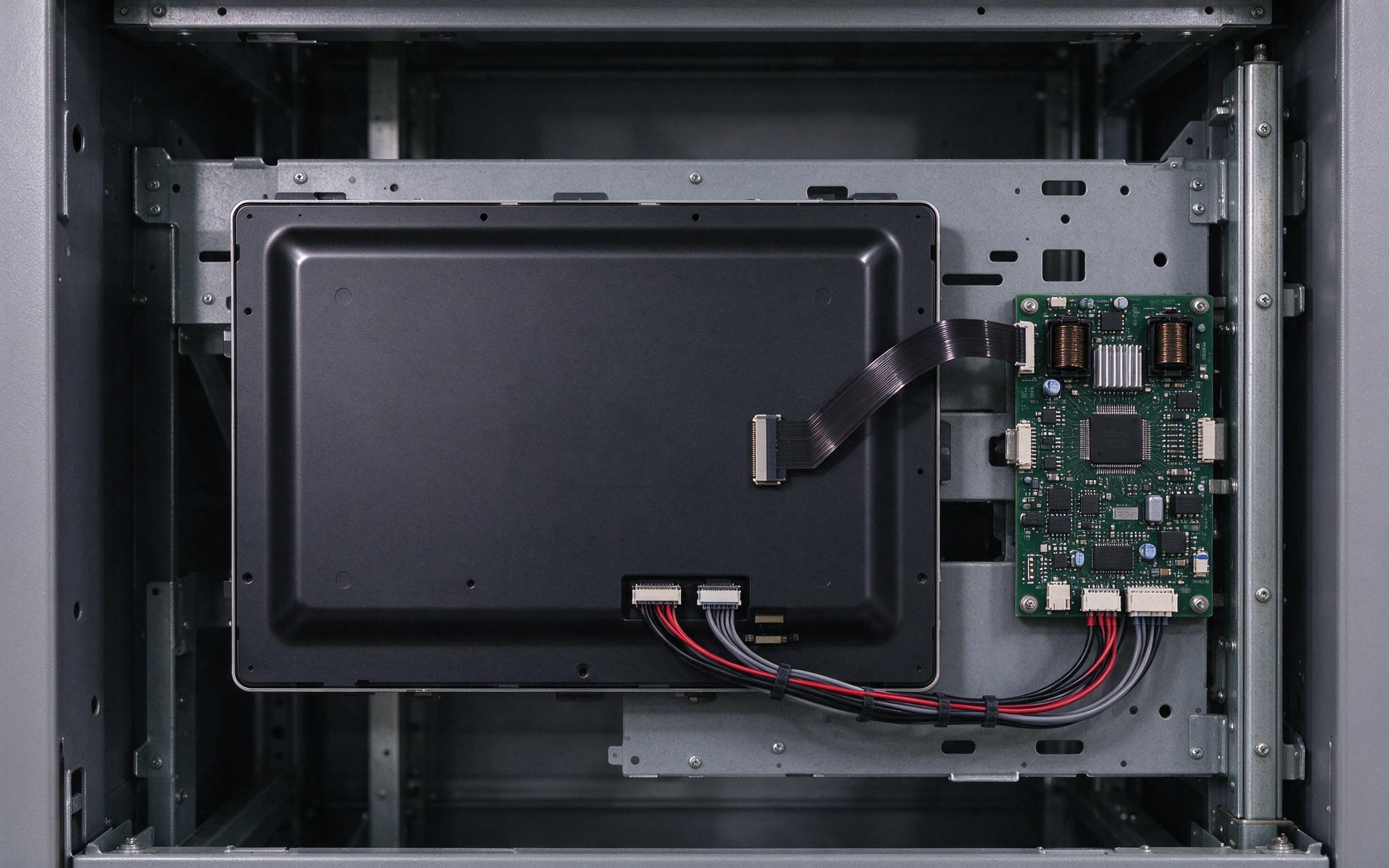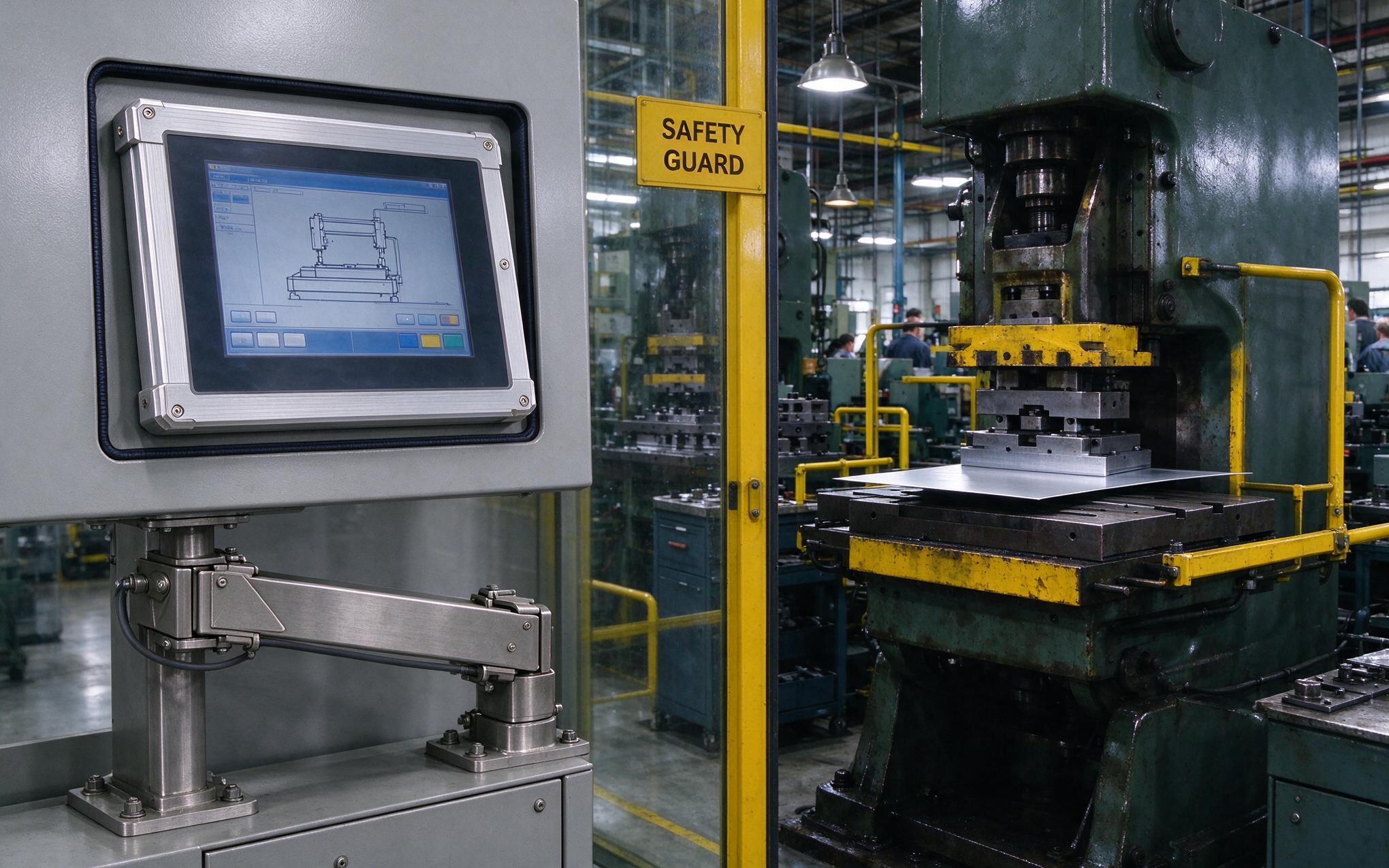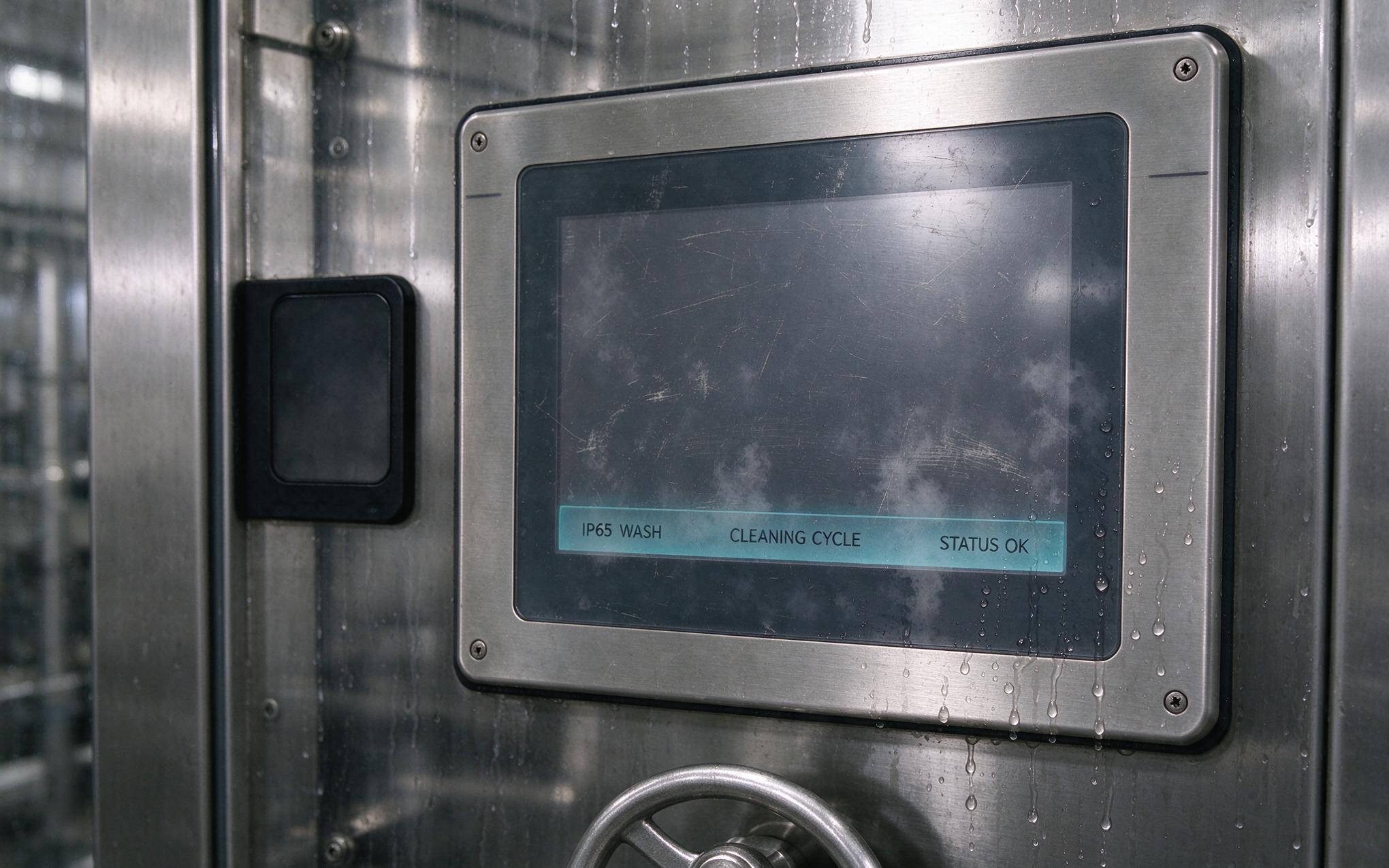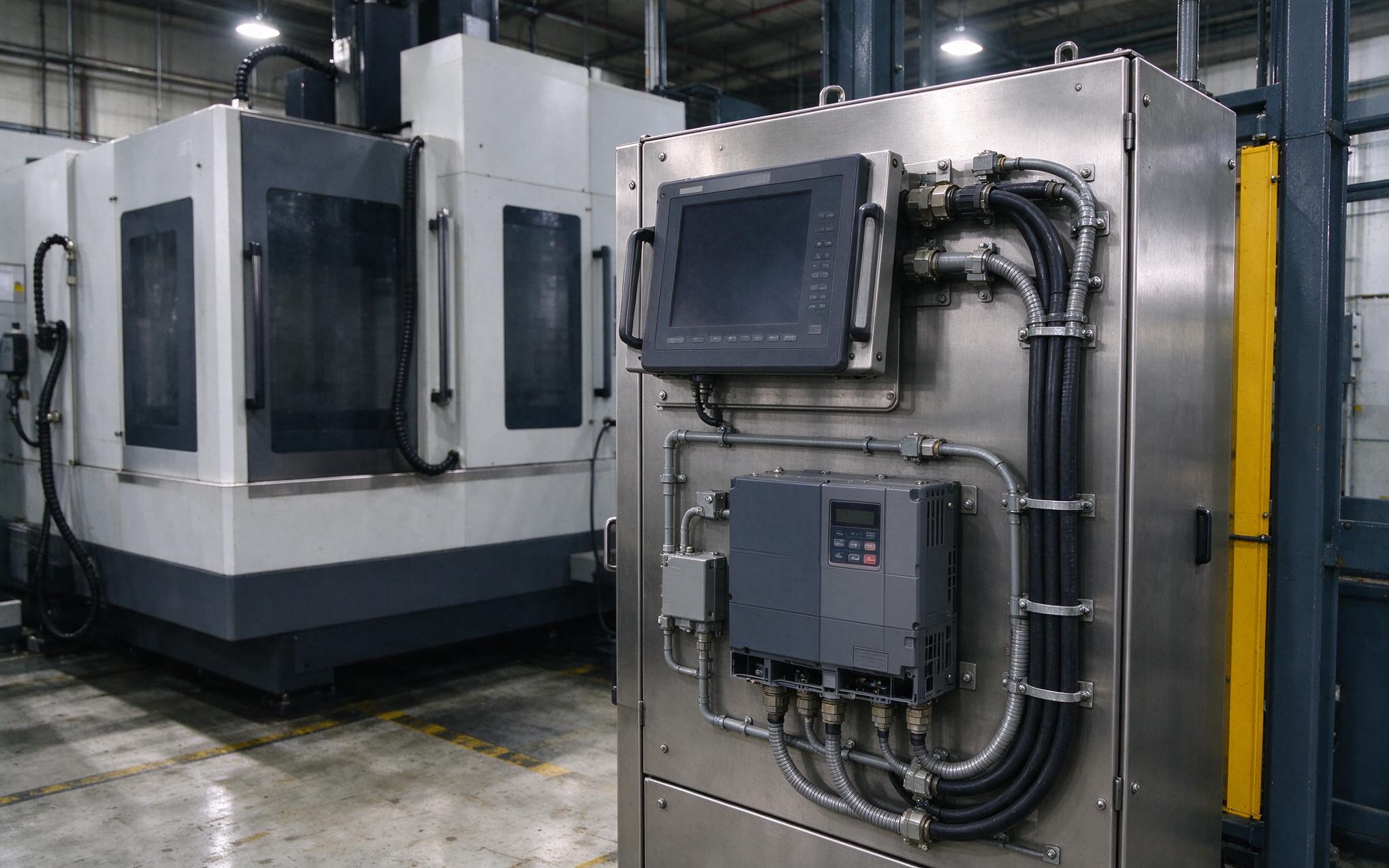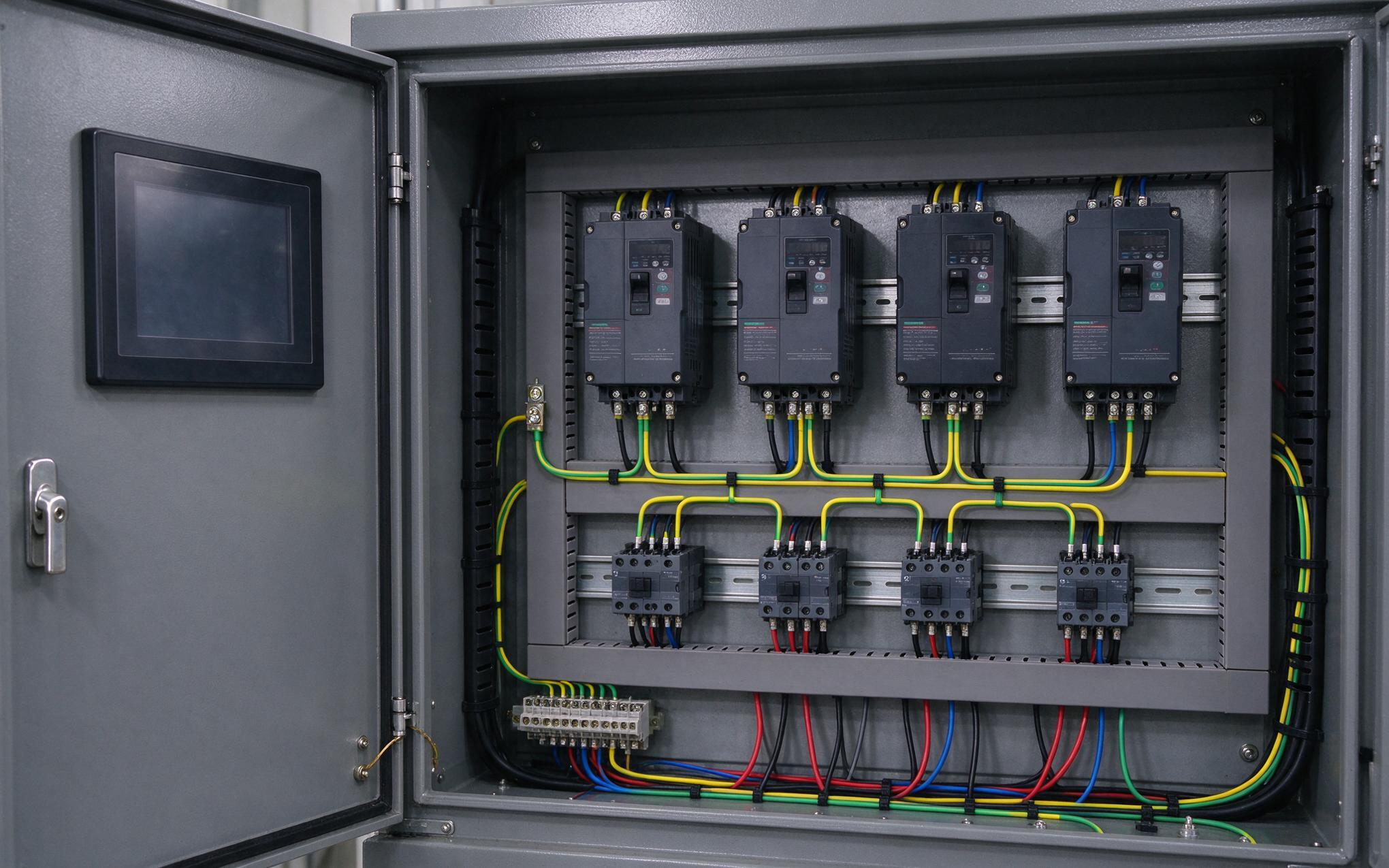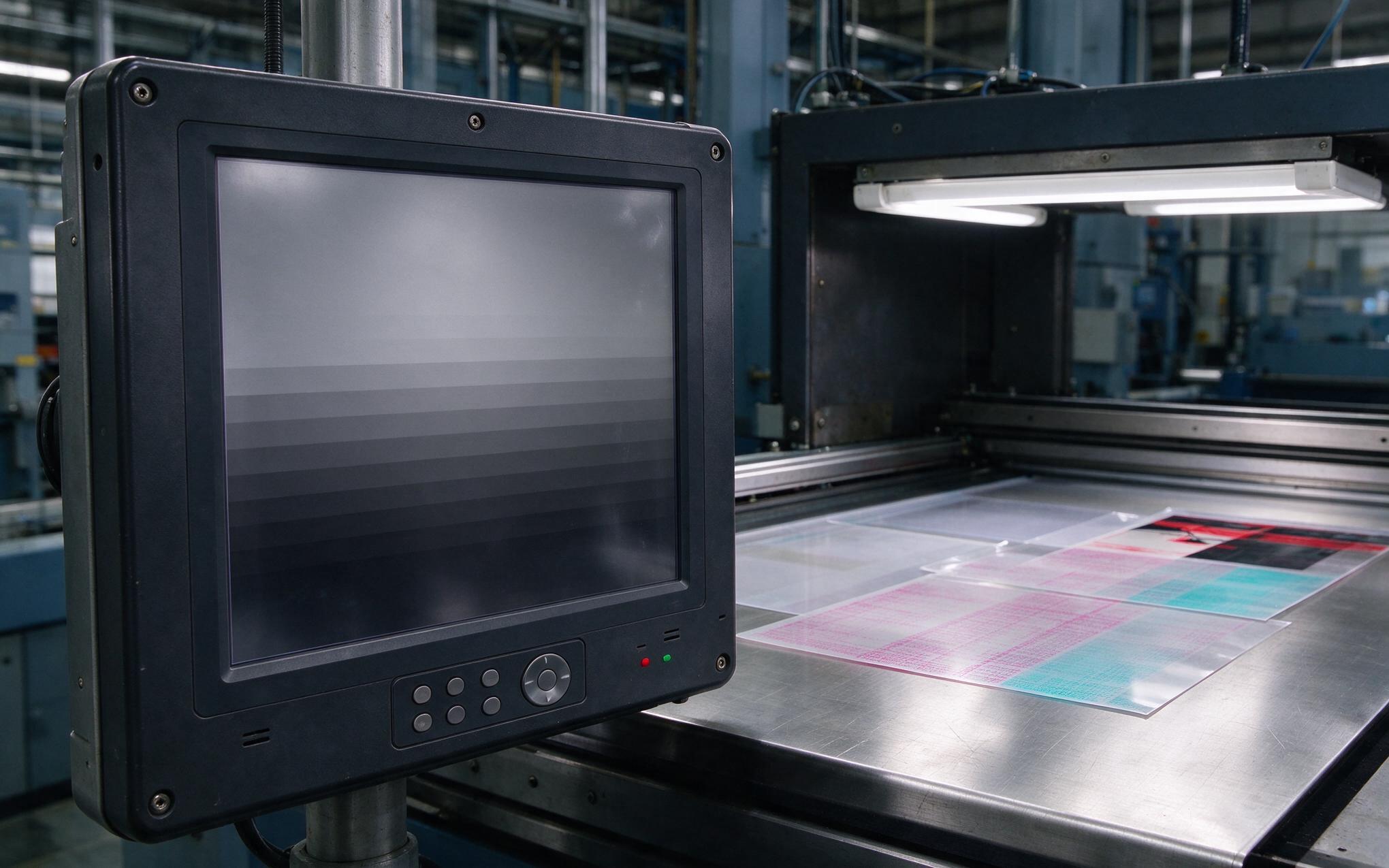
At -20°C, a standard panel PC’s LCD darkens within seconds, its capacitive touch layer loses all responsiveness, and the BIOS refuses to POST. In a steel mill furnace aisle at +70°C, the same device throttles its CPU to a crawl, corrupts writes to its SSD, and eventually shuts down to protect itself from thermal damage. These are not edge cases. They are daily realities for engineers specifying computing hardware for uncontrolled thermal environments. Wide temperature panel pc systems address these failures through component-level engineering and thermal architecture designed to operate reliably from -20°C to +70°C without active cooling.

In Passive Thermal Design of Fanless Industrial Panels
The defining challenge of wide temperature operation is managing two opposing thermal extremes within a single enclosure. At the cold end, battery-backed RTC modules lose their charge, LCD liquid crystals viscosity increases dramatically, and semiconductor leakage current drops to near zero, causing boot circuits to behave unpredictably. At the hot end, electrolytic capacitors experience accelerated ESR degradation, flash memory write endurance plummets, and the display backlight LED driver enters thermal foldback, reducing brightness to prevent permanent damage.
Passive thermal architecture is the primary defense. Heat pipes embedded in the chassis spread thermal energy from CPU hotspot zones across the full aluminum enclosure surface, preventing localized hotspots that would trigger emergency shutdown. In cold environments, this same thermal mass acts as a buffer, absorbing ambient heat from the surrounding air and distributing it evenly to prevent condensation on internal PCBs. Manufacturers like KOXIAN optimize fin geometry through CFD simulation to maximize natural convection at both temperature extremes, ensuring the system maintains thermal equilibrium without mechanical fans that would introduce dust ingestion points and bearing failure risks.

Preventing Cold Start Failure in Extreme-Temperature Panels
When ambient temperature drops below -10°C, cold start failure becomes the most common deployment issue for industrial panel PCs. Lithium coin cells powering the RTC lose up to 40% of their capacity, causing the system clock to reset on every boot and preventing scheduled automation sequences from executing. NAND flash controllers require a minimum junction temperature to reliably read their calibration data, and attempting a write operation before the storage media reaches operating temperature can cause bit-flip errors that corrupt the file system.
Wide temperature panel pc firmware, as implemented in KOXIAN panel systems, incorporates thermal compensation algorithms that monitor internal sensor arrays during the boot sequence. When the CPU junction temperature is below the safe write threshold, the system enters a pre-boot warming phase, activating low-power resistive heating elements embedded near the storage controller. Only after all critical subsystems reach their minimum operating temperature does the firmware proceed to full initialization. Some implementations maintain a warm standby mode between duty cycles, keeping the RTC crystal and storage controller above -20°C even during extended idle periods, eliminating cold start delays entirely.

Outdoor Deployment Challenges for Extreme-Temperature Panels
Outdoor installations present the most demanding thermal scenarios for panel PCs. Solar farms in desert regions experience diurnal temperature swings exceeding 60°C, from subzero nighttime lows to scorching afternoon highs. Telecom shelters in tropical coastal zones face simultaneous heat and humidity, where condensation during rapid cooling events can cause short circuits on exposed connector pins. Oil and gas wellhead monitoring stations in arctic regions must maintain touchscreen operability while operators wear insulated gloves, adding a mechanical interface challenge alongside the thermal one.
Wide temperature panel pc designs for outdoor deployment incorporate conformal coating on all PCB surfaces to prevent moisture-induced corrosion, UV-stabilized front panel materials that resist degradation from sustained solar exposure, and thermal mass buffering that slows the rate of internal temperature change during rapid ambient transitions. These protections enable reliable 24/7 operation in uncontrolled environments where maintenance access may be limited to quarterly intervals.
Wide temperature capability is not a luxury specification for industrial panel PCs. It is a fundamental engineering requirement for any deployment where environmental conditions cannot be controlled. The convergence of component-level thermal selection, passive enclosure architecture, and firmware-level compensation algorithms enables these systems to maintain operational integrity across a 90°C temperature span. For engineers specifying hardware for outdoor, cold storage, or high-heat manufacturing environments, the total cost of failure from selecting standard-temperature equipment far exceeds the incremental investment in wide temperature panel pc hardware designed for the full thermal spectrum of real-world industrial conditions.