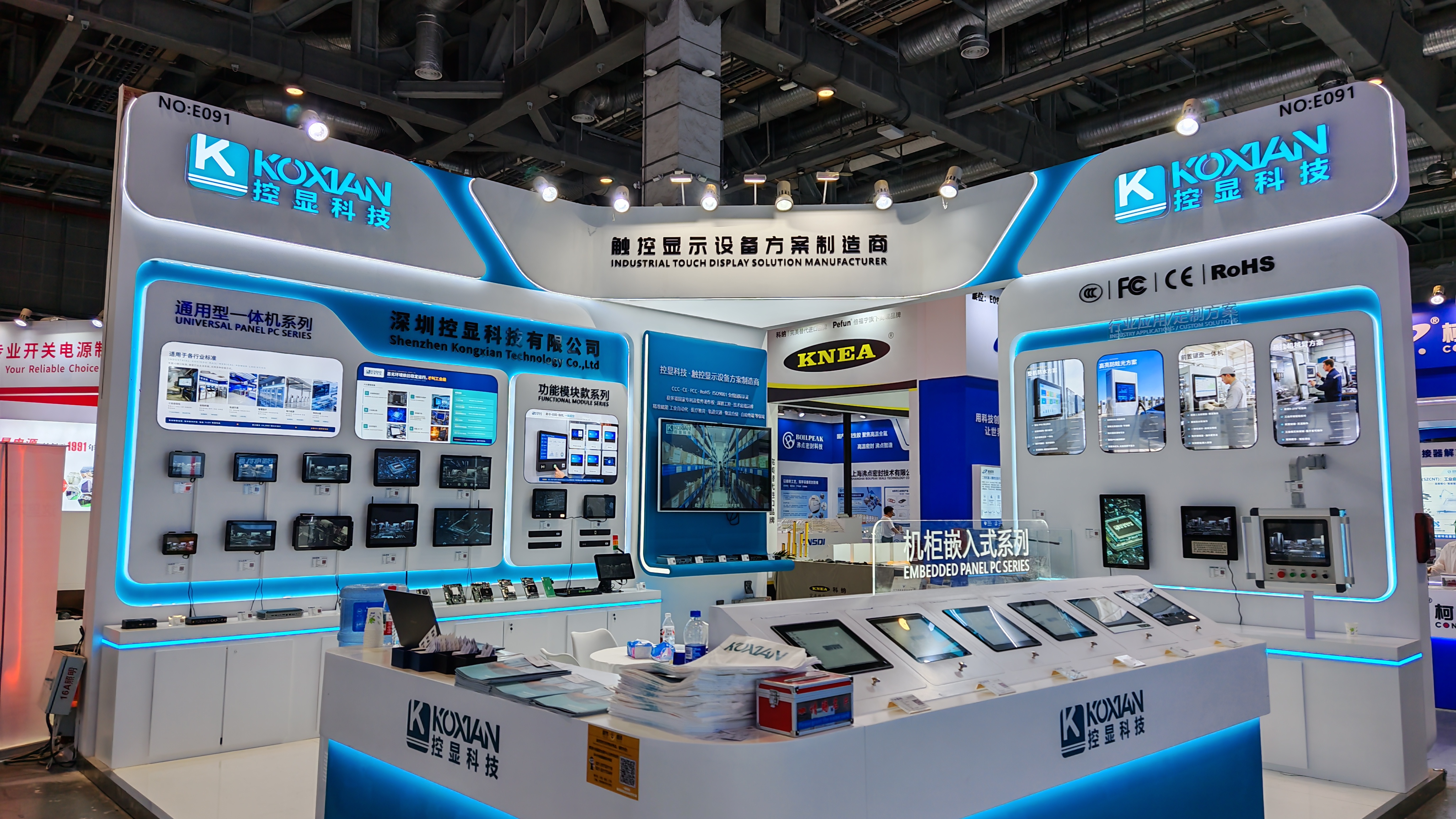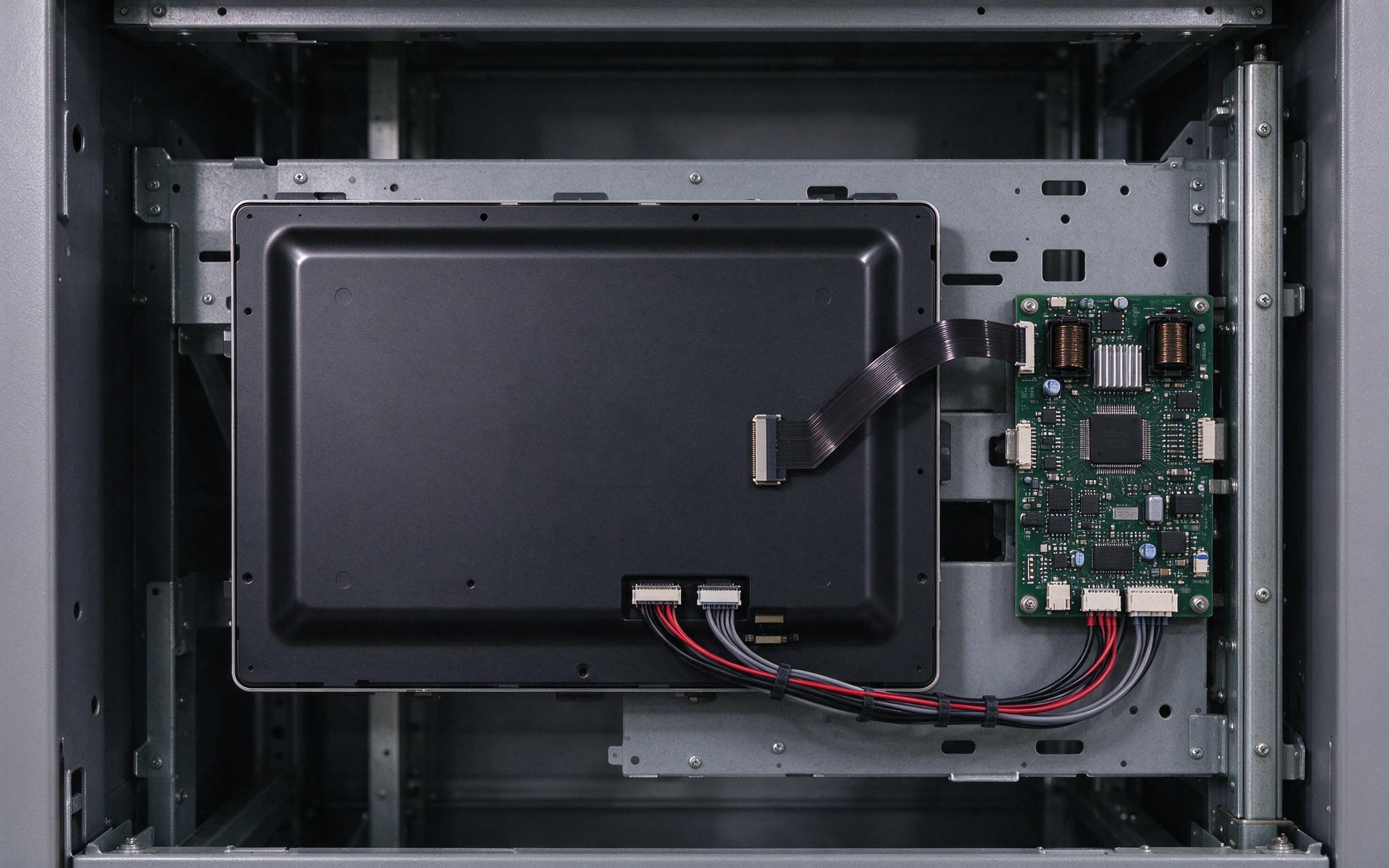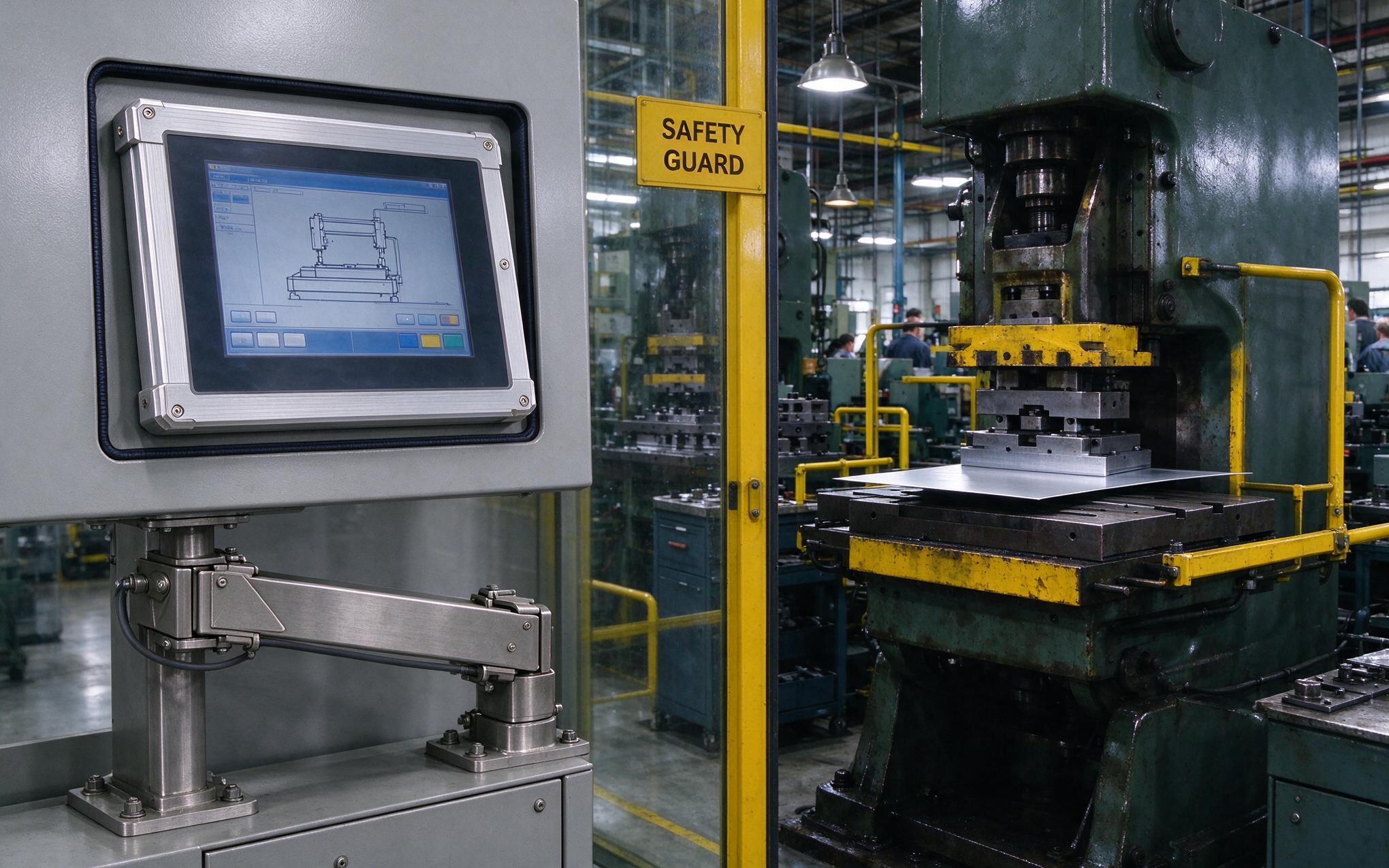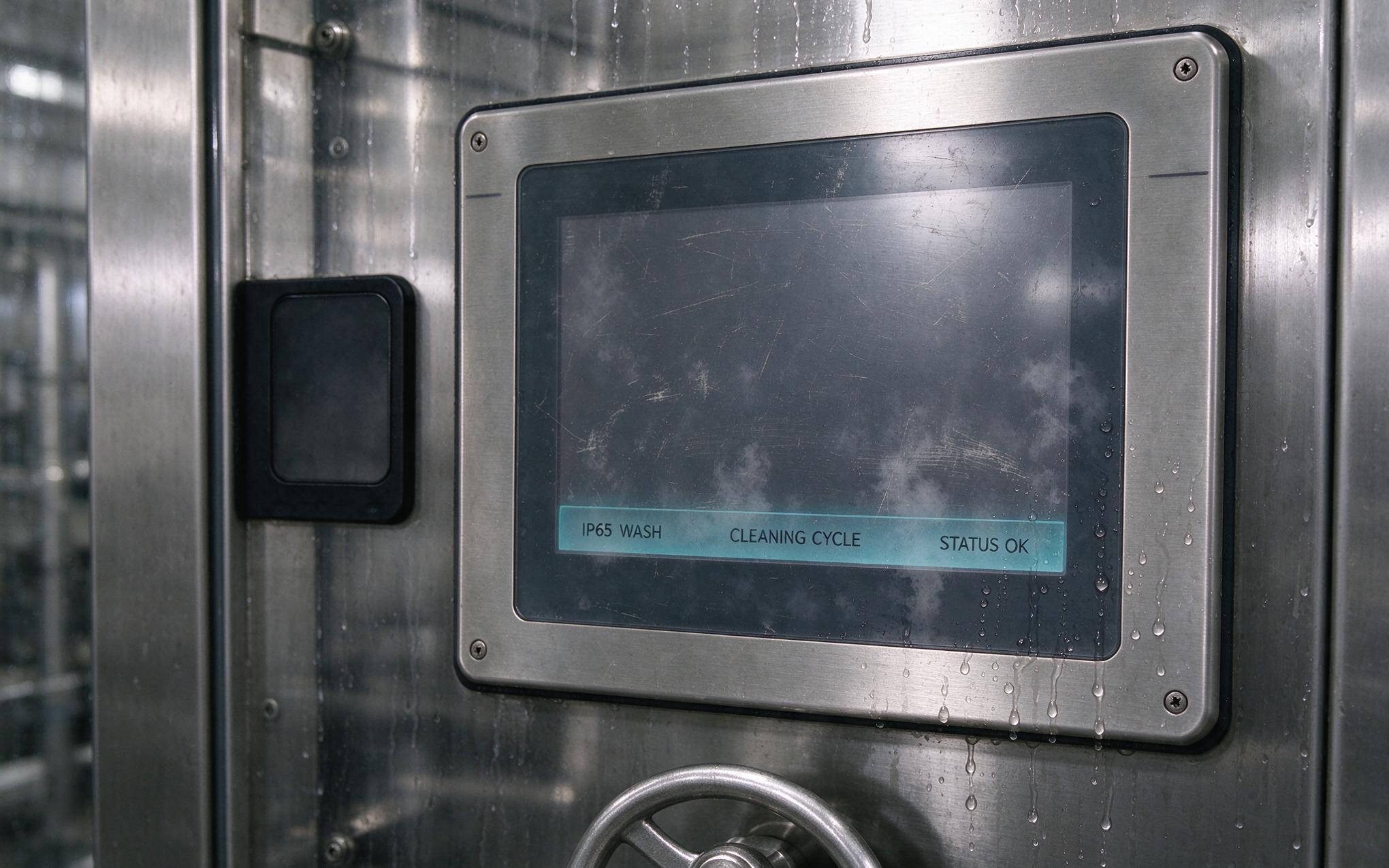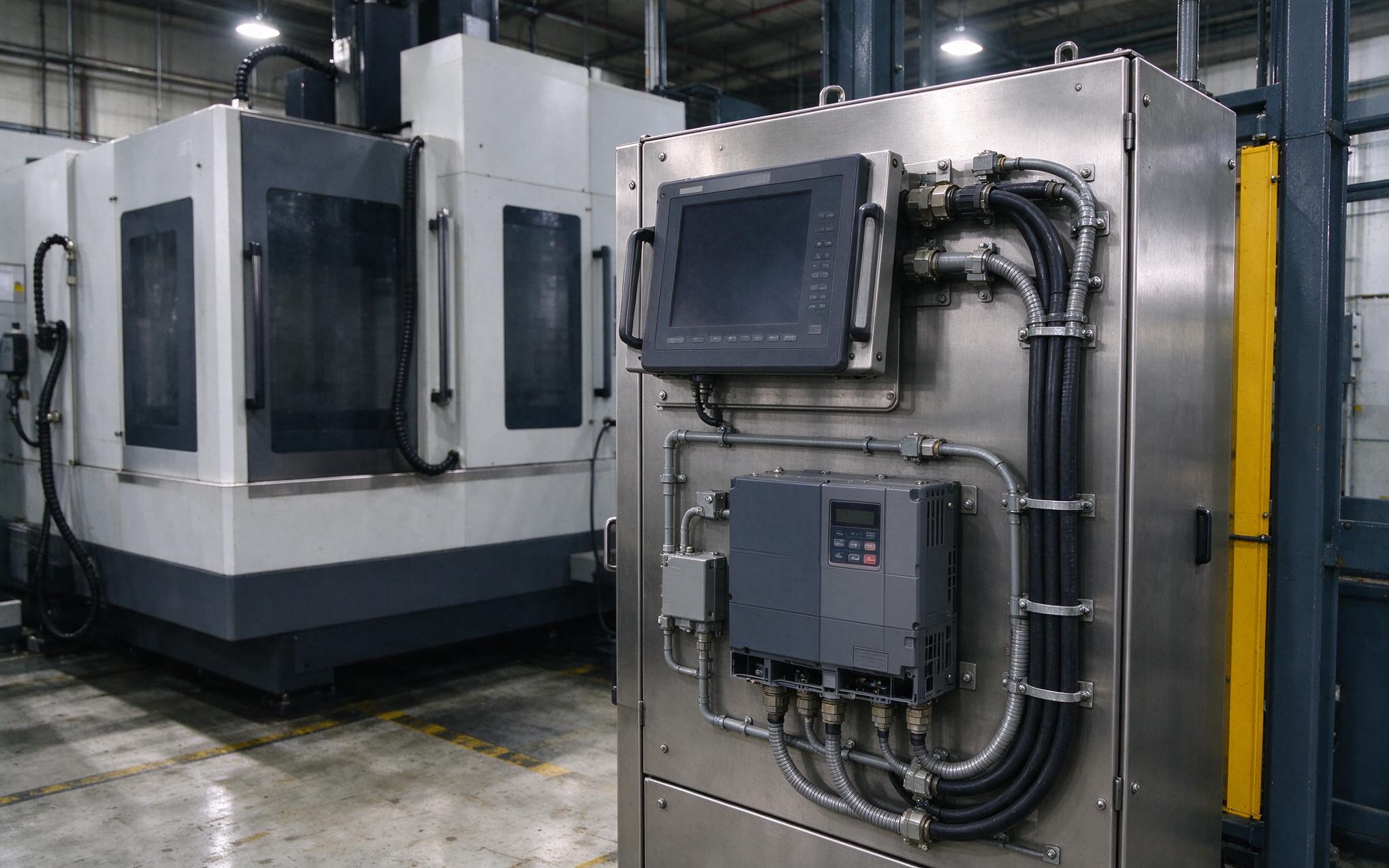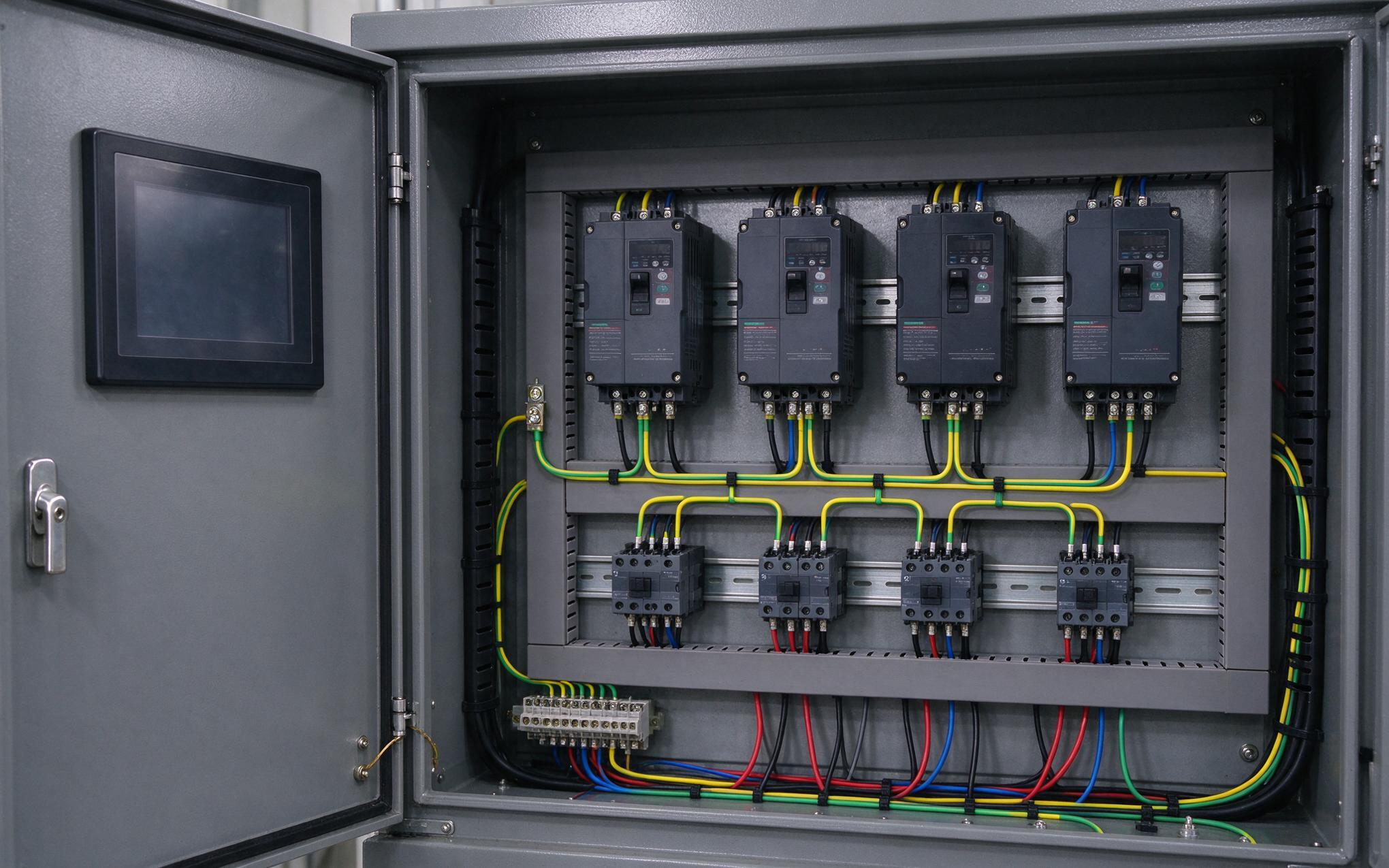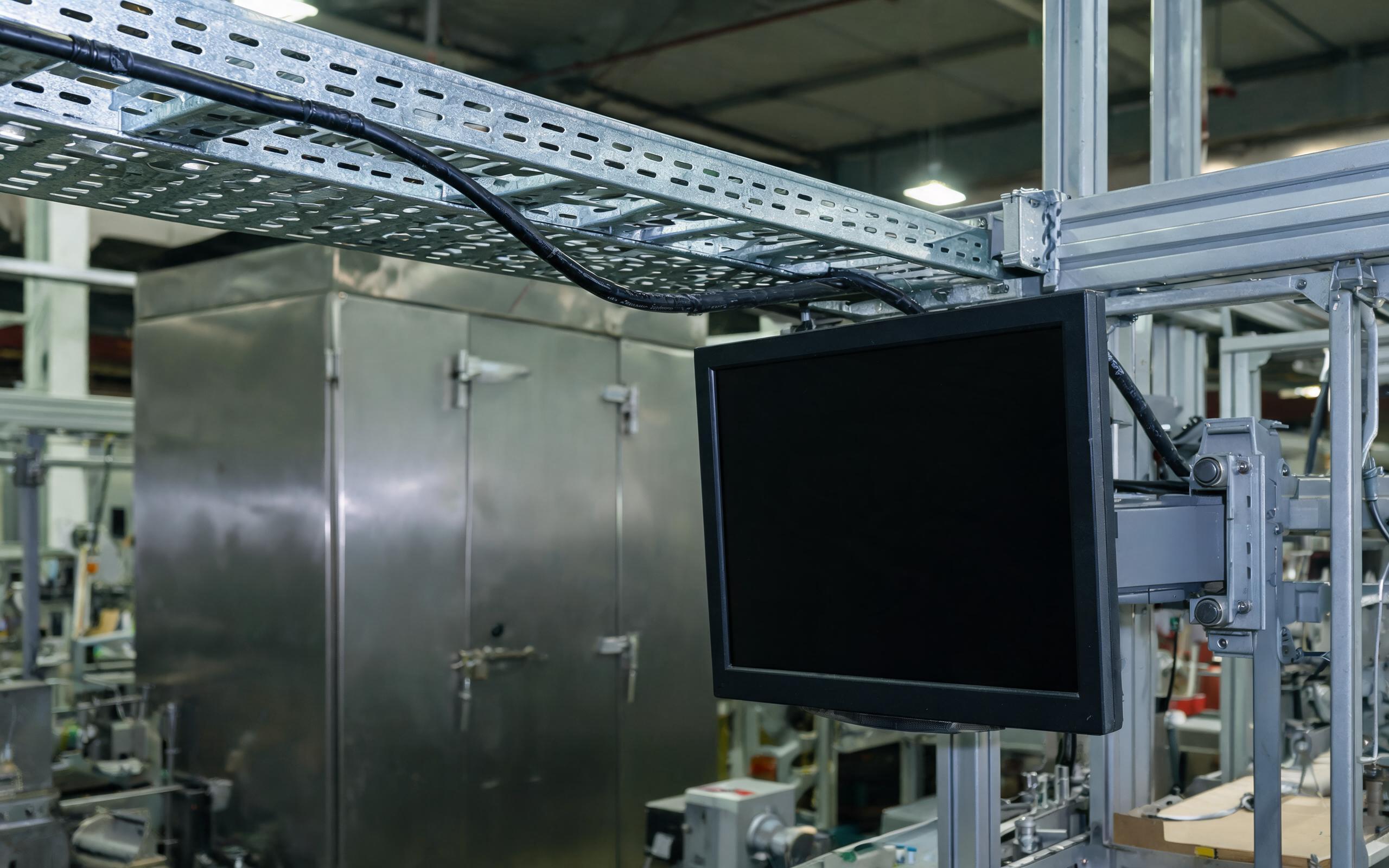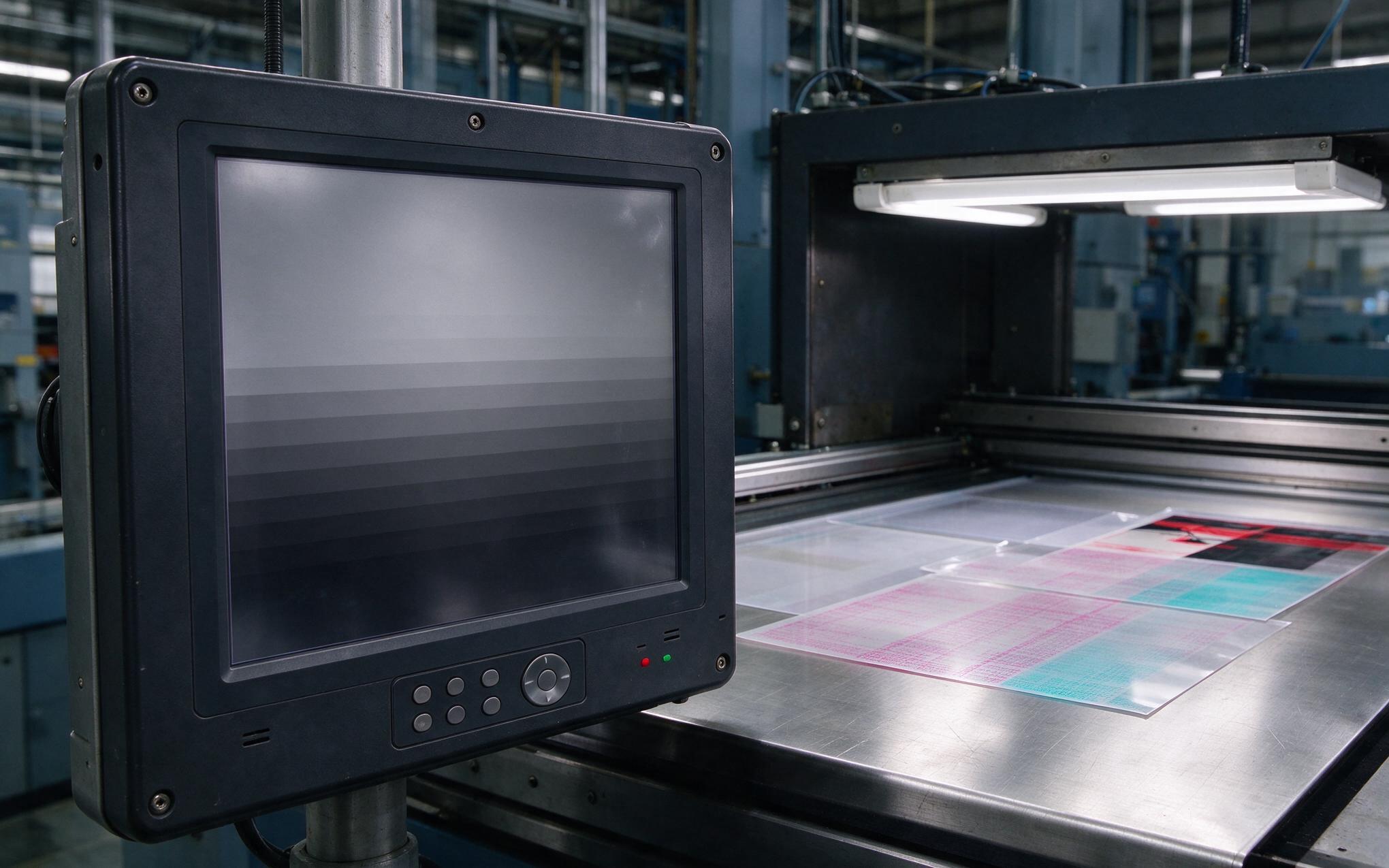
A shutdown on a stamping press line traced back to thermal throttling in a fanless industrial all in one pc that had served reliably for eighteen months. The root cause was not the processor or the cooling fins. A conveyor upgrade had shifted the vibration profile of the press frame, and a micro-gap opened between the CPU and aluminum heat sink, severing the thermal path under repeated mechanical stress. This failure pattern recurs on factory floors where fanless panel pc units bolt directly to vibrating equipment, exposing a thermal design detail that many buyers overlook during procurement.

Examining the Physics of Aluminum Heat Sink Thermal Coupling
In a fanless industrial all in one pc, the aluminum enclosure functions as the primary heat dissipation surface, with internal fins increasing contact area exposed to ambient air. The thermal path begins at the processor die, passes through a thermal interface material (TIM), and continues into the aluminum heat sink body. In a vibration-free environment, this chain remains intact for years. When the unit bolts to a stamping press or conveyor frame, repeated mechanical oscillation gradually works the TIM loose. Aluminum alloy industrial pc manufacturers address this by selecting TIM formulations with high shear strength and designing retention mechanisms that preload the thermal stack. Models from KOXIAN, for example, integrate spring-loaded brackets that maintain constant pressure across the thermal interface. Units with spring-loaded retention brackets keep constant pressure on the thermal interface, preventing the micro-gap formation that leads to progressive thermal drift.
Aluminum’s thermal conductivity—approximately 205 W/(m·K) for 6061 alloy—suits fanless panel pc designs because heat spreads laterally across the enclosure before reaching the fin array. This lateral spreading means that even if one section of the thermal path degrades, adjacent aluminum mass can partially compensate by rerouting heat flow. The advantage only works when the mechanical joint between TIM and heat sink surface stays tight.

Understanding Vibration-Induced Thermal Path Degradation
Vibration affects fanless industrial all in one pc thermal performance through three mechanisms. Cyclic loading causes fatigue in adhesive or solder joints securing the heat sink to the PCB, creating microscopic separations that increase thermal resistance. Resonance amplification occurs when vibration frequency matches the natural frequency of the heat sink assembly, multiplying displacement forces on the TIM layer. Particulate contamination from the factory environment infiltrates any gap that forms, further insulating the thermal path. Industrial environments with stamping presses or high-speed conveyors typically generate vibration in the 10 to 200 Hz range at 1 to 5 Grms, which falls within the operating range of many fanless panel pc installations.

Through Mechanical Strategies for Vibration-Resistant Thermal Design
Several engineering approaches address vibration-induced thermal degradation in fanless industrial all in one pc systems. Compression-mounted TIM with spring-loaded retention maintains constant normal force regardless of external vibration. Conformal coating on PCB and TIM edges prevents particulate infiltration. Rubber gasket isolation mounts absorb high-frequency vibration before it reaches the thermal stack. Some manufacturers employ dual-sided thermal paths, routing heat through both front bezel and rear enclosure for redundancy. Aluminum alloy industrial pc designs benefit from the material’s damping characteristics, absorbing vibration energy more effectively than steel or plastic. Vibration-dampening brackets rated for 5 Grms continuous operation add protection beyond the internal thermal design.

What Selection Criteria Apply for Fanless Panel PCs on Vibrating Equipment?
When selecting a fanless industrial all in one pc for vibrating equipment, evaluate the vibration rating, noting whether it applies to operating or storage conditions. KOXIAN, for instance, publishes vibration-specific thermal derating data that helps buyers match equipment ratings to actual site conditions. Units rated for 1 Grms handle most conveyors, while stamping presses may require 3 to 5 Grms. The TIM type and retention mechanism matter—spring-loaded compression is preferable to adhesive-only attachment. Request thermal imaging data under vibration to check whether the heat sink maintains uniform coupling or develops hot spots. Confirm that fin geometry suits the installation site airflow, since stagnant air reduces convective transfer regardless of internal thermal path quality. Among commercial fanless panel pc offerings, only a few manufacturers publish vibration-specific thermal derating curves, making this data a useful differentiator during vendor evaluation. These criteria help ensure the investment delivers reliable performance rather than requiring premature replacement.
Vibration-induced thermal degradation rarely triggers immediate failure warnings. By the time a fanless industrial all in one pc begins throttling, the underlying TIM damage may be irreversible. Specifying the right aluminum heat sink design and vibration isolation strategy at procurement is far more cost-effective than replacing failed units on the production line.