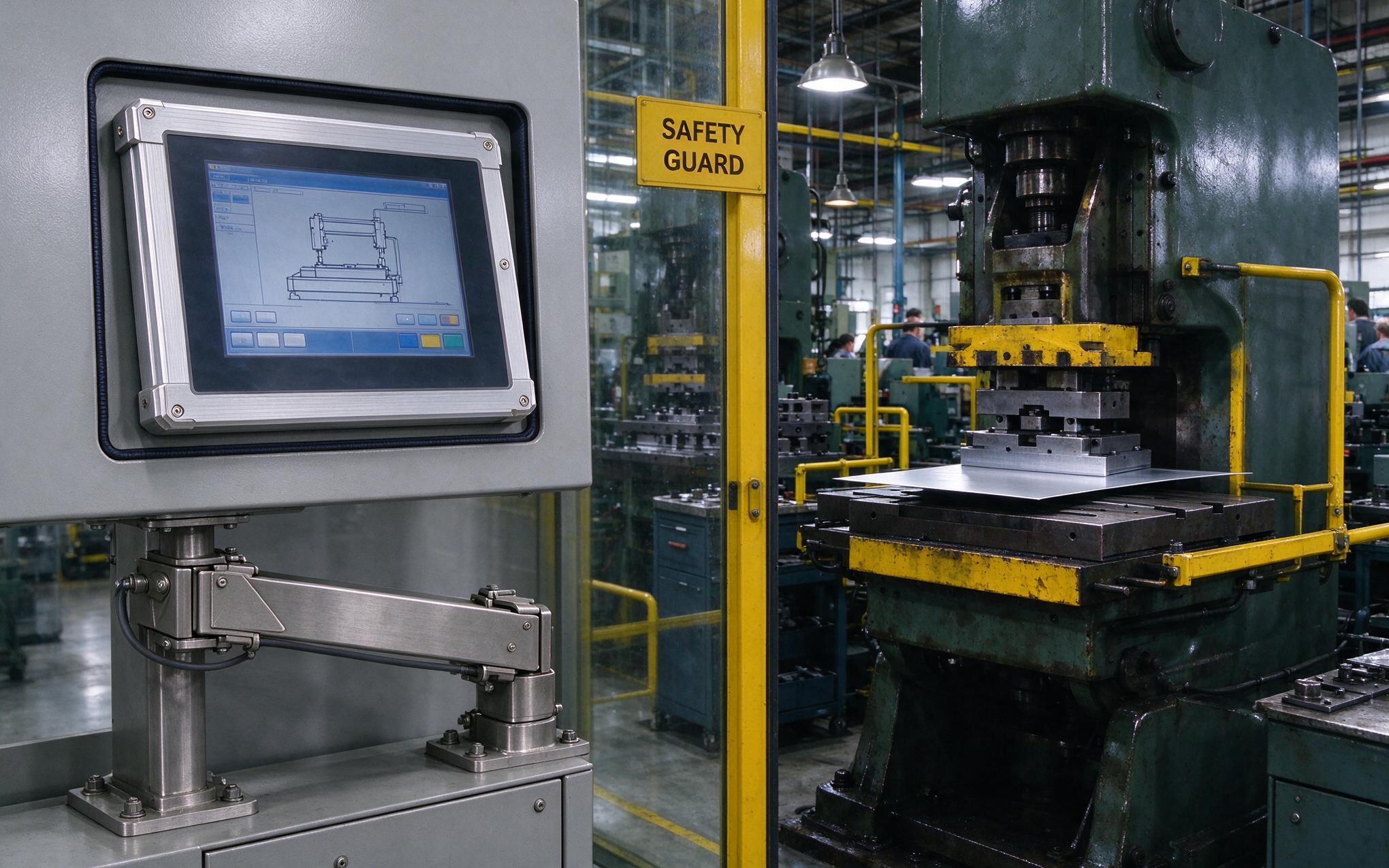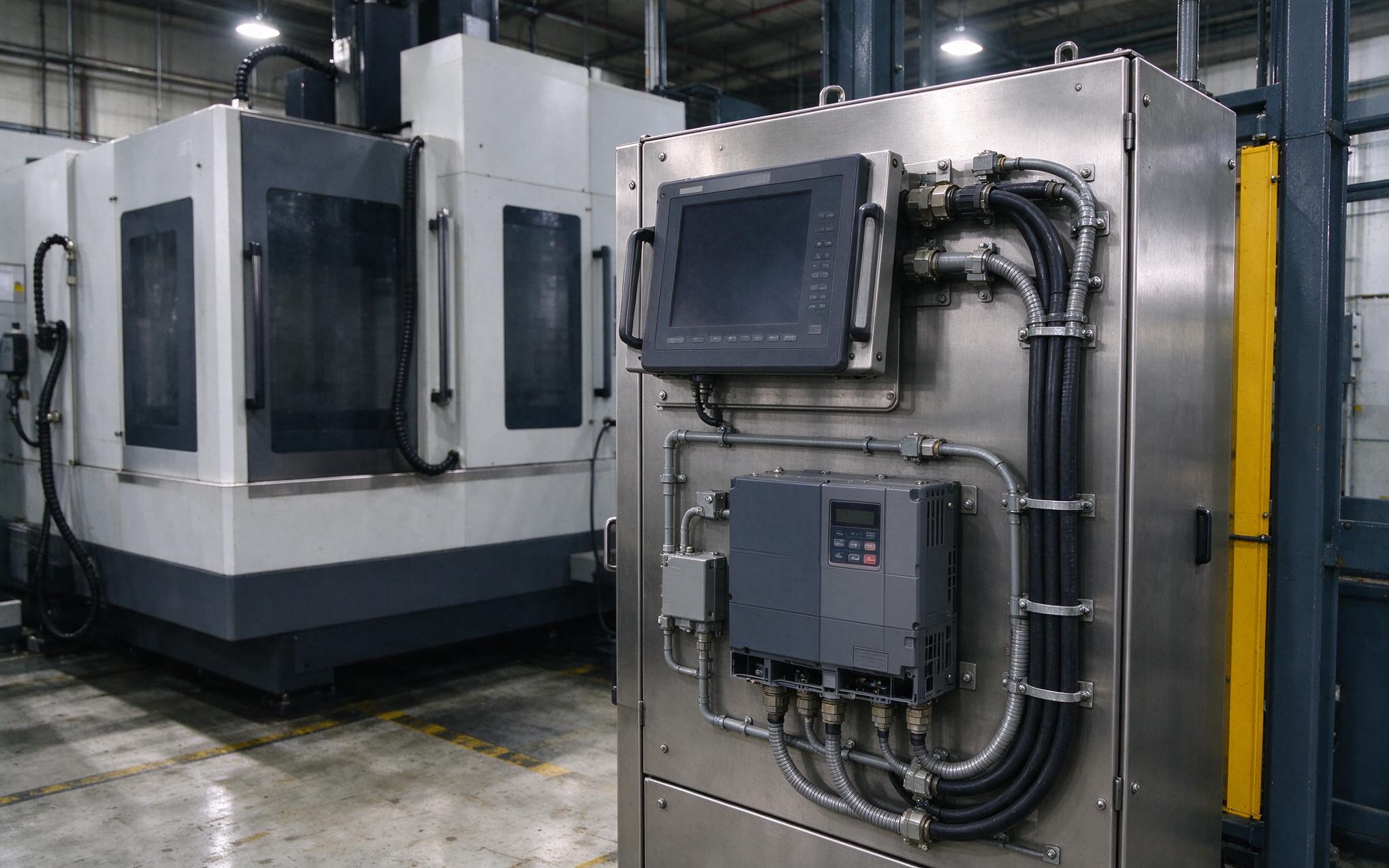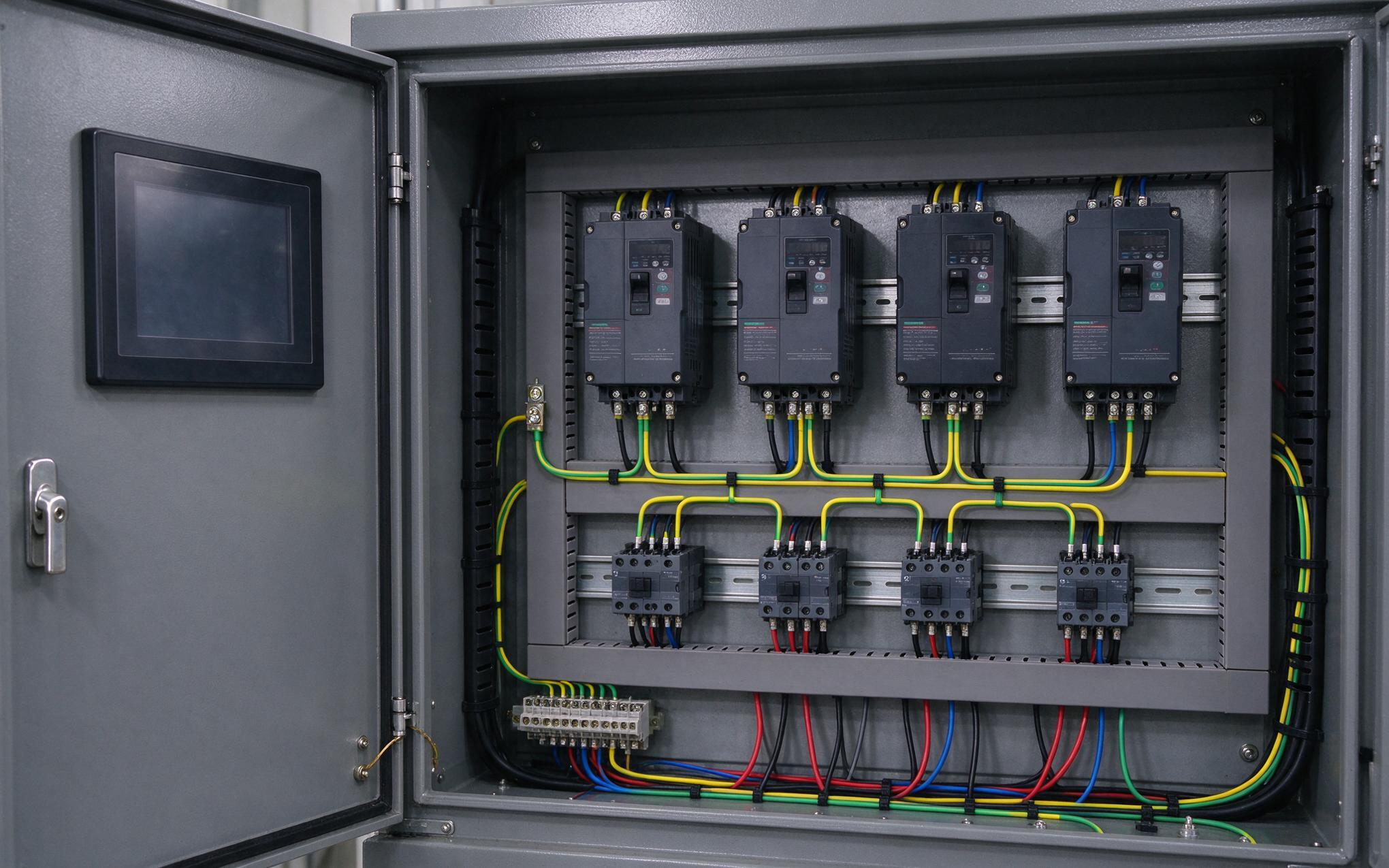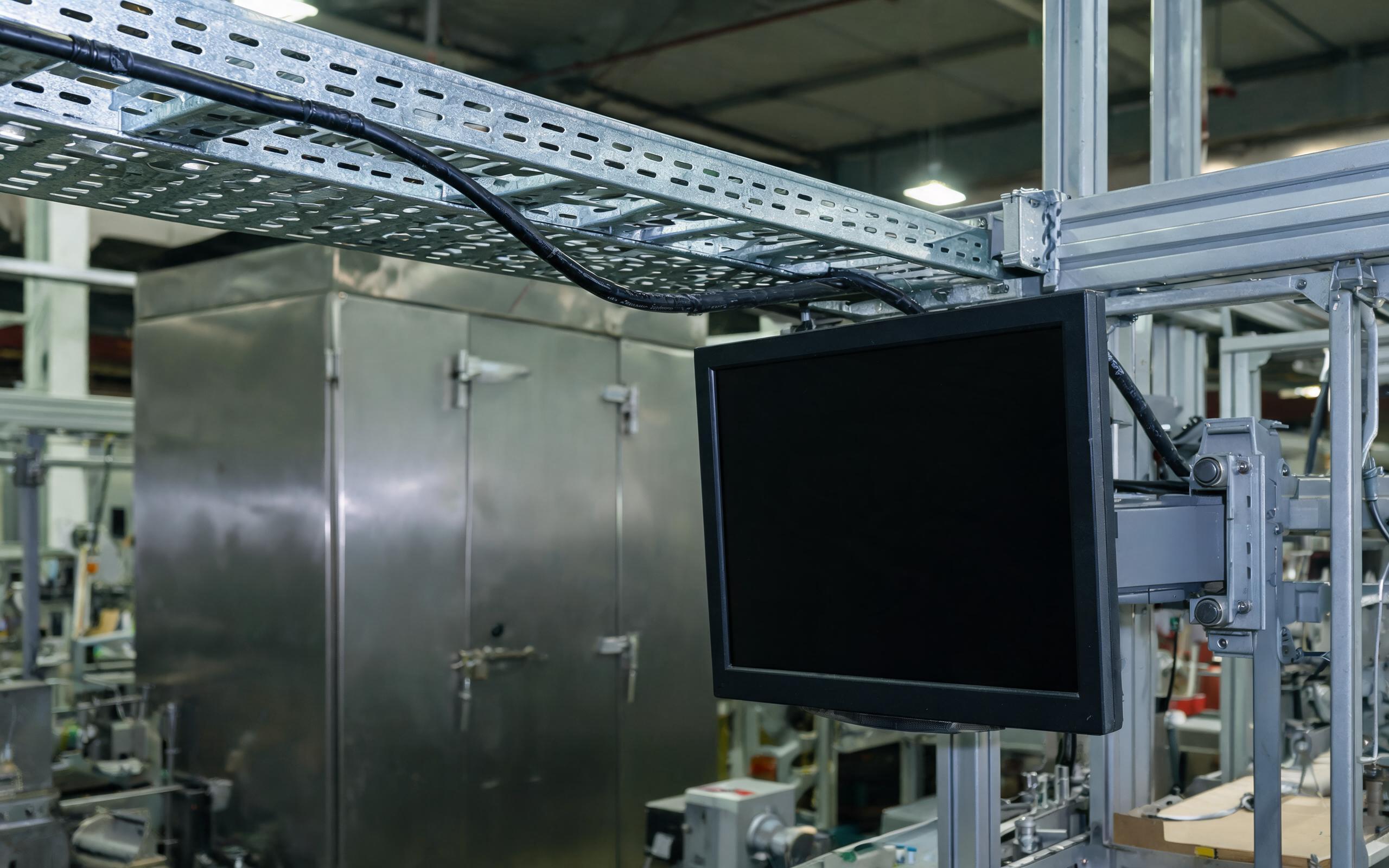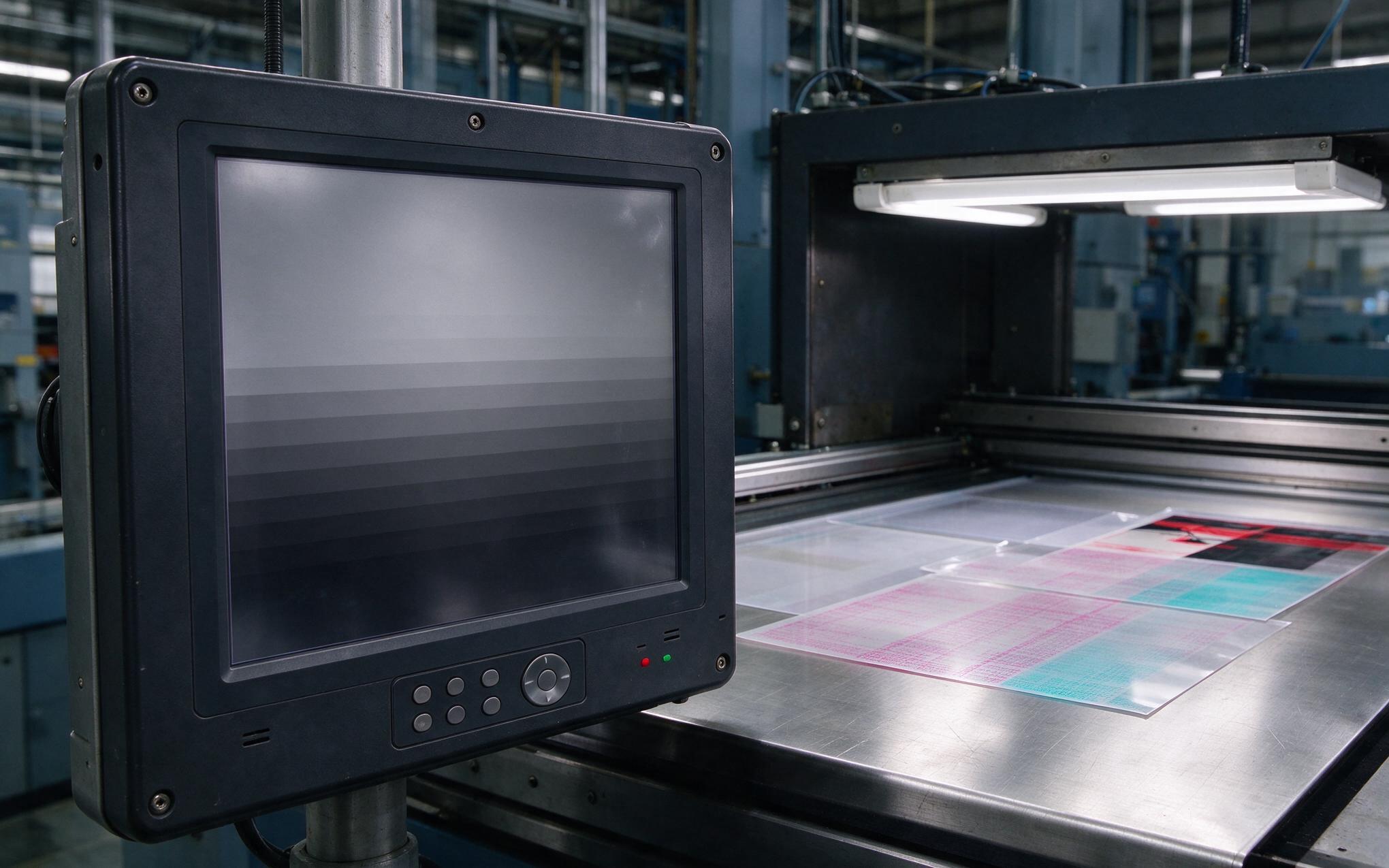
Field crews in open-pit mines and smelting plants pull up process data on panel PCs mounted at control stations, often within meters of molten metal streams or blasting zones. Temperature swings of 40 °C within a single shift, conductive mineral dust that infiltrates every gap, and constant mechanical vibration from heavy machinery create conditions that standard industrial computing hardware was never designed to survive. Wide temperature panel PCs built for mining and smelting operations address all three stress vectors simultaneously, and understanding their engineering decisions is essential for procurement teams evaluating equipment for these environments.

Conformal Coating as Primary Defense Against Mineral Dust and Corrosion
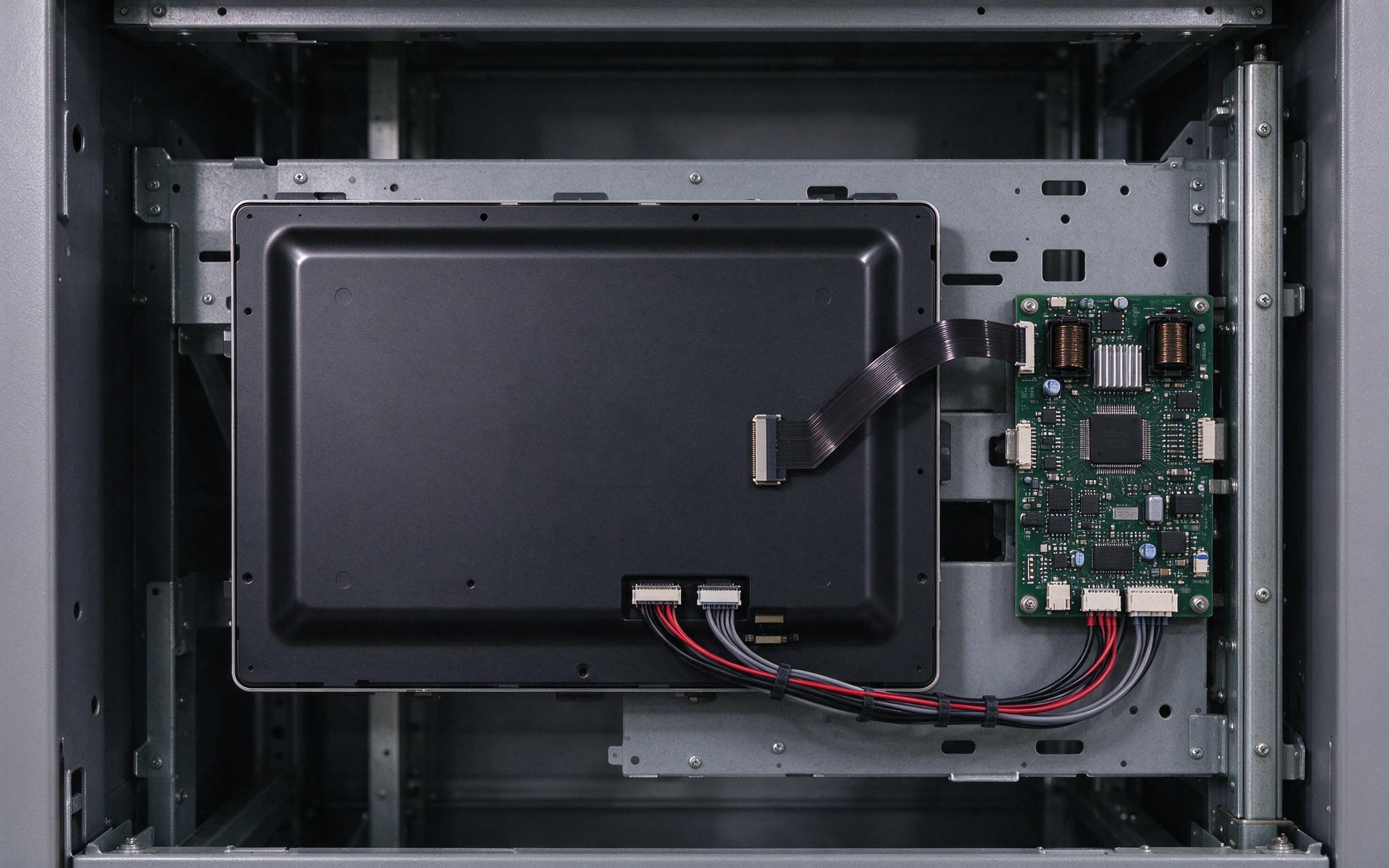
Mineral dust is not merely an abrasion hazard. Silica and metallic particulates carry electrical conductivity, and when deposited on exposed circuit traces they create leakage paths that cause intermittent short circuits. Conformal coating—a thin polymer film applied directly to PCB surfaces—provides a critical barrier against both chemical and electrical threats. Acrylic coatings offer easy rework and good moisture resistance, while silicone conformal coatings perform better across extreme temperature ranges and resist chemical attack from mining process gases. Panel PCs from manufacturers such as KOXIAN typically apply multi-layer conformal coating to protect board-level components against continuous mineral dust bombardment.
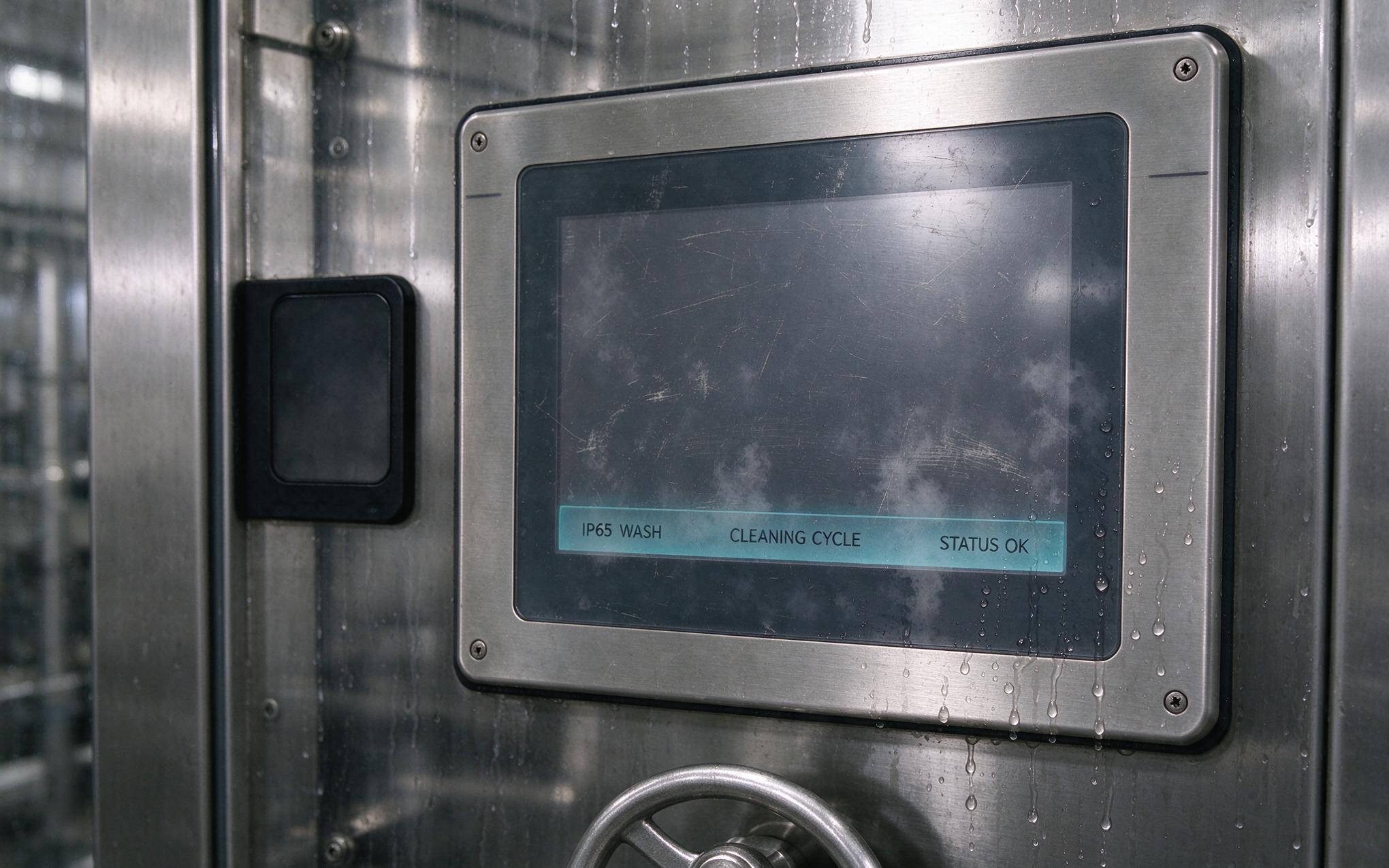
Beyond the PCB, the enclosure must prevent dust accumulation at ventilation points. Wide temperature panel PCs for mining typically employ fully sealed aluminum or stainless steel enclosures with no external airflow paths, relying on conductive heat transfer through the chassis walls. Panel-mounted I/O connectors with IP67 or IP68 ratings ensure mineral-laden air cannot reach internal electronics through cable entry points.

Fanless Design Eliminating Bearing Failure in High-Dust Environments
Fan bearings are the most common mechanical failure point in industrial computing equipment deployed in dusty environments. In mining operations, conductive mineral particles accelerate bearing wear, and a seized fan traps heat inside the enclosure, triggering processor throttling and eventually thermal shutdown. Fanless design eliminates this failure mode by relying on passive thermal conduction through the aluminum chassis. Heat from the processor spreads through embedded heat pipes to fin arrays machined into the enclosure walls, where natural convection dissipates thermal energy without moving parts. For mining environments where ambient temperatures near furnaces exceed 55 °C, this passive approach is a reliability requirement rather than a compromise.
Engineered platforms from KOXIAN achieve thermal resistance paths as low as 0.03 °C/W through copper heat spreaders bonded directly to the processor die. This design maintains junction temperatures within safe limits even when ambient temperatures reach 60 °C, eliminating the thermal throttling that degrades performance in fan-cooled alternatives.

Component Selection for Mining-Grade Reliability and Vibration Tolerance
Wide temperature operation requires every internal component to meet extended thermal specifications, not just the processor. Industrial-grade solid-state storage rated from −40 °C to 85 °C replaces consumer SSDs that fail below 0 °C. Memory modules use wide-temperature DRAM ICs screened to maintain data retention across the full range, preventing bit errors and boot failures in extreme cold. Power delivery circuits employ solid-state polymer capacitors instead of liquid electrolytic types, since polymer capacitors maintain stable capacitance at −40 °C with less than 10 % deviation, compared to 50 %+ loss in conventional electrolytics.
Vibration tolerance is equally critical in mining environments where blasting and heavy equipment generate continuous mechanical stress. Wide temperature panel PCs designed for mining employ underfill compounds on BGA packages, mechanical retention clips on memory modules, and vibration-dampening brackets that attenuate shock transmission, typically achieving 20 Grms or higher resistance ratings. Power input design rounds out the component story—wide-input-range power supplies with transient suppression and reverse polarity protection prevent the brownouts and surges that corrupt storage or damage sensor interfaces.
Deploying computing equipment in mining and smelting environments demands more than a rugged enclosure. Every layer of the system—conformal coating chemistry, passive thermal architecture, component thermal grades, and vibration isolation—must be engineered as an integrated whole. Wide temperature panel PCs that meet these demands deliver the operational continuity that mining operations require, where a single unplanned shutdown can halt production for hours and cost tens of thousands in lost output. Evaluating panel PC specifications against the specific thermal, chemical, and mechanical profile of each deployment site is the only reliable path to equipment that performs as promised.