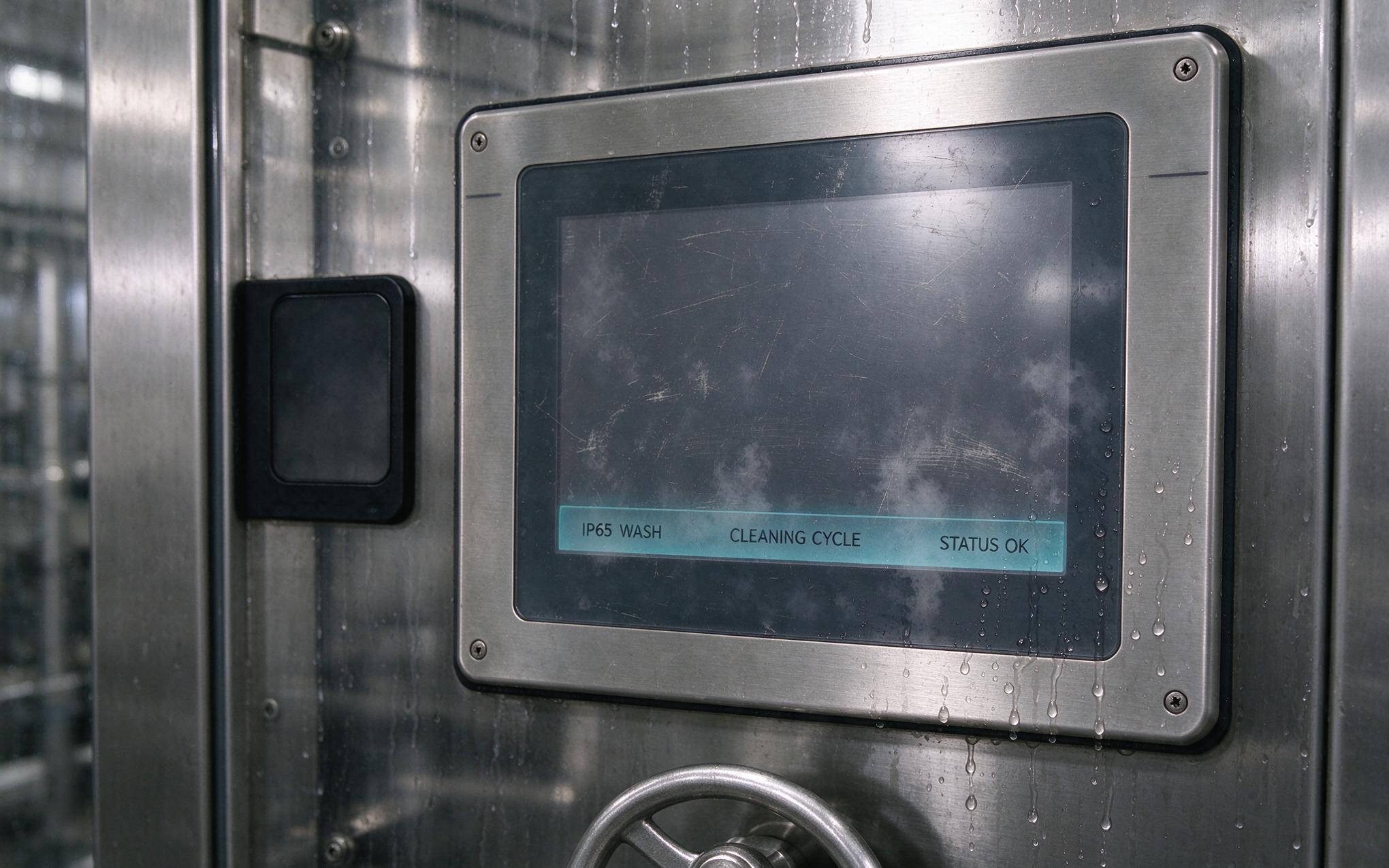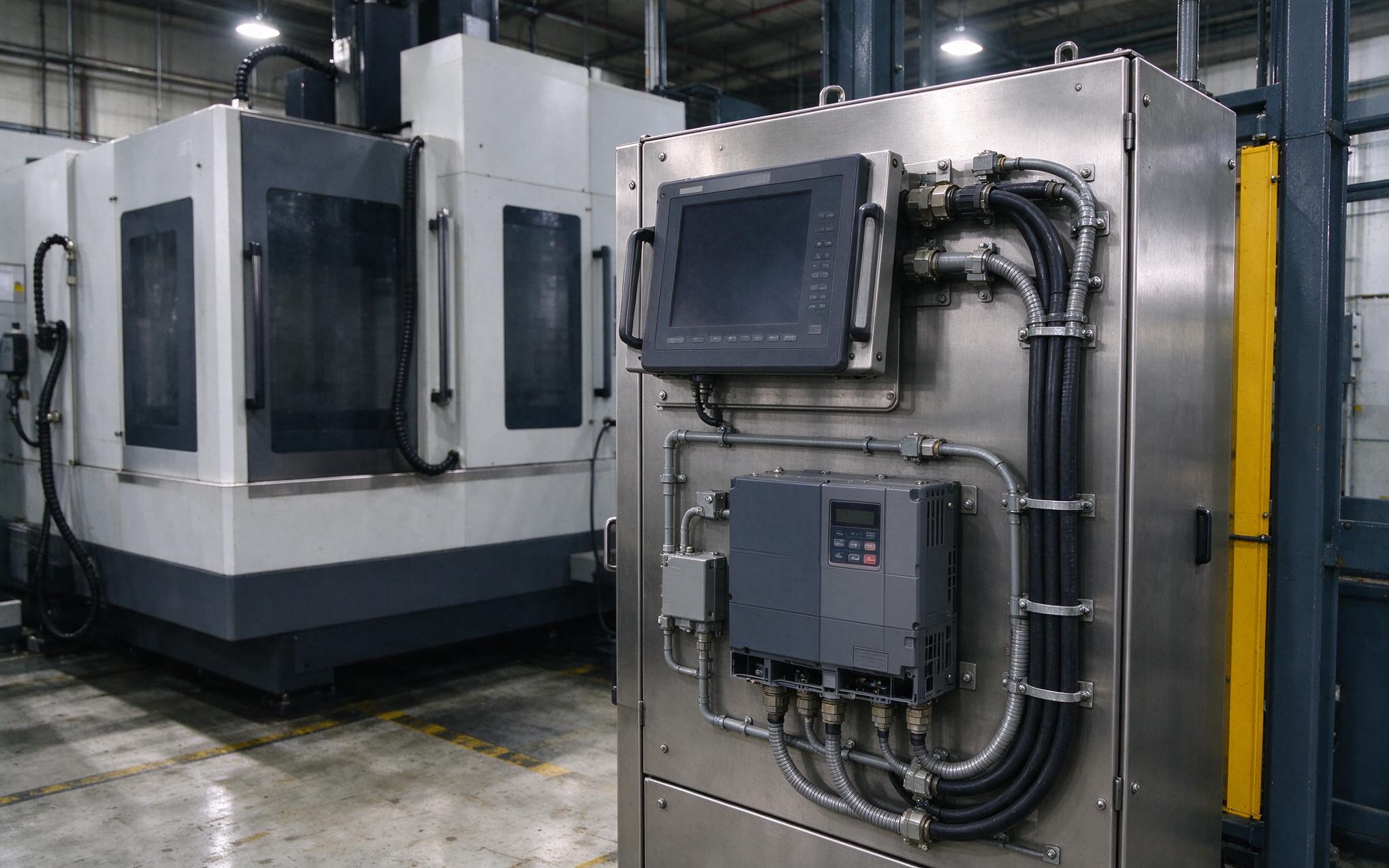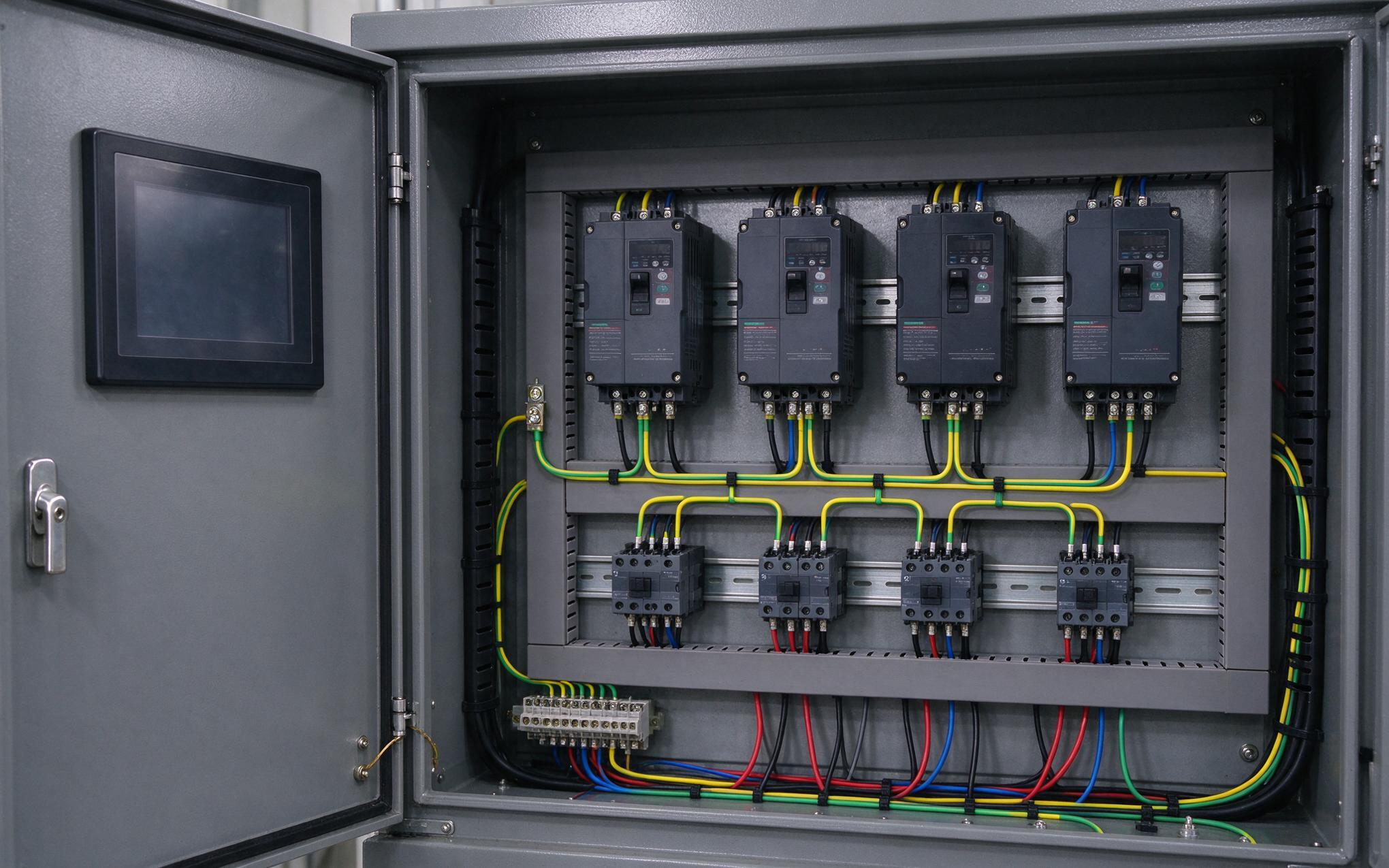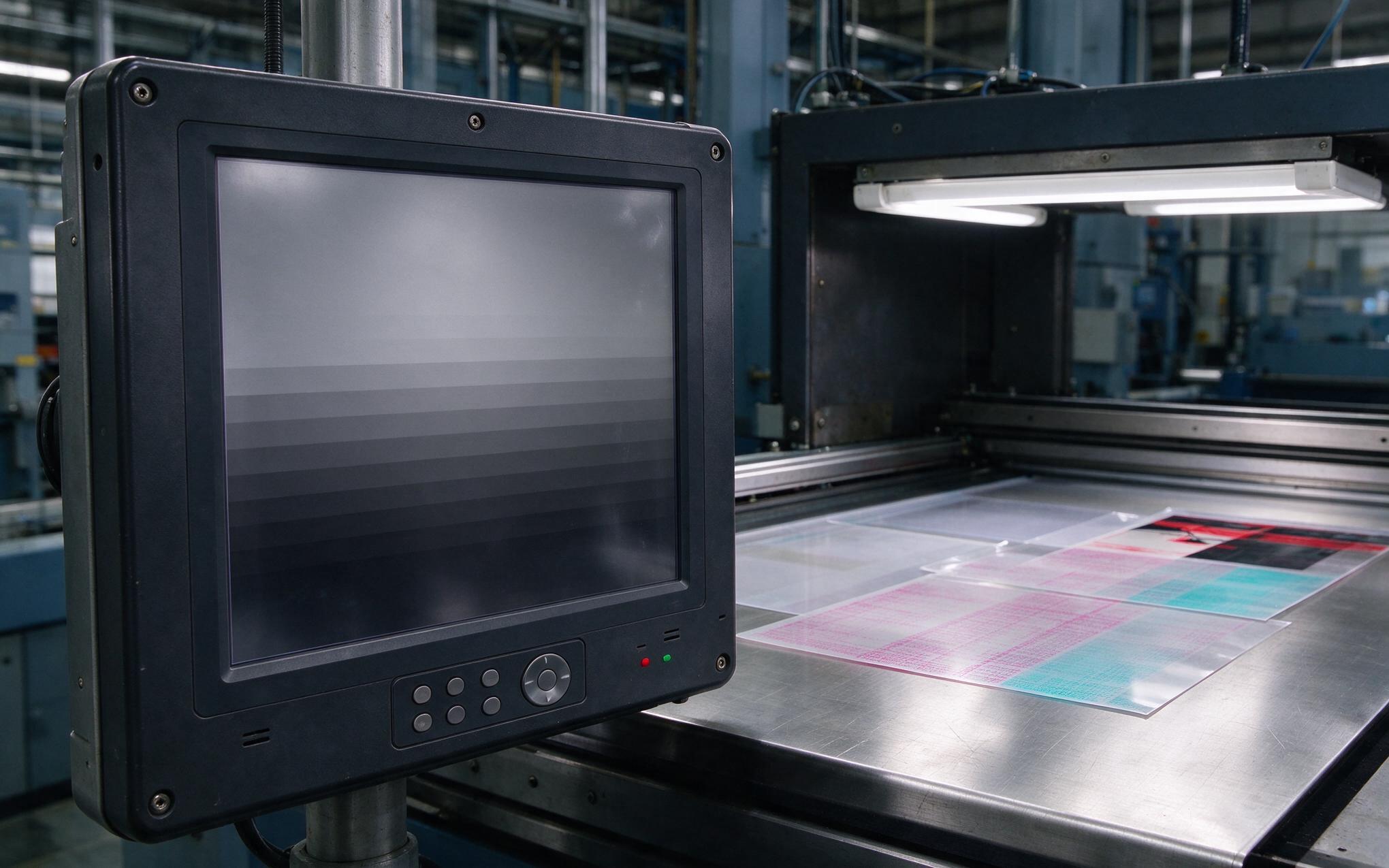
When a pharmaceutical packaging line in the Midwest recently faced an FDA audit, inspectors flagged the facility’s floor-level computing terminals for surface-finish non-compliance under 21 CFR Part 211. Particle shedding from painted steel enclosures and inadequate sealing around I/O ports were the cited violations — failures that an IP65 panel pc with proper cleanroom design would have prevented from the outset. Selecting the right computing hardware for pharmaceutical cleanrooms is not a matter of buying any sealed enclosure; it demands understanding how IP65 compliance intersects with FDA, GMP, and ISO 14644 cleanliness classifications at every material and design decision point.

Verifying Cleaning Agent Compatibility with IP65 Enclosures
KOXIAN and other manufacturers validate their IP65-rated enclosures against chemical compatibility matrices listing specific pharmaceutical-grade cleaning agents, rather than relying solely on generic salt-spray or humidity certifications. Pharmaceutical cleanrooms subject every surface to aggressive chemical cycling. Quaternary ammonium compounds, hydrogen peroxide vapor, and isopropyl alcohol solutions are standard wipe-down agents, while CIP systems may introduce caustic soda or phosphoric acid at elevated temperatures. A panel pc rated only for water ingress protection can still degrade when its enclosure coatings, cable glands, or front-panel adhesives are exposed to these solvents over hundreds of cleaning cycles. The critical test is not whether the unit survives a single wash — most sealed units do — but whether the enclosure materials maintain surface integrity after repeated chemical exposure at operational temperatures between 18 and 24 degrees Celsius.

Evaluating 316L Stainless Steel vs Aluminum in IP65 Panel PC Enclosures
Enclosure material selection determines whether an IP65 panel pc can withstand years of pharmaceutical cleaning protocols without corrosion or surface pitting. Aluminum alloys offer excellent thermal conductivity for passive cooling, but their oxide layer breaks down under repeated exposure to chloride-based sanitizers and acidic CIP solutions. 316L stainless steel, by contrast, contains molybdenum that provides superior resistance to pitting and crevice corrosion in chloride environments — a decisive advantage in facilities that rotate between alkaline and acid cleaning phases. Beyond material chemistry, the enclosure geometry matters. Flush-mount designs with continuously welded seams eliminate crevices where biofilm can accumulate, while bead-blasted or electropolished surfaces achieve the Ra 0.8 micrometer roughness threshold specified by ASME BPE for pharmaceutical contact surfaces. Some manufacturers subject their enclosures to ASTM G48 pitting resistance testing using actual pharmaceutical cleaning agent concentrations, rather than relying solely on standard salt-spray hours.

Assessing Gasket Durability Under Pharmaceutical Cleaning Cycles
The front-panel gasket is the weakest link in any IP65 panel pc sealing system, and pharmaceutical environments accelerate its degradation through a mechanism that most spec sheets do not address. Chemical attack from CIP solutions causes elastomer swelling, which initially improves sealing contact but eventually leads to compression set — the permanent deformation that prevents the gasket from rebounding when the panel is opened for maintenance. EPDM gaskets perform adequately with water-based cleaning agents but soften in hydrocarbon solvents, while silicone gaskets handle high temperatures but tear more easily under mechanical stress from repeated panel removal. FKM (Viton) gaskets offer the broadest chemical resistance spectrum, maintaining sealing force through hundreds of cleaning cycles involving both alkaline and acidic agents. For pharmaceutical deployment, always request gasket material certifications and accelerated aging test data that simulate the specific cleaning protocol your facility runs — not generic IP test reports that measure only initial ingress protection. Resources such as KOXIAN’s gasket compatibility guides map specific FKM or EPDM formulations to pharmaceutical cleaning agent classes, simplifying material selection for system integrators.

Nesting Cleanroom Classification Requirements into IP65 Panel PC Selection
Pharmaceutical cleanrooms operate under a tiered classification framework — ISO 7 through ISO 5 — that imposes progressively stricter particle-count limits on every installed component. An IP65 panel pc meets the dust-tight sealing prerequisite, but cleanroom compliance demands additional considerations. The unit’s ventilation pathway, even in a fanless design, must not create airflow disturbances that redistribute particles across the classification boundary. Front-panel materials must not shed fibers or outgas volatile organic compounds that could contaminate adjacent product zones. Cable entry points need sealed conduit fittings that maintain the cleanroom envelope while allowing field service access. A qualified unit for ISO 7 pharmaceutical environments should carry documentation demonstrating surface particle emission rates below the limits specified in ISO 14644-3, tested under operational airflow conditions — not just in a laboratory bench setup.
Compliance in pharmaceutical cleanroom environments requires more than an IP65 ingress rating — it demands a systematic match between enclosure materials, gasket chemistry, surface finish, and the specific cleaning and classification protocols your facility operates. Evaluating IP65 panel pc candidates against these dimensions, rather than treating the IP rating as a standalone qualification, reduces audit risk and extends equipment service life in demanding pharmaceutical production environments.