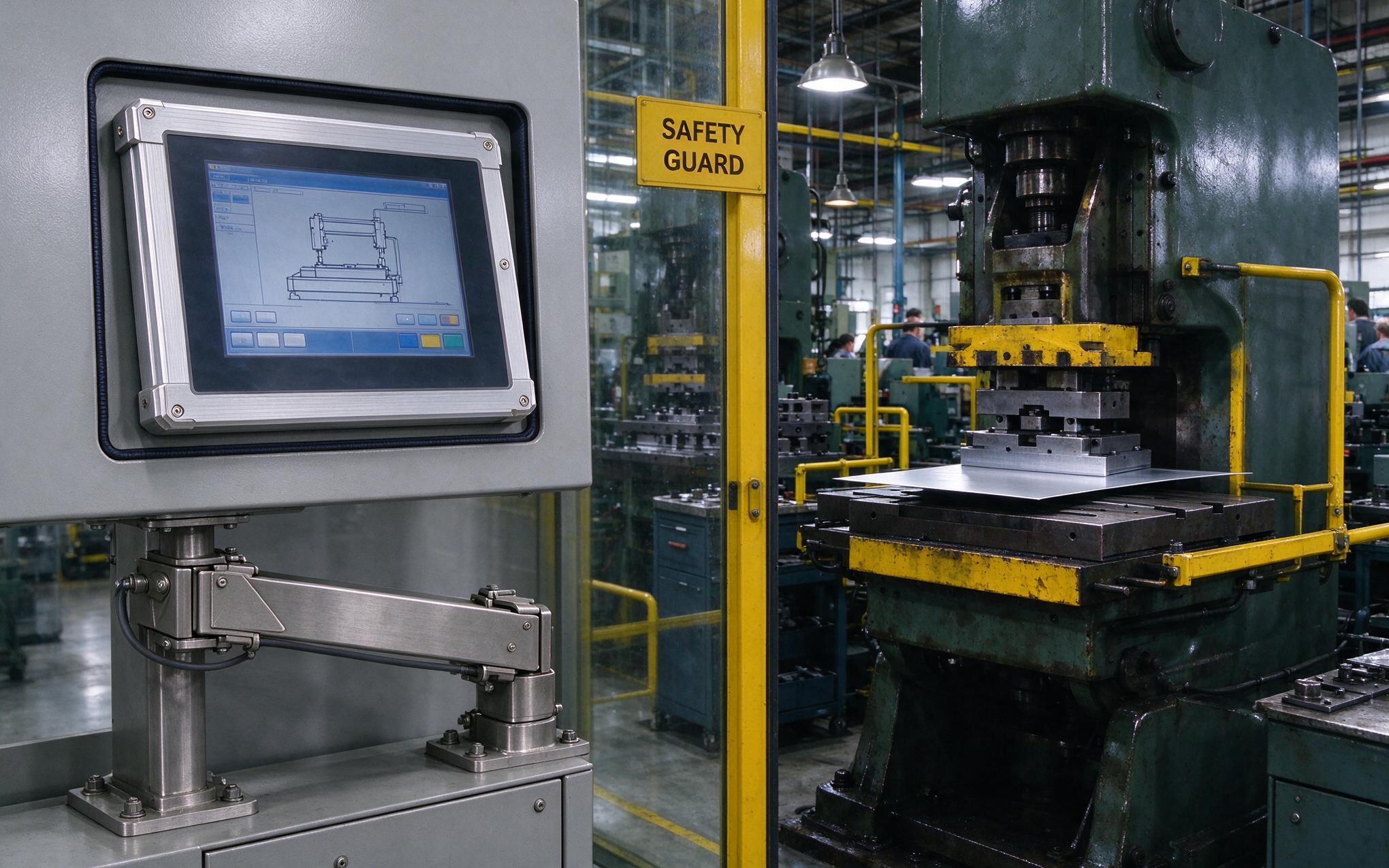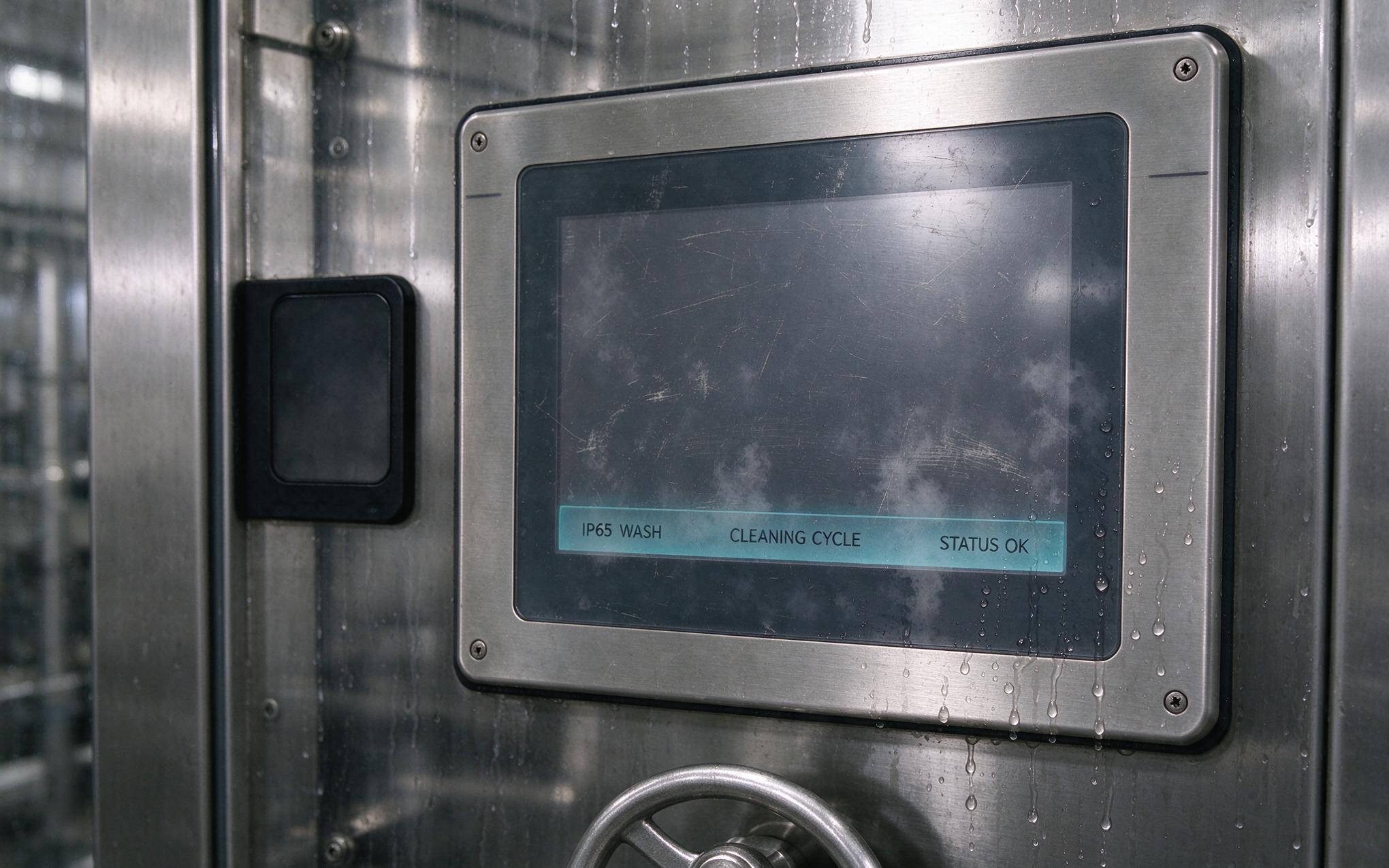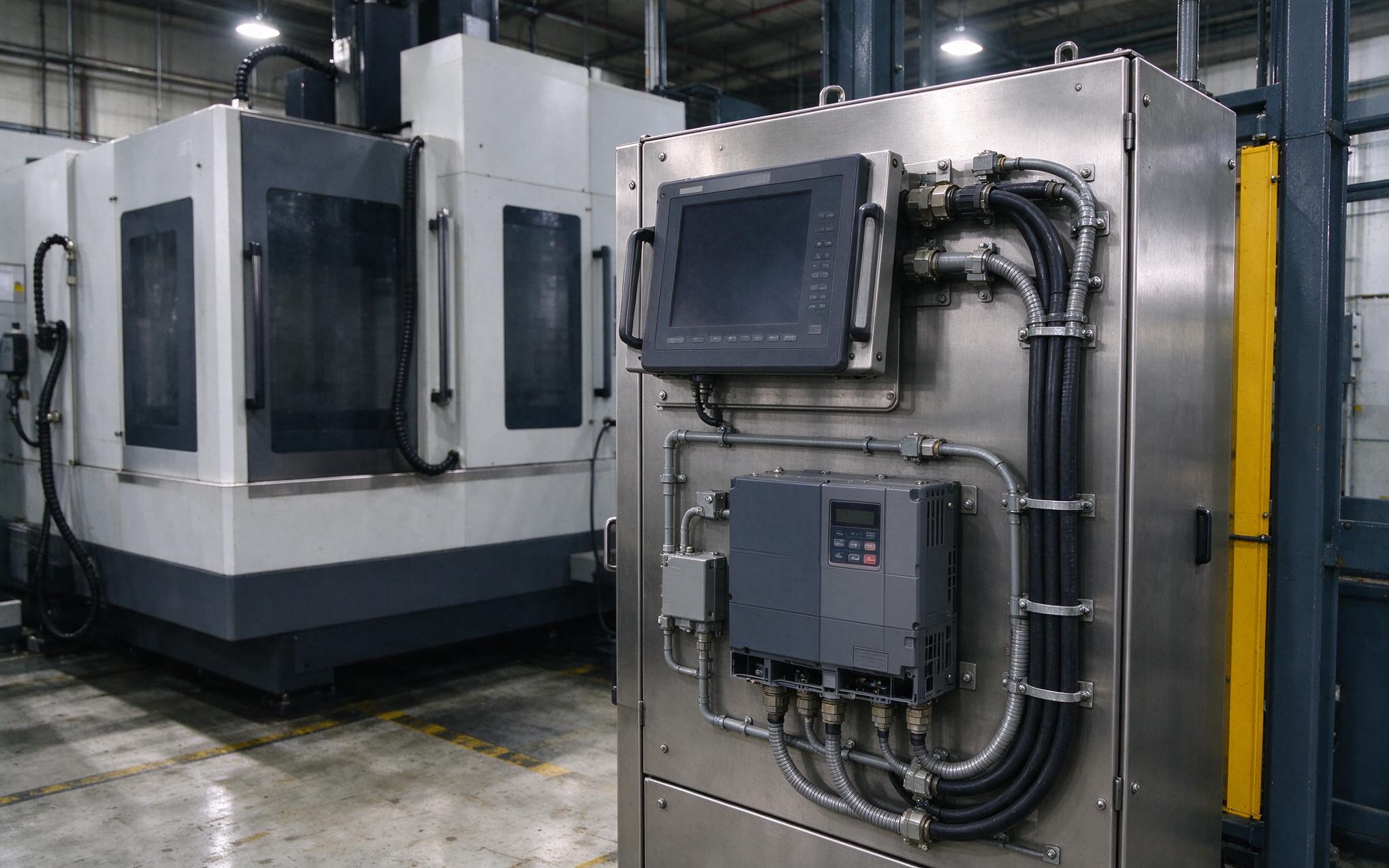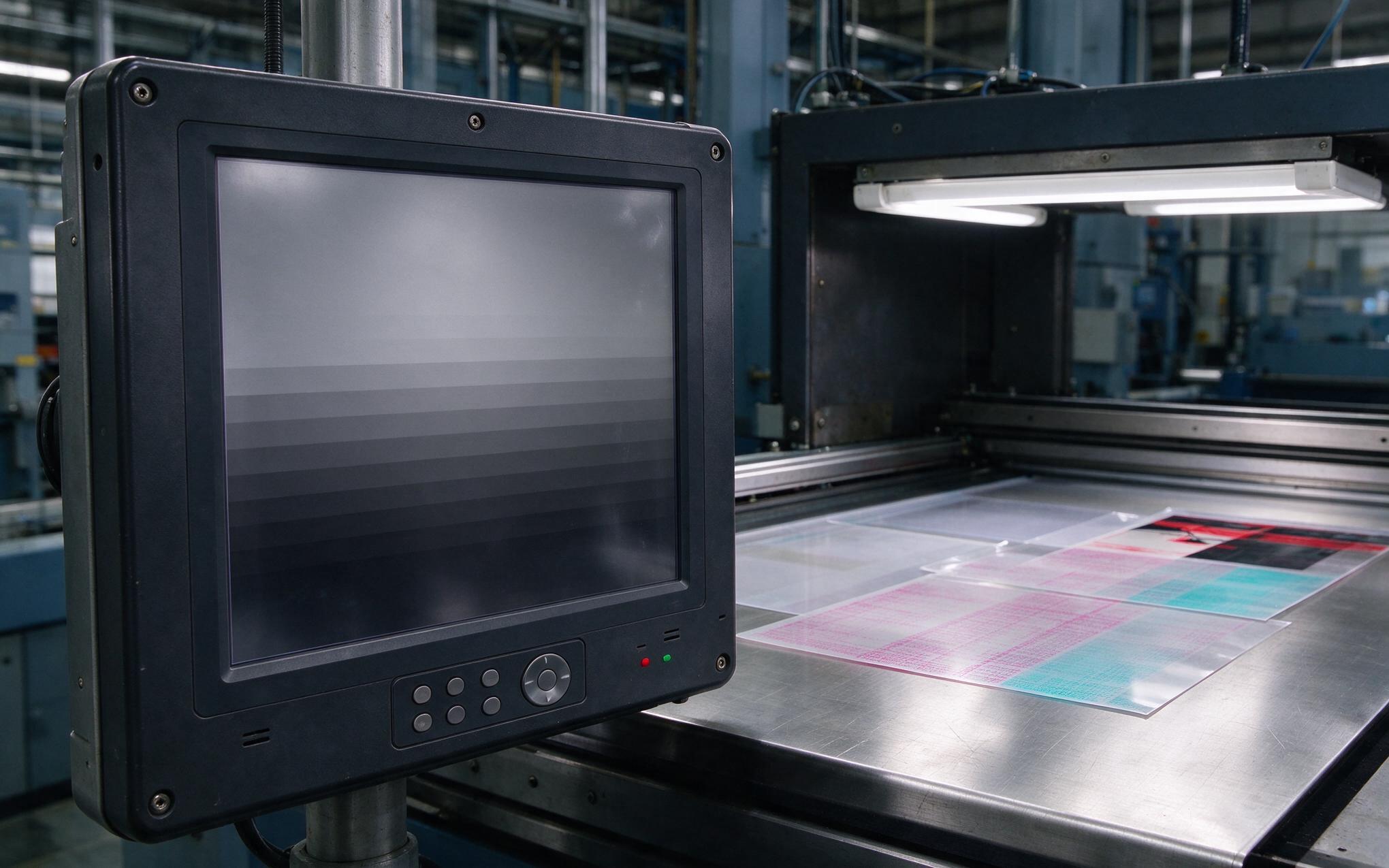
In a high-humidity manufacturing plant, an industrial panel mount display began showing cloudy bezel corrosion within three months of installation. The facility had specified IP65-rated front-panel protection, but the weekly alkaline washdowns attacked the aluminum bezel directly, causing pitting, swelling, and seal degradation that eventually allowed moisture into the display housing. This scenario highlights a critical but often overlooked aspect of panel mount display selection: the chemical compatibility between bezel material and the actual cleaning agents used on the factory floor.

Understanding Aluminum and Stainless Steel Bezel Chemistry
Aluminum bezels form a thin aluminum oxide layer that provides moderate corrosion resistance under dry or mildly humid conditions. However, this protective layer breaks down rapidly when exposed to alkaline cleaners with pH above 10, chloride-containing solutions, or strong acids. The result is pitting corrosion, stress corrosion cracking, and eventual loss of structural integrity at the bezel edges and mounting points where chemicals tend to accumulate.
Stainless steel, particularly the 304 and 316 grades, offers fundamentally different corrosion behavior. The chromium content in stainless steel forms a self-healing chromium oxide layer that resists alkaline and chloride attack far more effectively. Grade 316 adds molybdenum, which further enhances resistance to pitting in chloride-rich environments such as coastal facilities or food processing plants using sodium hypochlorite sanitizers. For industrial panel mount display applications in chemical processing or food production, this material difference directly determines whether the bezel will maintain its sealing integrity over a five-year deployment cycle.

Why Bezel Material Selection Is a Chemical Compatibility Issue for Panel Mount Displays
The selection between aluminum and stainless steel bezels is not simply a cost-versus-durability trade-off. It is fundamentally a chemical compatibility decision. Food and beverage production lines using NaOH-based caustic cleaners and hypochlorite sanitizers demand stainless steel bezels, particularly in areas where the cleaning solution contacts the display front directly. Pharmaceutical washdown environments may allow aluminum bezels with appropriate surface treatments, but only if the cleaning agents are verified compatible with the specific alloy grade.
A common engineering mistake is assuming that an IP65 or IP66 front-panel rating eliminates the need for chemical compatibility analysis. IP ratings address water and dust ingress, not chemical attack on the bezel material itself. The gasket material, cover glass adhesive, and bezel alloy must all be evaluated against the facility’s actual cleaning protocol. Some manufacturers now offer hybrid bezel designs that combine an aluminum structural body with a stainless steel front face, providing a balanced approach for facilities with moderate chemical exposure.

Corrosion Progression and Failure Modes in Panel Mount Display Bezels
Bezel corrosion in industrial panel mount display installations follows a predictable pattern that makes early detection difficult. Chemical attack typically begins at hidden edges, screw holes, and mounting clamp contact points where cleaning solution residue accumulates and remains in contact with the metal surface for extended periods. The front face may appear intact while the structural degradation progresses unseen behind the display panel.
As corrosion advances, the bezel loses its ability to maintain consistent pressure on the front-panel gasket. Seal compression becomes uneven, creating pathways for moisture and chemical vapor to reach the LCD module and touch screen electronics. The result is gradual fogging of the display, touch sensitivity degradation, and eventually complete display failure. In one documented case, a panel mount display installed in a dairy processing facility developed seal failure after 18 months, requiring full unit replacement rather than a simple bezel swap. Facilities that select stainless steel bezels compatible with their specific cleaning agents typically avoid this failure mode entirely, with manufacturers like KOXIAN engineering corrosion-resistant panel mount display units specifically for chemical-intensive industrial environments.

Selecting the Right Bezel Material for Panel Mount Display Deployments
KOXIAN panel mount display bezels ship with chemical compatibility data sheets for each alloy option, helping engineers match the bezel material to the facility cleaning protocol from the start. Material selection should begin with a documented review of the facility’s cleaning protocol, including the specific chemicals used, concentration levels, application method, and frequency. For food and beverage operations with daily caustic washdowns, 316 stainless steel bezels represent the minimum standard. Pharmaceutical environments with lighter disinfectant protocols may specify 304 stainless steel or treated aluminum alloys. Outdoor installations near coastal areas face chloride exposure from salt air, making stainless steel bezels essential regardless of the cleaning regimen.
The initial cost premium for stainless steel bezels—typically 15 to 30 percent above aluminum alternatives—must be weighed against the total cost of ownership. A single bezel replacement requiring display disassembly and recalibration often costs more than the material upgrade itself. When evaluating industrial panel mount display options, engineers should request chemical compatibility data sheets from manufacturers and verify that the bezel material, gasket compound, and cover glass adhesive are all validated for the intended chemical environment.