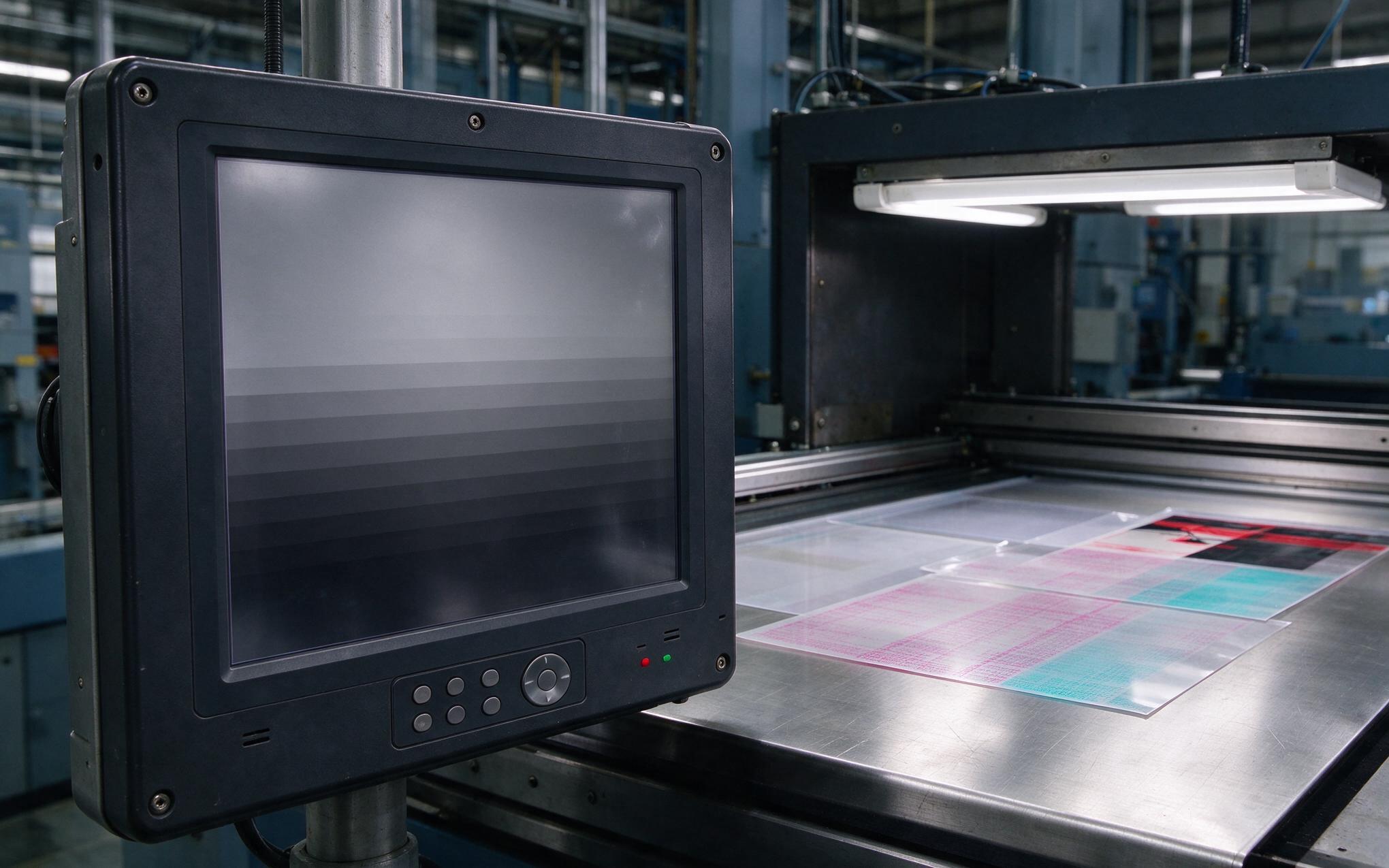
Dust in a mineral crushing plant does not settle the way workshop dust does. Silica-bearing particles arrive with sharp edges and enough hardness to abrade a surface they slide against, so anywhere relative motion exists they behave as a cutting medium. A high-speed bottling hall presents nothing like it: the air is damp, the floor is wet, and the dominant mechanical input is continuous small-amplitude vibration from filler cams and conveyor drives. Both sites are described as harsh in purchasing documents, yet industrial panel computers that suit one will steadily fail in the other, and the reasons trace back to distinctly different physical mechanisms.

Which Ingress Mechanism Dominates Each Site?
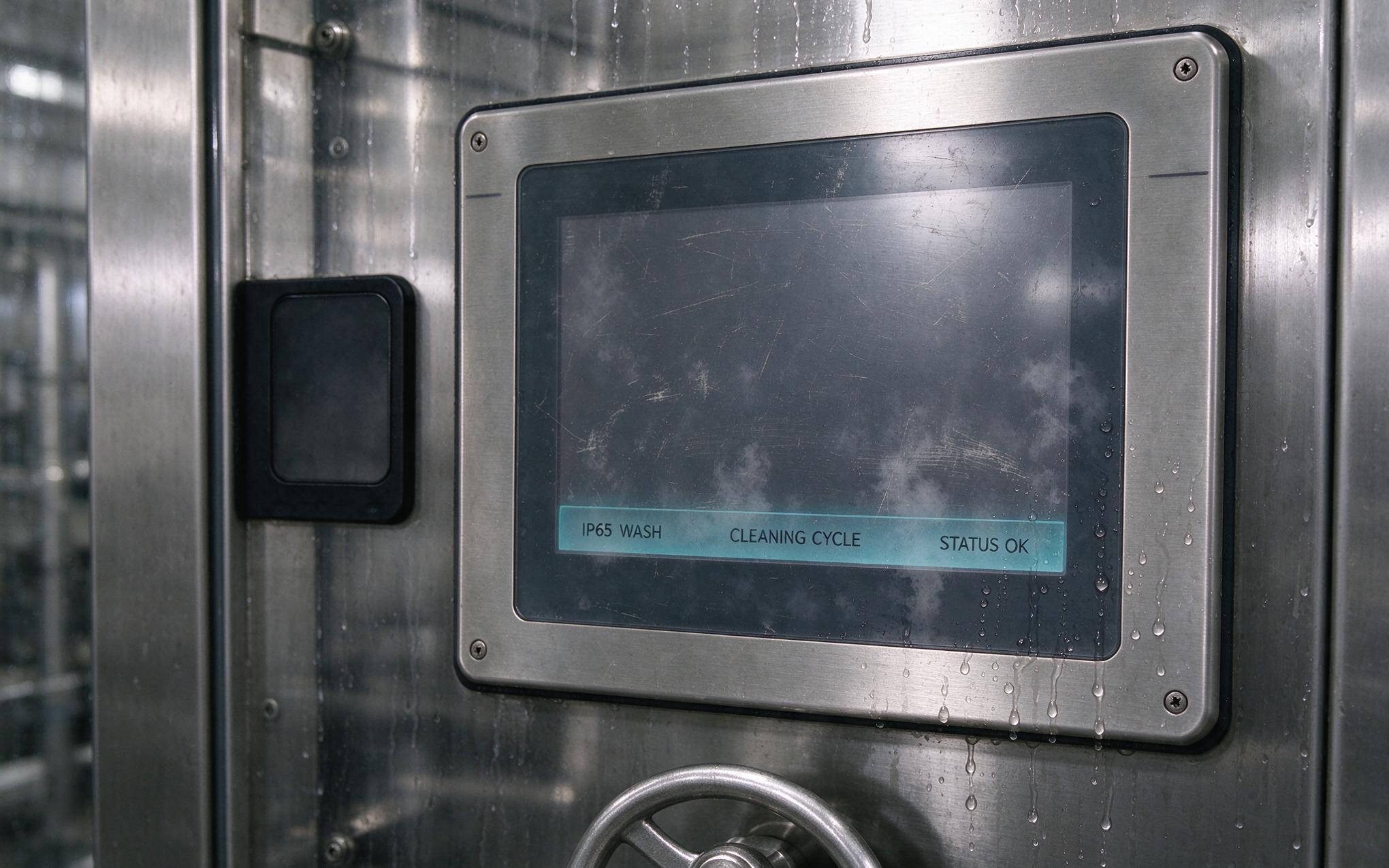
Mining installations face solid ingress with an abrasive character. Dust migrates through any breathing path created by daily thermal cycling, and once inside it settles on surfaces and works into connector interfaces where slight movement grinds plating away. Filtered vents are of limited help because filter maintenance rarely keeps pace with loading, which pushes designs toward fully sealed passive housings with no air exchange at all. Bottling halls invert this. Solids are minimal but liquid arrives under pressure during sanitation, along with sugar-bearing residue that leaves conductive films as it dries. Sealing is still required, though the qualifying question shifts to gasket chemistry and drainage geometry rather than particle exclusion. Choosing between industrial panel computers for the two duties therefore starts with naming which phase of matter is doing the damage.

Shock Signatures Against Sustained Vibration in Industrial Panel Computers
Crushing and screening equipment produces intermittent high-amplitude shock. A screen deck dropping load transmits impulses that arrive as discrete events, and the components at risk are those with mass on long standoffs: storage devices, expansion cards, and connector shells. Bottling equipment produces the opposite signature, a continuous low-amplitude excitation at frequencies set by rotating machinery. Nothing breaks in a single event; instead solder joints and cable strain reliefs accumulate fatigue cycles until an intermittent fault appears months later and defies diagnosis. Suppliers of industrial panel computers respond with different measures for each case, using bracing and captive fasteners against shock, and controlling resonance through mounting stiffness and isolation against sustained vibration. A datasheet listing a single vibration figure rarely distinguishes between them.

Mounting Strategy Divergence Across the Two Halls
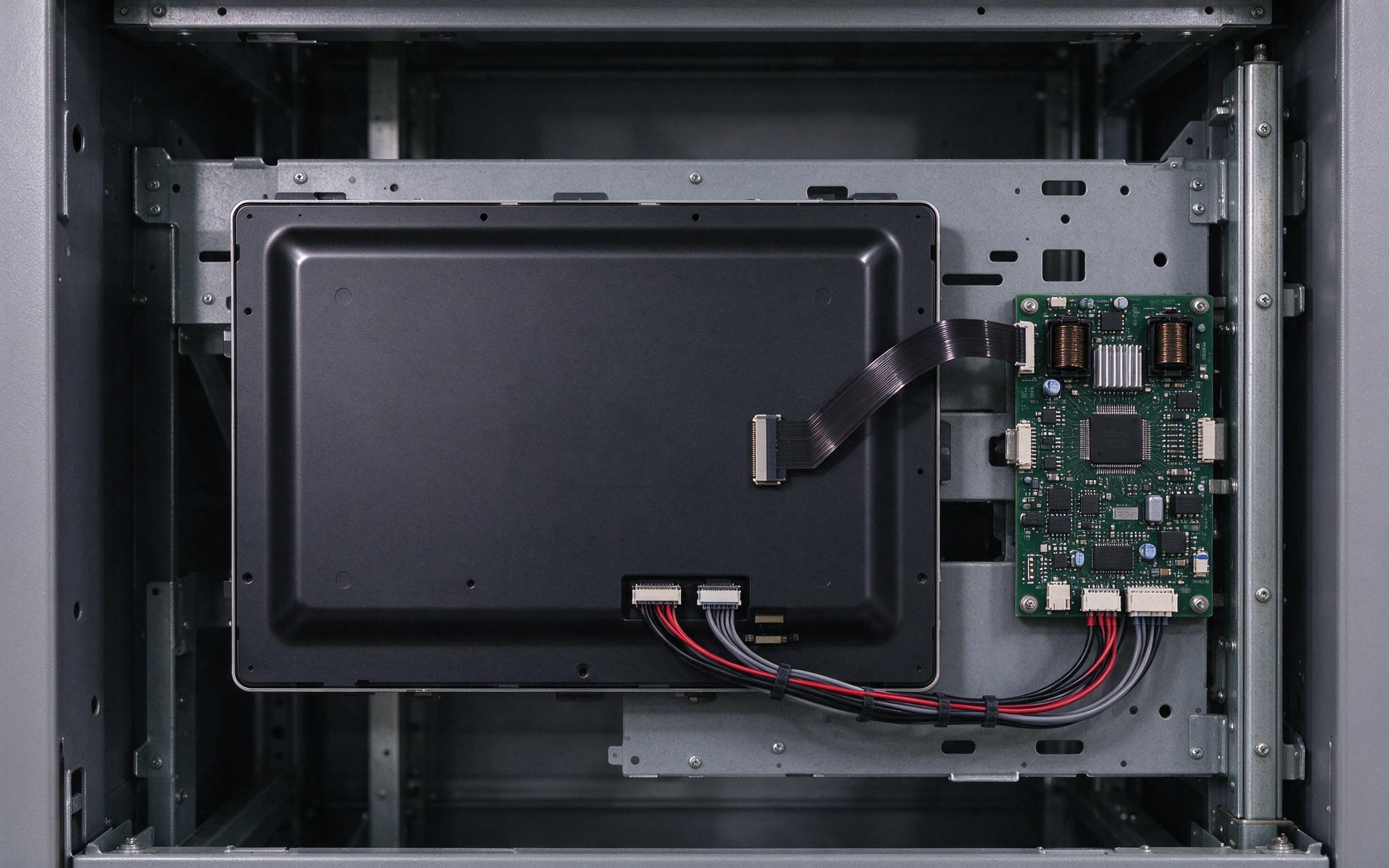
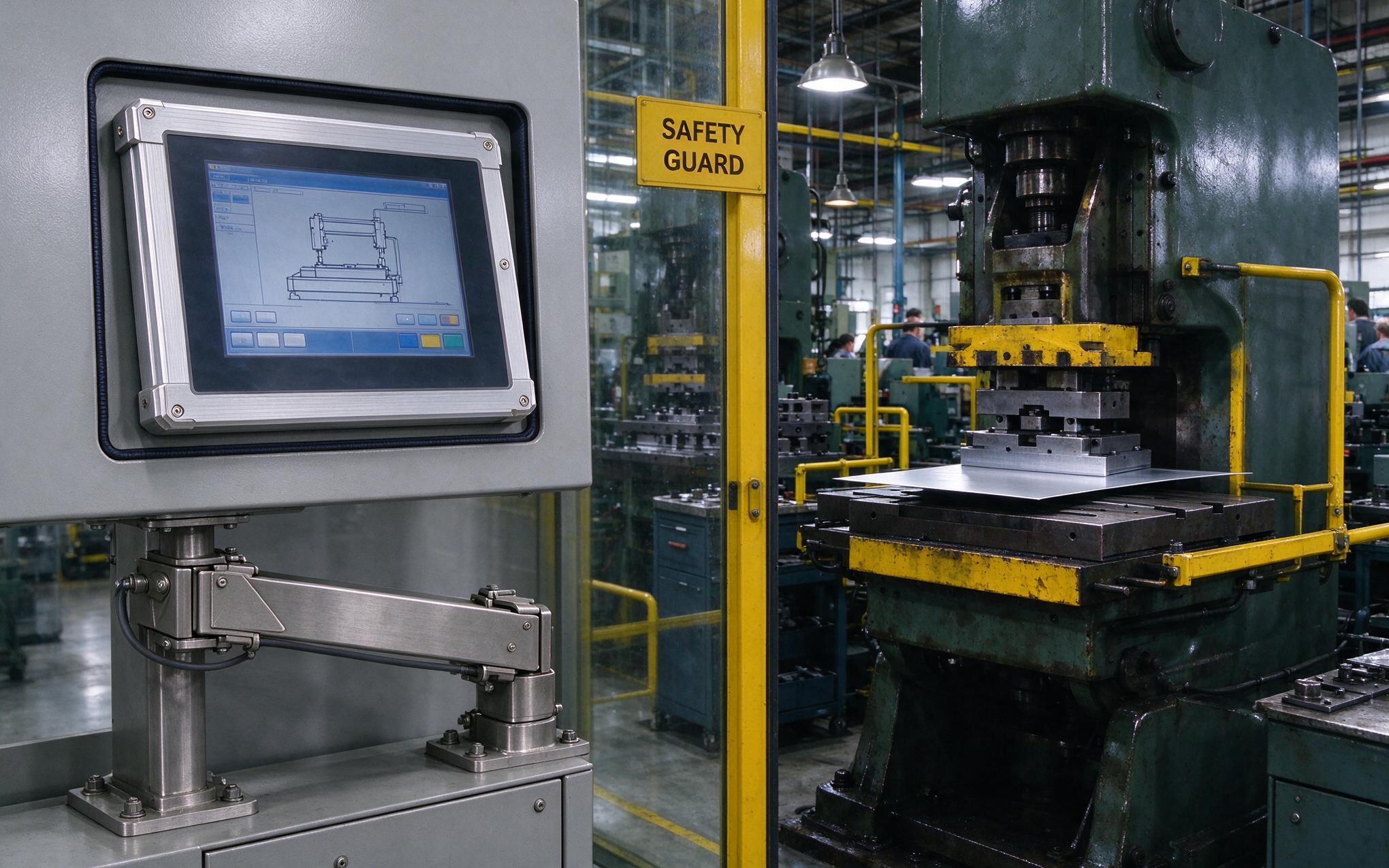
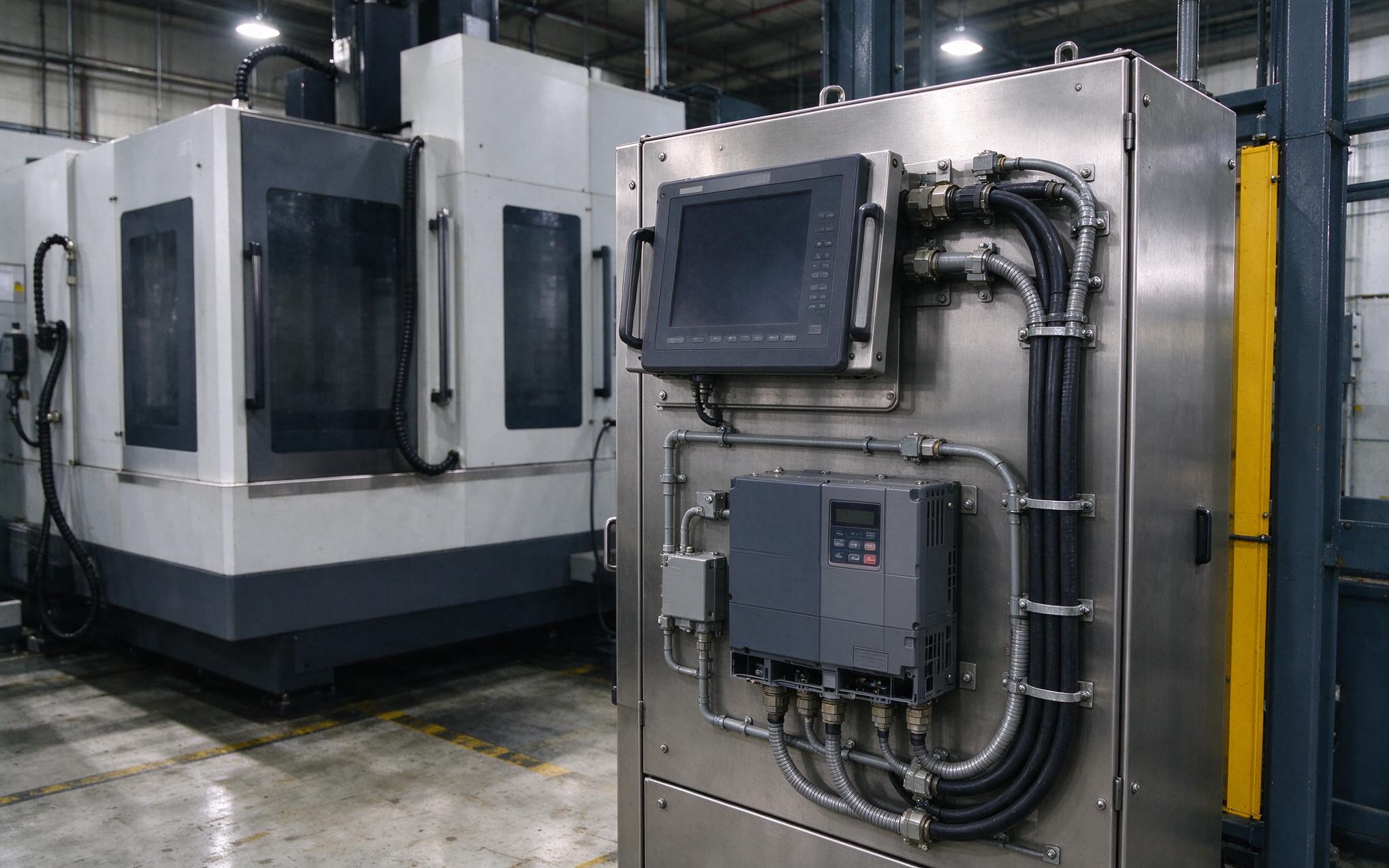
Mount design follows the mechanical signature. For industrial panel computers under shock loading the goal is a short, stiff load path with the display mass carried close to structure, because a long cantilever arm multiplies impulse into bending stress at the bracket. Under sustained vibration a rigid mount can be counterproductive if it places a structural resonance near a drive frequency, and elastomer bushings that shift resonance away from the excitation band serve better. Field observations from filling lines show that installations using isolation bushings behind bracket plates, including deployments built around KOXIAN industrial panel displays, hold connector integrity substantially longer than hard-bolted equivalents on the same frames. The relevant specification detail is not the mount type but whether anyone measured the dominant frequency in the hall before selecting it.

Optical Requirements Underground and Inside a Filling Hall
Viewing conditions differ as sharply as the mechanical loads. Underground and portal-adjacent positions combine very low ambient light with intense localized sources from vehicle lamps and daylight at an opening, producing luminance ratios that no single backlight setting accommodates. For industrial panel computers in these positions, anti-glare treatment and automatic dimming both become functional requirements rather than options. Bottling halls are uniformly and brightly lit, so glare from overhead fixtures at a fixed angle is the main issue, and it is usually solved by tilt geometry and matte surface finish. Sealed front designs used by industrial hardware manufacturers, including KOXIAN, allow the same bonded stack to carry either treatment, which lets a plant standardize on one industrial panel monitor platform while still specifying the correct surface for each area.
The word harsh conceals more than it communicates. A mining installation is governed by abrasive solid ingress, discrete shock events, and extreme luminance contrast. A bottling installation is governed by pressurized liquid, sustained vibration fatigue, and uniform glare. Teams specifying industrial panel computers that identify the dominant mechanism per area, then request the qualification method behind each claim, consistently see longer service intervals than teams that compare protection ratings and vibration figures across sites as if the numbers meant the same thing.