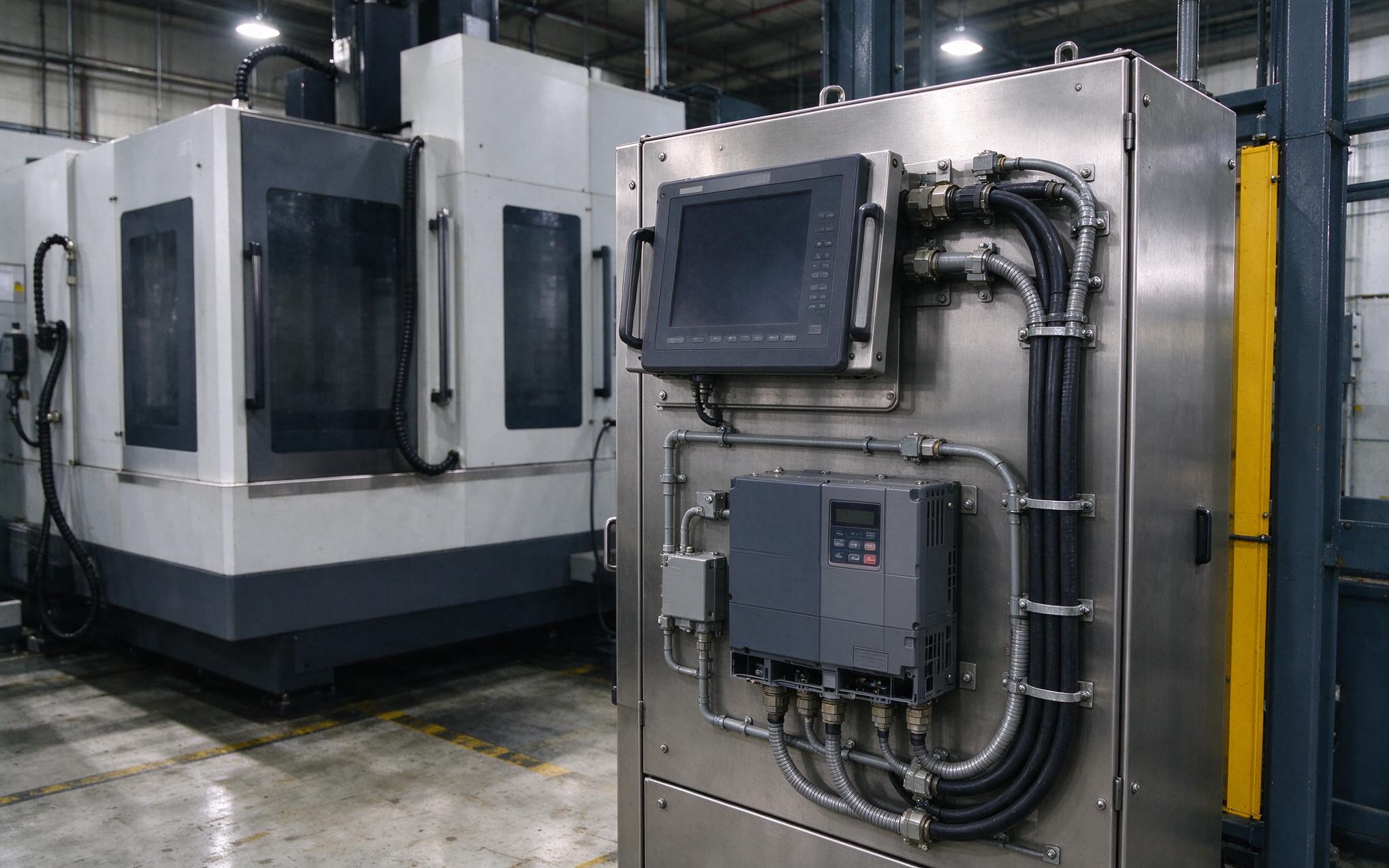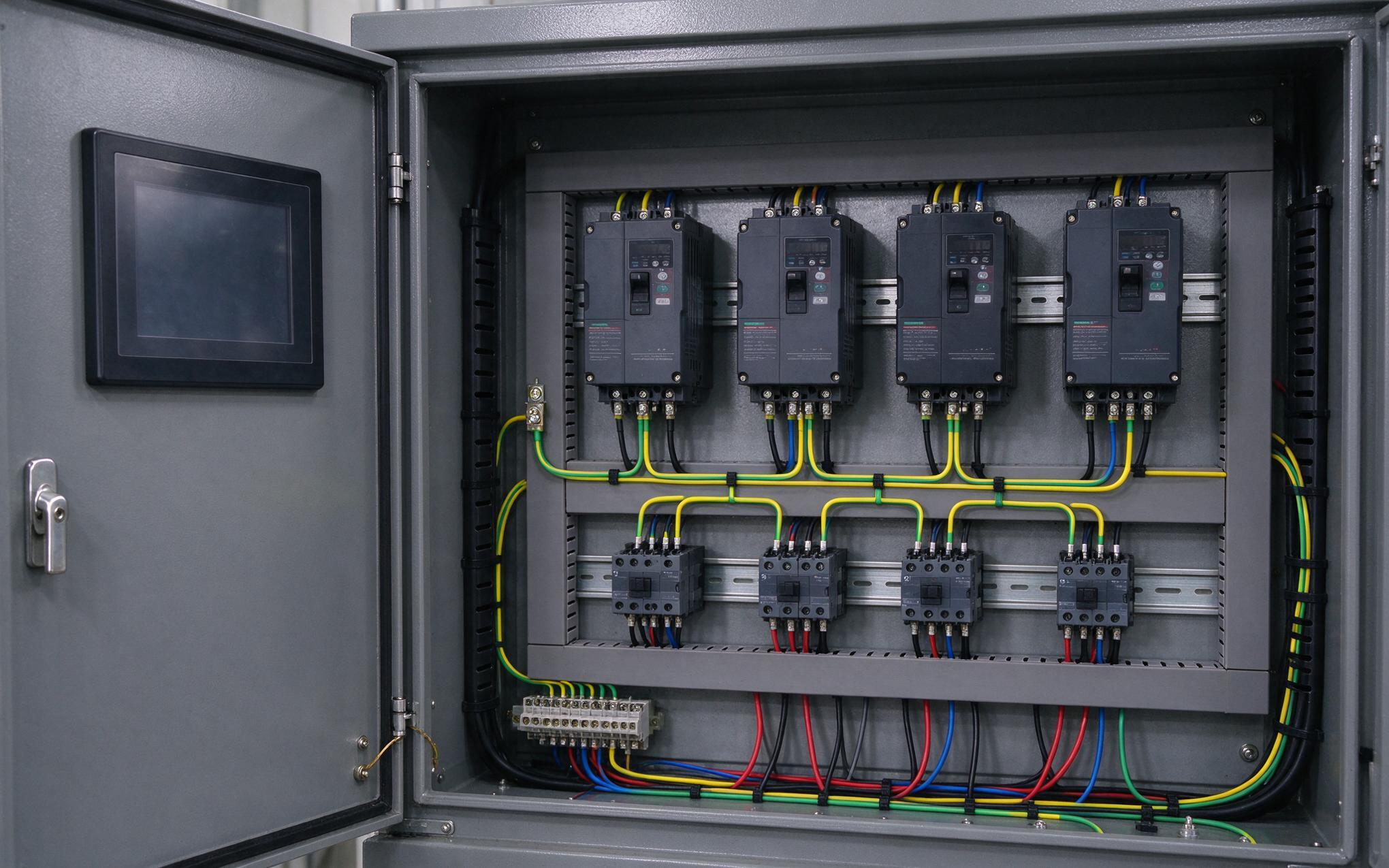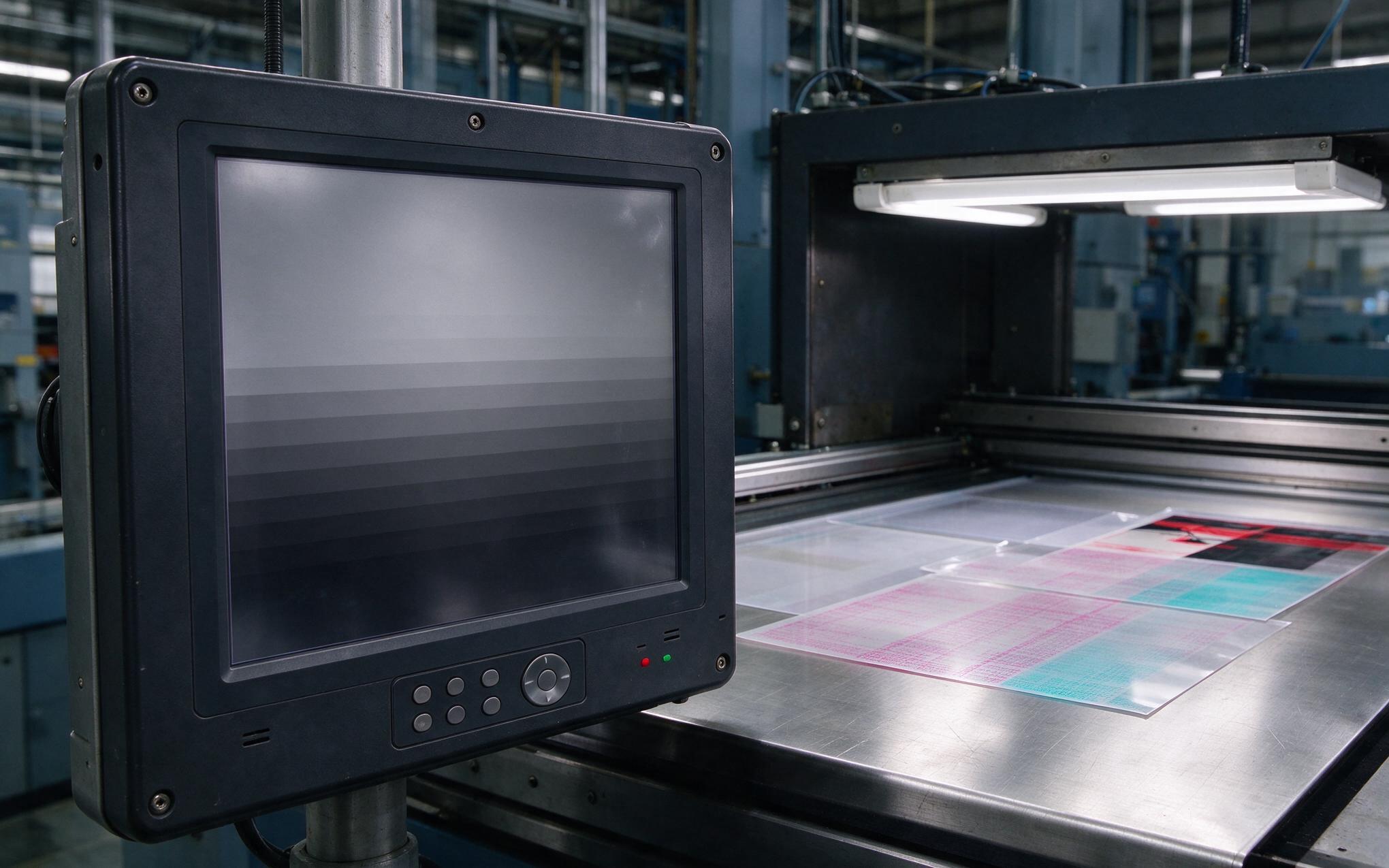
A production line supervisor noticed that a Windows 10 industrial panel pc running a quality inspection application was taking over 45 seconds to load its dataset after each shift restart. The processor was adequate, the network was stable, but the bottleneck sat inside the chassis: a spinning SATA hard drive that could not keep pace with the data demands of modern machine vision. In environments where every second of uptime translates directly into output, storage and memory subsystems have quietly become the deciding factors in whether an industrial panel pc windows 10 deployment delivers on its promise.

Beyond SATA III Ceilings in Industrial Panel PC Storage
SATA III caps sequential throughput at roughly 600 MB/s, a ceiling that made sense when industrial applications dealt with modest data streams. Modern machine vision cameras, high-resolution dashboards, and real-time sensor aggregation push data volumes that saturate this interface within minutes of operation. NVMe drives connected through PCIe lanes deliver sequential speeds above 3,500 MB/s on Gen 3 and exceed 7,000 MB/s on Gen 4, fundamentally changing how quickly an industrial panel pc windows 10 system can boot, load applications, and write diagnostic logs. The practical difference extends beyond raw throughput figures. In a food packaging facility, an NVMe-equipped panel pc reduces application launch time from 40 seconds to under 8, letting operators begin production runs without the idle delay that accumulates across hundreds of daily restarts. NVMe write speeds also compress the automated update window from a multi-hour overnight process to a manageable 20-minute cycle. Hardware manufacturers like KOXIAN have adopted M.2 NVMe slots as standard across their industrial panel pc lines, recognizing that storage throughput now directly determines system responsiveness in edge deployments. Endurance matters as much as speed. Consumer NVMe drives rated for 300 TBW can exhaust their write lifecycle within two years under continuous logging, so industrial-grade drives with power-loss protection and 1,000 TBW ratings are essential for continuous sensor capture.

DDR5 Memory Bandwidth and Thermal Behavior in Rugged Environments
DDR5 introduces on-die error correction, doubled burst length, and module-level voltage regulation that collectively reshape what an industrial panel pc can handle in memory-intensive workloads. Where DDR4 topped out at 3,200 MT/s, DDR5 starts at 4,800 MT/s and scales to 6,400 MT/s in current-generation modules. For industrial panel pc windows 10 deployments running multiple virtual machines, containerized edge applications, or concurrent sensor processing threads, this bandwidth increase prevents the memory subsystem from throttling the CPU. Thermal behavior distinguishes industrial DDR5 implementations from consumer counterparts. In a fanless chassis where ambient temperatures inside a control cabinet reach 50 degrees Celsius, standard consumer DIMMs operating at 1.1V may encounter timing errors as junction temperatures climb. Industrial DDR5 modules with extended temperature ratings and lower-voltage profiles maintain stable timings across the -40 to 85 degrees Celsius range that industrial specifications demand. The design approach adopted by KOXIAN in fanless panel pc lines shows how aluminum thermal spreaders and vapor chamber paths keep DDR5 modules within specification without active airflow, a critical consideration for washdown environments where fans represent failure points.

Migration Pathways for Industrial Panel PC Windows 10 Fleets
Windows 10 remains the dominant operating system on industrial panel pc deployments worldwide, despite Microsoft’s October 2025 end-of-support date for the consumer edition. Industrial customers typically rely on Windows 10 IoT Enterprise LTSC, which carries extended support through 2032 and provides the security patching cadence that factory environments require. The ecosystem advantage is substantial. Thousands of industrial software packages, driver stacks, and communication protocol libraries have been validated exclusively on Windows 10, and migrating these applications to an untested platform introduces qualification costs that many organizations cannot absorb on a compressed timeline. For organizations planning beyond 2032, NVMe and DDR5 investments made today carry forward directly into Windows 11 deployments. Both storage and memory standards are forward-compatible, so the hardware upgrade cycle is not wasted when the operating system eventually transitions.
The trajectory is unmistakable. Industrial panel PCs equipped with NVMe storage and DDR5 memory are no longer premium configurations reserved for demanding applications; they represent the baseline expectation for any Windows 10 deployment where data throughput, boot responsiveness, and long-term reliability intersect. Factories that treat storage and memory as afterthoughts discover the limitation during the second year of operation, when accumulating log writes and memory fragmentation degrade performance below acceptable thresholds. Specifying NVMe and DDR5 from the outset transforms an industrial panel pc from a static terminal into a platform that sustains its performance across the full lifecycle of a production investment.