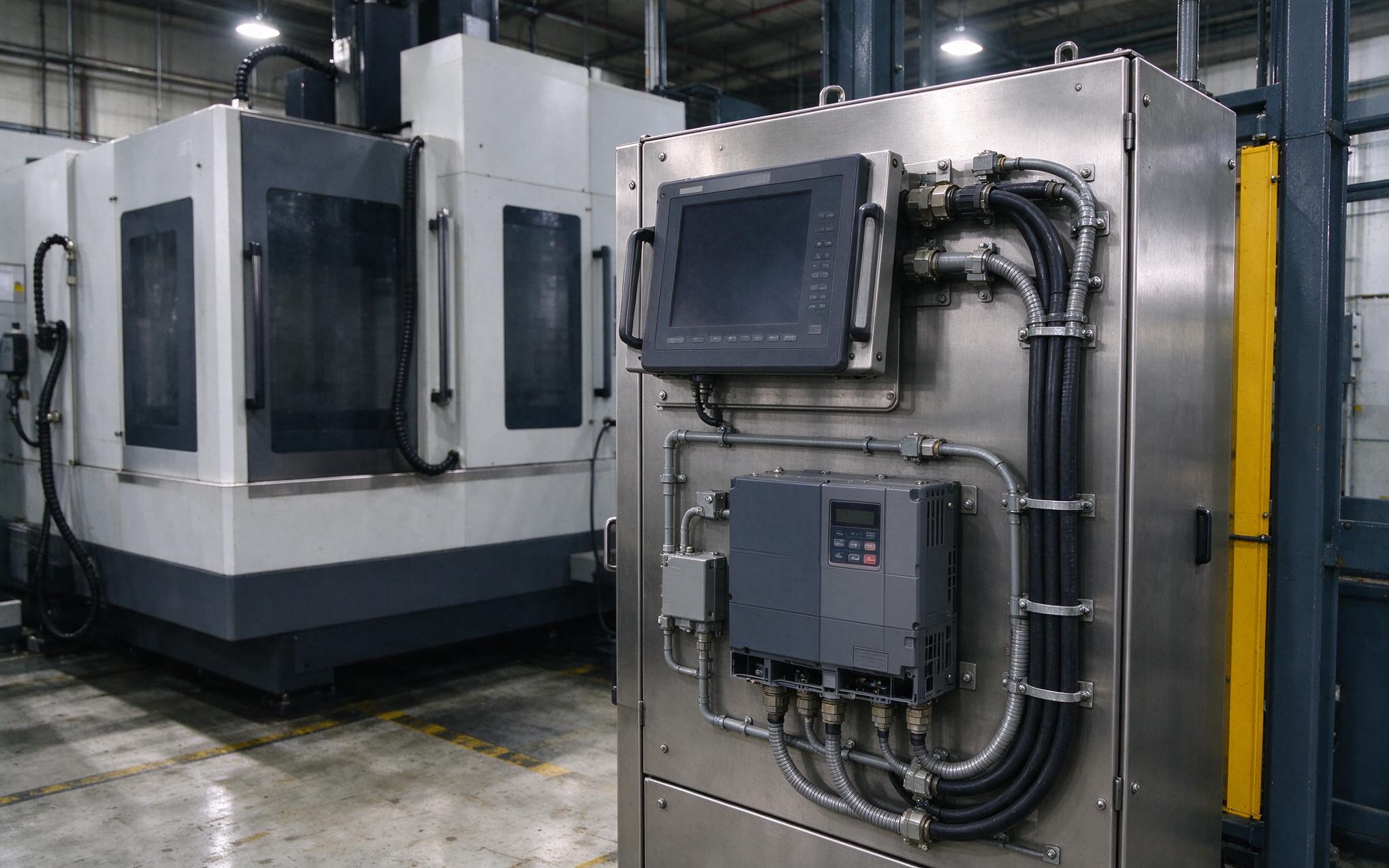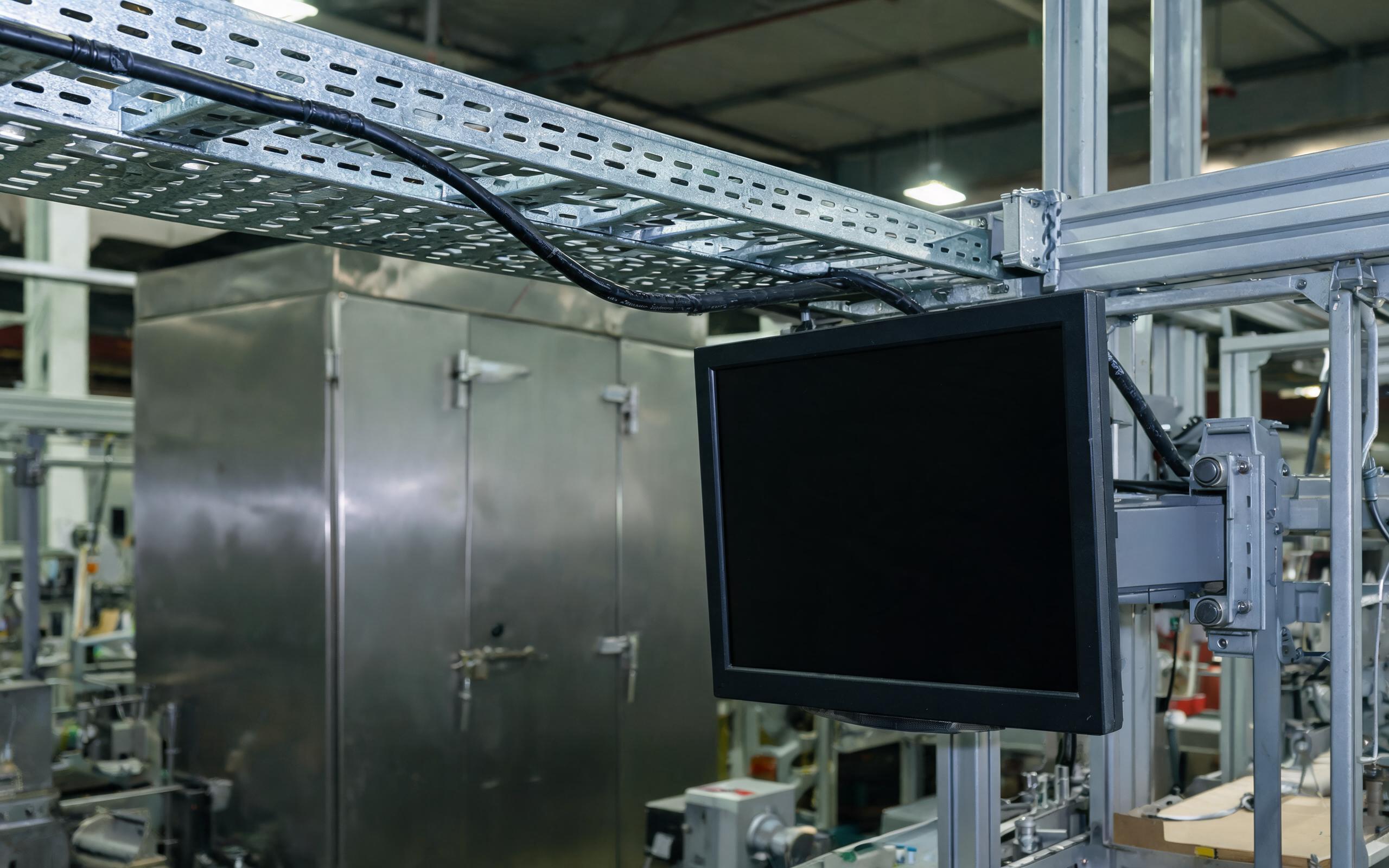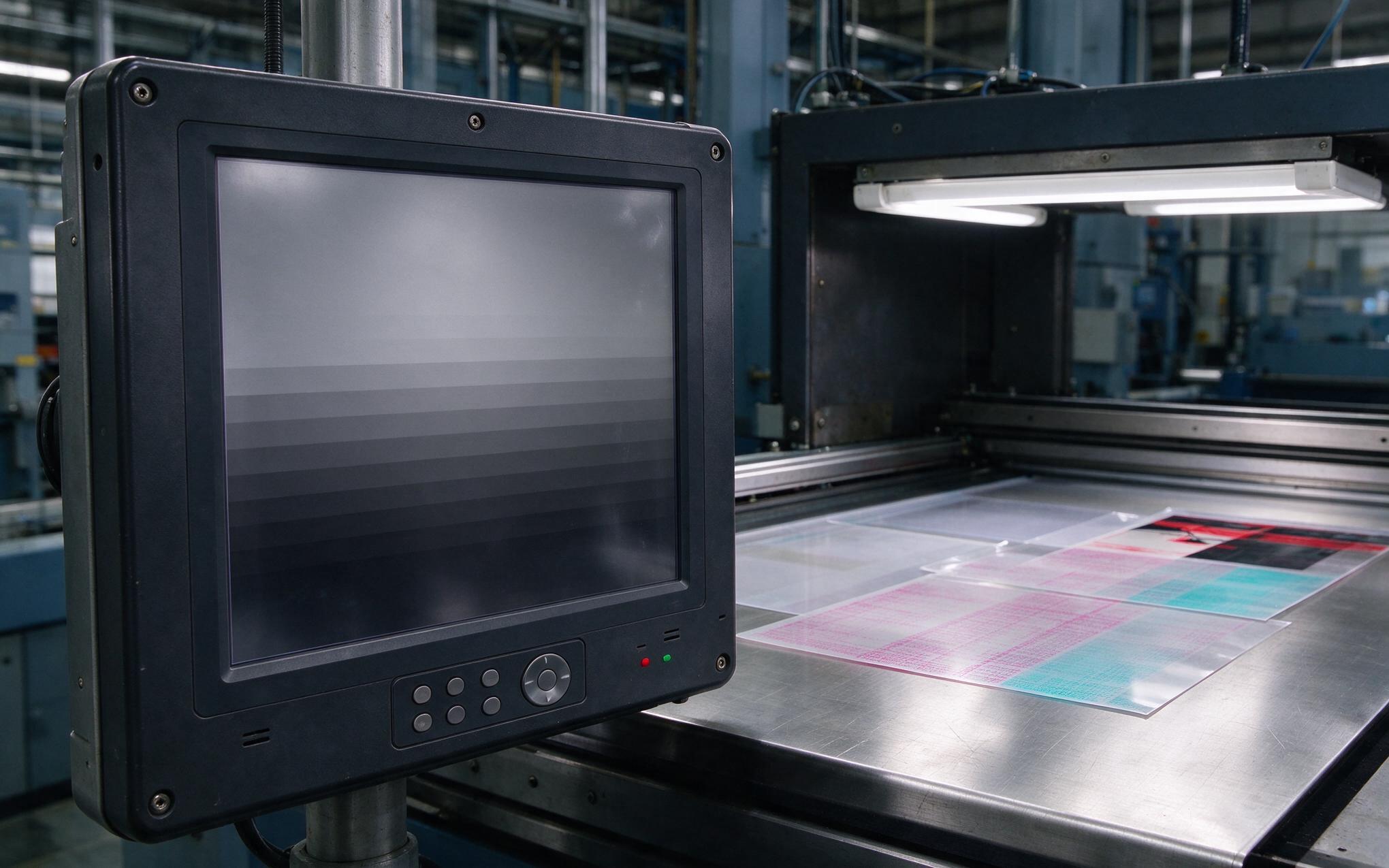
Cold storage facilities routinely cycle between ambient loading dock temperatures and sub-zero internal zones, creating a temperature differential that can exceed 40 degrees Celsius within seconds. For facility operators monitoring inventory, temperature logs, or forklift dispatch screens, this thermal shock is not just an inconvenience. It is the primary failure mode for industrial displays deployed in frozen warehouses and pharmaceutical cold rooms. When warm, moisture-laden air contacts a cold screen surface, condensation forms both externally on the cover glass and internally within unsealed display assemblies. A waterproof industrial monitor built to handle these conditions must address condensation at multiple engineering layers, not simply at the outer enclosure.

Understanding Condensation Mechanics in Sub-Zero Display Environments
Condensation occurs when surface temperature drops below the dew point of the surrounding air. In a frozen warehouse, forklift operators open a door to a -25 degrees Celsius zone while standing in a 20 degrees Celsius staging area. The rapid air exchange carries moisture into the cold space, where it contacts every surface that is below dew point. Standard industrial monitors without optical bonding contain air gaps between the cover glass, touch sensor, and LCD panel. These internal pockets trap humid air that condenses into fog or ice crystals, rendering the display unreadable within minutes. Manufacturers like KOXIAN address this by eliminating those air gaps entirely through full optical bonding, which fuses the cover glass, touch layer, and LCD into a single solid optical stack. Without any internal volume for moisture to accumulate, condensation has nowhere to form inside the waterproof industrial monitor assembly.

IP65 Sealing and Anti-Fog Coatings for Moisture Resistance
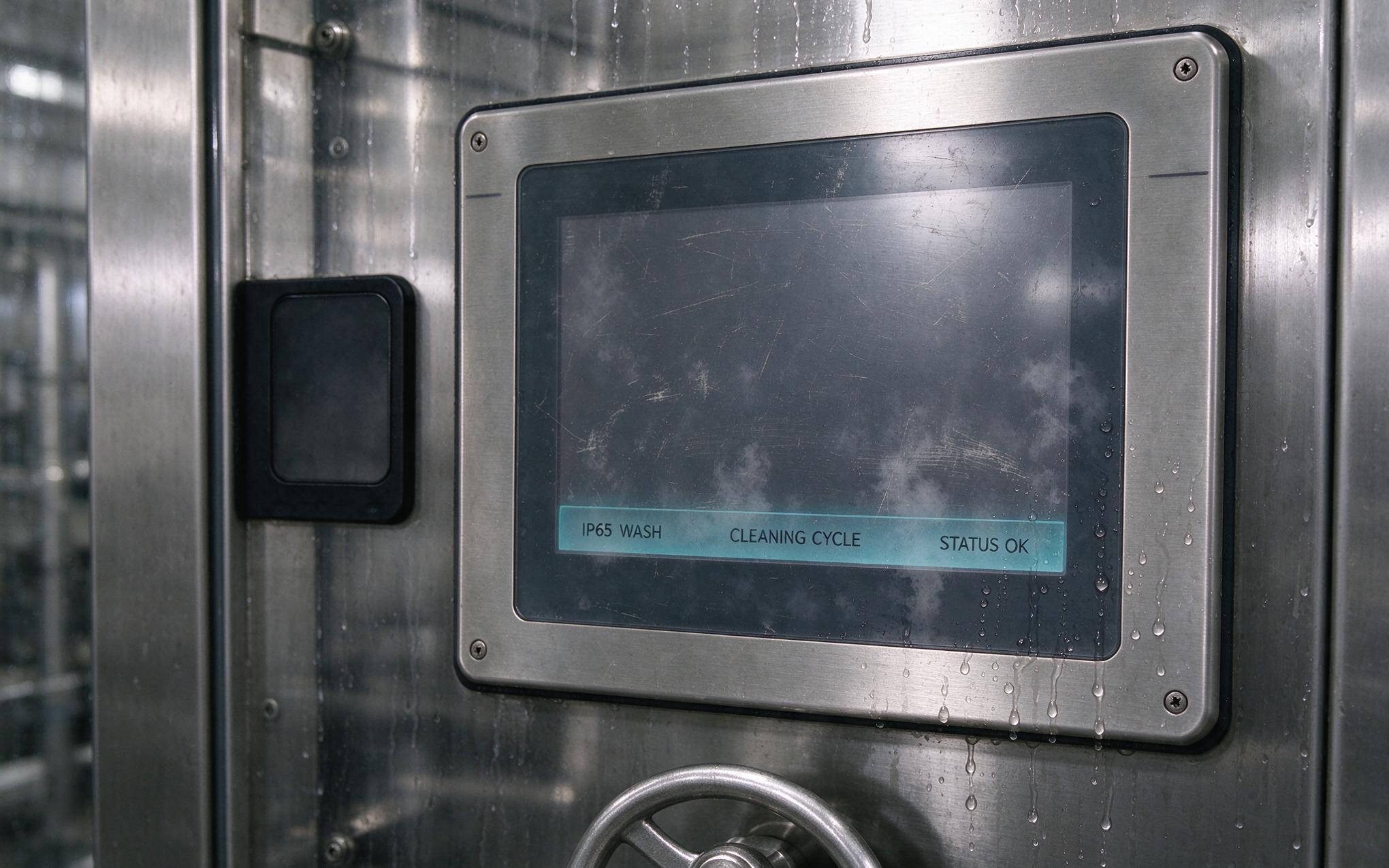
A waterproof industrial monitor rated IP65 or higher provides dust-tight enclosure sealing and protection against low-pressure water jets from any direction. In cold storage applications, this ingress protection serves a dual purpose. On one hand, it prevents external moisture from cleaning cycles and door-open events from reaching internal electronics. On the other hand, it enables the enclosure design to incorporate venting strategies and gasket materials that tolerate repeated thermal cycling without developing micro-leaks. Anti-fog coatings applied to the front cover glass further reduce surface condensation by altering the surface tension of water droplets. Instead of forming opaque beads that scatter light, the water spreads into an invisible, uniform film that does not obstruct the display image. For frozen warehouse operators who need to read barcode scan confirmations or temperature alarm readouts at a glance, this difference between fogging and clear visibility is operationally critical.

Selecting the Right Waterproof Industrial Monitor for Cold Chain Operations
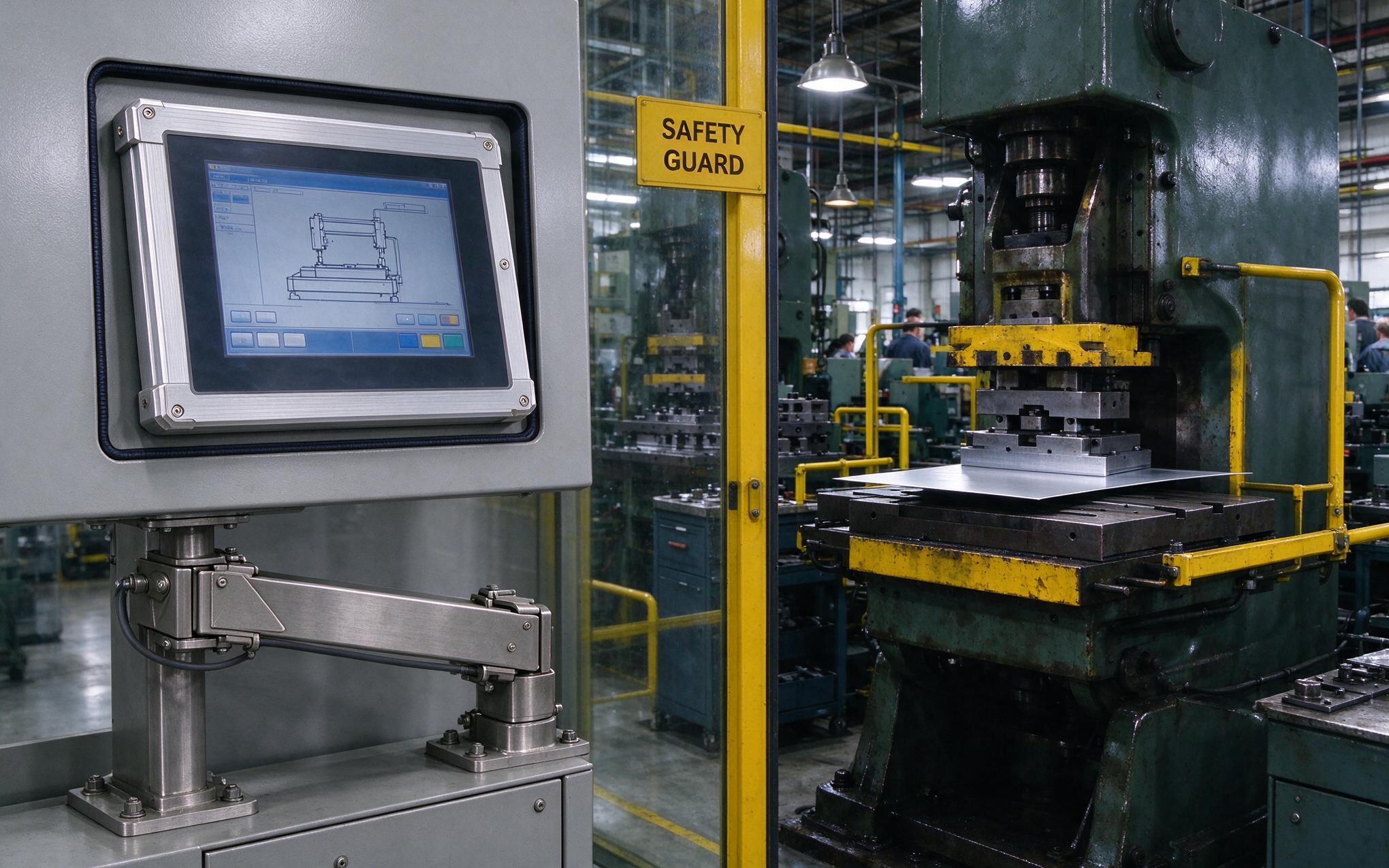
Cold chain operations impose specific requirements that differentiate a suitable monitor from a generic rugged display. Manufacturers like KOXIAN combine wide-temperature LCD modules rated for -30 to +80 degrees Celsius with wide voltage input tolerance of 9 to 36V DC, ensuring reliable operation across the full thermal cycling range. The operating temperature range must extend well below the facility’s lowest set point, typically to -30 degrees Celsius or lower, to maintain reliable LCD response without ghosting or pixel lag. Power supply design matters equally. Standard 12V input circuits can experience voltage sag when battery systems drop in cold conditions, so monitors with robust power regulation maintain stable operation. For pharmaceutical cold rooms that require FDA 21 CFR Part 11 compliance, the waterproof industrial monitor must support continuous temperature logging with tamper-evident data output. These specifications in panel-mount form factors fit directly into cold room door frames or racking systems.

Thermal Management and Long-Term Reliability Under Cycling Stress
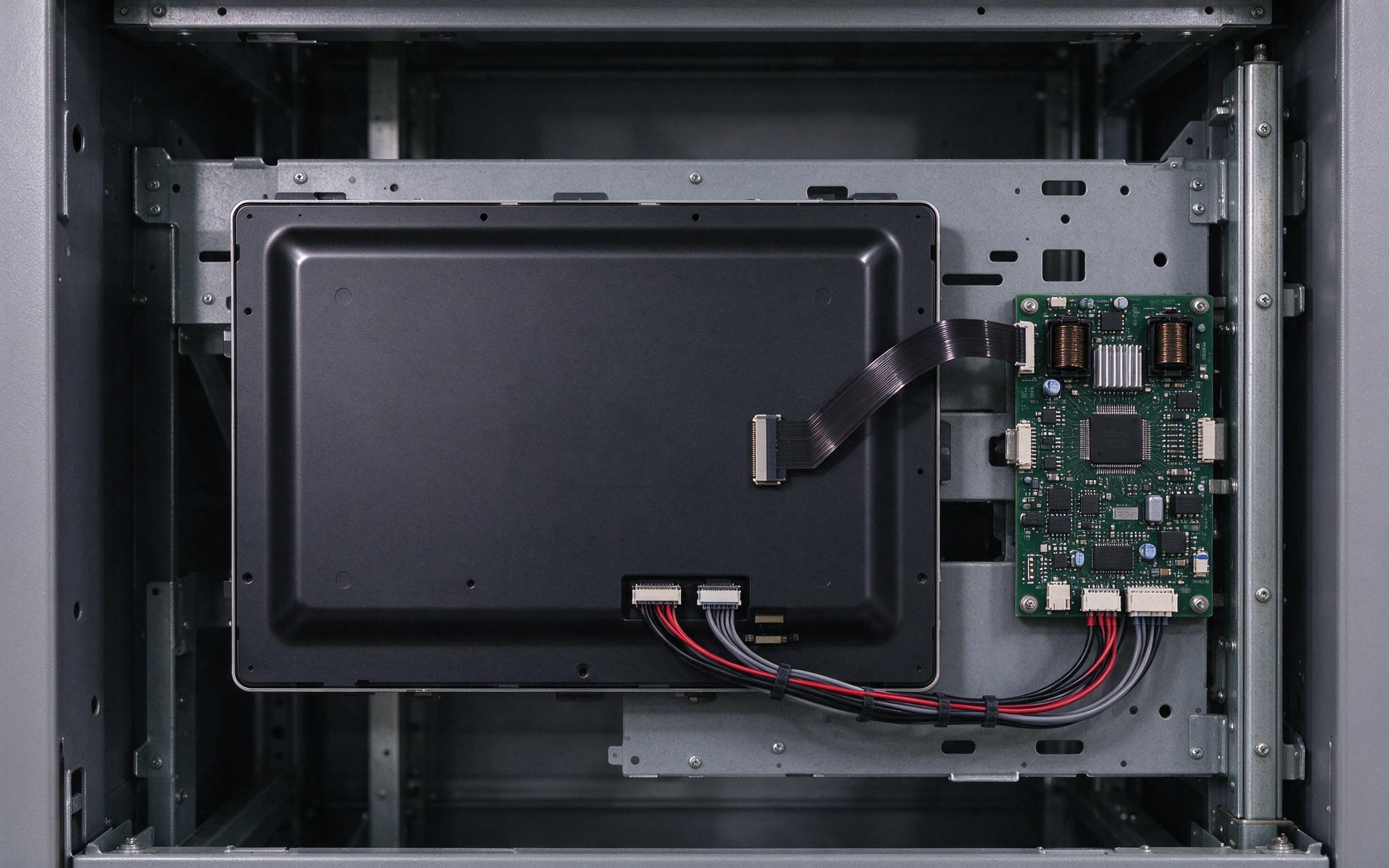
Repeated thermal cycling between ambient and sub-zero temperatures introduces mechanical fatigue in solder joints, adhesive bonds, and cable connectors. A waterproof industrial monitor designed for cold storage must employ thermal management strategies that go beyond passive aluminum heat sinks. Low-power LED backlight drivers that generate controlled warmth along the display edge keep the LCD panel above dew point during idle periods without consuming excessive energy. Conformal coating on internal PCBs protects against any residual moisture that might penetrate gaskets over years of cycling. For cold storage operations where downtime directly impacts product spoilage and regulatory compliance, the reliability engineering inside a well-designed cold-rated monitor is as important as the external waterproof rating.
Facility operators evaluating display solutions for frozen warehouses and pharmaceutical cold rooms should prioritize optical bonding, verified IP65 sealing, wide-temperature LCD modules, and thermal management design as core selection criteria. These engineering features address condensation not as a single-point problem but as a system-level challenge that demands integrated solutions. The right waterproof industrial monitor transforms cold storage display reliability from a recurring maintenance headache into a dependable, long-term operational asset.