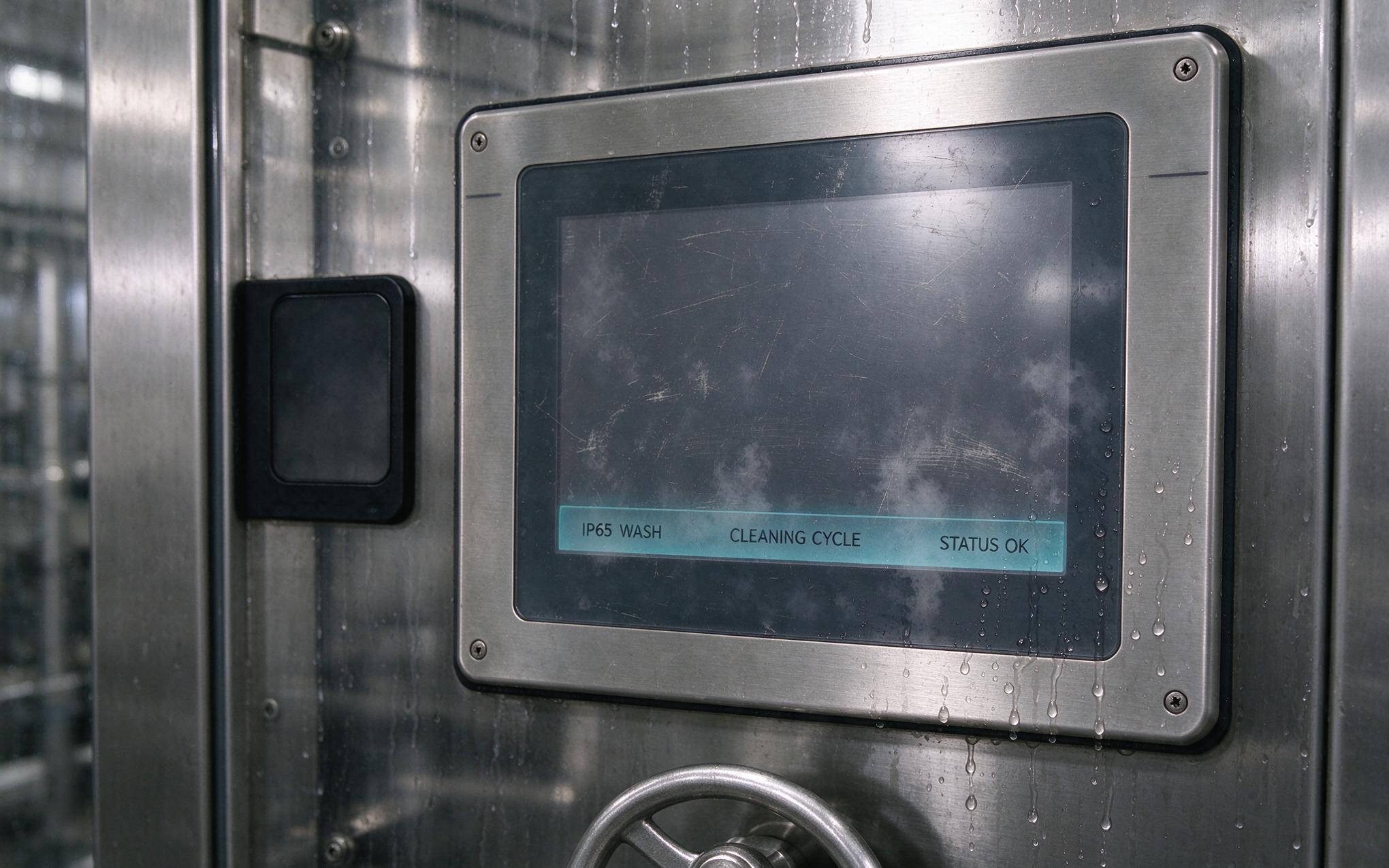
Two sealed enclosures sat side by side in a marine testing laboratory. One, specified as industrial-grade with standard powder coating, showed extensive corrosion at seam joints after twelve months of salt spray exposure. The other, a waterproof industrial monitor enclosure with marine-grade anodized aluminum and stainless steel fasteners, remained functionally intact. The difference illustrated why offshore and coastal processing facilities must evaluate enclosure specifications beyond standard industrial ratings when selecting a waterproof industrial monitor for continuous marine deployment.

Understanding Salt Spray Corrosion Mechanisms in Marine Electronics
Salt spray corrosion follows a predictable progression in coastal and offshore installations. Chloride ions penetrate microscopic pores in aluminum and steel surfaces, initiating electrochemical reactions that form iron oxide and aluminum hydroxide deposits. Standard powder-coated enclosures designed for indoor factory use rarely survive beyond twelve months in marine environments, which is why a properly specified waterproof industrial monitor must begin with enclosure material selection. The critical failure points include seam joints where coating coverage is thinnest, screw threads that create galvanic couples between dissimilar metals, and hinge mechanisms on removable panels. Marine-grade monitors require enclosure materials selected specifically for chloride resistance. Anodized aluminum alloys with controlled oxide layer thickness above twenty-five microns provide substantially better corrosion resistance than paint-finished alternatives. Marine-grade stainless steel hardware throughout the enclosure, a specification followed by manufacturers like KOXIAN for marine applications, eliminates galvanic corrosion at fastener interfaces and reduces field replacement rates in offshore installations.

Optical Bonding and Display Degradation Under Salt Fog Exposure
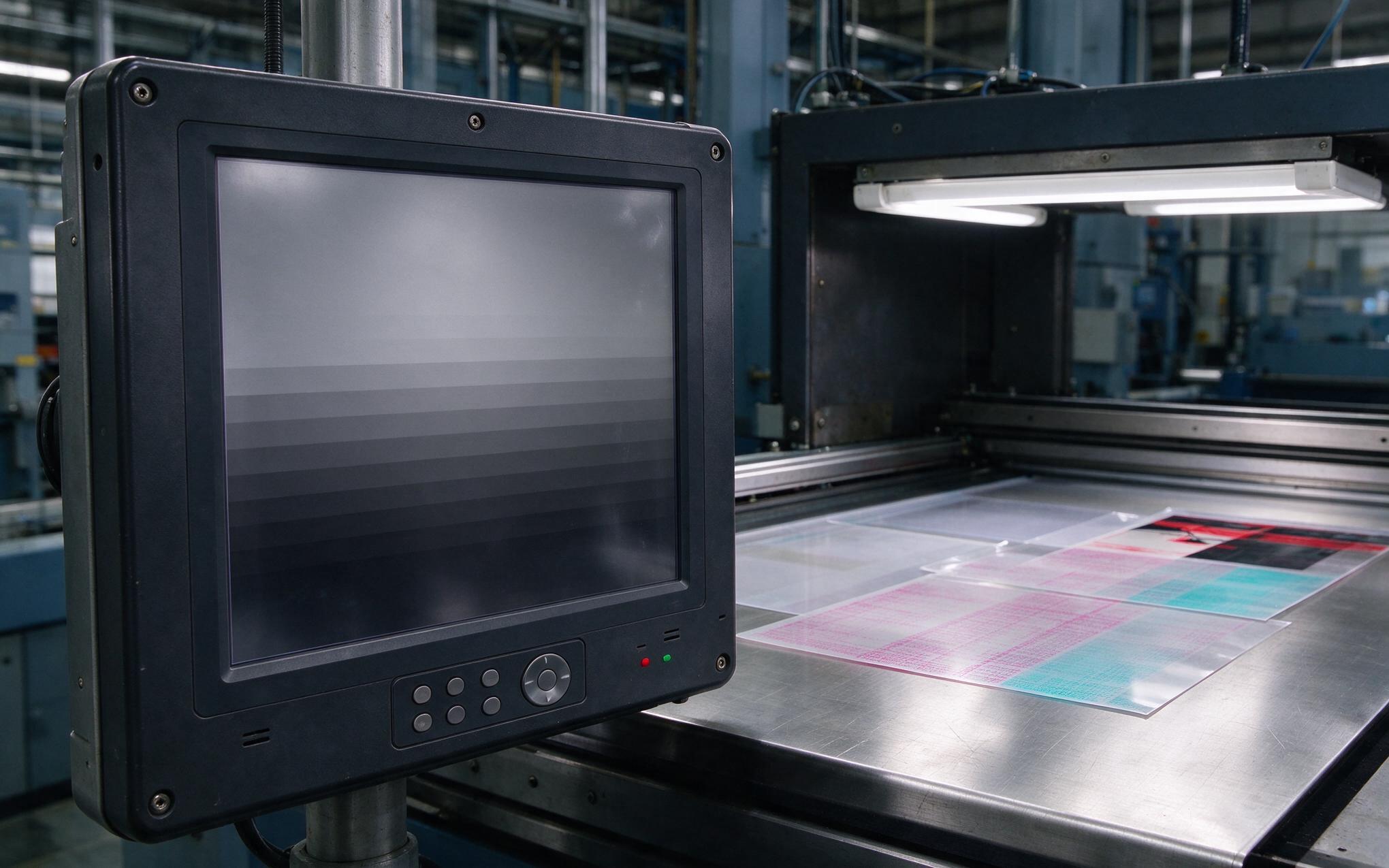
The display module itself presents unique vulnerability in marine settings. Air gaps between the LCD panel and protective cover glass create condensation traps where salt-laden moisture accumulates and creates permanent fogging. Traditional AR coatings degrade rapidly under continuous salt fog exposure, reducing contrast ratios and readability within the initial operating year. Optical bonding fills the air gap with optically clear adhesive, eliminating the condensation path entirely while simultaneously improving sunlight readability through reduced internal reflections. Manufacturers such as KOXIAN specify optical bonding as standard for marine-rated displays rather than offering it as an optional upgrade. For a waterproof industrial monitor in continuous marine service, optical bonding becomes a standard specification rather than an optional upgrade rather than an optional upgrade, recognizing that the cost of field replacement far exceeds the incremental manufacturing expense. Display coatings formulated for marine environments use multi-layer nano-coatings that maintain optical transparency while providing salt resistance tested to ASTM B117 standards exceeding one thousand hours of continuous salt spray exposure. These coating specifications represent a significant upgrade over standard AR coatings used in indoor industrial monitors, becoming baseline requirements for offshore-rated product lines.

Cable Entry Sealing and Connector Corrosion Prevention
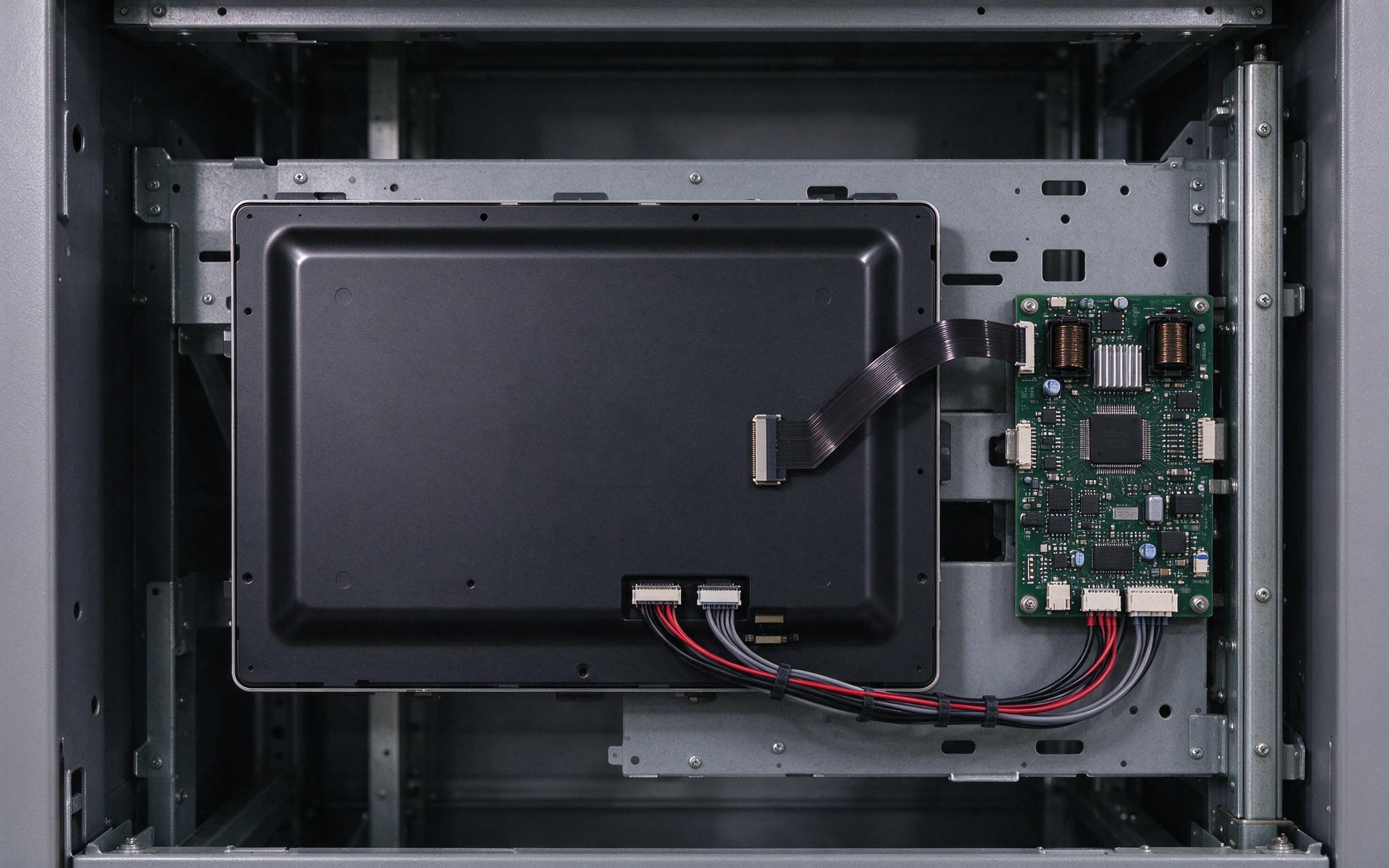
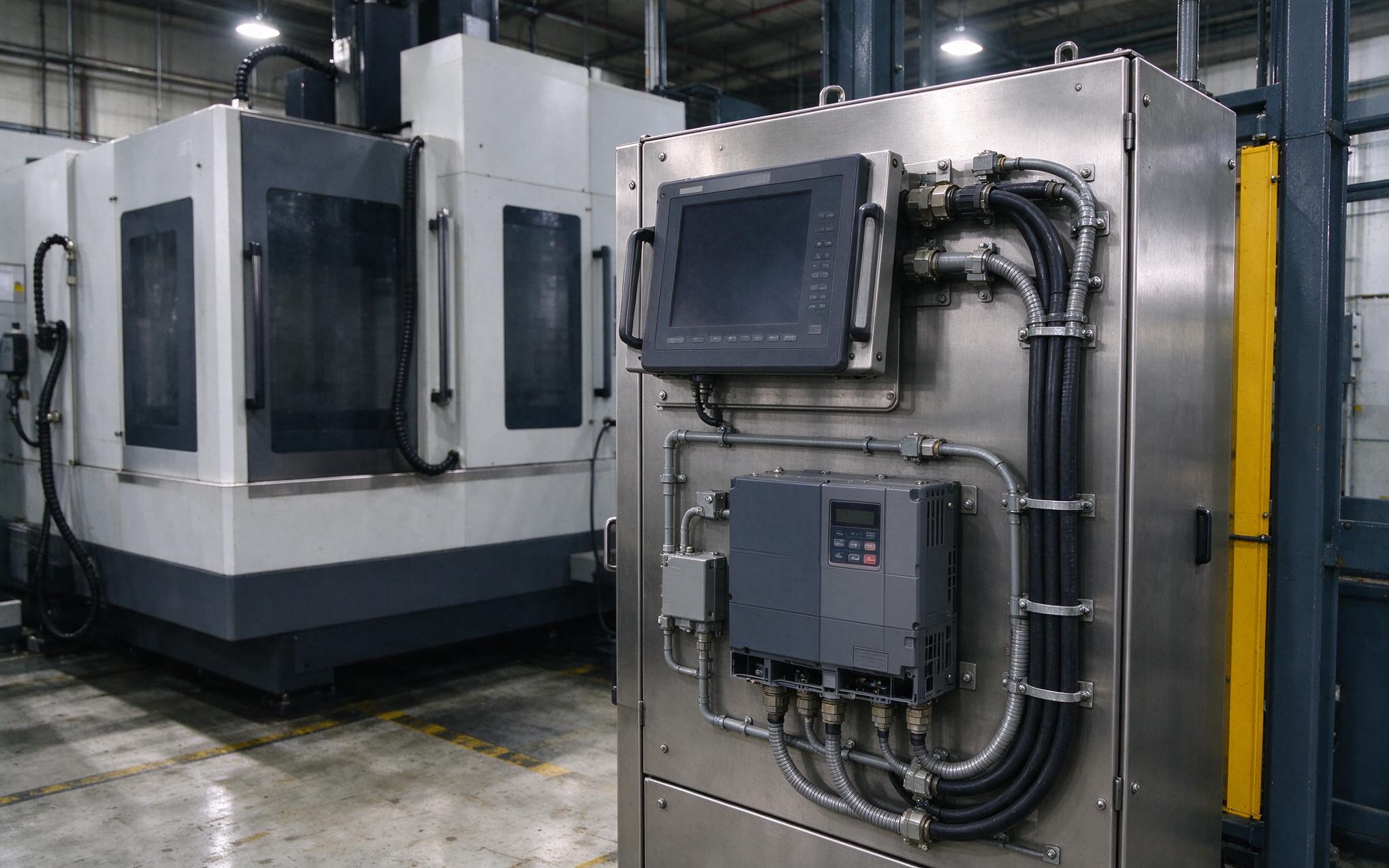
Even with a completely sealed enclosure, moisture ingress through cable entry points accounts for the majority of field failures in marine monitor installations. Standard PG cable glands compress rubber gaskets around cable jackets, but thermal cycling between daytime solar heating and nighttime cooling creates反复 compression cycles that gradually lose sealing force. Salt deposits accumulate in gland threads, accelerating gasket degradation and creating wicking paths for moisture along cable conductors. Engineering a waterproof industrial monitor for marine deployment requires addressing cable entry through several proven approaches: IP67-rated cable glands with stainless steel bodies and FKM fluoroelastomer gaskets resist salt corrosion and maintain compression over thousands of thermal cycles. Conduit-style cable entry systems provide redundant sealing by routing cables through sealed conduit before entering the enclosure. Some installations use potted cable entry points where the cable-to-enclosure junction is permanently sealed with marine-grade epoxy compound, eliminating the threaded gland interface entirely. The choice between serviceable gland connections and permanent potted entries depends on whether the installation requires future cable replacement or prioritizes maximum sealing reliability. System integrators evaluating marine cable sealing can choose between serviceable gland connections and permanent potted entries. Marine-display manufacturers such as KOXIAN offer both approaches, allowing projects to match the sealing method to maintenance schedules.
Marine deployments demand that every component of a waterproof industrial monitor, from enclosure metallurgy to display optical bonding to cable entry sealing, be engineered for the specific corrosive and humidity challenges of coastal and offshore environments. The incremental cost of marine-rated specifications typically represents fifteen to twenty-five percent above standard industrial monitors, but field failure rates in marine installations drop by an order of magnitude when these specifications are properly implemented., but field failure rates in marine installations drop by an order of magnitude when these specifications are properly implemented. For system integrators specifying equipment for marine projects, evaluating corrosion resistance test data, optical bonding specifications, and cable sealing ratings provides the engineering basis for reliable long-term deployments of any waterproof industrial monitor in marine service.