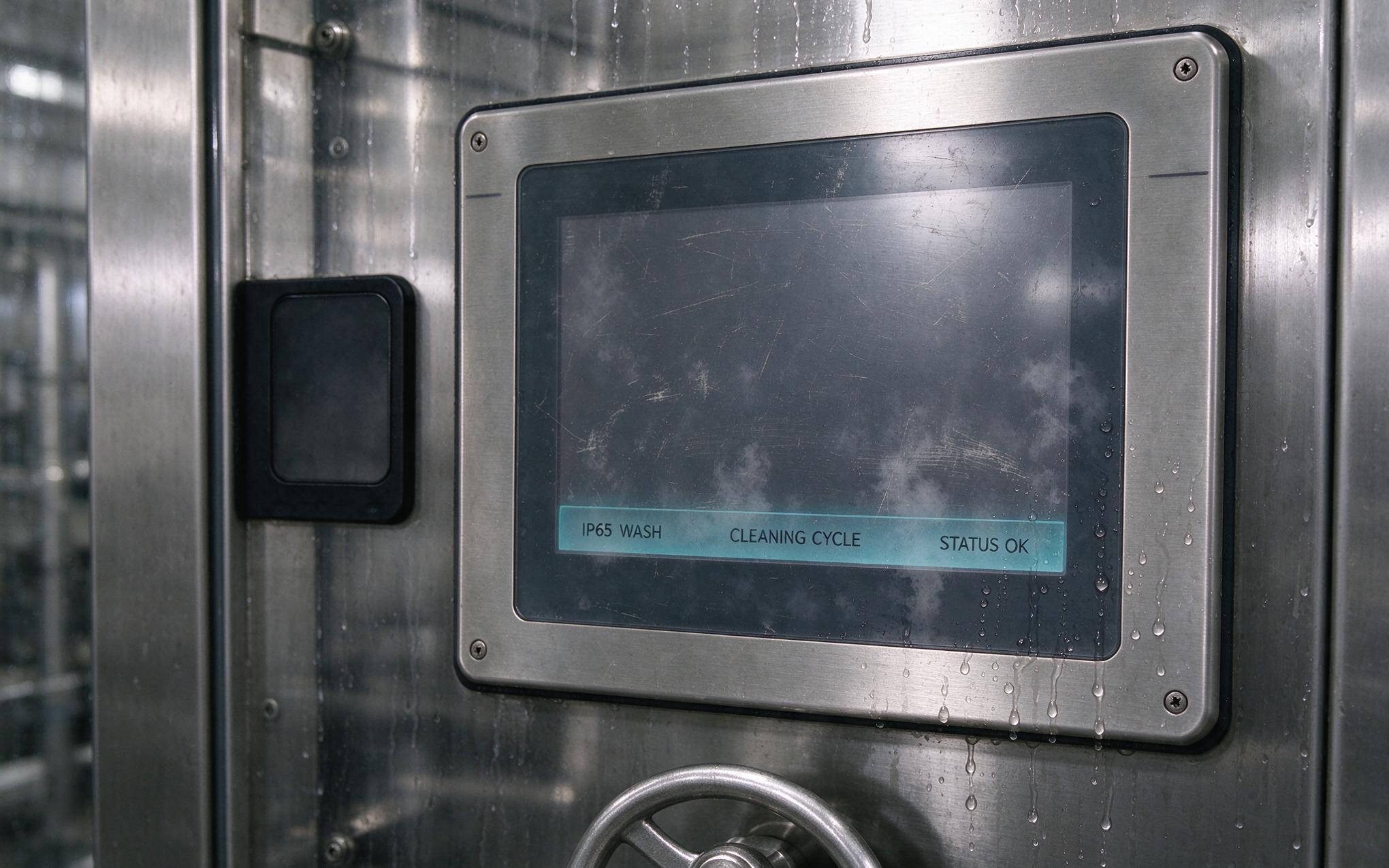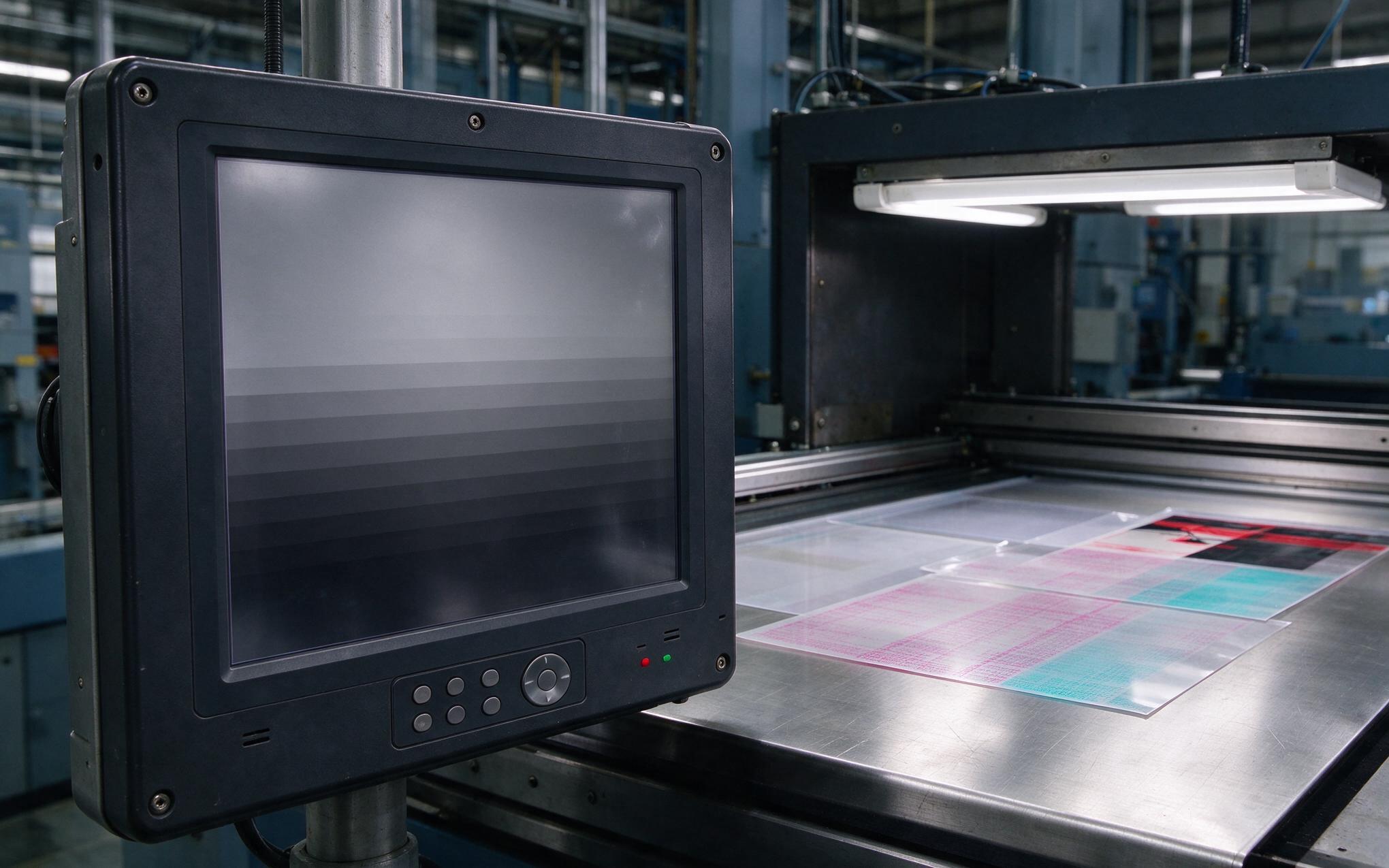
Touch screen display manufacturers now operate in a global market valued at ninety-eight point eight seven billion dollars, where capacitive touch screens hold sixty-eight percent of revenue. The gap between that market scale and factory-grade manufacturing capability has created a procurement trap. At a Midwest food processing plant, a display sourced from an assembly-oriented supplier failed after fourteen months when water ingress compromised the capacitive touch layer during washdown. The unit had never undergone IEC 60529 ingress testing before shipment, and the eleven-week replacement window cost the operation far more than the display itself. Procurement teams must evaluate that gap before signing supply agreements.

Beyond Certifications: Manufacturer vs Assembler in Industrial Supply
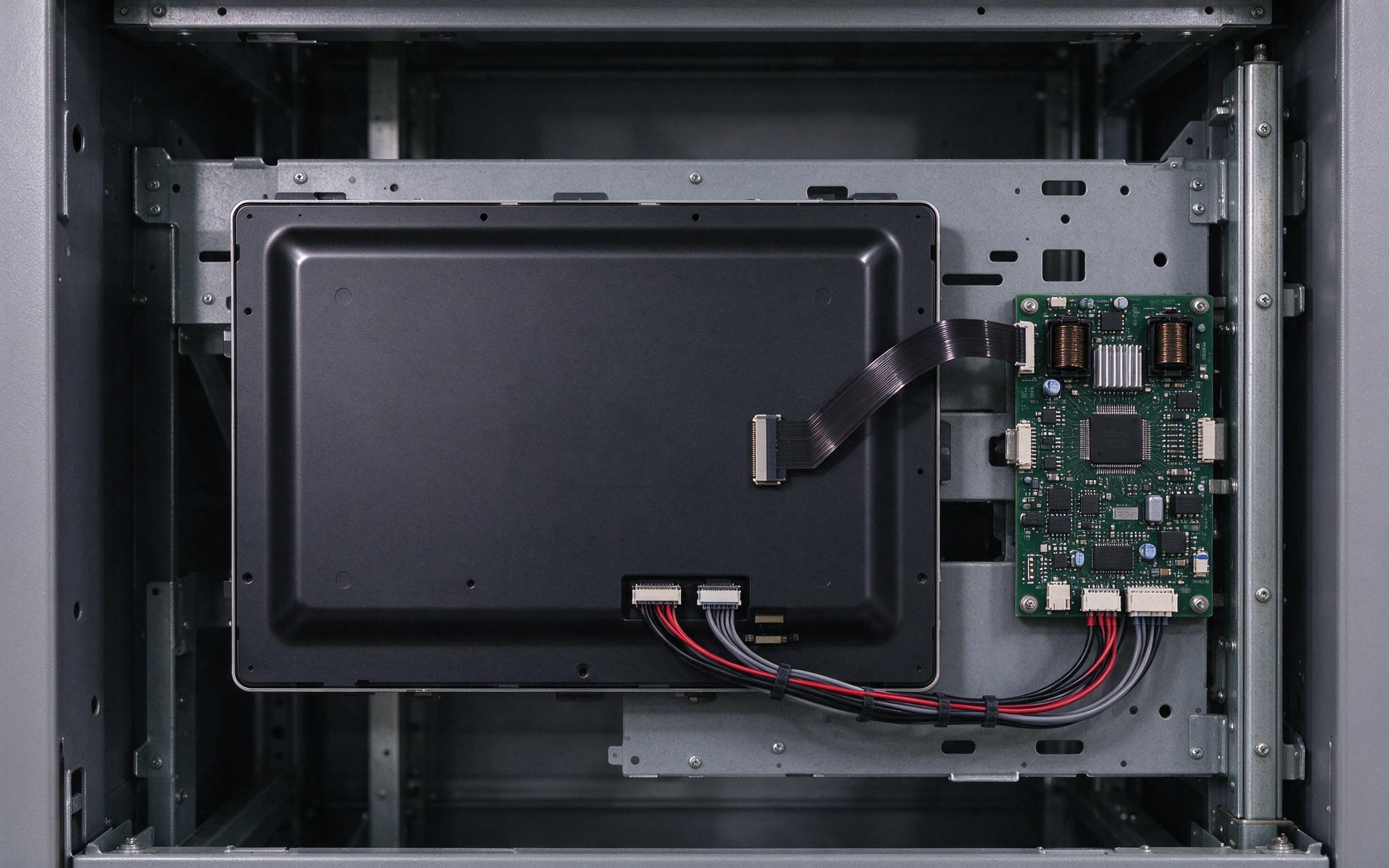
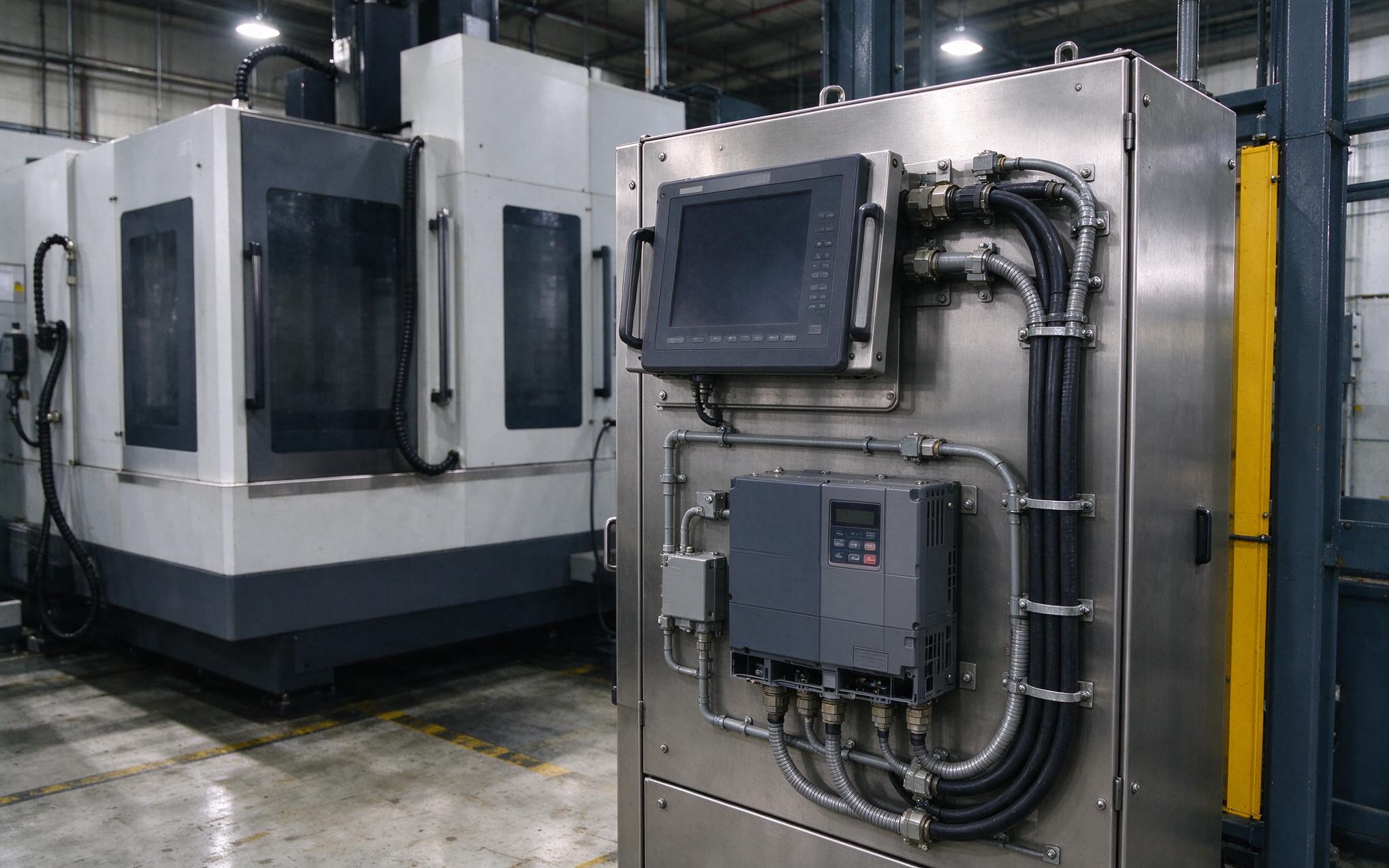
For procurement teams evaluating touch screen display manufacturers, the critical question is whether the supplier controls its own manufacturing process or merely assembles components purchased from third parties. A genuine manufacturer maintains end-to-end production authority, from cover glass cutting and touch sensor lamination through final module assembly. Contract assemblers, by contrast, source panels, touch controllers, and PCBs from multiple vendors and integrate them without deep process ownership. That model works for consumer electronics but introduces failure modes in factory environments where vibration, temperature cycling, and chemical exposure are daily realities.
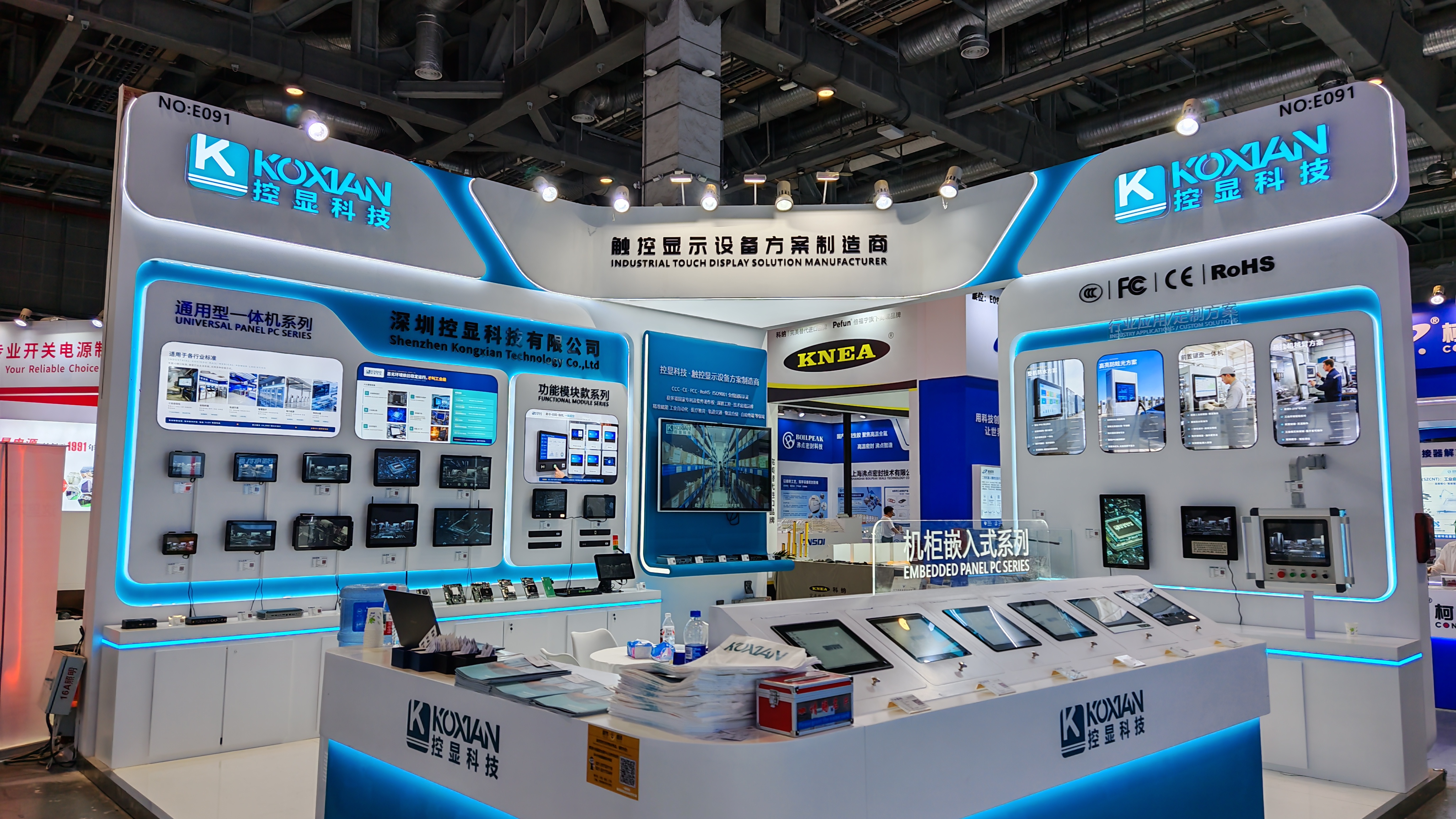
For manufacturers like KOXIAN, optical bonding capability is one of the clearest indicators of vertical integration. The process of laminating an optical clear adhesive between the LCD cell and the touch panel eliminates the air gap that causes internal condensation and specular reflection. Manufacturers who perform optical bonding in-house can calibrate adhesive thickness, cure profiles, and lamination pressure to match specific environmental targets. Those who outsource the process lose control over these variables, and any deviation in bonding quality becomes a latent defect that surfaces months or years later in the field. Vertically integrated manufacturers like KOXIAN calibrate adhesive thickness and cure profiles in-house, maintaining tighter process control than outsourced bonding operations can deliver.

With Optical Bonding for Harsh Industrial Conditions
Optical bonding serves multiple functions beyond glare reduction. In facilities with wide temperature swings, the bonded construction eliminates the air gap where condensation forms when a cold display enters a warm, humid washdown area. That condensation can short-circuit touch sensors and degrade the optical stack over repeated thermal cycles. For food processing, pharmaceutical, and chemical plants where daily sanitation is mandatory, optical bonding transforms a display from a consumable component into a durable instrument rated for continuous service.
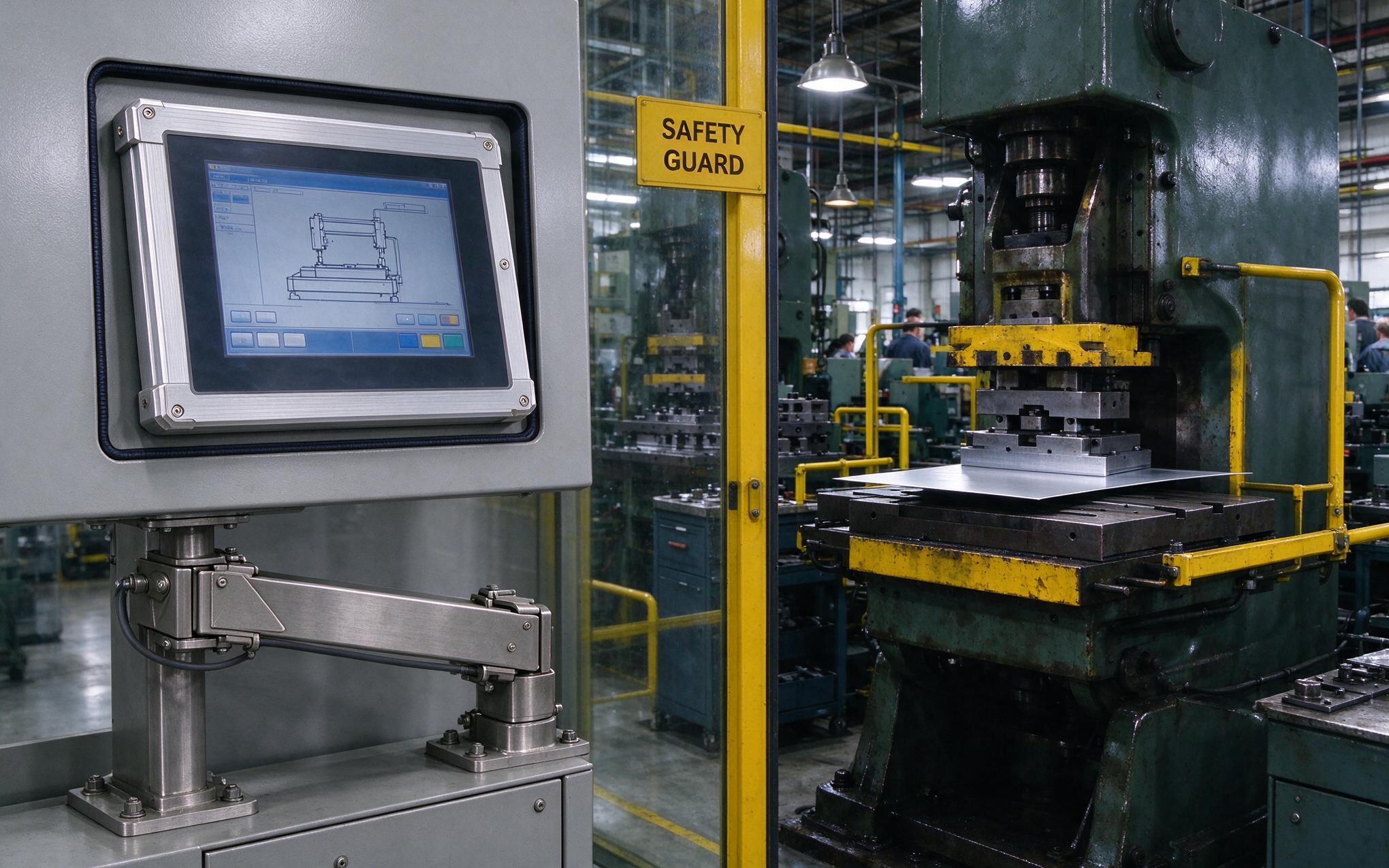
The mechanical benefits are equally significant. A bonded display panel resists vibration-induced delamination far better than a non-bonded assembly. In stamping presses, packaging lines, and material handling systems where ambient vibration levels routinely exceed 5G, the adhesive layer acts as a structural dampener. Industrial touch display manufacturers who offer optical bonding as a standard option, rather than a premium add-on, signal that their production lines are configured for factory-grade output rather than consumer-grade shortcuts.

Under Quality Assurance Protocols for Industrial Buyers
Beyond certifications listed on a datasheet, factory buyers should demand evidence of environmental testing protocols. ISO 9001 certification confirms a quality management system exists, but it does not guarantee that every unit undergoes thermal cycling, vibration, or salt spray testing before shipment. IATF 16949 compliance, originally developed for automotive supply chains, is a stronger indicator of process discipline in industrial production. When evaluating touch screen display manufacturers, request test reports that document pass or fail results for IEC 60068-2 environmental testing, IP rating verification per IEC 60529, and optical performance measurements at specified operating temperatures.
For facilities that require documented evidence, traceability documentation becomes essential for audit compliance and long-term procurement planning.
Component lifecycle management is another differentiator that separates serious manufacturers from opportunistic assemblers. A manufacturer who commits to a seven to ten year component availability window enables factory operators to plan upgrades without fearing forced obsolescence. That commitment requires long-term supply agreements with panel and controller vendors, plus the engineering capacity to validate alternative components when primary suppliers reach end of life. For procurement managers calculating total cost of ownership over a ten-year equipment lifecycle, that continuity assurance often outweighs the initial purchase price difference between competing quotes.
Choosing between touch screen display manufacturers is not a commodity decision. The gap between a contract assembler and a vertically integrated manufacturer shows up in condensation resistance, vibration survival, procurement traceability, and long-term component support. For factory environments where display failure means production stoppage, the evaluation criteria must extend beyond unit price to encompass the entire manufacturing and lifecycle architecture behind the product.