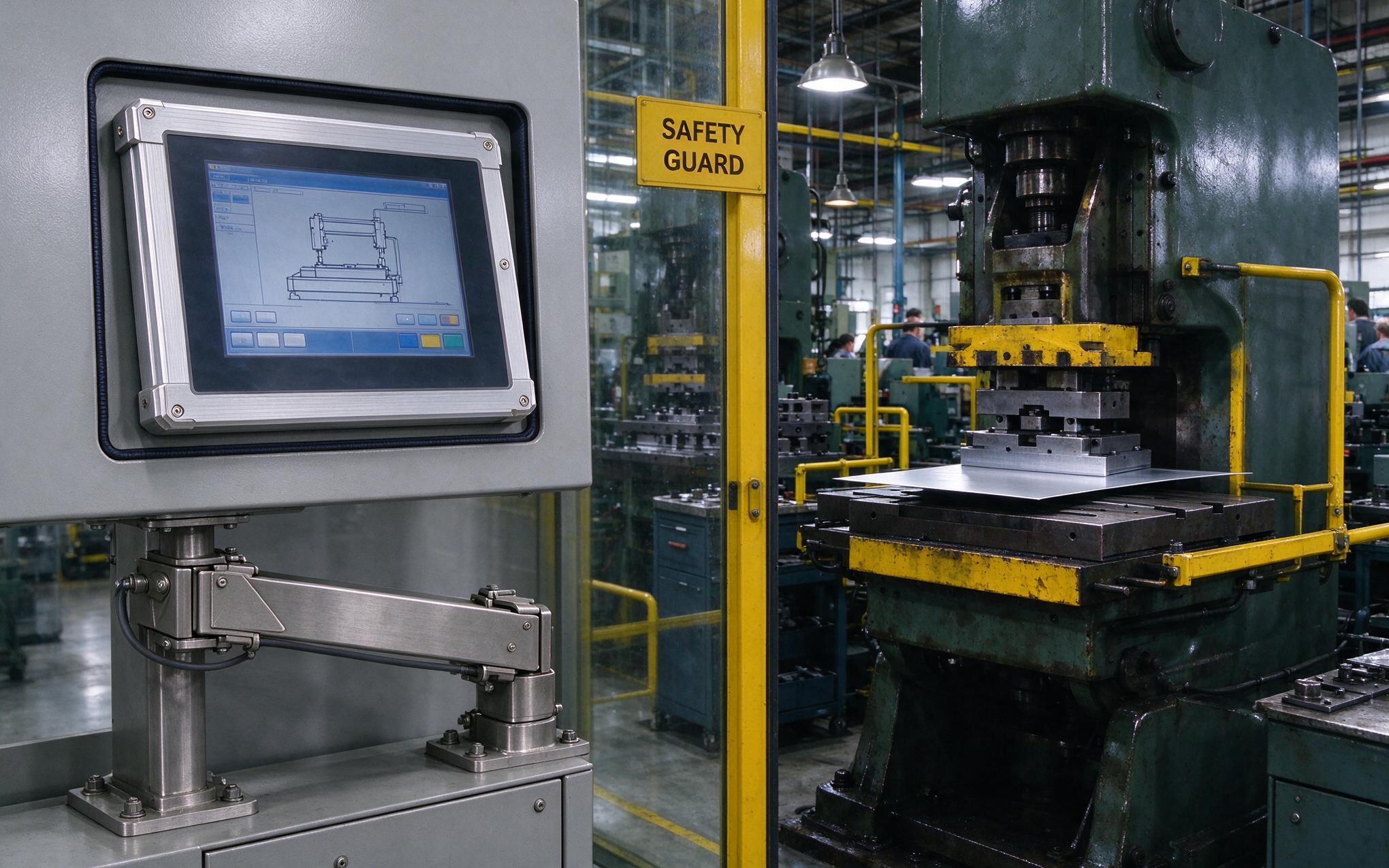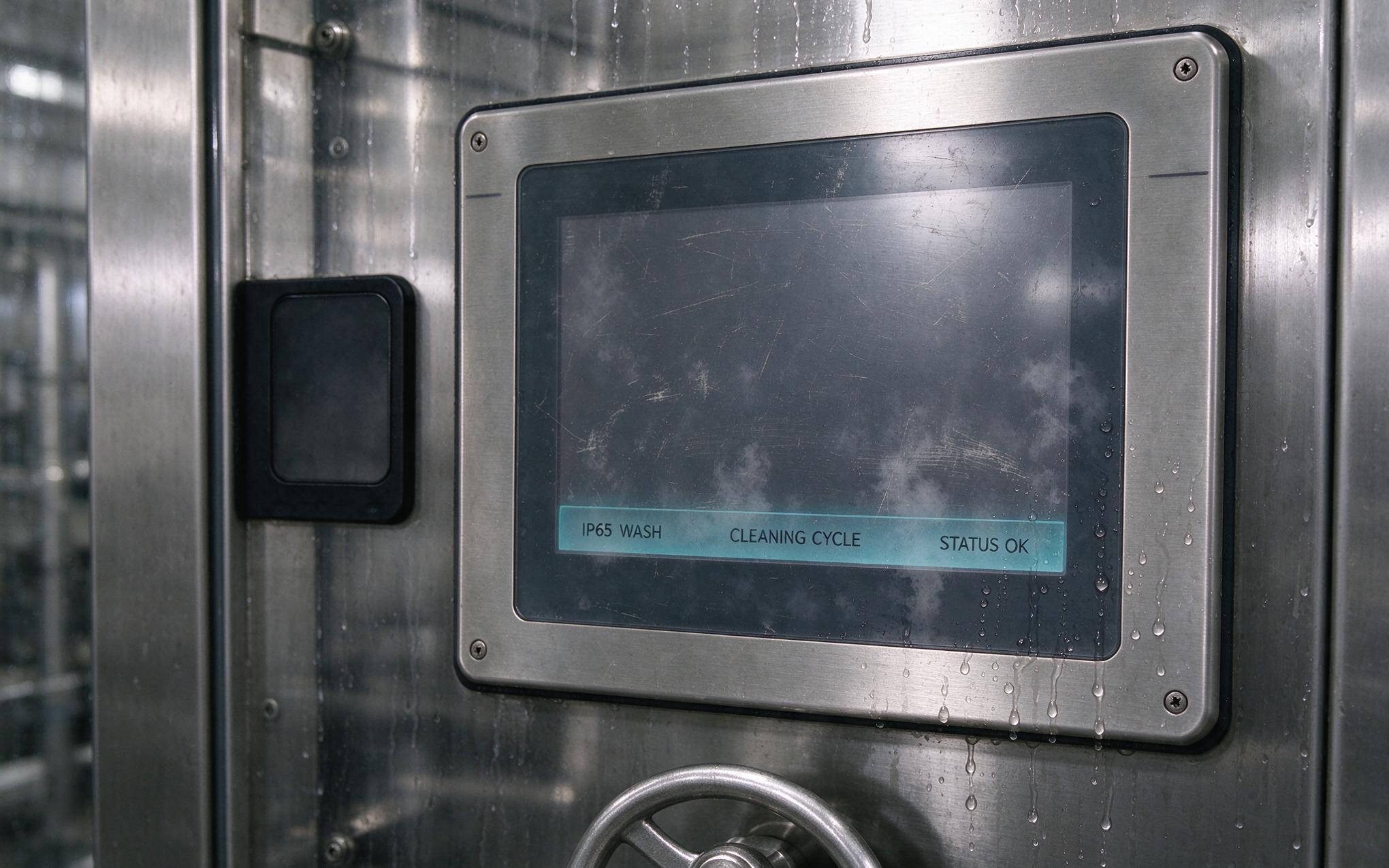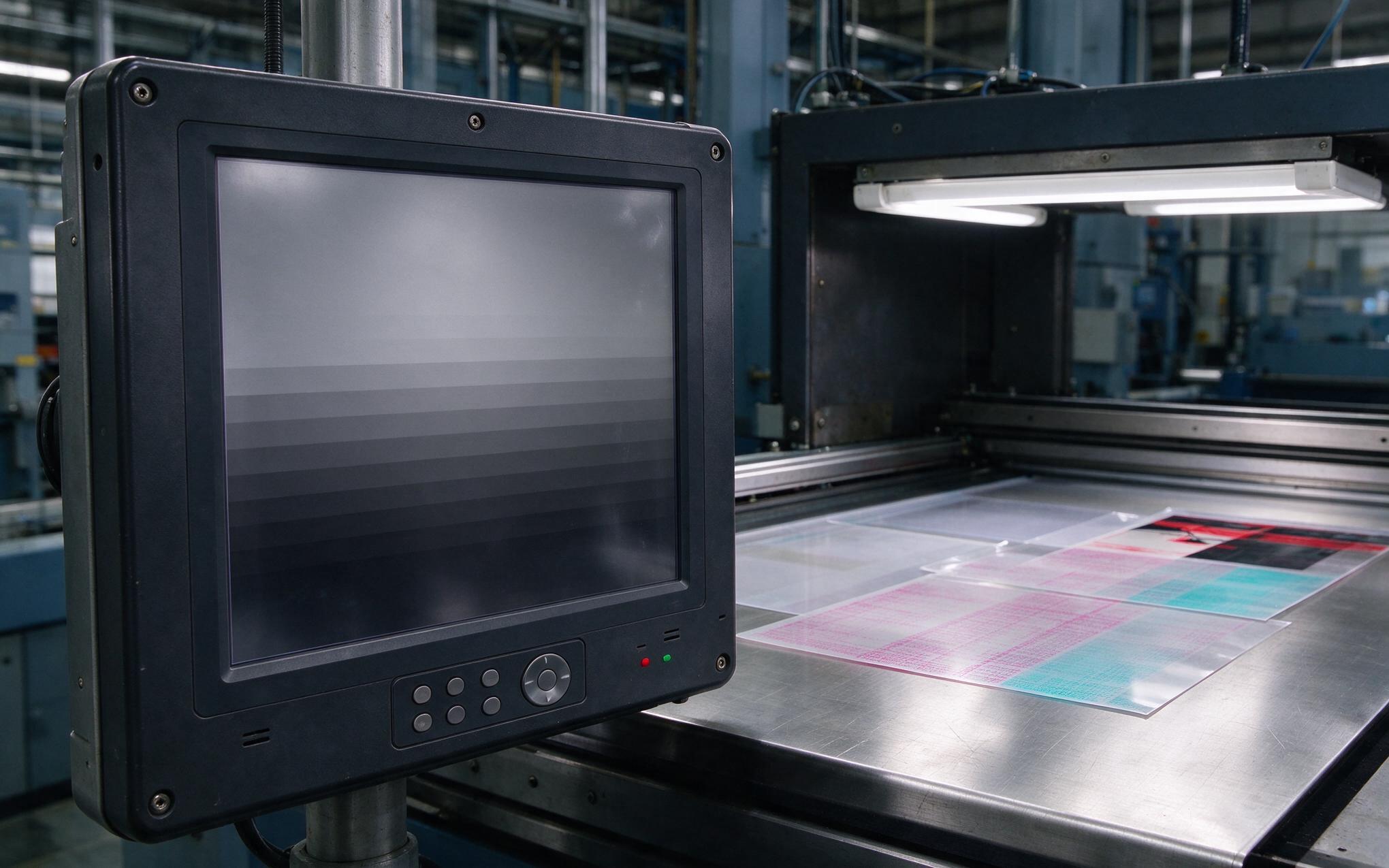
Plant engineers at a Midwest bottling facility learned the hard way that a panel mount touch screen rated IP65 does not automatically survive the washdown pressures applied during CIP cycles. When condensation formed beneath the cover glass during the temperature swing between the hot rinse and cold sanitization step, the ribbon cable connectors corroded and the display controller shorted out. The filling line stayed down for 48 hours while technicians traced the root cause: the unit’s ingress protection had been tested under laboratory conditions that did not replicate the 80-bar hose pressure used on the production floor. Incidents like this highlight why evaluating touch screen equipment for food and beverage operations demands more than a surface-level spec check.

IP65 Front Panel Sealing Under Repeated Washdown Cycles
IP65 certification under IEC 60529 confirms that a front panel is dust-tight and can resist low-pressure water jets from any direction. In food and beverage plants, however, the cleaning regime often exceeds these baseline parameters. High-pressure hoses operating at 80 to 120 bar, combined with alkaline detergents at 60 °C, push beyond what a minimal IP65 rating is designed to handle. A panel mount touch screen installed on a bottling line must maintain its seal integrity not just on day one but after thousands of washdown cycles. The gasket material, bezel construction, and drain geometry all play roles in preventing moisture ingress at the interface between the display and the enclosure. Manufacturers like KOXIAN have adopted fluoropolymer gaskets rated for continuous exposure to caustic cleaning agents, extending seal life well beyond standard EPDM alternatives in food-grade panel mount touch screen installations. Engineers should verify that any touchscreen unit has been tested against sustained chemical exposure rather than relying solely on a laboratory IP certification obtained under ideal conditions.

Material Selection for Corrosive Chemical Environments
Manufacturers like KOXIAN offer both 304 and 316L enclosure options with factory-installed FKM gaskets, allowing system integrators to match material grade to the specific chemical profile of each production zone. The enclosure material determines how a touchscreen terminal withstands the chemical cocktail found on food processing floors. Chlorinated sanitizers, peracetic acid, and sodium hydroxide solutions attack aluminum alloys aggressively, causing surface oxidation that degrades both structural integrity and seal contact surfaces over time. For environments where splash zones expose the front bezel to frequent chemical contact, 304-grade stainless steel provides a reliable baseline, while 316L stainless becomes necessary in facilities that use brine-based cleaning solutions or operate near coastal salt air. The choice of seal material matters equally: standard silicone gaskets harden and crack after prolonged exposure to oxidizing agents, whereas fluoropolymer (FKM) seals maintain flexibility across a wider chemical spectrum. Panel mount touch screen assemblies destined for pharmaceutical or dairy lines should specify a smooth, crevice-free front surface to prevent bacterial harborage and simplify validated cleaning procedures.

Vibration Isolation and Optical Bonding for Equipment-Mounted Displays
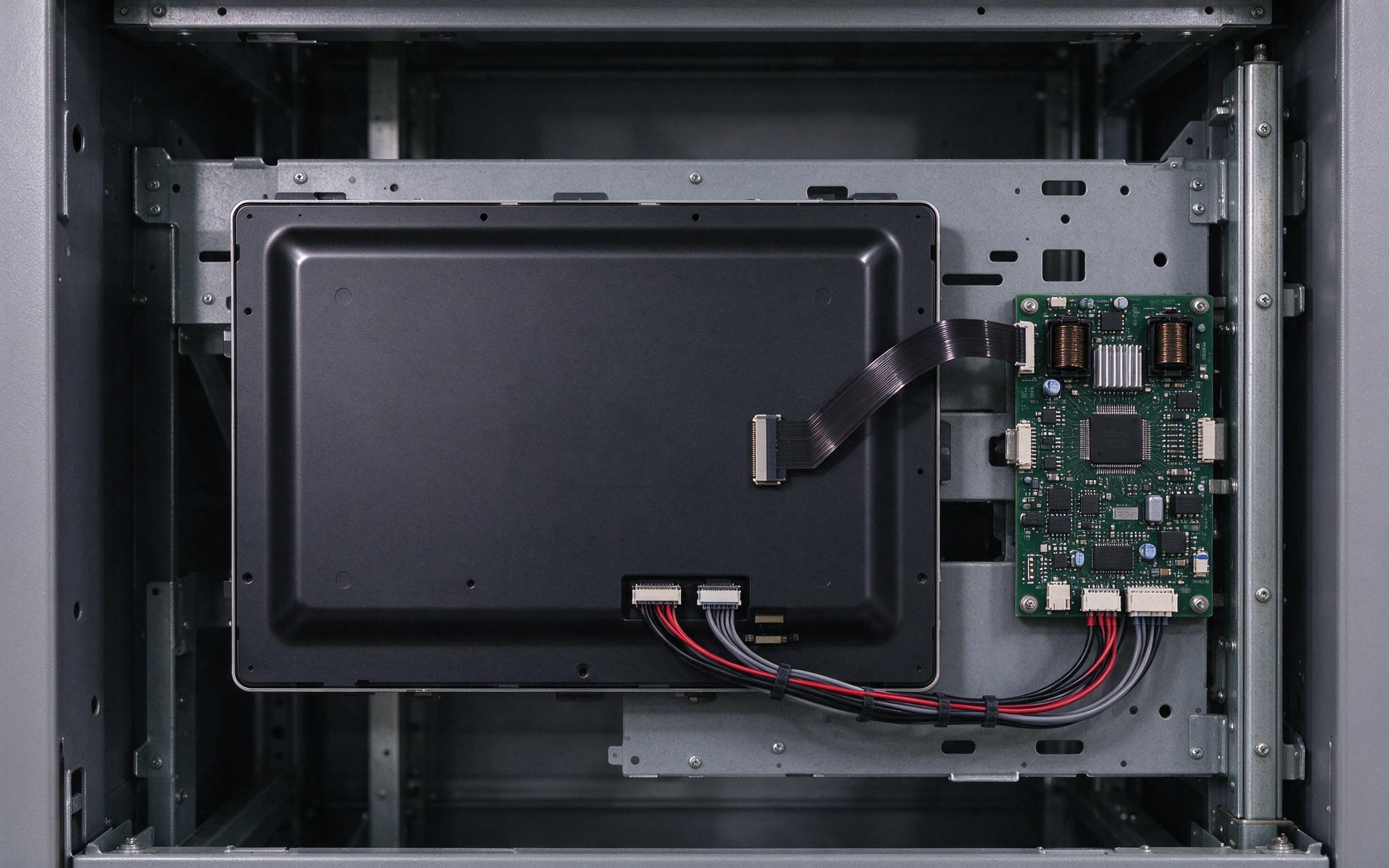
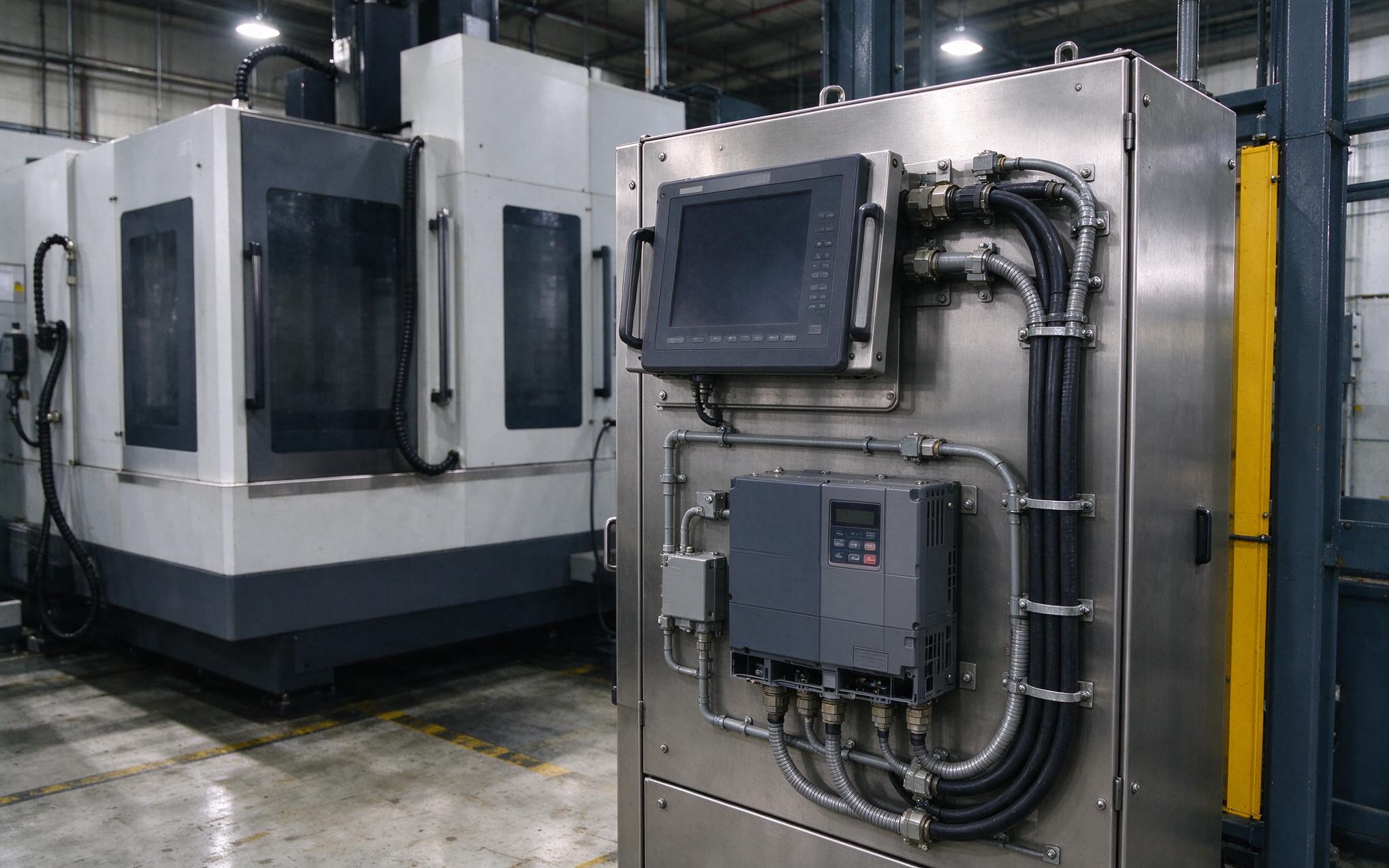
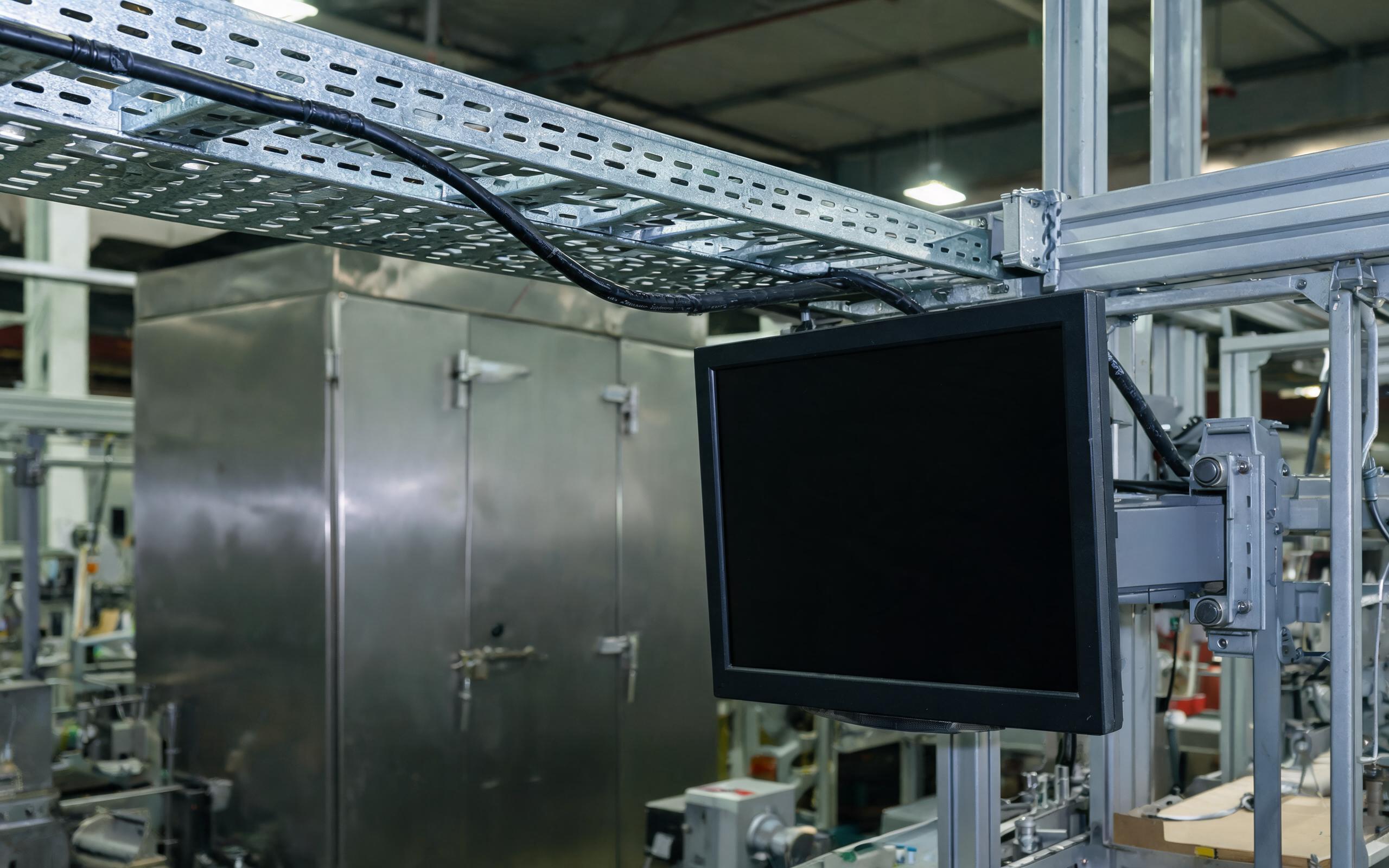
Packaging lines, conveyor systems, and pneumatic filling equipment generate continuous vibration that propagates through mounting brackets into the touchscreen assembly. Over months of operation, this vibration loosens solder joints on the touch controller board, misaligns the optical bond between the cover glass and the LCD panel, and degrades the reliability of cable connectors. Rugged panel PC designs address this through a combination of shock-mount grommets, reinforced internal brackets, and conformal-coated PCBs. MIL-STD-810G vibration testing at 2 Grms across a 5 to 500 Hz sweep provides a reference point, though engineers should request test data specific to the mounting orientation and panel thickness of their actual installation. Optical bonding eliminates the air gap between the cover glass and the LCD cell, producing a display that resists internal condensation and improves sunlight readability on loading dock or outdoor staging areas. In food processing zones where temperature swings between walk-in freezers and hot-fill stations create rapid humidity shifts, an air gap allows moisture to accumulate on inner surfaces, fogging the screen and disrupting touch accuracy. Fully bonded optical assemblies also reduce glare from overhead high-bay LED lighting, cutting operator error rates during quality inspection tasks.
Choosing the right panel mount touch screen for food and beverage operations means evaluating sealing performance under actual washdown conditions, enclosure material compatibility with plant-specific chemicals, vibration resilience for the intended mounting location, and optical bonding for reliable visibility across temperature extremes. Specifications on a datasheet tell part of the story, but real-world validation through field deployment data and third-party test reports provides the confidence these demanding environments require.