Water and wastewater treatment facilities operate in one of the most chemically aggressive environments in industrial infrastructure. Chlorine gas, sodium hypochlorite, ferric chloride, sulfuric acid, and caustic soda are pumped and mixed around the clock, and the ambient atmosphere inside a chemical dosing room carries airborne concentrations that can destroy unprotected electronics within months. The panel PCs that monitor dosing rates, interface with SCADA systems, and provide operators with real-time process visibility must withstand the chemical environment, high humidity, temperature swings, and frequent washdown procedures that define treatment plant operations. Selecting the wrong enclosure material or cooling strategy leads to premature failure—and in a facility where chemical dosing directly affects public water safety, unplanned downtime is not an option.
The Chemistry of Corrosion: Why Standard Enclosures Fail
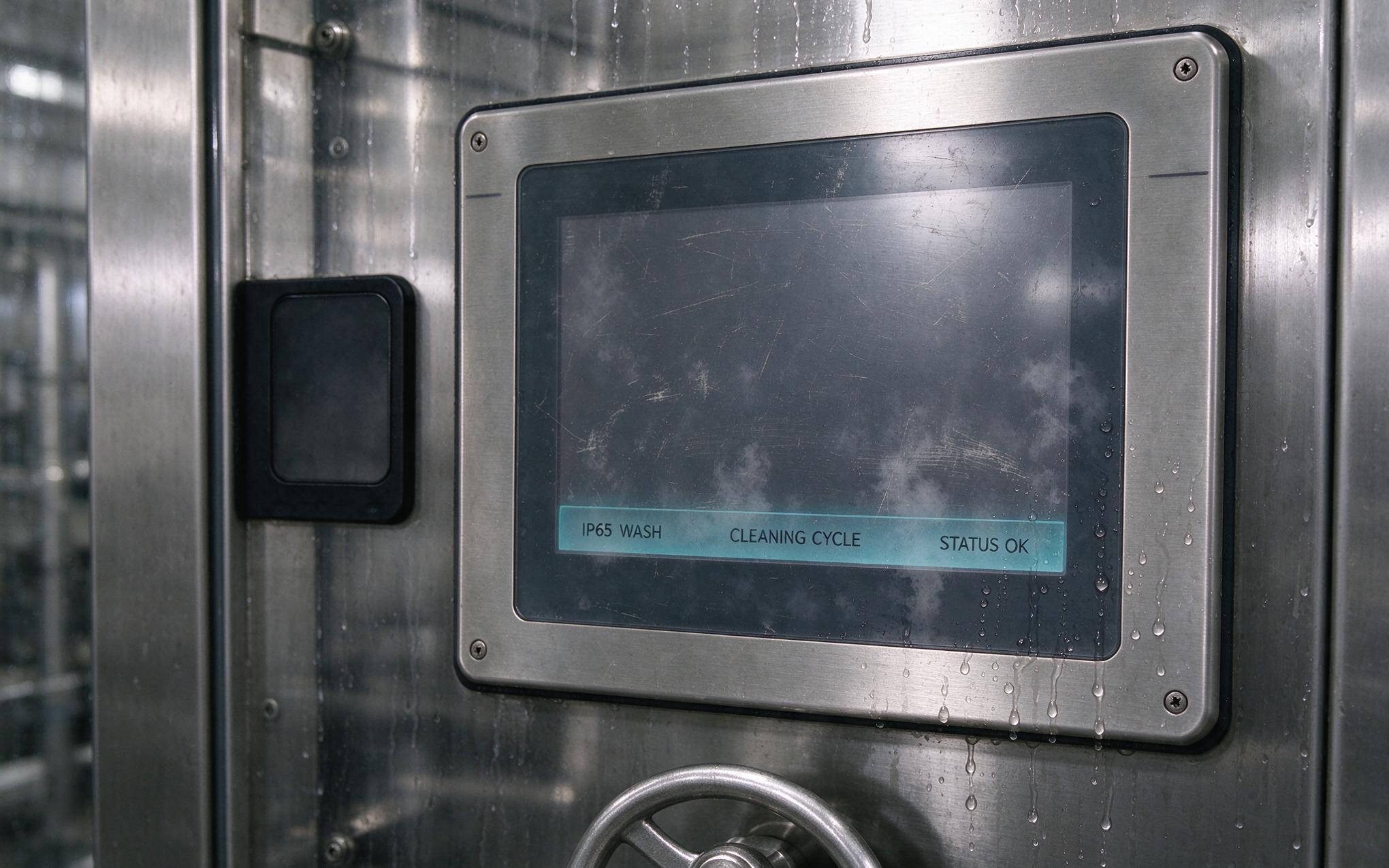
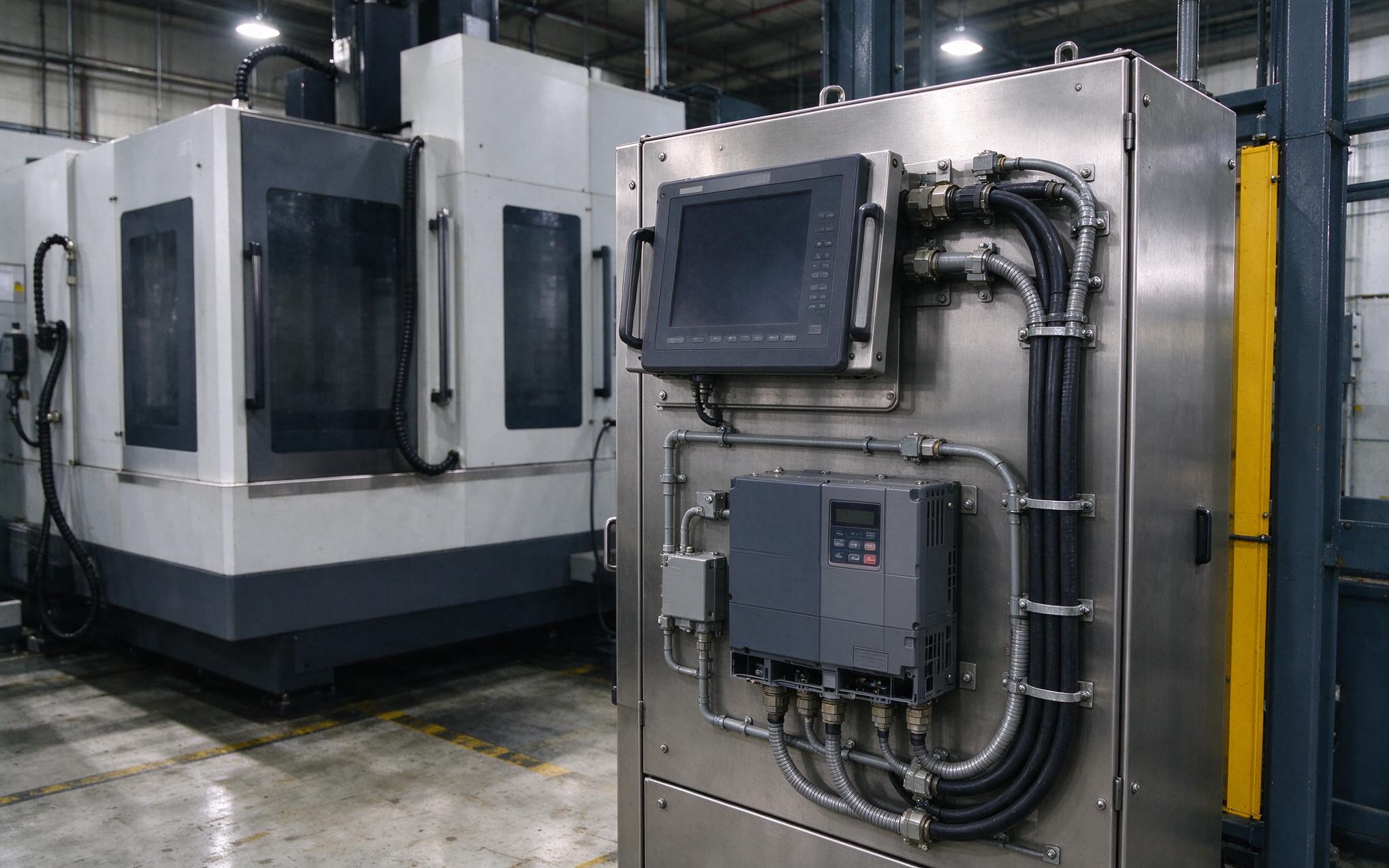
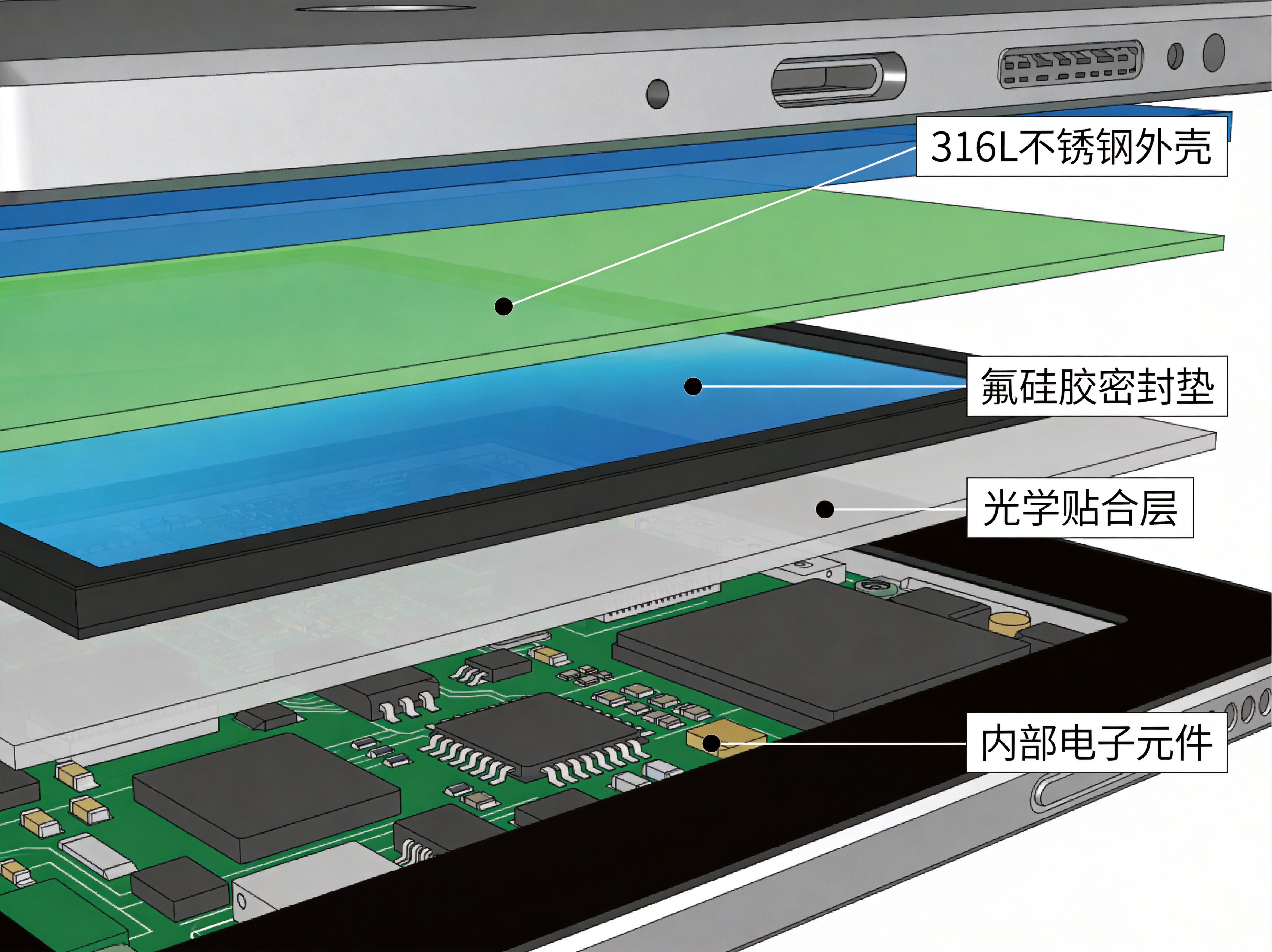
Corrosion in water treatment electronics follows predictable chemical pathways. Chlorine-based disinfectants generate hydrochloric acid when they contact moisture, attacking copper traces, solder joints, and connector pins through pitting corrosion. Hydrogen sulfide, commonly present in wastewater headworks, penetrates standard gasket materials and reacts with silver and copper to form non-conductive sulfide layers that degrade contact reliability. The failure mode is often invisible until catastrophic: a display that flickers intermittently, a touchscreen that registers phantom inputs, or a communication port that drops its SCADA connection during a critical dosing adjustment. Standard industrial enclosures with powder-coated steel or basic IP65 ratings may survive in a clean factory, but they are not engineered for sustained chemical exposure. KOXIAN industrial panel PCs for these applications use 316L stainless steel enclosures with fully welded seams and fluorosilicone gaskets rated for continuous chemical contact, eliminating the corrosion entry points that compromise standard designs.
Chemical Dosing Control: Precision Under Pressure
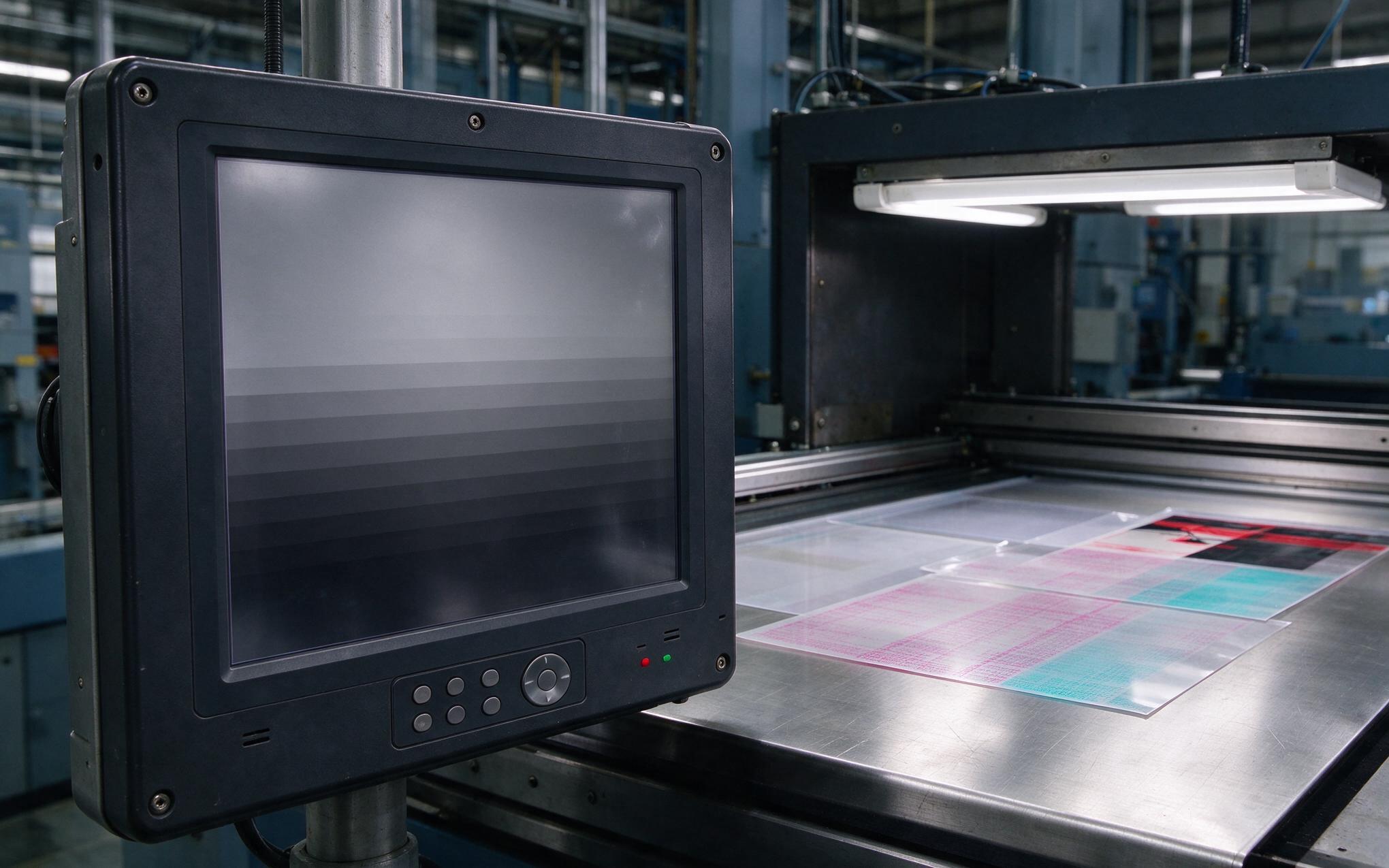
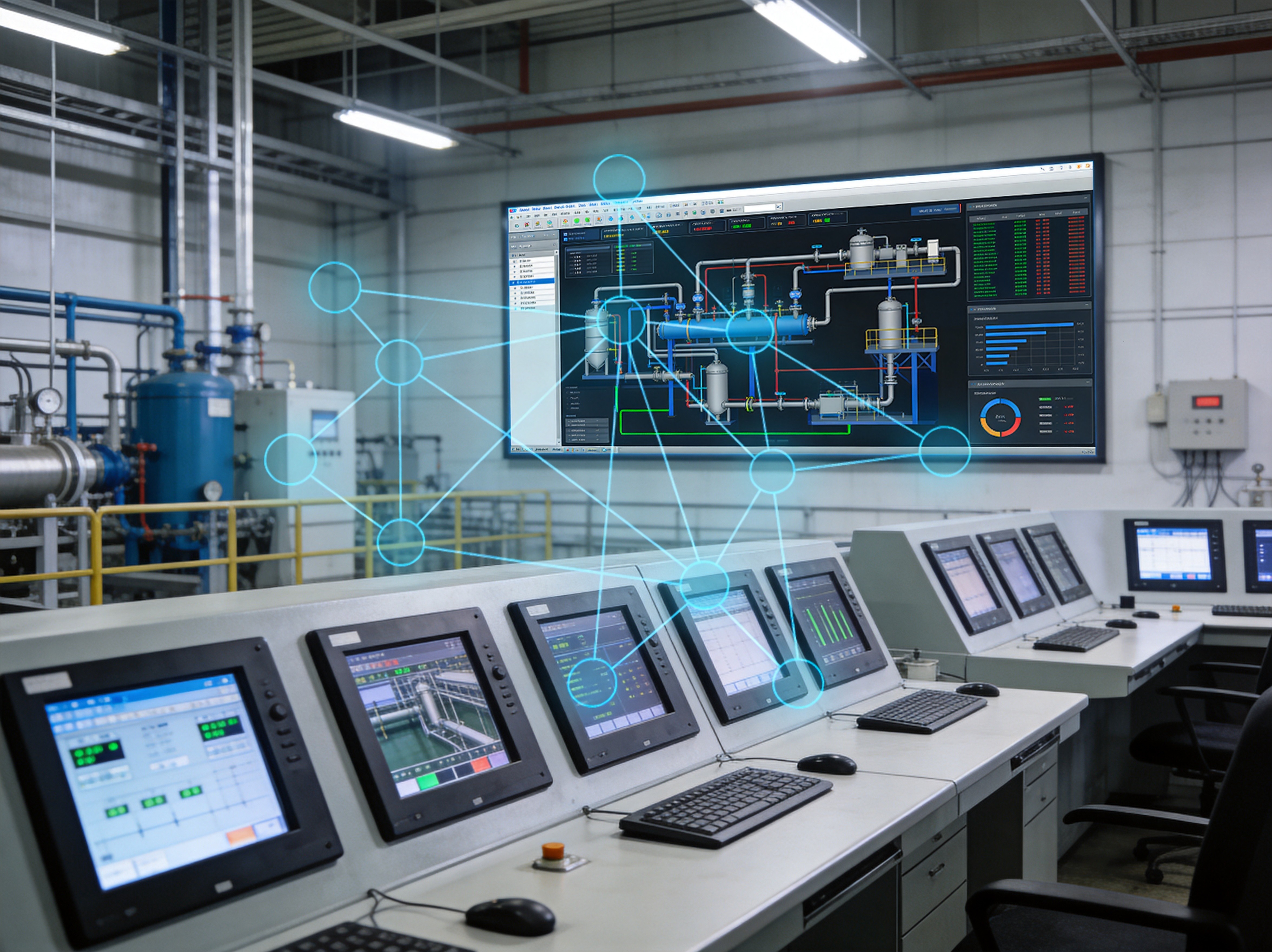
Chemical dosing in water treatment is a precision operation with zero margin for error. Coagulants like ferric chloride must be dosed within a narrow concentration window: too little and flocculation fails, leaving turbidity in the finished water; too much and residual iron carries through to distribution, causing discoloration and customer complaints. Disinfectant dosing is equally unforgiving—a chlorine residual that drops below regulatory minimums creates a public health risk, while overdosing generates disinfection byproducts with their own regulatory limits. The panel PC at the dosing station serves as the operator interface for these critical adjustments, displaying real-time readings from flow meters, residual analyzers, and chemical tank level sensors. When an operator adjusts a dosing pump setting from the panel PC screen, the system must respond with sub-second latency, and the display must remain readable even with chemical-resistant gloves and a screen partially obscured by condensation. KOXIAN panel PCs in these roles use optically bonded touchscreens that eliminate the air gap where internal condensation forms, maintaining touch accuracy in high-humidity dosing rooms.

SCADA Integration: The Data Backbone of Treatment Operations
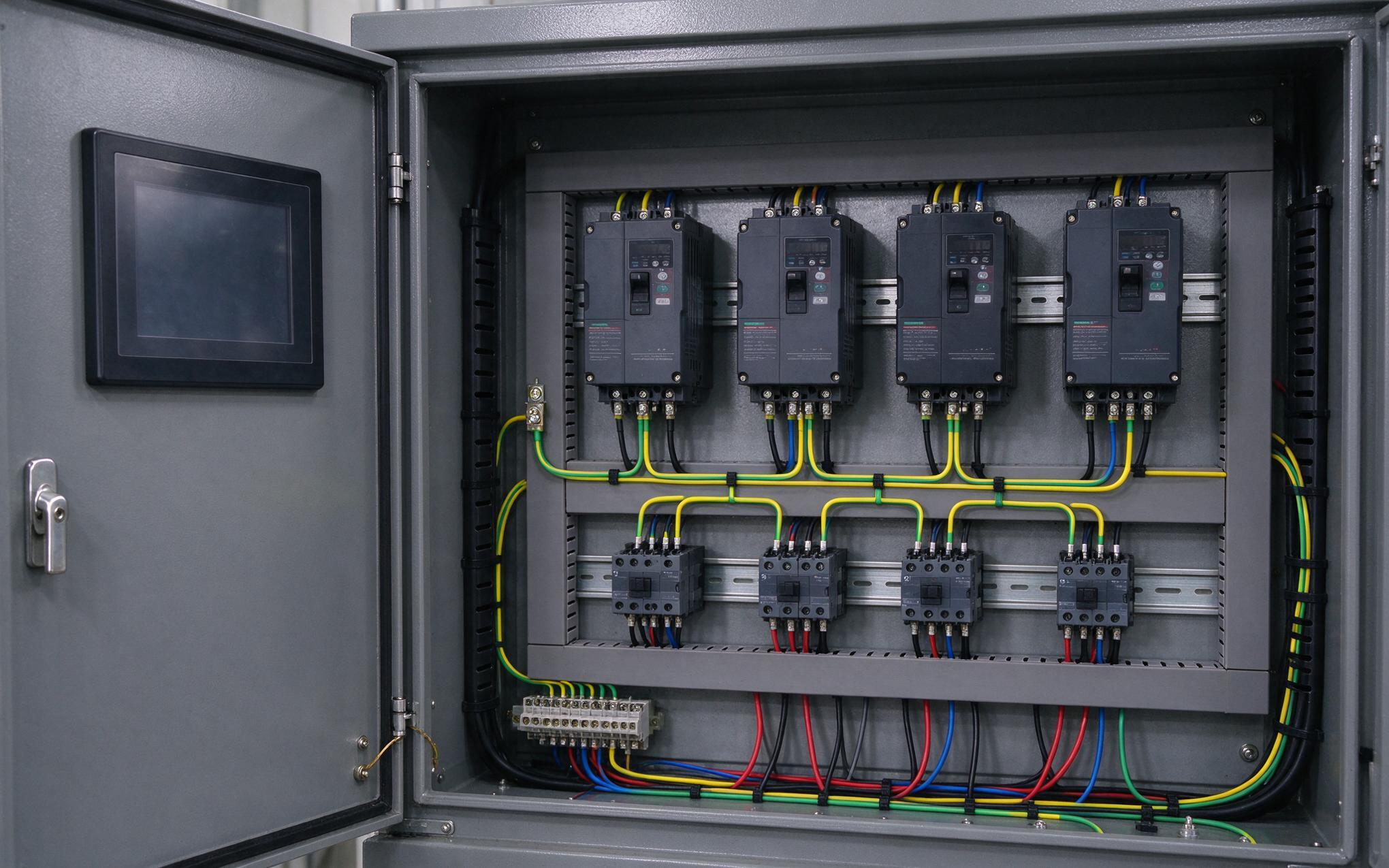
Modern water treatment plants generate enormous volumes of operational data. A mid-sized facility may monitor over 5,000 data points across raw water intake, chemical dosing, filtration, disinfection, and distribution pumping. The SCADA system aggregates these signals into a unified operational picture, but the value depends on the reliability of the edge devices feeding data into it. A panel PC that drops offline during a backwash cycle creates a blind spot that operators cannot afford. The challenge is compounded by plant layouts where dosing stations may be separated from the main control room by hundreds of meters of conduit through wet wells and chemical storage areas. Panel PCs serving as remote SCADA terminals must maintain reliable connectivity across these distances while withstanding the same chemical exposure as the dosing equipment they monitor. Redundant communication ports, industrial-grade network isolation, and sealed cable glands are not optional—they are the minimum requirement for SCADA integration in a water treatment environment.
Material Selection as a Reliability Strategy
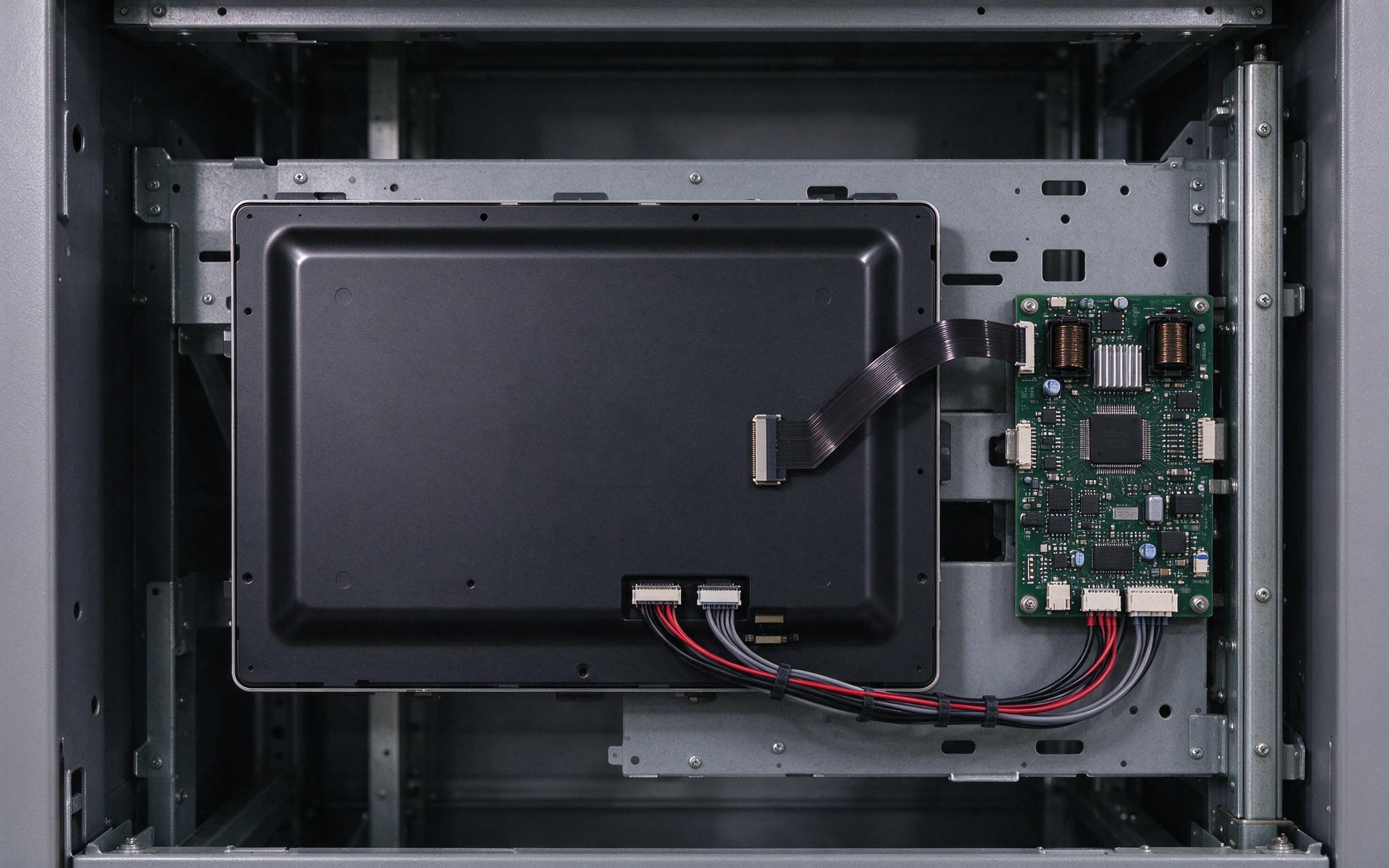
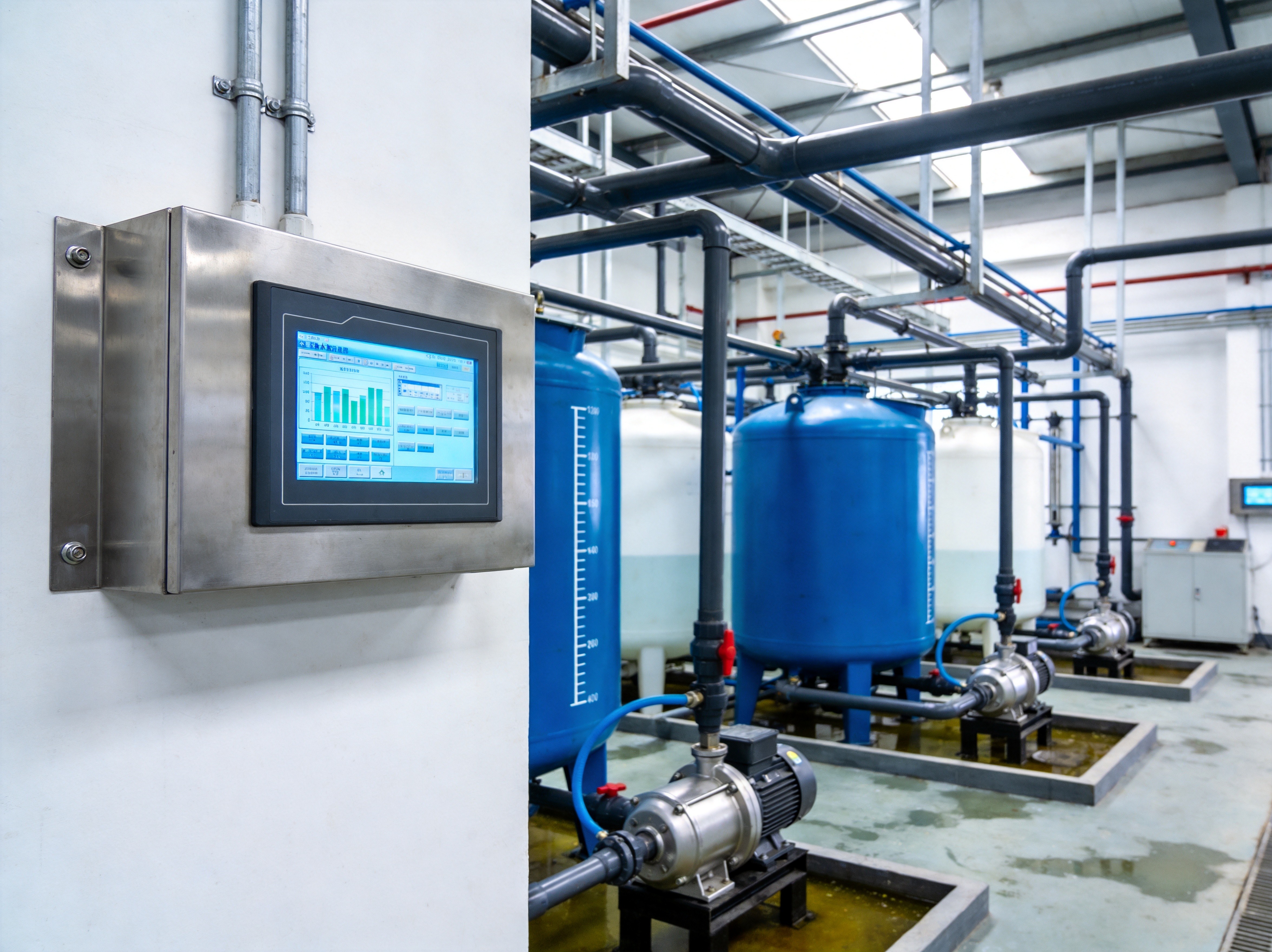
The difference between a panel PC that lasts three years in a water treatment plant and one that lasts ten is almost entirely a function of material selection. 316L stainless steel resists chloride pitting that destroys 304-grade enclosures in months. Fluorosilicone gaskets maintain sealing after years of chlorine and hydrogen sulfide exposure, whereas standard EPDM or nitrile gaskets harden and crack. Optical bonding eliminates internal condensation that fogs displays and corrodes connectors. Fanless thermal design removes the single largest failure point—the cooling fan that pulls contaminated air across components. These material choices add cost at procurement, but they eliminate the far larger costs of emergency replacement, process downtime, and regulatory compliance risk. For water treatment operators, the question is not whether to specify corrosion-resistant panel PCs. It is whether the panel PC deployed today will still be running when the next regulatory audit arrives.
Water and wastewater treatment plants demand industrial computing hardware engineered for chemical survival. The panel PCs that monitor dosing, run SCADA interfaces, and keep operators connected to critical process data must be built from materials that match the aggressiveness of the environment. In an industry where system availability directly affects public health, the cost of corrosion resistance is always lower than the cost of failure.