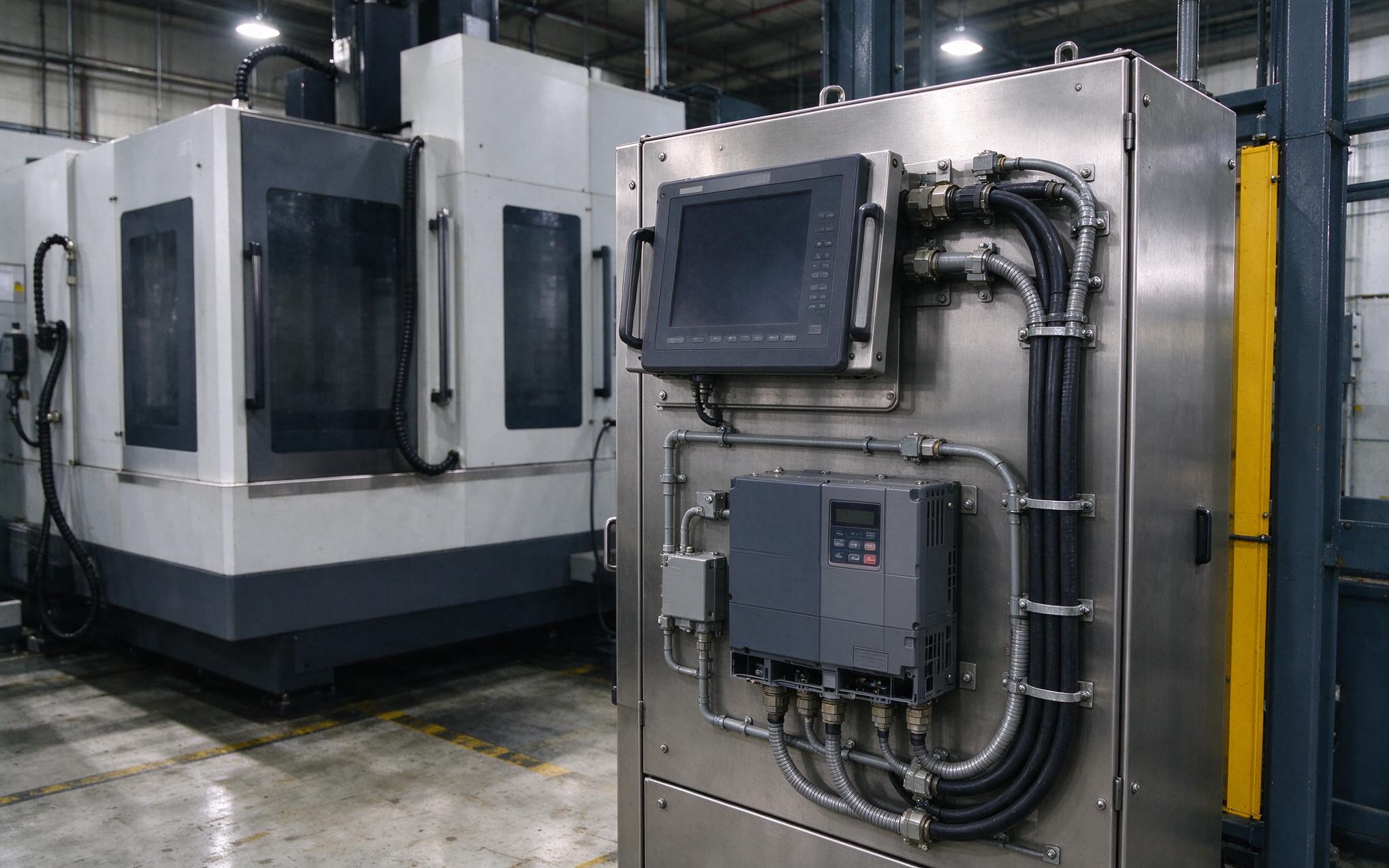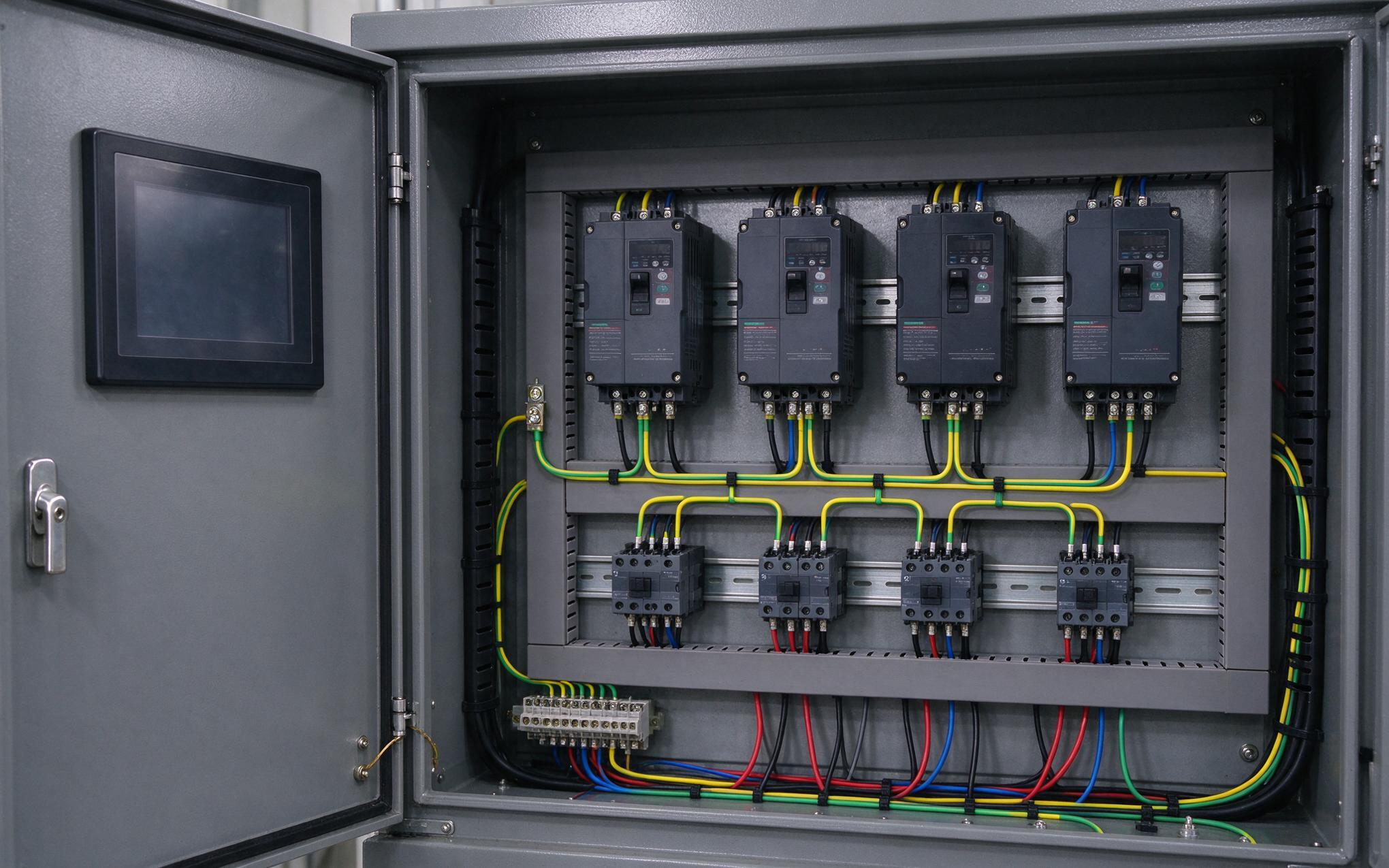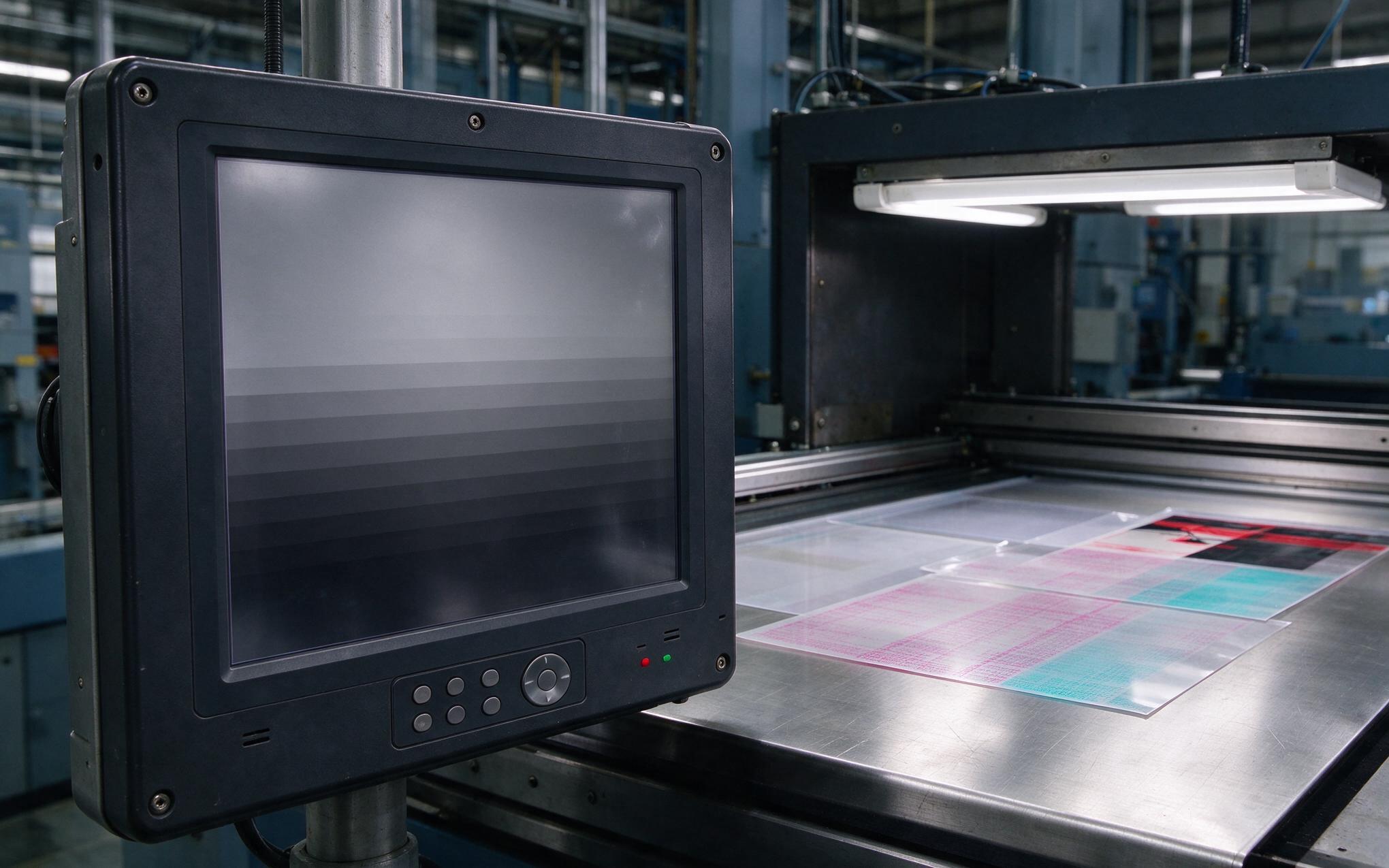
Electrolytic capacitors are the single most common failure component in industrial electronics that operate continuously, and the 24/7 duty cycle of factory-floor panel PCs accelerates every aging mechanism they are subject to. A capacitor that would last fifteen years in an office desktop may fail in five when exposed to the elevated ambient temperatures, voltage ripple, and thermal cycling that define industrial panel PC operating conditions. The failure, when it comes, is rarely dramatic. No smoke, no bang—just a gradual degradation of the power supply rails that manifests as intermittent reboots, touchscreen calibration drift, and communication timeouts that maintenance teams spend weeks chasing before identifying the root cause. Understanding how capacitors age, how to detect the degradation before it causes downtime, and how to structure preventive replacement strategies is essential knowledge for any team responsible for industrial panel PC fleets.
The Physics of Capacitor Aging in 24/7 Operation
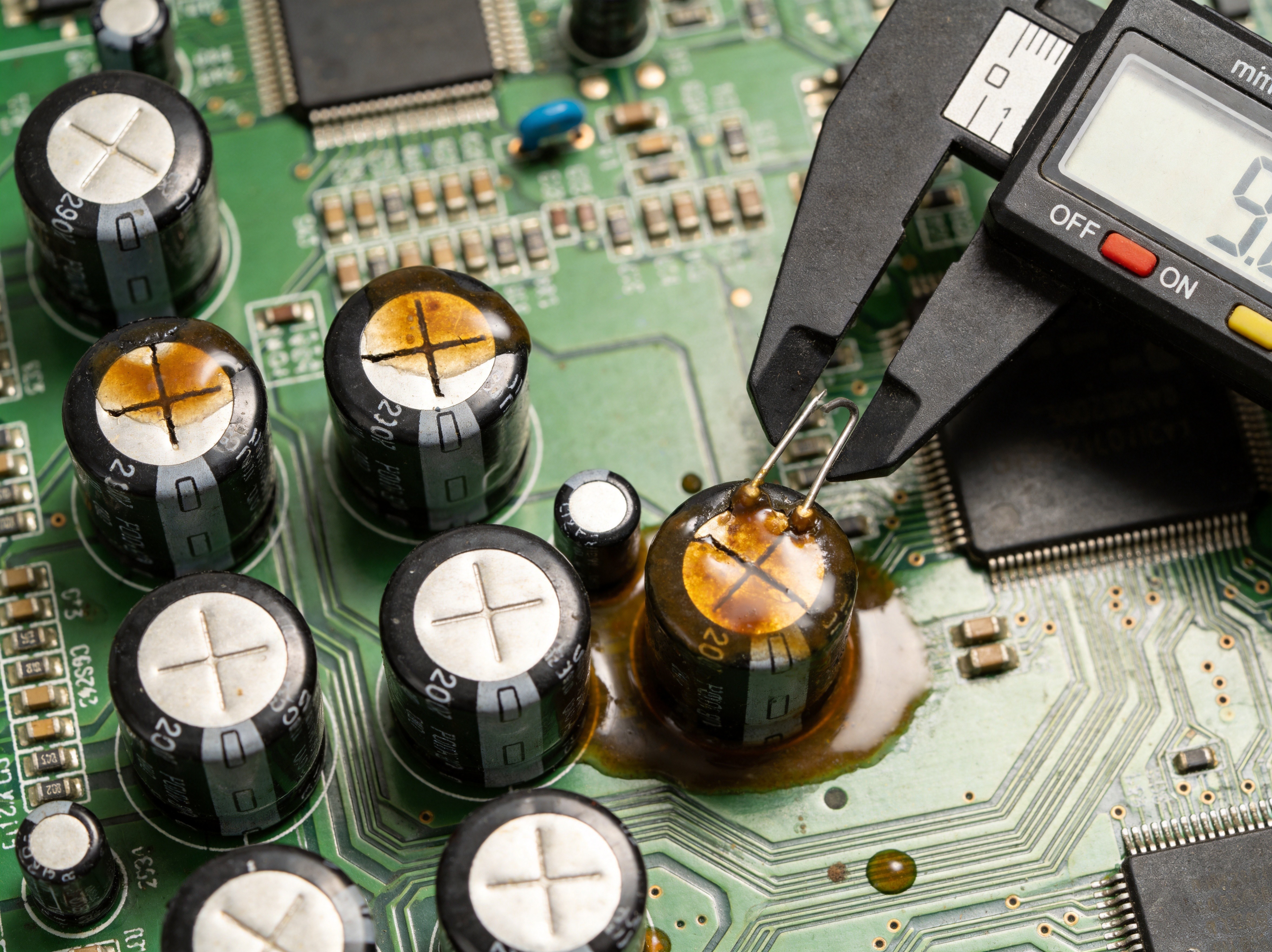
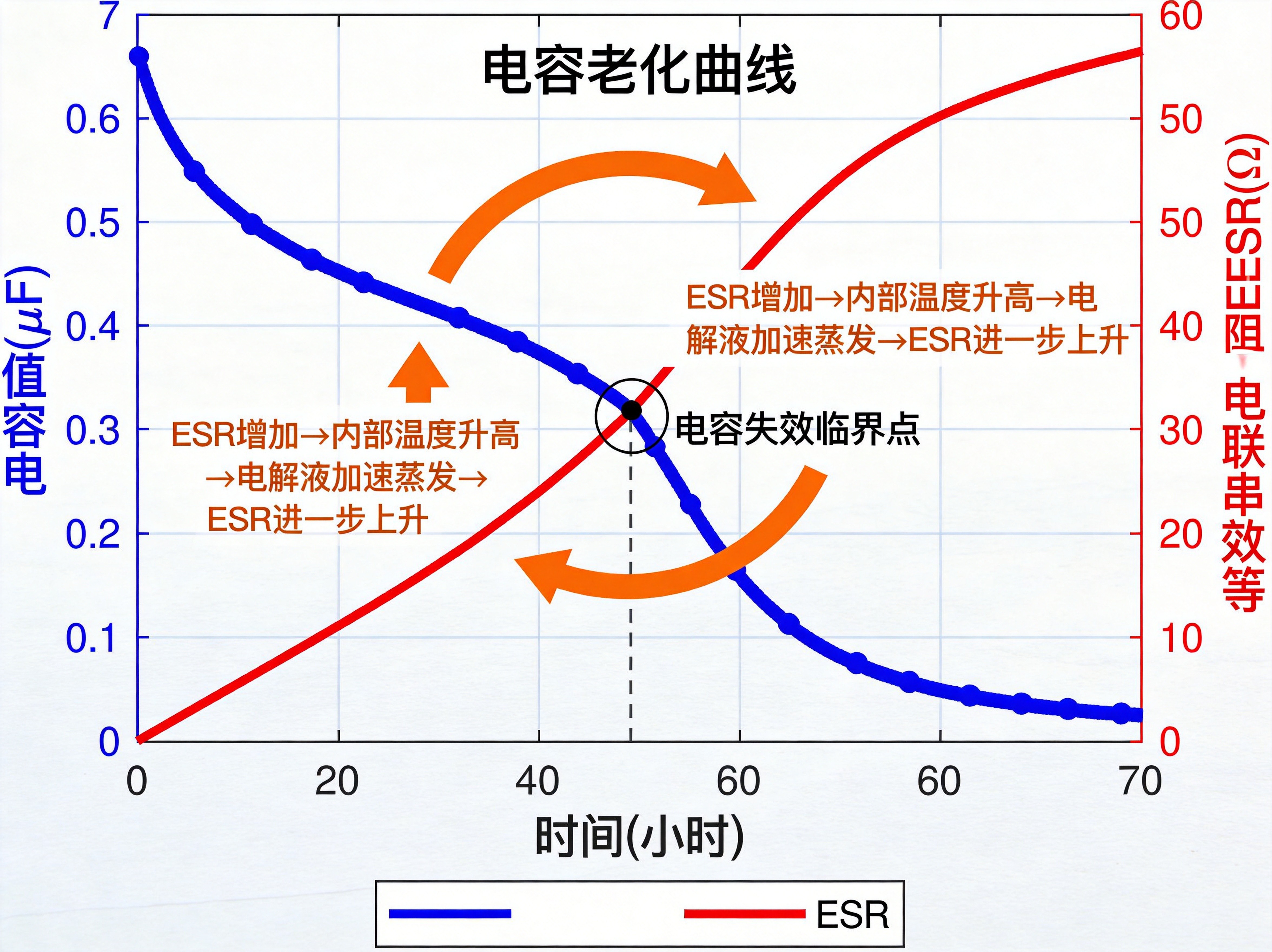
Electrolytic capacitor aging follows a well-characterized degradation curve governed by the Arrhenius equation: every 10 degrees Celsius increase in operating temperature approximately halves the capacitor’s expected service life. A capacitor rated for 10,000 hours at 105 degrees Celsius will theoretically last 80,000 hours—roughly nine years—at 65 degrees Celsius. But industrial panel PCs often operate in enclosures where internal temperatures reach 55 to 70 degrees Celsius, and the power supply section, where bulk capacitors for input filtering and output regulation reside, runs hotter still. Add the ripple current from switch-mode power conversion, which generates internal heating proportional to the square of the ripple current, and the effective temperature at the capacitor core can exceed 85 degrees Celsius. The degradation mechanism is electrochemical: the liquid electrolyte gradually evaporates through the capacitor’s rubber seal, increasing equivalent series resistance (ESR) and reducing capacitance. As ESR rises, ripple voltage on the DC rail increases, generating more internal heating in a self-reinforcing cycle that accelerates toward failure.
Detection: Catching Degradation Before It Catches You
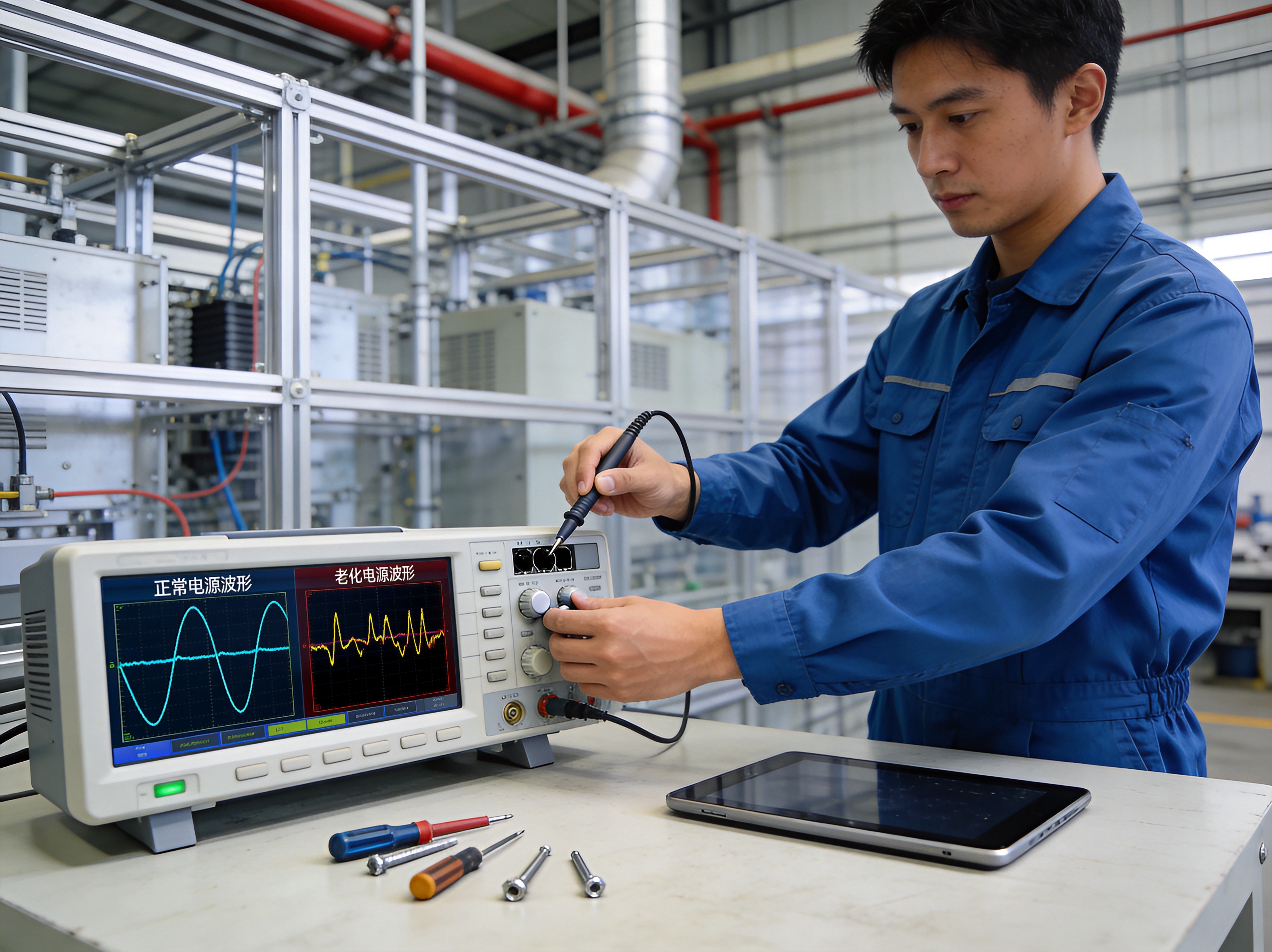
The most reliable method for detecting capacitor degradation is periodic measurement of power supply rail ripple under load. A healthy switch-mode power supply exhibits ripple voltage within 1 to 2 percent of the nominal DC output. When the bulk output capacitor begins to degrade, ripple amplitude increases—often reaching 5 to 10 percent before the panel PC exhibits any operational symptoms. This measurement can be performed during scheduled maintenance using an oscilloscope across the output terminals, providing a leading indicator far more actionable than waiting for a reboot. A second, less invasive method involves monitoring the panel PC’s internal voltage telemetry. Many industrial panel PCs, including KOXIAN models, expose motherboard voltage rail readings through their embedded controller interfaces. A trending increase in the standard deviation of the 5V or 12V rail readings over a 30-day window is a strong statistical signal that output filtering capacitors are degrading, detectable without opening the enclosure.
Preventive Replacement: Timing and Logistics
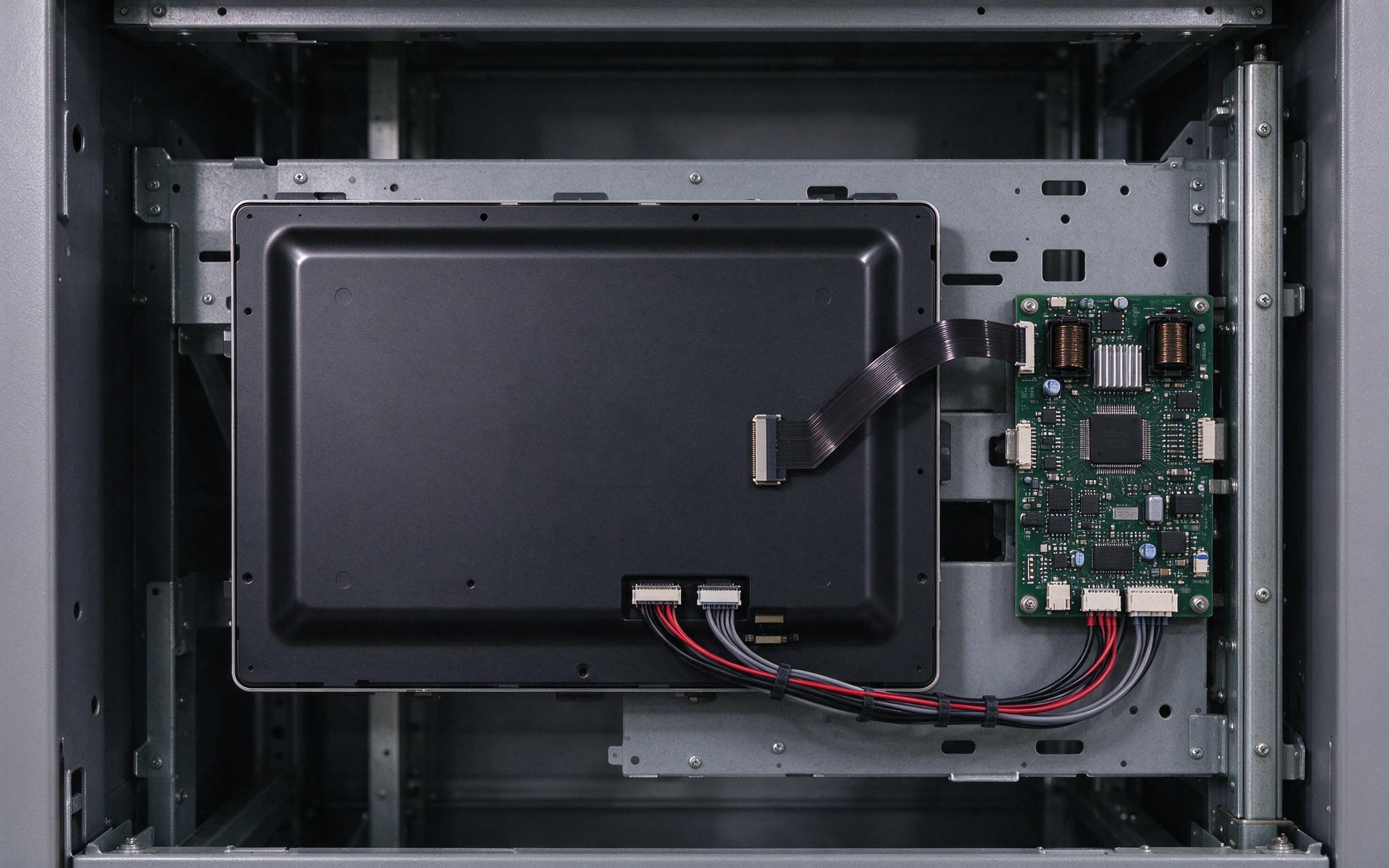
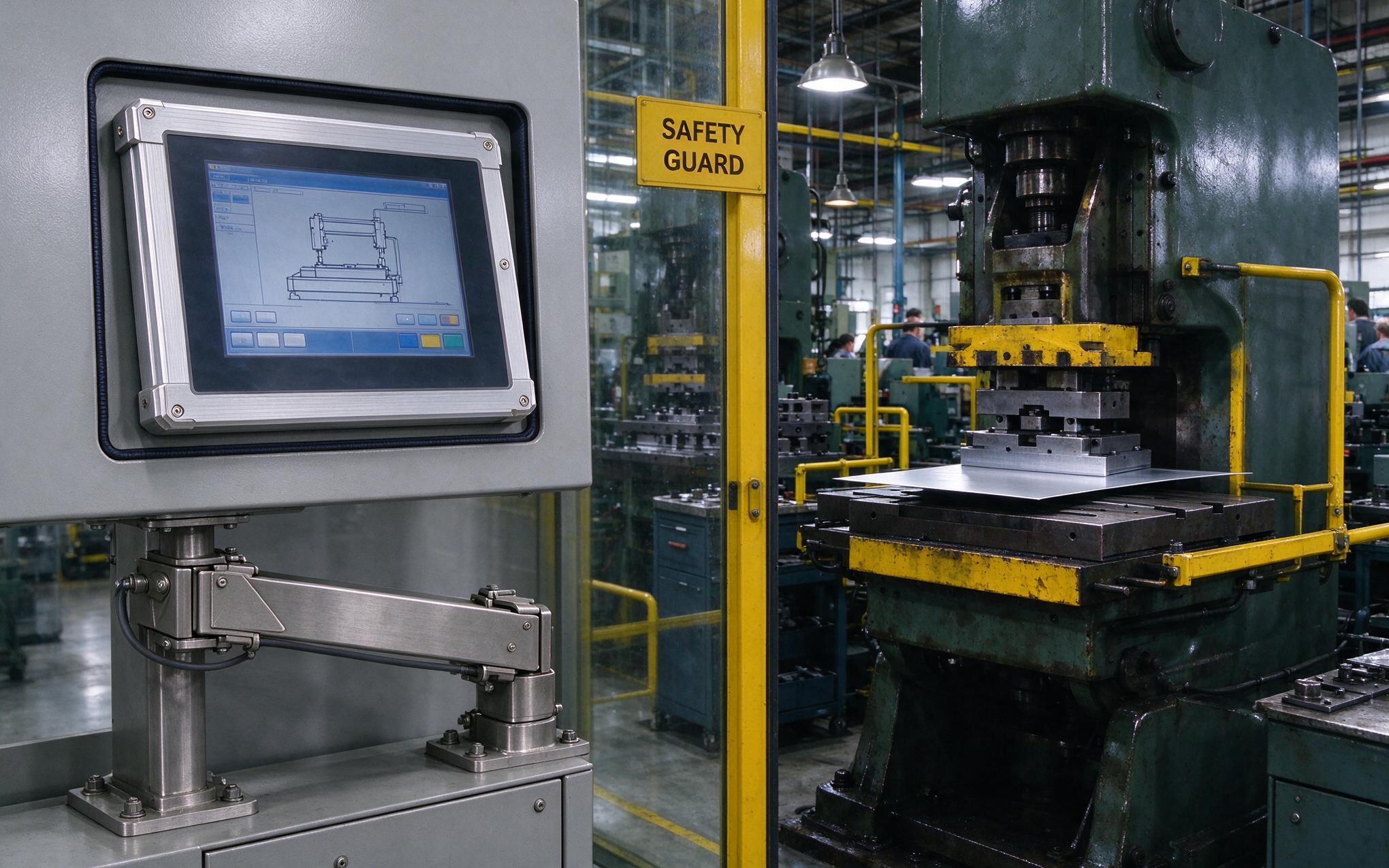
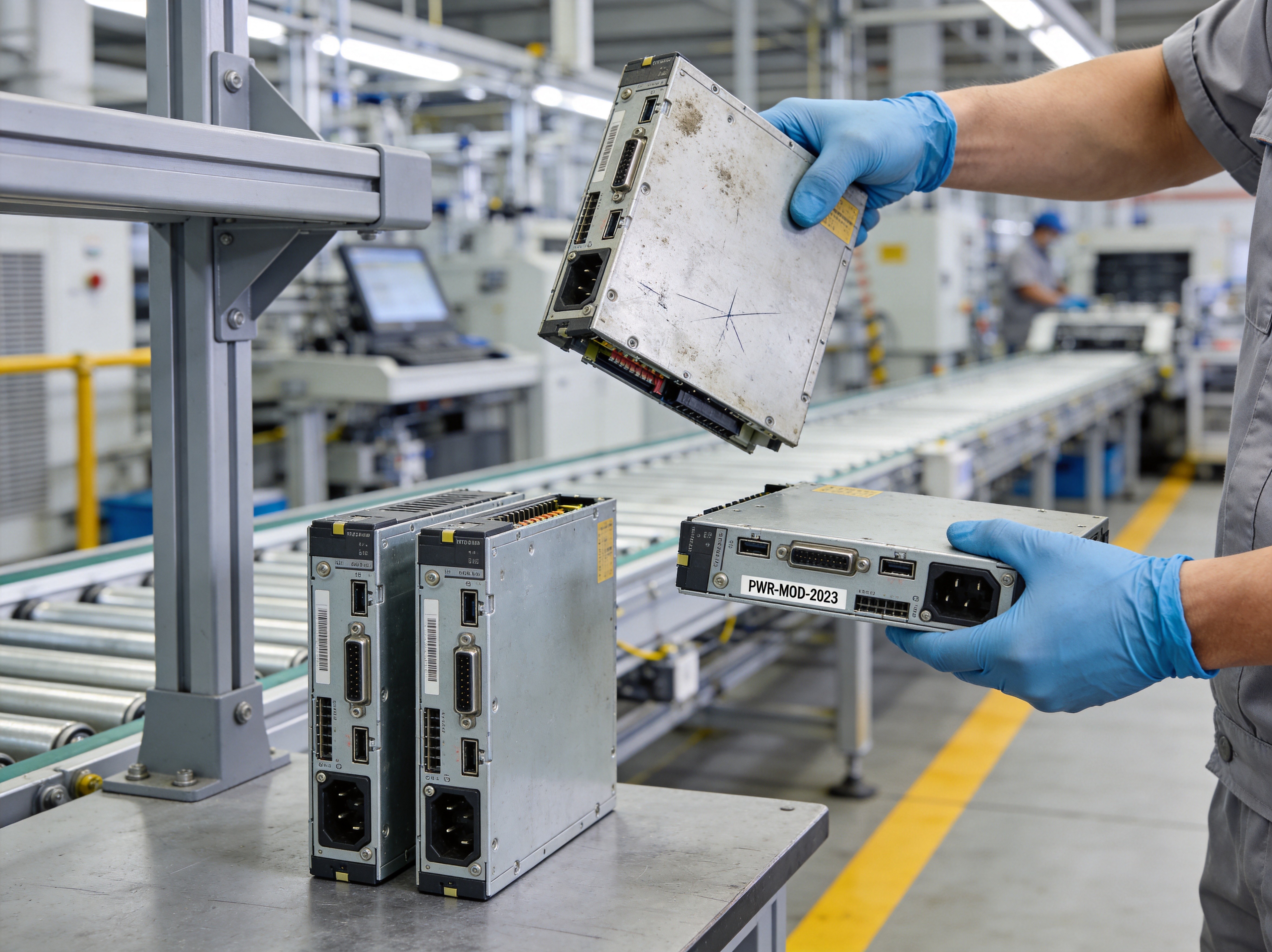
The most cost-effective preventive replacement strategy is not calendar-based—it is environment-based. A panel PC operating in an air-conditioned control room at 25 degrees Celsius may operate reliably for a decade without capacitor degradation. The same model deployed in an unventilated enclosure on a metal stamping line at 50 degrees Celsius ambient may need capacitor replacement within three years. The practical approach is to segment the panel PC fleet by environment, measure a sample of power supplies from each segment annually, and use the measured degradation rate to project a replacement schedule. Capacitor replacement is a straightforward board-level procedure, but the logistics of pulling panel PCs from production lines require planning. KOXIAN panel PCs designed for 24/7 industrial operation use socketed power supply modules that can be swapped in under ten minutes, eliminating the need to remove the entire unit from the line. This modular approach converts a scheduled downtime event into a quick-change procedure performed during a shift change.
Building a Capacitor Health Monitoring Program
The most effective capacitor health programs combine three elements: environmental segmentation of the installed fleet, annual ripple measurement on a representative sample from each segment, and a replacement schedule adjusted annually based on measured degradation rather than fixed calendar intervals. The data collected feeds directly into reliability-centered maintenance planning, allowing managers to budget for capacitor replacement as a predictable operating expense. It also provides the empirical basis for specifying power supply requirements in future procurement: if a particular environment consistently degrades capacitors within three years, the next panel PC purchased for that environment should specify capacitors rated for 10,000 hours at 125 degrees Celsius rather than 105. The incremental cost of this upgrade is a fraction of the cost of a single unplanned production line stoppage.
Capacitor aging is a predictable, measurable, and preventable failure mode. The industrial facilities that treat it as such—measuring degradation, scheduling replacement based on data rather than calendars, and specifying power supplies matched to their operating environments—will experience fewer unplanned outages and lower total maintenance costs than those that wait for the next reboot to signal that a capacitor has already failed.