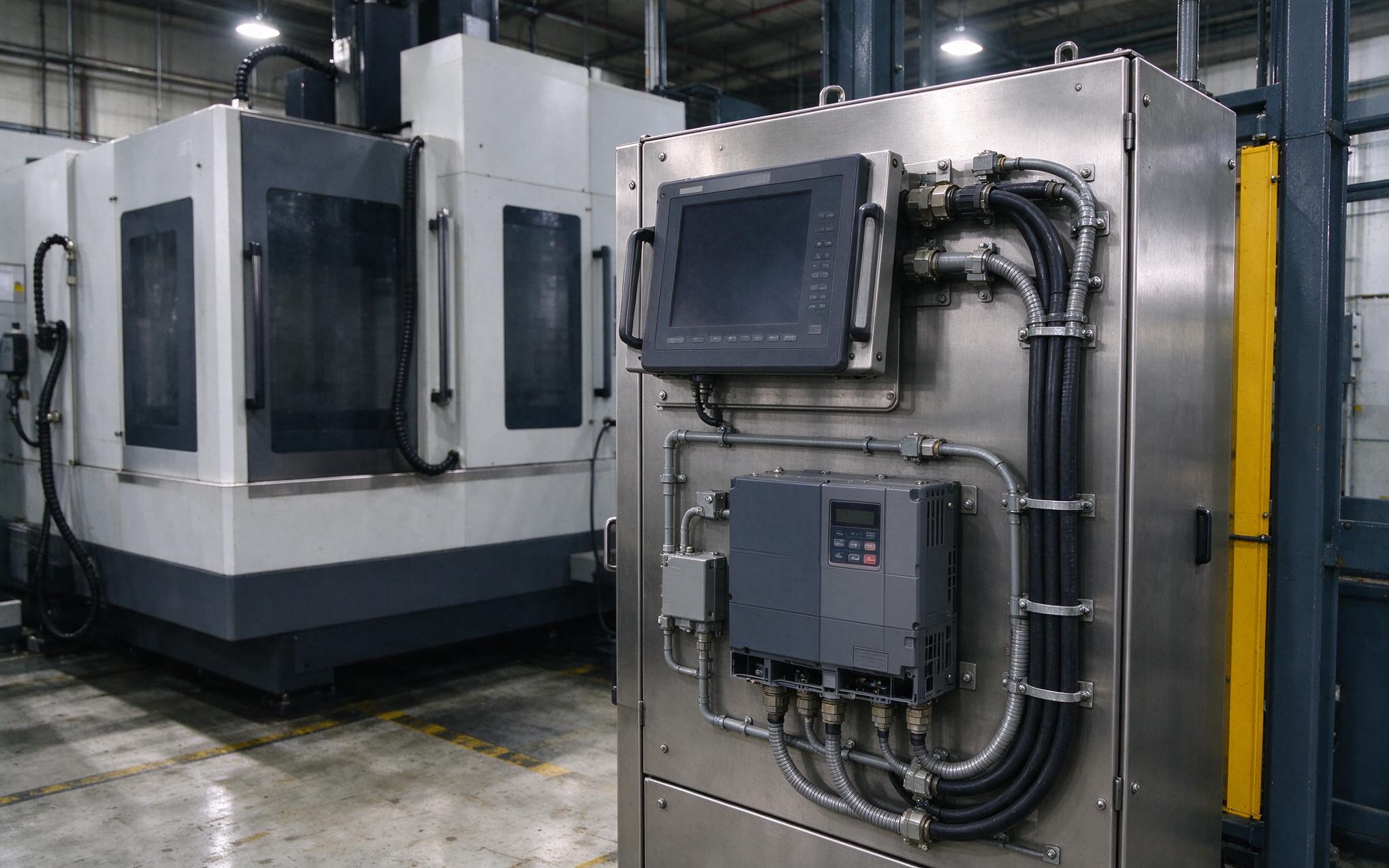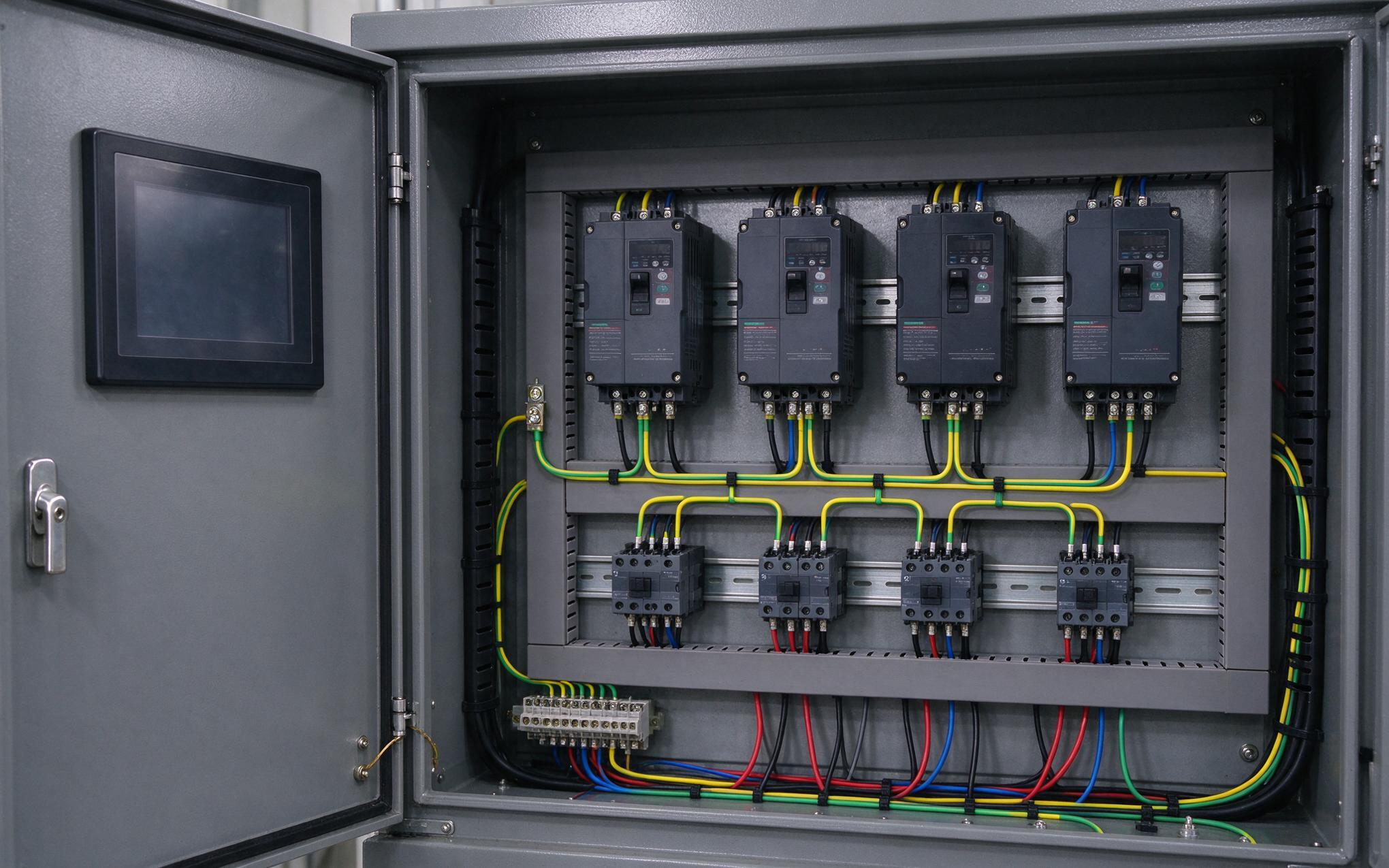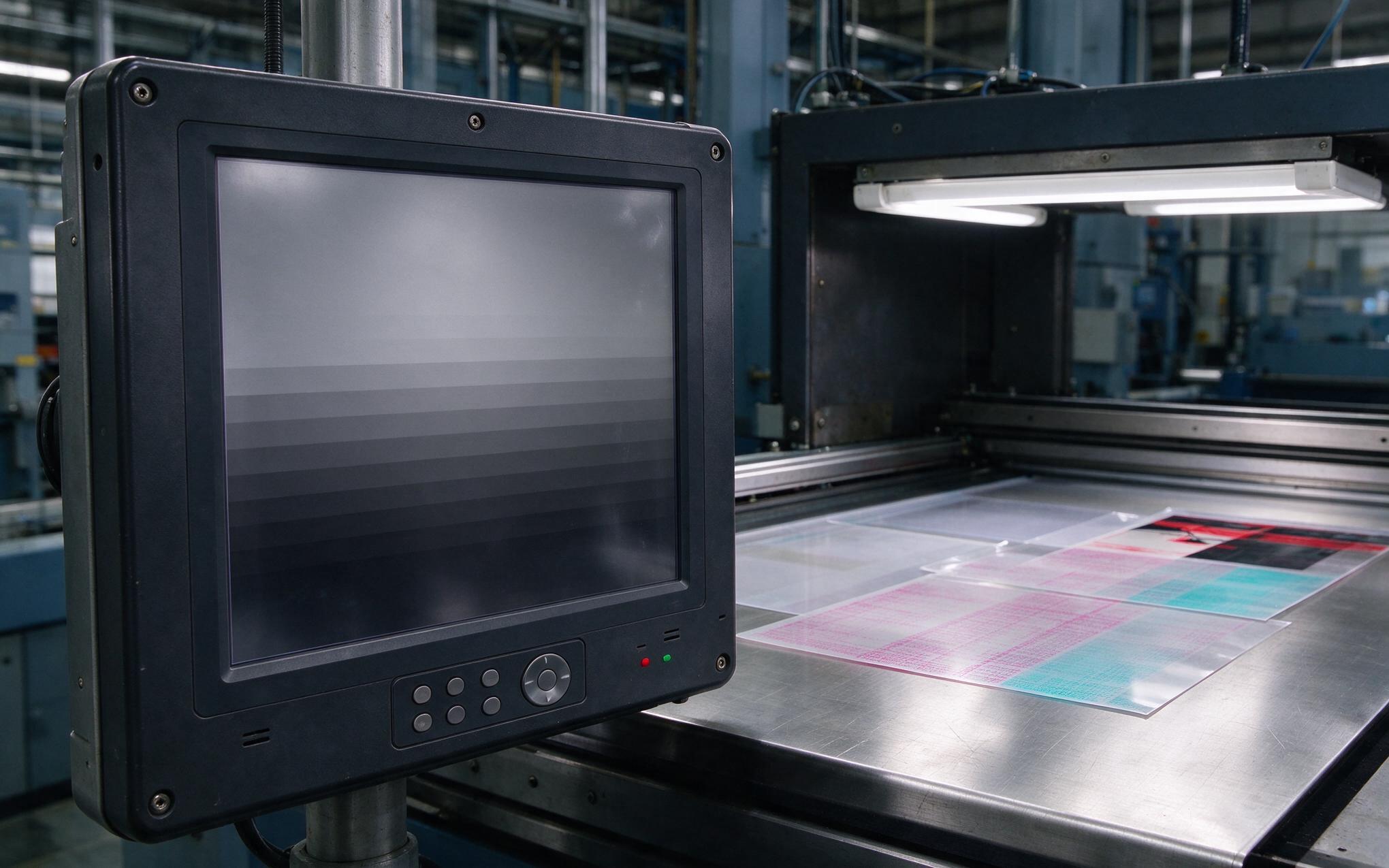
Wastewater treatment facilities present one of the most aggressive operating environments for electronic equipment. Hydrogen sulfide off-gassing, chlorine vapor, near-condensing humidity, and airborne biological agents combine to degrade computing hardware at three to five times the rate seen in general manufacturing. A panel PC in a headworks building or chemical dosing station faces a fundamentally different reliability challenge than the same hardware in a climate-controlled control room. This article examines two critical design considerations for panel PCs in wastewater SCADA applications: corrosion protection strategies and remote monitoring architectures that reduce on-site personnel intervention.
The Corrosion Challenge: H₂S, Chlorine, and Galvanic Attack Pathways
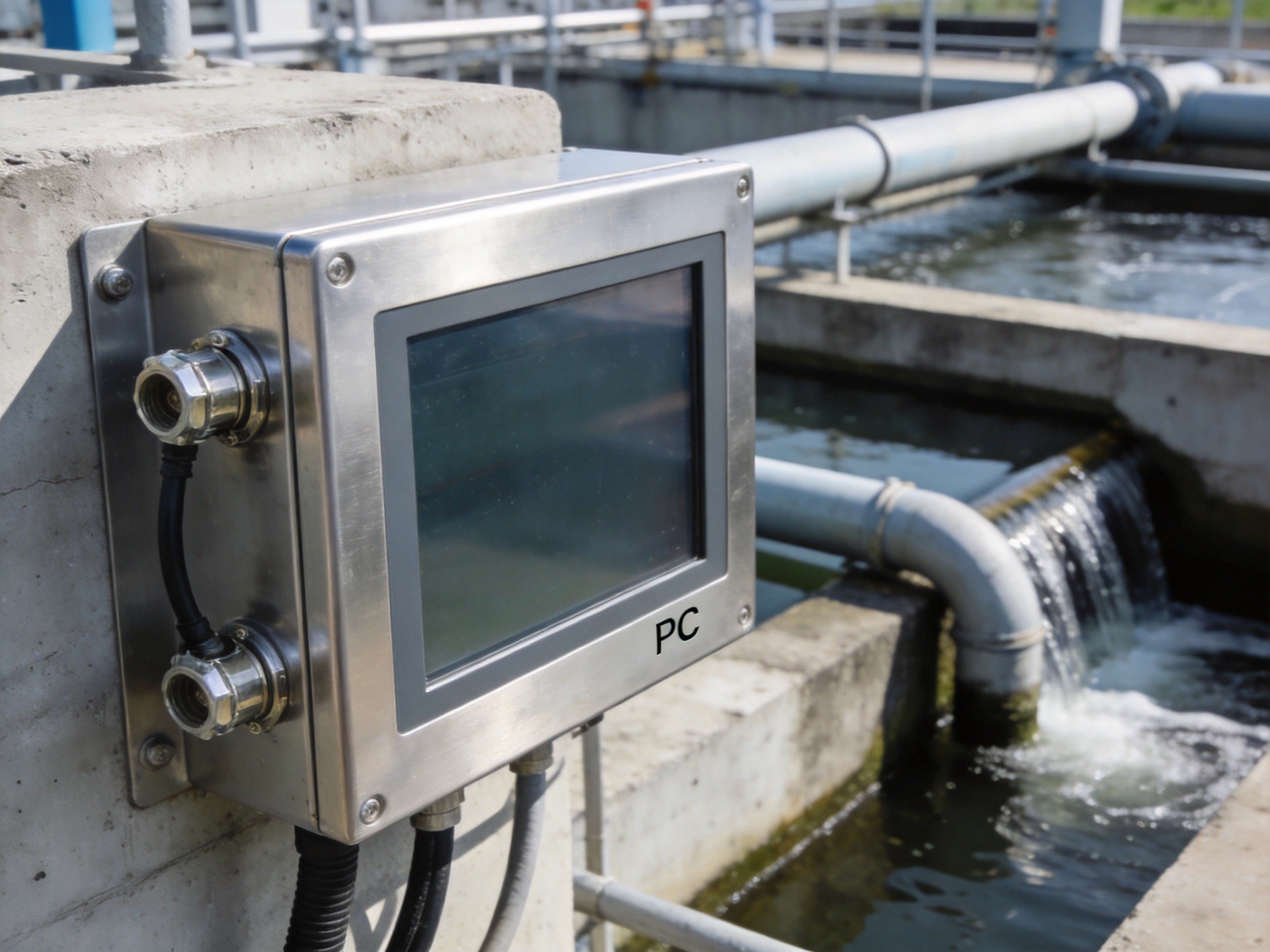
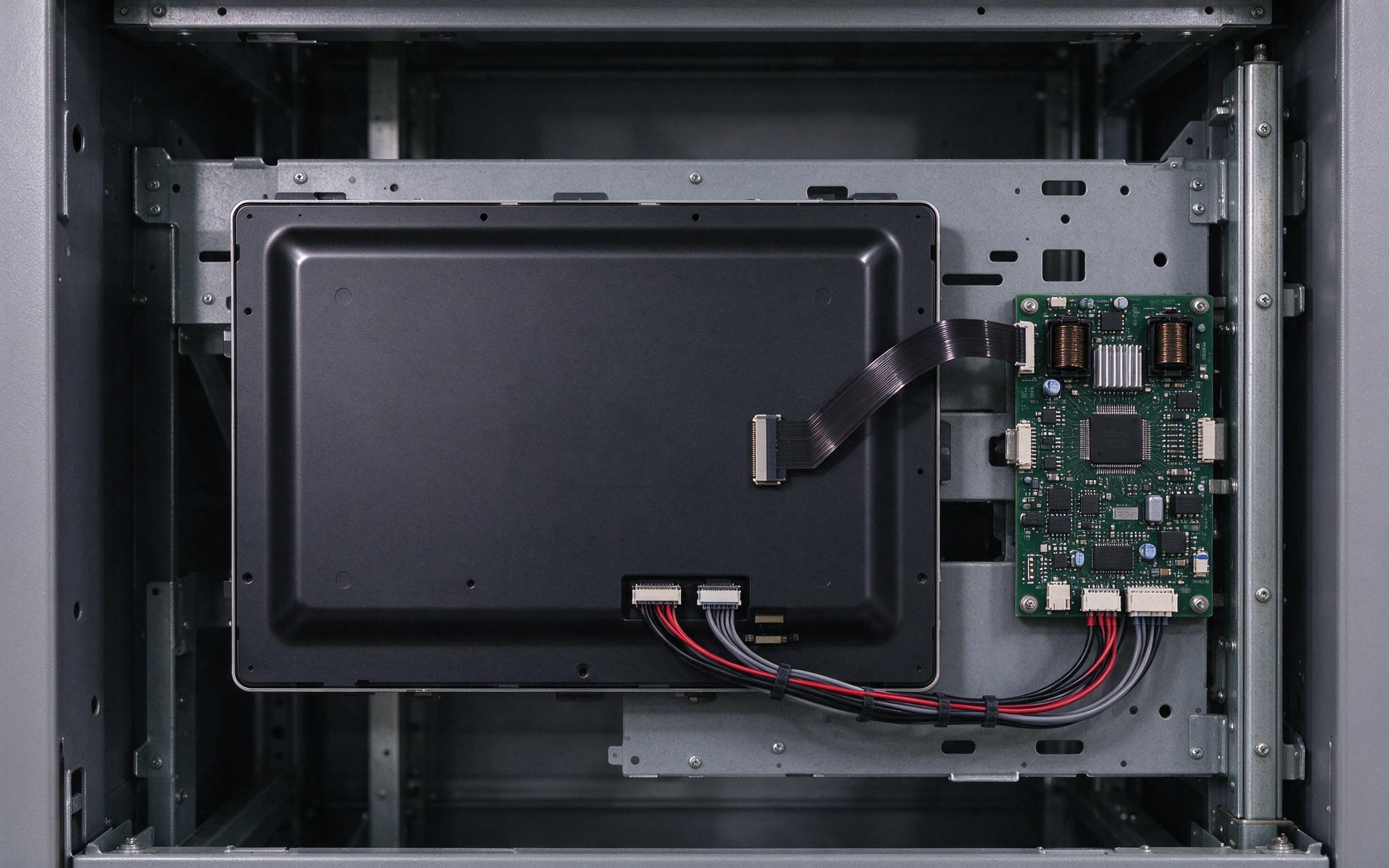
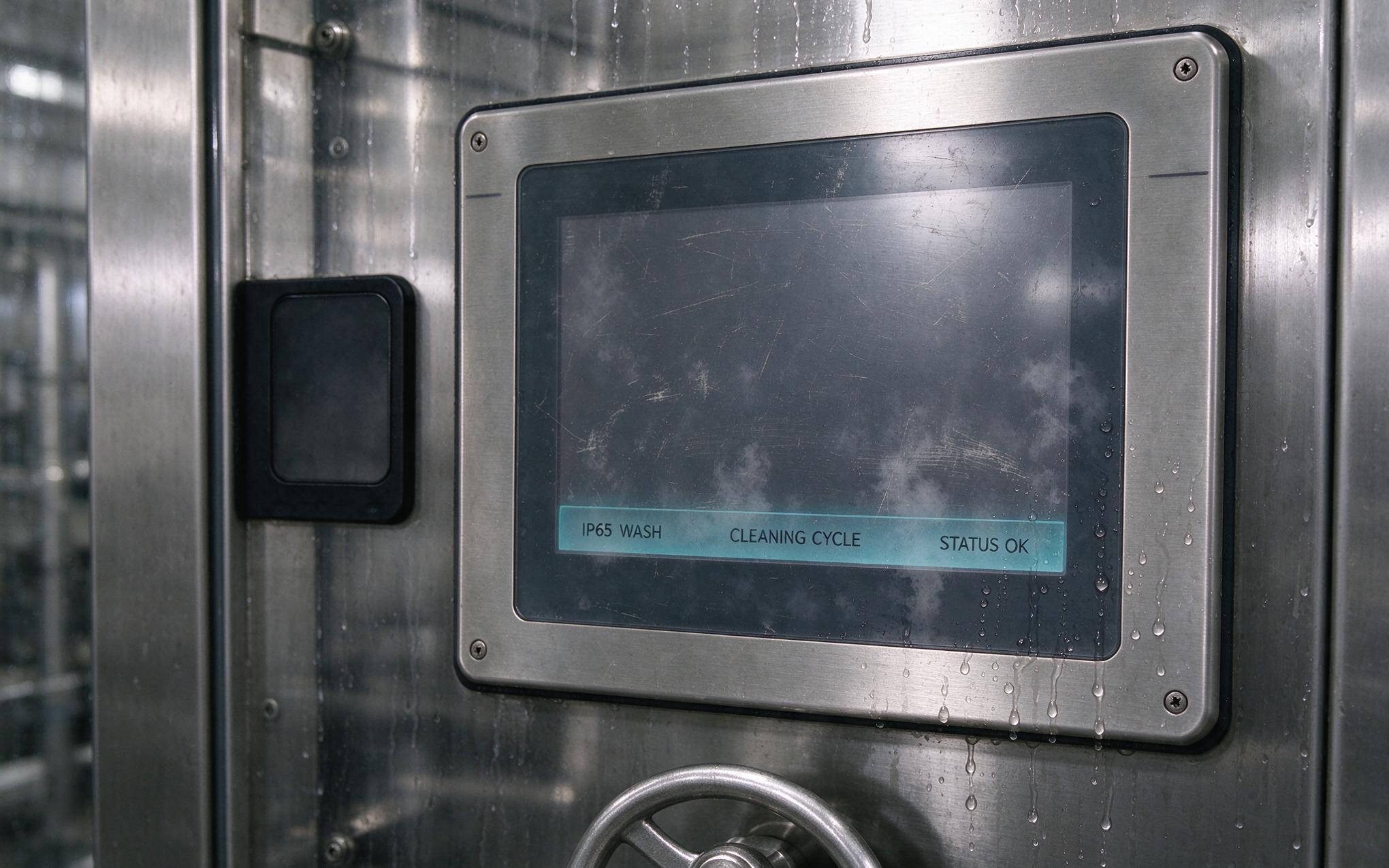
Hydrogen sulfide is the dominant corrosive agent in wastewater environments. At concentrations as low as 0.5 ppm, it reacts with copper traces on printed circuit boards to form non-conductive copper sulfide dendrites that grow between adjacent traces, eventually causing short circuits. The mechanism is accelerated by humidity: when relative humidity exceeds 70%, a thin water film forms on PCB surfaces, and H₂S dissolves into this film to create a weak sulfuric acid solution. Standard commercial-grade electronics with no conformal coating will show visible trace corrosion within six to twelve months. Industrial panel PCs for wastewater deployment use three layers of defense: full conformal coating applied to both sides of all PCBs, a sealed enclosure with IP65 or higher rating, and gold-plated connectors with at least 50 microinches of plating. KOXIAN industrial panel PCs specified for water treatment applications incorporate all three protective layers, with conformal coating verified by automated optical inspection on every board.
Remote Monitoring Architectures: Reducing Site Visits Through Condition-Based Alerts
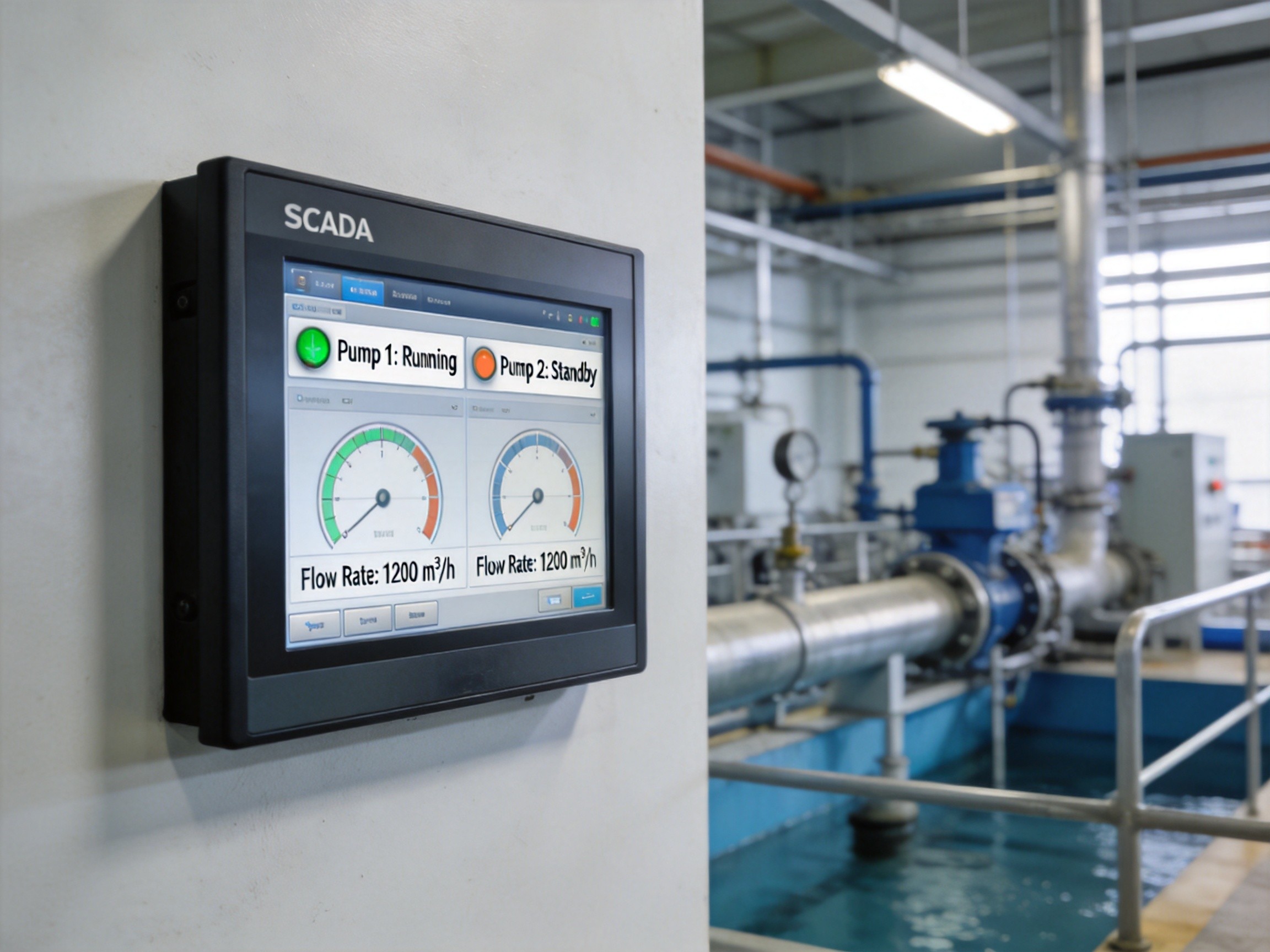
The operational cost of a wastewater SCADA system is dominated not by hardware but by labor. A medium-sized treatment plant with fifteen remote pumping stations may log over 200 site visits per year for routine checks and troubleshooting. Modern panel PCs support out-of-band management via independent 4G LTE or 5G cellular modules that remain operational even when the primary operating system hangs, allowing a central operator to perform a hard power cycle, access BIOS-level diagnostics, and retrieve system logs without dispatching a technician. The architecture pairs an industrial panel PC at each station with a cloud-based fleet management platform that aggregates telemetry—CPU temperature, storage health, and network uptime—across all nodes. Condition-based alerting replaces calendar-based inspection: technicians are dispatched only when a parameter crosses a threshold. For a twenty-station network, the reduction in site visits can exceed 60%, translating to annual labor savings of $40,000 to $80,000.
Power Protection and Redundancy in Unattended Pump Stations
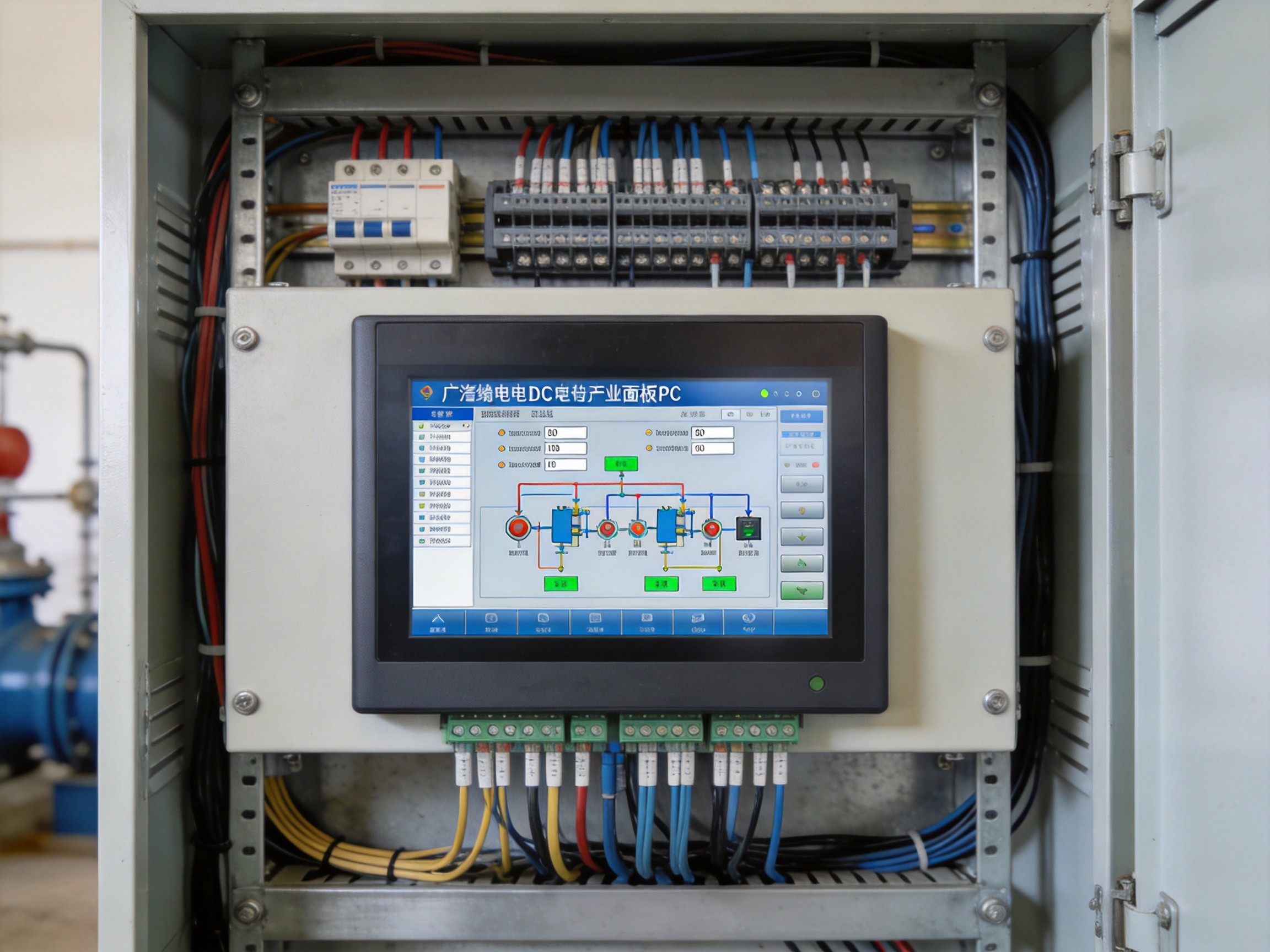
Remote pumping stations are notorious for unstable power. Voltage sags during pump motor starts, transient spikes from variable frequency drives, and lightning-induced surges all threaten computing hardware integrity. A panel PC in this environment requires wide-voltage DC input—typically 9V to 36V DC—with galvanic isolation to prevent ground loop currents. Industrial-grade power supplies incorporate transient voltage suppression, reverse polarity protection, and hold-up capacitors that maintain operation for 10 to 20 milliseconds during brief interruptions. KOXIAN’s panel PCs for water infrastructure include wide-voltage DC input as standard, and the built-in power management firmware logs the count and duration of power events, feeding this data into the remote monitoring dashboard for trend analysis.
Material Compatibility: Enclosure, Gaskets, and Cable Glands for Long-Term Integrity
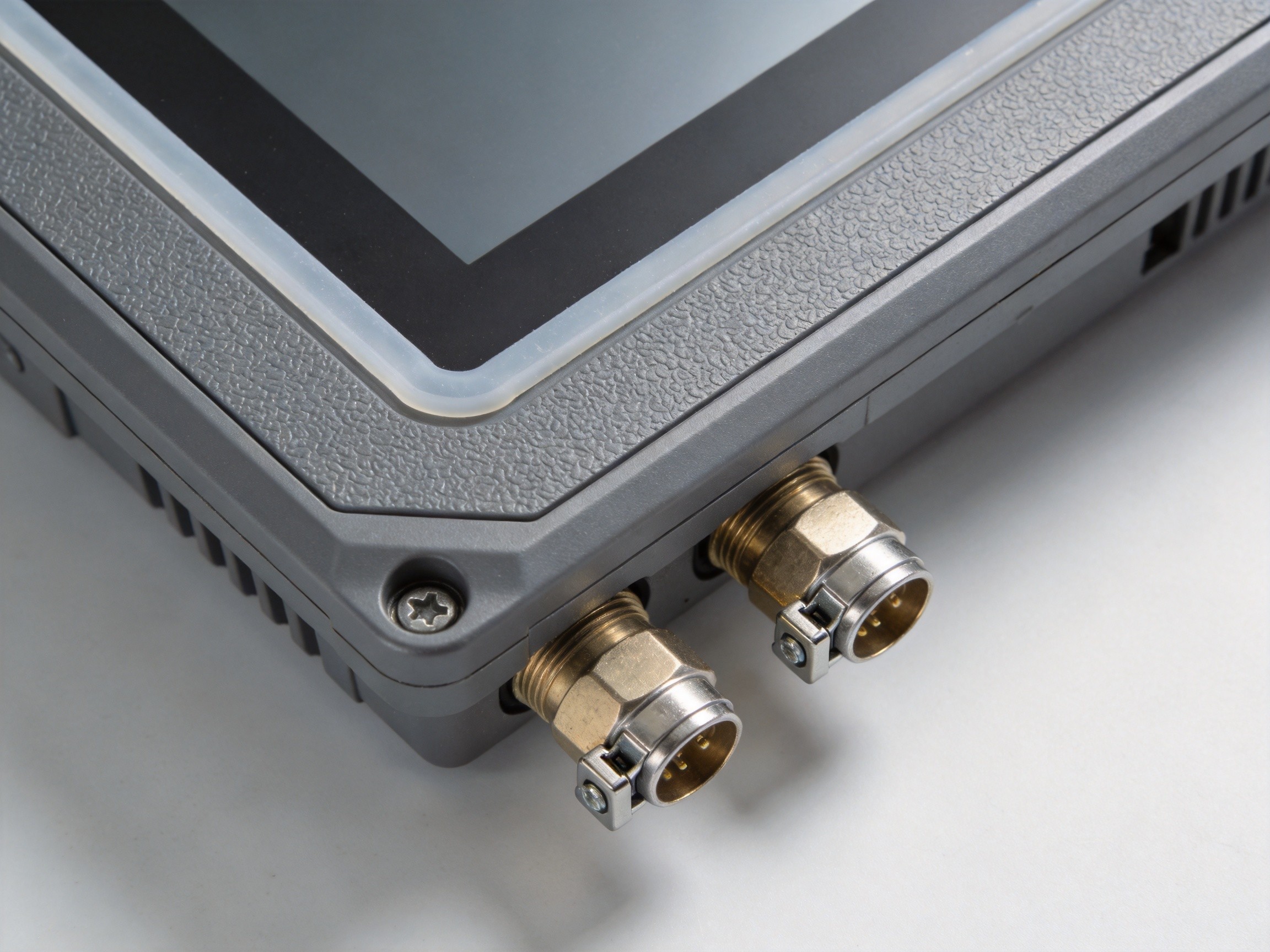
The enclosure is only as strong as its weakest seal. In wastewater environments, the gasket material between the front bezel and the panel cutout is critical. EPDM rubber offers excellent resistance to water and steam but degrades when exposed to hydrocarbon solvents. Silicone gaskets provide broader chemical resistance and maintain elasticity across a wider temperature range. For chlorine dosing rooms, fluorosilicone gaskets combine chemical resistance with flexibility, though at higher cost. The cable entry system is equally important: standard cable glands with neoprene seals may work for a few years, but hydrogen sulfide permeates neoprene over time, degrading the seal. Industrial installations should specify nickel-plated brass cable glands with EPDM or silicone sealing rings and an IP66 or IP67 rating. The small additional cost of proper sealing—typically $30 to $80 per panel PC—prevents the internal corrosion that is the leading cause of premature hardware failure in water treatment facilities.
The economics of panel PC deployment in wastewater treatment are straightforward: spend on corrosion protection and remote monitoring at installation, or spend on replacement hardware and technician labor over the system’s life. The key variables are the concentration of corrosive gases, the distance and accessibility of each station, and the cost of a single unplanned downtime event. For most facilities, the answer is clear: specify industrial-grade panel PCs with full conformal coating, sealed connectors, wide-voltage power input, and out-of-band remote management. The hardware premium is recovered within the first avoided field service call.