When a production line halts at 3 a.m. because a capacitor failed or a connector corroded, the $12 saved on that component vanishes against thousands in downtime. The distinction between industrial-grade and commercial-grade components is not marketing language—it is a measurable engineering delta that determines whether a system survives five years of continuous operation or fails within eighteen months. This article examines three critical component categories—capacitors, integrated circuits, and connectors—and provides a practical decision framework for procurement teams evaluating embedded computing hardware for harsh environments.
Capacitors: Electrolytic Lifetime, Temperature Derating, and Solid Polymer Alternatives
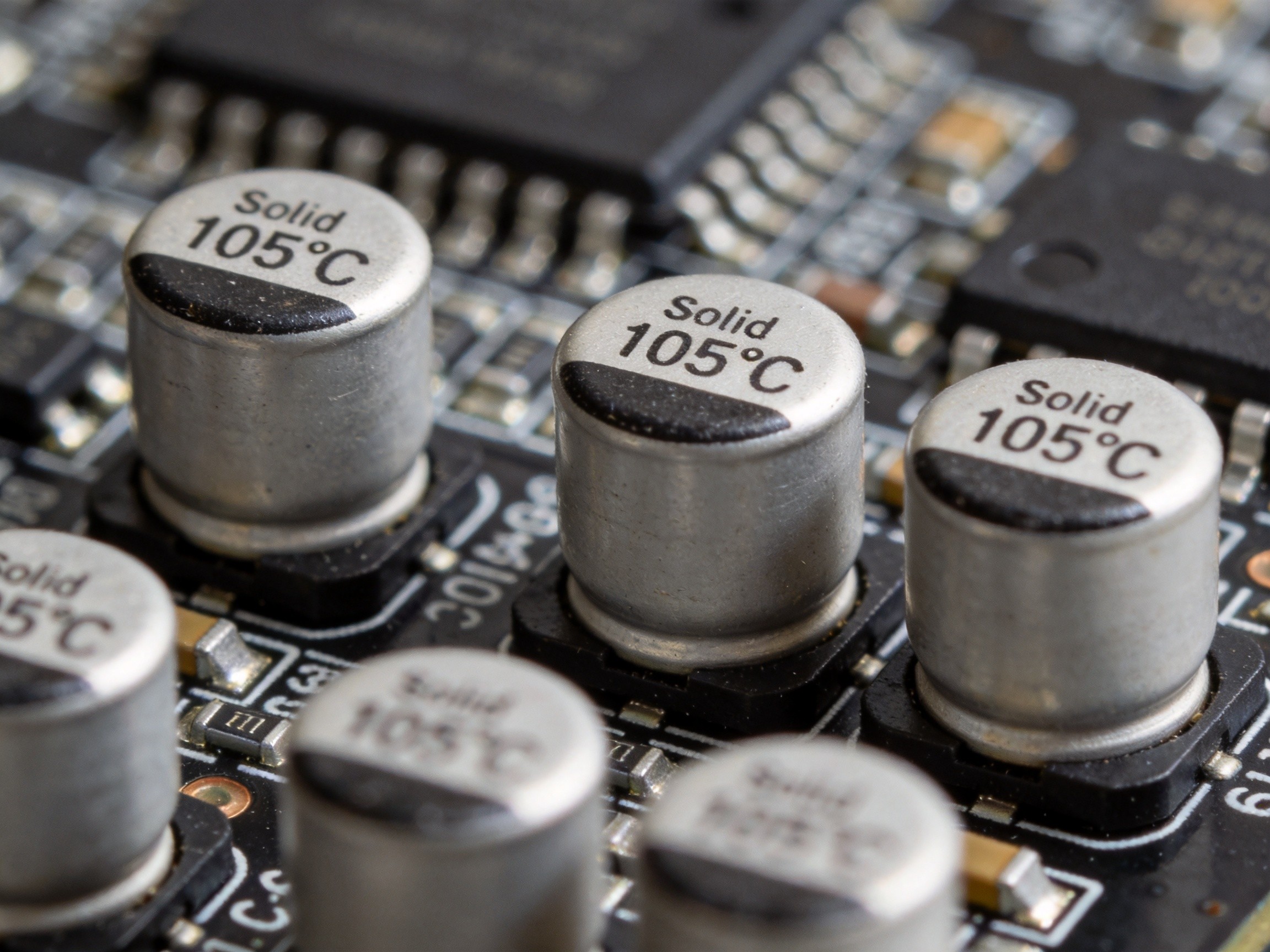
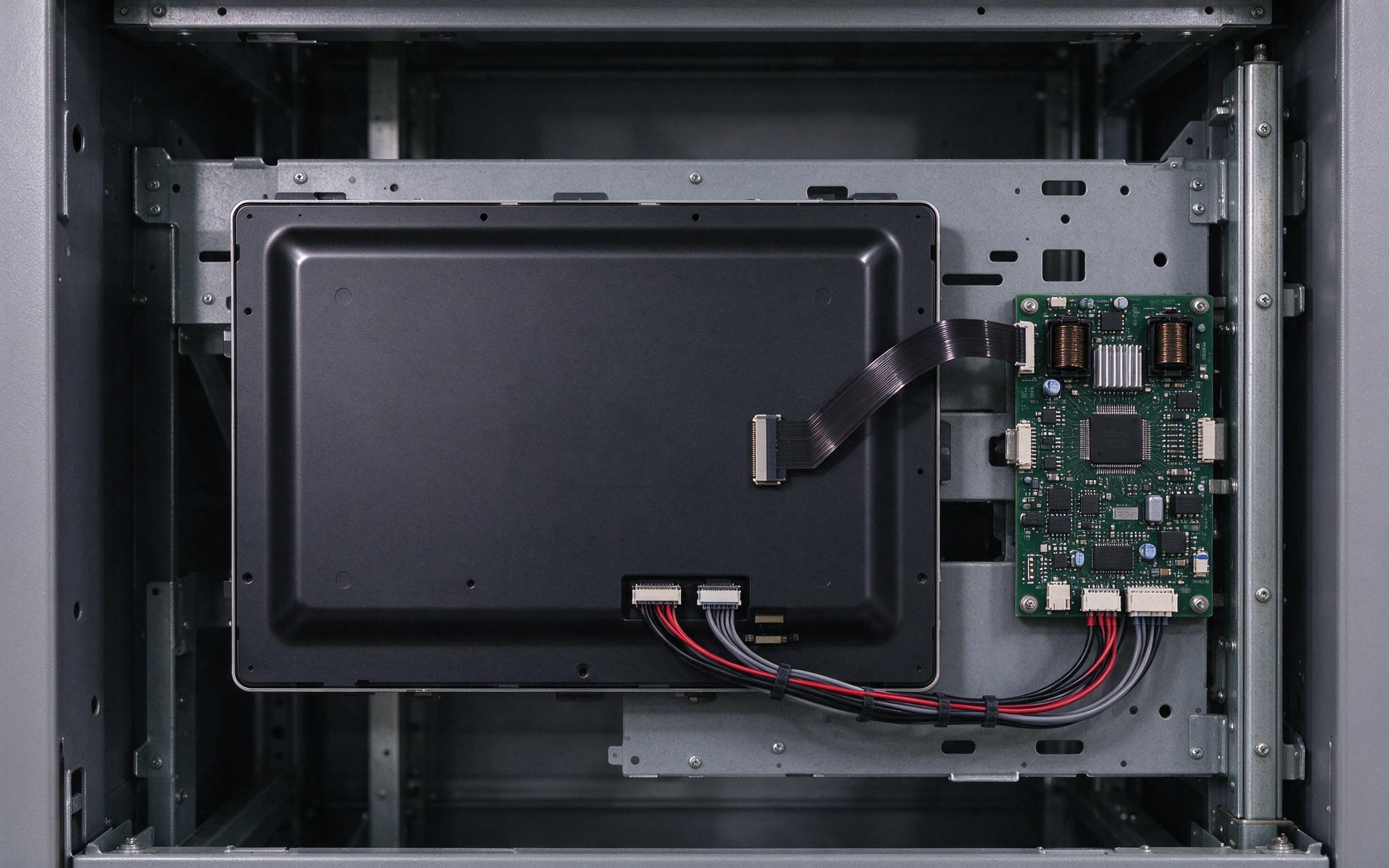
The electrolytic capacitor is the most common point of failure in embedded computing hardware. Commercial-grade aluminum electrolytic capacitors are typically rated for 1,000 to 2,000 hours at 85°C. In a sealed industrial enclosure where ambient temperatures reach 60°C, the internal hotspot can push capacitor body temperature past 90°C. Applying the Arrhenius equation—every 10°C rise halves expected lifetime—a 2,000-hour capacitor at 85°C becomes a 500-hour capacitor at 95°C. That is roughly three weeks of continuous operation. Industrial-grade designs replace these with solid polymer capacitors rated for 5,000 to 10,000 hours at 105°C, or with hybrid aluminum-polymer types that combine higher capacitance with lower equivalent series resistance. The price difference is typically $0.80 to $3.50 per unit, but the downstream cost of a single field replacement—including technician dispatch, production downtime, and logistics—routinely exceeds $800 per incident. For panel PCs deployed in remote or unmanned sites, the math is unambiguous.
Integrated Circuits: Extended Temperature Grades, Latch-Up Immunity, and Long-Term Availability
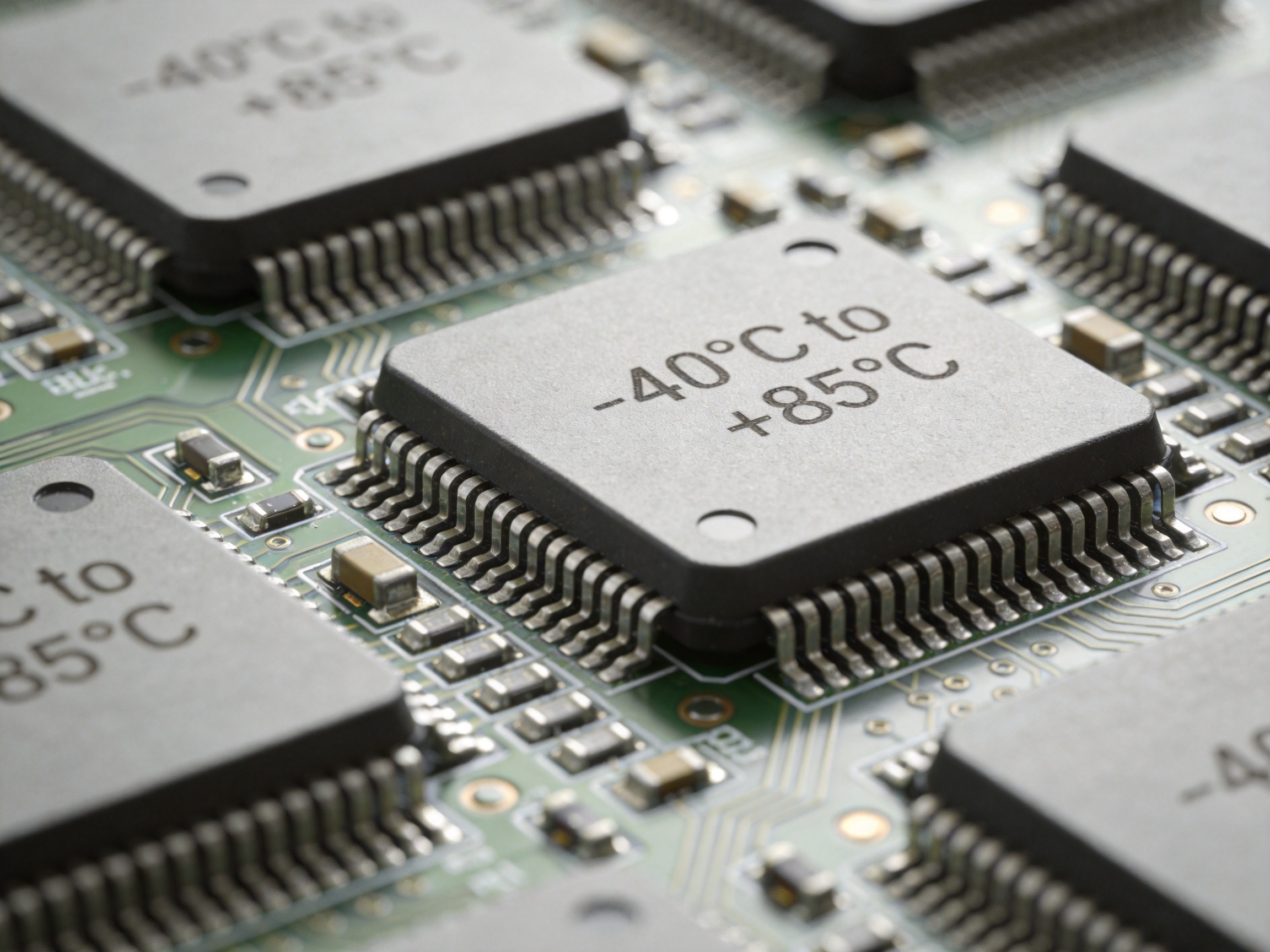
Commercial ICs are typically binned for 0°C to 70°C ambient and validated for consumer product lifecycles of three to five years. Industrial-grade ICs from the same silicon family are characterized across -40°C to +85°C or wider, with additional screening for latch-up immunity and electrostatic discharge robustness per JEDEC standards. More critically, industrial-grade parts carry guaranteed minimum supply commitments of seven to ten years, whereas commercial variants may be discontinued with six months’ notice. For a wastewater treatment facility planning a ten-year SCADA upgrade cycle, sourcing a panel PC built on commercial-grade ICs creates a forced redesign at the five-year mark. Some manufacturers, including KOXIAN, specify industrial-temperature ICs across the entire mainboard rather than only on the processor, ensuring that voltage regulators, Ethernet PHYs, and memory controllers all share the same reliability envelope.
Connectors: Contact Plating, Mating Cycles, and Environmental Sealing
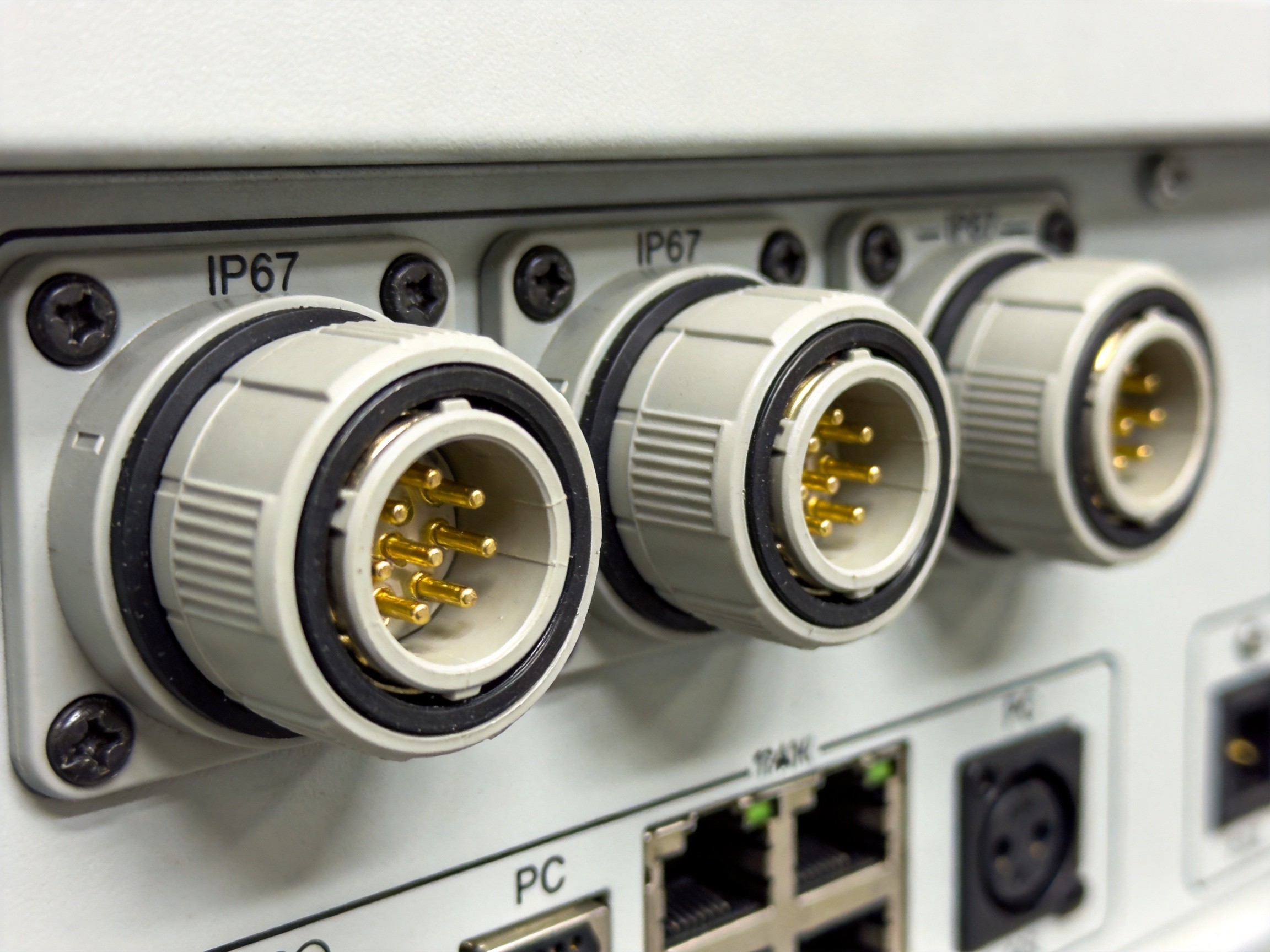
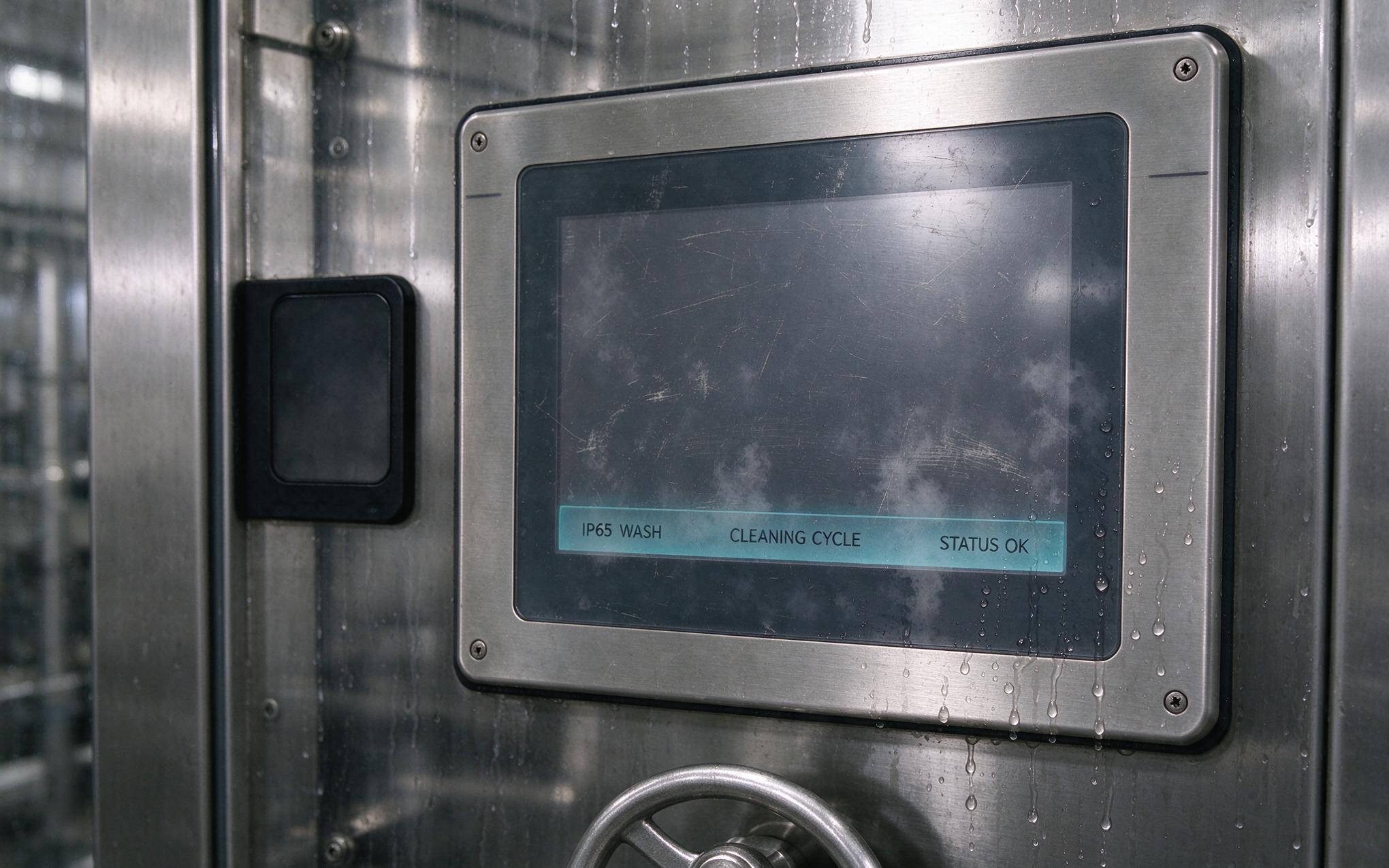
A commercial USB or Ethernet jack with 30 microinches of gold flash may pass factory testing, but after 500 mating cycles in a humid environment, fretting corrosion creates micro-ohm resistance spikes that cause data packet loss. Industrial connectors specify 50 to 100 microinches of hard gold plating, rated for 5,000 to 10,000 mating cycles. Beyond plating thickness, the connector housing material matters: commercial-grade nylon absorbs moisture and swells, while industrial-grade LCP or PBT maintains dimensional stability. For panel PCs deployed in coastal wastewater treatment plants where hydrogen sulfide and salt-laden air accelerate corrosion, KOXIAN’s engineering team specifies sealed M12 circular connectors and gold-plated RJ45 jacks with integrated magnetics and conformal coating on the PCB side. These connectors add approximately $4 to $12 per port but eliminate the most common root cause of field service calls: intermittent connectivity due to corroded contact surfaces.
The Selection Decision Tree: A Practical Framework
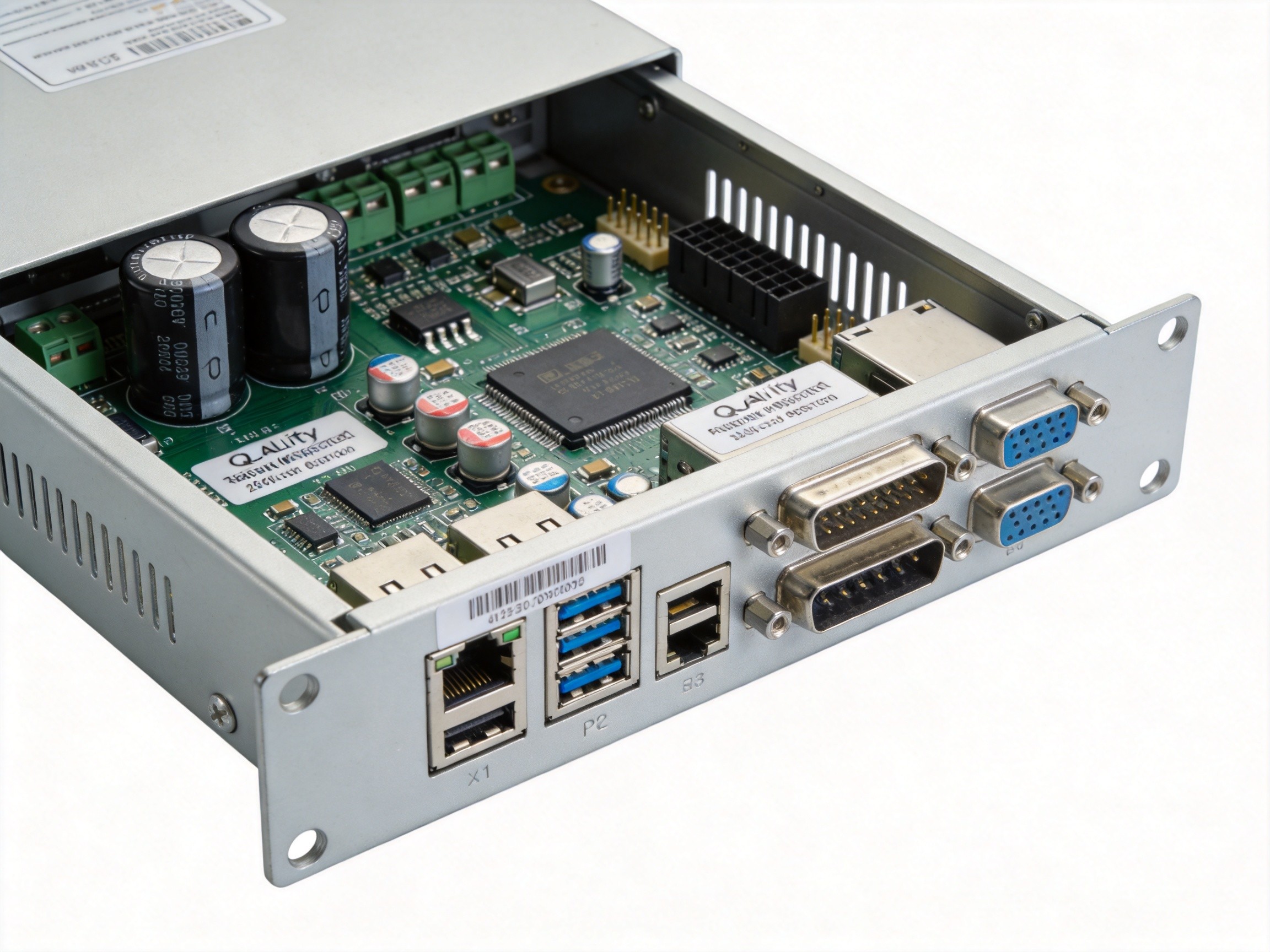
Procurement teams can apply a three-question decision tree. Question one: what is the operating temperature at the enclosure interior, not the ambient room? If internal temperatures exceed 55°C for more than four hours per day, solid polymer capacitors and industrial-temperature ICs are mandatory. Question two: what is the expected service life and is the deployment site attended or unmanned? For any system expected to run beyond three years in an unmanned or difficult-to-access location, industrial-grade connectors and ICs with guaranteed long-term availability eliminate costly mid-lifecycle redesigns. Question three: what is the environmental exposure profile? If the system faces humidity above 80% RH, corrosive gases, or salt spray, gold-plated sealed connectors and conformally coated PCBs are non-negotiable. The component-level cost premium typically ranges from 15% to 35% of the bill of materials, but when amortized over a five-year deployment against the avoided cost of even one unplanned downtime event, the return on investment is immediate.
Industrial-grade component selection is fundamentally a risk management exercise disguised as a procurement decision. Capacitors, ICs, and connectors account for over 70% of field failures in embedded industrial computing hardware. A disciplined selection framework prioritizing thermal derating, long-term availability, and environmental sealing transforms the bill of materials from a cost center into a reliability insurance policy. For systems integrators evaluating panel PC platforms, the component-level specification sheet deserves as much scrutiny as the enclosure’s IP rating or the processor’s benchmark score.