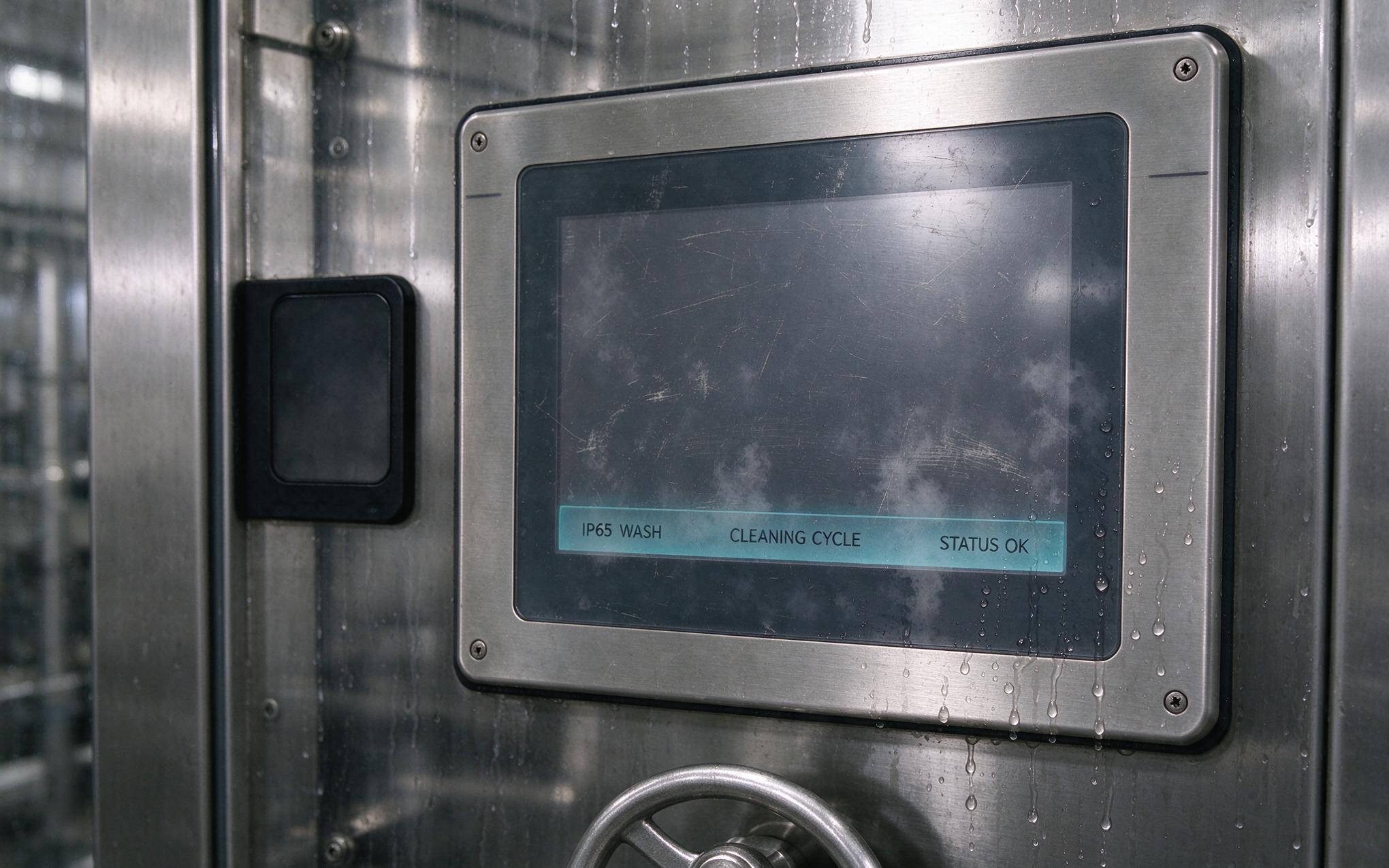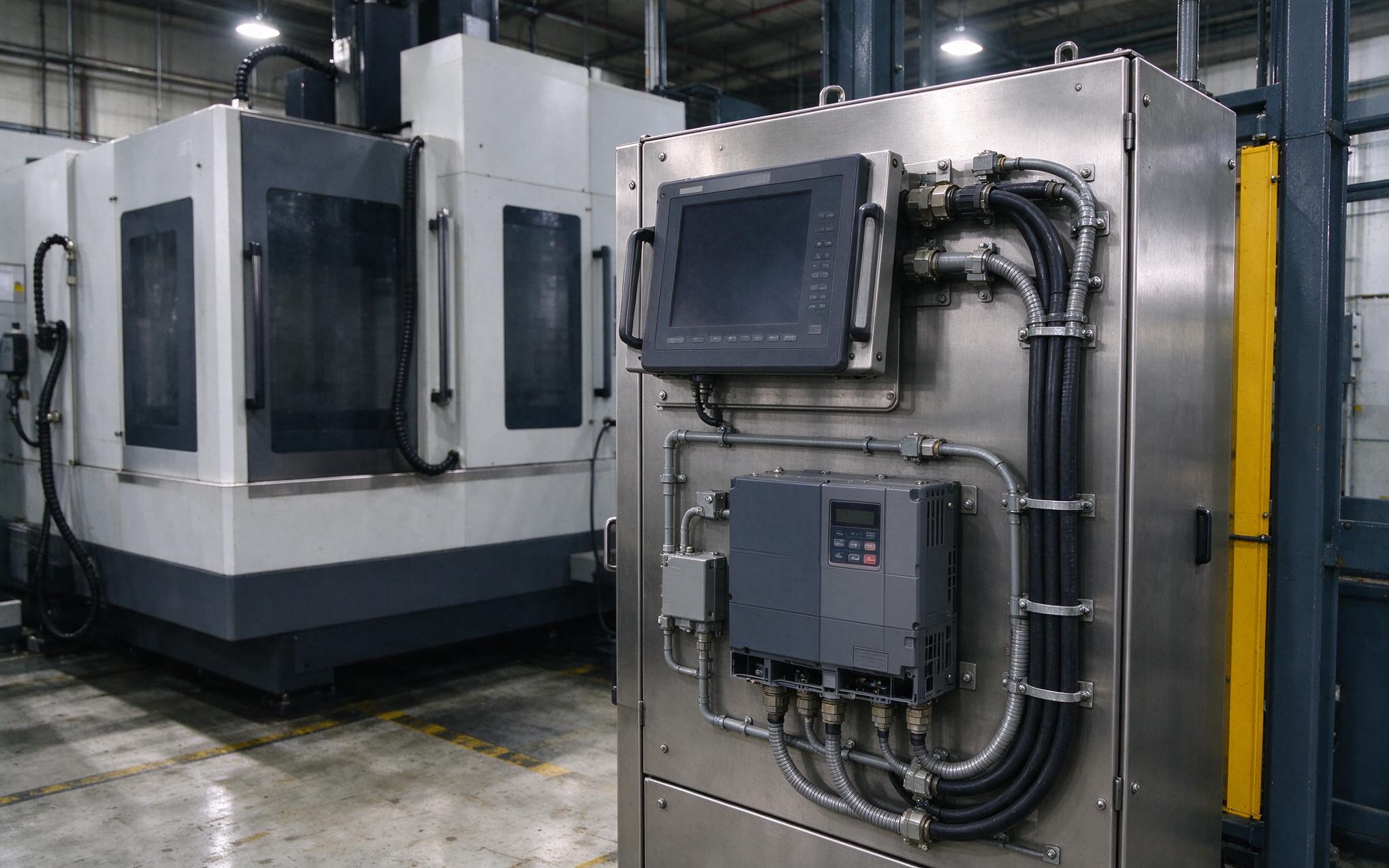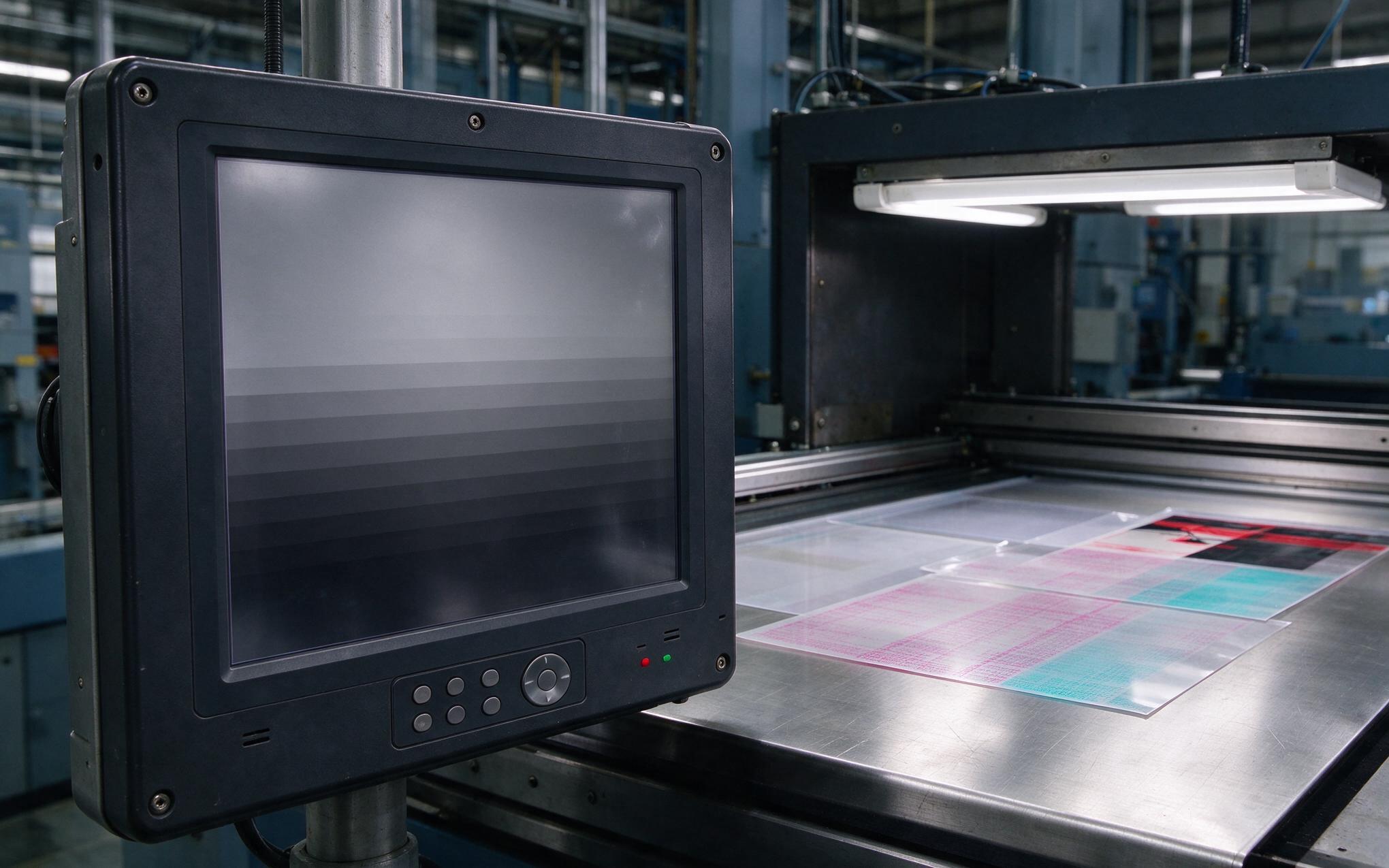
In a control room where the same process schematic remains on screen for eighteen hours a day, the display is quietly degrading. The phenomenon is called image persistence—or, in its permanent form, burn-in—and it is one of the most underappreciated failure modes in industrial visualization. Unlike consumer electronics, where a screen displays dynamic content and powers off regularly, an industrial panel PC in 24/7 operation may show the same static elements for months without interruption. This article dissects the physical mechanisms behind TFT-LCD image persistence, distinguishes between temporary and permanent degradation, and provides practical mitigation strategies for plant engineers and system integrators.
The Physics of Image Persistence: Ionic Contamination and Charge Trapping in the LC Layer
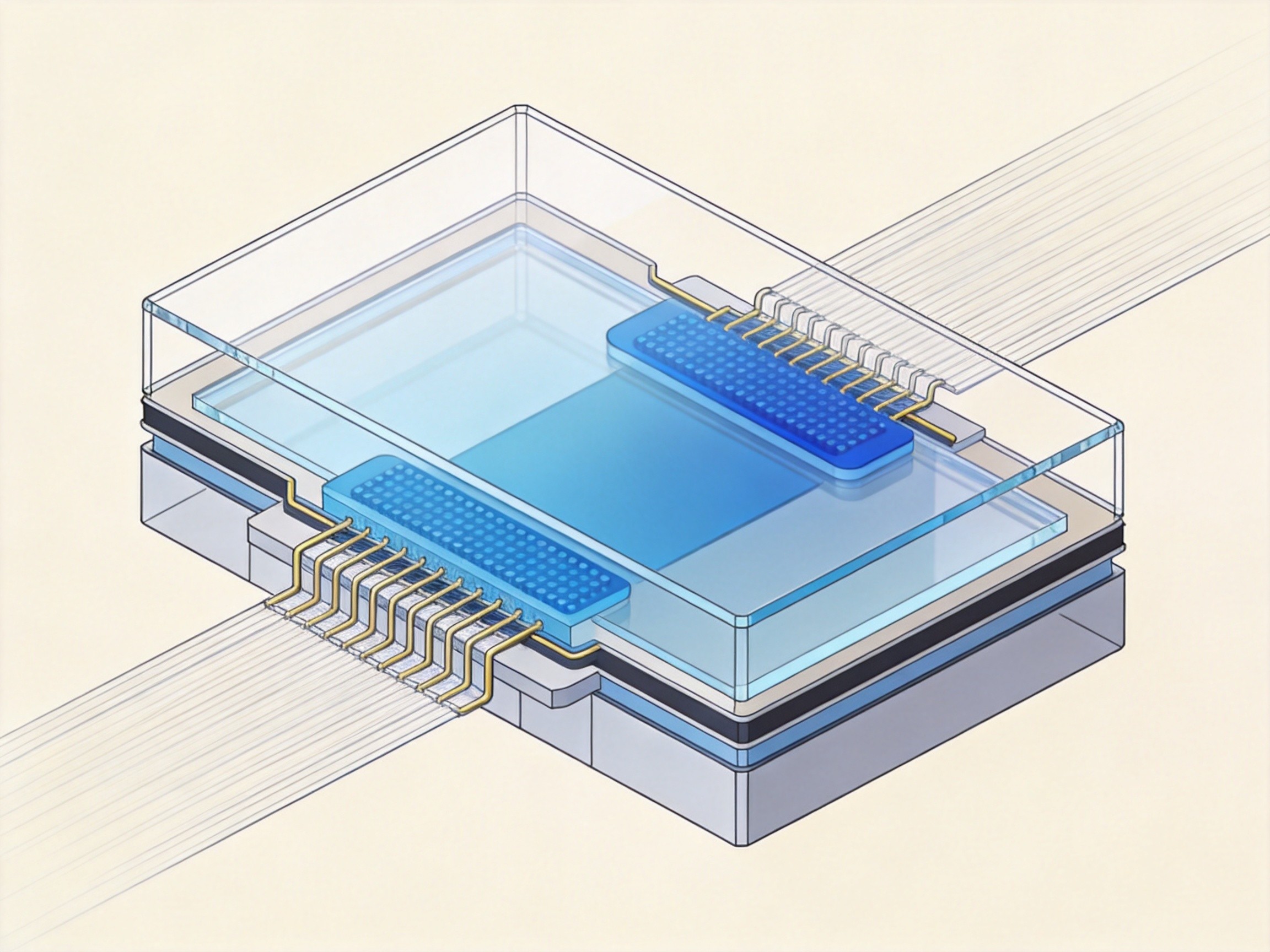
Image persistence in TFT-LCD panels originates from ionic contamination within the liquid crystal layer. Trace ionic impurities from manufacturing, in the parts-per-billion range, remain suspended in the LC fluid. When a static voltage pattern is applied across pixel electrodes for extended periods, these impurity ions migrate and accumulate at the alignment layer interface. Over time, the accumulated ionic charge creates a residual DC bias that partially mimics the original image pattern even after the voltage is removed. The effect is temperature-dependent: at 60°C, ionic mobility increases by roughly 2.5×, meaning panel PCs in high-temperature environments—furnace control rooms, foundry monitoring stations, and outdoor kiosks—experience accelerated image persistence. A panel running 24/7 with static content can show visible ghosting in as little as eight to twelve weeks.
Temporary vs. Permanent Burn-In: Recovery Mechanisms and the Point of No Return
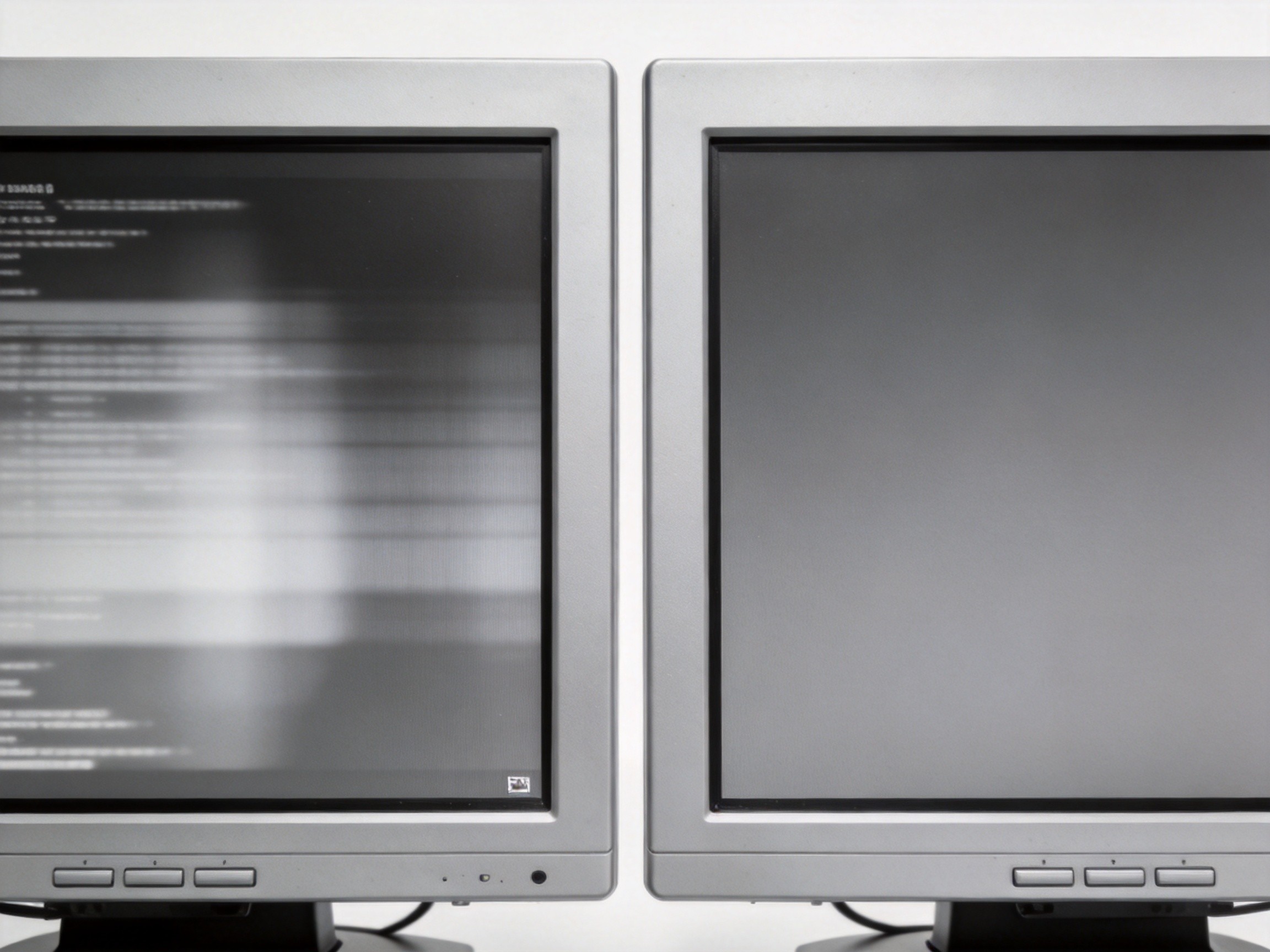
Not all image persistence is irreversible. Temporary persistence—often called “image sticking”—can be cleared by displaying a full-white or full-black screen for several hours, allowing accumulated ionic charge to dissipate. Some industrial panel PC manufacturers, including KOXIAN, implement a scheduled pixel-exercise routine: during a maintenance window, the screen cycles through full-field white, black, and gray patterns at 30-second intervals for 10 to 15 minutes, restoring mild to moderate image sticking to near-original uniformity. However, permanent burn-in occurs when the accumulated ionic charge chemically alters the polyimide alignment layer, which governs the resting orientation of the LC molecules. Once chemically modified, the affected pixels can no longer return to their original optical state. The transition is typically irreversible after approximately 8,000 to 12,000 cumulative hours of static operation—roughly 12 to 16 months for a panel running 24/7.
Design-Level Mitigation: Pixel Shifting, Content Rotation, and Temporal Dithering
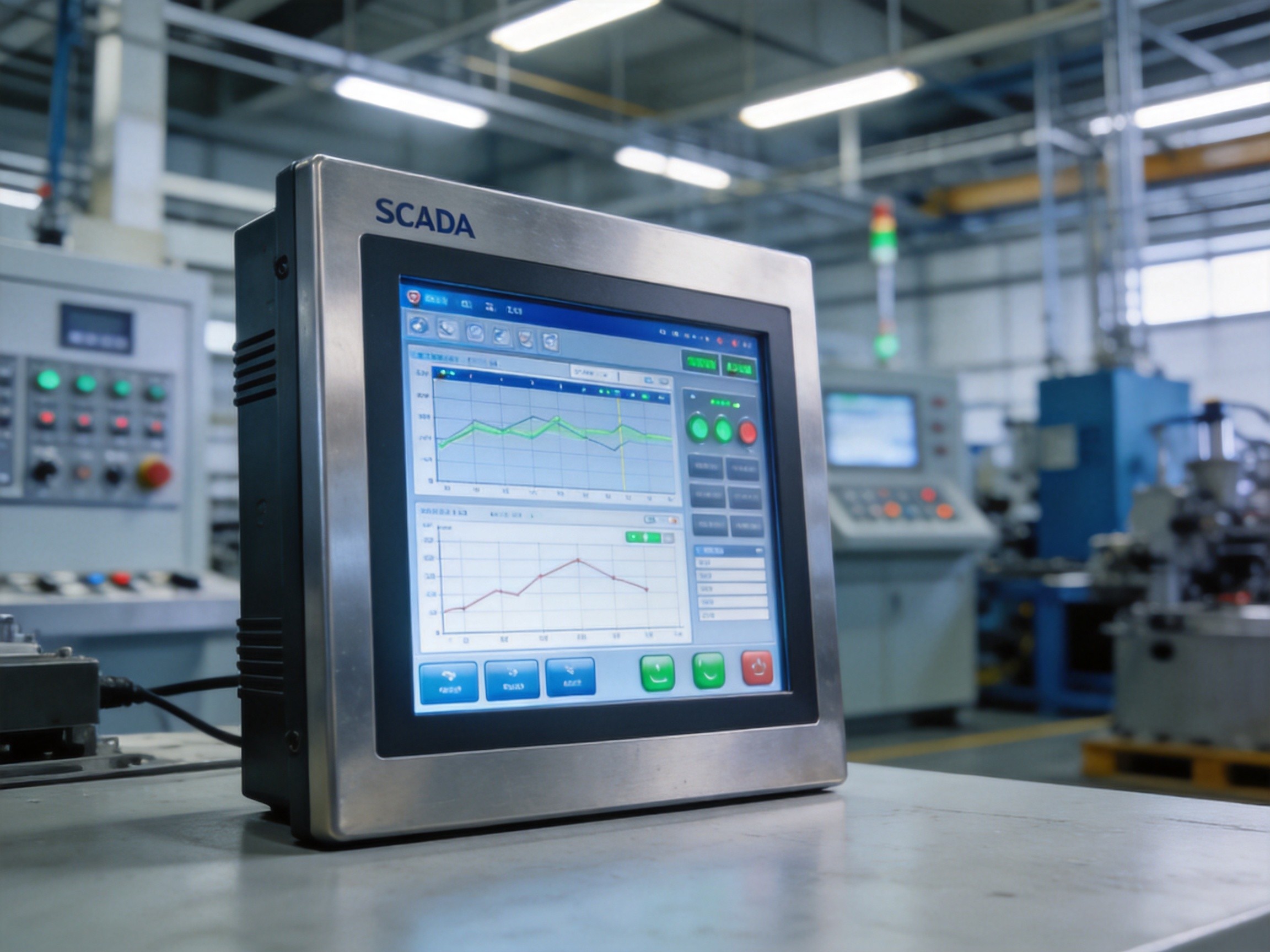
Effective mitigation begins at the application design level. A blank screen saver is unacceptable in a SCADA environment because operators need continuous visibility. The solution is a “soft screen saver” that subtly shifts the entire display by one to three pixels in a random direction every five to ten minutes. This prevents any single pixel from remaining at a fixed voltage indefinitely. The cumulative shift after 24 hours is typically less than 50 pixels, imperceptible to operators but sufficient to break static charge accumulation. A second technique is dynamic content rotation: critical elements such as alarm banners and navigation bars can alternate between two positions on a schedule. A third approach is temporal dithering of static gray backgrounds—rapidly alternating between two adjacent gray levels above the flicker fusion threshold—which averages the effective DC bias across the liquid crystal layer. These techniques add negligible overhead and can be implemented entirely in the SCADA application software.
Panel Selection for 24/7 Applications: Wide-Temperature LC Materials and Industrial Backlights
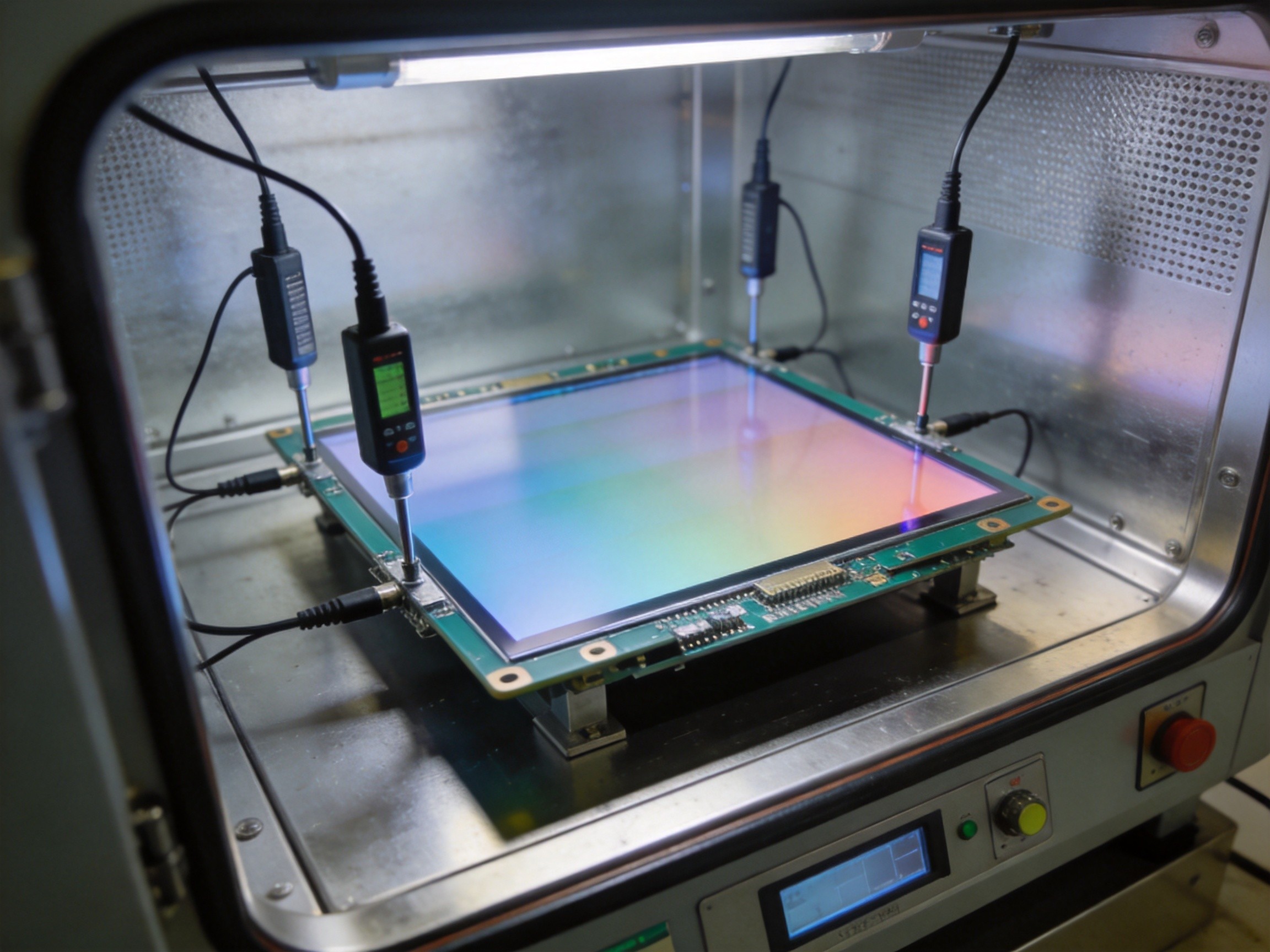
Not all TFT-LCD panels are equal for 24/7 operation. Standard commercial panels use LC formulations optimized for consumer products with four to eight hours of daily usage. Industrial-grade panels use wide-temperature LC materials with higher resistivity and lower ionic contamination, specified for -30°C to +85°C, reducing ionic impurity mobility and extending the time to visible persistence by a factor of three to five. Consumer LED backlights are rated for 30,000 to 50,000 hours to half-brightness, while industrial-grade backlights are rated for 70,000 to 100,000 hours. The combination of wide-temperature LC and long-life LED backlight, as found in KOXIAN industrial panel PCs, extends useful display life in 24/7 static-content applications from approximately 12 months to 36 to 48 months. For system integrators specifying displays for continuous-operation environments, the panel specification sheet should be the first document reviewed—not the last.
Image persistence in industrial TFT-LCD panels is a predictable, physics-based degradation mechanism, not a random failure. The rate is driven by three controllable factors: LC material purity, operating temperature, and static display duration. By selecting industrial-grade panels with wide-temperature LC formulations, implementing pixel-shifting and content rotation at the application level, and scheduling periodic pixel-exercise routines, system integrators can extend the useful life of a continuously operated display by a factor of three or more. In a facility where replacing a single panel PC involves a maintenance window measured in hours, that extension is not a convenience—it is an operational necessity.