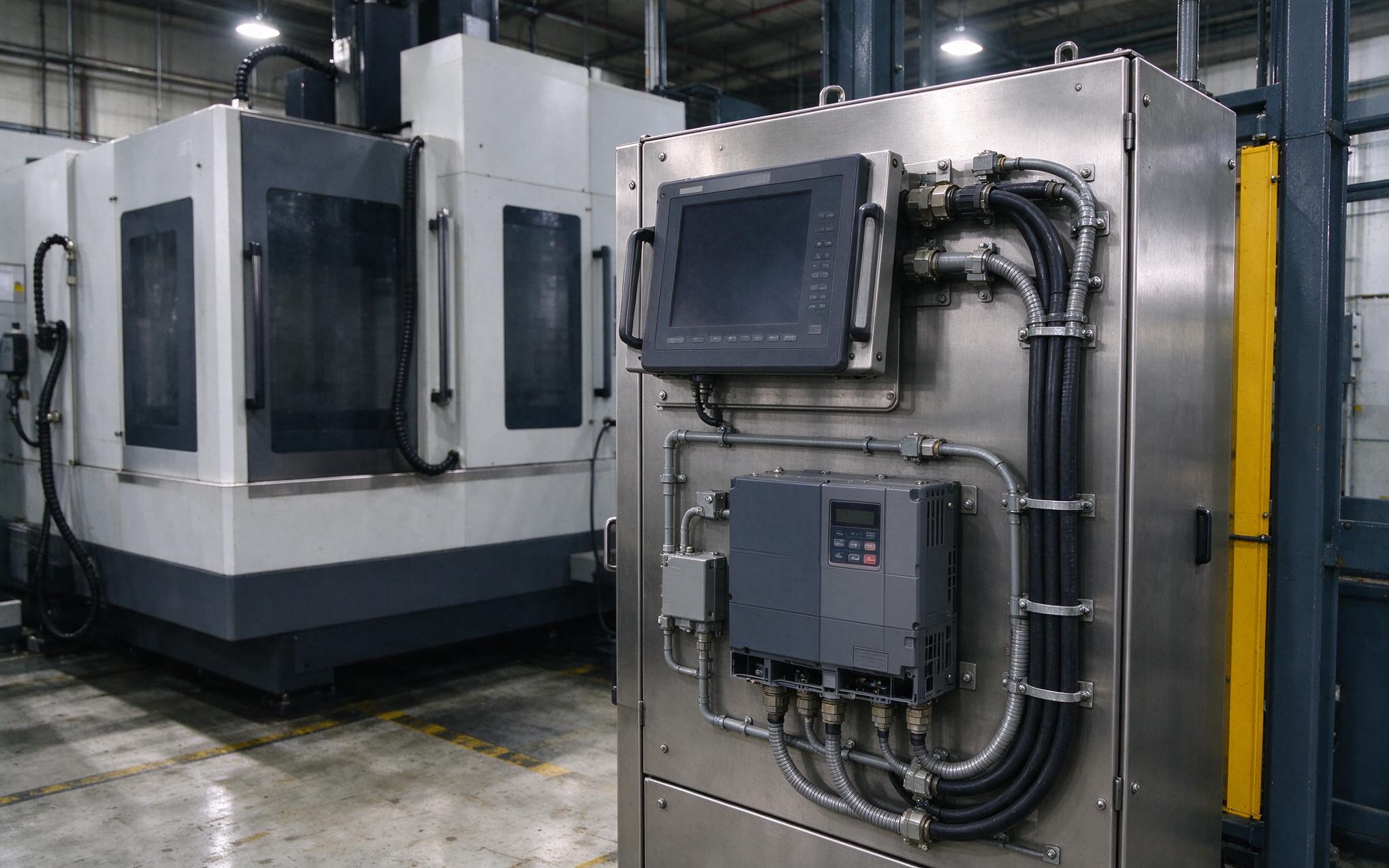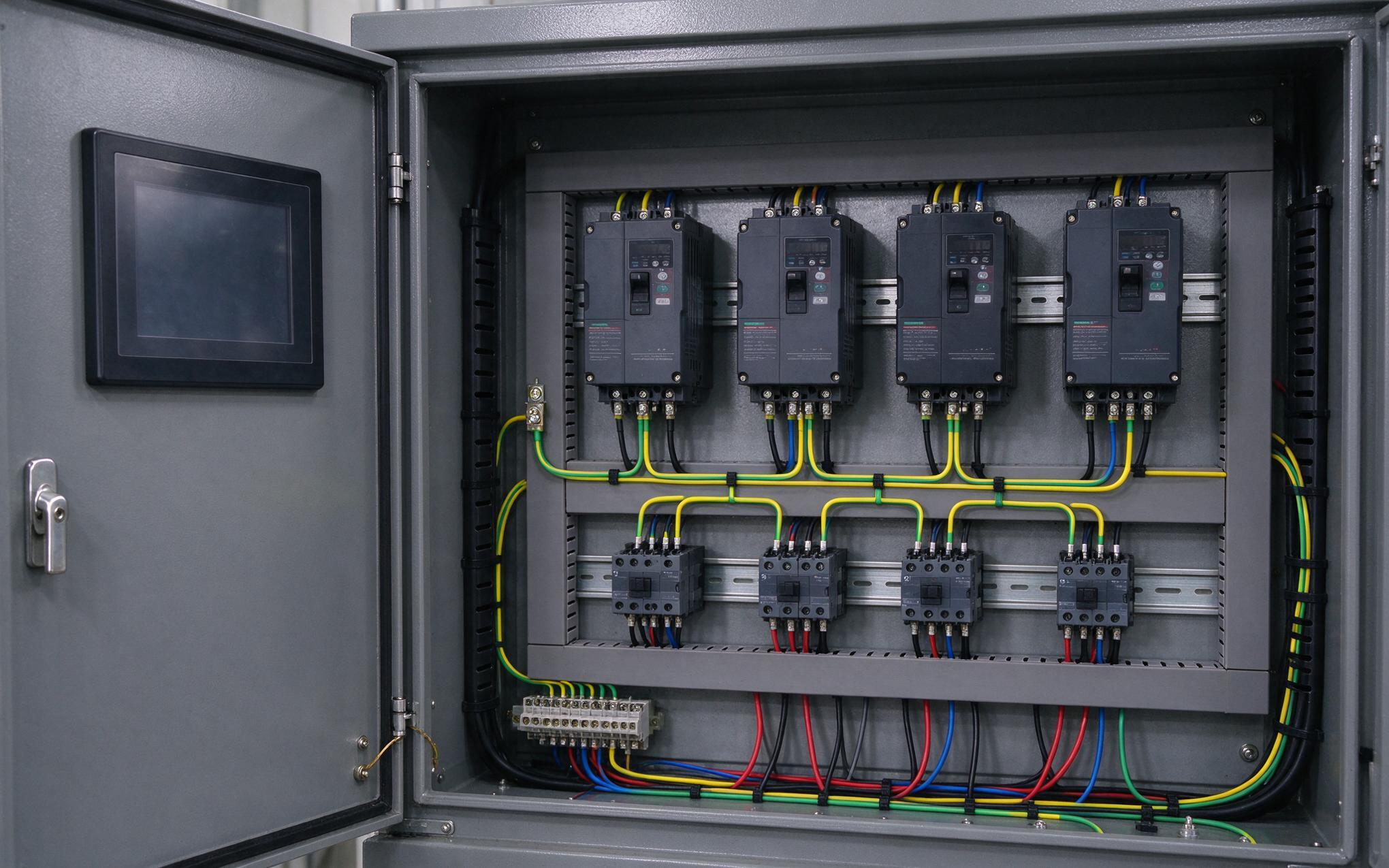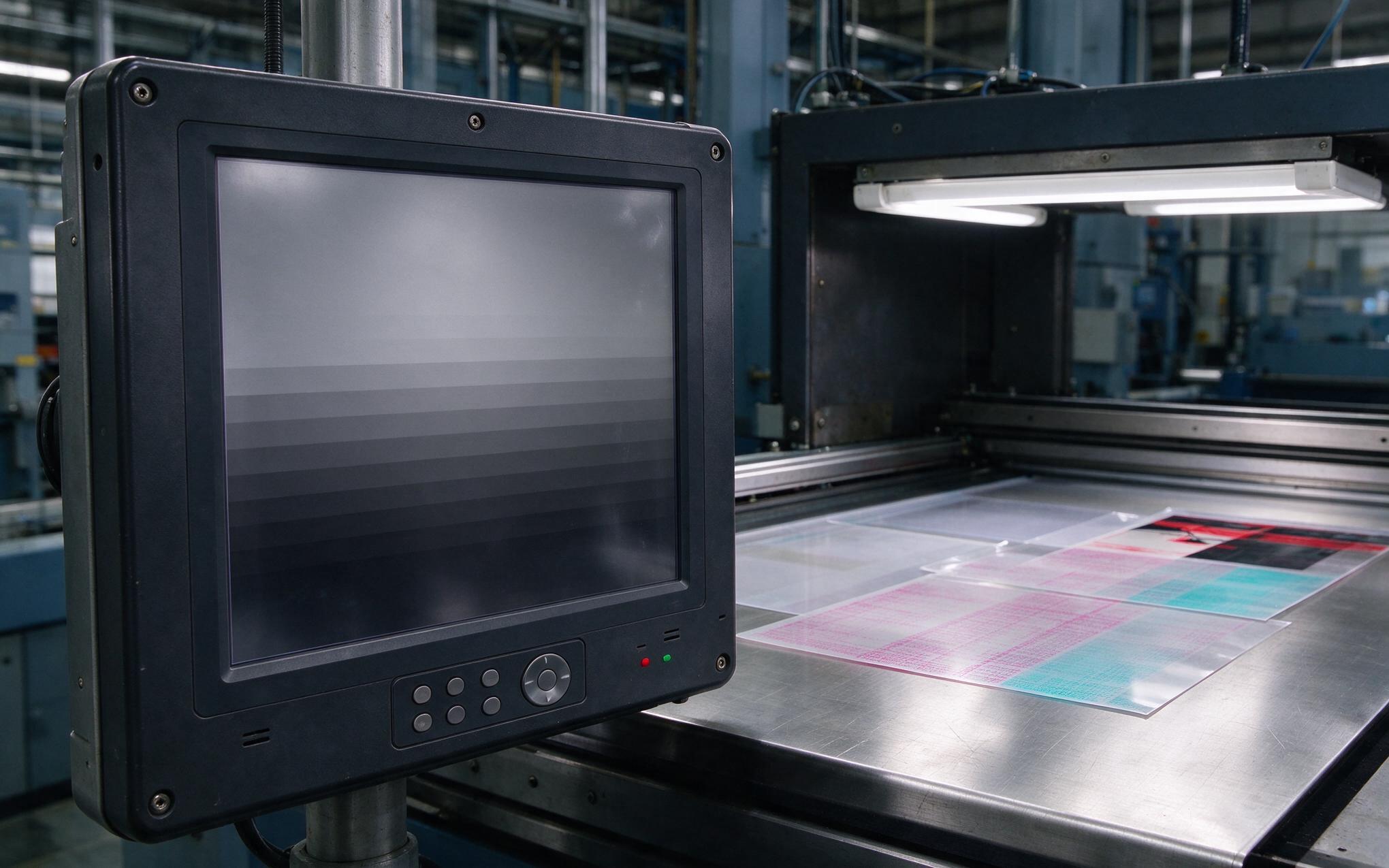
Waste-to-energy and biomass combustion facilities occupy a unique niche in the global energy landscape. They solve two problems simultaneously: reducing landfill volume and generating dispatchable electricity without the intermittency challenges of solar or wind. The International Energy Agency projects that bioenergy capacity will expand by over forty percent by 2030 as nations pursue circular economy targets. But running a combustion plant at peak efficiency while staying within tightening emissions regulations is a formidable control challenge. Industrial panel PCs deployed at the combustion control layer are becoming the computational backbone that makes this possible—delivering the real-time processing power needed to optimize burn parameters, monitor stack emissions, and maintain regulatory compliance.
Combustion Dynamics Require Millisecond-Level Response
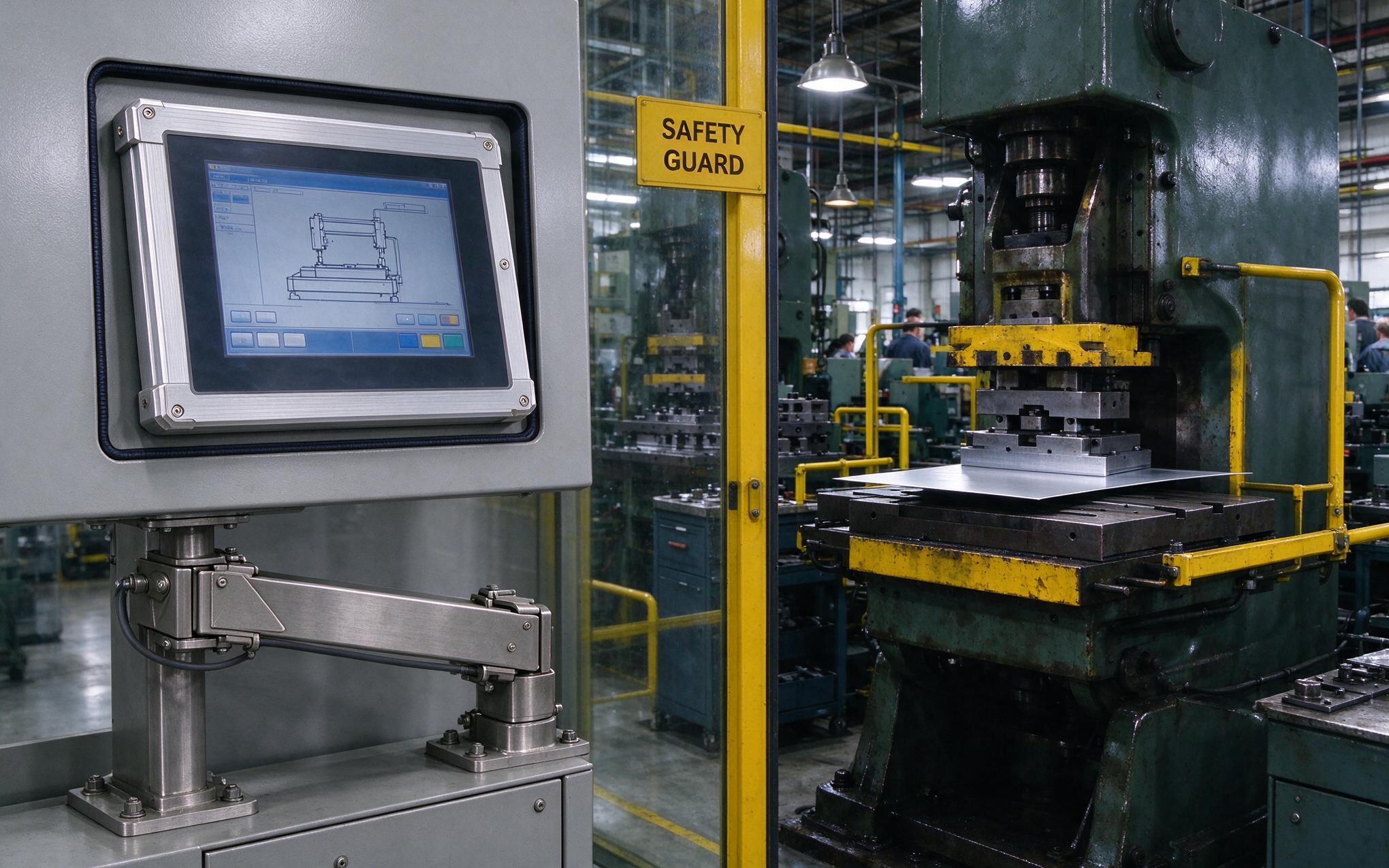
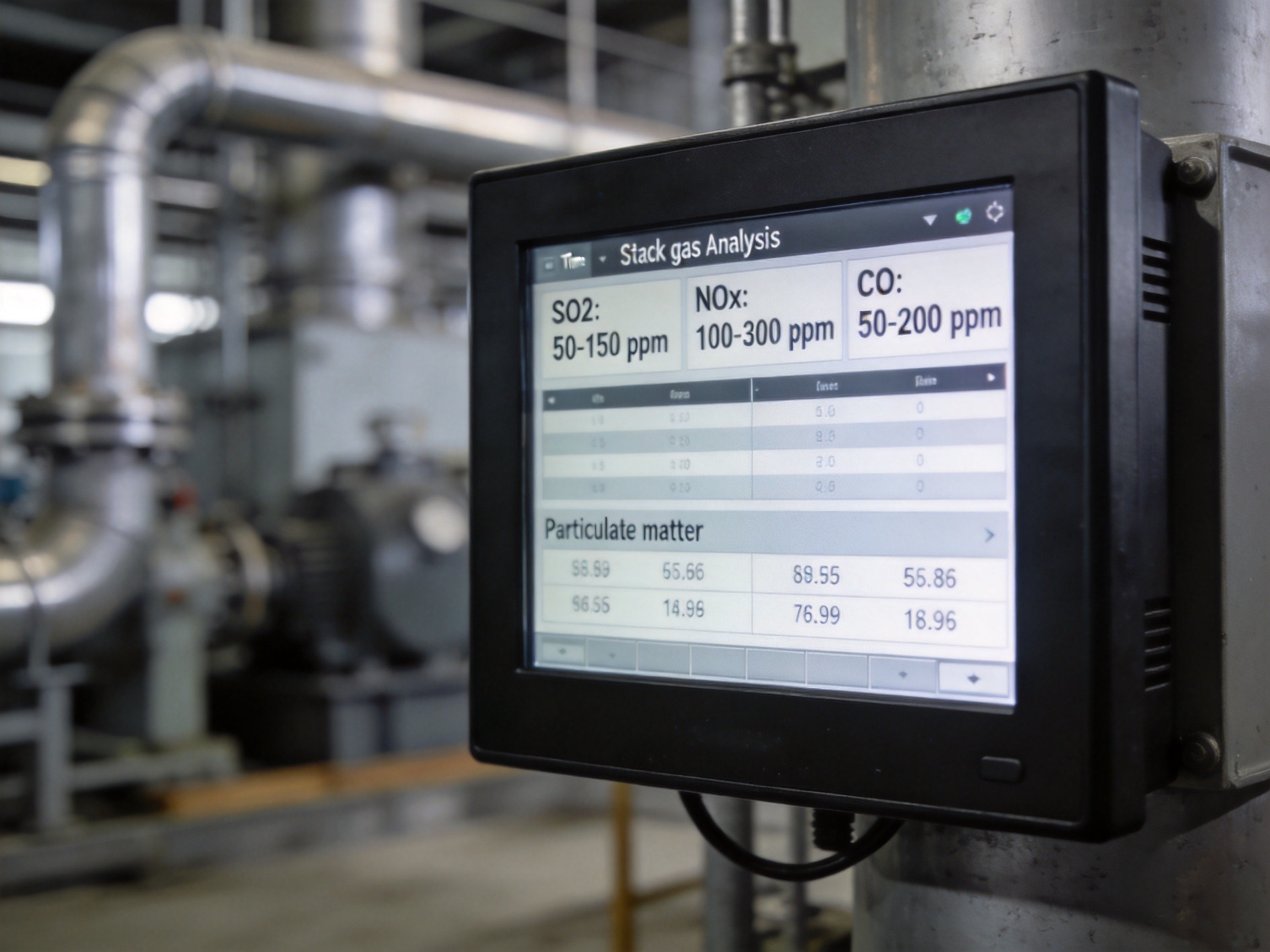
The combustion chamber of a waste-to-energy plant is inherently unstable compared to fossil fuel burners. Municipal solid waste varies dramatically in composition, moisture content, and calorific value from hour to hour—sometimes from minute to minute. When a wet batch of organic material hits the grate, oxygen demand spikes and temperatures can dip below the minimum threshold required for complete combustion. The panel PC managing the combustion control loop must read oxygen sensors, adjust air supply dampers, and modulate grate speed within milliseconds of detecting a deviation. These are not workloads that can tolerate cloud round-trip latency. The edge compute hardware running the combustion optimization algorithms must be co-located with the process, hardened against the heat and vibration of the boiler house environment.
Continuous Emissions Monitoring and Regulatory Compliance
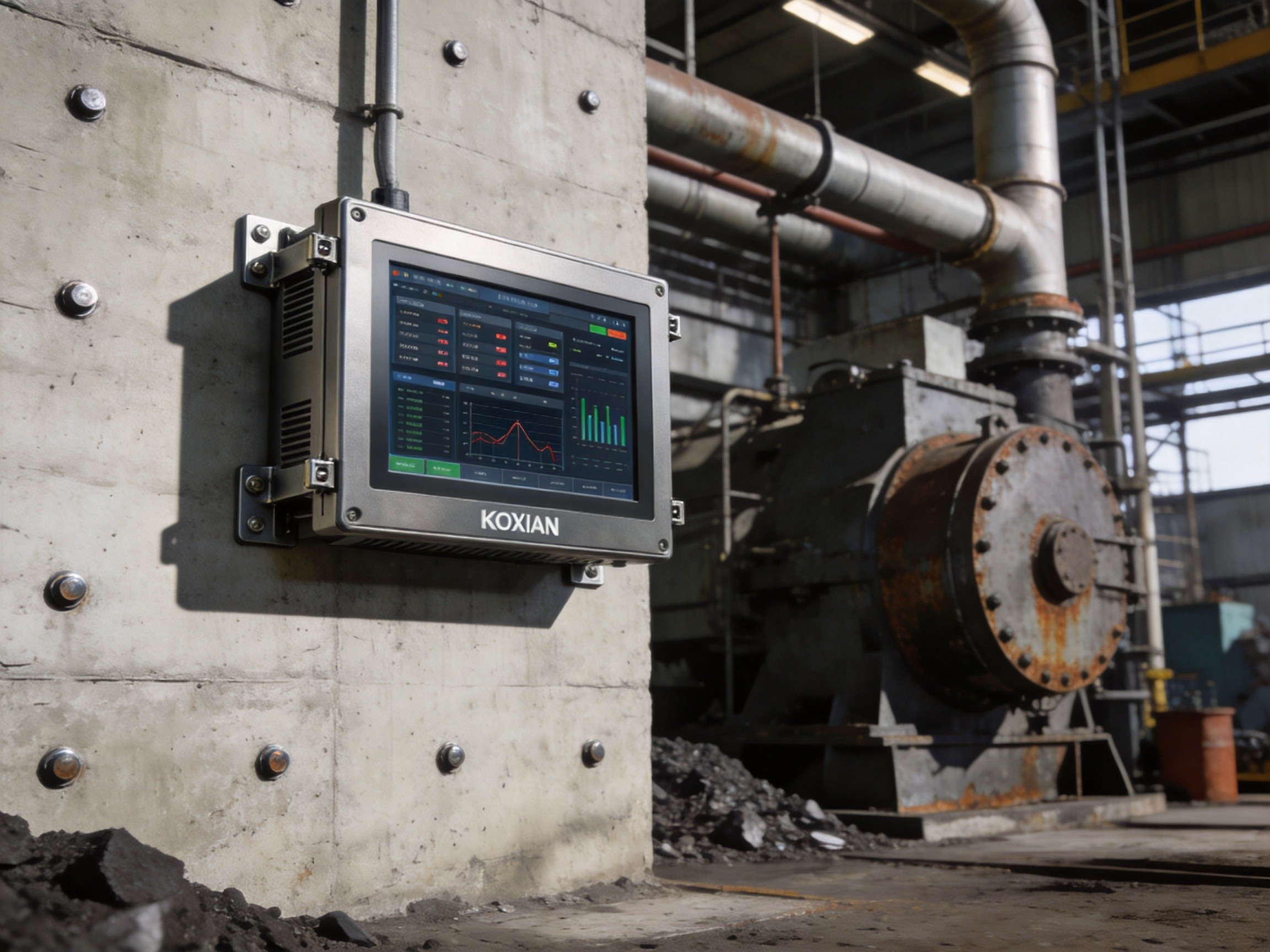
Emissions compliance is not a periodic checkpoint exercise in modern combustion plants—it is a continuous obligation. Regulators in the European Union and North America require real-time reporting of sulfur dioxide, nitrogen oxides, carbon monoxide, and particulate matter concentrations. Panel PCs serving as the local data aggregation hub connect directly to continuous emissions monitoring systems and run the calculations that determine whether the plant is within its permitted limits. When a parameter begins trending toward an exceedance, the system can trigger automated countermeasures—adjusting ammonia injection rates for selective catalytic reduction or modifying air-to-fuel ratios—before the plant ever crosses a reportable threshold. This proactive approach to emissions management is rapidly becoming the standard for operators who face escalating non-compliance penalties.
Multi-Fuel Flexibility and Feedstock Variability
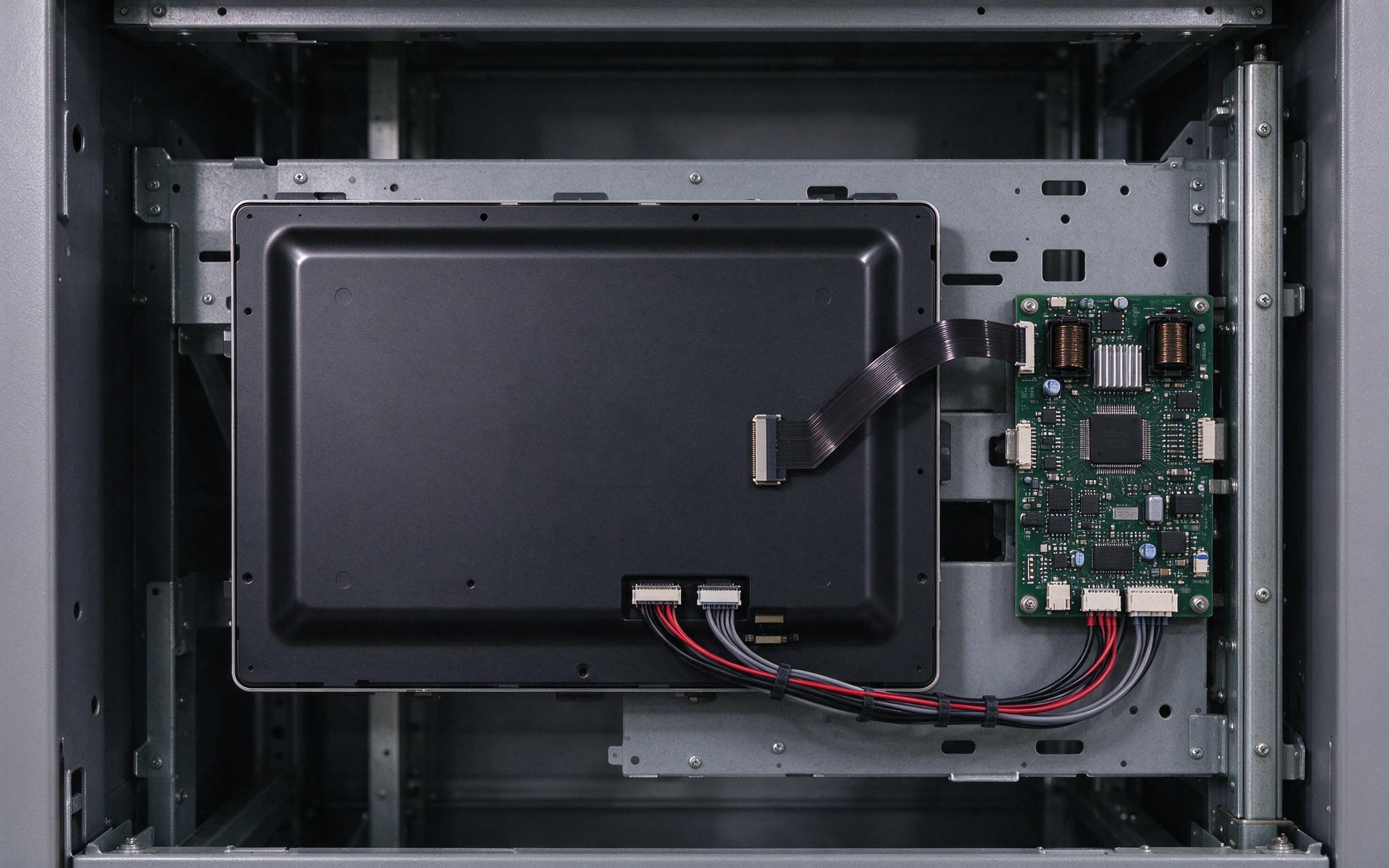
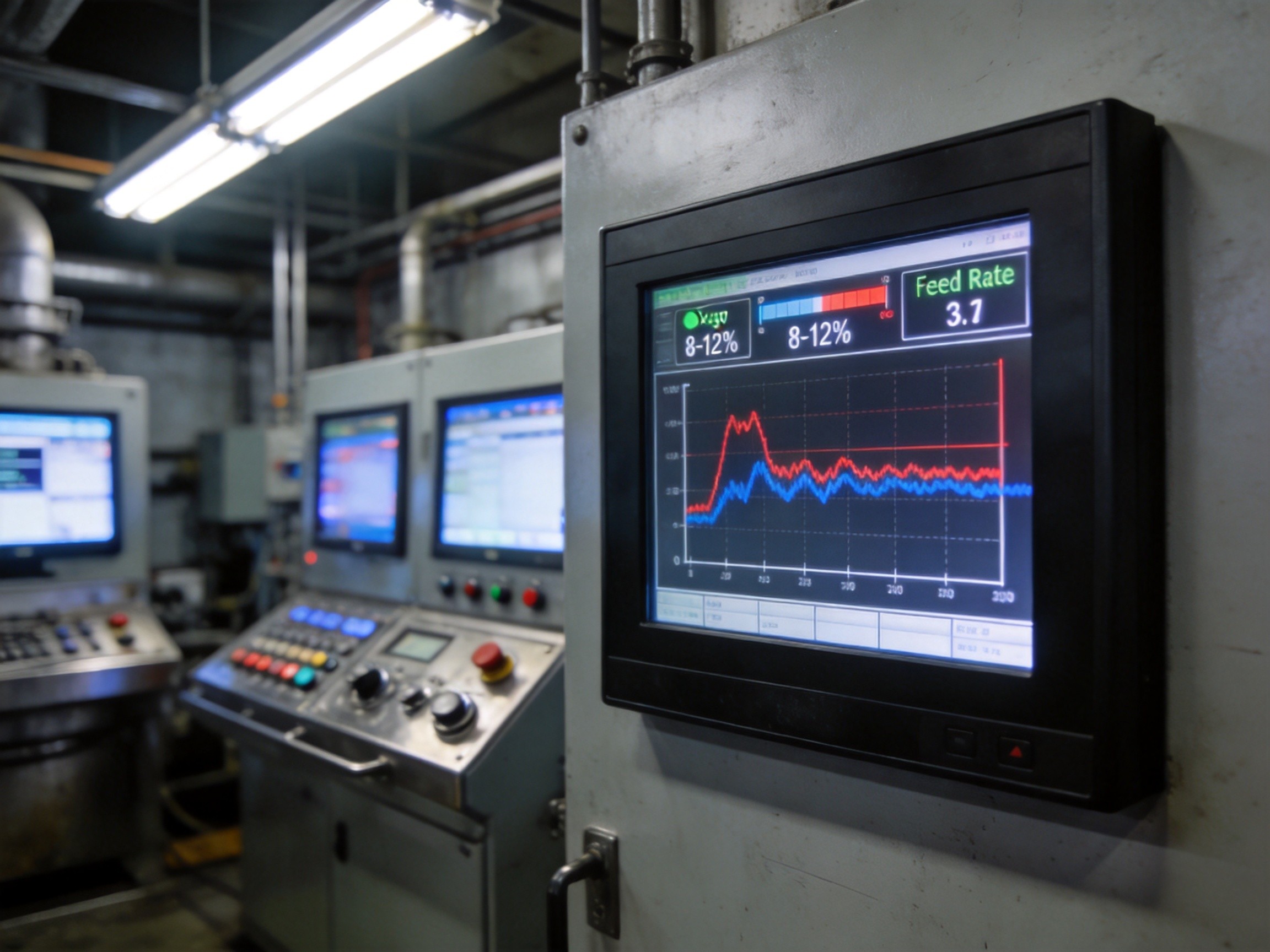
Many modern waste-to-energy plants are designed for multi-fuel flexibility, capable of combusting everything from wood chips and agricultural residue to processed refuse-derived fuel. Each feedstock type demands a different combustion strategy. The panel PC at the heart of the control architecture must maintain multiple fuel profiles and switch between them seamlessly as the feedstock blend changes. This requires sufficient onboard storage to hold characterization data for each fuel type, plus the processing capability to execute the corresponding combustion models in real time. KOXIAN panel PCs are purpose-built for this class of workload, with solid-state storage and fanless thermal designs that withstand the ambient conditions of a working boiler house—where temperatures routinely exceed forty degrees Celsius and airborne particulate is a constant presence.
Predictive Maintenance for Combustion Assets
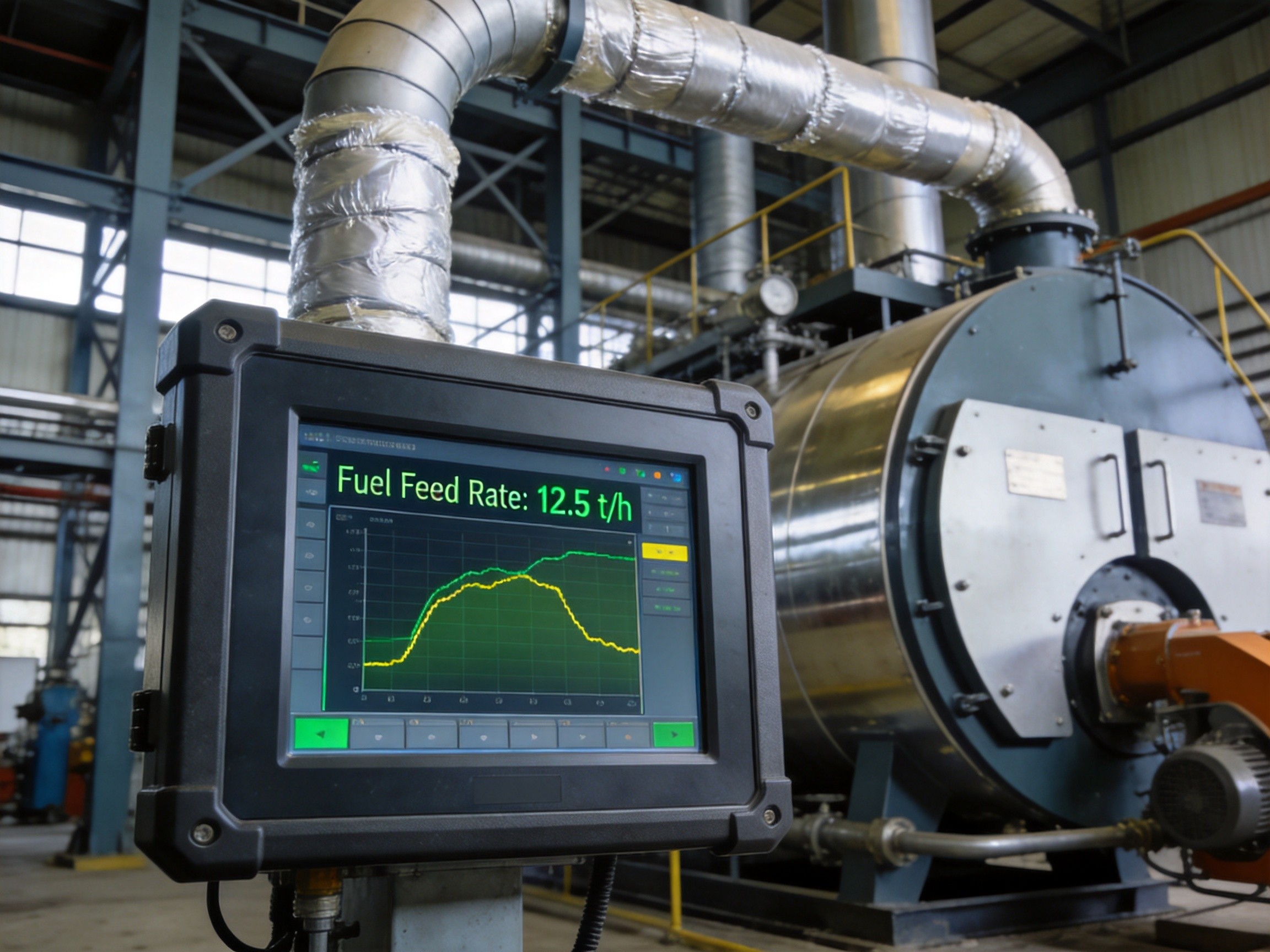
Beyond real-time control, the panel PC layer in a combustion plant increasingly handles predictive analytics. By continuously monitoring vibration signatures from induced draft fans, thermal patterns across the grate, and pressure differentials across baghouse filters, the edge compute system builds a running health profile of every major combustion asset. KOXIAN panel PCs process these data streams locally, running anomaly detection algorithms that flag deteriorating components weeks before they would trigger a fault alarm. For plant operators, this translates directly into avoided unplanned downtime—each hour of which can cost tens of thousands of dollars in lost energy revenue and tipping fees. The combination of combustion control, emissions monitoring, and predictive maintenance on a single ruggedized edge platform represents the operational model that forward-thinking waste-to-energy operators are adopting industry-wide.
Waste-to-energy and biomass combustion plants are not going away. If anything, their role in the energy mix will grow as landfills reach capacity and circular economy mandates tighten. The plants that thrive under these conditions will be those that have invested in the edge computing infrastructure to run tighter combustion loops, cleaner stacks, and smarter maintenance schedules. Industrial panel PCs engineered for the thermal, particulate, and vibration challenges of the boiler house environment are the quiet workhorses making that operational excellence achievable.