The digital twin has evolved from a conceptual buzzword into a production-floor reality. Manufacturers across discrete and process industries are investing heavily in virtual replicas of their production environments, with the global digital twin market projected to exceed $49 billion in 2026 according to Mordor Intelligence. Yet a persistent gap remains between the pristine simulation models running in the cloud and the messy, unpredictable reality of a live production line. Panel PCs deployed at the machine edge are emerging as the critical bridge—translating real-time sensor data into actionable twin updates while executing local control decisions that keep operations running. This article examines how edge computing hardware closes the fidelity gap between virtual models and physical production.
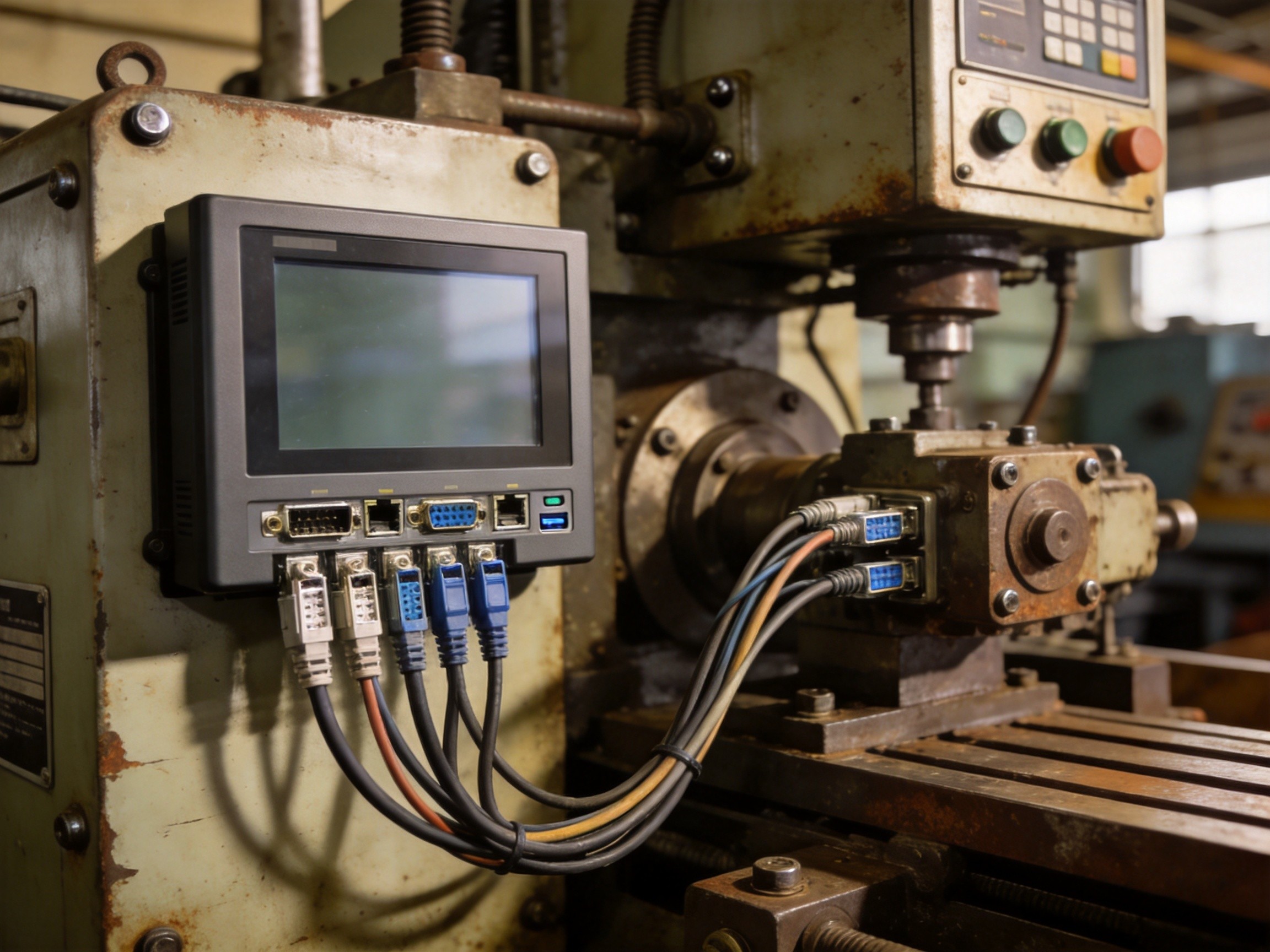
The Latency Barrier in Twin Synchronization
For a digital twin to deliver operational value—not just dashboard aesthetics—the latency between a physical event and its virtual representation must be measured in milliseconds. When a spindle bearing begins to overheat or a conveyor motor draws anomalous current, the twin needs that data immediately to trigger predictive alerts. Traditional architectures that route all sensor telemetry through centralized cloud gateways introduce unacceptable round-trip delays. Edge-deployed panel PCs running lightweight synchronization agents solve this by processing high-frequency data streams at the source, pushing only aggregated state changes and exception events to the cloud-hosted twin model. This tiered approach keeps bandwidth costs manageable while ensuring the twin reflects reality with near-zero lag.
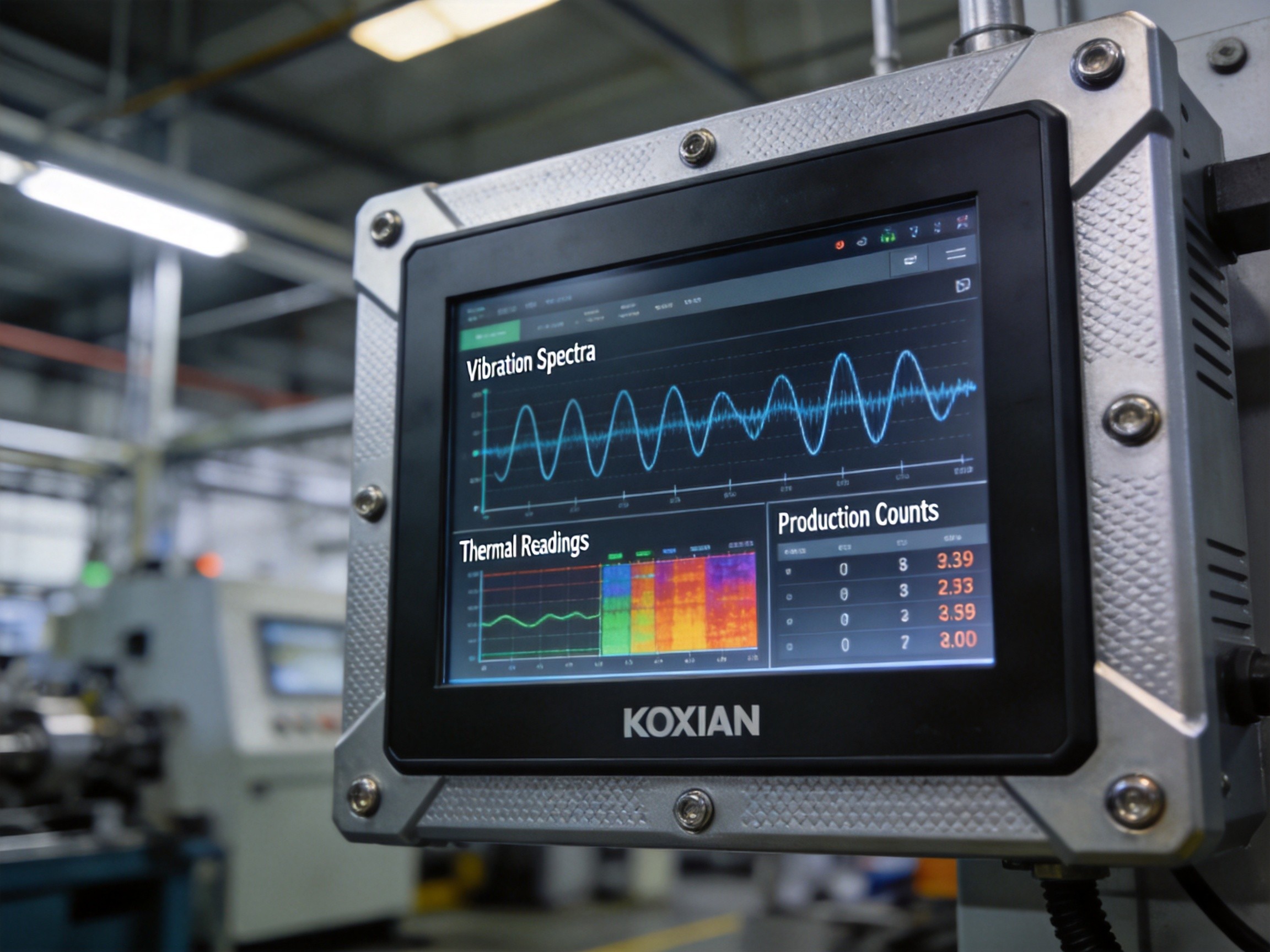
Bringing Brownfield Assets into the Digital Twin
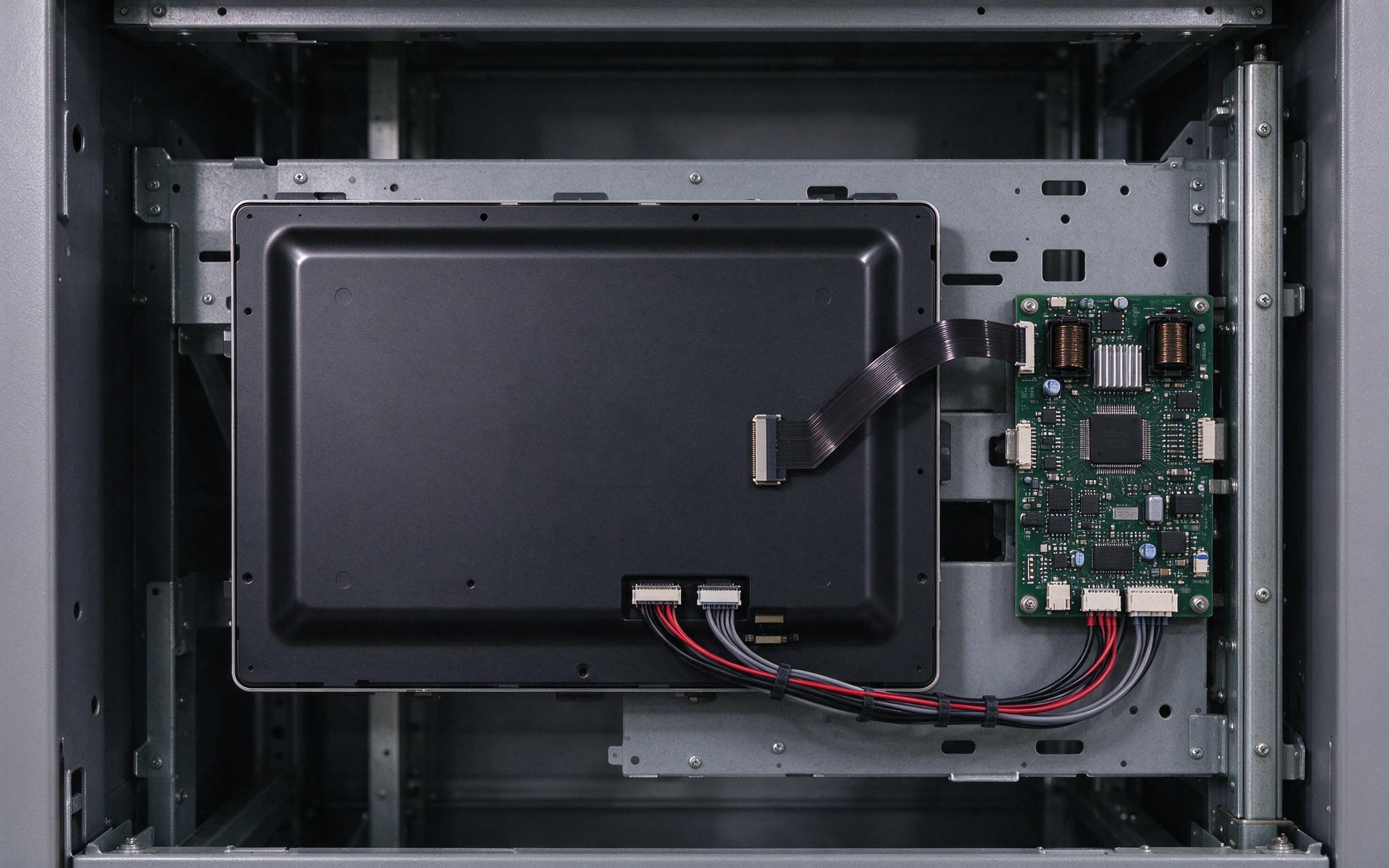
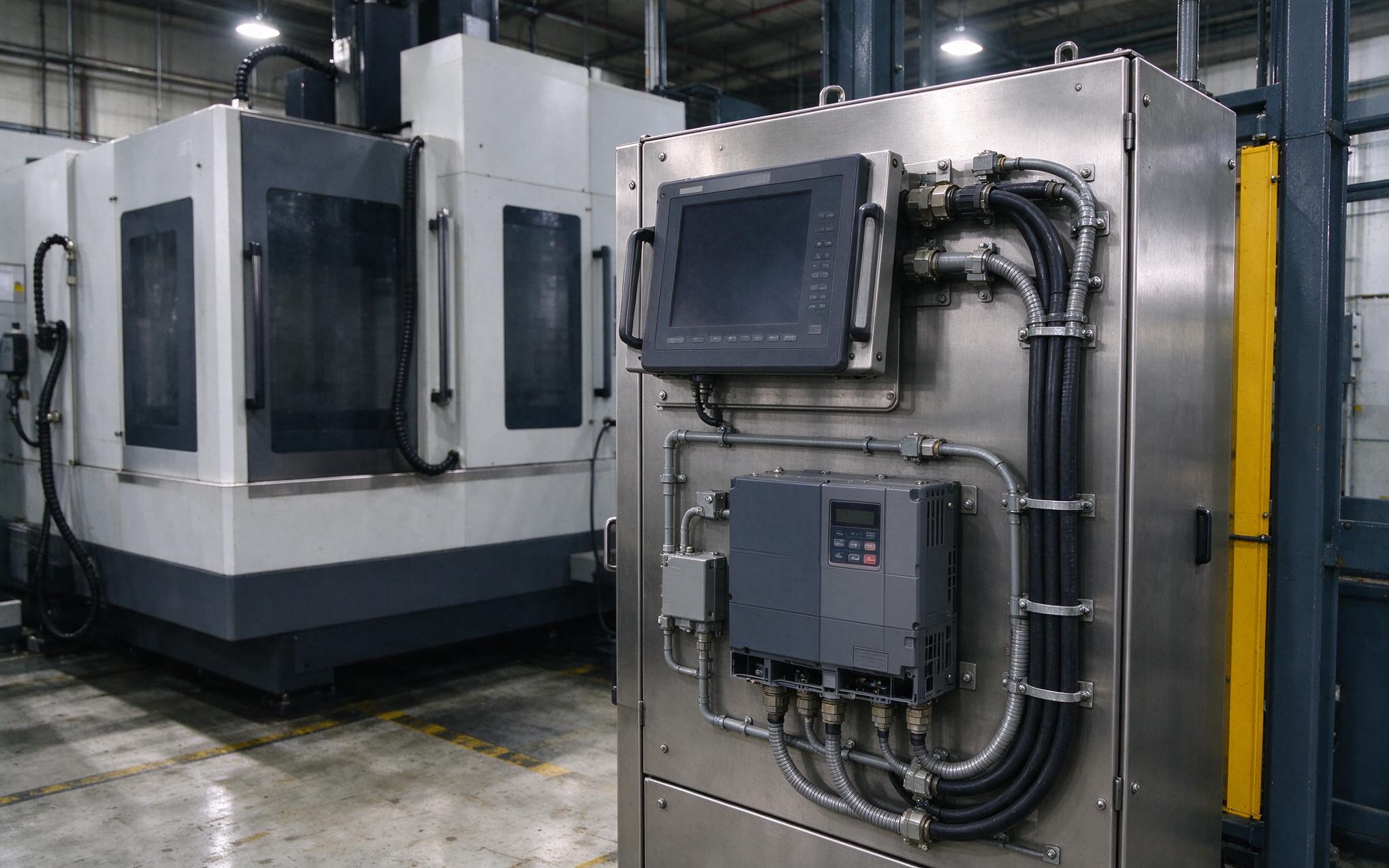
Most factories operate a heterogeneous mix of equipment spanning multiple decades. A 2026 survey by the World Economic Forum’s Global Lighthouse Network found that fewer than fifteen percent of production assets in the average plant were natively twin-ready. Older machines lack the embedded intelligence to participate in digital twin ecosystems. Industrial panel PCs positioned at the machine interface layer solve this by normalizing diverse communication protocols and exposing legacy assets as standardized data streams. This approach brings brownfield equipment into the twin without costly mechanical retrofits or wholesale line replacement. The panel PC effectively becomes the digital voice of every machine it touches, translating proprietary signals into the open data formats that twin platforms consume.
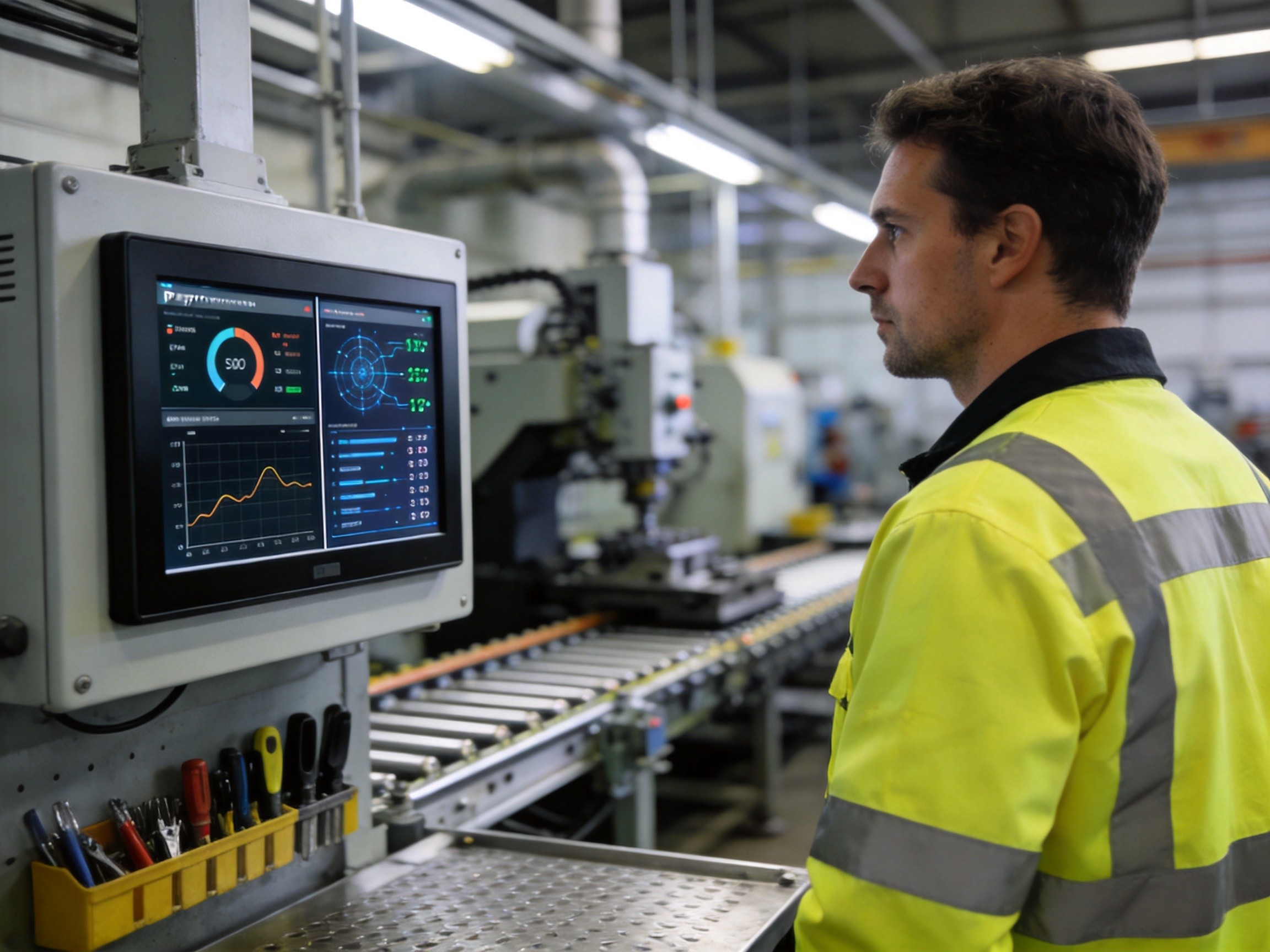
Operator-Facing Visualization at the Workstation
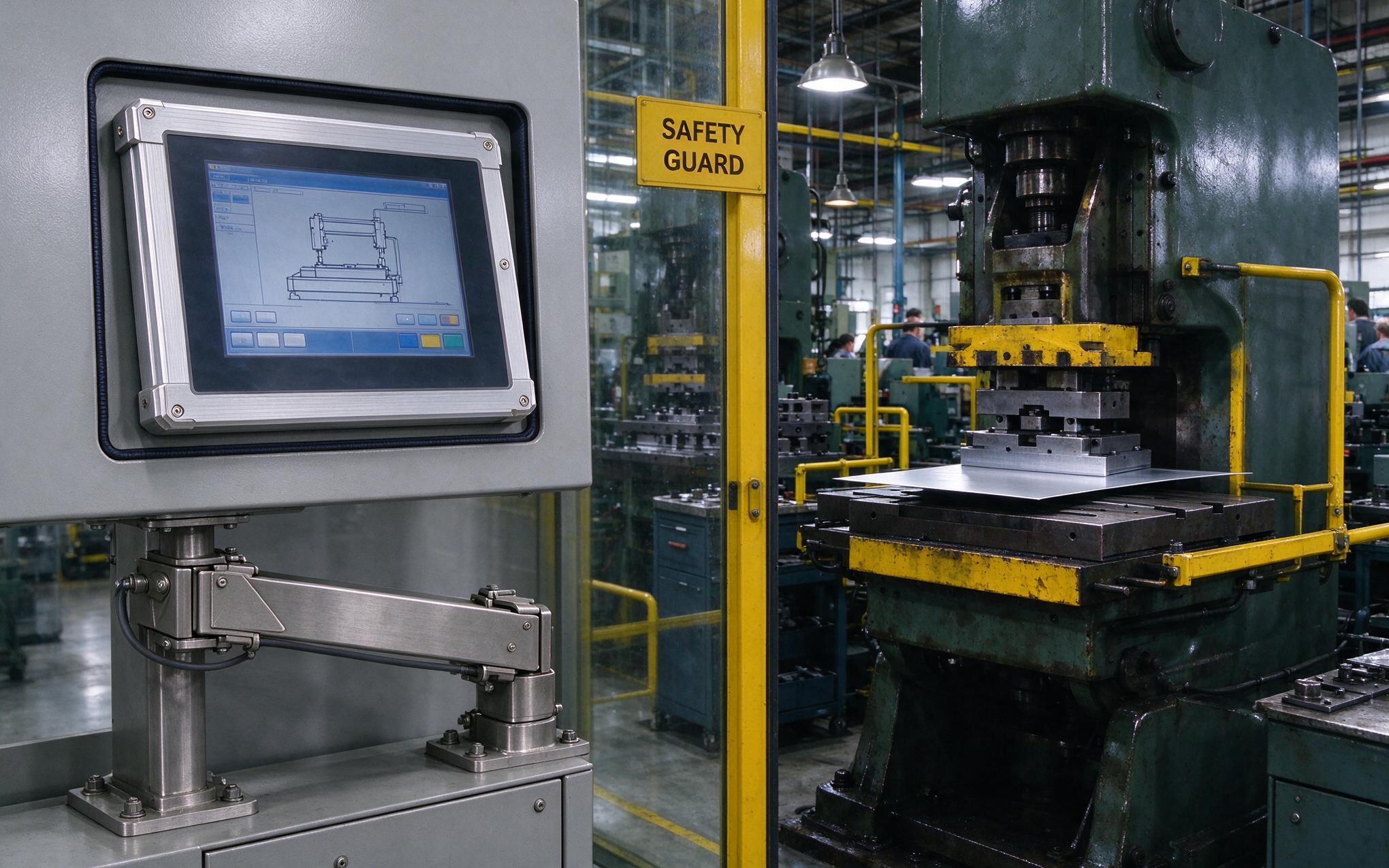
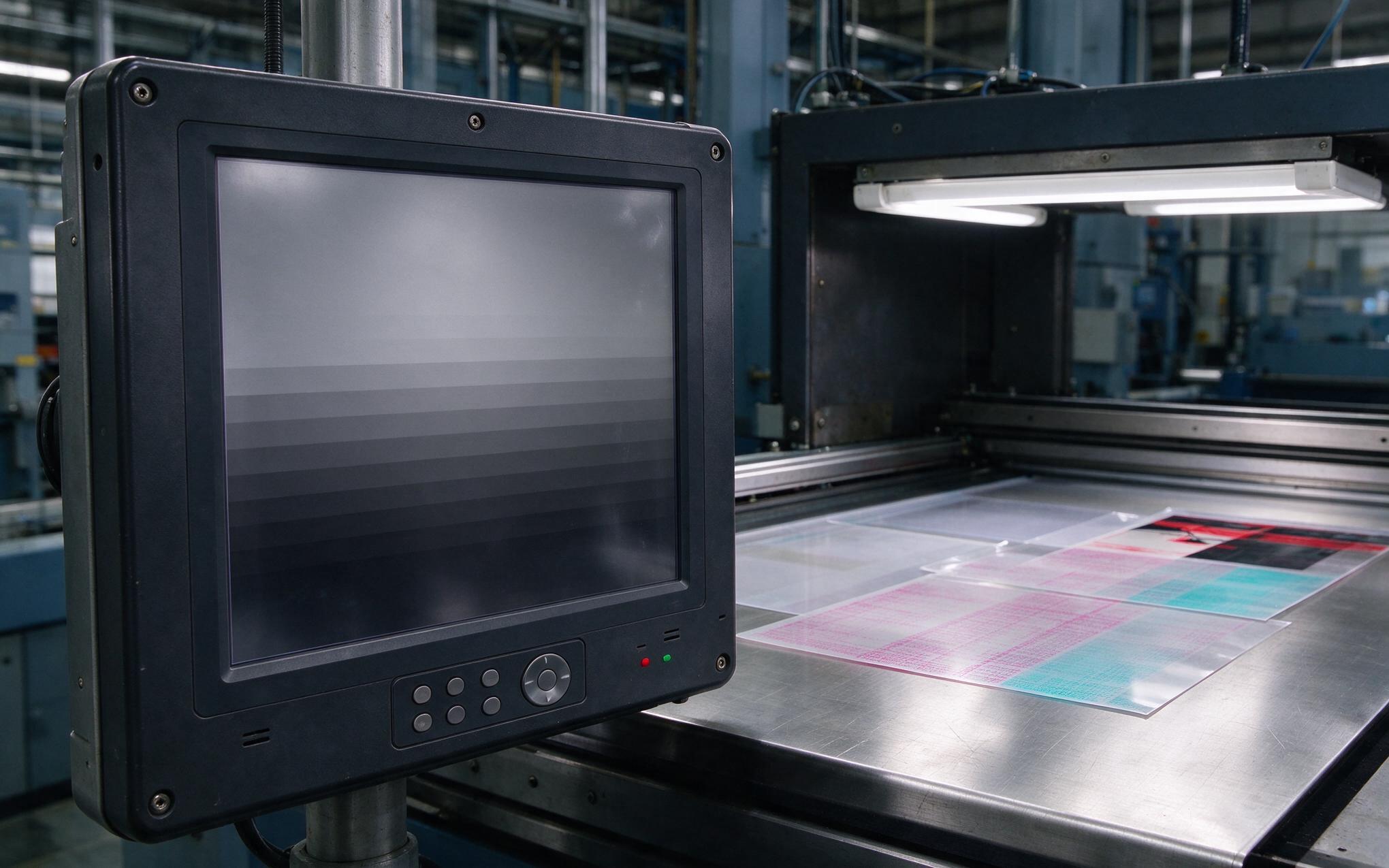
A digital twin is only as valuable as the decisions it enables on the factory floor. When a machine operator needs to compare live behavior against the twin’s predicted baseline, walking back to a distant control room erases the time advantage the twin was supposed to create. Panel PCs with high-brightness industrial-grade displays deliver side-by-side visualization of actual versus modeled performance directly at the point of work. Operators can see trend deviations, overlay thermal profiles, and verify that the physical process is tracking within the twin’s expected envelope—all without leaving their station. This immediate feedback loop is what transforms a digital twin from a planning tool into a real-time operational asset that reduces scrap, catches quality drift early, and shortens mean time to repair.
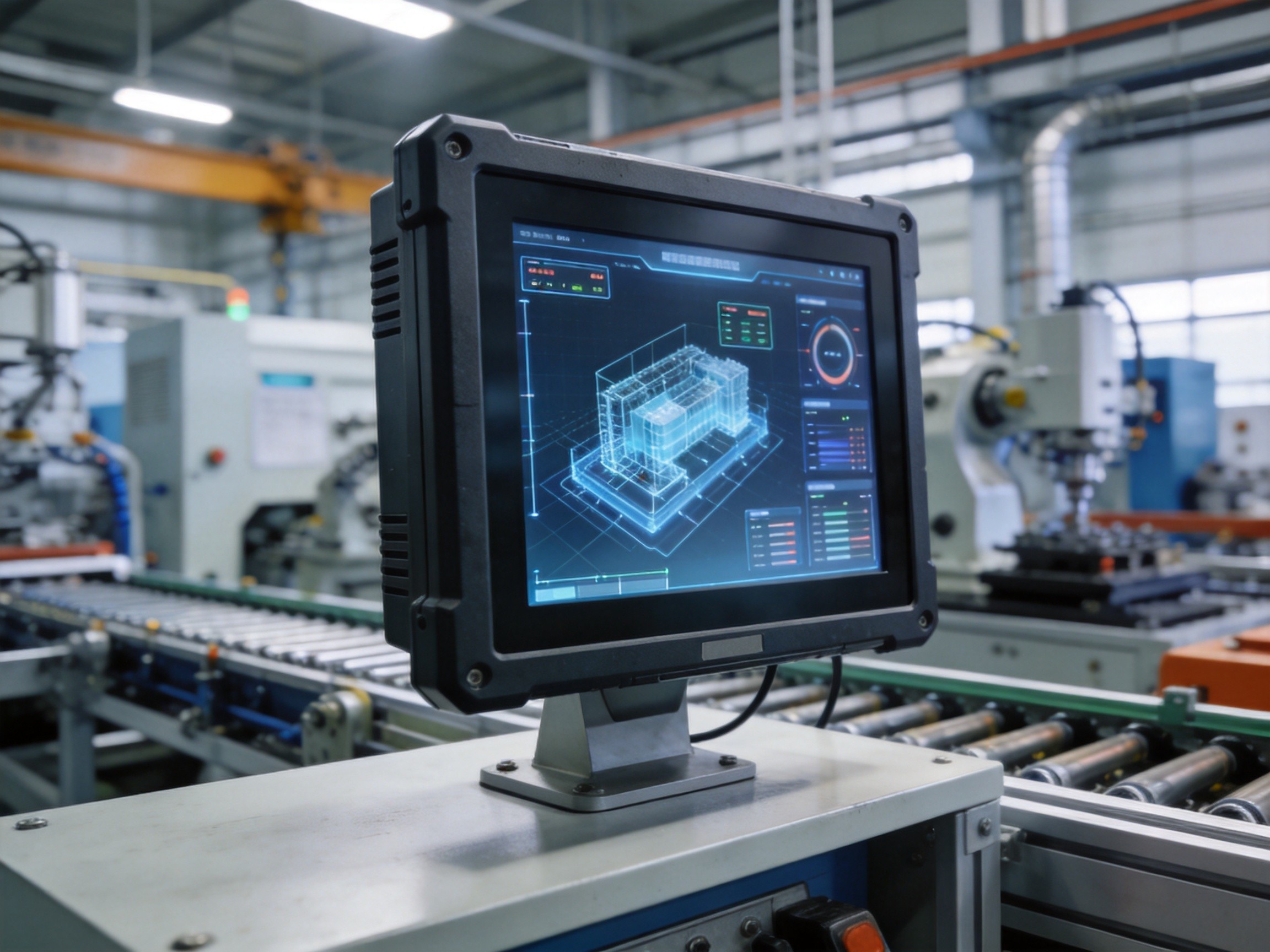
Hardware Architecture for Twin-Ready Edge Computing
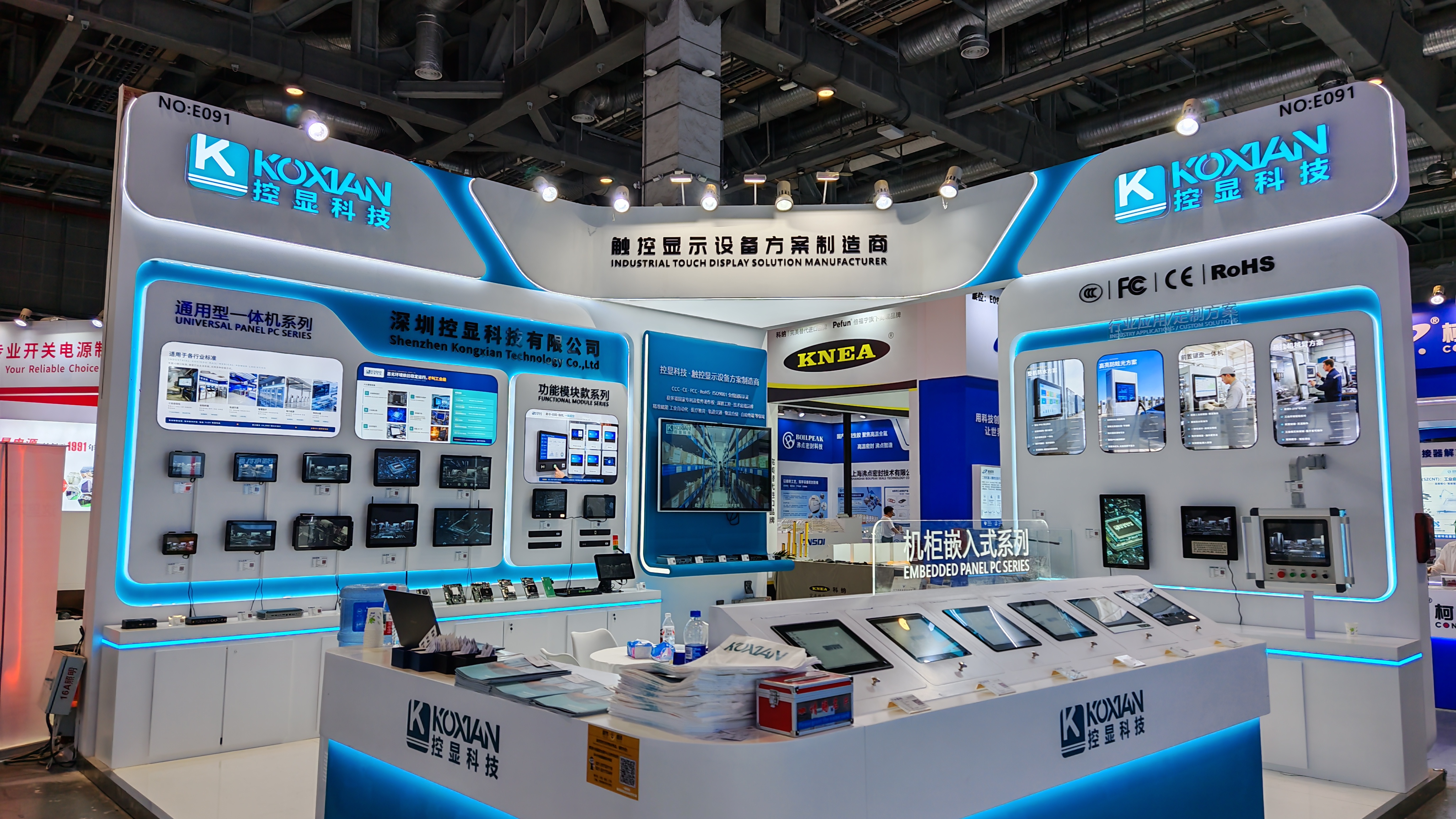
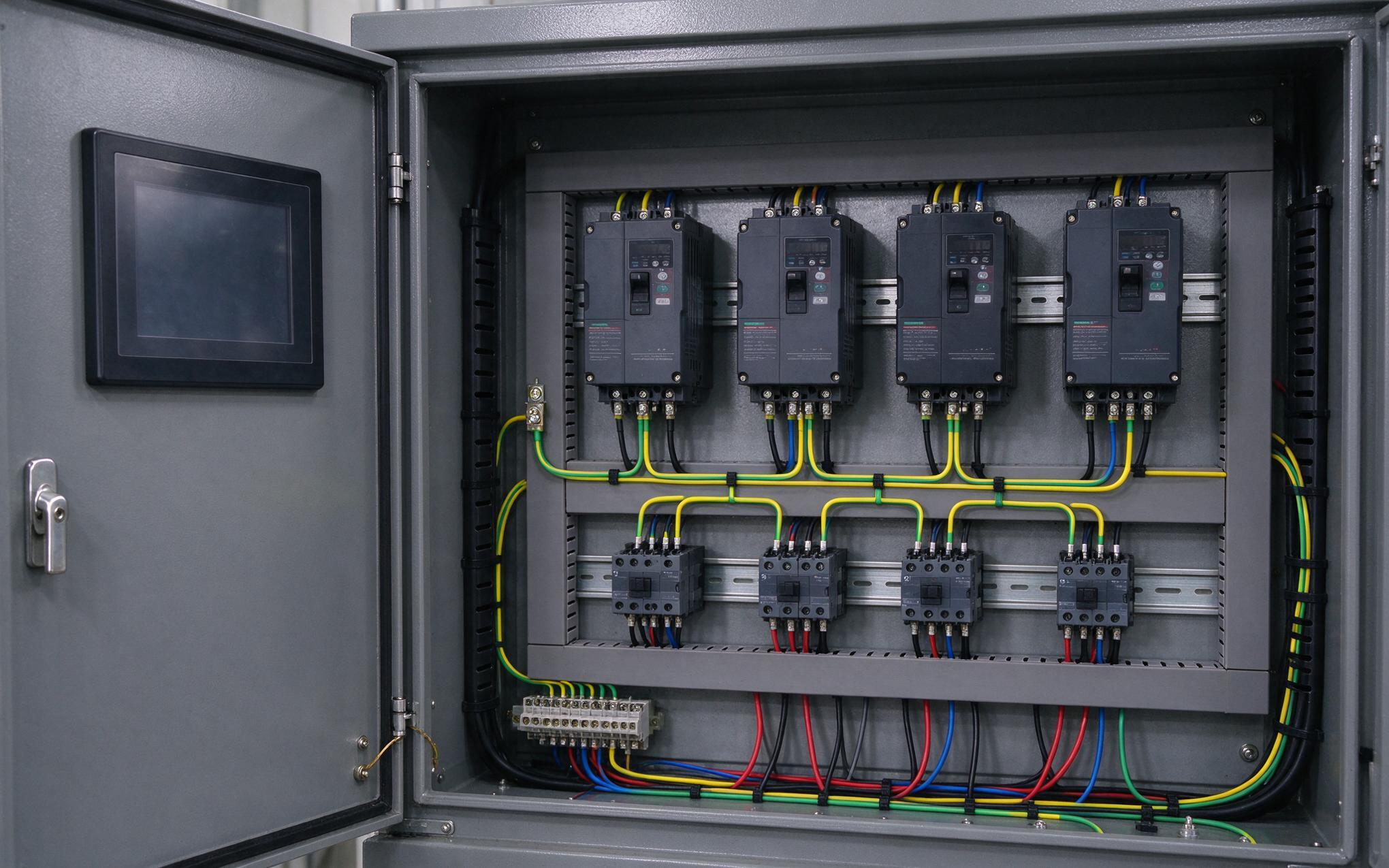
Not all edge computing hardware is built for the demands of real-time twin synchronization. The workload requires simultaneous ingestion of vibration spectra from accelerometers, thermal readings from infrared arrays, and production counts from optical sensors—all while maintaining a responsive local operator interface. KOXIAN panel PCs address this with multi-core processing architectures and physically isolated network interfaces that segregate sensor data acquisition from display rendering and upstream communication. For systems integrators designing twin-enabled production lines, deploying KOXIAN hardware at the edge eliminates the engineering complexity of stitching together fragmented data sources. The result is a validated compute layer that transforms raw machine signals into the structured, time-stamped data streams that high-fidelity digital twins require.
The factories that will define the next decade of manufacturing competitiveness are not necessarily those with the newest machines. They are the ones that can make their existing assets smarter through tight integration between physical and virtual worlds. Panel PCs at the edge—purpose-built for the environmental and computational demands of the factory floor—are the unsung enablers of this convergence. As digital twin technology transitions from pilot projects into full-line deployments across automotive, pharmaceutical, and consumer packaged goods sectors, the quality and reliability of edge compute hardware will increasingly determine how faithfully the virtual model mirrors the real thing.