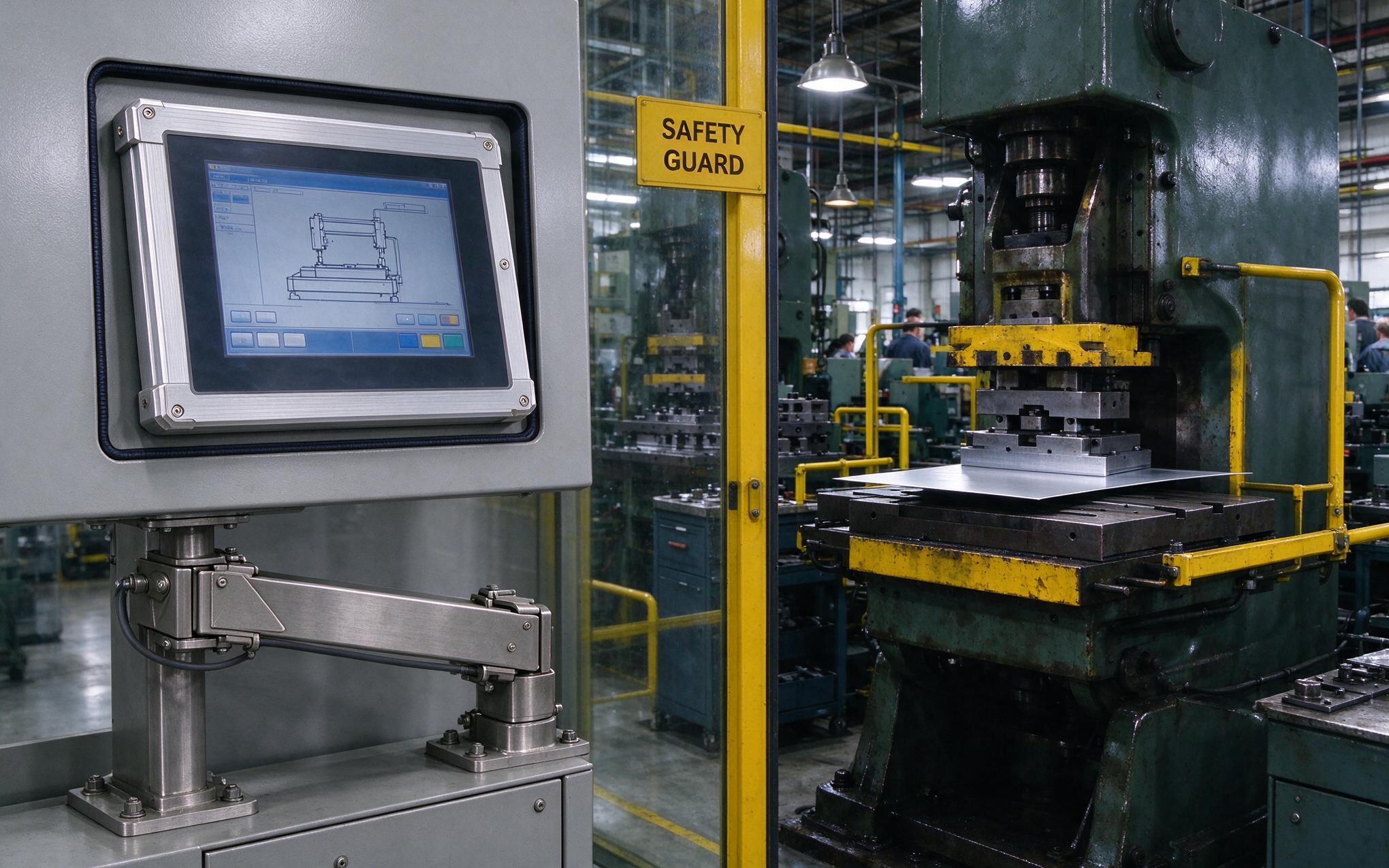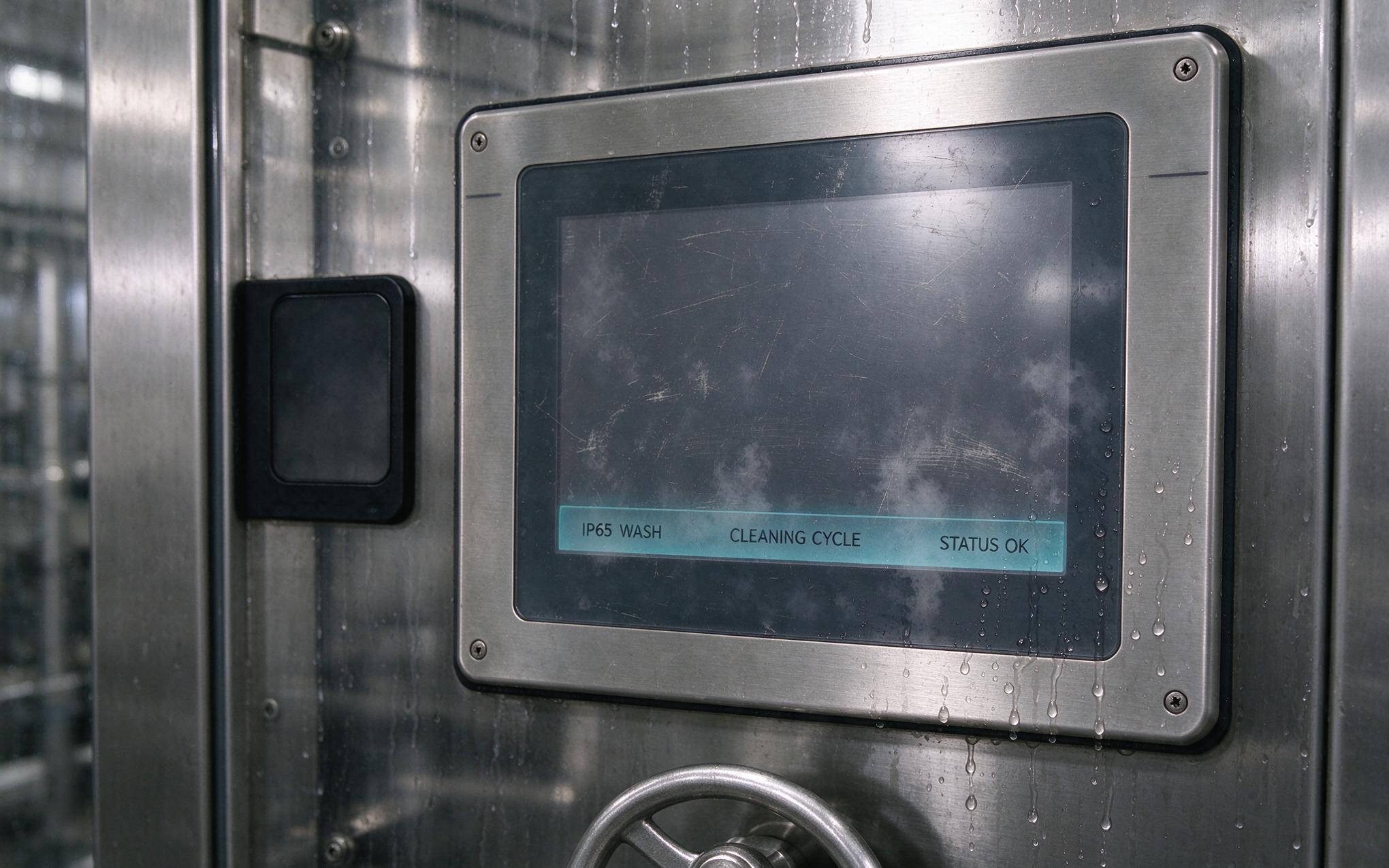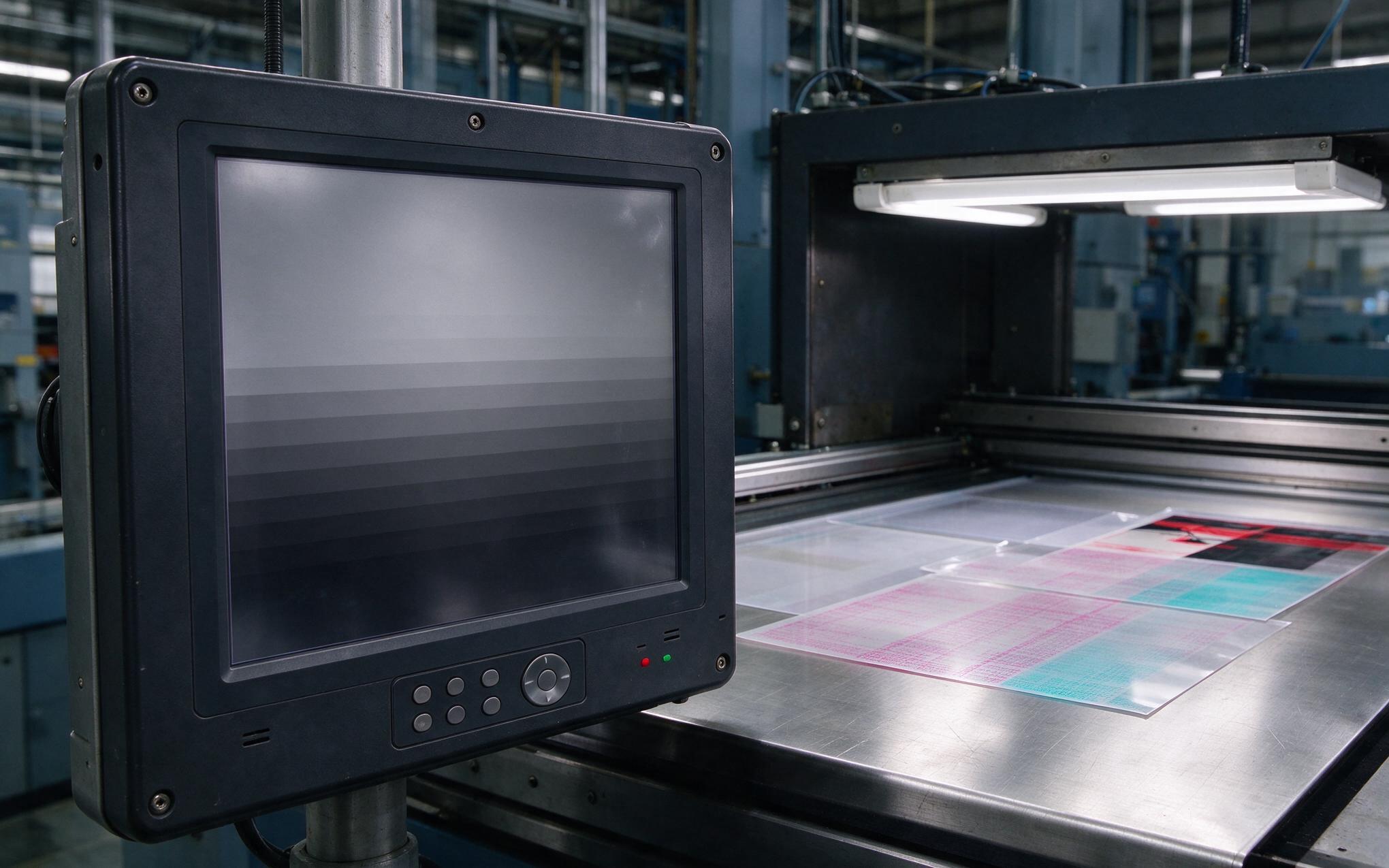
A rugged touch screen display failed during a 3 a.m. high-pressure washdown cycle on a meat processing line. The sanitation crew halted cleaning, production remained idle until maintenance arrived two hours later, and the missed batch logging window required manual data reconstruction the following shift. In food and beverage plants, a non-functional display does not merely darken a screen. It disrupts the entire sanitation-to-production restart sequence.
The root cause is rarely the display panel itself. More often, the enclosure design cannot withstand repeated high-pressure, high-temperature water jets combined with aggressive chemical sanitizers. Achieving IP69K certification demands engineering at the seal, gasket, and material level that goes well beyond standard IP65 protection. This article examines the enclosure principles that allow washdown-ready rugged touch screen display units to survive continuous sanitation cycles while maintaining reliable touch performance under gloved and wet-hand conditions.

In Washdown Environments Seal Architecture Determines Display Survival
The IP69K rating, defined under IEC 60529 and ISO 20653, specifies resistance to high-pressure water jets at 80 to 100 bar delivered from a nozzle 100 to 150 millimeters from the surface, with water temperature reaching 80 degrees Celsius. Achieving this level of ingress protection requires a flush front glass design that eliminates the ledge and bezel gaps where water accumulates. Deep recesses and exposed screw pockets become bacterial harbors and moisture entry points.
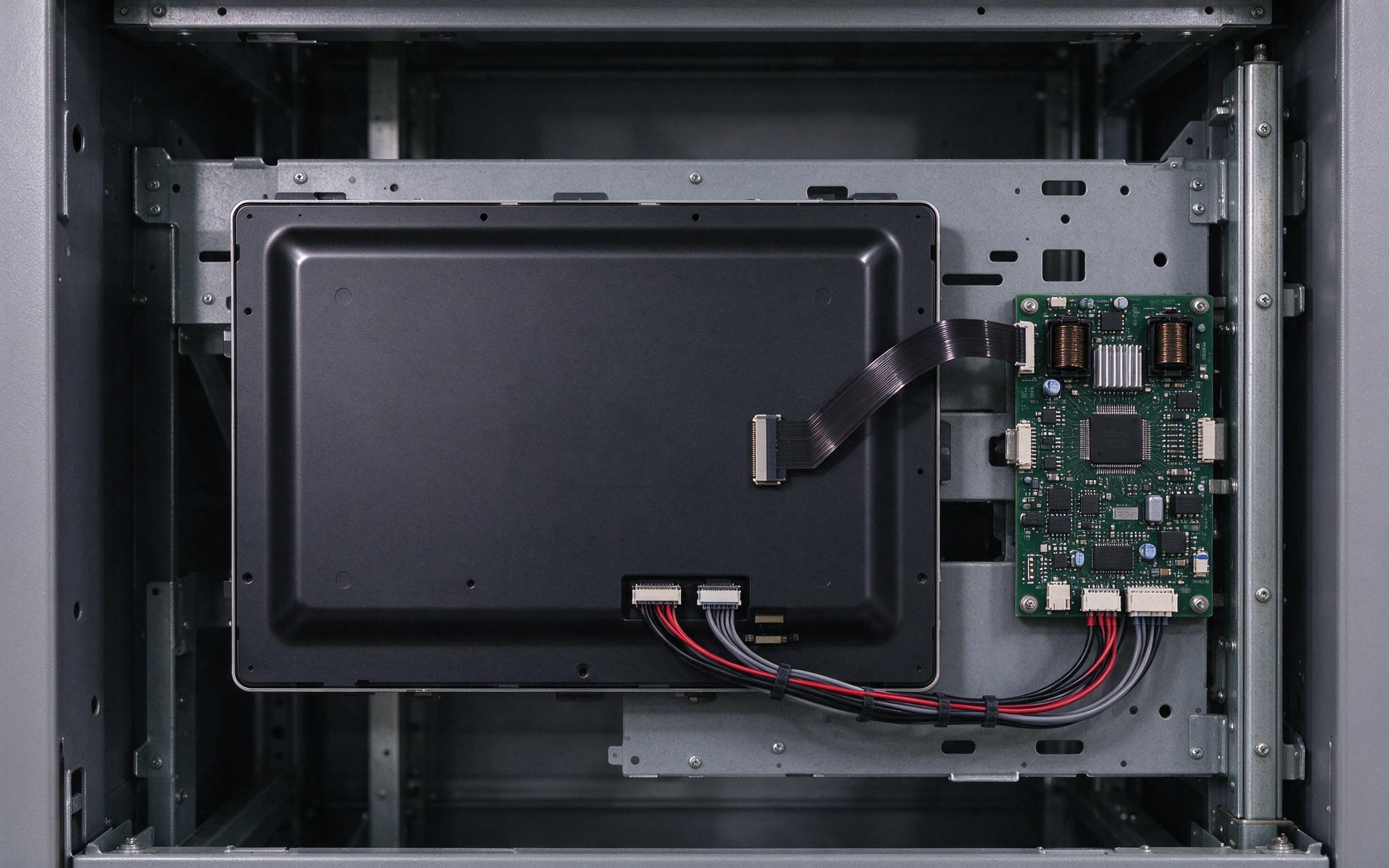
Seal integrity depends on compression gaskets engineered from EPDM or silicone compounds rated for continuous chemical exposure. Chlorine-based sanitizers, quaternary ammonium compounds, and peracetic acid solutions each impose different degradation profiles on gasket materials. The engineering response is a multi-layer sealing approach: a primary compression gasket at the front bezel, a secondary labyrinth seal behind the glass, and a condensation relief valve that equalizes internal pressure during rapid temperature transitions. Manufacturers like KOXIAN have adopted this triple-seal architecture in their washdown panel lines, recognizing that single-gasket designs consistently underperform in facilities running multiple sanitation cycles per shift.

Selecting Glove-Compatible Touch Technology for Wet-Hand Operation
Touch performance in food processing environments diverges from standard industrial panel operation. Operators wear nitrile, latex, or cut-resistant gloves, and their fingers are frequently wet from condensation, cleaning spray, or process fluids. A capacitive touch sensor tuned for bare-finger input will register ghost touches or fail under these conditions. The display module must incorporate projected capacitive technology with wet-finger rejection algorithms and high-sensitivity glove detection modes.
The cover glass surface finish plays a critical role. An oleophobic coating reduces fingerprint smearing but can interfere with wet-finger sensitivity if the coating surface energy is too low. Engineering teams solve this by applying a tuned anti-glare etching process that maintains sufficient surface friction for wet-finger contact while providing glare reduction under bright overhead factory lighting. UI design must also account for reduced dexterity under thick gloves: button targets should exceed 12 millimeters in width, with minimum 8-millimeter spacing between adjacent touch zones.

Optical Bonding Materials Resisting Thermal Shock and Condensation
Optical bonding fills the air gap between the cover glass and the LCD panel with optically clear adhesive. In washdown environments, this air gap creates condensation when temperature transitions from 80-degree washdown water to 4-degree cold storage rooms. The operator cannot read critical process data during that window, creating a safety gap that regulators flag during audits. Optical bonding eliminates the air gap entirely, removing the condensation mechanism.
The bonded construction also improves optical clarity by reducing internal reflections, increasing contrast ratios from approximately 800:1 to over 1200:1. For outdoor-facing food production facilities where loading dock areas receive direct sunlight, this contrast improvement determines whether operator interfaces remain readable. In the washdown-rated models produced by manufacturers like KOXIAN, optical bonding serves as standard construction, addressing the thermal shock problem that bonded and non-bonded panels handle differently under rapid temperature cycling.

Zone-Based Display Selection Across Multi-Stage Food Processing Plants
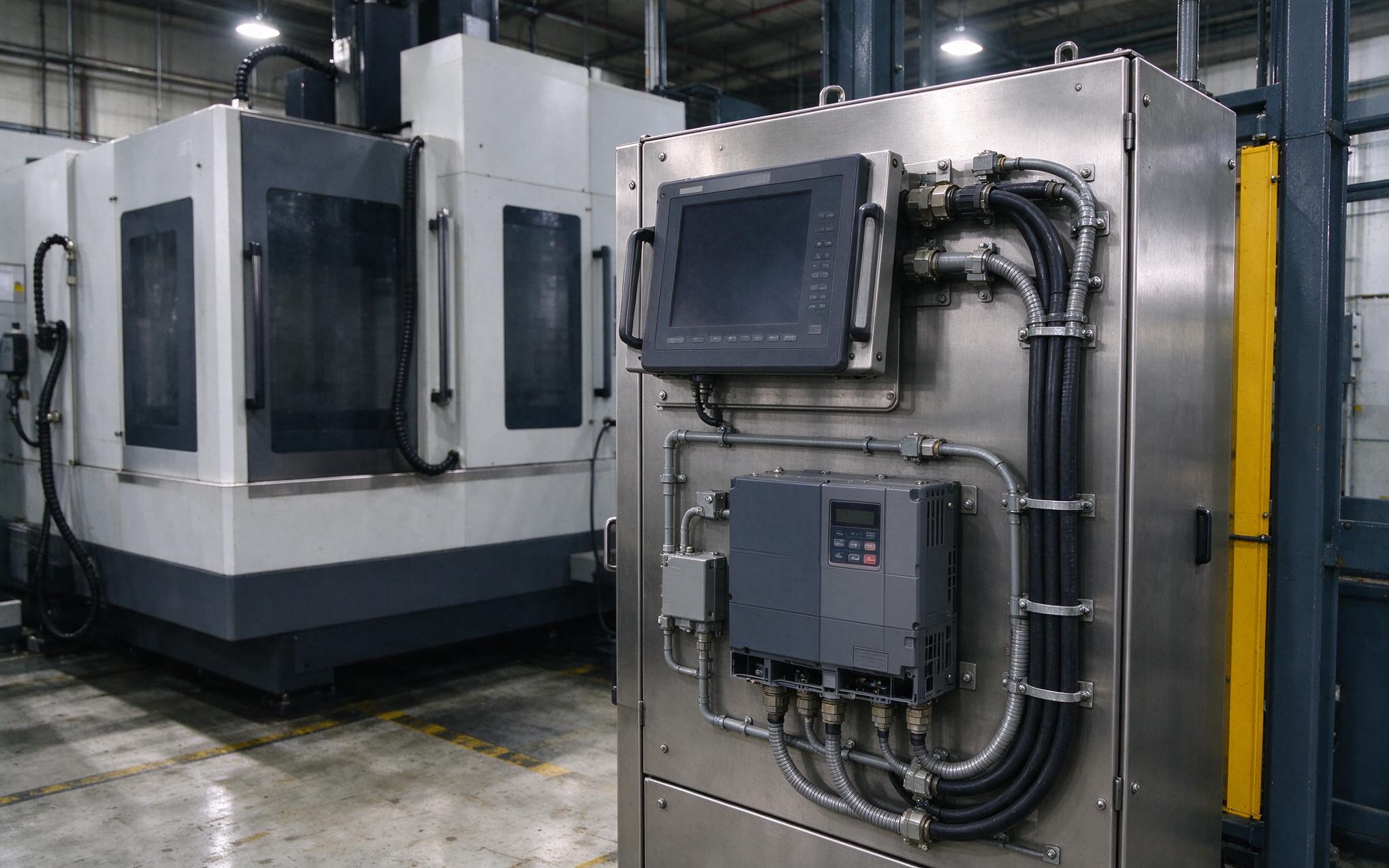
Food processing plants are not monolithic environments. A single facility may contain dry packaging areas, wet cutting rooms, cold storage zones, and high-pressure sanitation bays, each imposing different stress profiles on installed displays. A display rated IP65 front-only may perform adequately in dry packaging areas, but wet processing zones demand full IP69K enclosures with optical bonding, compression gasket systems, and tuned touch sensitivity. System integrators, working with vendors such as KOXIAN, benefit from conducting zone-by-zone environmental assessments before standardizing on a single display specification.
As food safety regulations tighten and production lines accelerate, the gap between consumer-grade and industrial-grade display performance continues to widen. Plants that invest in properly engineered washdown enclosures reduce unplanned maintenance, improve audit readiness, and maintain production throughput during sanitation cycles that would sideline less robust equipment.