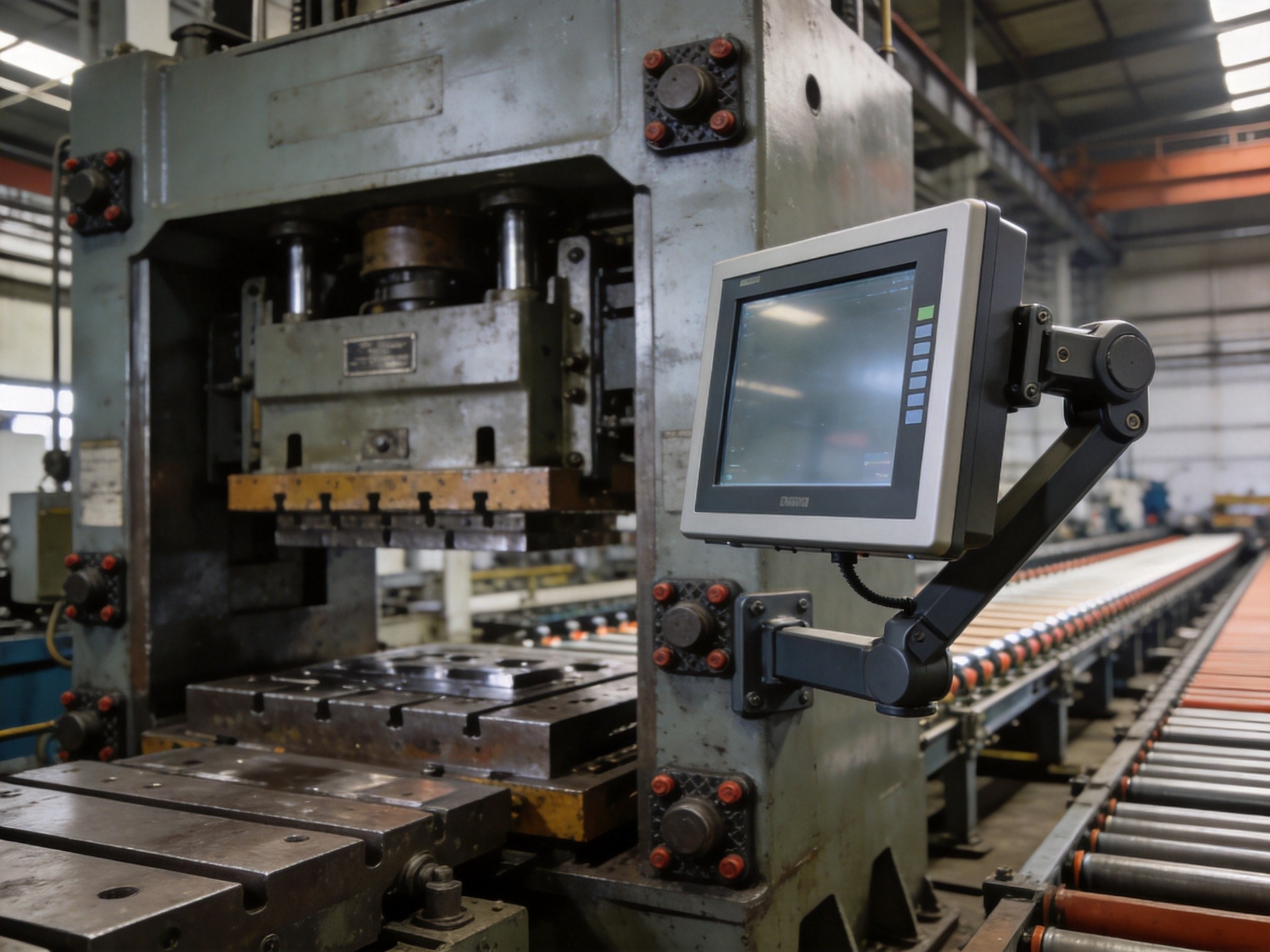
The Mechanical Stress Profile of Production Environments
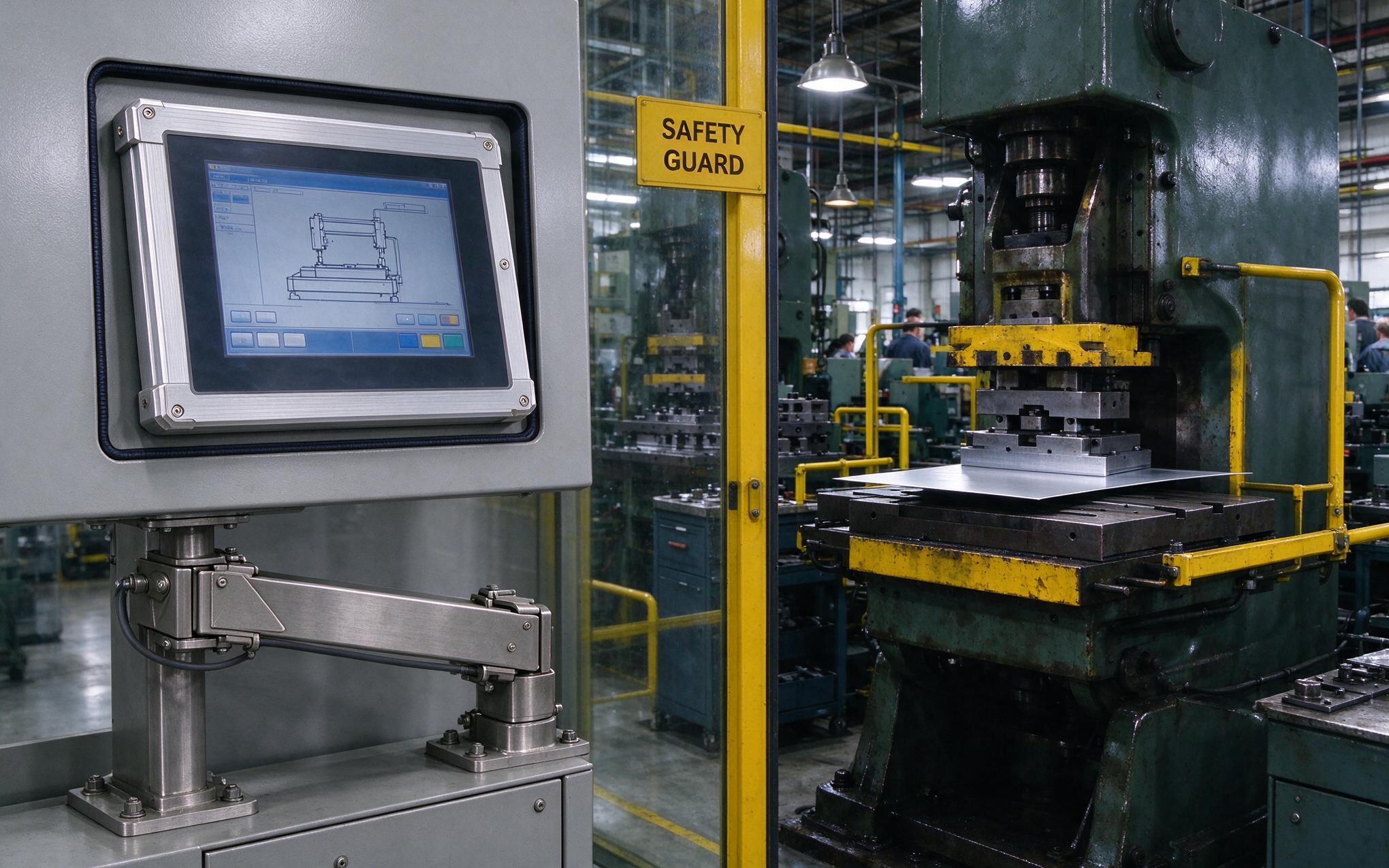
Not all vibration is equal. Production environments generate a spectrum of mechanical forces that affect industrial PCs differently depending on frequency, amplitude, and direction. Low-frequency vibration below 50 Hz—common near large stamping presses and injection molding machines—causes whole-chassis displacement that loosens mounting hardware over time. Mid-frequency vibration from rotating equipment, typically in the 50 to 500 Hz range, can excite resonant frequencies in circuit boards, causing micro-flexing of PCB traces and eventual fatigue cracking. High-frequency vibration above 500 Hz accelerates connector fretting—the microscopic wear between mated electrical contacts that increases resistance and eventually causes intermittent signal loss.
Impact shock presents a different failure mode. A single high-g impulse from a nearby press can momentarily deform a chassis, transferring mechanical energy directly to soldered components. The cumulative effect of thousands of such shocks is what engineers call low-cycle fatigue—a failure mechanism that often manifests without warning because damage accumulates invisibly until a critical threshold is crossed.
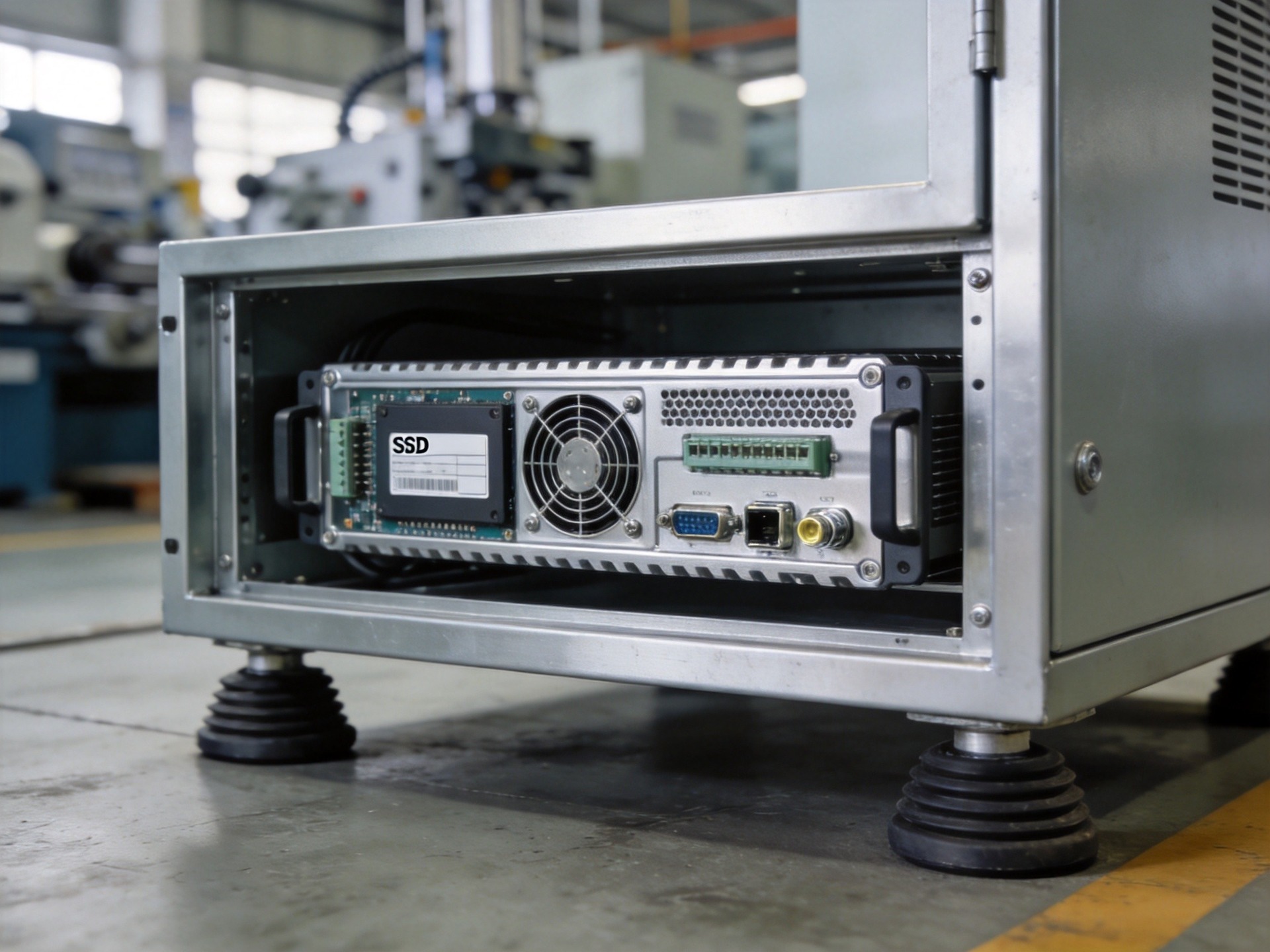
Solid-State Architecture: Eliminating Mechanical Failure Points
The most effective defense against vibration damage begins at the component level. Traditional rotating hard drives are among the first casualties in high-vibration environments—their read/write heads can crash into platters during shock events. Industrial-grade solid-state drives with no moving parts eliminate this vulnerability entirely. Similarly, fanless thermal designs using passive heat dissipation through aluminum chassis fins remove another common failure point: cooling fan bearings, which degrade rapidly under continuous vibration and are a leading cause of industrial PC downtime.
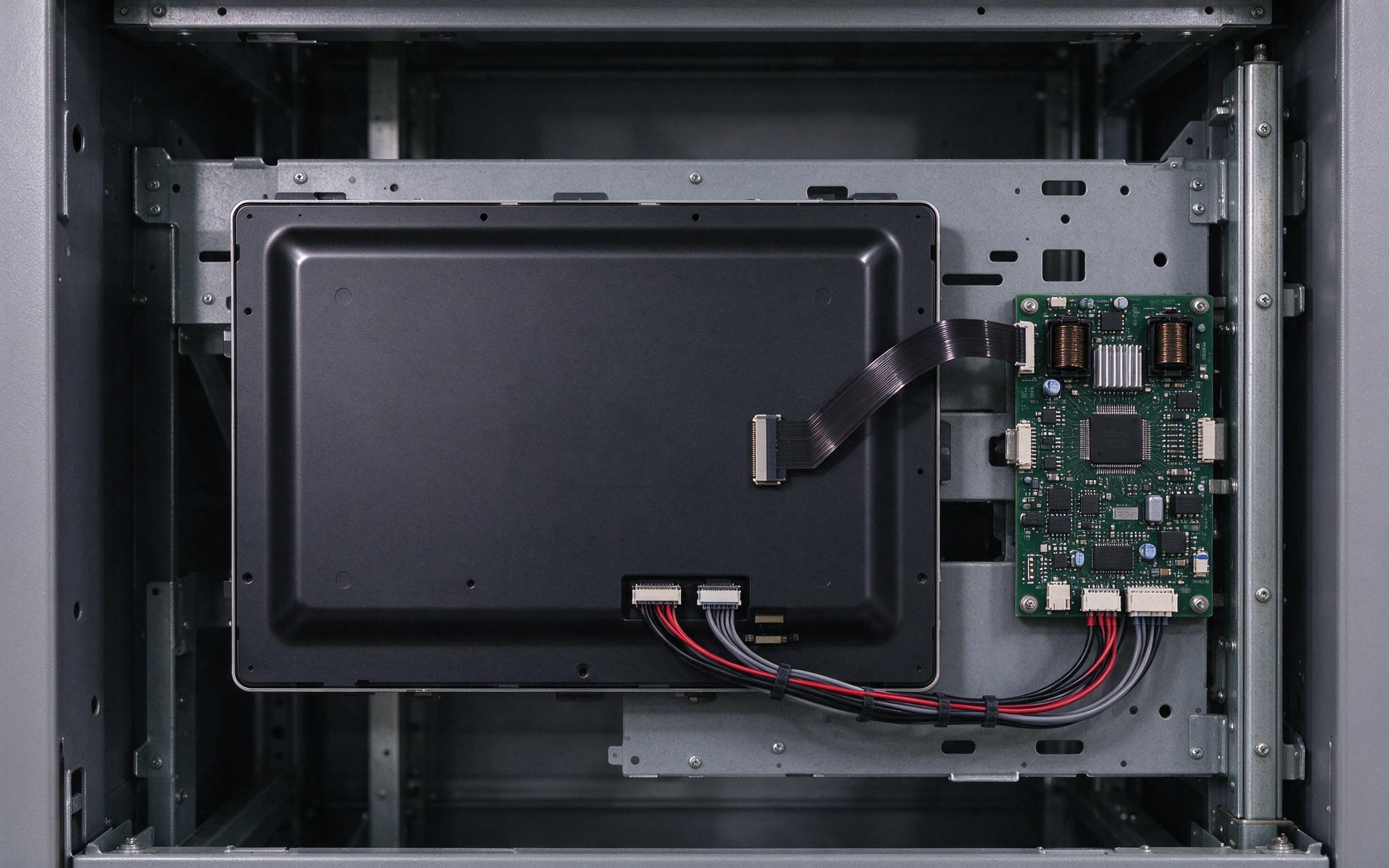
At the board level, industrial motherboards designed for high-vibration deployment incorporate structural reinforcements absent from commercial boards. Through-hole soldering for connectors and larger components provides orders of magnitude greater mechanical retention than surface-mount alone. Conformal coating applied to PCB surfaces prevents vibration-induced micro-fretting from oxidizing exposed copper traces. Board-level stiffeners and strategic mounting point placement reduce resonant flexing amplitudes by distributing mechanical load across the entire board surface.

Enclosure Engineering and Mounting Strategies
The enclosure serves as the first line of defense against mechanical energy entering the system. Stamped sheet metal enclosures—common in commercial PCs—lack the structural rigidity to resist deformation under sustained vibration. Precision-machined aluminum alloy chassis with integrated stiffening ribs provide substantially higher stiffness-to-weight ratios. The chassis design employed in specialized industrial hardware platforms, including the KOXIAN G1 series, uses a unibody aluminum construction that eliminates seam-welded joints, which are common crack initiation points under cyclic loading.
Mounting strategy is equally important. Direct rigid mounting to vibrating structures transmits the full mechanical energy into the computer. Elastomeric vibration isolators tuned to the dominant frequencies of the installation environment can reduce transmitted vibration amplitude by 60 to 80 percent. The isolator’s natural frequency must fall below the lowest excitation frequency divided by the square root of two—a principle known as transmissibility theory—to ensure the mounting system operates in the isolation region rather than amplification. For applications spanning a wide frequency range, wire rope isolators offer broad-spectrum damping through friction between individual wire strands.
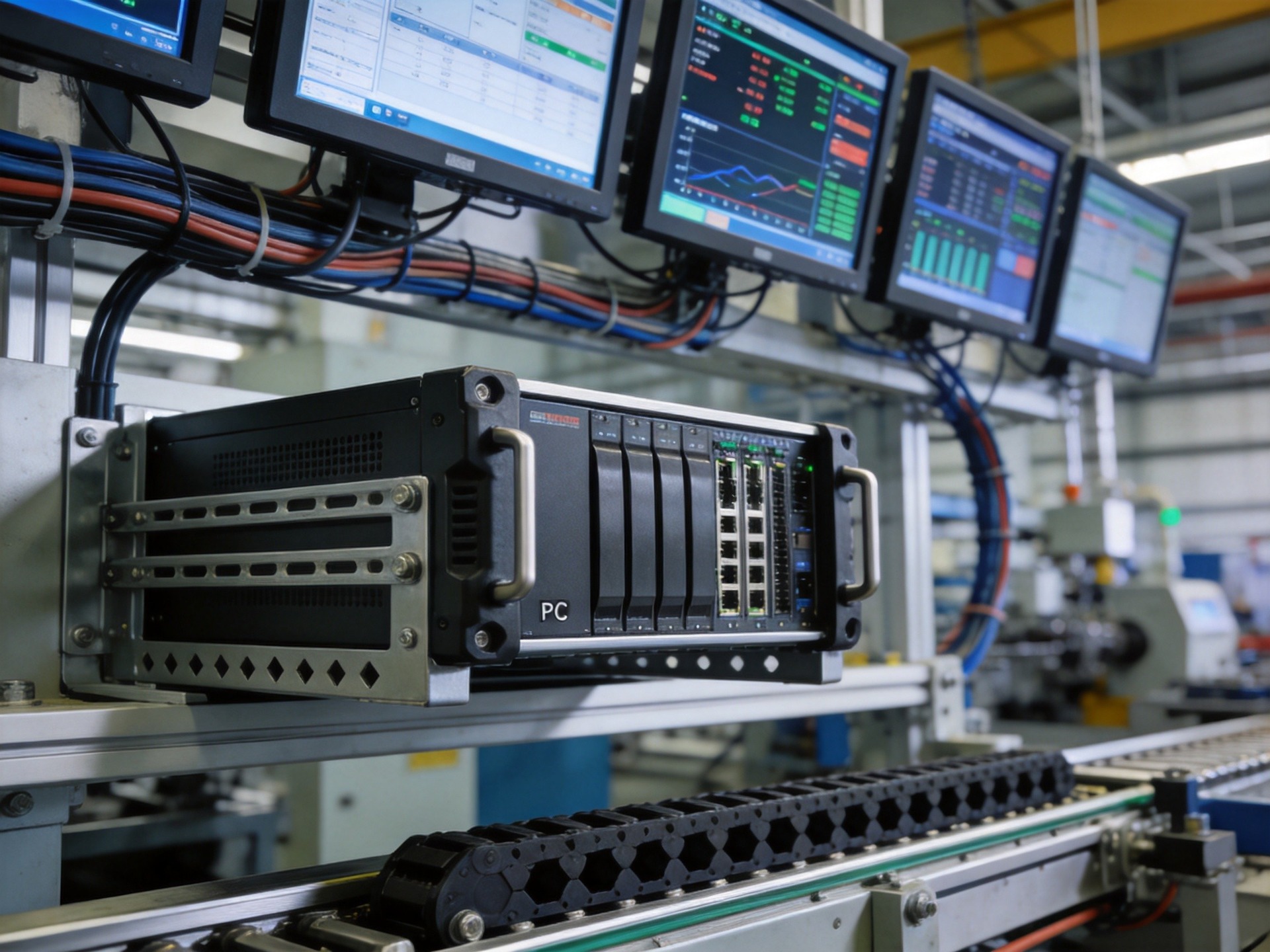
Testing Standards and Validation Protocols
Reputable industrial PC manufacturers validate their designs against established testing standards. IEC 60068-2-6 provides sinusoidal vibration test procedures that sweep across frequency ranges to identify resonant behaviors. IEC 60068-2-27 defines shock testing protocols that simulate impulse loads encountered during equipment operation. For demanding environments, MIL-STD-810H offers test methods for a wider range of mechanical stress scenarios, including random vibration profiles derived from real-world measurement data.
Deployment data from heavy manufacturing facilities indicates that industrial PCs incorporating solid-state architecture, ruggedized chassis design, and properly tuned vibration isolation deliver mean time between failure figures three to five times longer than conventionally mounted commercial alternatives. Field reliability assessments from automotive production line deployments, including those utilizing KOXIAN K2 series hardware, confirm that the upfront investment in vibration-resistant computing is consistently recovered within the first two years of operation through avoided production downtime and eliminated replacement costs.