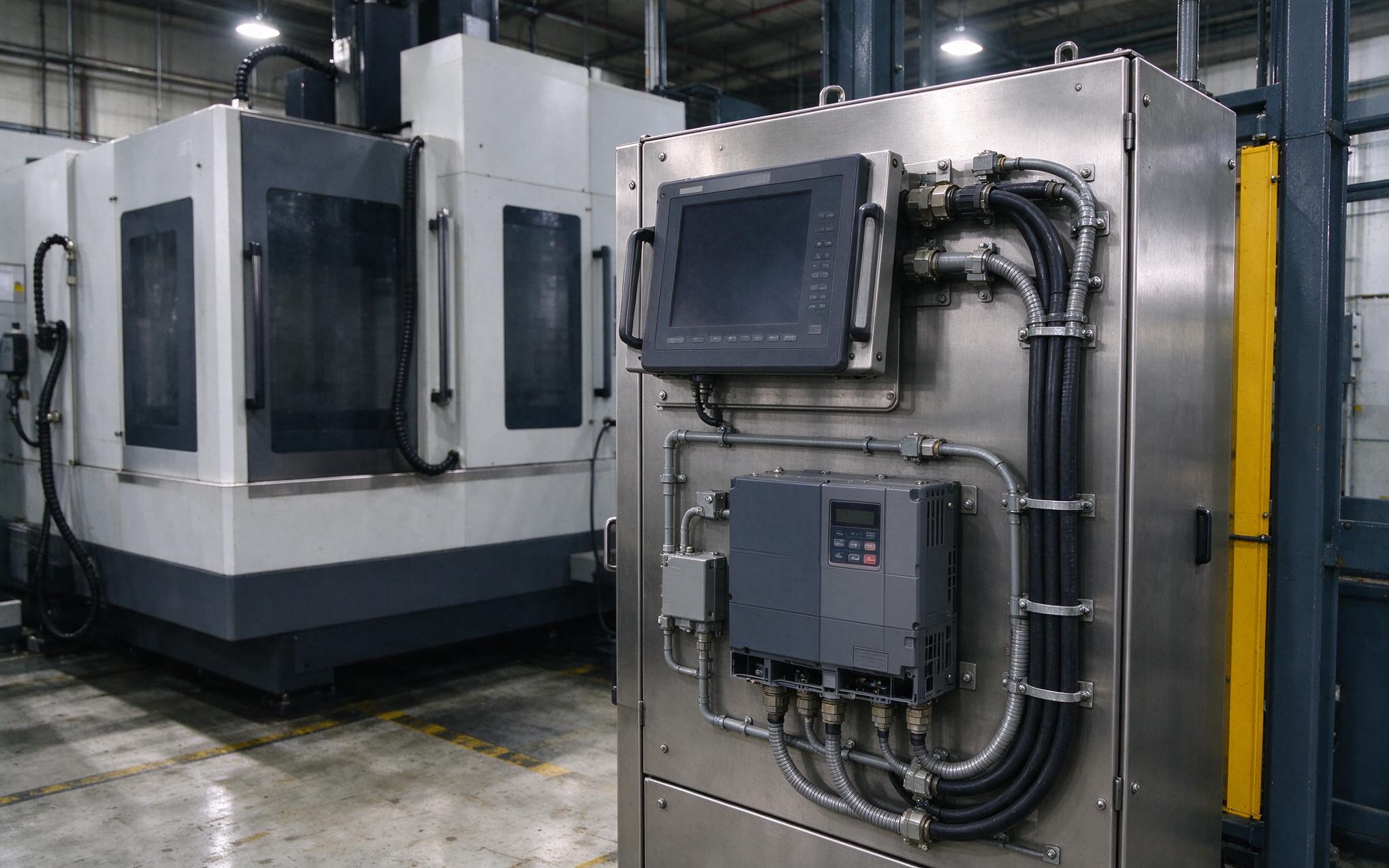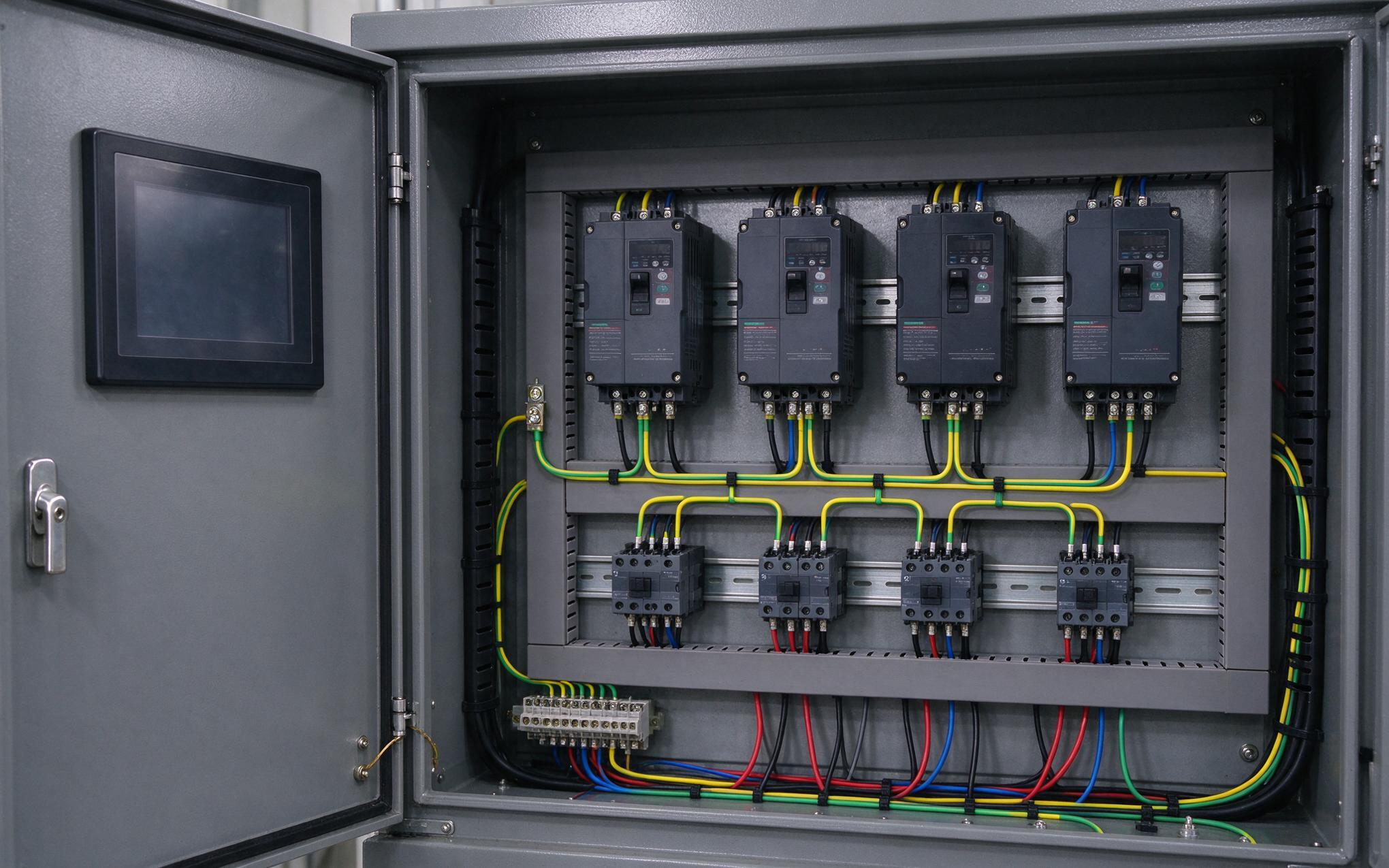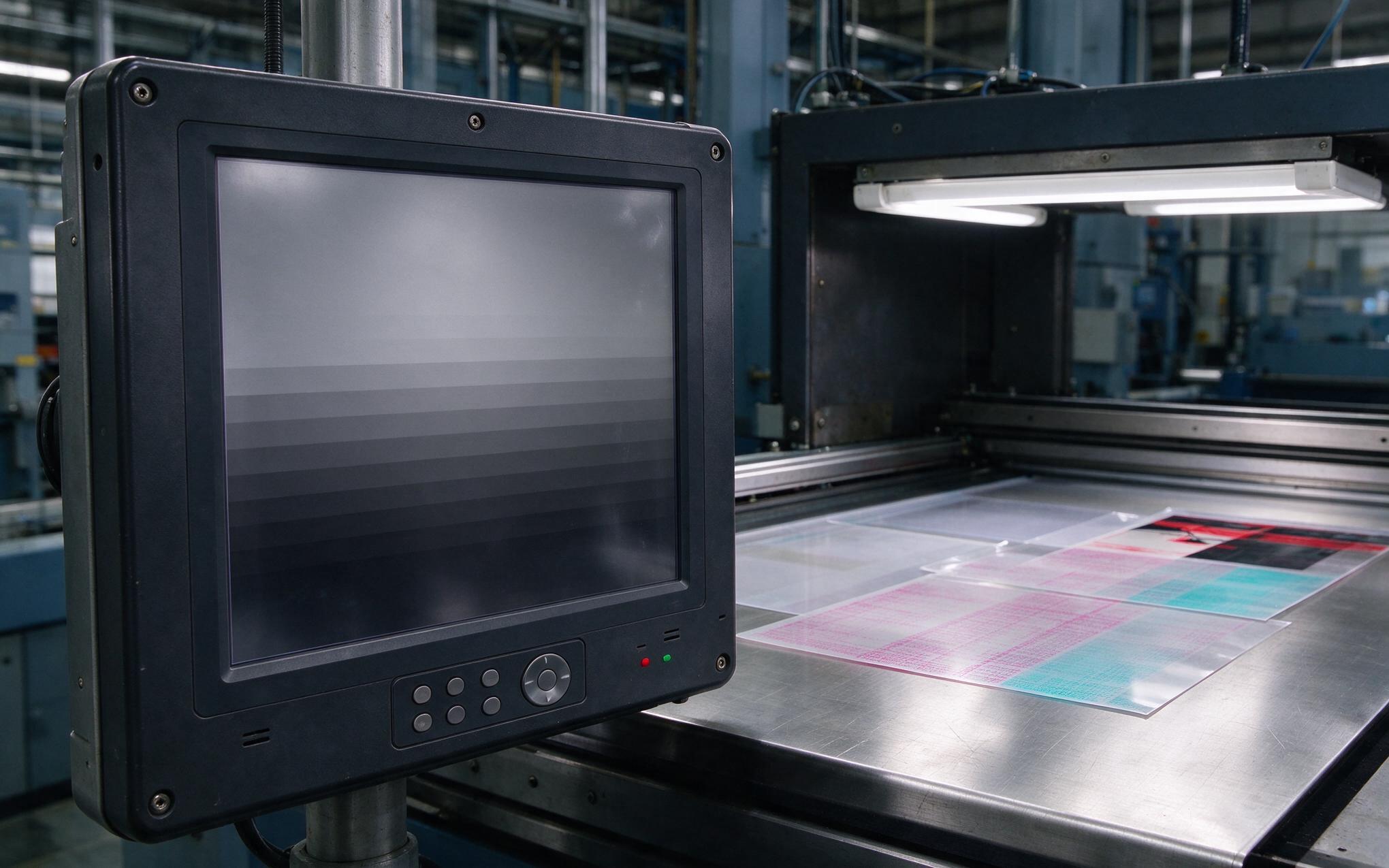
Standard Windows 10 systems lose an average of 47 minutes of uptime per unexpected power event, according to recent industry survey data. On factory floors where panel PCs control critical processes, every minute of unplanned downtime translates into thousands of dollars in lost production. Industrial panel pc windows 10 deployments face this challenge head-on, and unified write filter technology provides the systematic defense most engineers overlook.

Understanding Unified Write Filter on Windows 10 IoT Enterprise
Unified Write Filter intercepts every write operation directed at a protected storage volume and redirects it to a volatile RAM-based overlay. The underlying SSD or eMMC remains completely untouched during normal operation. When the system reboots, the overlay is discarded, and the drive returns to its exact state from the previous clean shutdown. For industrial panel pc windows 10 configurations, manufacturers like KOXIAN pre-configure UWF profiles at the factory level, so systems arrive with write protection already active. This mechanism directly addresses the two most destructive failure modes in 24/7 production environments: storage degradation from constant write amplification and data corruption triggered by sudden power loss. UWF replaces the legacy Enhanced Write Filter and File Based Write Filter from earlier Windows embedded editions, consolidating protection under a single management interface that simplifies long-term maintenance.

Configuring UWF Protection for Factory Deployments
Enabling UWF on Windows 10 IoT Enterprise LTSC begins with the DISM command to install the feature package, followed by volume protection activation through uwfmgr. The configuration process requires careful planning because UWF creates a fundamental split between volatile and persistent storage. Systems from manufacturers like KOXIAN ship with UWF pre-configured and exclusion lists pre-populated, reducing the setup burden for integrators. Any application settings, log files, or user data that must survive a reboot must be explicitly excluded from write protection through file and registry exclusion rules. Industrial integrators deploying panel PCs on production lines typically establish two tiers of exclusions: critical application directories that need persistent logging, and specific registry keys that store calibration parameters. During initial deployment, UWF should be temporarily disabled to perform system updates, apply configuration changes, and complete OS activation before the system reboots into protected mode for large-scale factory rollouts.

Power Loss Recovery and SSD Longevity Benefits
When an unexpected power interruption strikes a production line, the UWF-protected system loses only the RAM overlay contents. Every write that occurred since the last boot cycle is simply gone. The boot volume remains intact, free from half-written files, corrupted registry hives, or orphaned log entries. Without UWF, a sudden power loss on a standard Windows 10 installation can corrupt system files, damage file system metadata, and force technicians into manual repair workflows using recovery media. The operational impact on a factory floor panel PC is significant: production halts, a maintenance technician must be dispatched, and the system requires manual intervention before returning to service. With UWF active, the same power event results in a clean restart with the system reverting to its last known good state. Beyond power loss resilience, UWF dramatically reduces write amplification on the internal SSD. Factory floor panel PCs running SCADA software, data historians, and operator interface terminals generate continuous small writes that accelerate NAND wear. By absorbing these writes in the RAM overlay, UWF can extend SSD service life from the typical two to three years in write-heavy industrial workloads to five years or more. Industrial panel pc windows 10 deployments that combine UWF with proper file exclusion strategies achieve the dual benefit of crash resilience and extended hardware longevity, reducing total cost of ownership across multi-year factory equipment lifecycles.

Balancing Write Protection with Operational Flexibility
The trade-off with UWF is clear: while the filter is active, no persistent data changes reach the boot drive. Software updates, configuration modifications, and log archival must be scheduled during maintenance windows when UWF is temporarily disabled. For most factory operations, this constraint aligns naturally with existing maintenance schedules. Production shifts run with full write protection, while off-shift maintenance periods provide windows for system servicing and data collection. Industrial panel pc windows 10 environments that adopt this phased approach to write protection gain predictable system behavior, extended storage reliability, and simplified disaster recovery, making UWF one of the most practical yet underutilized features in the Windows IoT Enterprise toolkit.