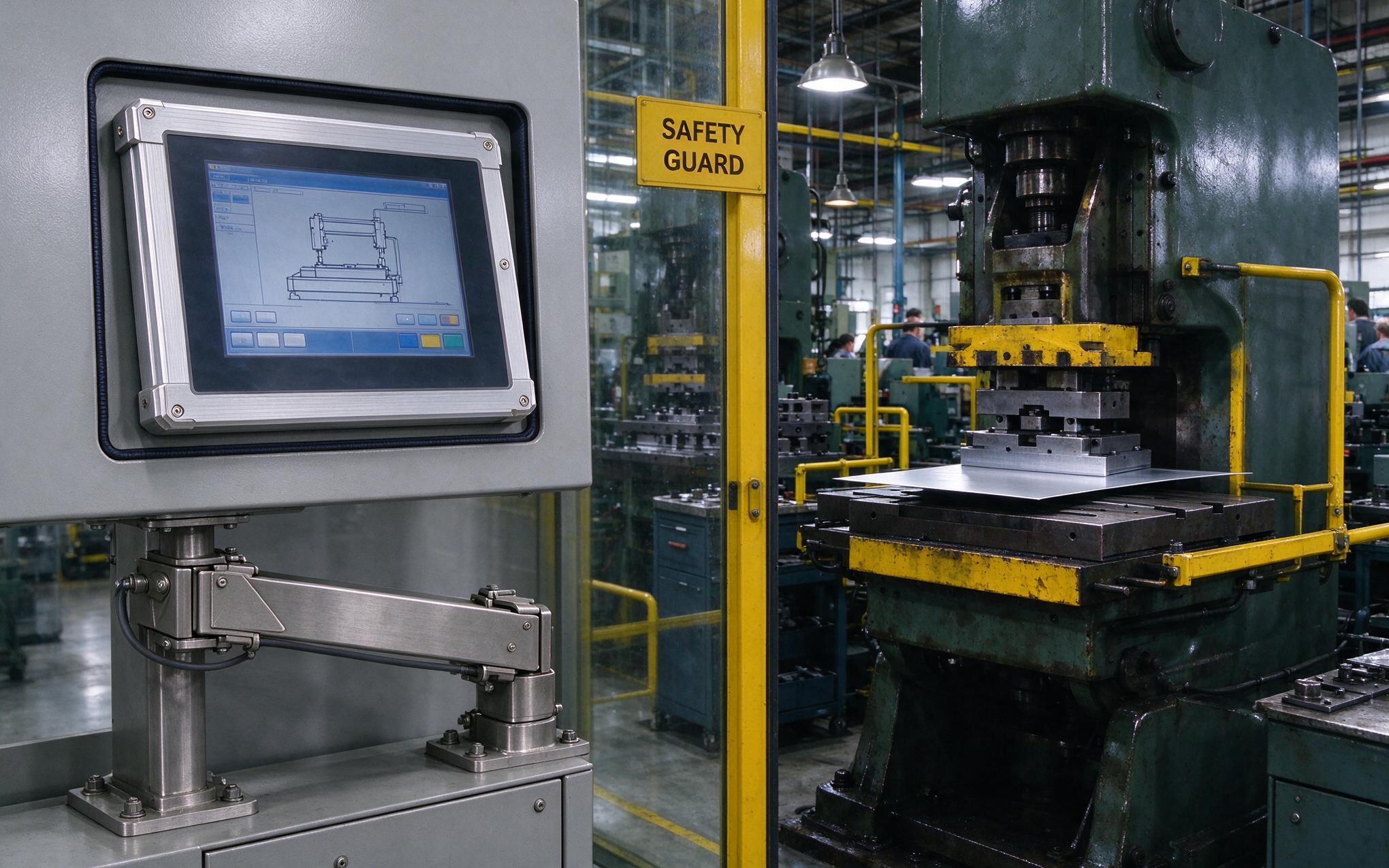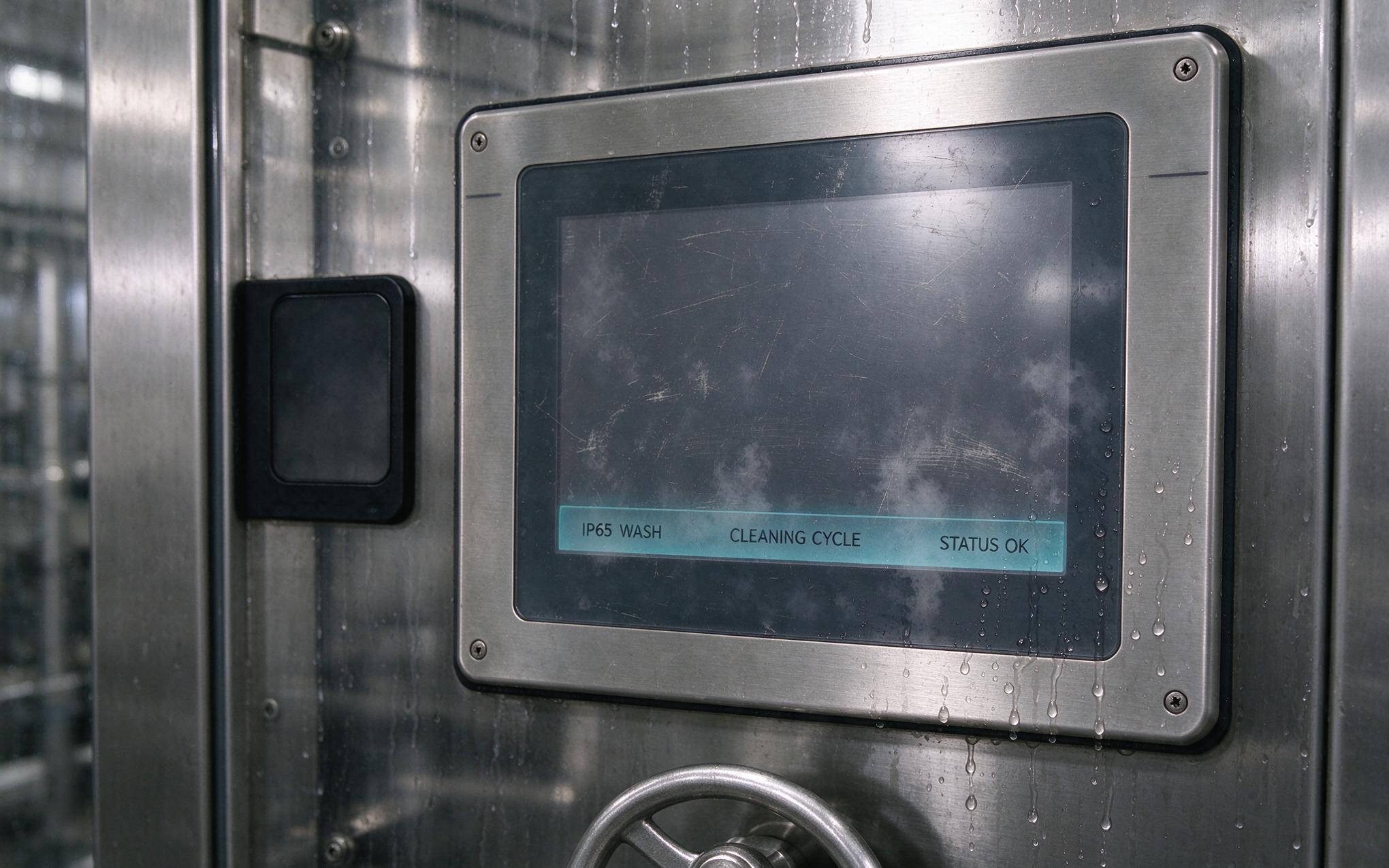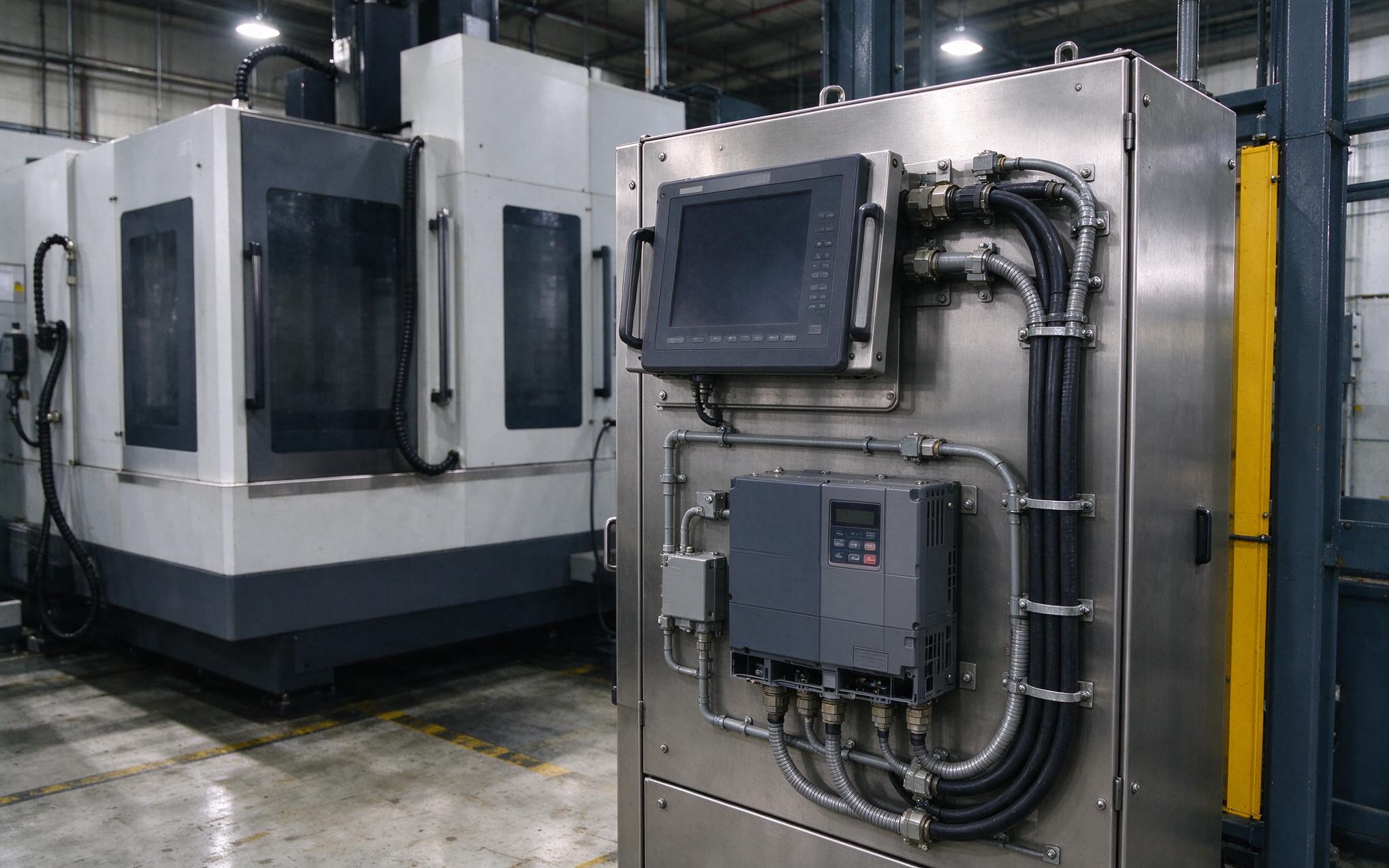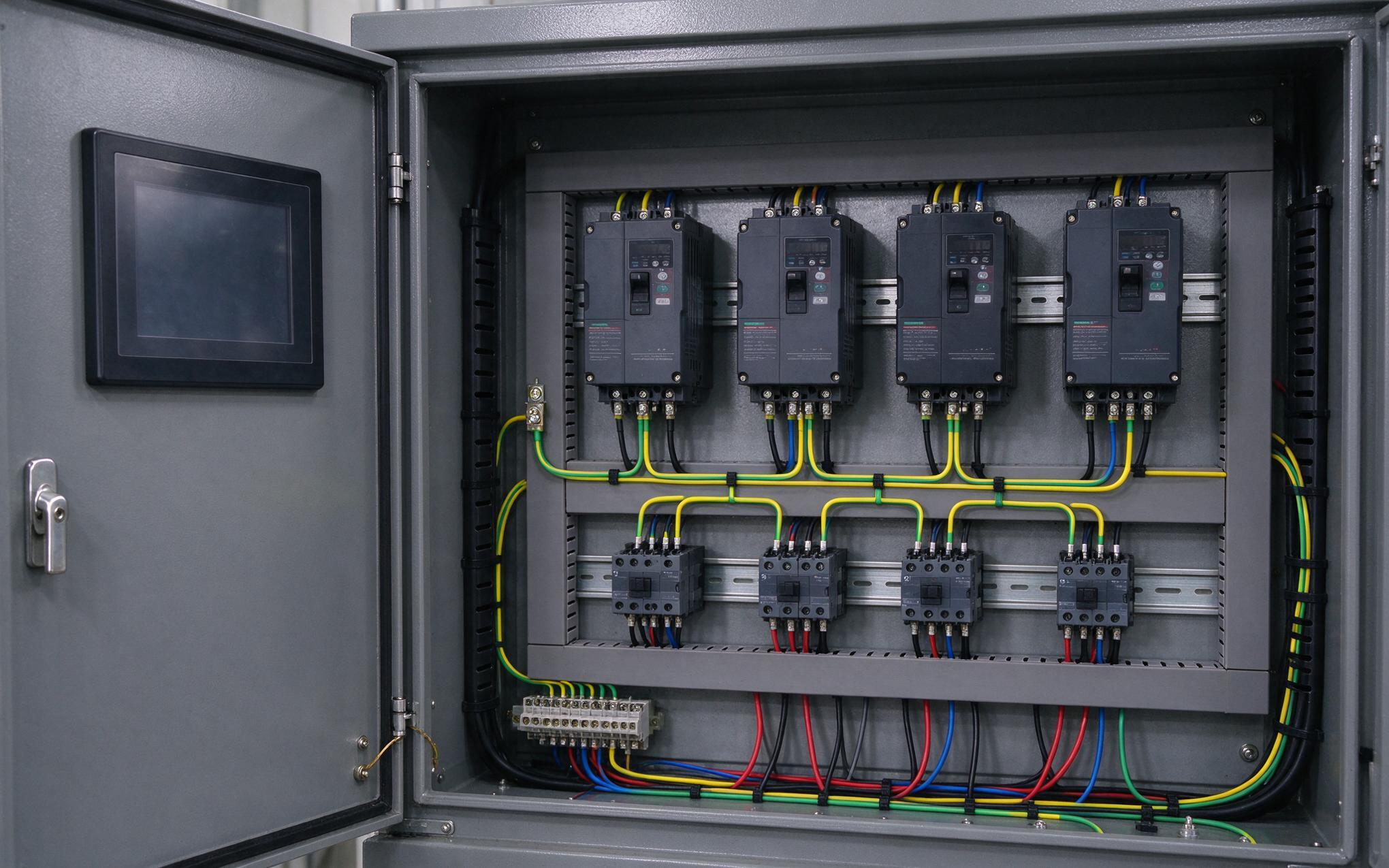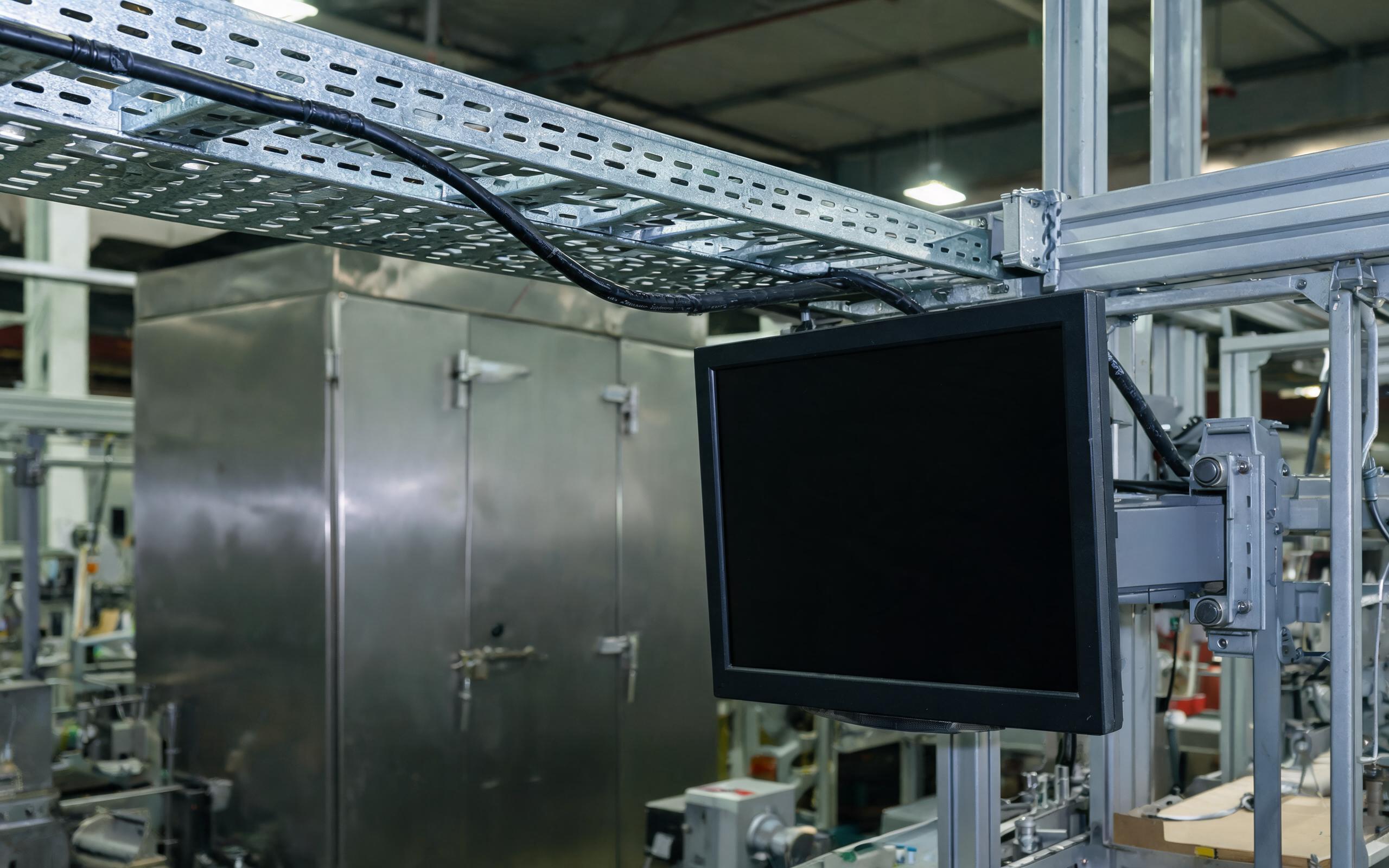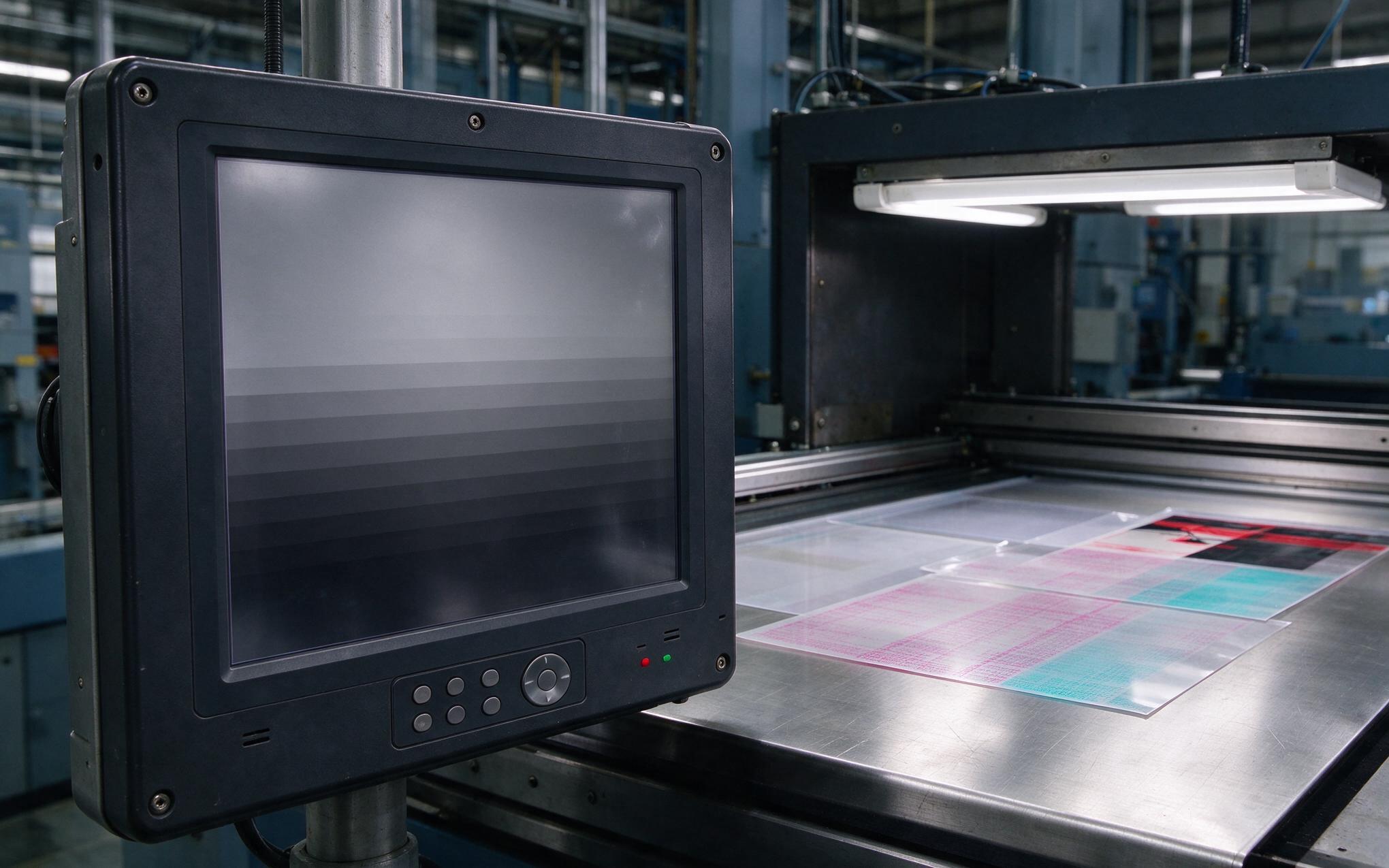
A maintenance technician in a food processing plant recently replaced a failed commercial touchscreen with an industrial touchscreen monitor. The sticker price was three times higher than the consumer unit it replaced, and the procurement manager questioned whether the upgrade justified the cost. Six months later, that same plant avoided an estimated $18,000 in unplanned downtime because the new unit withstood daily washdown cycles without failure. The industrial touchscreen monitor price premium is not arbitrary. It reflects engineering decisions that directly affect how long a display survives on a factory floor.

Behind the Price Tag: Component Costs in Industrial Displays
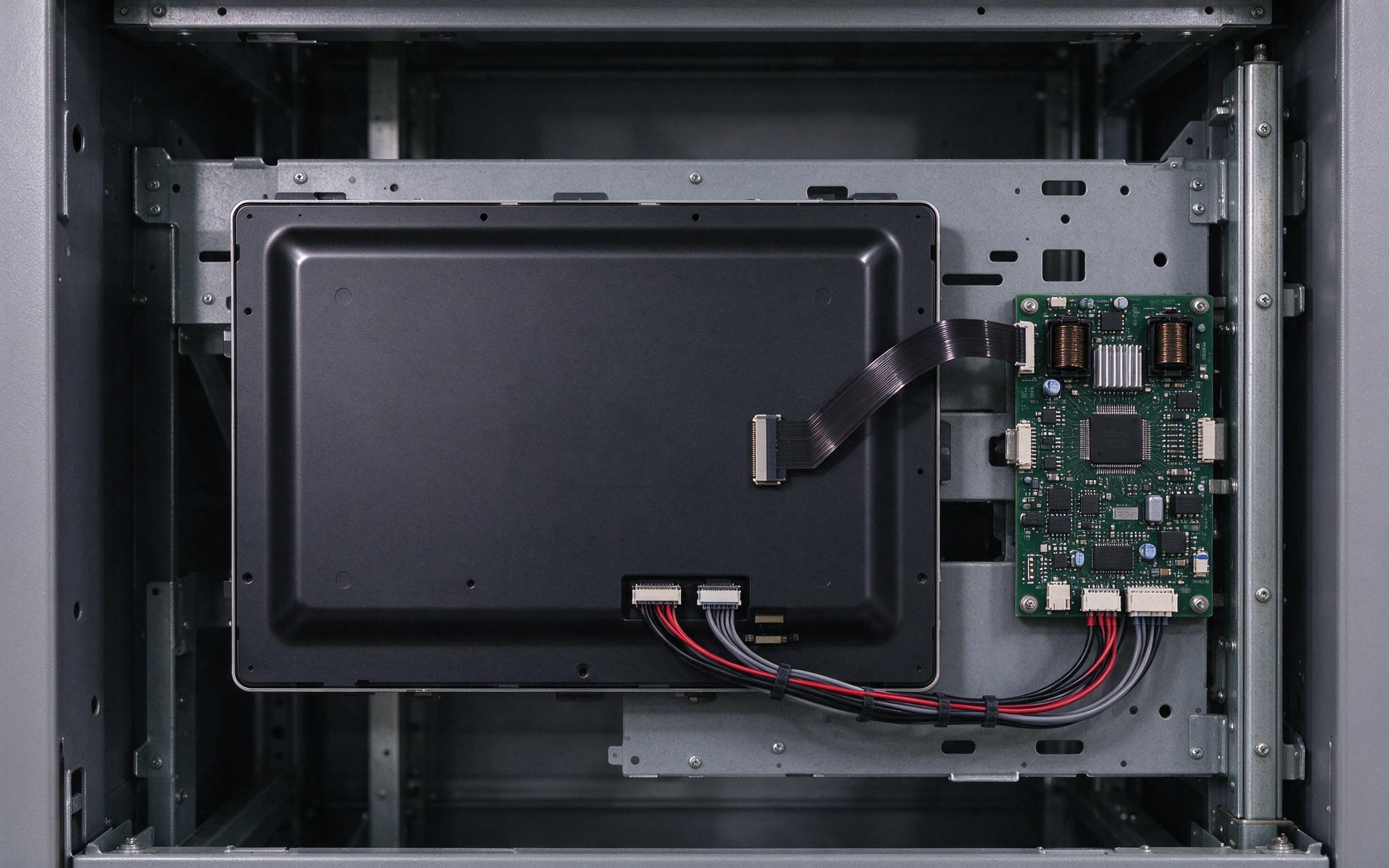
The bill of materials for an industrial touchscreen monitor diverges from consumer displays at the most fundamental level. A consumer panel typically ships with a standard TN or IPS LCD rated for 250 to 350 nits, a plastic bezel, and basic capacitive touch layers. An industrial unit specified for factory environments starts with a wide-temperature LCD module rated from minus 20 to 70 degrees Celsius, an aluminum alloy enclosure at least 1.5 millimeters thick, and optically bonded cover glass that eliminates the air gap between the display and the touch surface. Each choice carries a direct cost. Optical bonding alone can add 15 to 25 percent to the module price because it requires clean-room lamination and UV curing. Manufacturers like KOXIAN source panels with LED backlights rated for 50,000 to 100,000 hours of continuous operation, compared to the 30,000-hour typical lifespan of consumer backlighting. The industrial touchscreen monitor price reflects these hidden durability layers that consumer-grade alternatives simply do not carry.

From Entry-Level to Certified: How Specifications Shape Pricing Tiers
The market segments into three broad tiers based on certification depth and environmental hardening. Entry-level units designed for light-duty indoor applications typically fall between $750 and $950, offering basic IP54 protection and a narrow operating temperature range. Mid-tier rugged models targeting factory floors and washdown-adjacent areas sit in the $1,050 to $1,400 range, combining IP65 ingress protection, capacitive touch with glove compatibility, and wide-temperature operation. Premium certified units built for pharmaceutical cleanrooms, marine environments, or military installations command $1,800 to $3,500 or more, backed by IP69K ratings, MIL-STD-810G shock and vibration testing, and ten-year manufacturer support agreements. Moving from IP65 to IP67 adds sealing complexity. Extending the operating temperature from minus 20 to minus 40 degrees Celsius requires specialized liquid crystal formulations and heated touch controllers. Each incremental specification change compounds cost, which explains why display pricing varies so dramatically across apparently similar products.

Calculating True Ownership Cost Over a Five-Year Lifecycle
Focusing solely on the upfront purchase price misses the most significant cost variable in industrial display procurement. Total cost of ownership models reveal a stark contrast between budget and premium options over a five-year deployment horizon. A budget unit purchased at $800 may require replacement at the three-year mark due to backlight degradation or touch layer delamination in high-vibration environments, adding $800 in replacement hardware plus an estimated $1,500 to $3,000 in production downtime per failure event. A premium unit at $1,400 with a five-year warranty, IP65 sealing, and 50,000-hour backlight rating eliminates mid-cycle replacement entirely. When annual maintenance, energy consumption, and downtime costs are modeled across a 20-unit factory deployment, the premium option typically delivers 40 to 60 percent lower total cost of ownership. This reframes the industrial touchscreen monitor price from a single-line budget item into a long-term operational investment that affects plant productivity and maintenance scheduling.

Evaluating Engineering Value in Industrial Display Procurement
Procurement teams evaluating industrial touchscreen monitor price points benefit from a structured engineering value assessment rather than a simple sticker-price comparison. The framework starts with mapping the actual deployment environment. Dust type, water exposure frequency, temperature extremes, and vibration sources all determine which specifications are essential and which represent over-engineering. Aluminum alloy enclosures at 6063-T5 grade with 1.5-millimeter wall thickness provide structural rigidity and passive heat dissipation that plastic housings cannot match. Optical bonding reduces internal reflections and improves sunlight readability, but adds cost that only outdoor or high-ambient-light installations require. Vendors like KOXIAN publish detailed IP test reports and thermal validation data that allow system integrators to match the industrial touchscreen monitor price to verified performance rather than marketing claims.
Display pricing is ultimately a reflection of engineering rigor applied to every component, from the LCD module to the enclosure fasteners. Plants that invest in displays matched to their actual operating conditions avoid the cycle of premature failures, emergency replacements, and unplanned downtime that erodes the supposed savings of cheaper alternatives. Understanding what drives the price empowers procurement teams to make decisions that serve the factory floor for years, not months.