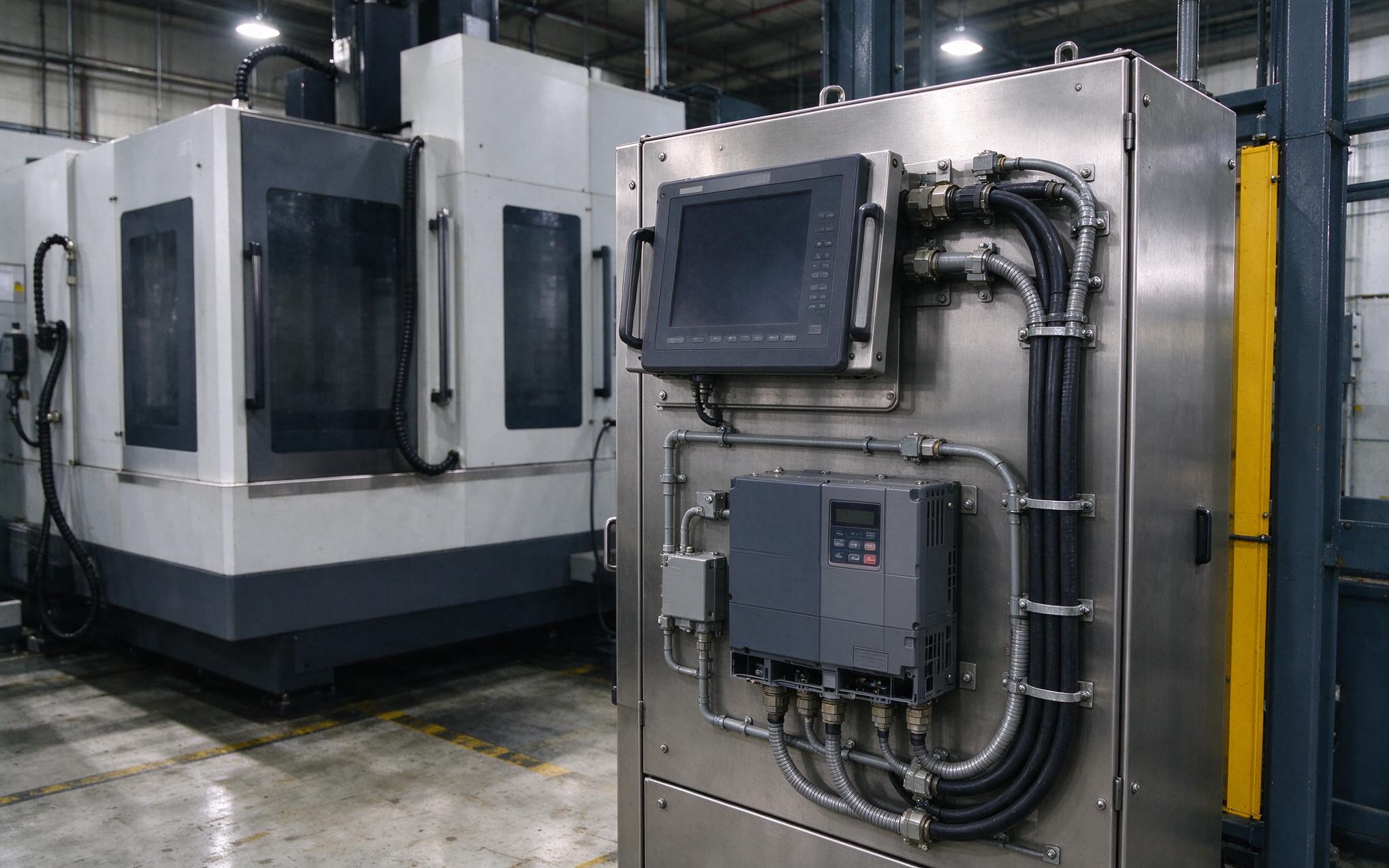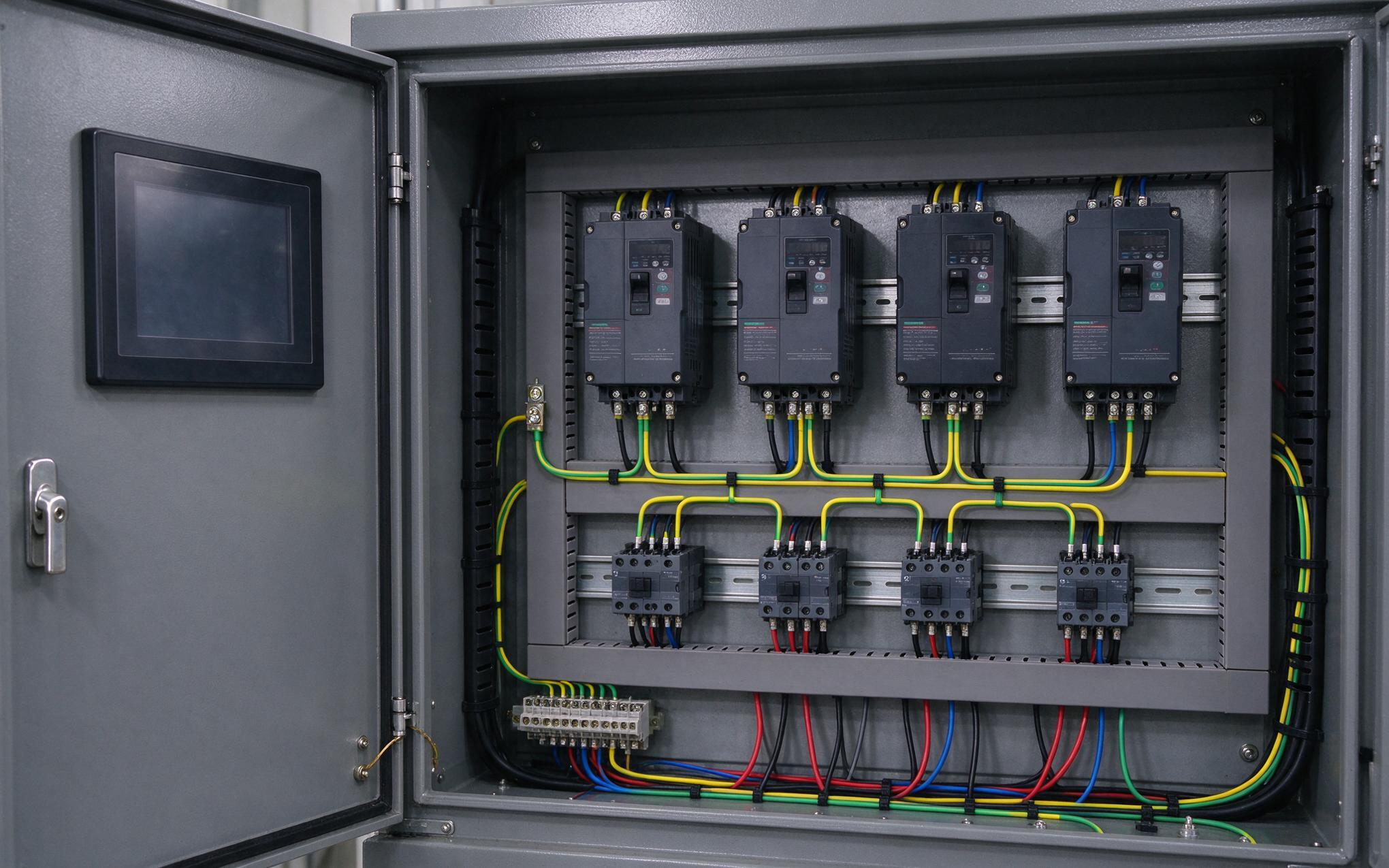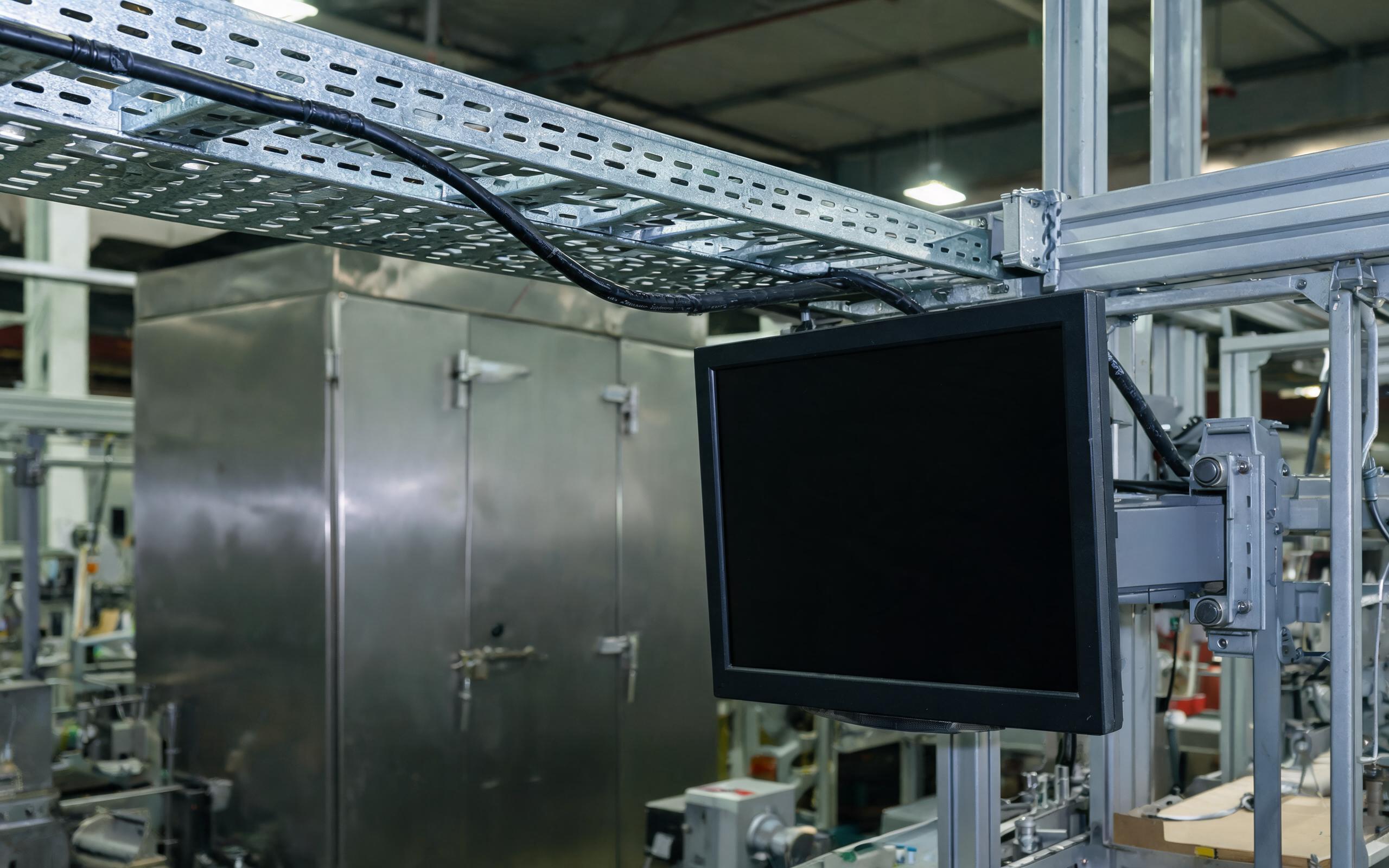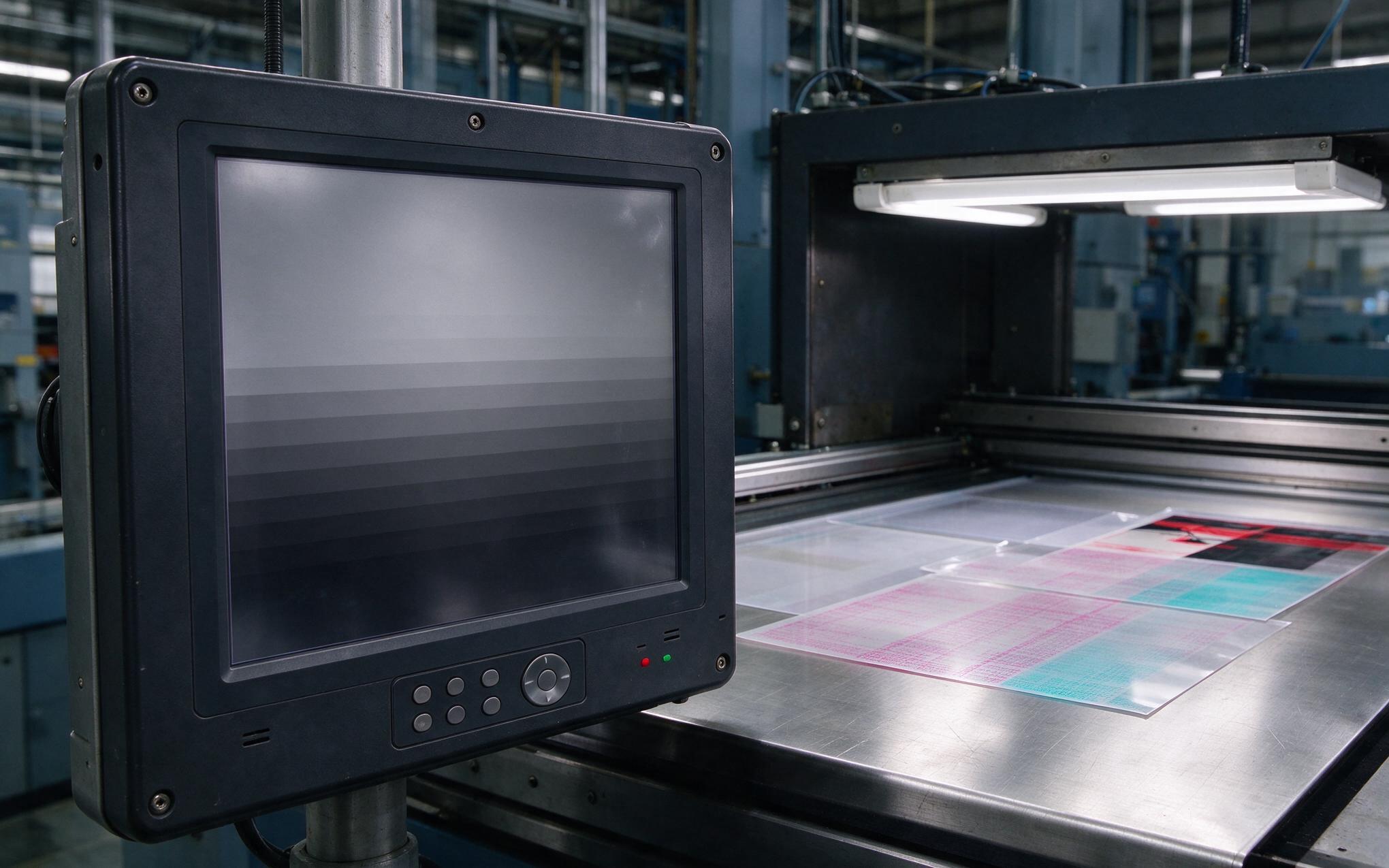
Industrial panel pc manufacturers are rethinking how compute power reaches the factory floor. A generation ago, an operator terminal meant a sealed box with a fixed processor, fixed memory, and a fixed lifespan. When the CPU became obsolete after five years, the entire unit including the display, touch panel, and enclosure went to scrap. In 2026, that equation has changed. Modular compute platforms now separate the processing module from the display assembly, allowing manufacturers to swap a single compute blade while keeping the installed screen and enclosure intact. The shift rewrites the total cost of ownership equation for factory automation deployments and redefines what field serviceability means in industrial environments.

Separating Display from Compute to Extend Equipment Lifecycles
The core engineering insight behind modular panel PC design is straightforward: displays and computing hardware depreciate on different timelines. A 21.5-inch industrial LCD with IP65 front protection can operate reliably for ten to twelve years. A processor generation reaches end-of-life in three to five years as software demands escalate. When industrial panel pc manufacturers integrate both into a single sealed enclosure, the display’s remaining utility becomes collateral damage of CPU obsolescence.
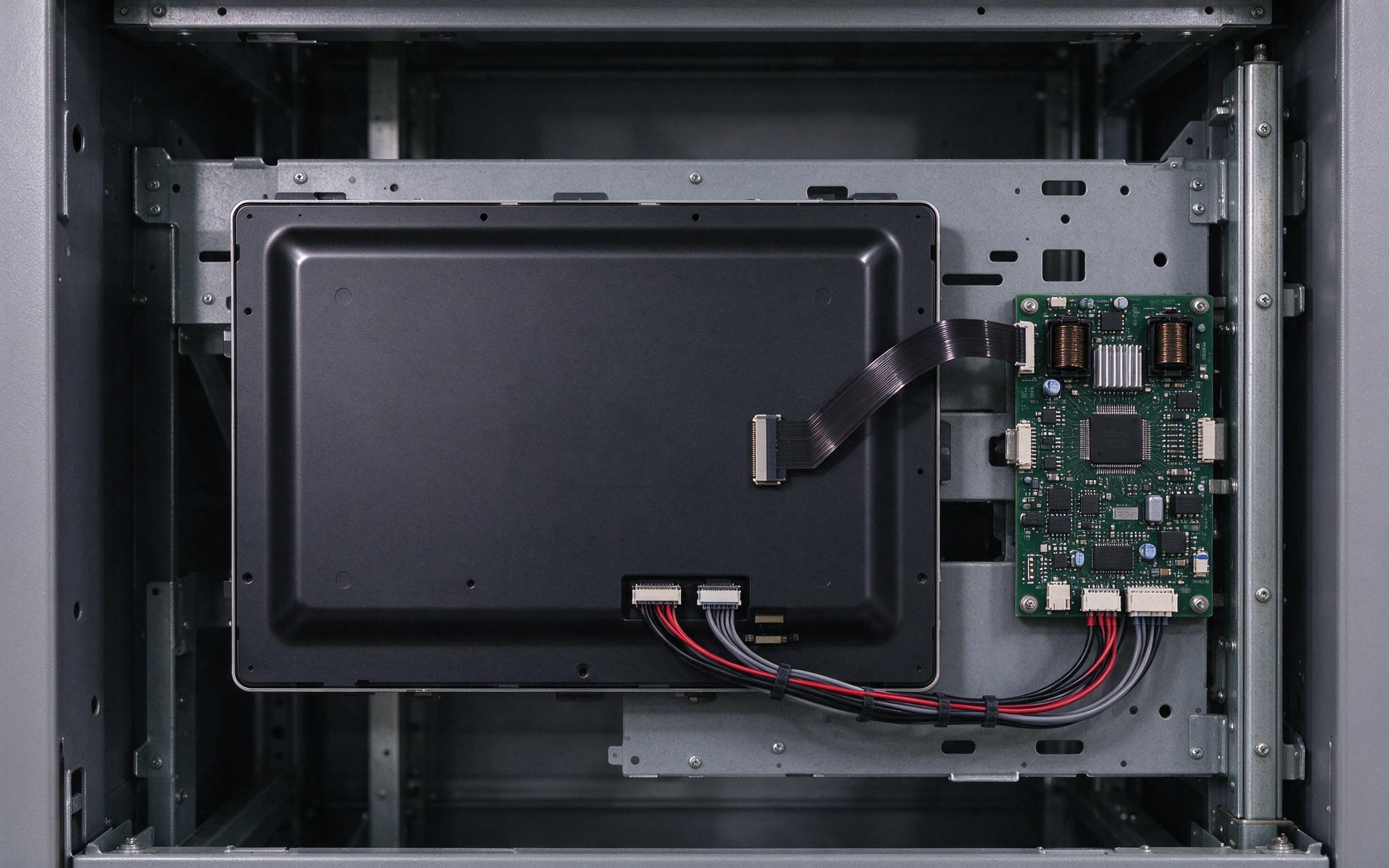
Modular architectures solve this by introducing a standardized compute module slot. The display, touch panel, and front bezel remain fixed to the machine or control cabinet. The compute blade slides out as a discrete unit. Technicians can upgrade from an eleventh-generation Intel platform to a thirteenth-generation board without disconnecting a single display cable or recalibrating the touch overlay. In food processing lines where every hour of downtime translates to thousands of dollars in spoiled product, this separation transforms a multi-day retrofit into a thirty-minute module swap.

Across Automated Production Environments
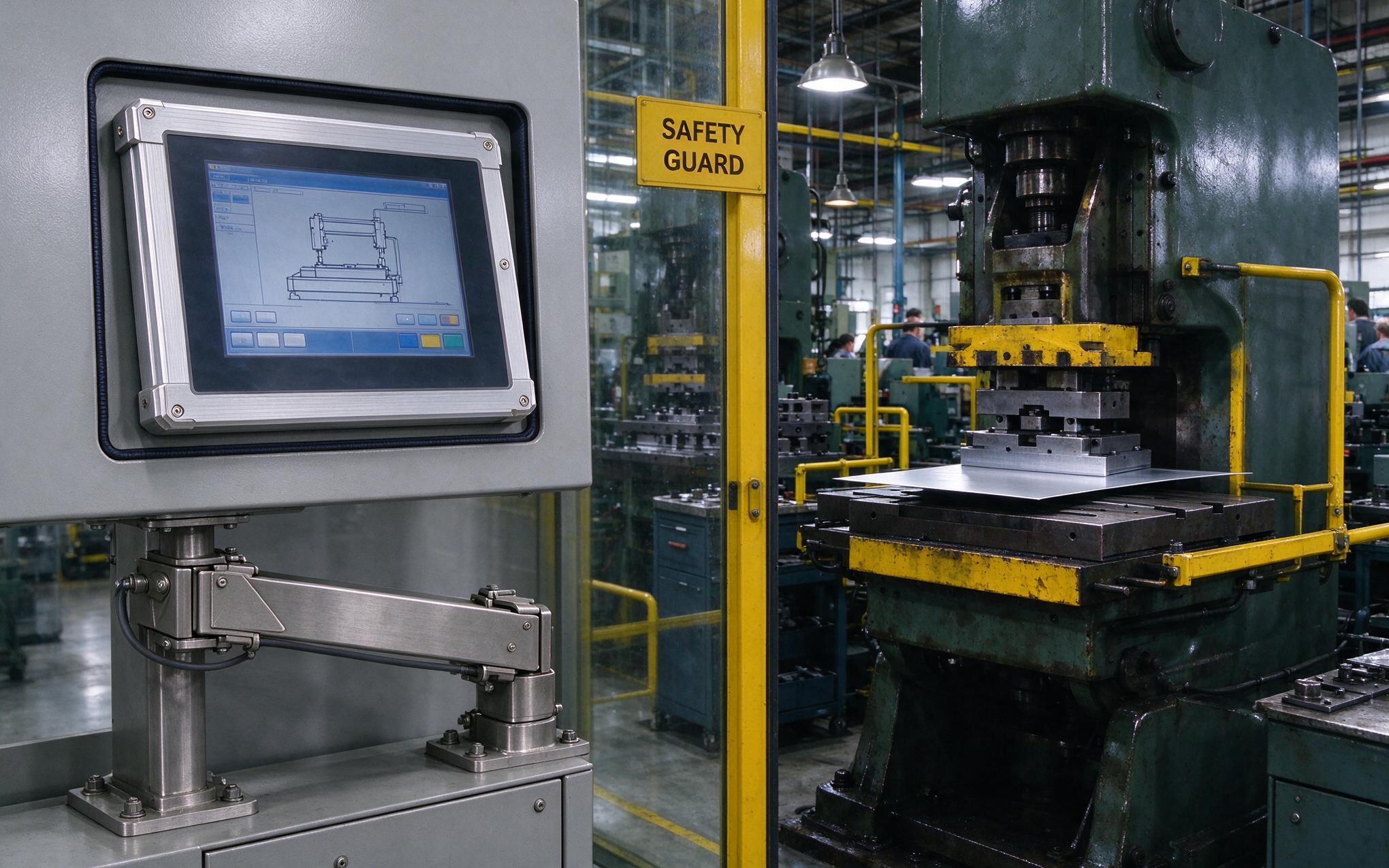
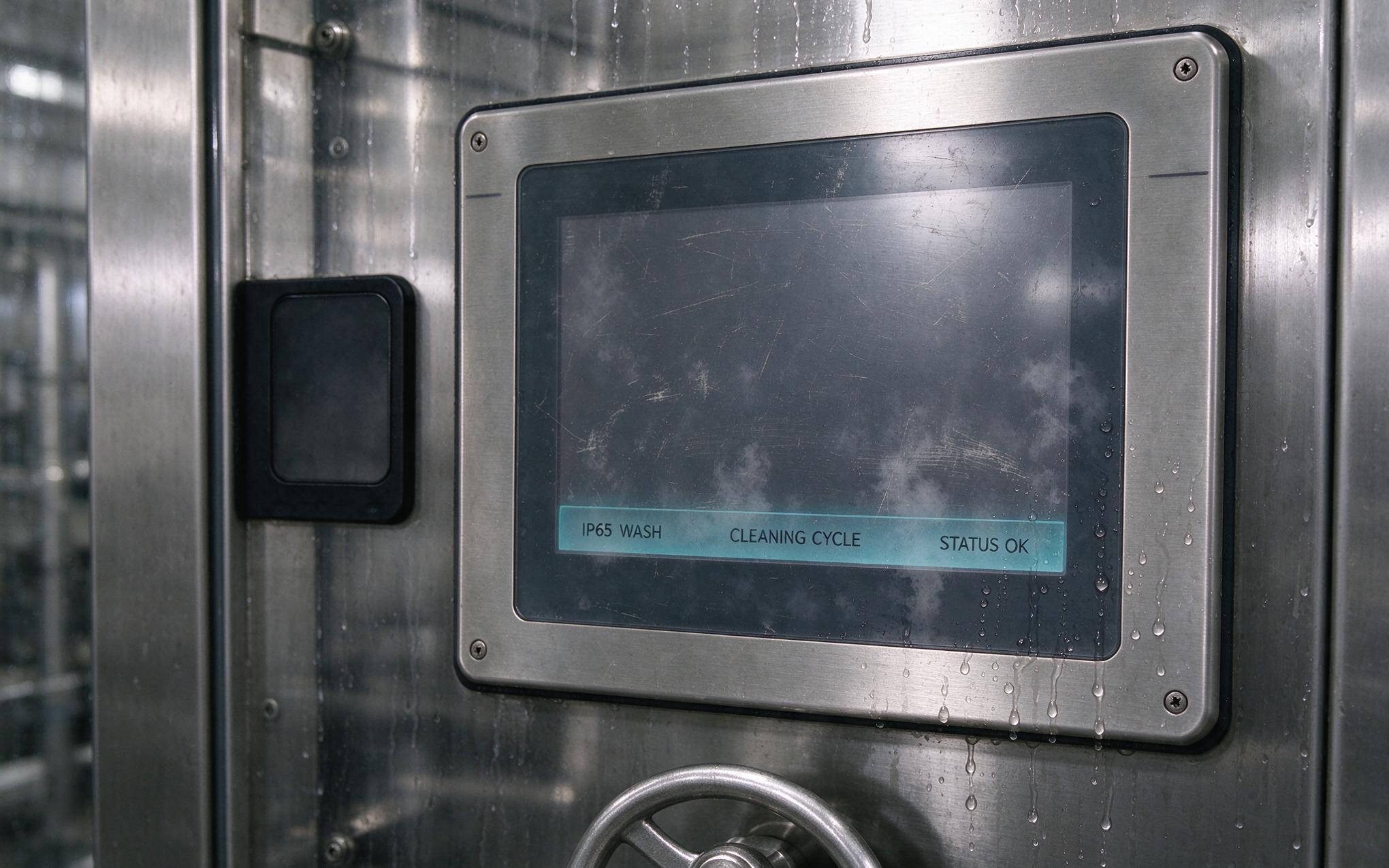
The practical value of modularity varies by deployment context. In automotive welding cells, vibration and electromagnetic interference accelerate component wear. A modular bay with vibration-dampened rails and EMI-shielded connectors protects the compute module from mechanical stresses that would degrade a traditional all-in-one unit. In pharmaceutical cleanrooms, stainless steel enclosures with IP66K front panels demand precise fitment. Modular designs allow the compute upgrade without disturbing the sealed enclosure that maintains cleanroom compliance. Industrial panel pc manufacturers serving these environments have learned that the compute module must be field-replaceable without specialized tools — a standard Phillips screwdriver and thirty seconds of operator time are the realistic constraints.
For edge AI inference applications, modularity takes on additional significance. Machine vision systems running convolutional neural networks for defect detection require GPU or NPU acceleration that did not exist when the original panel PC was specified. A modular slot architecture lets factories insert an AI accelerator blade into an existing display installation, avoiding the cost of replacing the entire operator workstation. This approach has proven valuable in semiconductor fabs where display mounting infrastructure is permanently integrated into production equipment.

What Field Technicians Need from Modular Panel PC Designs
Field serviceability is not a marketing abstraction. It is measured in the number of steps a technician must perform, the tools required, and whether the upgrade can happen during a scheduled shift change rather than a planned shutdown. Manufacturers such as KOXIAN have converged on several design principles for modular panel platforms. Hot-swap capability ensures the compute module is removable while the system is powered down and reinserted without BIOS reconfiguration. Tool-less extraction using spring-loaded retention clips replaces thumbscrews, reducing swap time below sixty seconds. Backward compatibility guarantees a new compute module fits the same chassis bay as its predecessor, protecting the factory’s investment in installed display infrastructure.
These constraints matter because factory environments do not tolerate extended downtime. A food processing plant operating three shifts cannot schedule a four-hour hardware refresh. The compute module must arrive pre-configured, slide into place, and boot the existing operating system image within minutes.

Implications for Procurement and System Integration
For procurement teams evaluating industrial panel pc manufacturers like KOXIAN, modular architecture changes the evaluation framework. Instead of specifying a complete system with a fixed processor, buyers can separate the display procurement from the compute procurement. The display becomes a long-term capital investment with a ten-year depreciation schedule. The compute module enters a shorter refresh cycle aligned with software and AI workload demands. This separation also simplifies spare parts inventory: a single compute module SKU can serve multiple display sizes across the factory, reducing the number of unique replacement parts that must be stocked.
System integrators benefit from the same flexibility. A single panel PC platform with modular compute slots can be configured for low-power data logging at one station and high-performance edge AI inference at another, all while sharing identical display hardware. This standardization reduces integration engineering time and creates a consistent operator experience across the production facility. The separation of display longevity from compute currency is becoming the baseline expectation for factory automation hardware, not a premium differentiator.