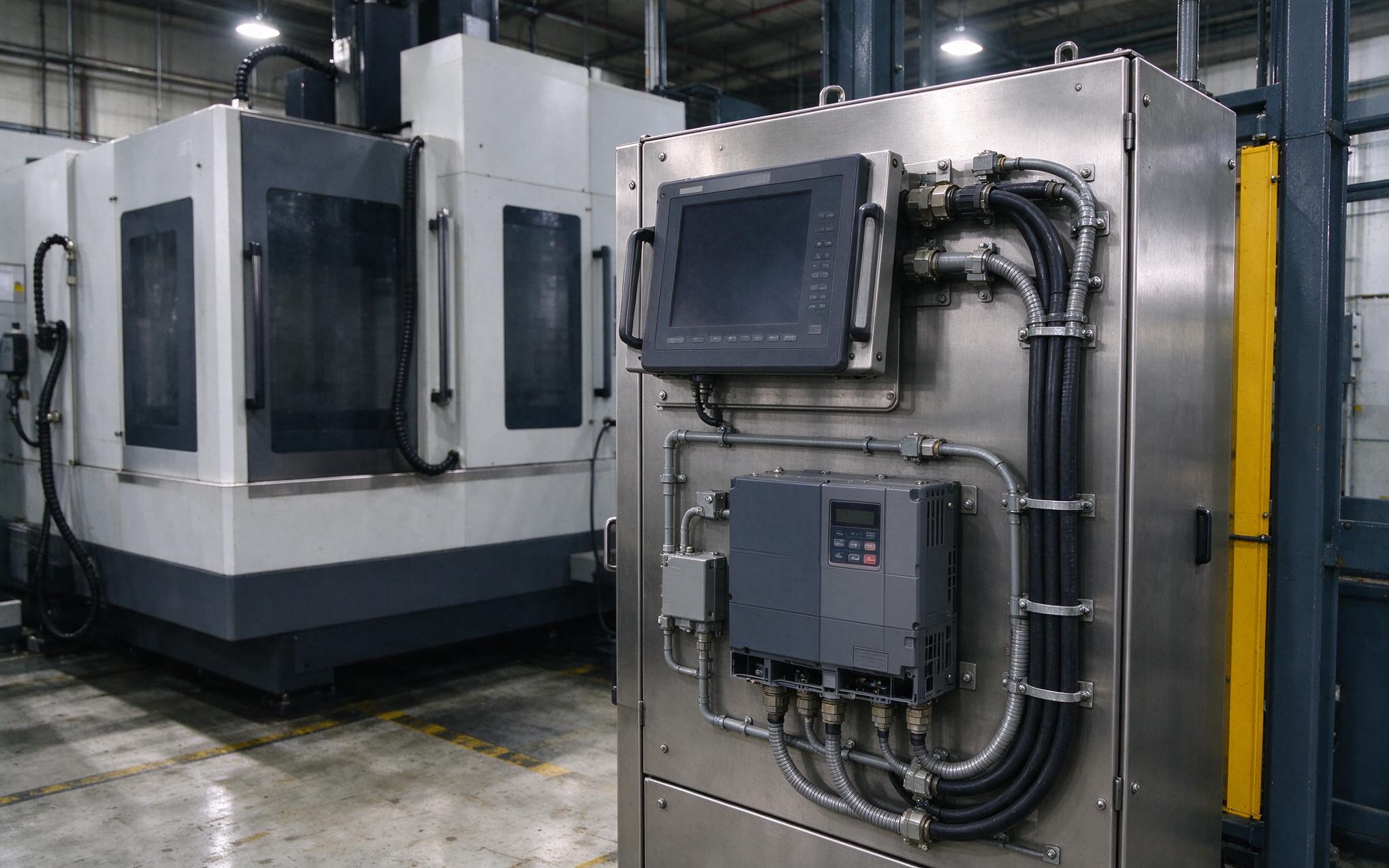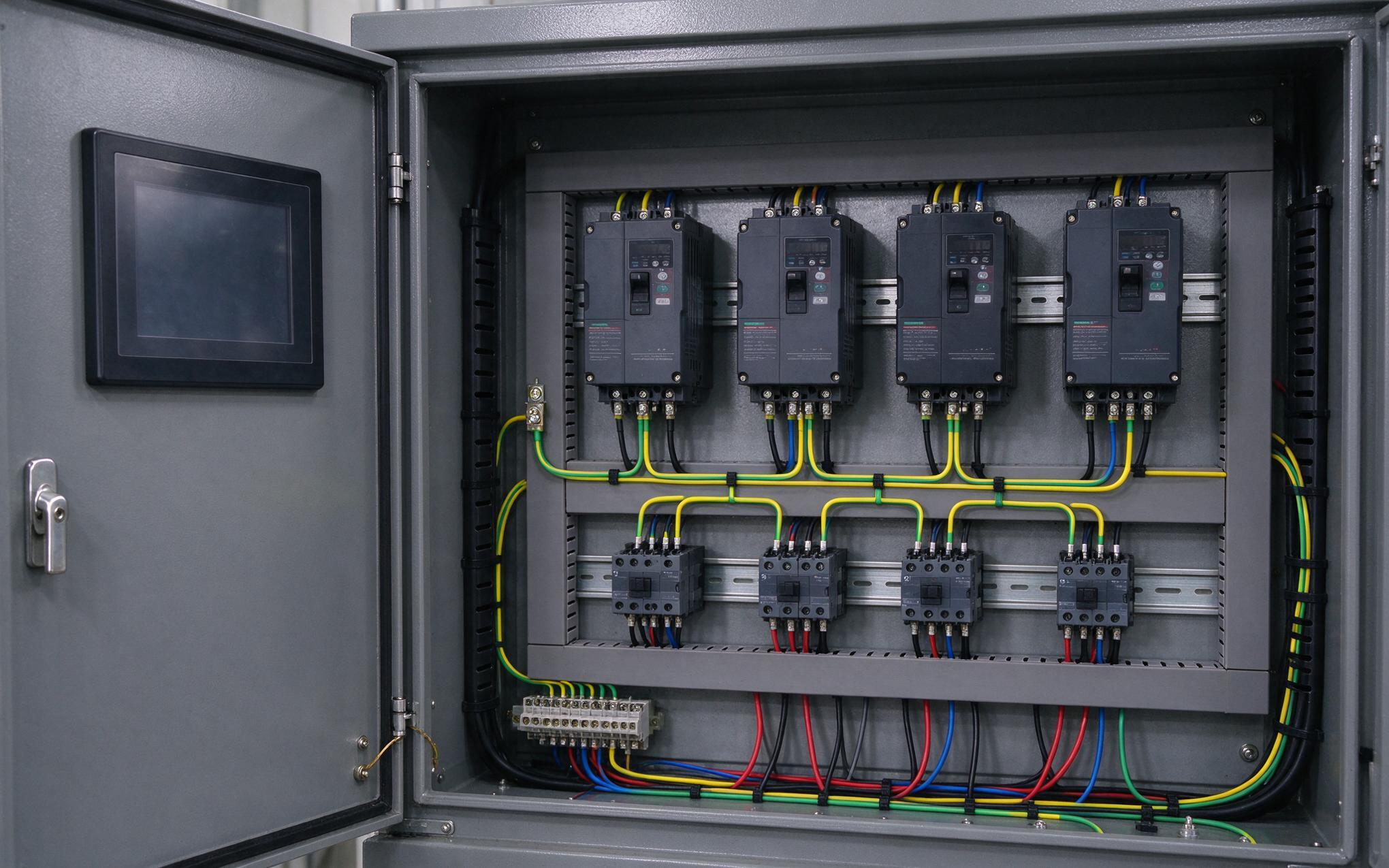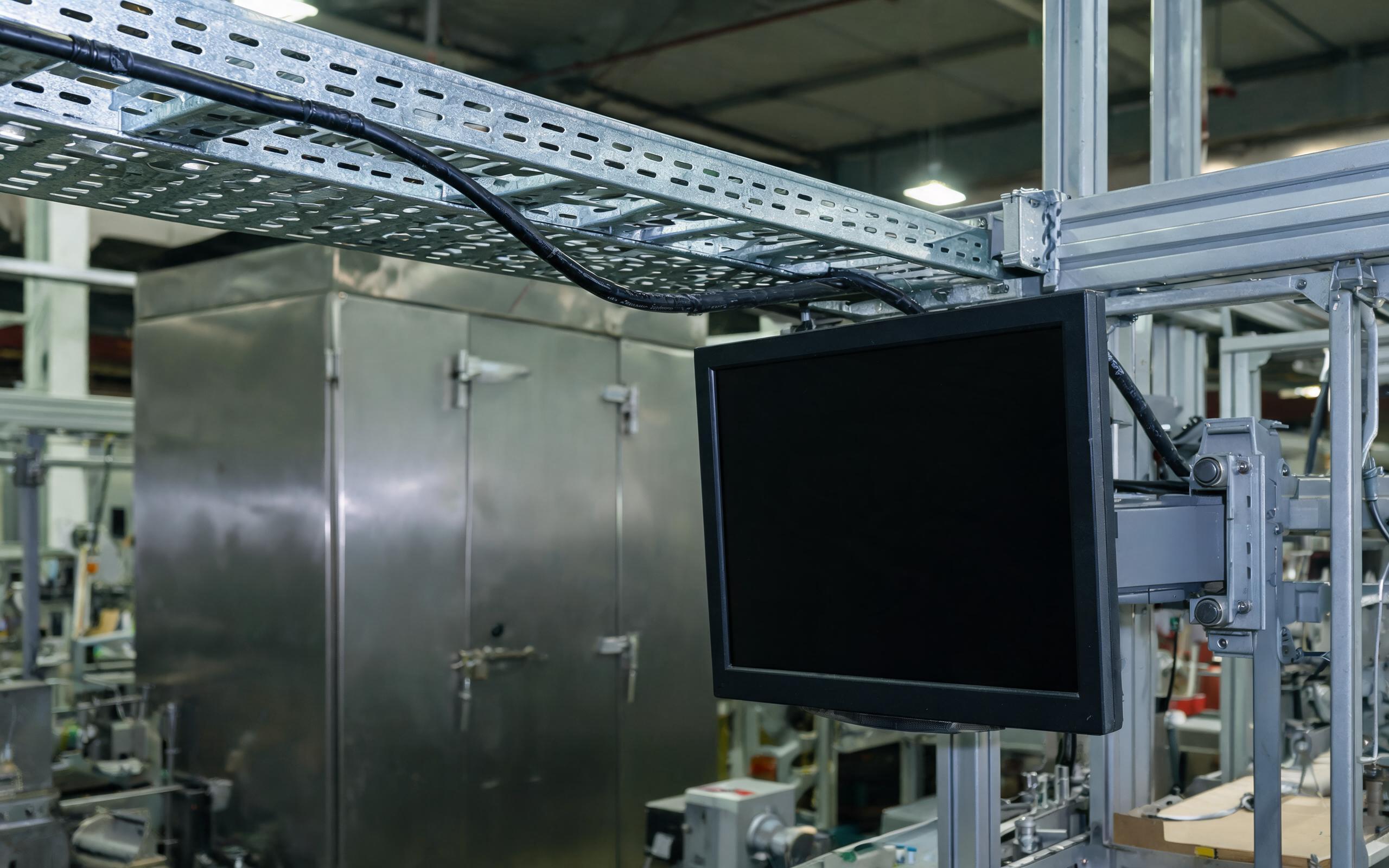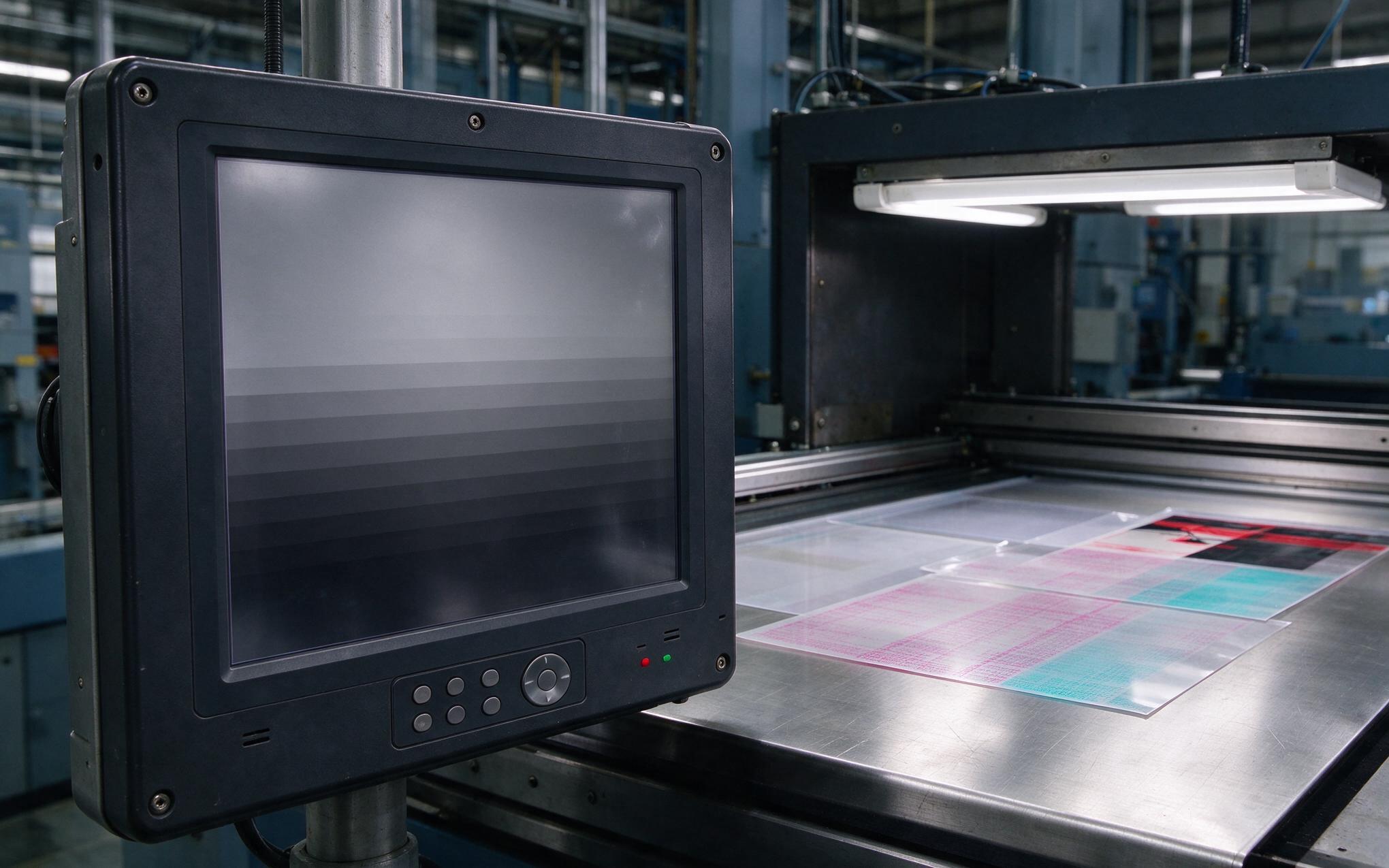
When a petrochemical plant in the Gulf Coast replaced three industrial panel mount touch screens after eighteen months, the root cause was ultraviolet exposure. The original displays had no UV-resistant coating on the cover glass, and constant solar bombardment degraded both optical clarity and the touch sensor substrate. That failure pattern is increasingly common across outdoor industrial deployments, pushing specifiers to treat UV resistance as a primary design requirement.

Why Do UV Rays Degrade Panel Mount Touch Screens Faster Than Enclosed Displays?
Ultraviolet radiation in the 280 to 400 nanometer band carries enough photon energy to break polymer chains in optical adhesives and polarizer films. In an enclosed industrial panel mount touch screen, the bezel shields the display stack, limiting UV penetration. In an open kiosk, the cover glass is the only barrier, and untreated soda-lime glass transmits roughly 70 percent of incident UV-A energy into the display stack. Over months, this causes polarizer yellowing, adhesive haze, and declining touch sensor signal-to-noise ratio.
The failure modes extend beyond optical deterioration. UV exposure accelerates aging of silicone conformal coatings on the touch controller PCB, which can trigger intermittent ghost touches or complete sensor failure. In high-humidity coastal environments, UV-driven heat cycling combined with salt spray creates compounded stress that standard cover glass coatings cannot survive. This is precisely the scenario where UV-resistant coatings become a critical engineering differentiator for panel mount touch screen deployments.

Deploying UV-Resistant Panel Mount Touch Screens in Outdoor Industrial Sites
Outdoor panel mount touch screen installations span solar farm monitoring stations, oil and gas wellhead controllers, water treatment SCADA terminals, and EV charging kiosks. Each environment shares a common requirement: the display must remain readable under direct sunlight for years. The engineering response has evolved from simply increasing backlight brightness to a layered approach combining optical coatings, material selection, and thermal management.
High-brightness panels rated at 1,000 to 1,500 nits address immediate readability, but brightness alone does nothing to prevent UV degradation. For panel mount touch screens in desert environments, manufacturers like KOXIAN develop cover glass assemblies that block UV transmission while maintaining optical clarity. Multi-layer UV blocking coatings combine with optical bonding to eliminate the internal air gap, reducing both UV penetration paths and internal reflection. The bonded stack also provides structural rigidity against thermal cycling stress, which matters when daily temperature swings exceed 40 degrees Celsius.

Inside the UV Blocking Mechanism in Industrial Touch Screen Cover Glass
The core technology behind UV-resistant cover glass is thin-film optical interference. A multi-layer dielectric coating is deposited through vacuum sputtering, with each layer calibrated to a specific refractive index and thickness. The layers are designed so that UV-wavelength photons constructively interfere in the reflected direction while visible-light photons pass through with minimal attenuation. A three-layer stack can achieve UV-A transmission below 1 percent while maintaining visible light transmission above 90 percent, compared to roughly 70 percent UV-A transmission through untreated glass.
For capacitive touch sensors, the UV coating must be applied to the outer surface of the cover glass, because the ITO sensor layer sits on the inner surface. The coating faces direct exposure to abrasion, cleaning chemicals, and mechanical impact. Industrial panel mount touch screen manufacturers address this by applying a hard-coat layer over the UV interference stack, typically achieving pencil hardness of 7H or above. Procurement specifications from suppliers like KOXIAN define both UV transmission limits and surface hardness, ensuring the coating survives optical and mechanical degradation pathways.

Selecting the Right UV Protection Level for Panel Mount Touch Screens
Not all outdoor deployments require the same UV protection level. A panel mount touch screen installed under a shaded canopy faces a different UV exposure profile than one mounted on an exposed wellhead controller in a desert basin. The selection process should begin with site-specific solar data, including peak UV index, annual UV dose in megajoules per square meter, and the angle of incidence relative to the display orientation.
For most outdoor industrial panel mount touch screen applications, UV-A blocking of 99 percent or above is recommended for exposed installations, while semi-shaded locations may accept 95 percent with compensating backlight. Single-layer and multi-layer UV coatings involve a cost-performance trade-off: single-layer coatings are less expensive but provide narrower coverage, while multi-layer stacks offer broadband protection at 15 to 25 percent higher unit cost. System integrators should verify the UV coating specification includes accelerated aging data per IEC 60068-2-5.
As outdoor industrial computing deployments continue to expand, UV-resistant coatings are transitioning from a premium option to a baseline requirement. Specifying panel mount touch screens for high-exposure environments means treating UV blocking with the same rigor as IP rating and operating temperature. The cost of a properly coated cover glass assembly is marginal compared to the replacement labor and downtime cost of a failed display in a remote outdoor installation.