
A packaging line in an automotive parts facility went silent for forty-seven minutes last March. The cause was not a mechanical failure but a data bottleneck: the central server could not process vision inspection results fast enough to keep pace with the conveyor. When the system finally caught up, two hundred defective components had already passed downstream. Incidents like this are pushing plant engineers to reconsider where computing power sits on the factory floor. Edge computing in industrial pc for automation deployments is no longer optional for facilities that need deterministic, real-time decision-making at the machine level.
Redefining Where Decisions Happen on the Production Line

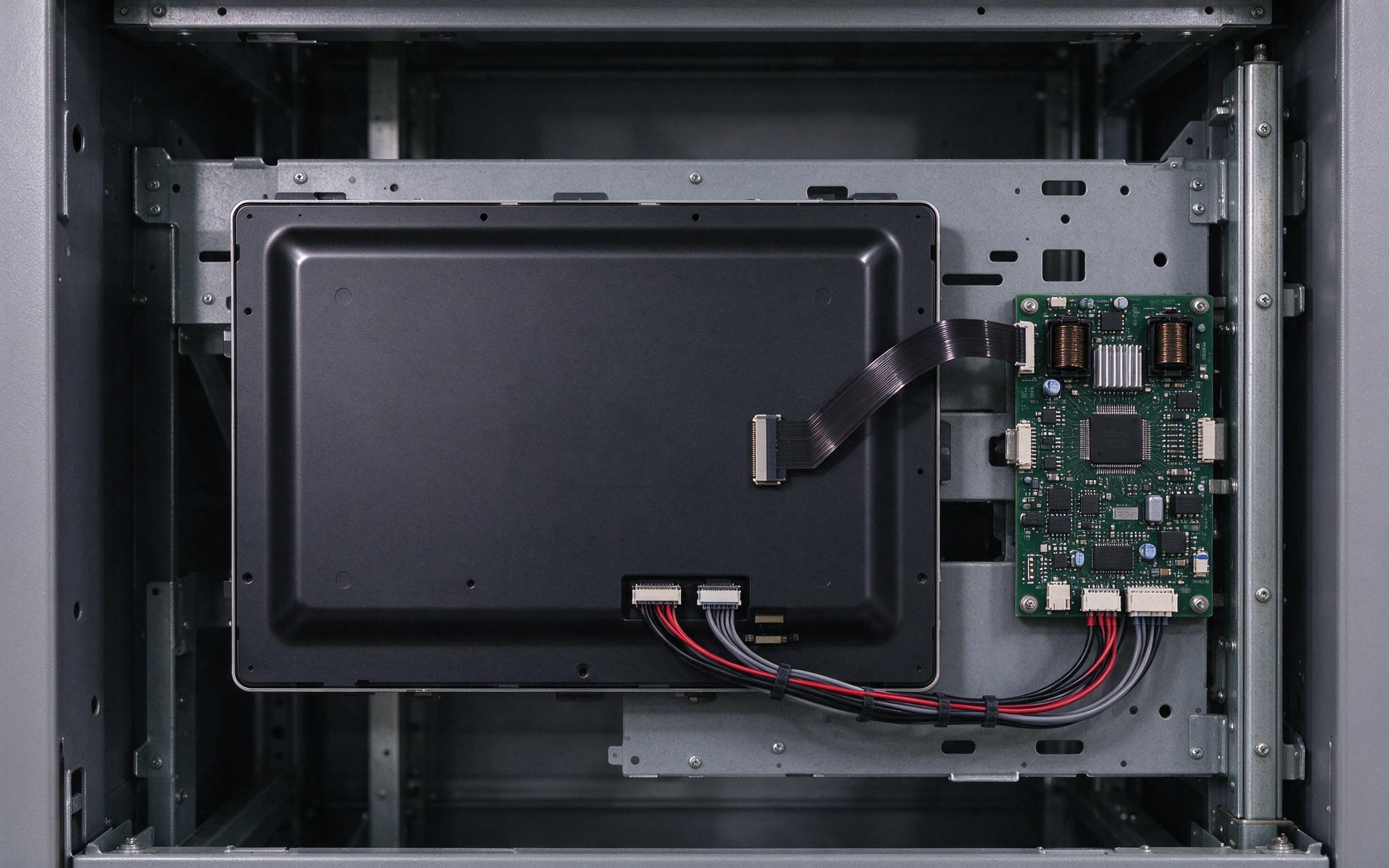
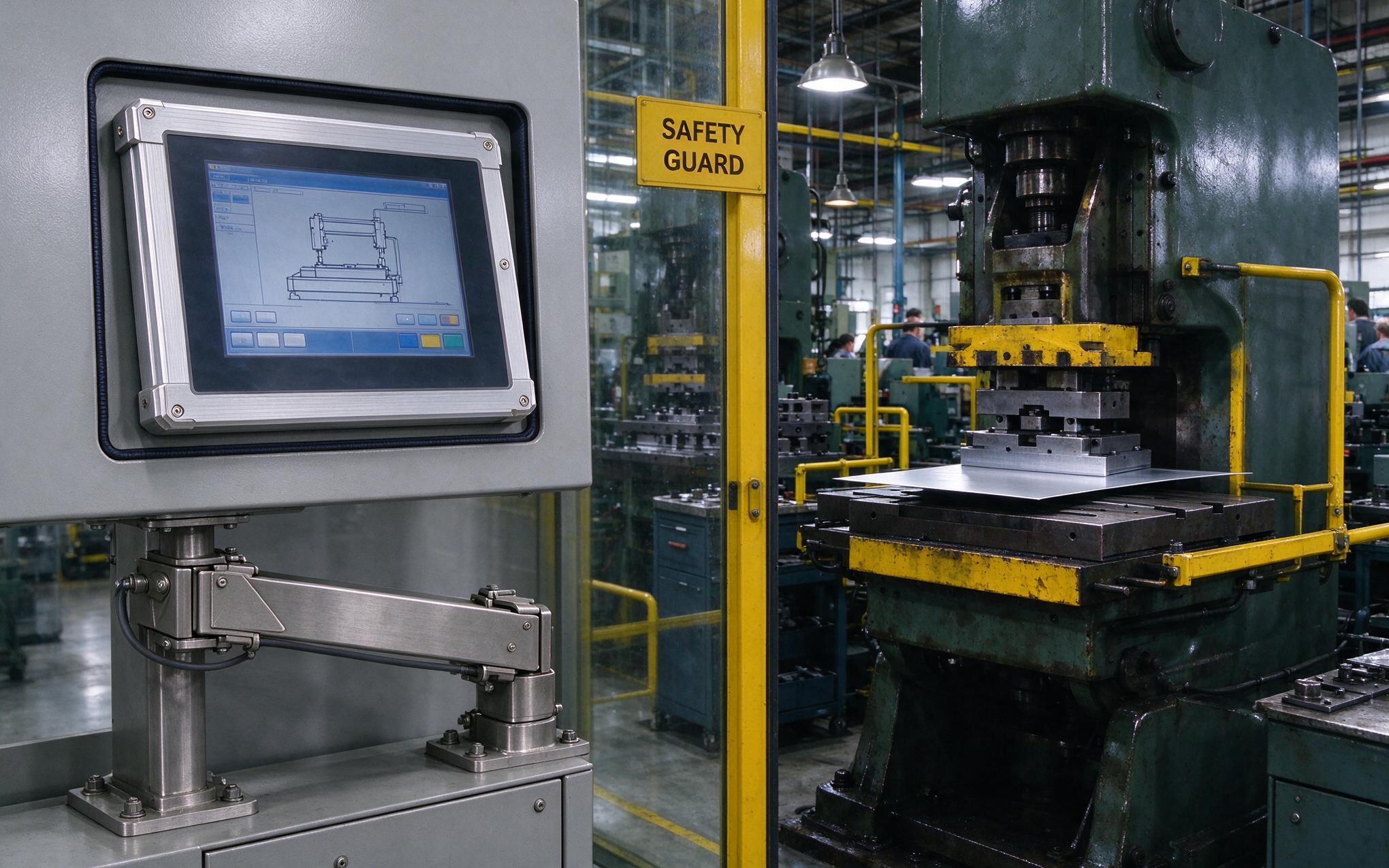
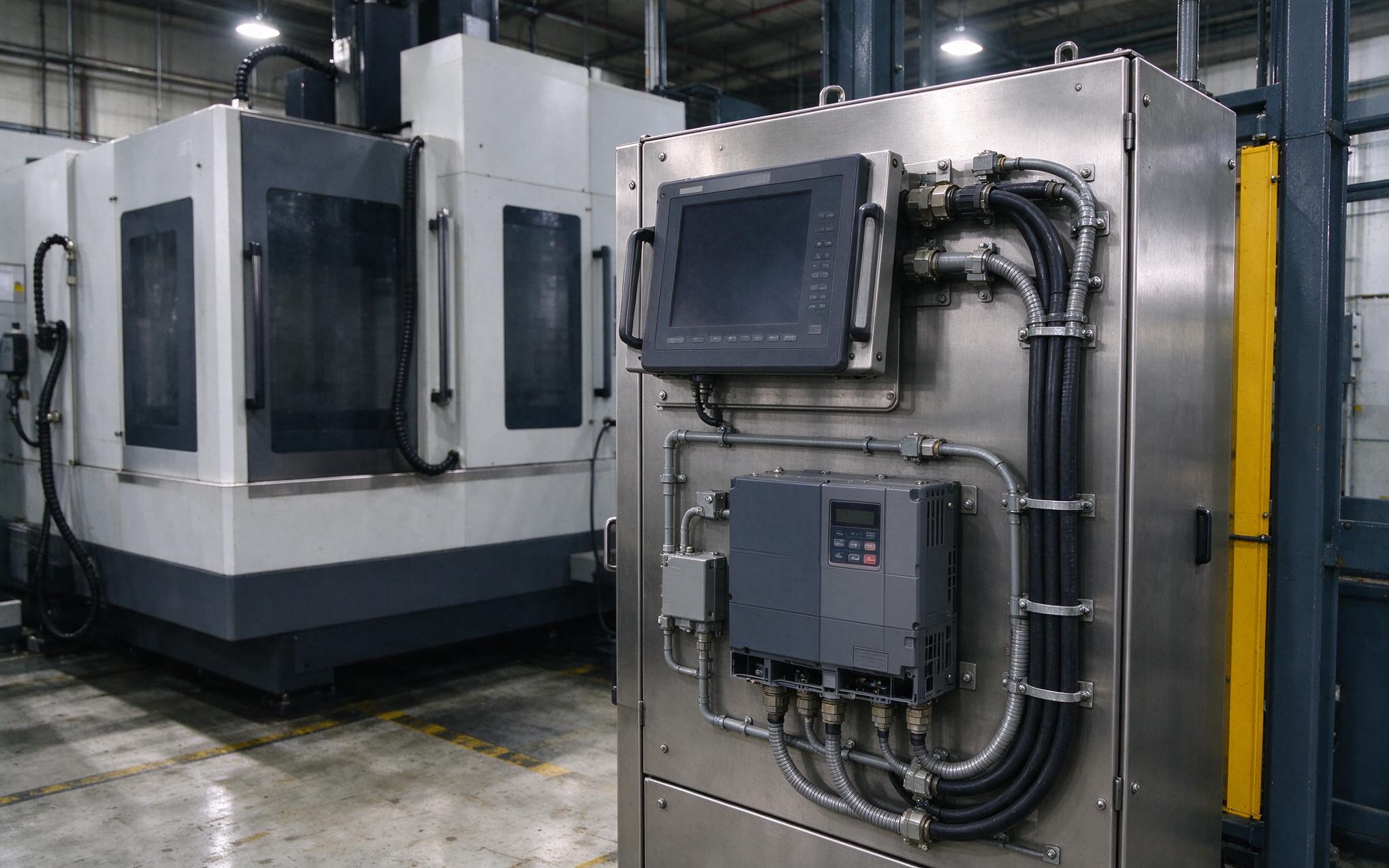
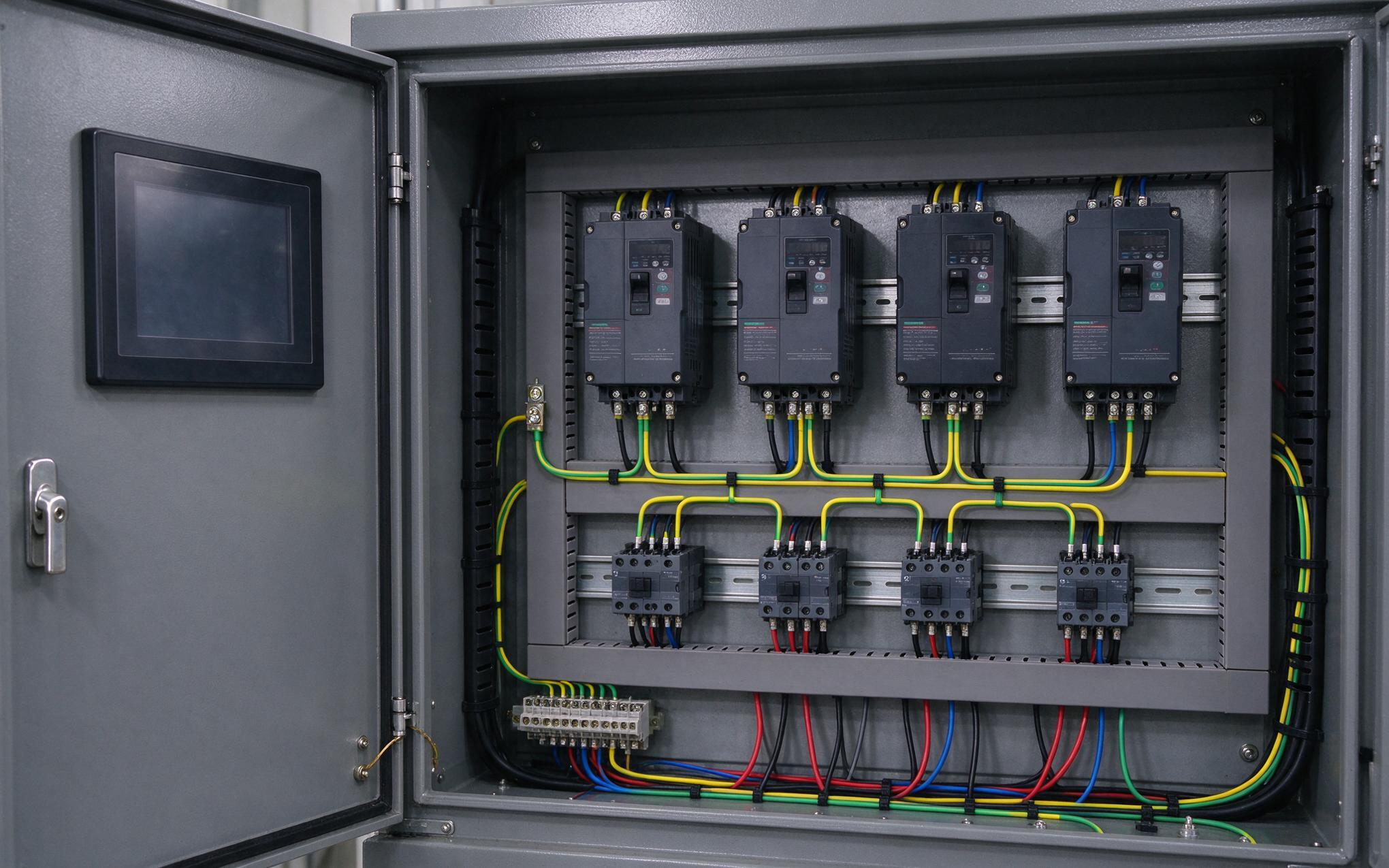
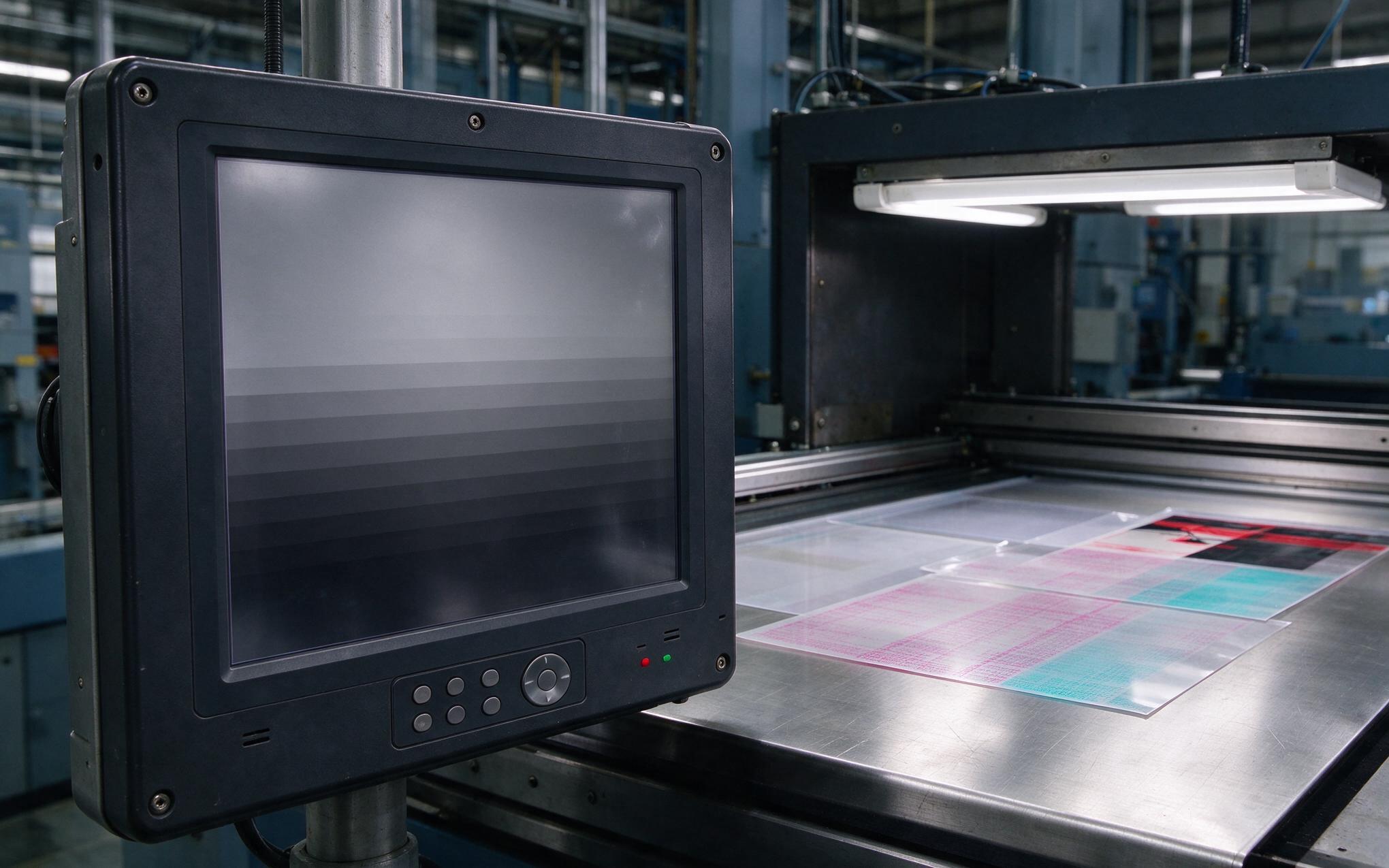
Edge computing moves data processing from centralized servers to localized computing nodes placed directly adjacent to sensors, cameras, and actuators. In an industrial pc for automation context, this means deploying rugged computing hardware on the line itself, capable of ingesting high-frequency sensor streams and producing actionable outputs within milliseconds rather than seconds.
The architectural shift is significant. Traditional designs route all sensor data through a single control room, creating latency windows that grow proportionally with network distance and traffic volume. Edge-equipped systems process data locally, forwarding only aggregated results or anomaly alerts upstream. This reduces bandwidth consumption on plant networks and, more critically, eliminates the single-point-of-failure risk inherent in centralized architectures.
Balancing Real-Time Processing With Environmental Constraints

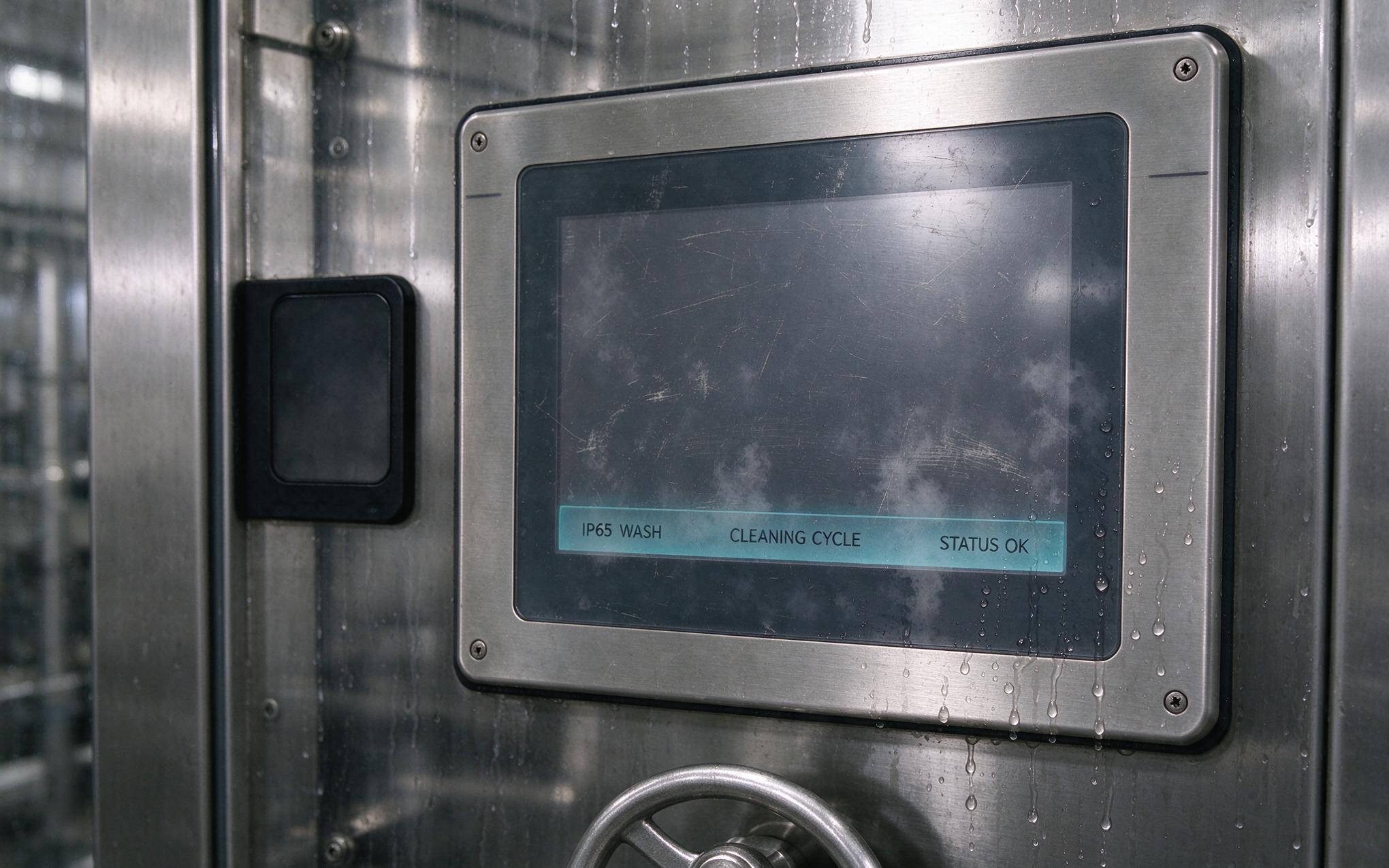
Deploying computing hardware at the edge introduces a set of physical challenges that conventional IT equipment cannot address. Factory floors present continuous vibration, airborne particulate, temperature swings, and in some sectors, direct washdown exposure. An edge-deployed platform must survive conditions that would destroy a standard rack-mount server within weeks.
Thermal management is particularly critical. Fanless designs using aluminum heat-sink enclosures eliminate the primary failure point of cooling fans, which typically seize after 30,000 to 50,000 hours in dusty environments. Wide-temperature components rated for -20°C to 60°C operation ensure the computing platform remains stable during seasonal shifts and near heat-generating machinery.
IP65-rated front panels protect against water jets and dust ingress, a requirement in food processing and pharmaceutical manufacturing where daily sanitation routines involve high-pressure washdown. For edge-deployed platforms in these sectors, the enclosure is not an accessory but a survival mechanism. Sealed aluminum chassis designs, such as those from KOXIAN, meet IEC 60529 ingress protection standards without sacrificing thermal dissipation efficiency.
What Should Engineers Evaluate When Selecting Edge-Ready Hardware?

Selecting an industrial pc for automation platform for edge deployment requires evaluating factors that go beyond raw processor specifications. Three dimensions matter most in practice.
Thermal Design and Enclosure Rating. A unit rated IP65 with a fanless aluminum chassis will outlast a ventilated steel-box design by a factor of three to five in comparable environments. The enclosure must be validated against IEC 60529 ingress standards and tested for thermal cycling per IEC 60068-2-14.
Deterministic I/O and Network Latency. Edge processing is only valuable if data reaches the computing node with predictable timing. Industrial Ethernet protocols require hardware timestamping support and sub-millisecond jitter tolerance. Platforms intended for closed-loop control must be validated for end-to-end latency under full load, not just idle conditions.
Ensuring Long-Term Viability of Edge Deployments
Industrial deployments run for seven to fifteen years. Components must have confirmed multi-year availability roadmaps. Modular designs that allow field-replaceable storage, memory, and I/O modules reduce total cost of ownership by extending the useful life of the installed base.
Hardware manufacturers such as KOXIAN have adopted platform-freeze strategies that lock component specifications for extended periods, protecting integrators from mid-lifecycle redesigns. This commitment to long-term supply continuity is a differentiator that separates industrial-grade edge platforms from repurposed commercial hardware.
Edge computing is reshaping the role of industrial pc for automation from passive data loggers into active, decision-making nodes on the production line. Facilities that adopt edge-ready platforms gain measurable advantages in uptime, response latency, and network resilience. The selection process demands careful attention to thermal design, deterministic networking, and long-term component availability, factors that distinguish purpose-built industrial hardware from IT equipment adapted for factory use.