
The True Cost of Network Downtime in Production Environments
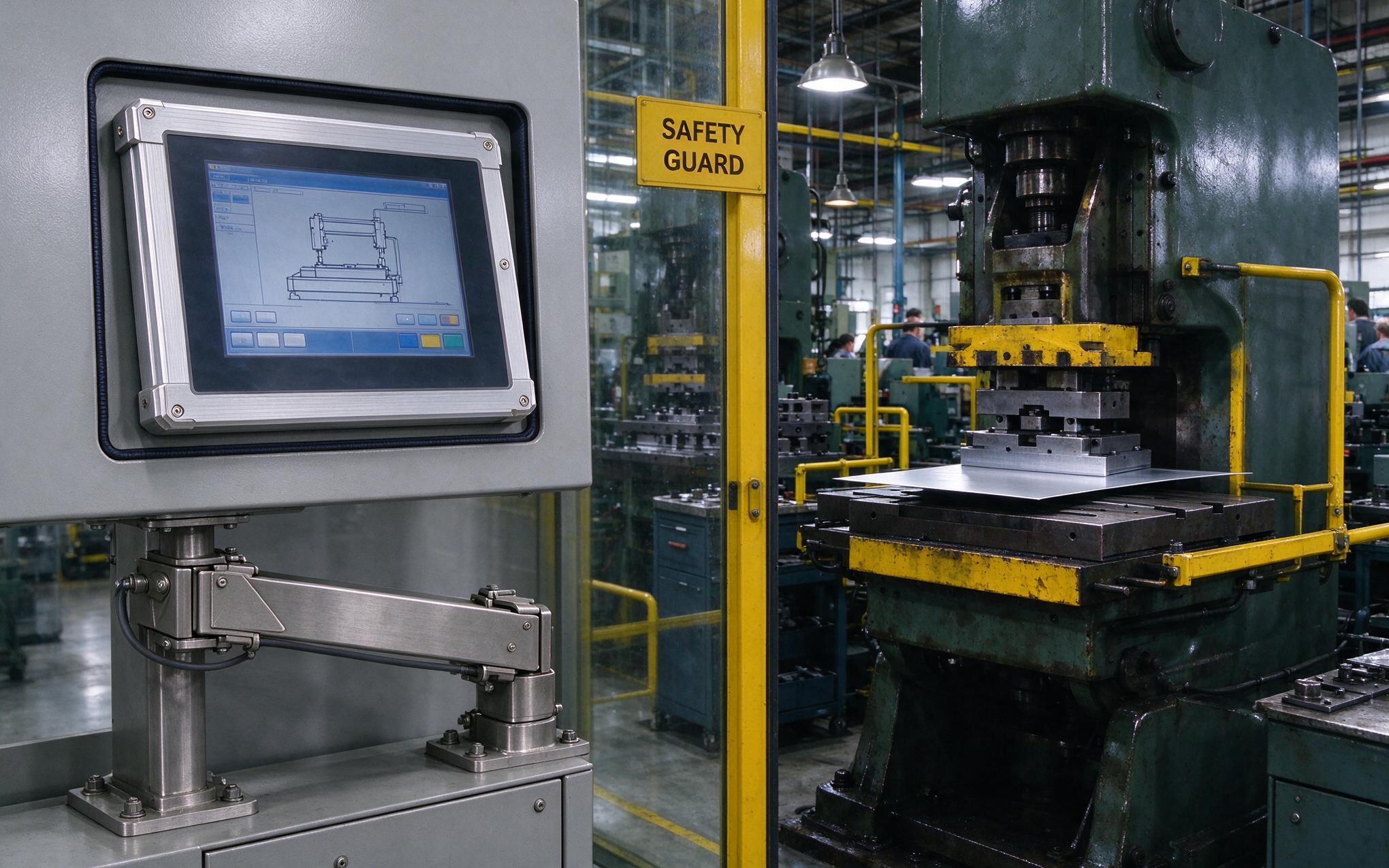
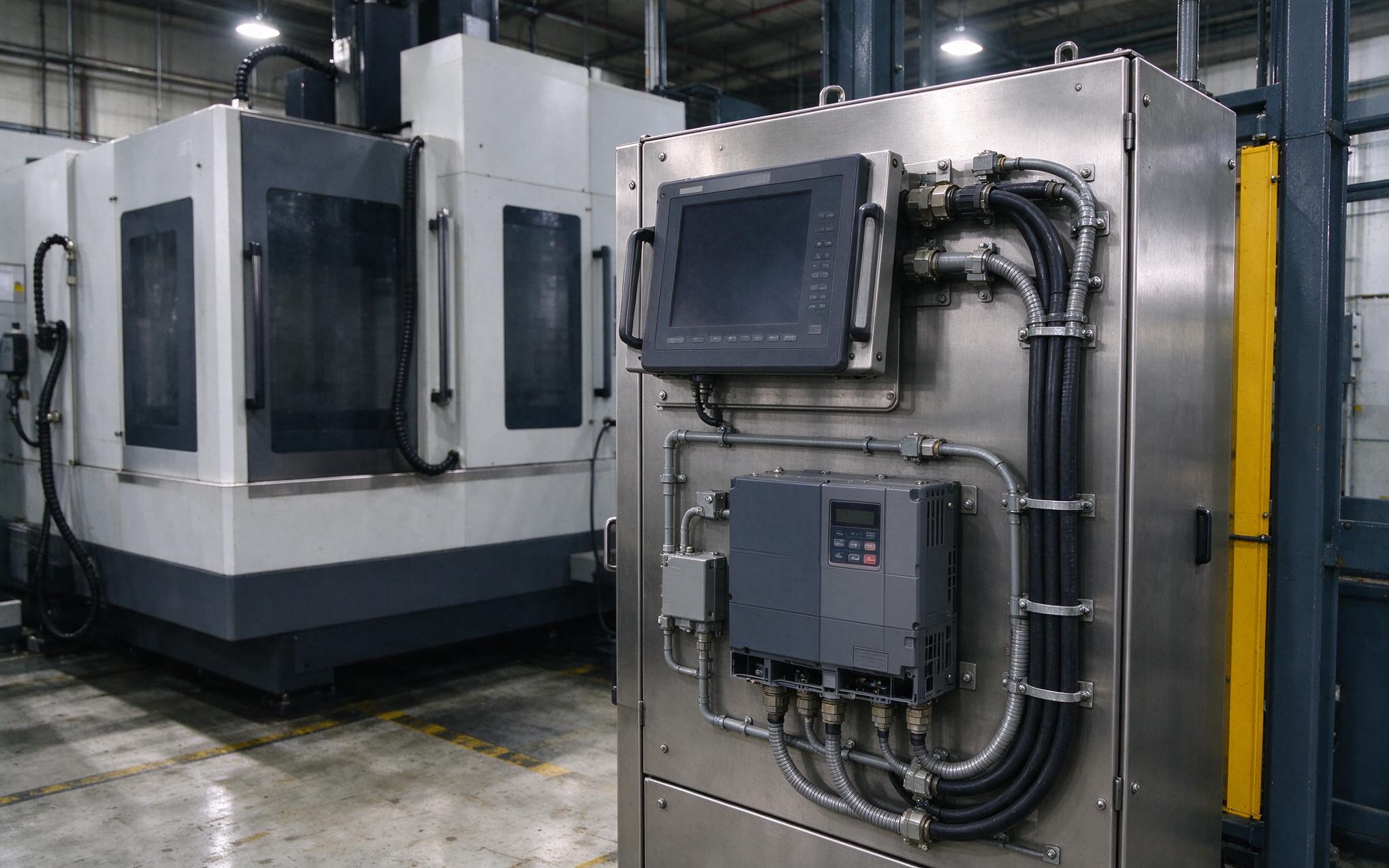
Production line downtime costs more than lost output. When a packaging facility in the Midwest lost network connectivity between its operator stations and the central SCADA server for forty-five minutes, the resulting backlog required two full shifts to clear. The root cause was not a hardware failure — it was a single-point network vulnerability that every connected industrial workstation shares. For operations running fanless industrial all in one pc systems on the factory floor, dual-LAN redundancy has become a baseline requirement rather than a premium upgrade. Industry analysts estimate that unplanned network outages in manufacturing environments cost between $5,000 and $50,000 per hour depending on the operation’s scale and the criticality of affected systems.

Dual-Port Failover Architecture in Fanless All-in-One Systems
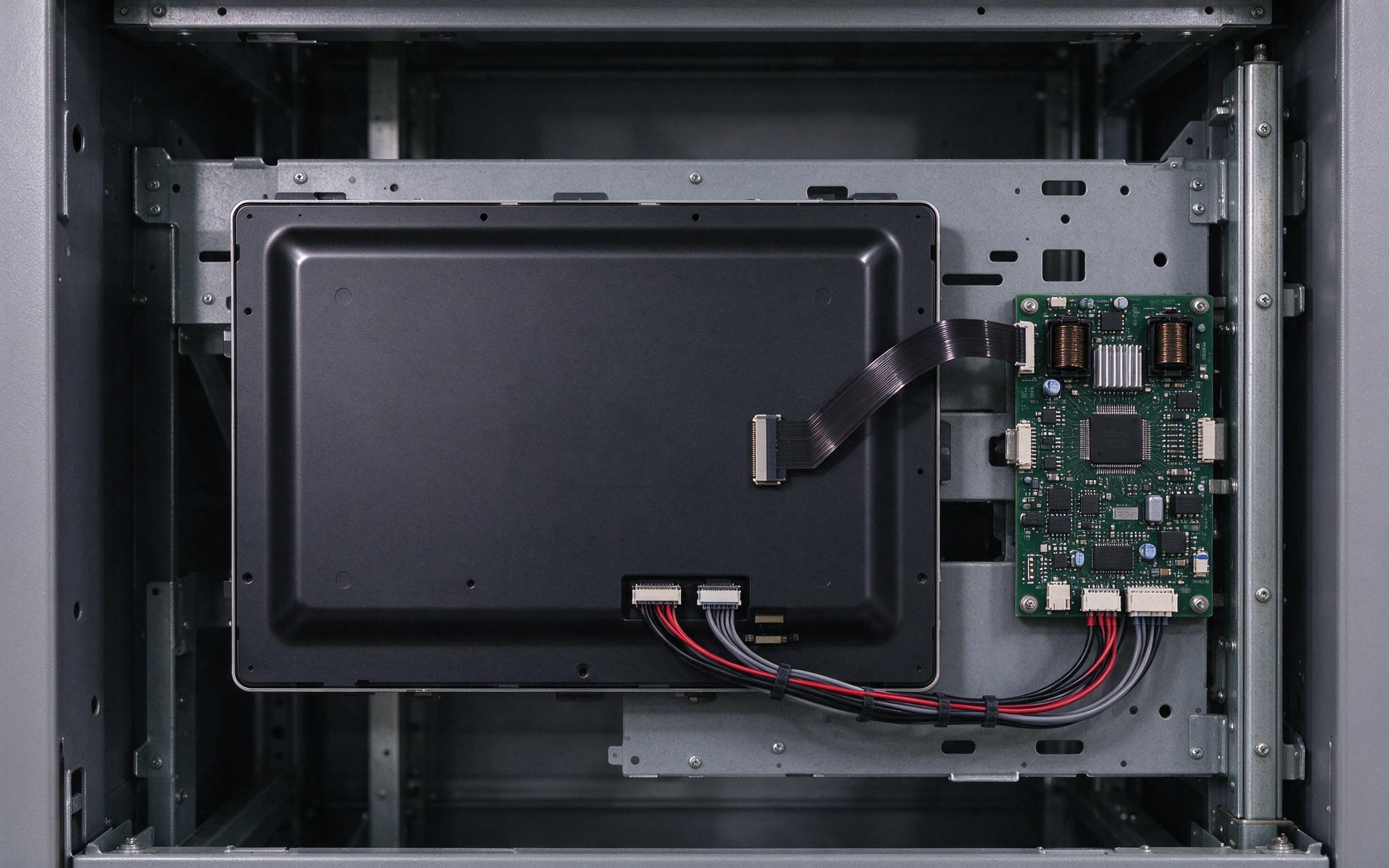
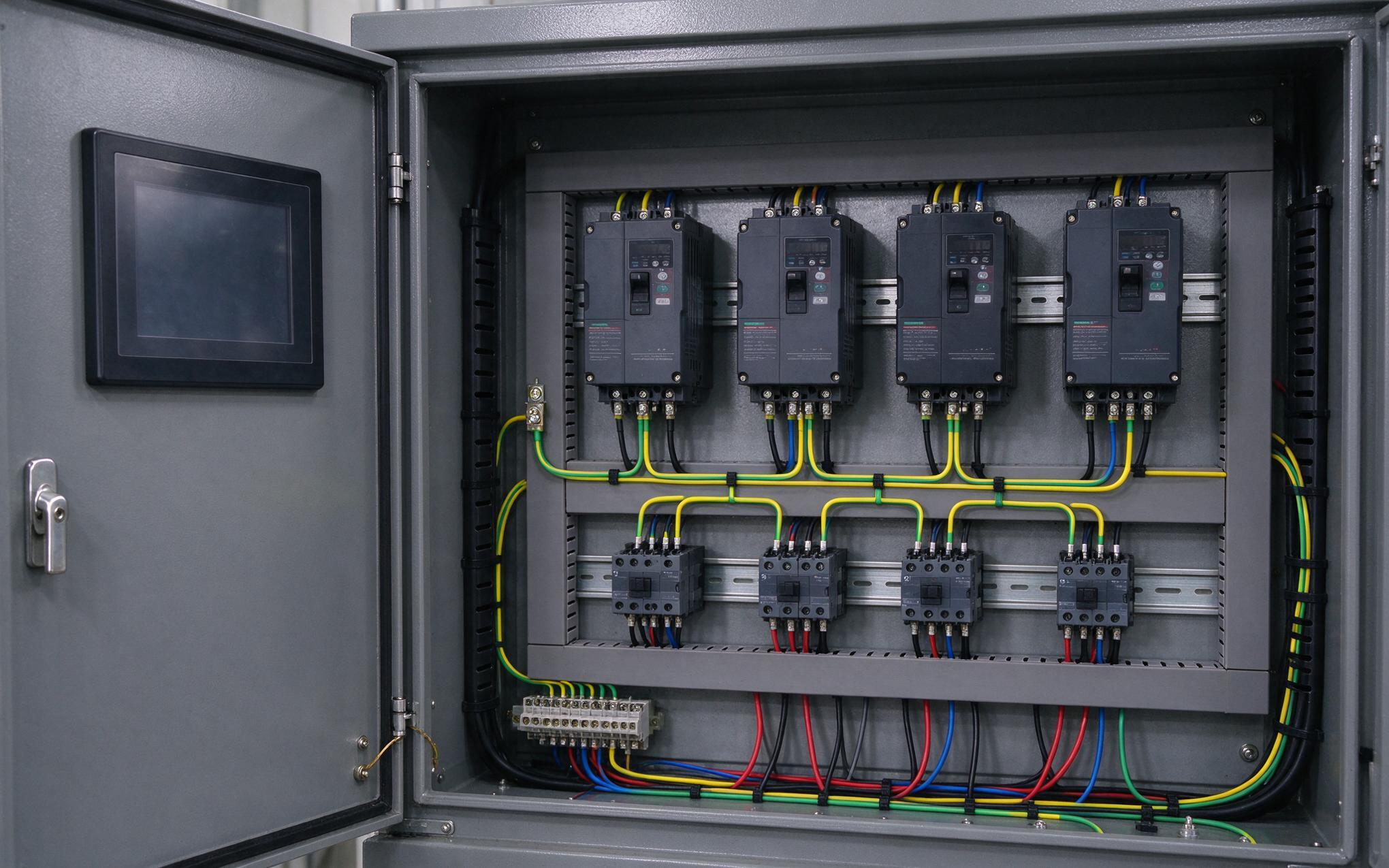
A fanless industrial all in one pc equipped with dual Ethernet ports provides two independent network paths that operate in active-standby or active-active configurations. In active-standby mode, the primary port handles all traffic while the secondary port monitors connection health through continuous heartbeat signals. When the primary link fails — whether from a cable fault, switch port malfunction, or electromagnetic interference — the system automatically transitions traffic to the backup port within milliseconds. This failover happens transparently to the operator and to upstream SCADA systems, maintaining data continuity without human intervention. Manufacturers like KOXIAN implement hardware-level failover controllers that operate independently of the operating system, ensuring network redundancy remains functional even during OS-level freezes or software crashes. The dual-port design eliminates the need for external failover switches, reducing the total number of components in the signal path and lowering the probability of cascading failures. In continuous-process industries such as food packaging, pharmaceutical manufacturing, and automotive assembly, even a five-minute interruption triggers cascading delays across upstream and downstream stations.

OT and IT Network Segmentation Through Dual-Port Isolation
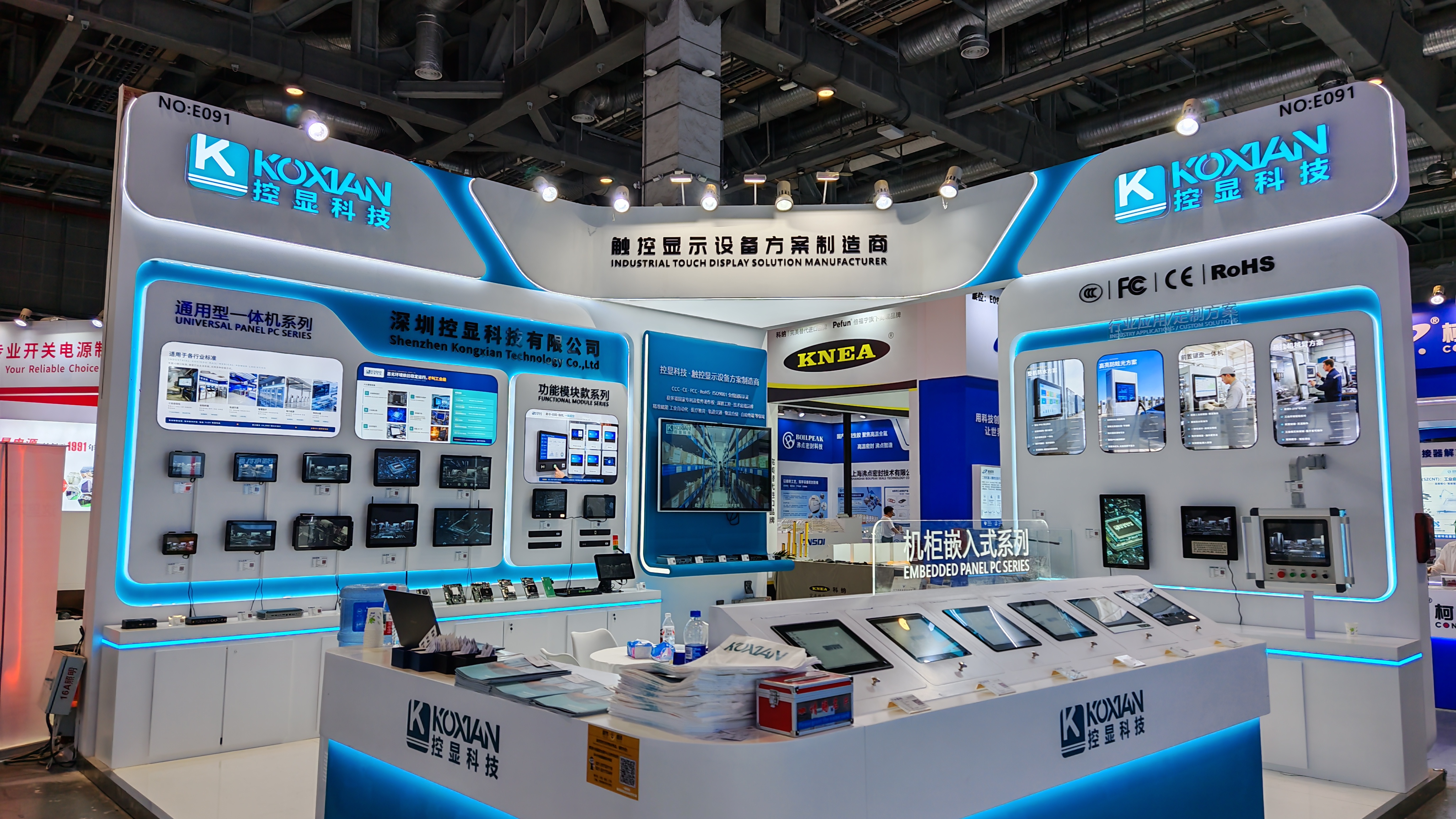
Dual-LAN capability enables a critical function beyond failover: network segmentation. Industrial control networks and enterprise information networks operate under fundamentally different security and performance requirements. Connecting both through a single port creates a shared pathway that exposes control systems to enterprise-level threats and introduces IT traffic congestion into time-sensitive machine control loops. A fanless industrial all in one pc with dual ports can dedicate one interface to operational technology traffic — carrying sensor data, real-time control commands, and device-level communication — while the second port handles information technology functions such as remote management, software updates, and reporting. This physical separation creates an air-gap-like boundary that contains potential security breaches and prevents unauthorized access to critical control systems. Manufacturers like KOXIAN implement this dual-port architecture in their fanless all-in-one industrial PC product lines, combining physical network isolation with rugged enclosure design. Industrial-grade Ethernet controllers supporting VLAN tagging and quality-of-service prioritization further enhance this segmentation by ensuring real-time control packets always receive transmission priority over routine IT data.

Network Monitoring and Watchdog Integration for Proactive Uptime
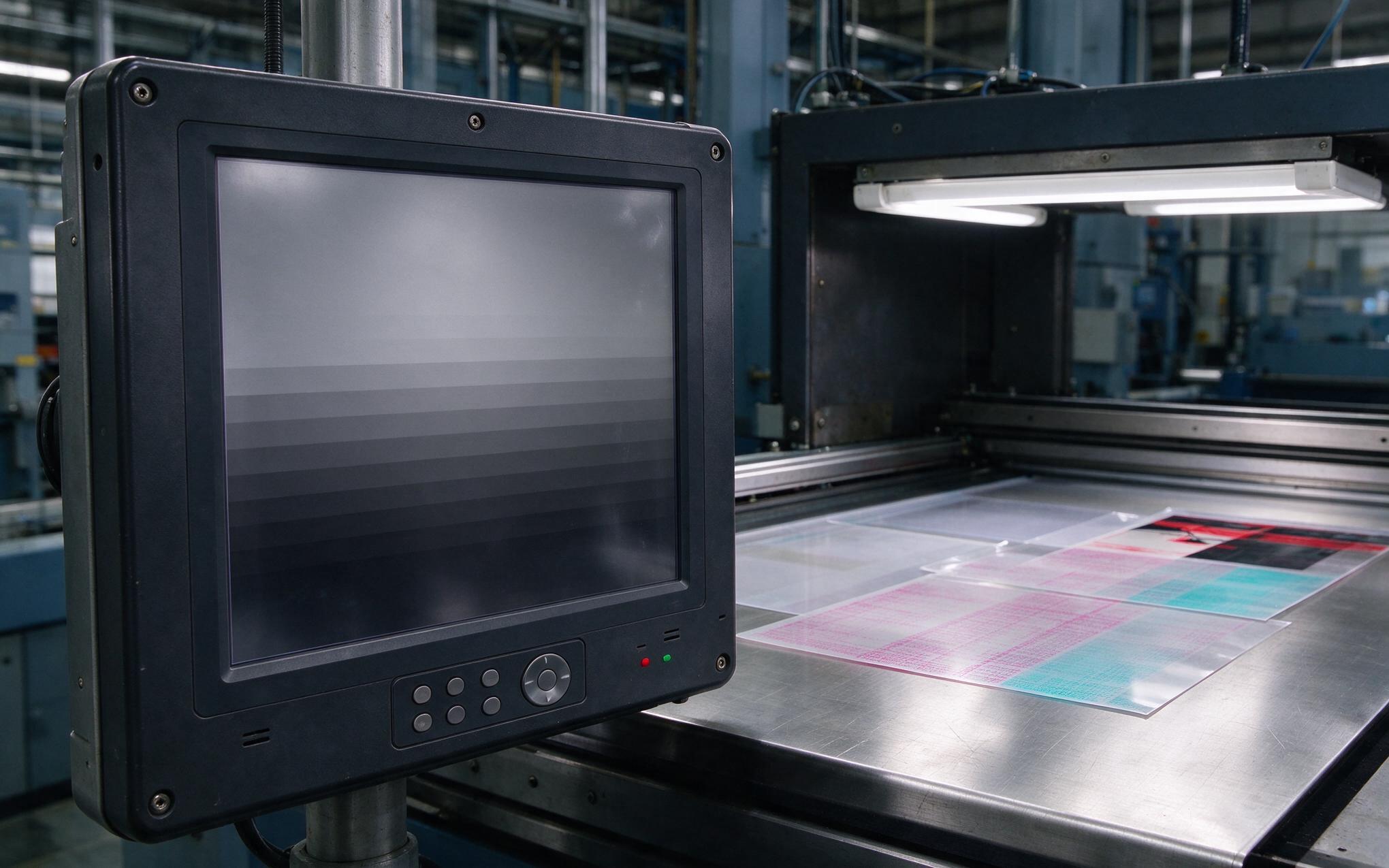
Beyond hardware redundancy, modern fanless All-in-One platforms integrate software-based network monitoring that provides operators and IT administrators with real-time visibility into link status, throughput metrics, and error counters. SNMP-compatible management systems can poll dual-port configurations to detect degraded performance before a complete link failure occurs. Watchdog timer functions automatically restart failed network connections and log event data for root-cause analysis. For facilities deploying multiple fanless industrial PCs across a production floor, centralized monitoring dashboards aggregate network health data from every station, enabling maintenance teams to identify patterns such as intermittent cable faults on specific production lines. This proactive approach shifts network maintenance from reactive repair to scheduled prevention, and it represents a fundamental shift in how factory IT teams manage distributed computing infrastructure.
When network uptime directly determines production throughput, dual-LAN redundancy transforms from an optional upgrade into a baseline reliability requirement. Systems that integrate dual-port failover, network segmentation, and proactive monitoring into a single fanless enclosure creates a layered defense strategy that addresses the reality that industrial networks face continuous stress from electrical interference, temperature fluctuations, and vibration — conditions that degrade single-port connections over time. For applications where network downtime directly impacts production output, the investment in dual-LAN industrial PCs pays for itself within the initial prevented outage event.