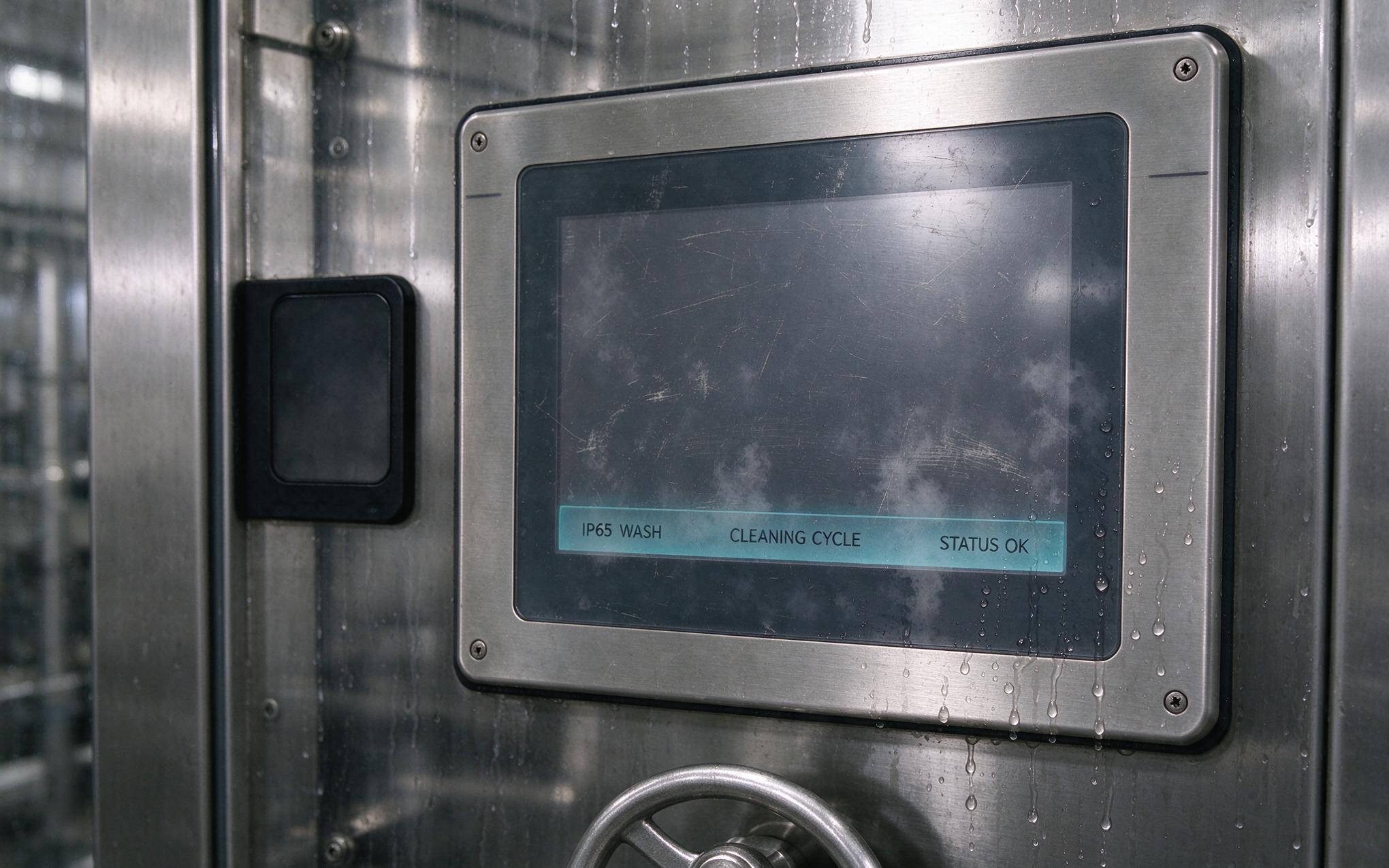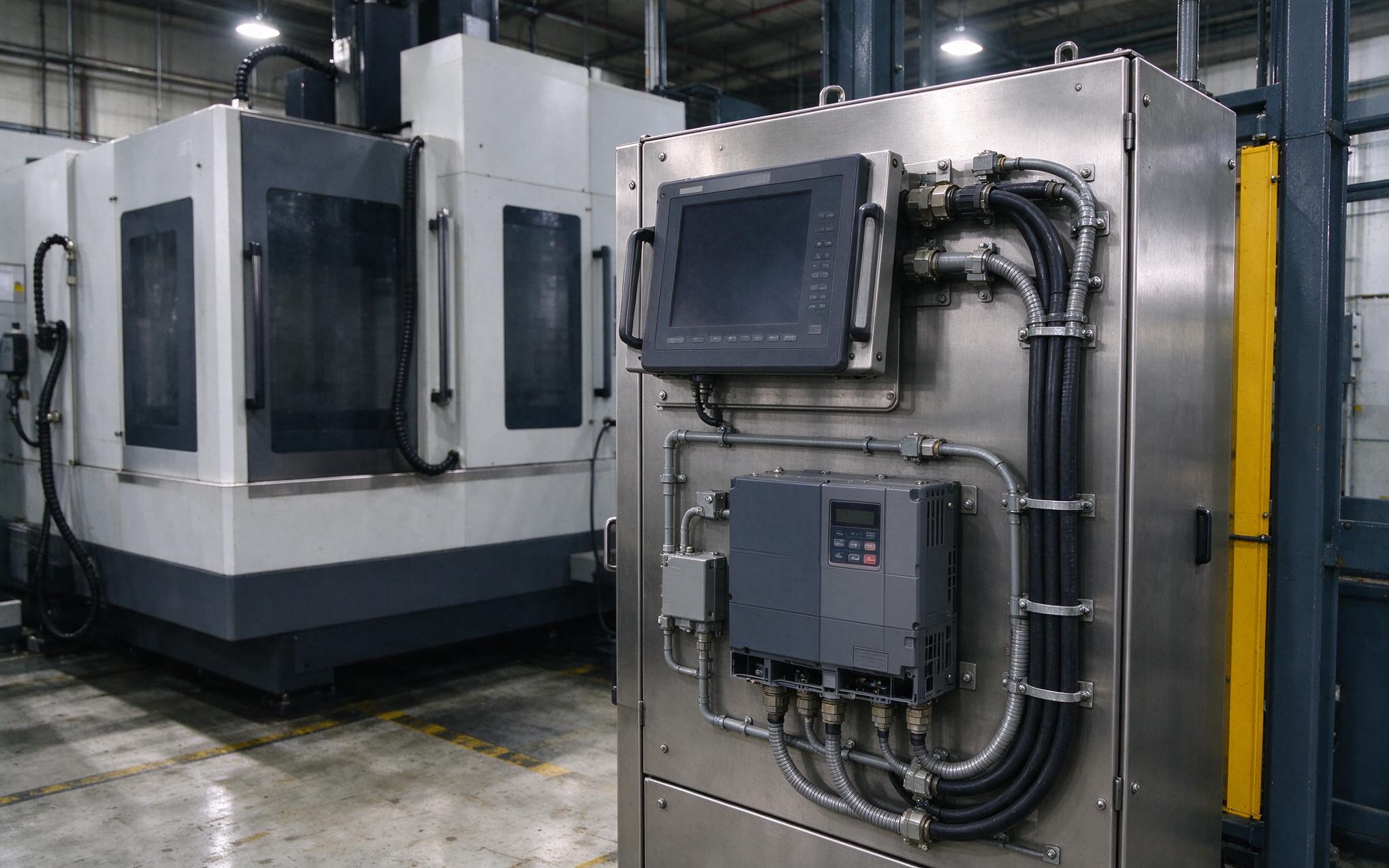
UL 508 is the safety standard for industrial control equipment in the United States. It governs the design, construction, and performance of devices that start, stop, regulate, or protect industrial machinery. For an industrial panel PC deployed as a control interface on a production line, UL 508 compliance is not a marketing checkbox. It is a legal requirement in many jurisdictions and a prerequisite for electrical inspection sign-off. A panel PC lacking UL 508 listing can delay a factory commissioning by weeks. Understanding what UL 508 actually tests is essential for engineers specifying industrial computing hardware.
What UL 508 Actually Tests
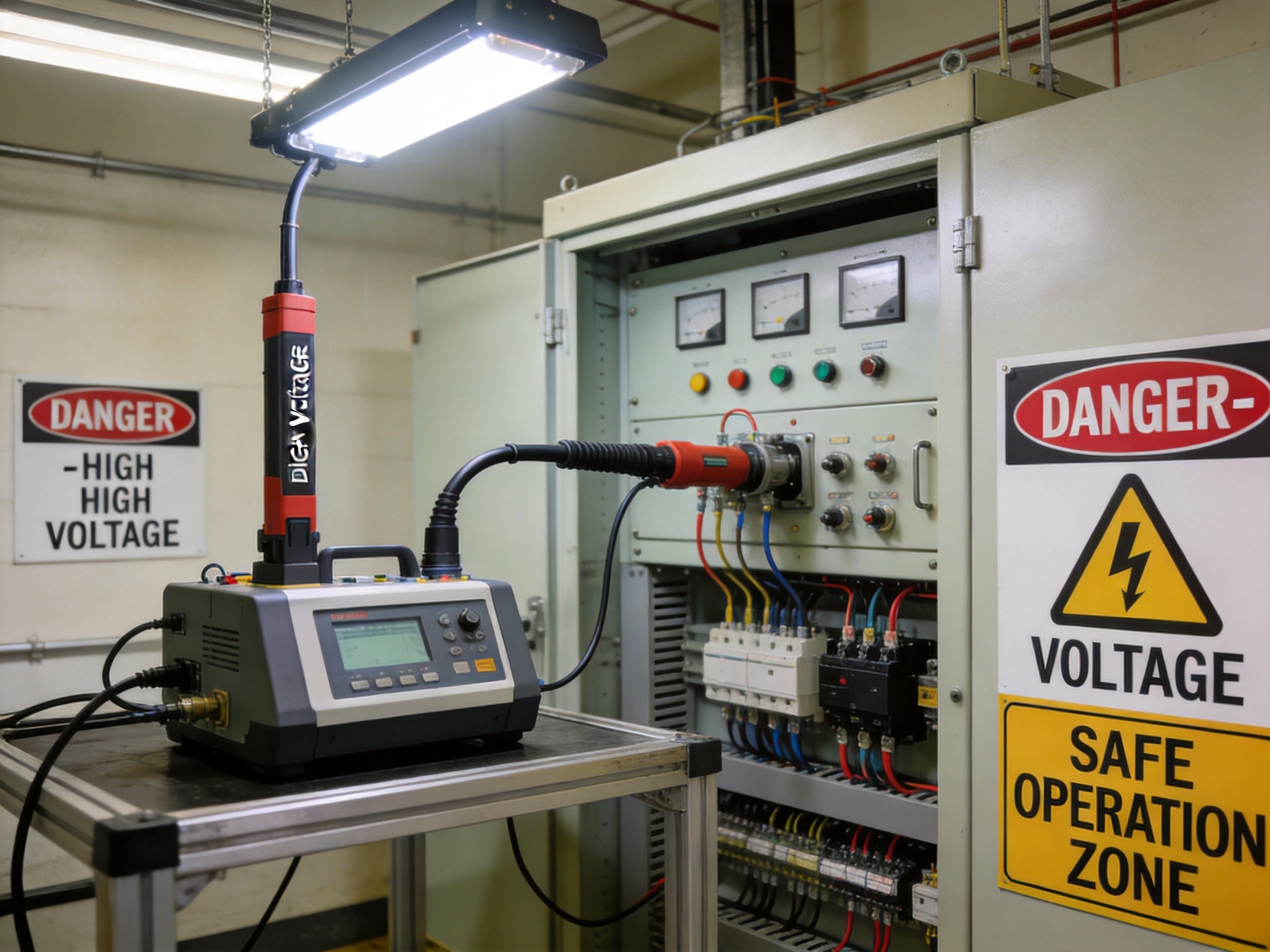
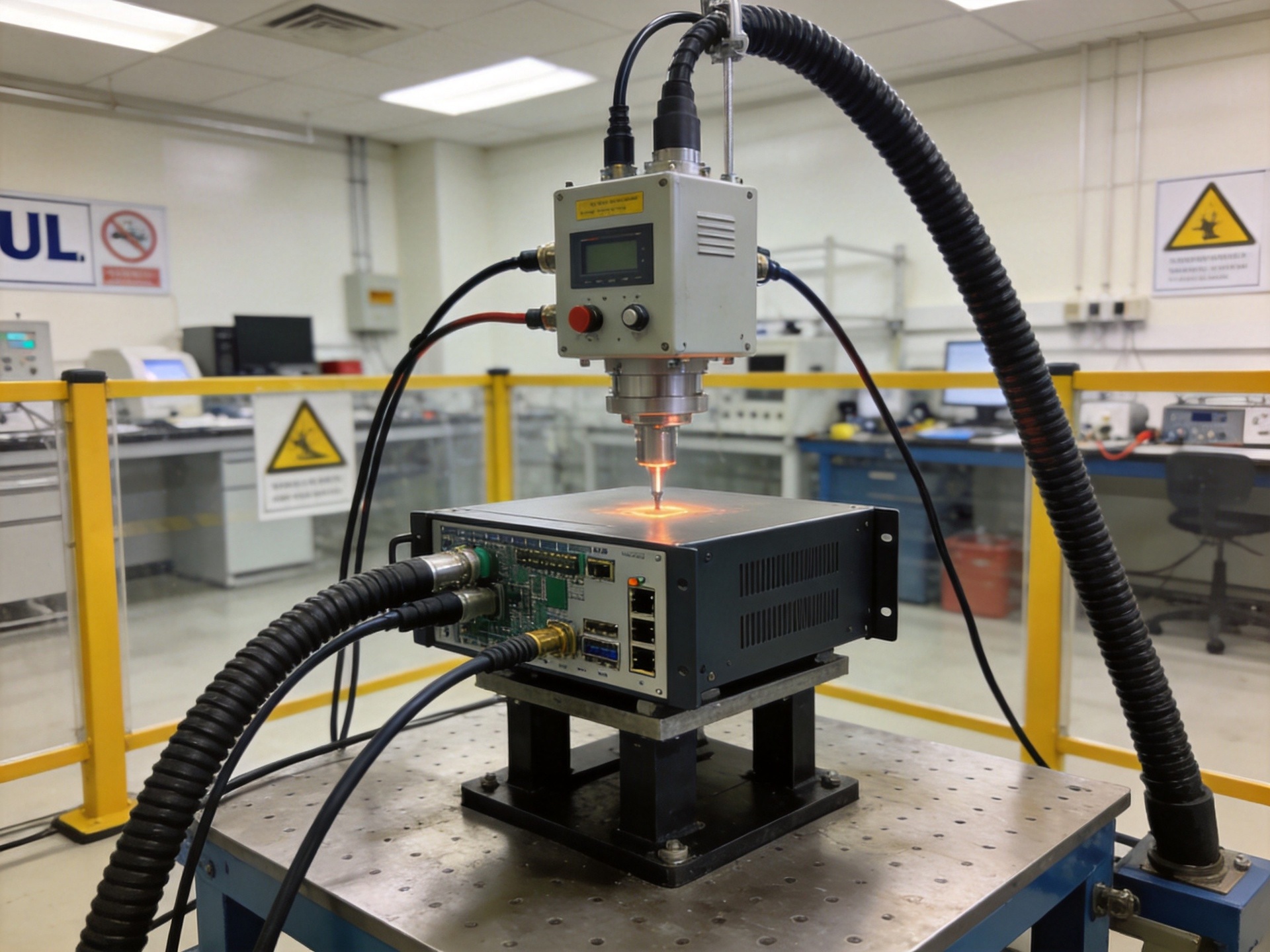
UL 508 evaluates industrial control equipment across several categories. The most critical is dielectric voltage withstand, also known as hipot testing. The standard requires that the equipment withstand a specified high voltage applied between live parts and accessible conductive surfaces without breakdown. For equipment rated up to 250 volts, the test voltage is typically 1,000 volts plus twice the rated voltage. A 120-volt panel PC must withstand 1,240 volts for one minute without insulation failure. This verifies that a fault condition inside the device will not electrify the outer enclosure. The standard also tests component spacing, requiring minimum creepage and clearance distances between conductors on printed circuit boards. These distances depend on the working voltage, the pollution degree of the intended environment, and the material group of the insulating substrate. Industrial environments default to pollution degree 2, which assumes non-conductive pollution with occasional temporary conductivity from condensation.
Temperature Testing and Component Ratings
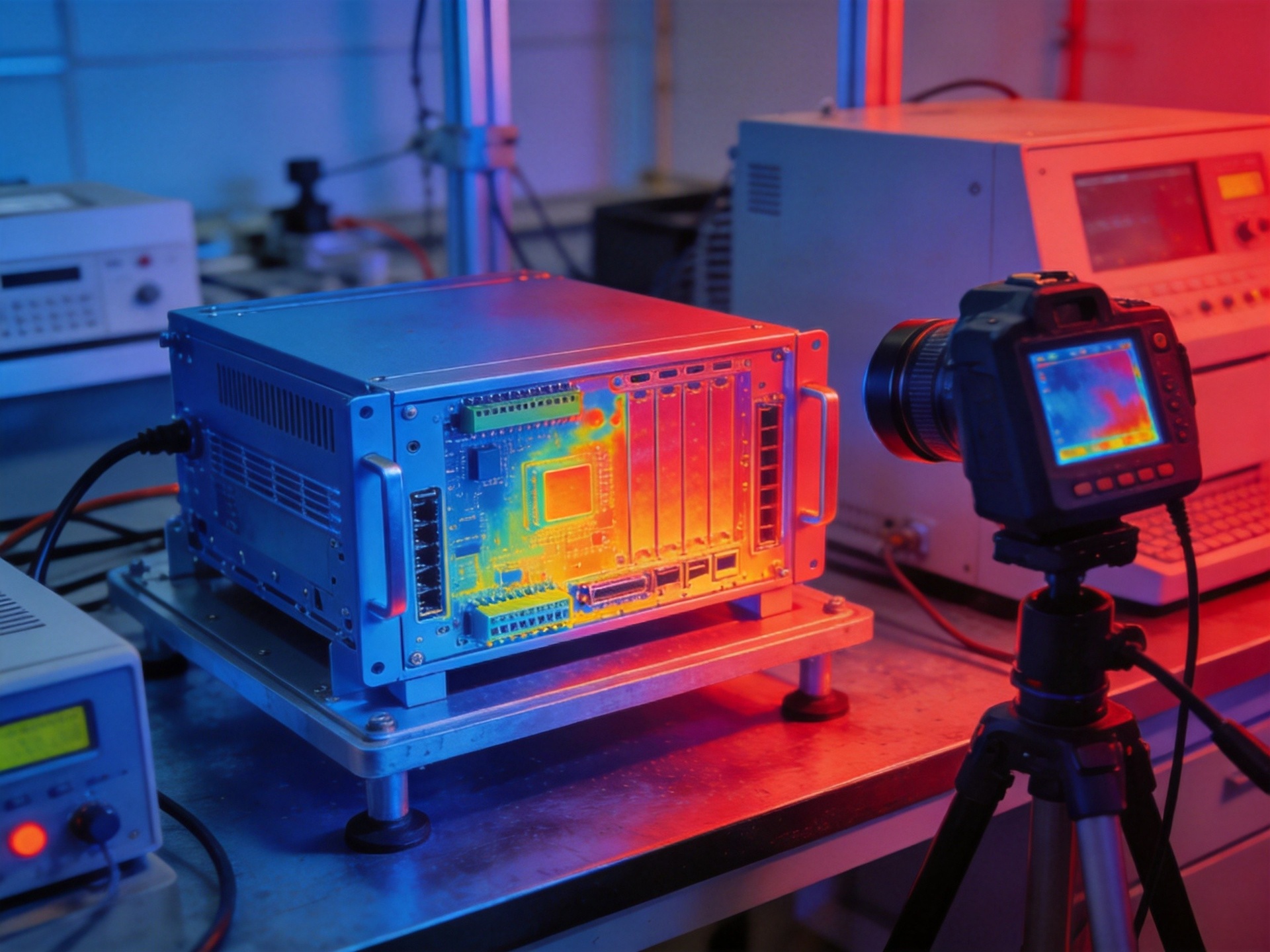
UL 508 requires temperature testing under worst-case conditions. The equipment is operated at maximum rated load and maximum rated ambient temperature until thermal equilibrium is reached. Every component, from the power supply transformer to the touchscreen controller IC, must remain within its rated temperature limits. The enclosure surface temperature must not exceed burn hazard limits for operators. For metal surfaces intended to be touched during normal operation, the limit is typically 55 degrees Celsius above ambient. For a panel PC operating in a 45-degree environment, the enclosure surface must not exceed 100 degrees Celsius in operator contact areas.
UL 508 versus UL 508A: Panel vs. Component
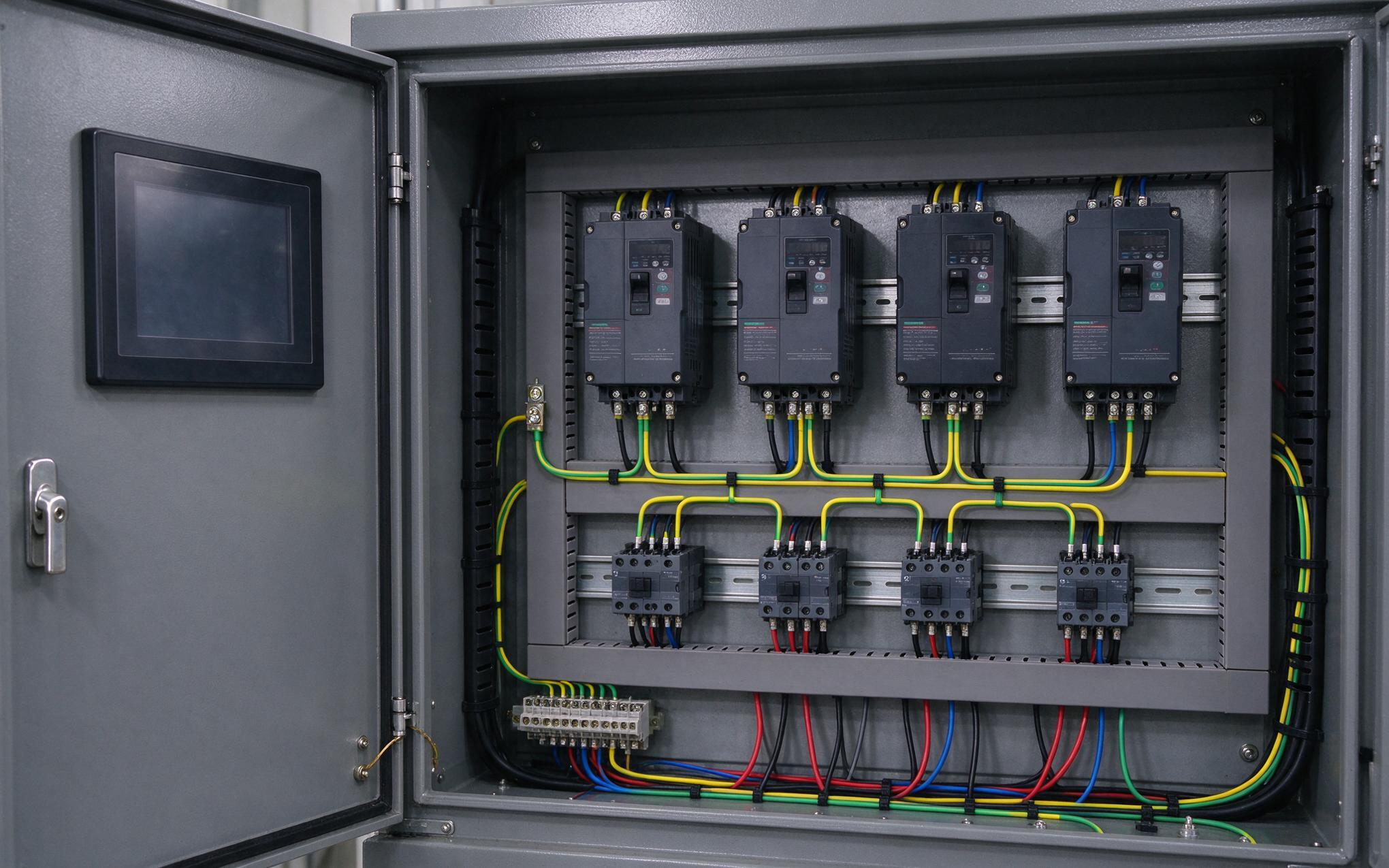
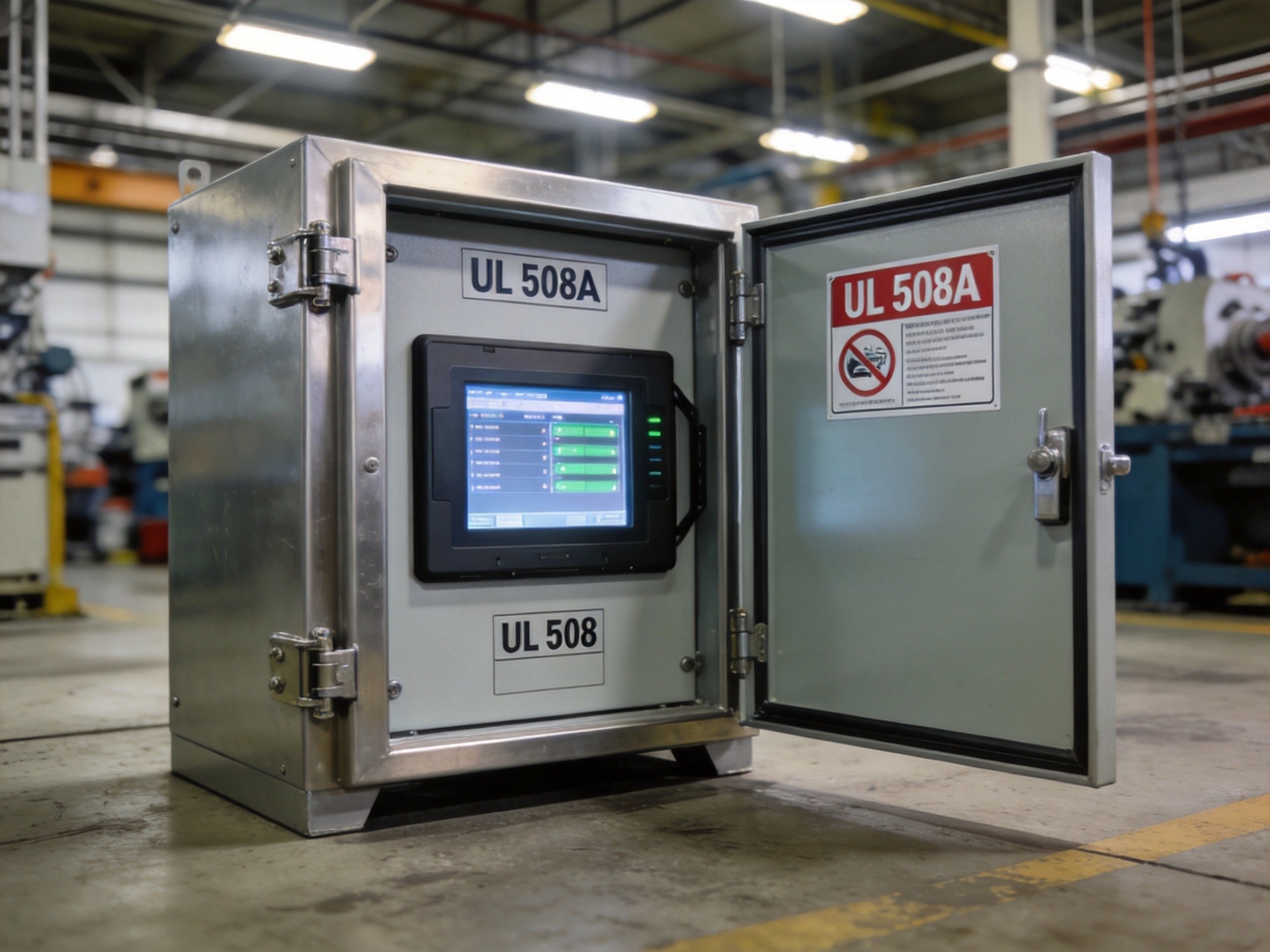
Engineers frequently confuse UL 508 and UL 508A. UL 508 applies to individual industrial control devices. A panel PC, a motor starter, a push-button station, each bears its own UL 508 listing. UL 508A applies to complete industrial control panels: the enclosure containing multiple devices wired together as a system. When a panel builder integrates a UL 508-listed panel PC into a larger control enclosure, the panel PC’s listing simplifies the overall panel listing process. The panel builder does not need to evaluate the panel PC separately because UL has already done so. KOXIAN industrial panel PCs carry UL 508 listing, which means panel builders can incorporate them into UL 508A control panels without additional component-level evaluation.
Short Circuit Current Rating
UL 508 also evaluates short circuit current rating, or SCCR. This is the maximum fault current the device can withstand without creating a fire or shock hazard. The SCCR is determined by testing the device with a specified fault current while connected to a circuit with a defined overcurrent protection device upstream. The panel PC must contain any internal arc flash or component rupture within its enclosure. This is particularly important for devices installed in industrial control panels where available fault current from the facility’s power distribution can reach tens of thousands of amps. A panel PC with a low SCCR may require a current-limiting fuse upstream, adding cost and complexity. A higher SCCR simplifies integration.
The Compliance Documentation Chain
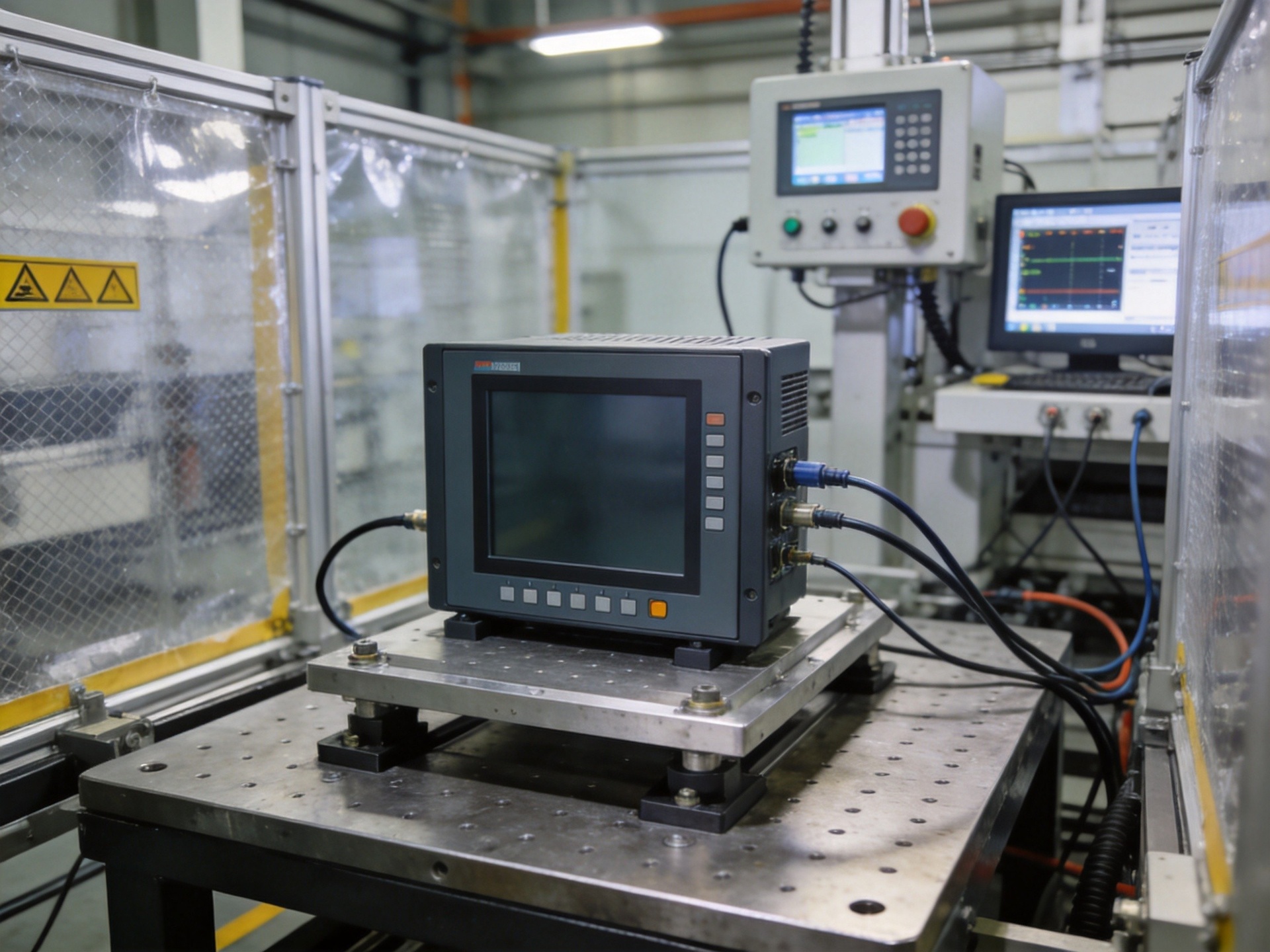
When an electrical inspector arrives at a new factory installation, they will ask for UL listing documentation for every control device in the panel. If the panel PC lacks a UL file number, the inspector can red-tag the entire panel. This delays production start by days or weeks. The UL listing is not a one-time event. UL conducts periodic unannounced factory inspections at the manufacturer’s production facility to verify ongoing compliance. This ongoing verification is what separates a UL listing from a one-time third-party test report. KOXIAN maintains active UL follow-up service for its industrial panel PC product line, with periodic factory inspections to verify ongoing compliance.