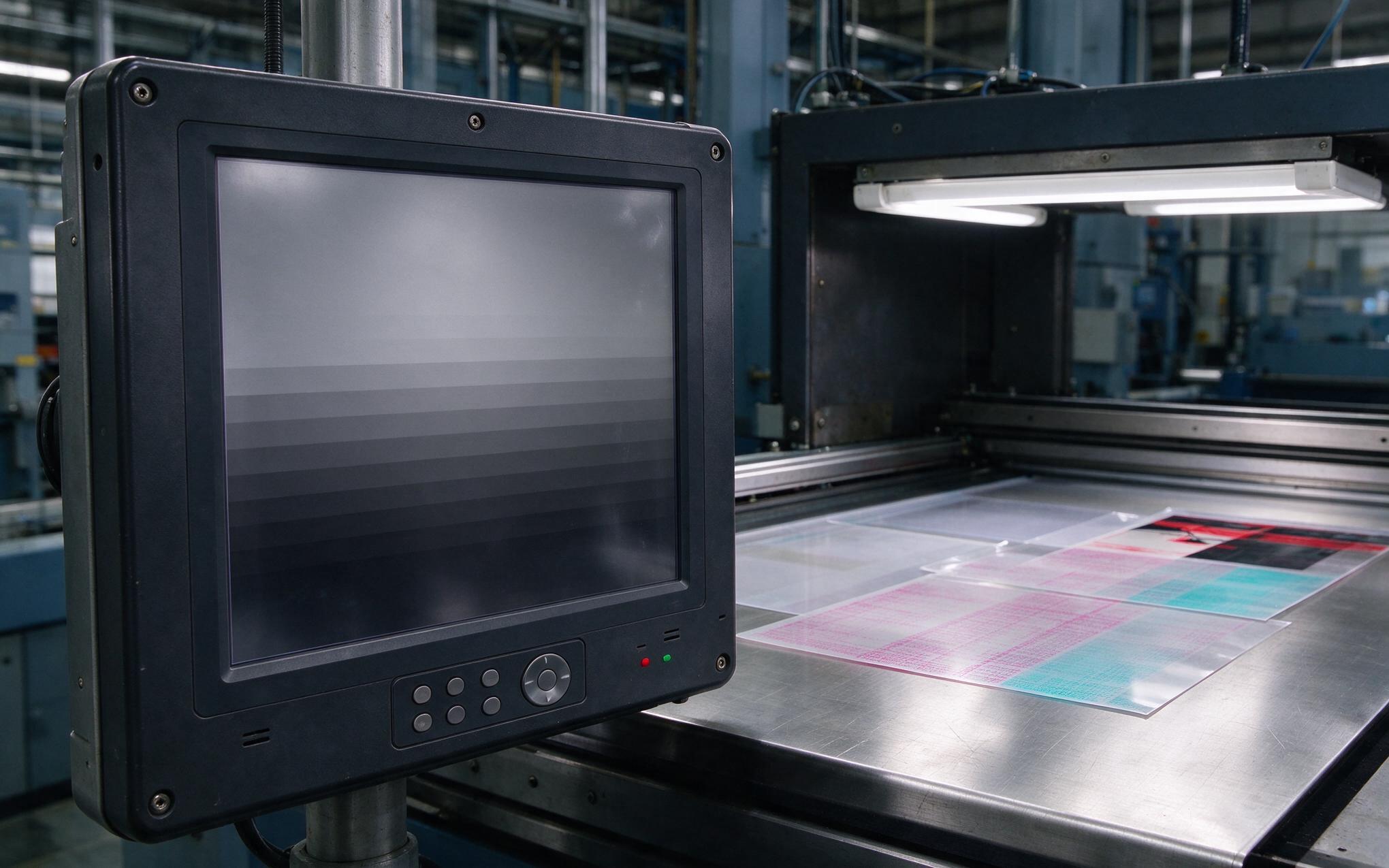
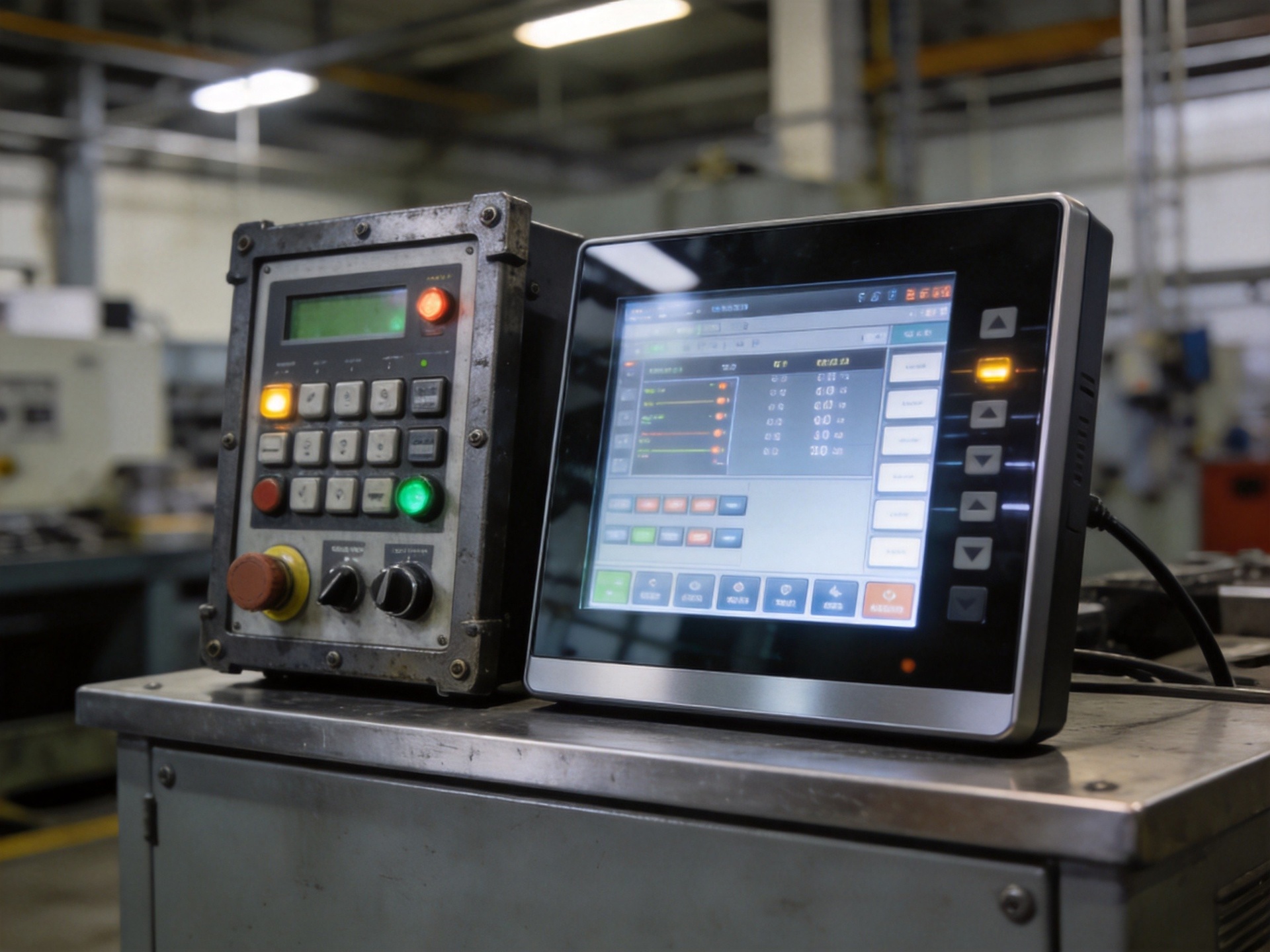
Walk through any factory built before 2000 and you will find rows of mushroom-head emergency stops, illuminated push buttons, and rotary selector switches mounted in sheet metal panels. These interfaces have run production lines for decades. But they are frozen in time. Adding a new function means drilling another hole, pulling another wire, and updating a laminated paper label. When a facility upgrades its production tracking system, those forty-year-old push-button panels become the bottleneck. The question is not whether to replace them. It is how to do it without losing the hard-wired safety functions that keep operators alive.
Cutout Adaptation: The Physical Retrofit Challenge
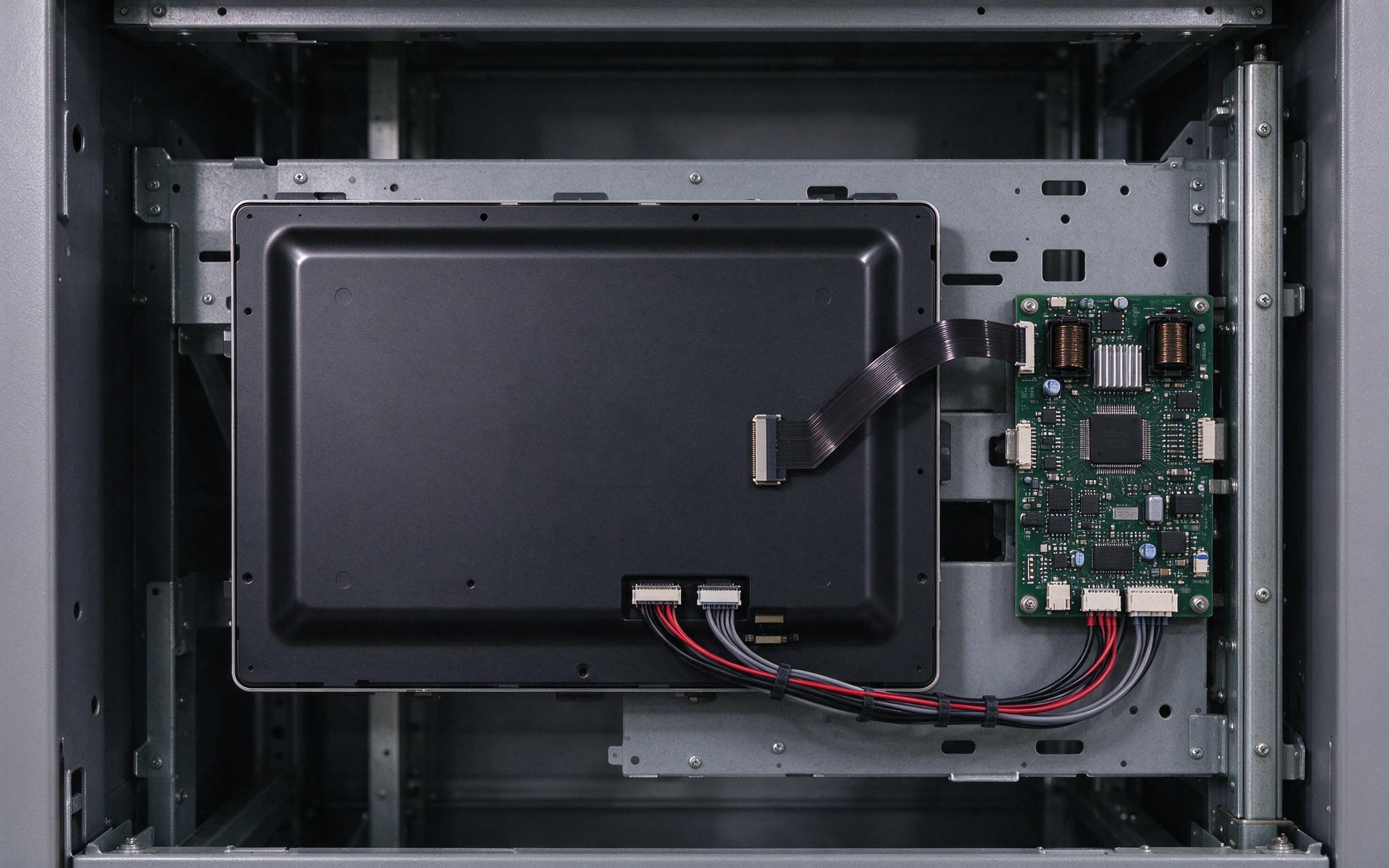
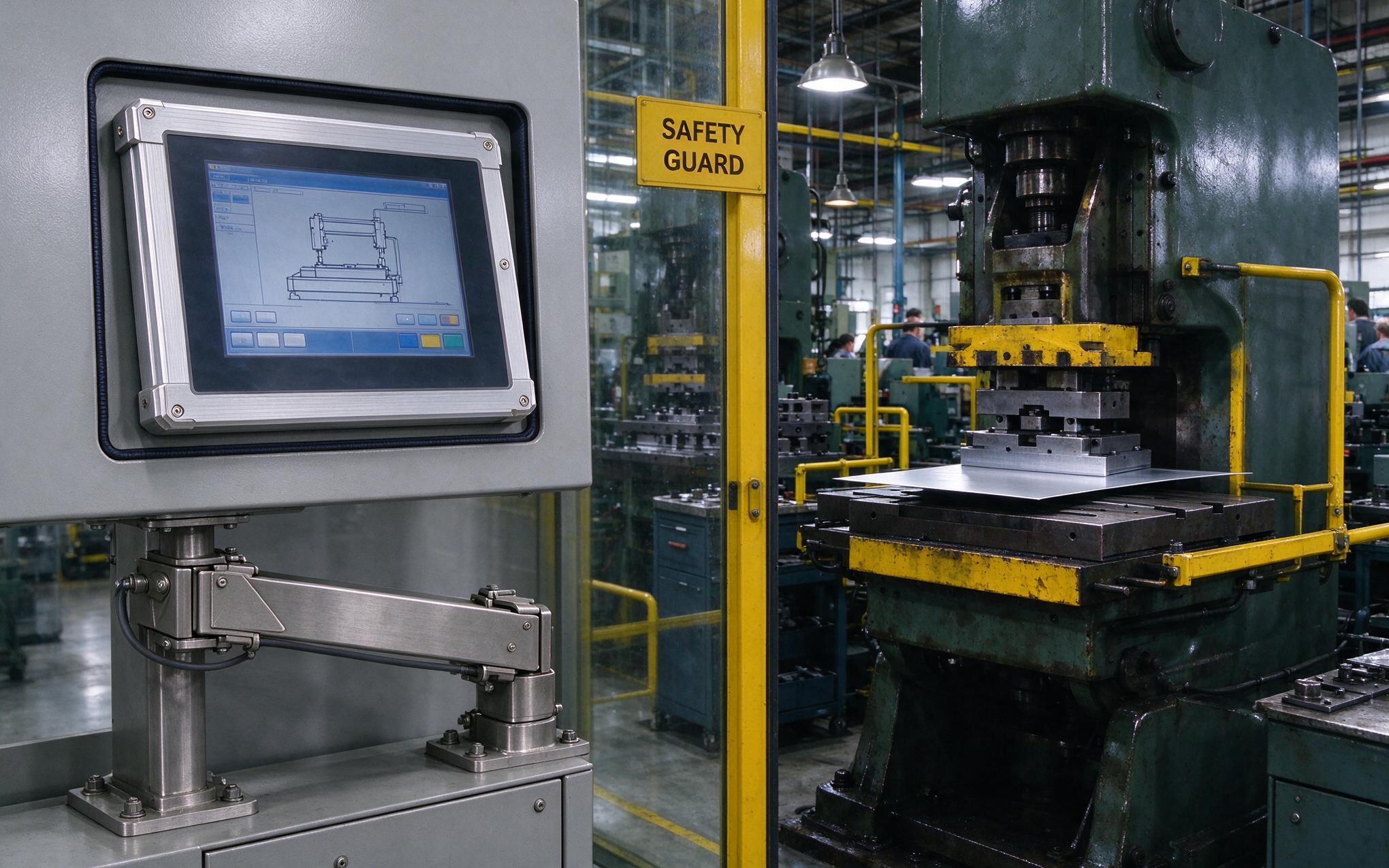
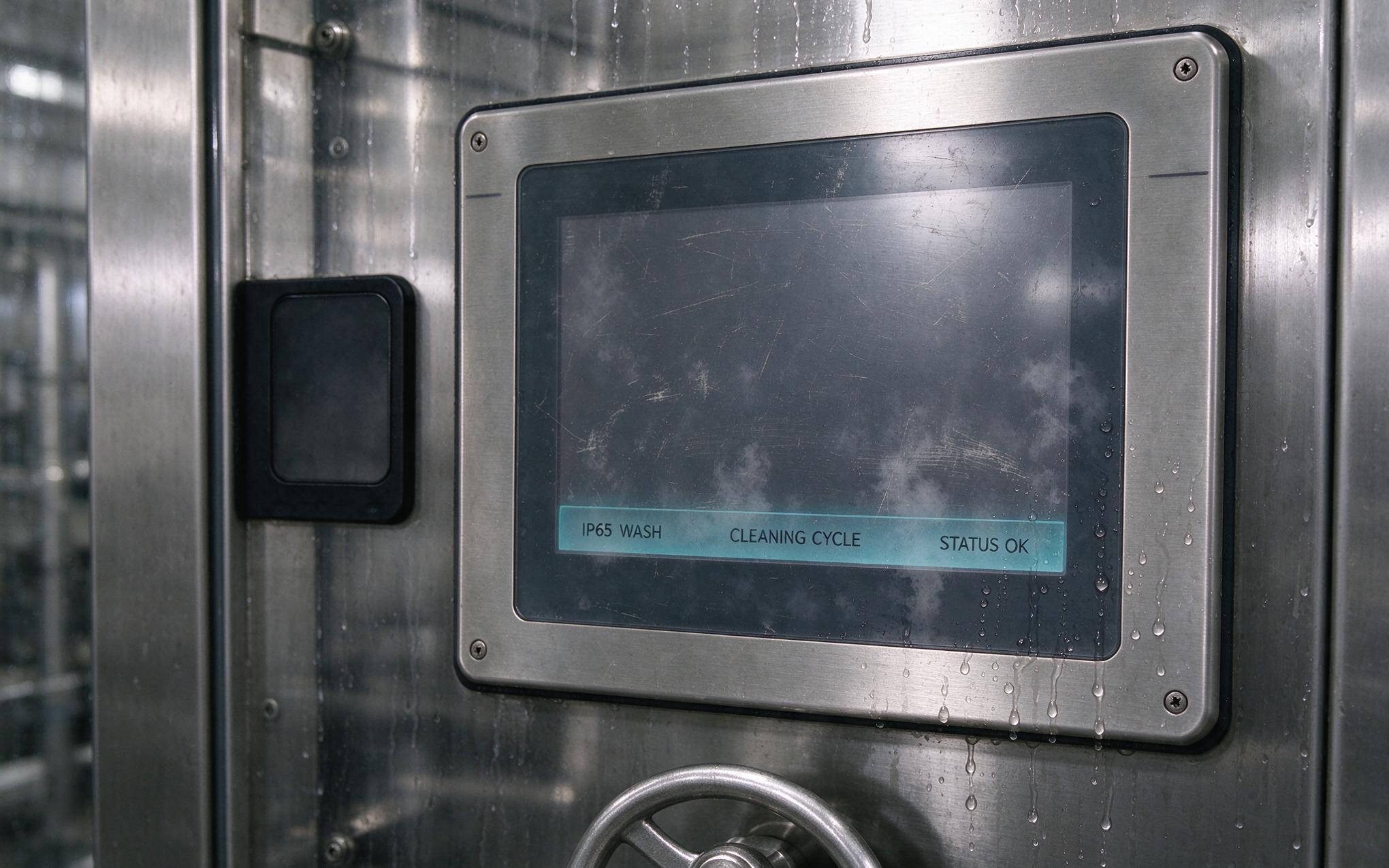
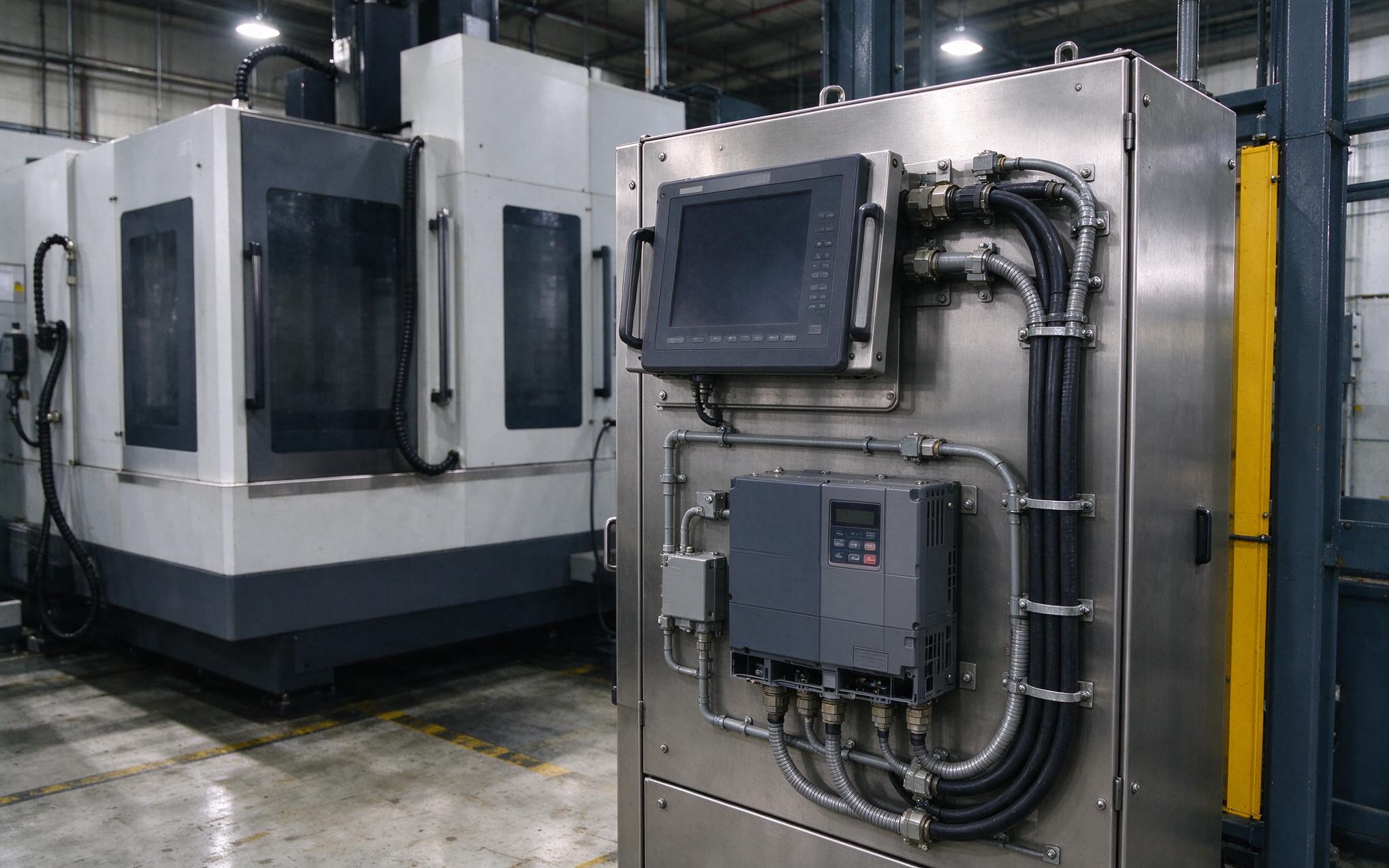
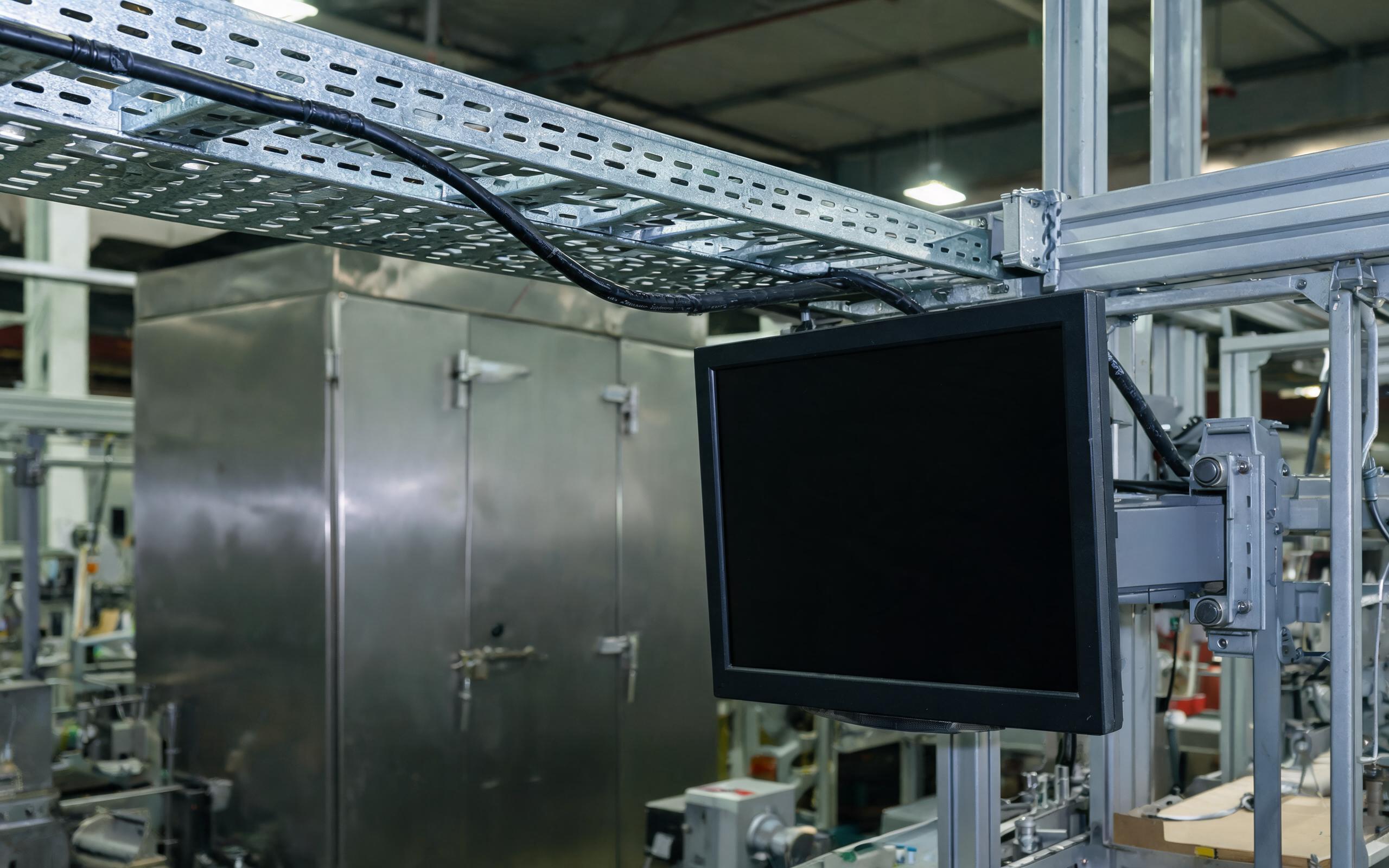
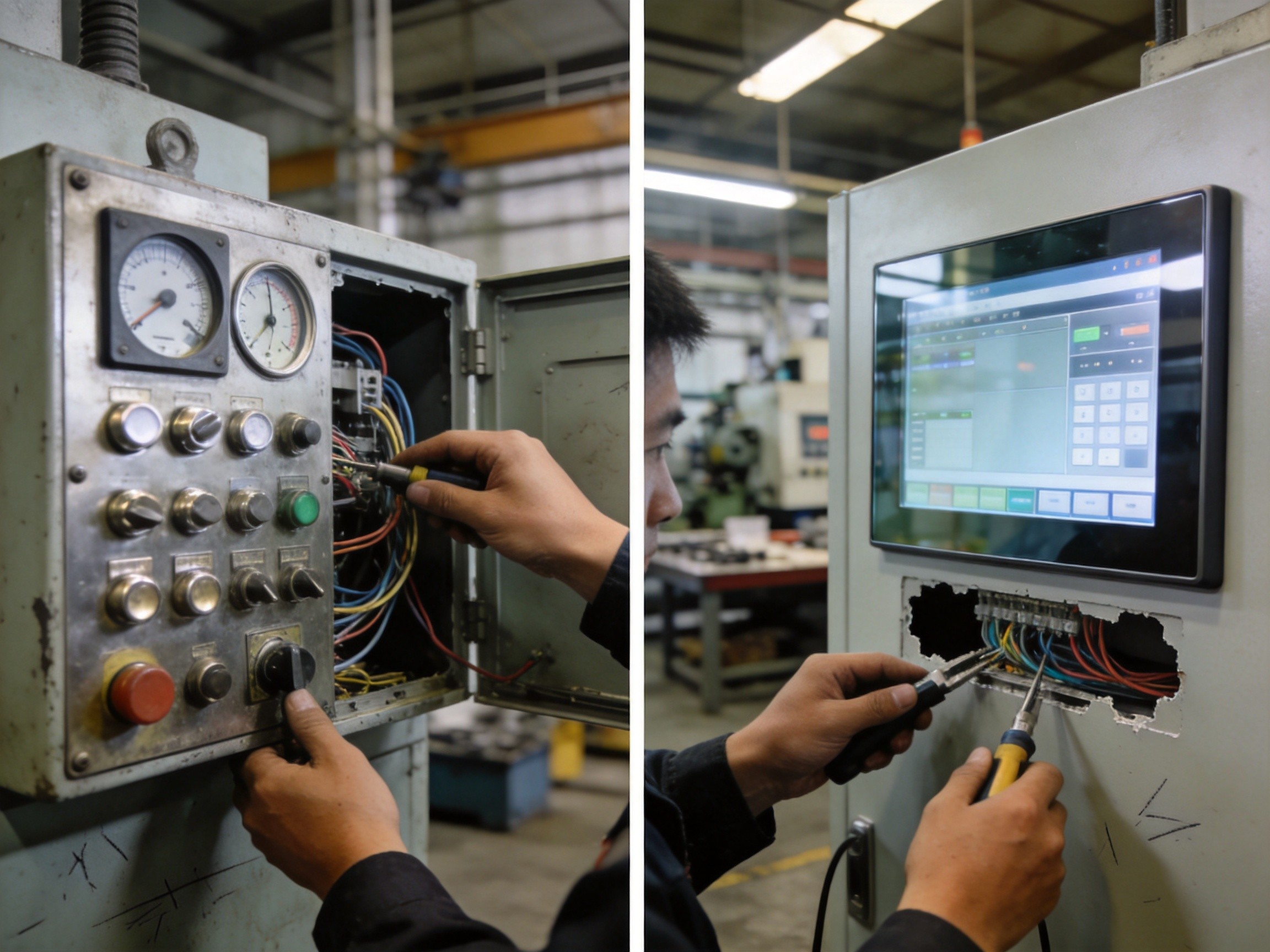
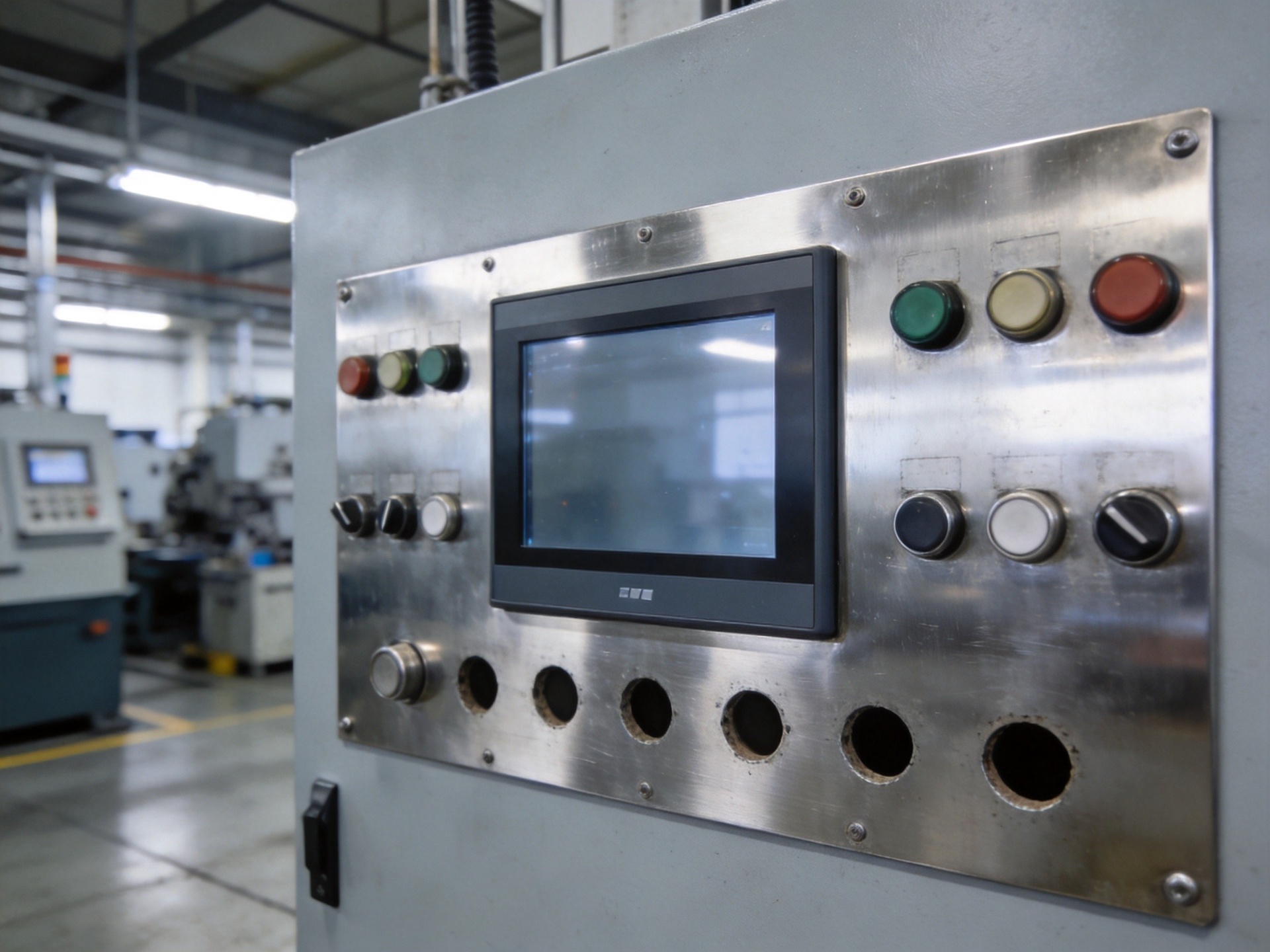
The first obstacle is mechanical. Push-button panels are cut into the enclosure door. The cutouts follow standard sizes: 22.5-millimeter diameter for individual push buttons, and various rectangular patterns for clusters of indicators. A modern industrial touchscreen panel PC requires a rectangular cutout with specific dimensions. The existing push-button cutouts do not align. The retrofit engineer has three options. First, replace the entire enclosure door with a pre-cut opening for the touchscreen panel. Second, fabricate an adapter plate that covers the existing cutouts and provides a new opening. A laser-cut stainless steel plate, 2 to 3 millimeters thick, bolts over the existing panel surface. This approach preserves the original enclosure and installs in a few hours. Third, mount the panel PC in a separate pedestal or swing-arm enclosure adjacent to the existing panel, leaving push buttons in place as backup.
Protocol Considerations: Bridging Old and New
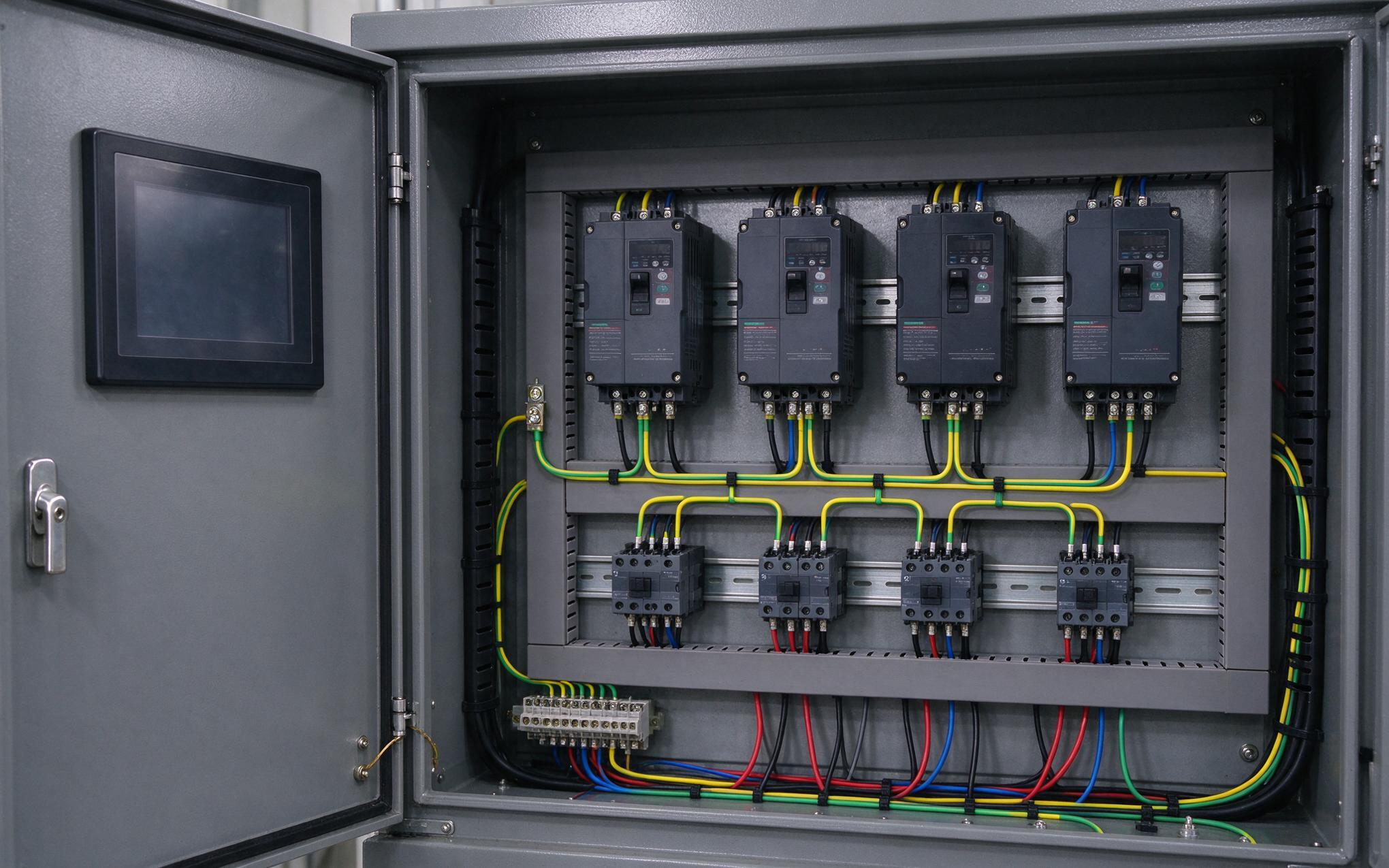
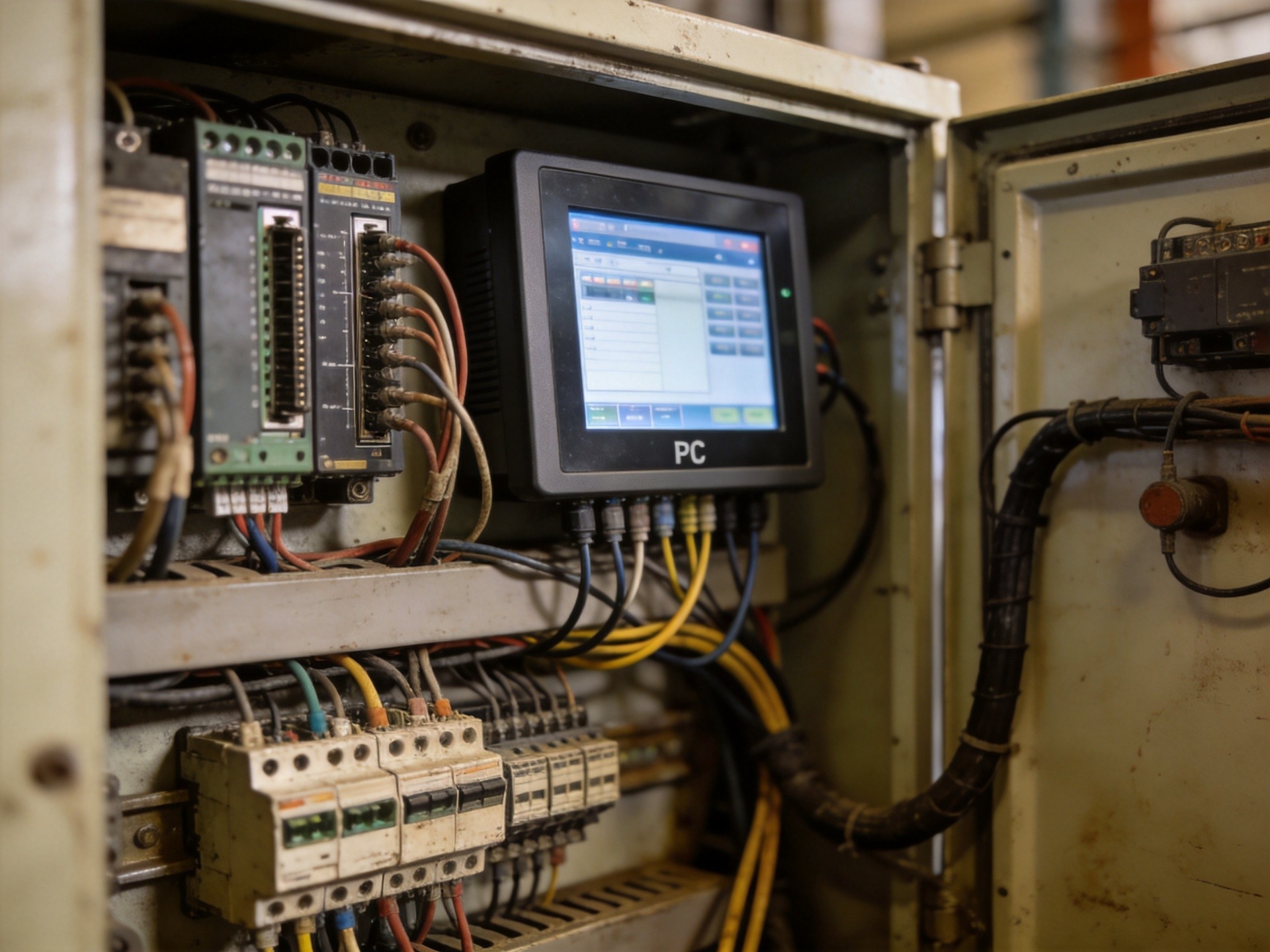
The push buttons themselves are simple dry-contact switches wired directly to relay logic or a programmable controller. Replacing them with a touchscreen means control signals must be generated by software. Safety-critical functions like emergency stops must remain as physical, hard-wired buttons per OSHA and ISO 13850 requirements. The touchscreen can replace non-safety functions: start, stop for non-hazardous motions, jog, mode selection, and parameter adjustment. The protocol bridge depends on what is already installed. If the legacy system uses relay logic, the touchscreen interfaces through digital I/O modules that mimic the original push-button contacts. If the system has a modern controller with Ethernet, the touchscreen communicates directly using standard industrial protocols. KOXIAN panel PCs designed for retrofit applications include multiple I/O options including isolated digital inputs and outputs, simplifying the interface to relay-based control cabinets.
Preserving Operator Trust During Transition
Operators who have used the same physical buttons for twenty years develop muscle memory. Their hands find the right button without looking. Replacing tactile feedback with a glass surface is a human factors challenge. One effective approach is phased deployment: install the touchscreen alongside the physical buttons, running both in parallel. Operators use the physical buttons while learning the touchscreen. After a two to four-week transition, the physical buttons are disconnected and the adapter plate is installed. The touchscreen interface should mimic the original panel layout, with buttons in the same positions and using the same color coding. As operators gain confidence, the interface can be enhanced with additional functions: multi-language support, context-sensitive help, and real-time production data overlays.
The Data Dividend: Beyond Push Buttons
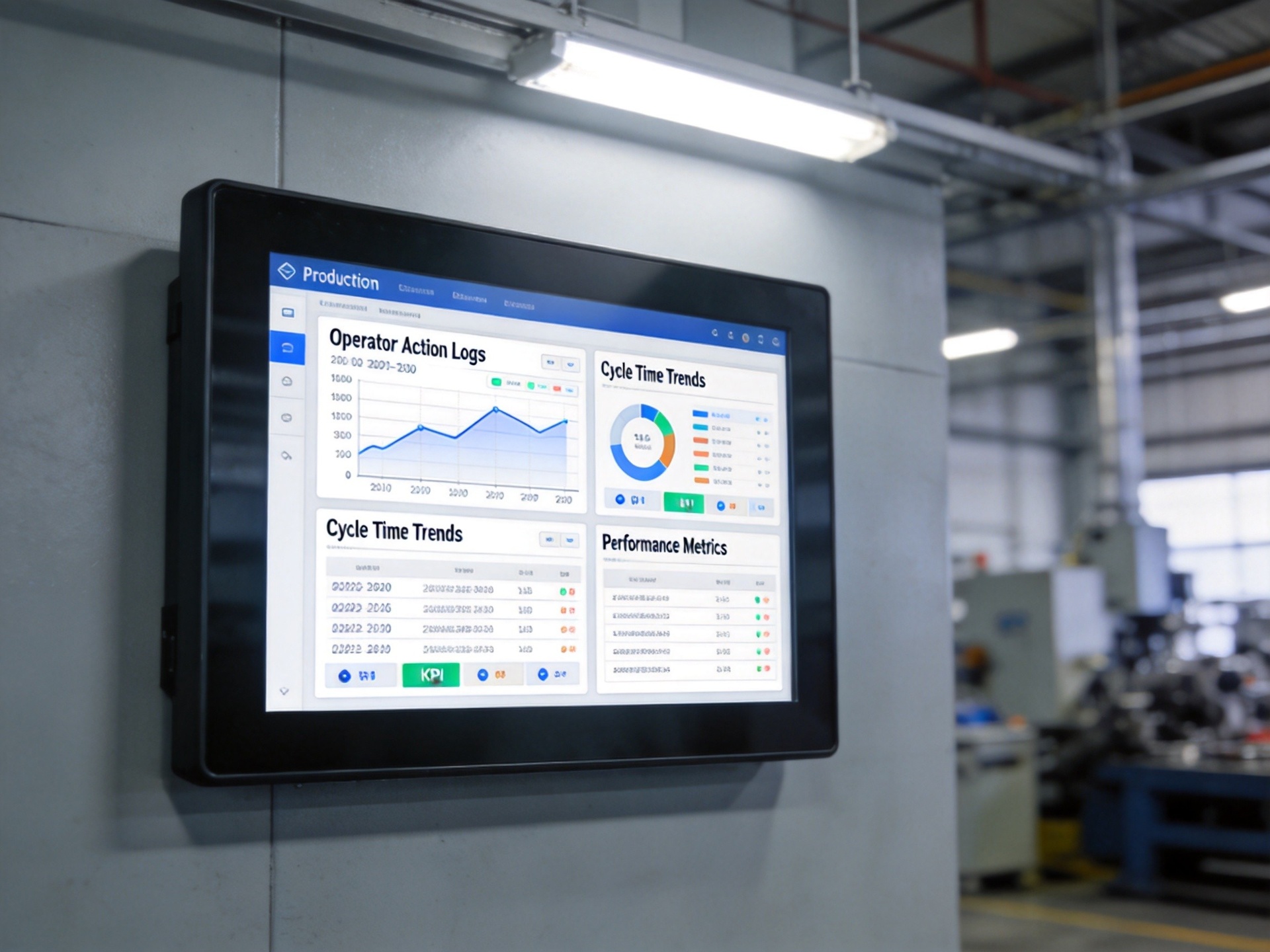
The real value of replacing push-button panels with touchscreen panel PCs is not the touchscreen itself. It is the data. Physical buttons generate one bit of information: on or off. A touchscreen panel PC connected to the plant network logs every operator action with a timestamp, operator ID, and context. This enables production analytics impossible with the old panel: which shifts have the highest cycle time variability, which operators trigger the most alarm conditions, which process steps have the longest dwell times. Over months, this data reveals patterns that drive continuous improvement. KOXIAN panel PCs with integrated data logging make this transition straightforward, capturing operator actions without additional middleware. It is a return that physical buttons can never deliver.
Making the Business Case
The capital request for a push-button panel retrofit should emphasize three lines of justification. First, maintenance cost avoidance: physical buttons wear out, contacts oxidize, and replacement parts for forty-year-old switchgear are increasingly difficult to source. Second, flexibility gain: adding a new function to a touchscreen costs nothing in hardware. Third, the data dividend: production analytics enabled by the touchscreen will pay for the retrofit within the first year through efficiency improvements alone.