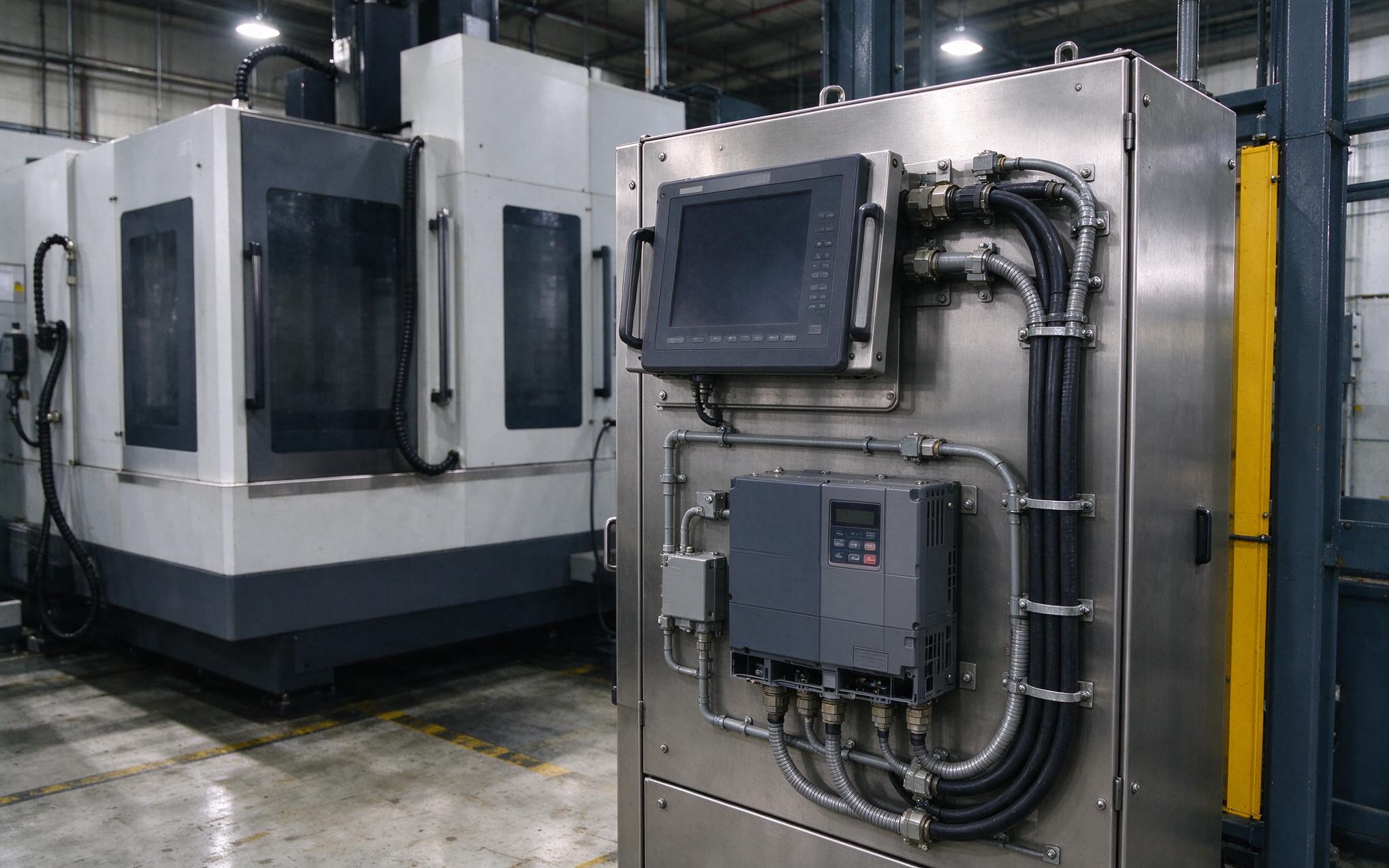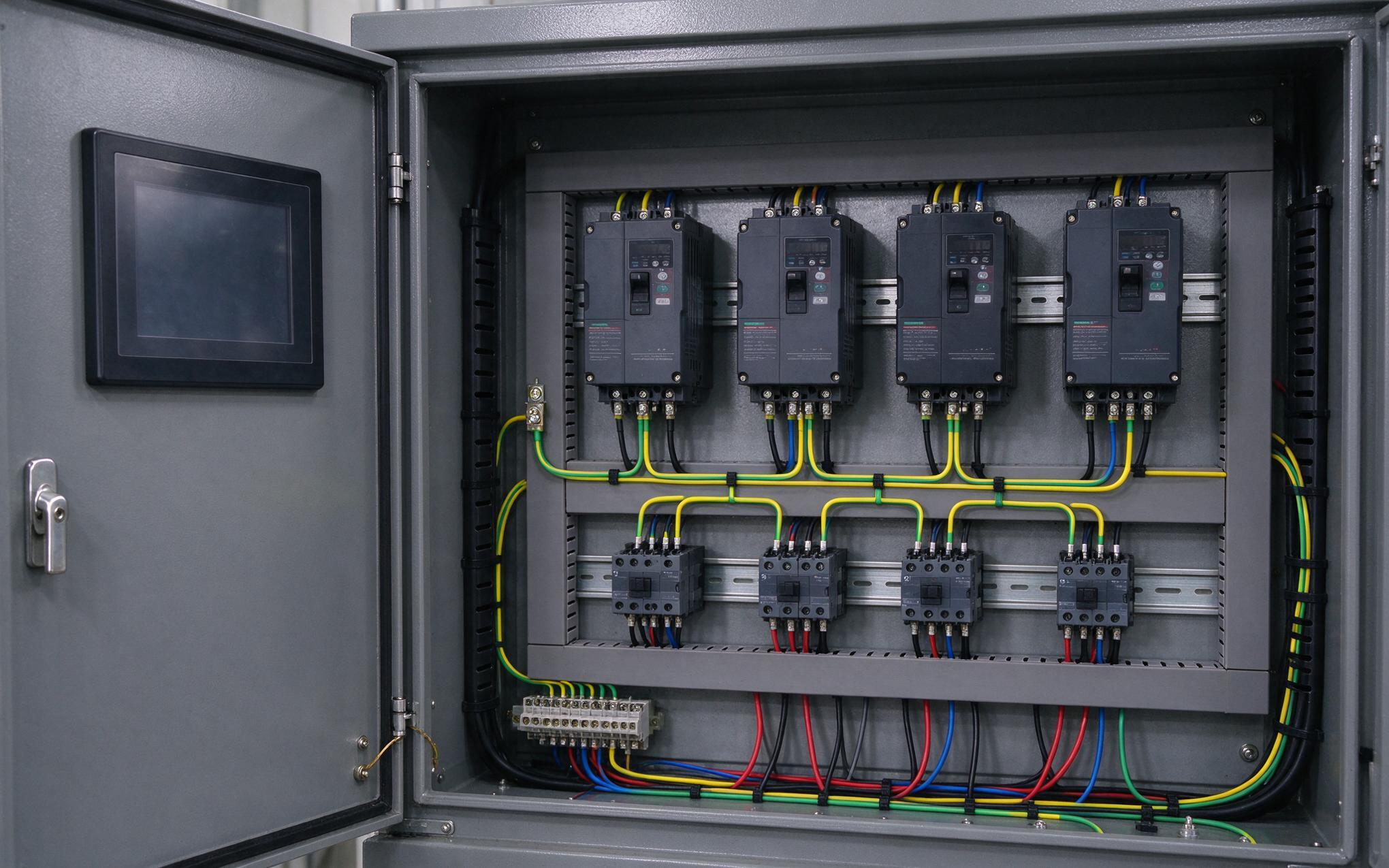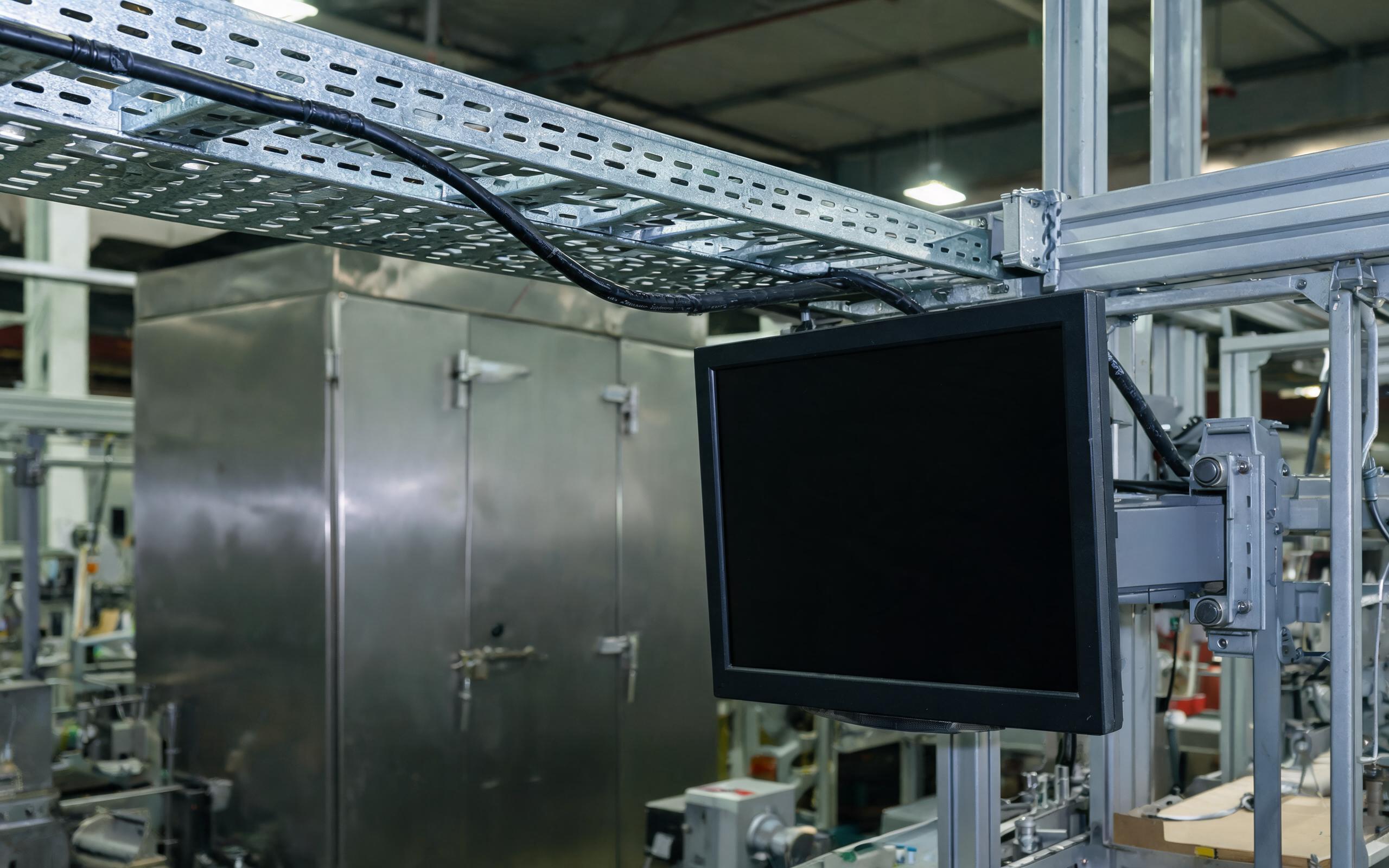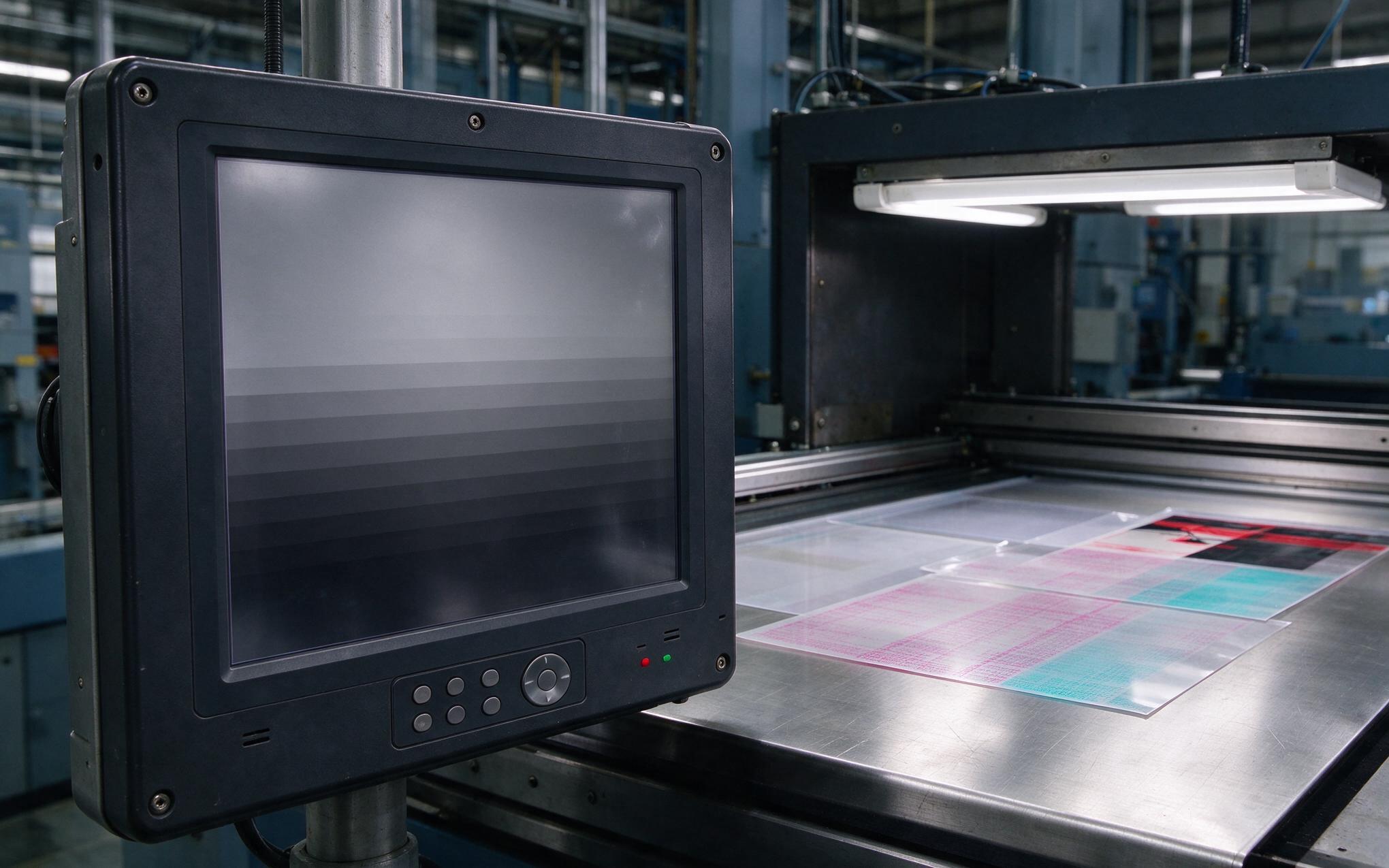
Coastal manufacturing facilities face a corrosion threat that inland plants rarely encounter. Salt-laden air accelerates electrochemical degradation of exposed metals, penetrates seal interfaces, and deposits conductive residue on display surfaces. For a touch screen monitor for industrial use deployed within 10 kilometers of a shoreline, chloride-rich conditions compress a decade of inland wear into three to five years of aggressive deterioration. The failure modes include display haziness from salt deposits, bezel corrosion that compromises IP ratings, and touch sensor drift as chloride ions migrate into the sensing layer. Understanding how salt spray attacks each component determines whether coastal equipment stays operational or becomes a maintenance liability.

Corrosion Mechanisms in Coastal Manufacturing Environments
Salt spray initiates an electrochemical process that degrades multiple layers simultaneously. When sodium chloride aerosol settles on exposed metal, chloride ions penetrate micro-porosity in protective coatings and establish electrolytic pathways between anodic and cathodic sites on the substrate. In coastal food processing plants and pharmaceutical packaging lines, the combination of high humidity and salt concentration drives this reaction at three to five times the rate observed in dry inland facilities. The critical difference lies in chloride ion concentration, which catalyzes oxidation far more aggressively than water vapor alone. For a touch screen monitor for industrial use operating in these conditions, the enclosure, display surface, and touch sensing layer each face distinct corrosion pathways requiring targeted countermeasures. Industrial panel manufacturers such as KOXIAN engineer multi-barrier protection systems where each layer—bezel material, surface coating, and display sealing—handles the specific attack vector most relevant to its position in the assembly.

Enclosure Materials and Surface Treatment Selection
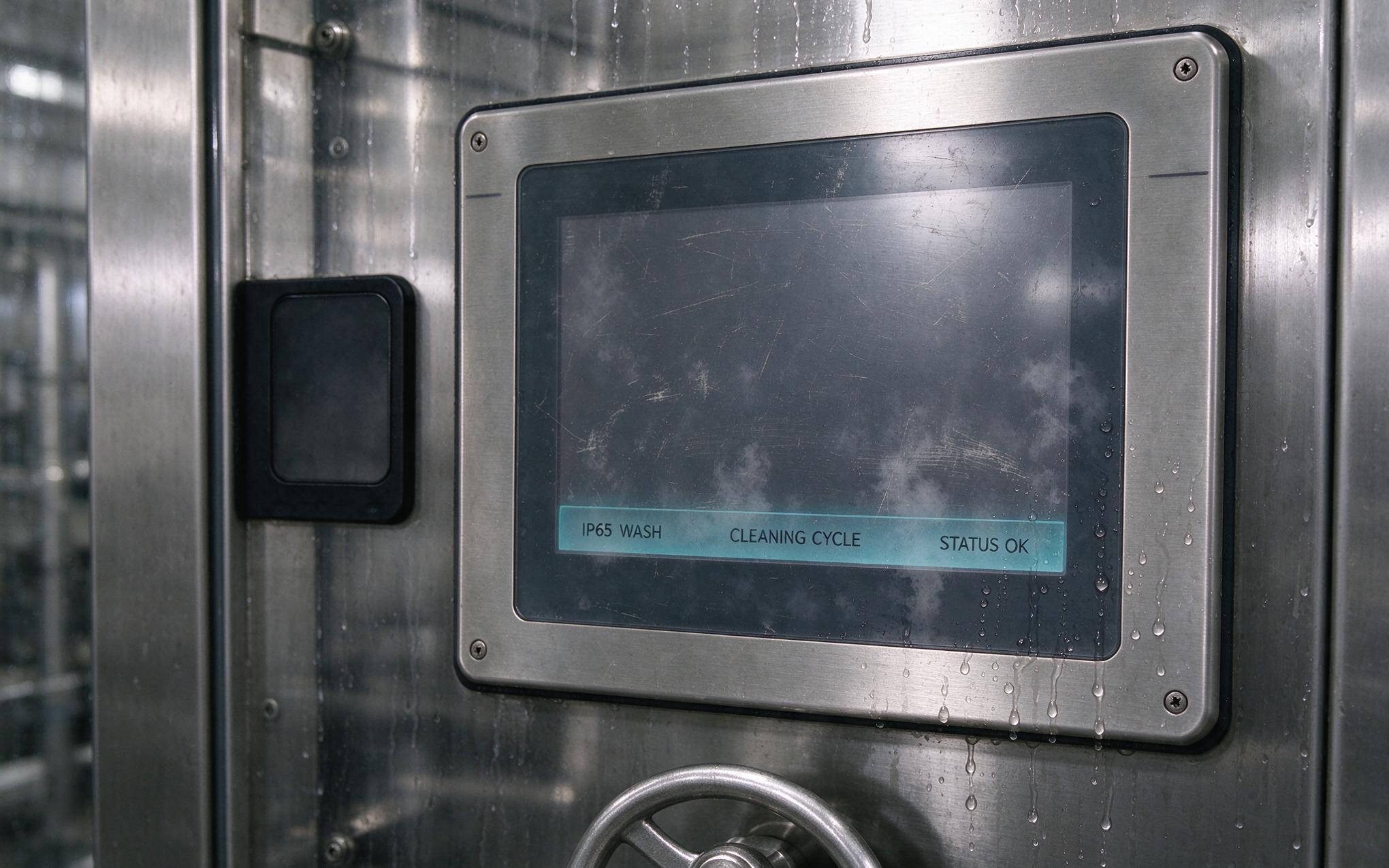
Selecting the right enclosure material for salt spray resistance involves balancing weight, thermal conductivity, and corrosion tolerance. Aluminum alloys remain the most common choice for industrial touch panels because they offer a favorable strength-to-weight ratio and excellent heat dissipation for fanless designs. However, bare aluminum corrodes rapidly in chloride environments, making surface treatment the decisive factor in long-term durability. Powder-coated finishes provide baseline protection, but marine-grade installations typically require multi-layer systems: a chromate or zinc-phosphate conversion coating for adhesion, followed by a thick epoxy primer, and topped with a fluoropolymer or nano-ceramic topcoat that resists chloride penetration. The front bezel and mounting hardware receive particular attention because these are the primary ingress points for salt-laden moisture. In high-exposure coastal zones, stainless steel 316L bezels paired with IP67-rated gasket sealing offer the highest protection tier, though at the cost of increased weight and thermal management complexity. Touch panels introduce an additional material challenge: the cover glass must maintain optical clarity and capacitive sensitivity while resisting surface degradation from salt crystal formation. Anti-reflective and anti-glare coatings serve a dual function in these environments, reducing glare for operator readability while providing a barrier layer that slows chloride adhesion to the glass surface.

Salt Spray Testing Standards and Long-Term Performance Validation
Engineering countermeasures are only as reliable as the testing protocols that validate them. Salt spray testing provides the controlled environment needed to compress years of coastal exposure into measurable test cycles. The primary standards include MIL-STD-810 Method 509.7 for continuous salt fog exposure, IEC 60068-2-52 for controlled salt mist cycling with defined sodium chloride concentrations, and ISO 9227, the most widely adopted standard for industrial corrosion testing. For a touch screen monitor for industrial use destined for coastal deployment, test duration and pass criteria must reflect actual operating conditions rather than minimum threshold compliance. A 48-hour salt fog test may satisfy basic IP65 validation, but coastal food processing facilities often require 500 to 1,000 hours of continuous exposure testing to demonstrate adequate long-term protection. Performance metrics include visual degradation rating, functional touch accuracy retention, and enclosure seal integrity under post-exposure water ingress testing. Extended salt fog protocols that exceed baseline IP certification, as practiced by manufacturers like KOXIAN, target multi-year operational reliability in chloride-rich environments.
Coastal deployments demand that salt spray protection be treated as a fundamental design requirement rather than an optional enhancement. From enclosure metallurgy and surface coating systems to display sealing and validated testing protocols, every layer must address chloride-specific attack mechanisms. Facilities evaluating touch screen monitors for coastal deployment should require documented corrosion test reports, verify coating specifications against known chloride exposure thresholds, and confirm that protection extends beyond the front panel to connectors, mounting hardware, and cable entry points. The difference between equipment that tolerates coastal conditions for seven years and equipment that fails in two often traces back to enclosure design and coating specification decisions made during initial engineering.