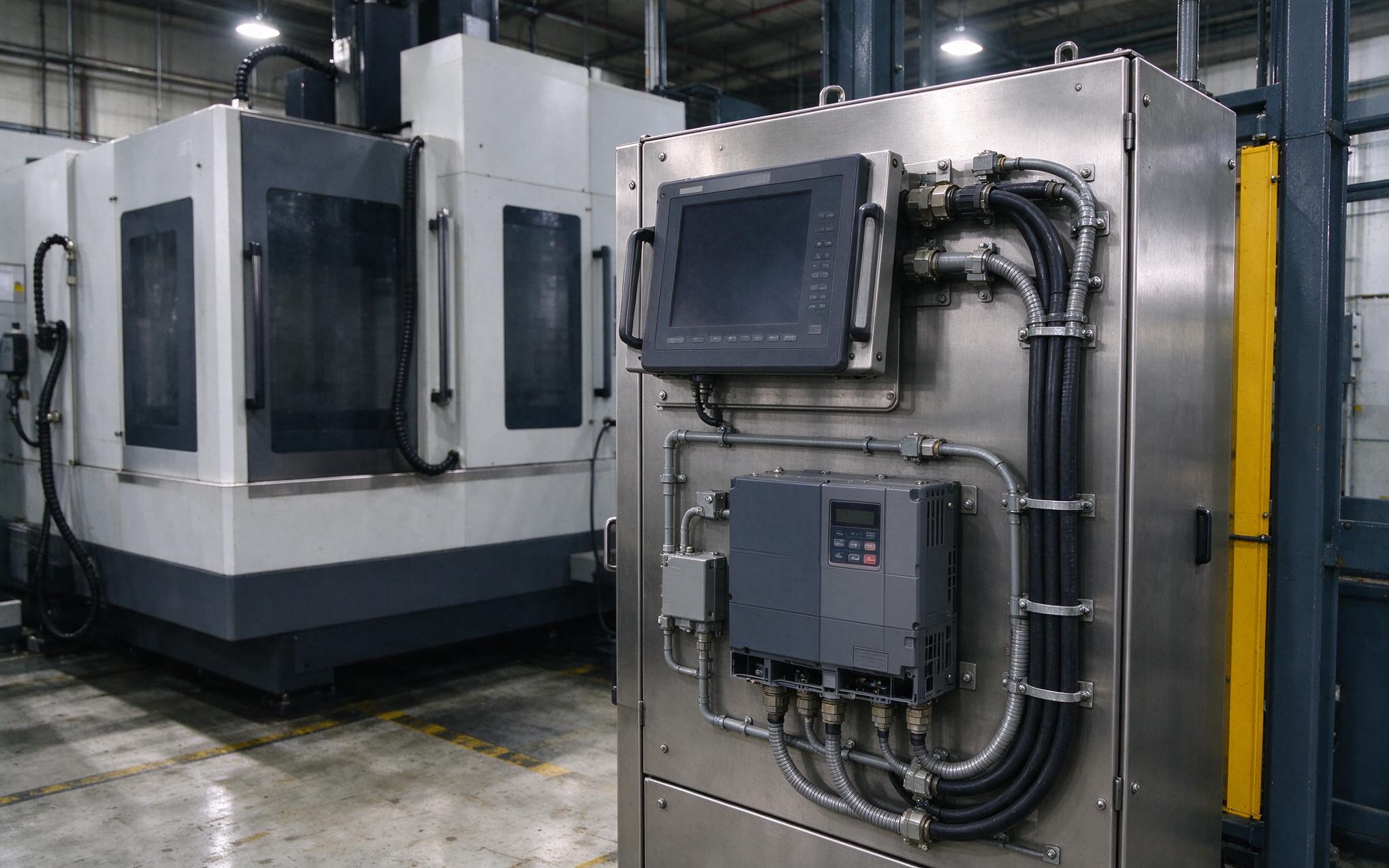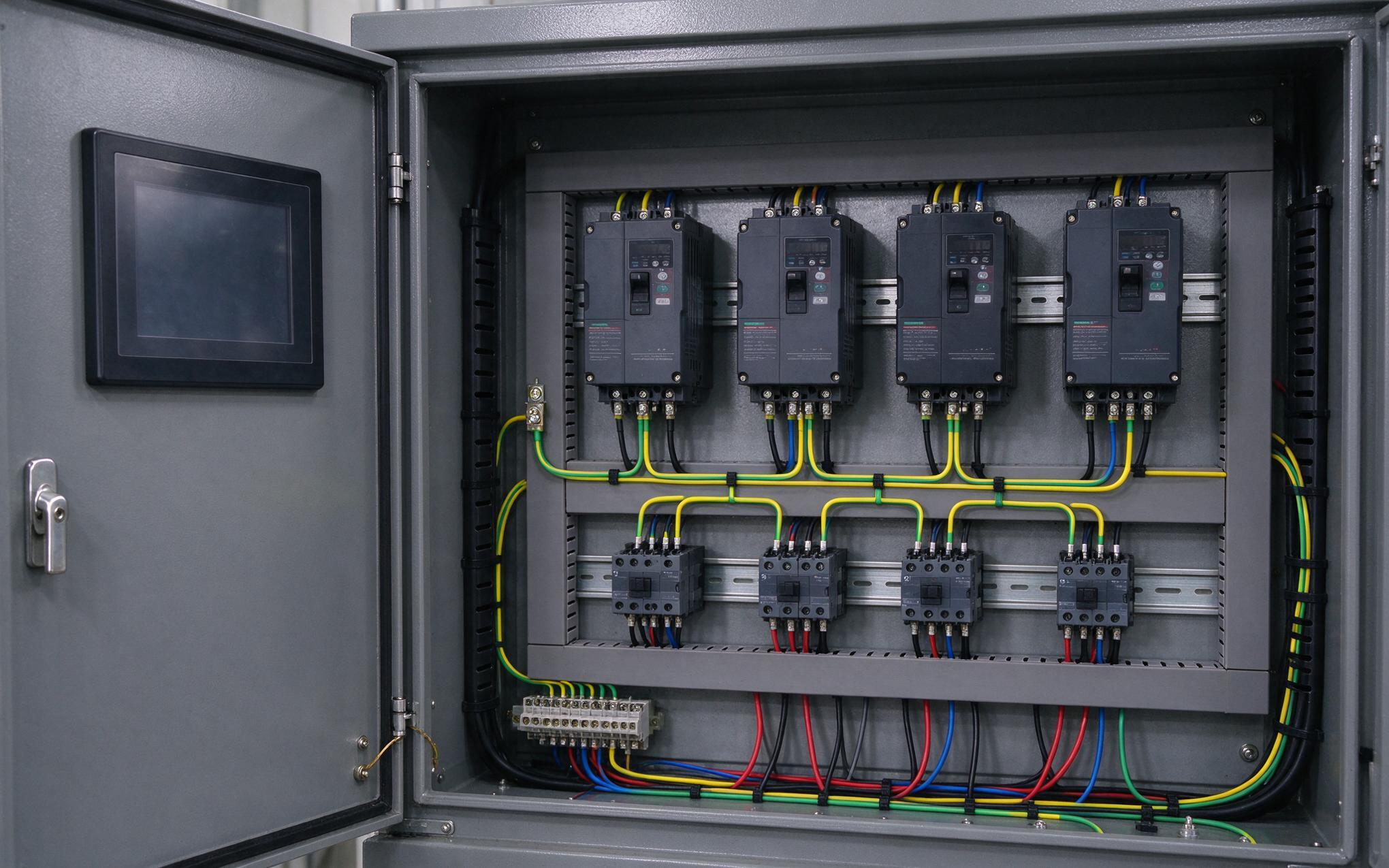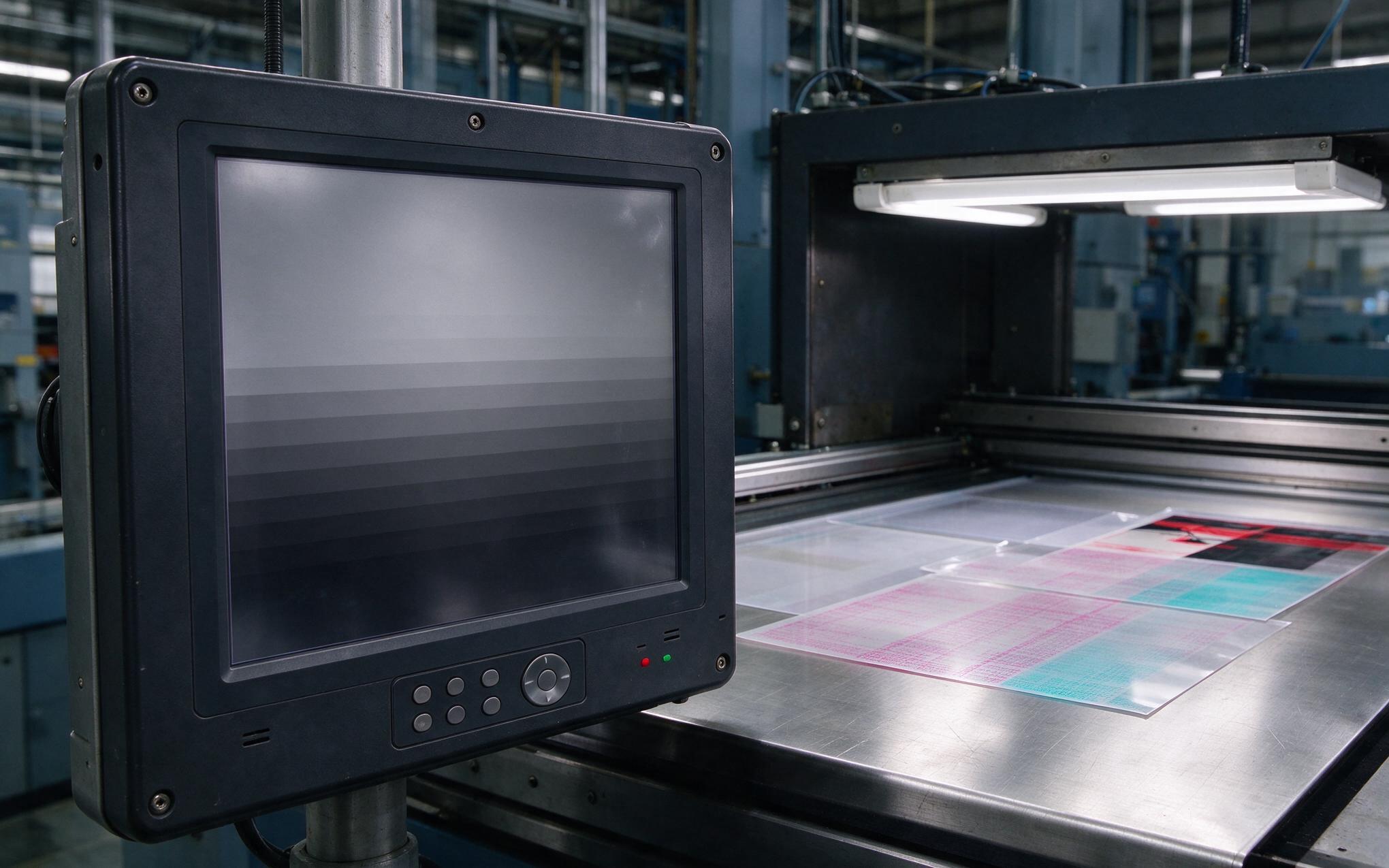
When Microsoft ends Windows 10 extended support in October 2025, an estimated 68 percent of manufacturing-grade computing deployments worldwide will still rely on the operating system for production-line control and data logging. For facilities running an industrial pc windows 10 environment, the deadline is not merely a software update event — it is a capital-planning inflection point that touches hardware replacement cycles, compliance audits, and operator training budgets across the plant floor.

Extending Embedded LTSB Lifecycle in Windows 10 Deployments
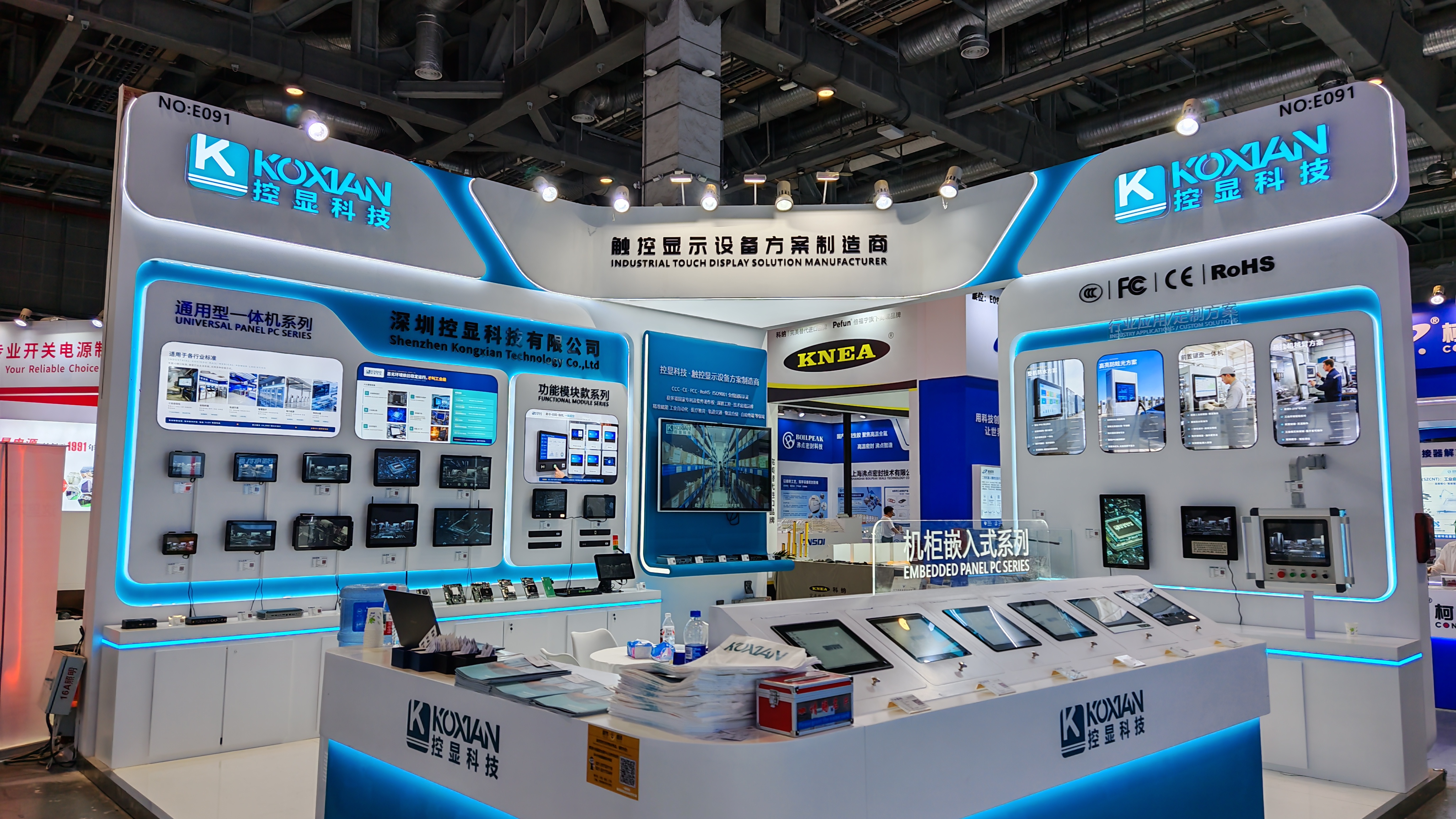
Long-Term Servicing Branch and its successor LTSC releases have traditionally offered industrial pc windows 10 users the longest support horizon, with feature updates frozen to minimize compatibility risk. Many food-processing lines and pharmaceutical packaging cells running 24/7 still image their control stations from a 2019 or 2021 LTSC baseline precisely because every driver revision and application patch has been validated against that fixed snapshot. Extending this lifecycle further requires disciplined patch-ring testing, automated disk health monitoring through tools such as UWF overlay management, and a structured spare-hardware pool so that a single board failure does not halt a line waiting for weeks-long procurement. Systems from manufacturers like KOXIAN address this reality through BIOS and chipset drivers pinned across three to five LTSC refresh windows, reducing the re-validation burden that typically accompanies each servicing branch transition.

Migration Paths Beyond End of Support for Windows 10 Panel PCs
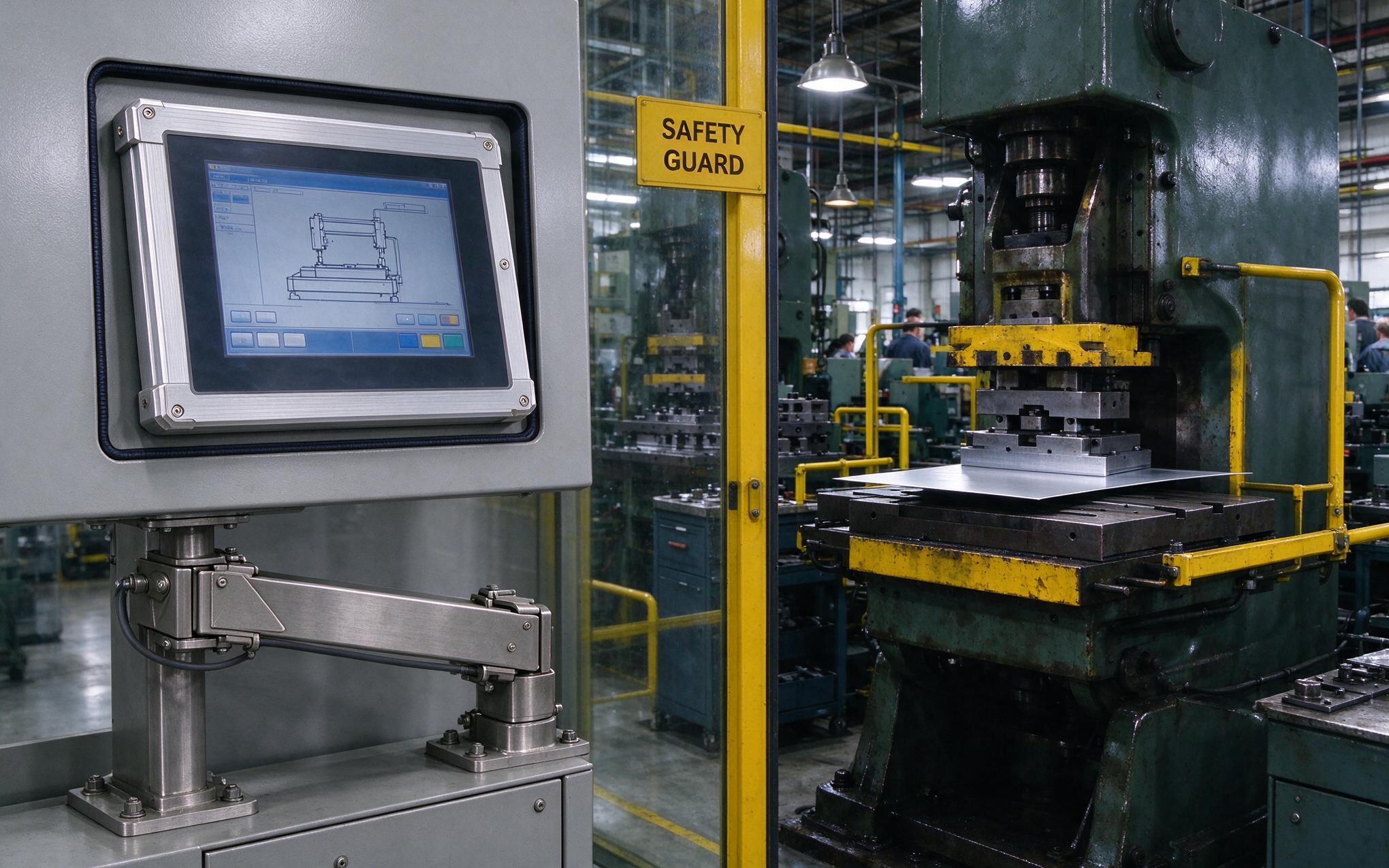
For organizations that cannot justify remaining on an unsupported platform, migration is rarely a simple in-place upgrade. Industrial panel PC workloads are frequently bound to legacy device drivers, proprietary SCADA runtime versions, and custom COM-based middleware that have not been certified for Windows 11 or Linux distributions. A phased migration strategy typically begins with an application-compatibility audit, followed by hardware-readiness screening — most notably the TPM 2.0 and Secure Boot requirements that exclude a significant share of panel PCs deployed before 2019. Where hardware replacement is unavoidable, procurement lead times for industrial-grade panels with certified Windows 11 drivers can stretch to 12 to 16 weeks, making it essential to initiate planning at least two quarters before the support cutoff.

Firmware and Driver Compatibility Across Industrial PC Fleets
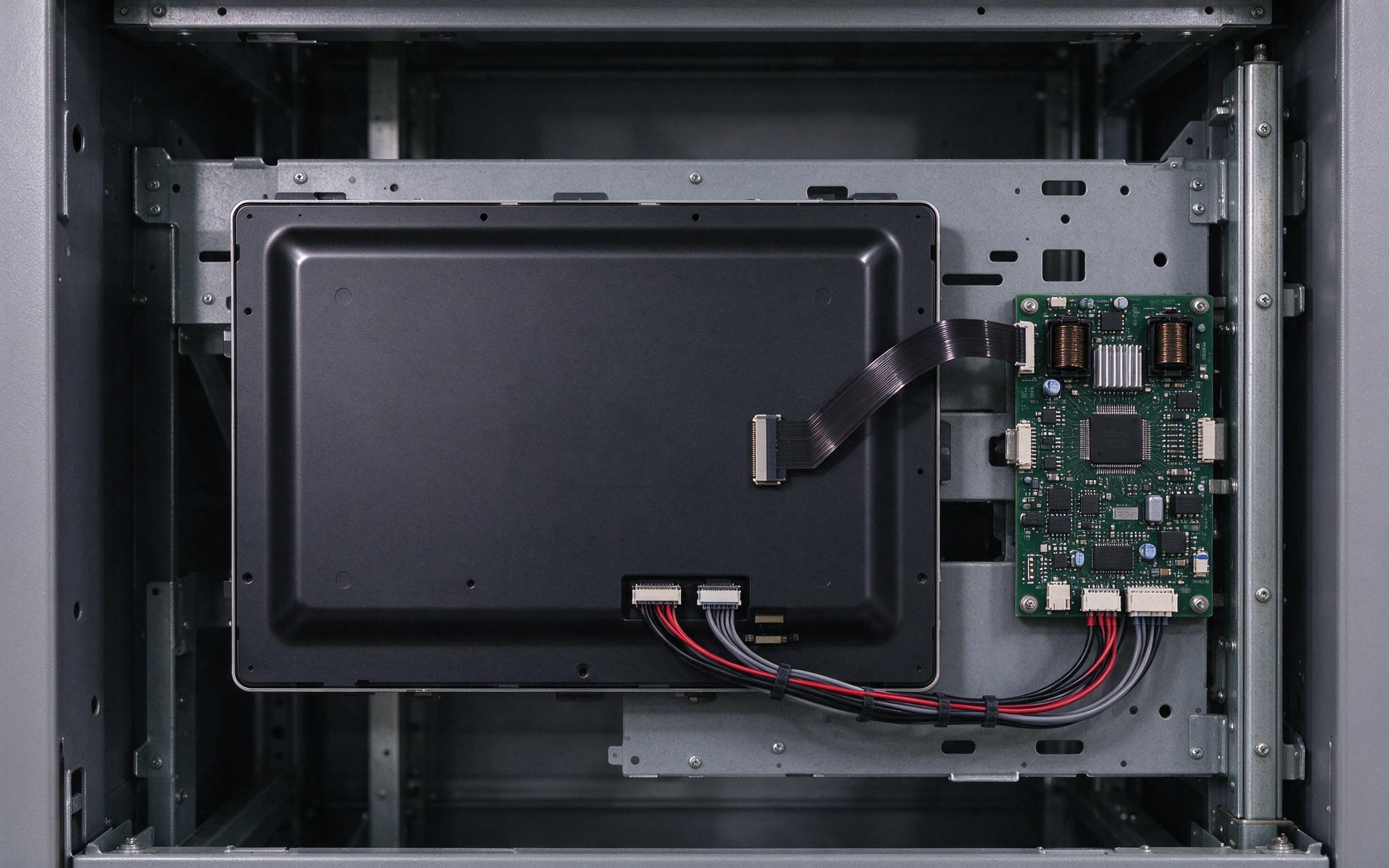
Even when the operating system remains supported under LTSC, firmware-level dependencies can introduce failure modes that surface only under specific thermal or vibration profiles. Fanless panel PCs that integrate third-party frame grabbers, motion controllers, or serial-to-Ethernet gateways must maintain driver version locks across BIOS revisions — a constraint that becomes more difficult when upstream silicon vendors stop backporting microcode fixes for aging chipsets. System integrators managing fleets across multiple production sites should maintain a driver matrix that cross-references each hardware SKU against its last-validated BIOS version, TPM firmware level, and peripheral driver build, then enforce this matrix through centralized provisioning tools rather than ad-hoc technician installs.

How to Secure Industrial PC Windows 10 After Microsoft Support Ends
Post-support security is not optional for industrial pc windows 10 installations that remain on the network. Without monthly security rolls, these systems become vectors for lateral movement in OT environments where segmentation is often incomplete. Effective hardening starts with application whitelisting via tools such as Windows Defender Application Control, followed by network-level microsegmentation using VLANs and firewall rules that isolate each control cell from the enterprise LAN. In safety-critical installations — chemical dosing stations, high-voltage test benches, or pharmaceutical batch controllers — additional measures include disabling unused USB ports at the BIOS level, enforcing certificate-based authentication for remote management sessions, and deploying an endpoint detection-and-response agent that can operate in a degraded signature-update mode without requiring a live internet connection. Panel PC vendors such as KOXIAN offer firmware-level write protection and BIOS lockdown features that complement these OS-level hardening steps, providing a layered defense posture that keeps aging deployments viable until a planned hardware refresh cycle replaces them.
The October 2025 deadline does not erase existing installations overnight, but it shifts the risk calculus for every facility still running industrial pc windows 10 panels. Organizations that begin lifecycle planning now — auditing application dependencies, validating hardware compatibility, and establishing security hardening procedures — will navigate the transition with minimal production impact, while those that delay face compressed timelines, inflated procurement costs, and elevated cybersecurity exposure across their operational technology stack.