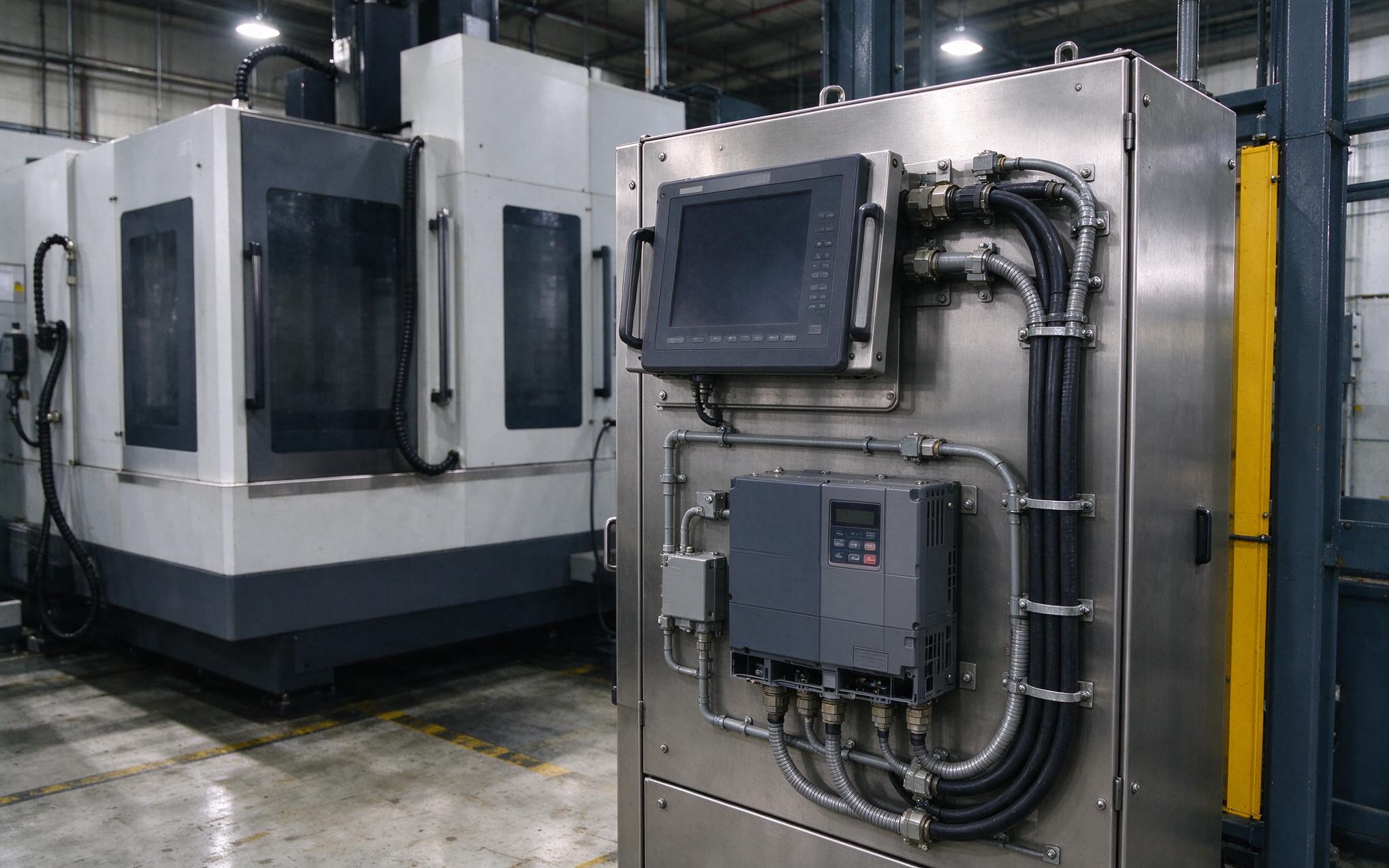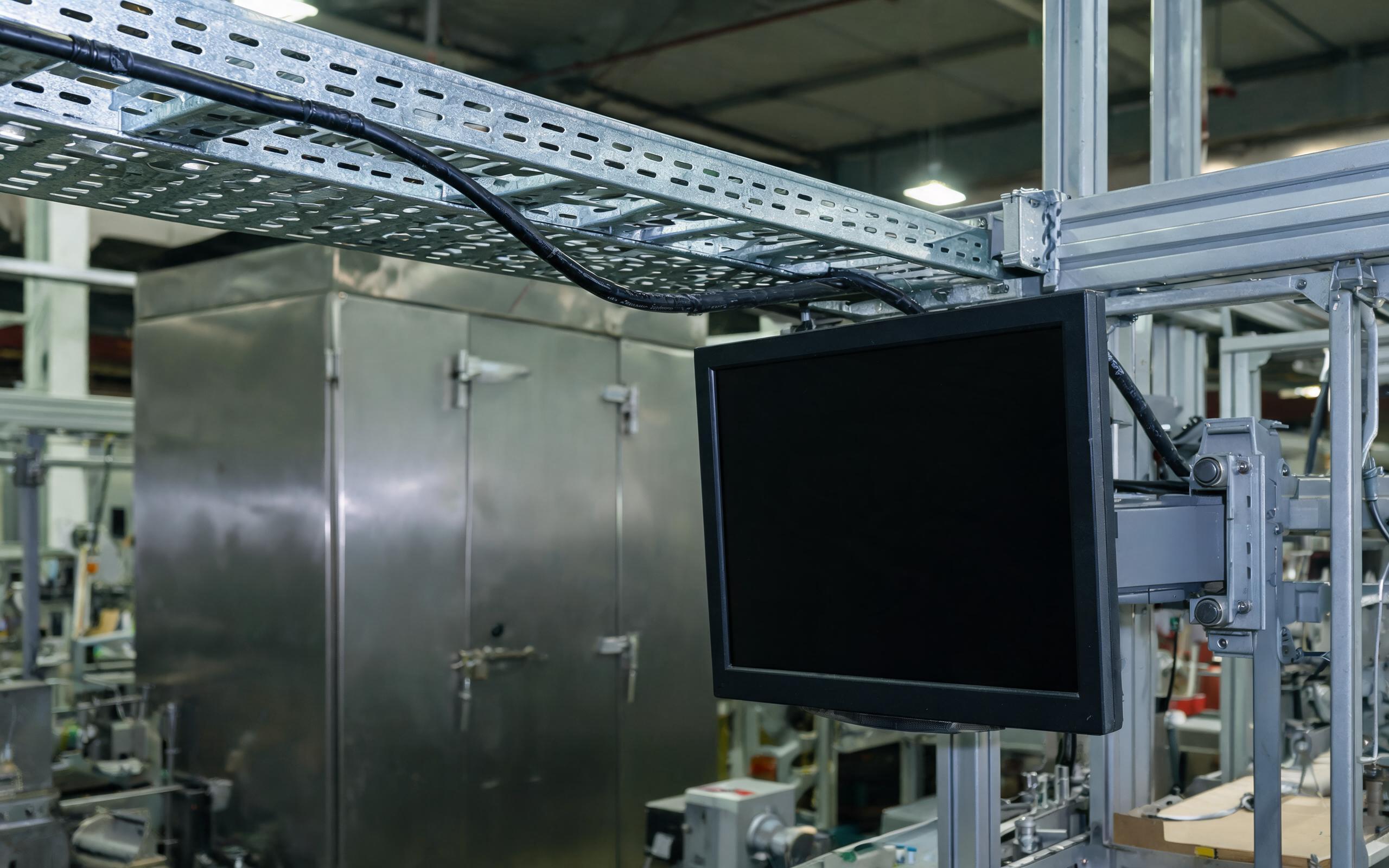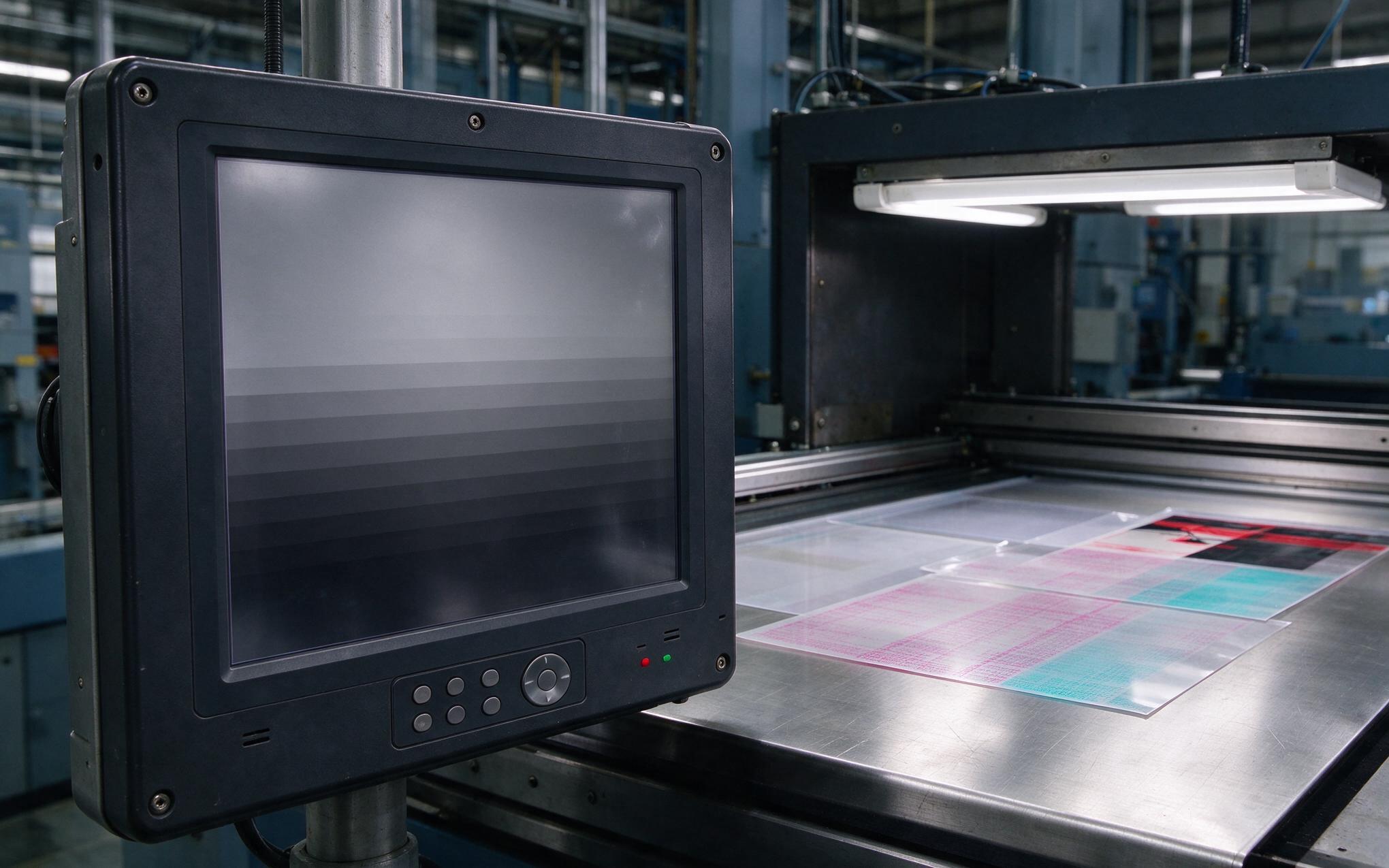
When a touch screen monitor on an automotive welding line picks up phantom touches from inverter switching noise, the root cause is electromagnetic interference that the display was never designed to suppress. Factory floors and control rooms present two entirely different EMC profiles, yet procurement teams often specify the same display model for both environments. Understanding how electromagnetic compatibility requirements diverge between high-noise production zones and relatively shielded control spaces prevents the costly mismatches that lead to unplanned downtime and premature hardware replacement.

Comparing EMC Exposure Between Production Zones and Control Spaces
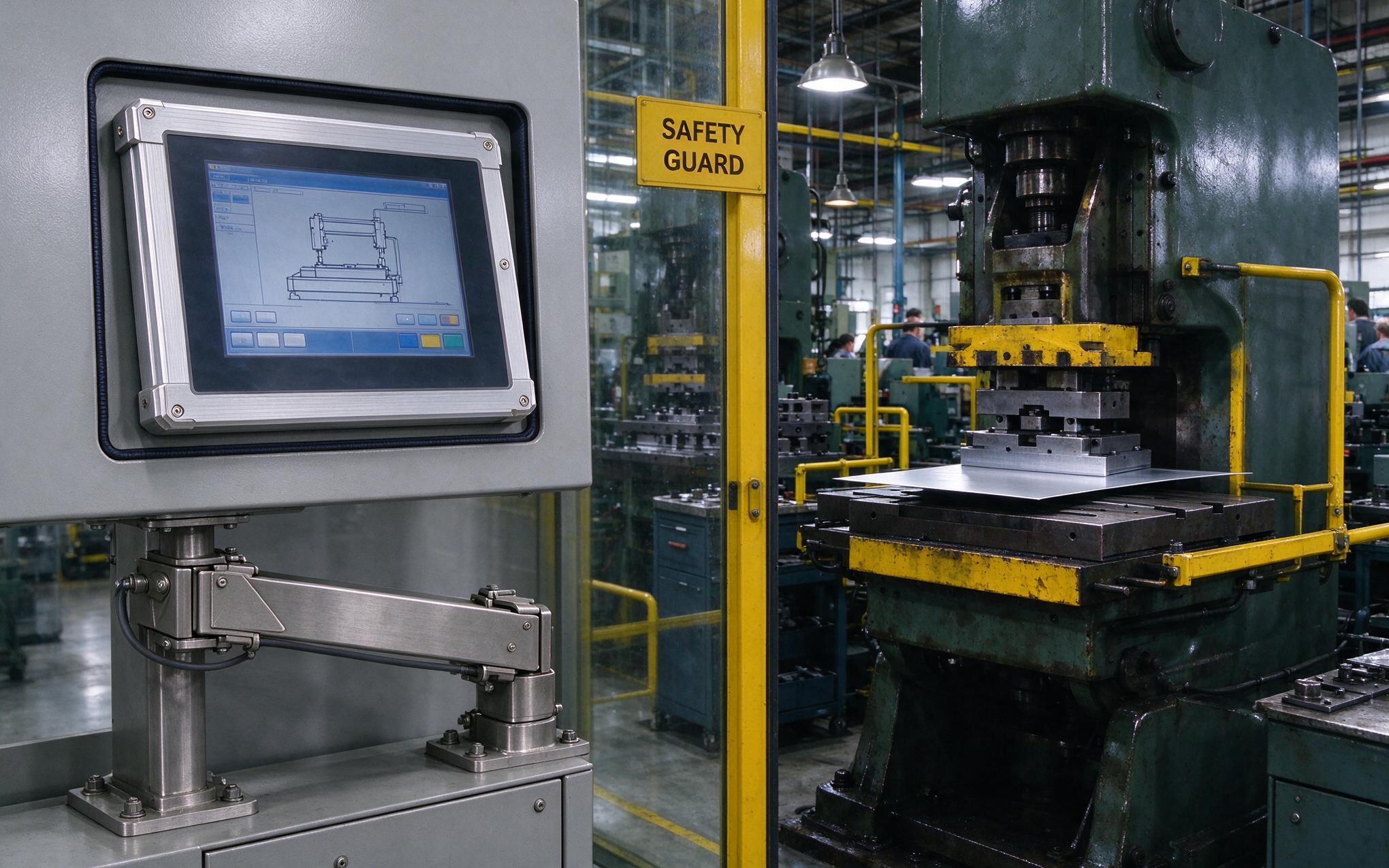
Production zones concentrate electromagnetic noise generators in tight quarters. Variable frequency drives, welding inverters, switching power supplies, and high-current contactors all produce conducted and radiated emissions that couple into nearby electronics. A motor starter located sixty centimeters from a panel-mounted touch screen monitor can inject enough conducted noise through shared power rails to desynchronize the capacitive touch coordinate scanner, producing erratic cursor behavior or complete lockout. Radiated fields from arc welding equipment induce currents in ribbon cables and front panel grounding paths. Control rooms, by contrast, are typically located behind structural barriers that attenuate radiated fields, and their power distribution includes dedicated filtered circuits. The result is a dramatic difference in the electromagnetic stress profile that each display must endure. KOXIAN’s engineering team calibrates shielding levels and input filter stages differently for each deployment zone, recognizing that a display destined for a welding bay requires substantially more robust EMI suppression than one installed in a climate-controlled SCADA room.

Applying EMC Certification Standards Based on Deployment Location
EMC compliance for industrial displays is not a single checkbox; the applicable standard depends on where the touch screen monitor will operate. The baseline immunity requirement for industrial equipment is IEC 61000-6-2, which defines radiated immunity, electrostatic discharge (ESD), electrical fast transient (EFT), and surge levels. Displays destined for rail or transportation applications must additionally meet EN 50155, which adds vibration, temperature, and extended EMC requirements specific to rolling stock. Food and pharmaceutical processing facilities may require compliance with EN 61000-6-4 for conducted emissions to prevent interference with sensitive measurement instrumentation on adjacent equipment. Production-zone installations often demand stricter testing thresholds than control-room deployments because the ambient EMI floor is significantly higher. A touch screen monitor that passes IEC 61000-6-2 bench testing may still fail site acceptance when installed alongside variable frequency drives drawing fifteen amperes per phase. Selecting displays with documented EMC test reports from accredited laboratories, and matching the certification level to the actual deployment zone, eliminates this mismatch.

Selecting Shielding and Grounding Architectures for Each Environment
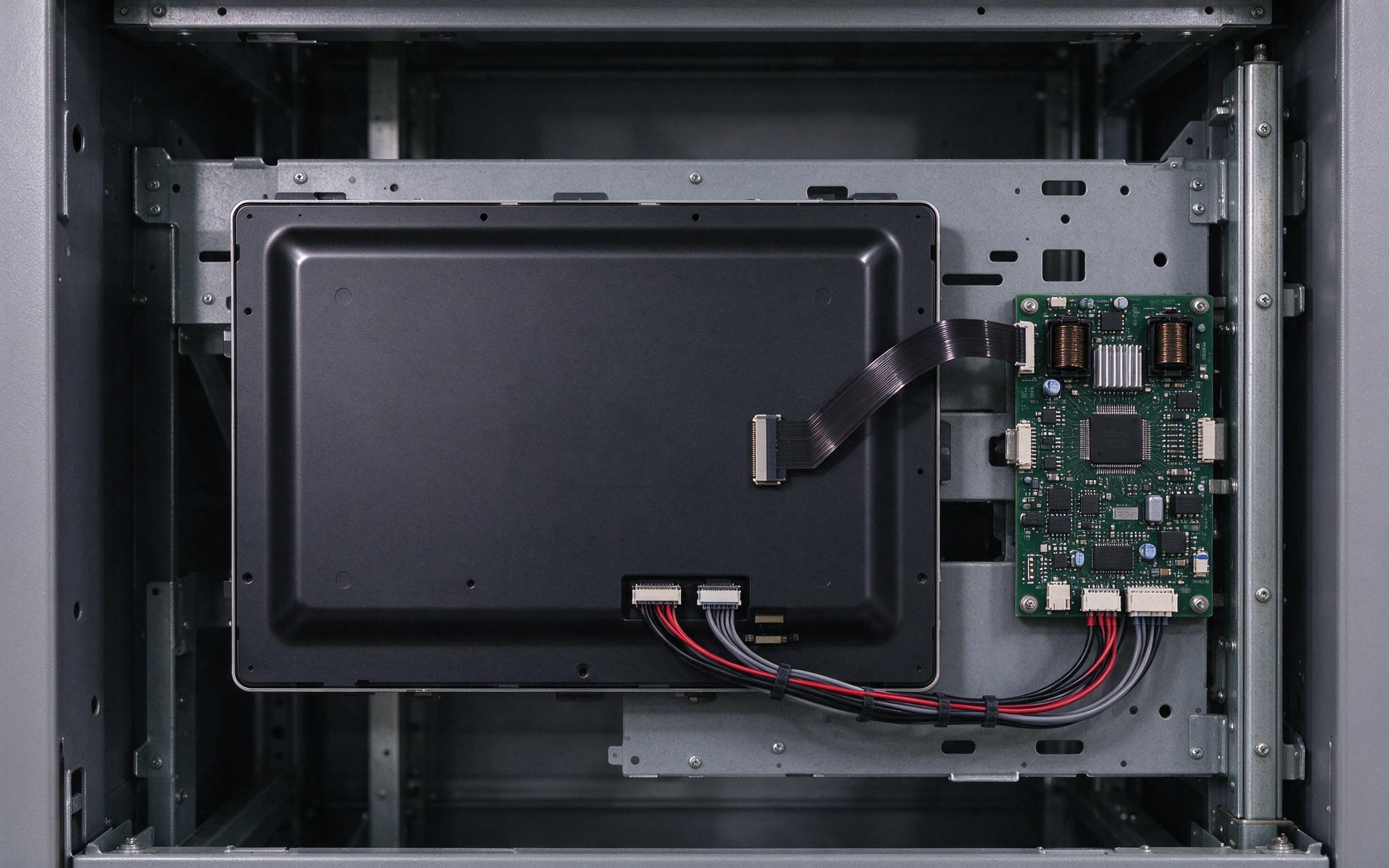
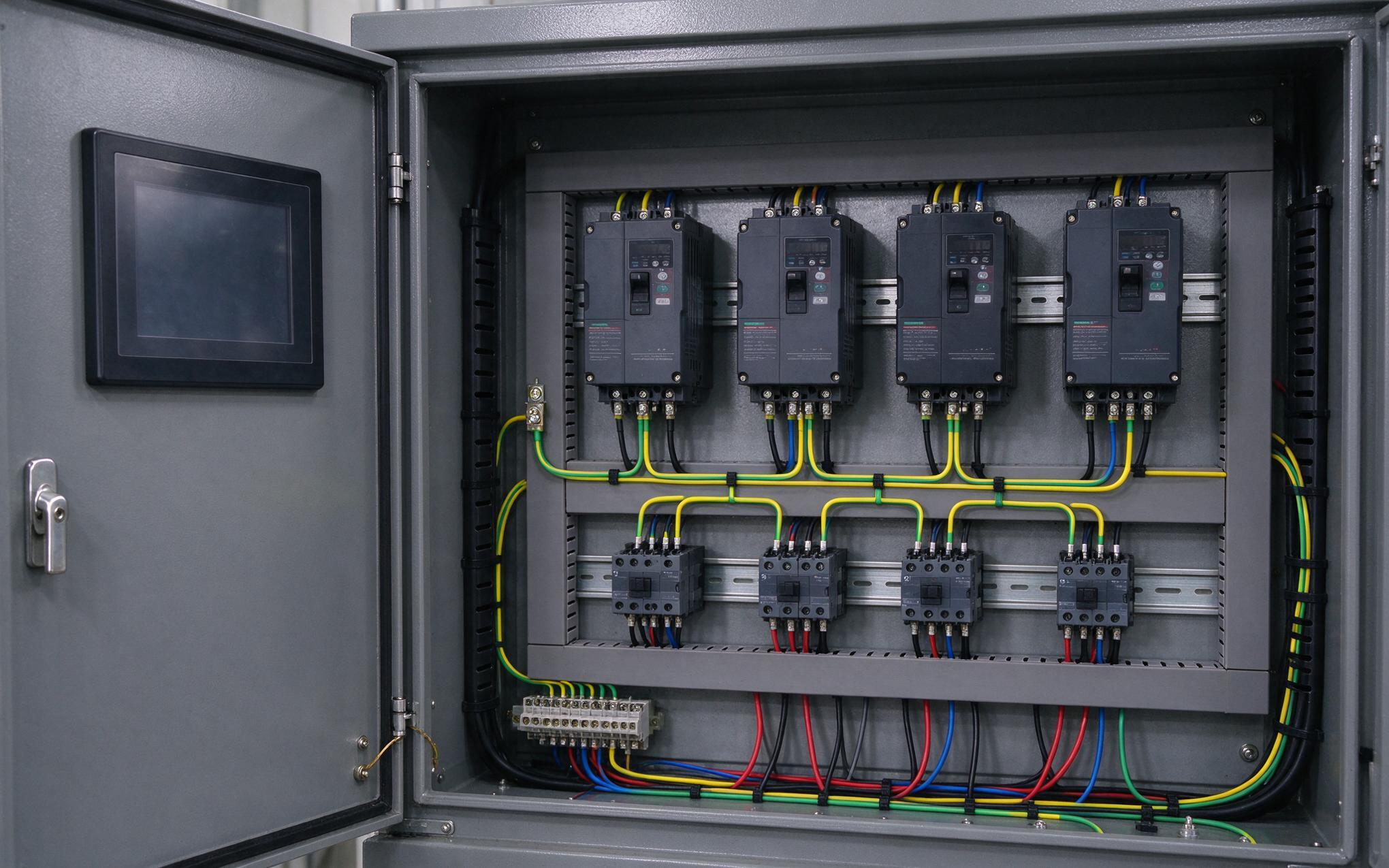
Effective EMC design begins with the enclosure. Die-cast aluminum housings serve a dual purpose: structural rigidity for vibration resistance and a continuous Faraday cage that attenuates radiated fields. Inside the enclosure, the touch controller board sits on a dedicated ground plane connected to the chassis through multiple low-impedance paths, minimizing ground loops that could amplify conducted noise. Production-zone displays benefit from additional input filtering: a common-mode choke on the DC input line suppresses conducted emissions from upstream switching power supplies, while transient voltage suppressors clamp EFT and surge events before they reach the sensitive analog touch circuitry. Control-room installations may require less aggressive filtering but still benefit from shielded ribbon cables routed away from power connectors. Manufacturers like KOXIAN that offer configurable EMC packages allow integrators to match shielding depth to the actual deployment environment rather than over-specifying for every location or under-protecting high-noise zones. These design decisions are validated during type testing per IEC 61000-4-3 for radiated immunity and IEC 61000-4-6 for conducted immunity.
EMC compliance is not a universal specification. It is a location-dependent engineering discipline that directly determines whether a touch screen monitor delivers consistent performance on the factory floor. Facilities that match display EMC ratings to their actual deployment zones reduce troubleshooting time, avoid production stoppages caused by phantom inputs, and extend the operational lifespan of their control infrastructure. For system integrators specifying displays for industrial environments, demanding documented EMC test reports and verifying that shielding architecture matches the installation site is the most effective path to long-term reliability.