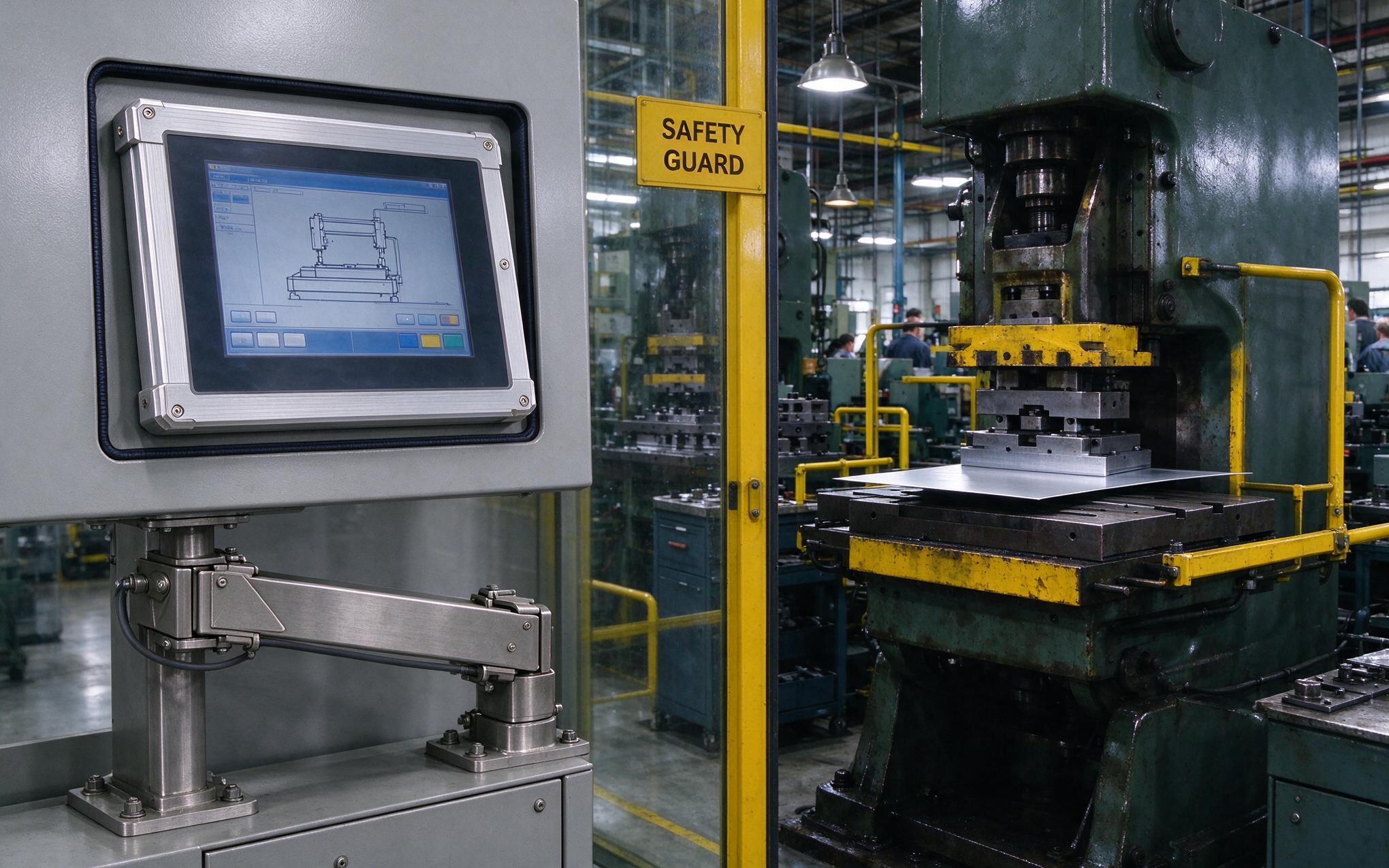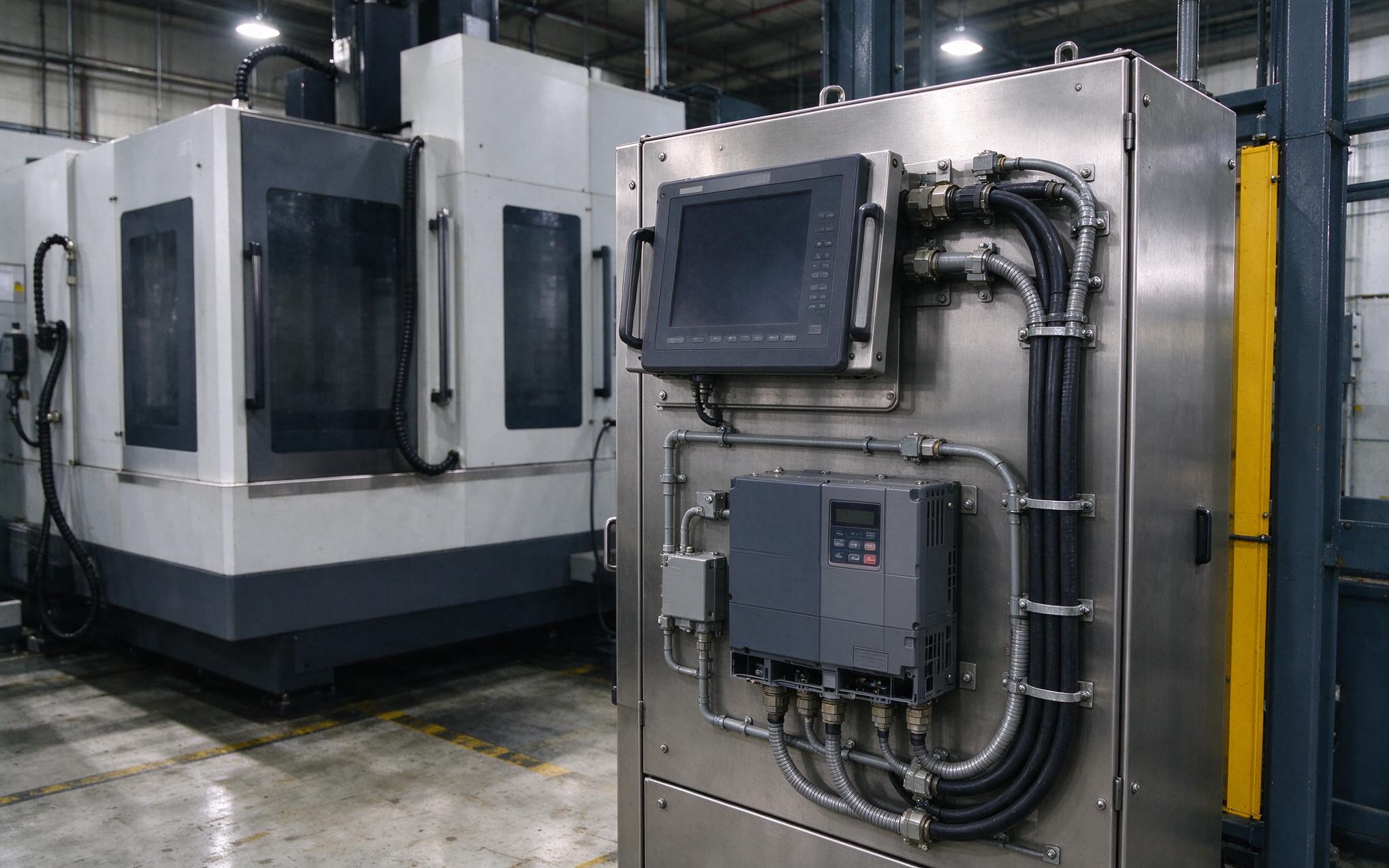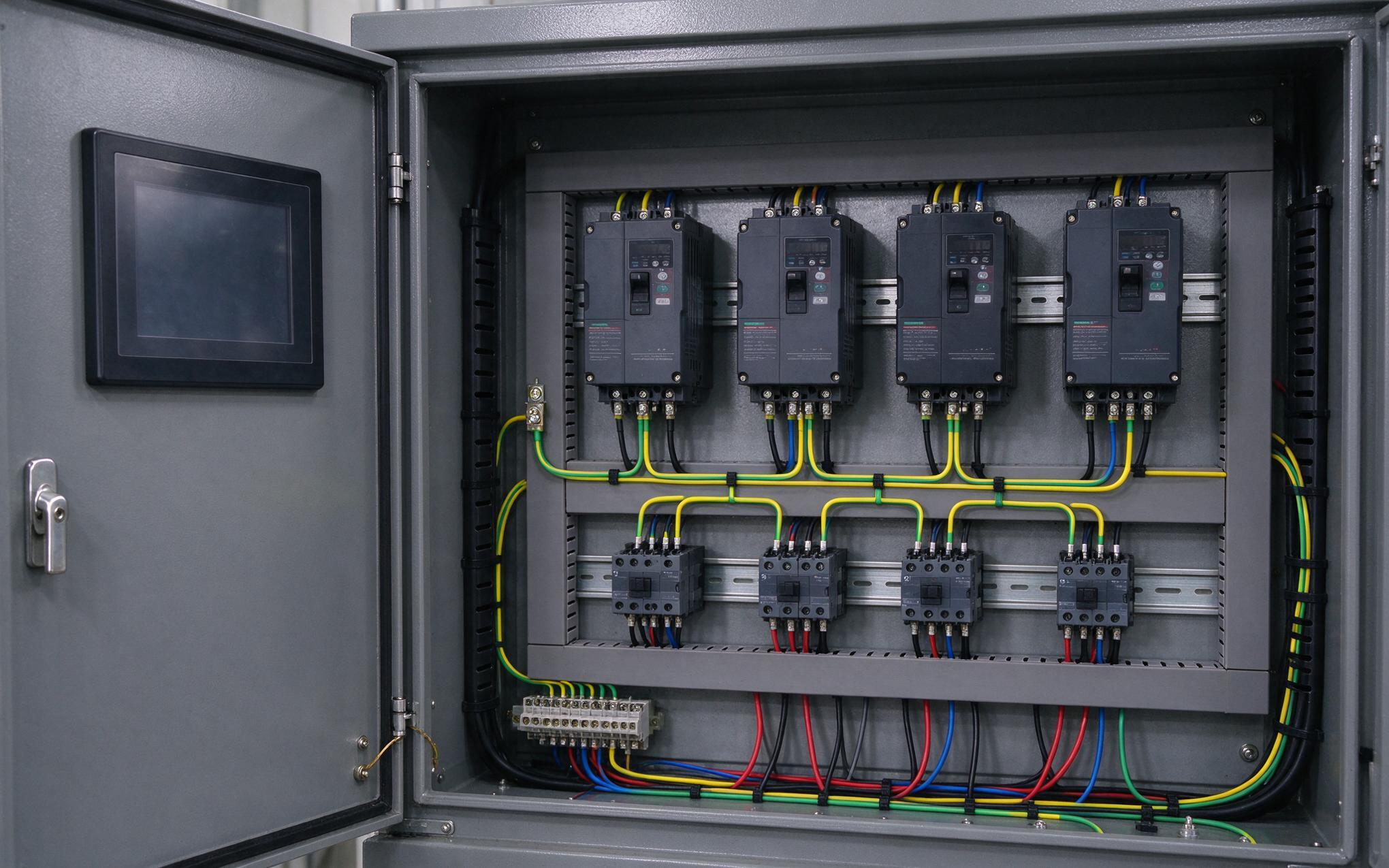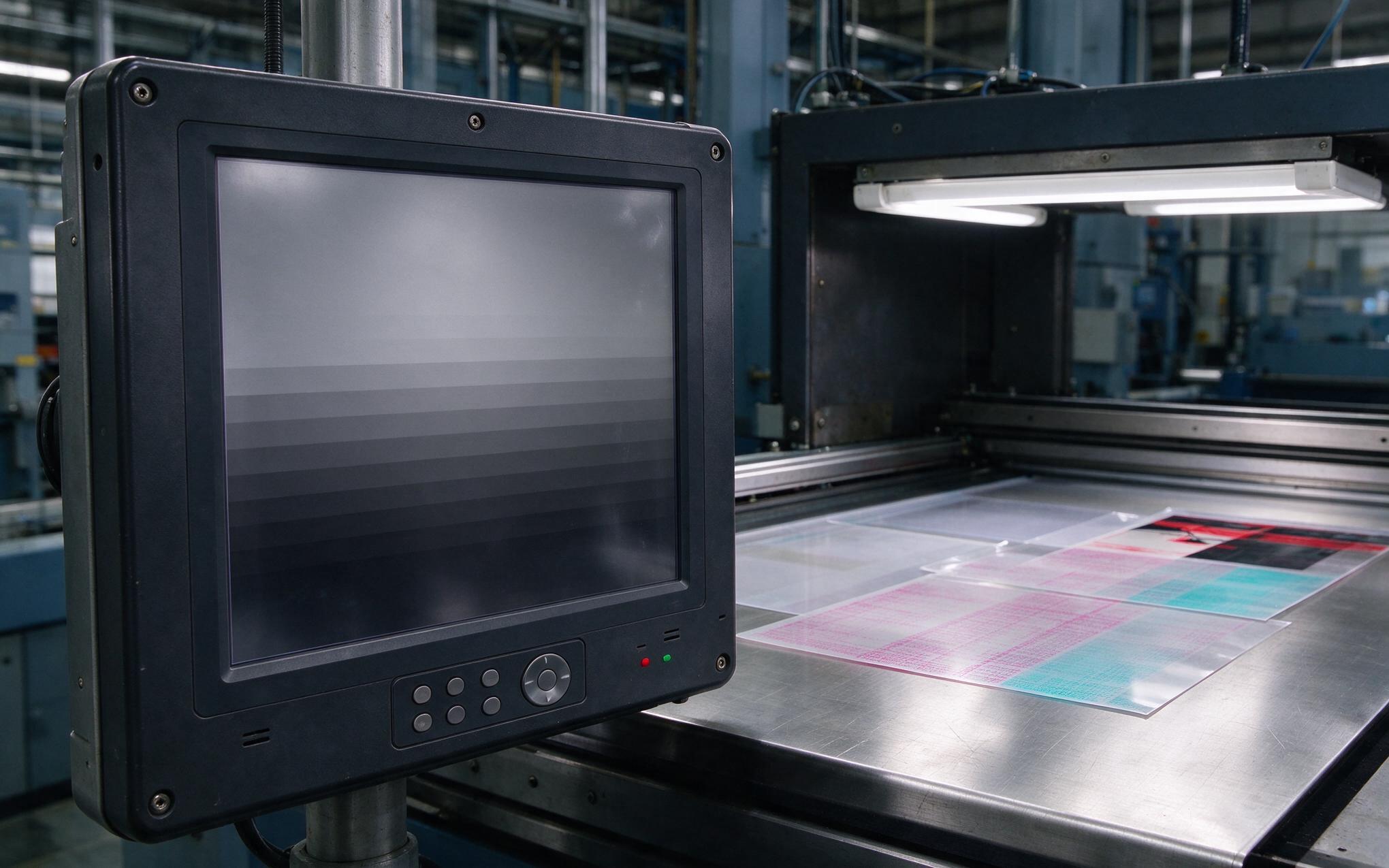
Operators running AI-powered vision inspection systems on factory floors have long tolerated the latency penalty of sending every camera frame to a remote server for inference. In high-speed packaging lines where defect detection windows shrink to single-digit milliseconds, that round trip becomes a bottleneck that no amount of bandwidth can fully eliminate. Edge AI integration inside the industrial all in one panel pc is reshaping this equation by embedding neural processing units directly on the shop-floor device, enabling real-time inference without ever leaving the production cell.

Beyond CPU Cores and Into NPU Hardware Acceleration in Embedded Panel Architectures
Modern system-on-chip designs from Intel, NVIDIA, and Rockchip now bundle dedicated neural processing units alongside traditional CPU cores. The NVIDIA Jetson Orin Nano, for instance, delivers 40 TOPS of INT8 inference throughput within a 15-watt thermal envelope. When housed inside an industrial all in one panel pc, this silicon allocation means vibration analysis, optical character recognition on label verification, and anomaly detection models can all run locally with deterministic sub-10ms latency. Dual Gigabit Ethernet ports with time-sensitive networking support ensure that upstream data flows to MES or SCADA systems without competing with inference traffic for bandwidth. The engineering trade-off is clear: dedicating a portion of the die to neural acceleration costs more per unit than a bare x86 board, but the elimination of cloud dependency pays back quickly in reduced network infrastructure and avoided subscription fees.

Thermal Management for Sustained AI Workloads in Sealed Enclosures
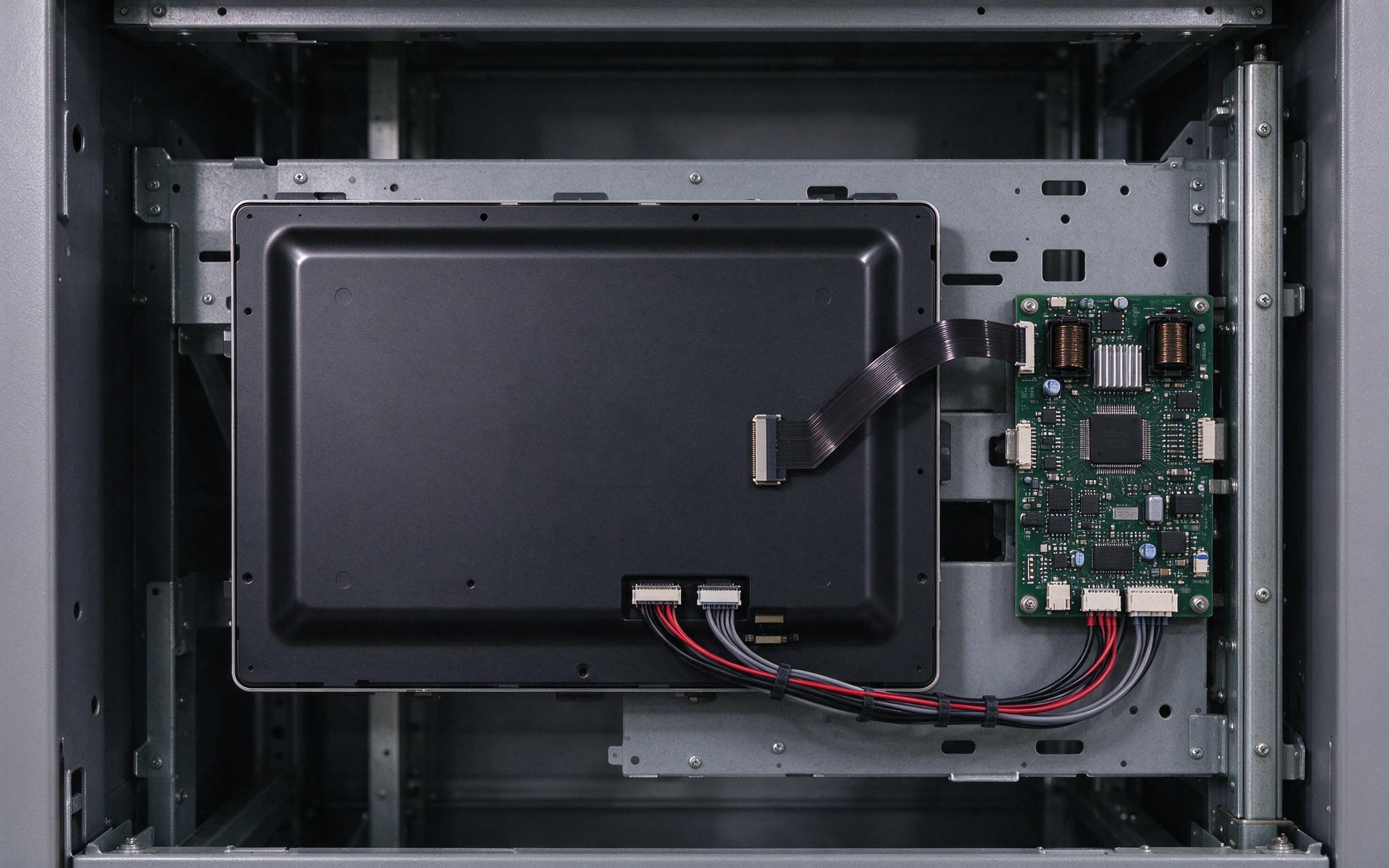
Achieving 40 TOPS inside a fanless enclosure demands more than a simple heatsink. The thermal design must dissipate both CPU and NPU heat through the aluminum chassis without exceeding junction temperatures during sustained inference cycles. Engineers accomplish this through a layered approach: a copper heat spreader bonded to the SoC die transfers thermal energy to a vapor chamber that distributes it across the full rear panel surface area. In an industrial all in one panel pc rated for 24/7 operation, the thermal throttle point becomes the critical specification. Manufacturers like KOXIAN specify sustained TOPS output under worst-case ambient conditions rather than peak burst figures, giving system integrators a realistic performance baseline for deployment planning. Thermal imaging of sealed enclosures under load typically shows surface temperatures between 45 and 55 degrees Celsius, well within touch-safe limits per IEC 62368-1 while still extracting maximum silicon performance.

IP65 Protection Standards for Edge AI Deployments in Harsh Environments
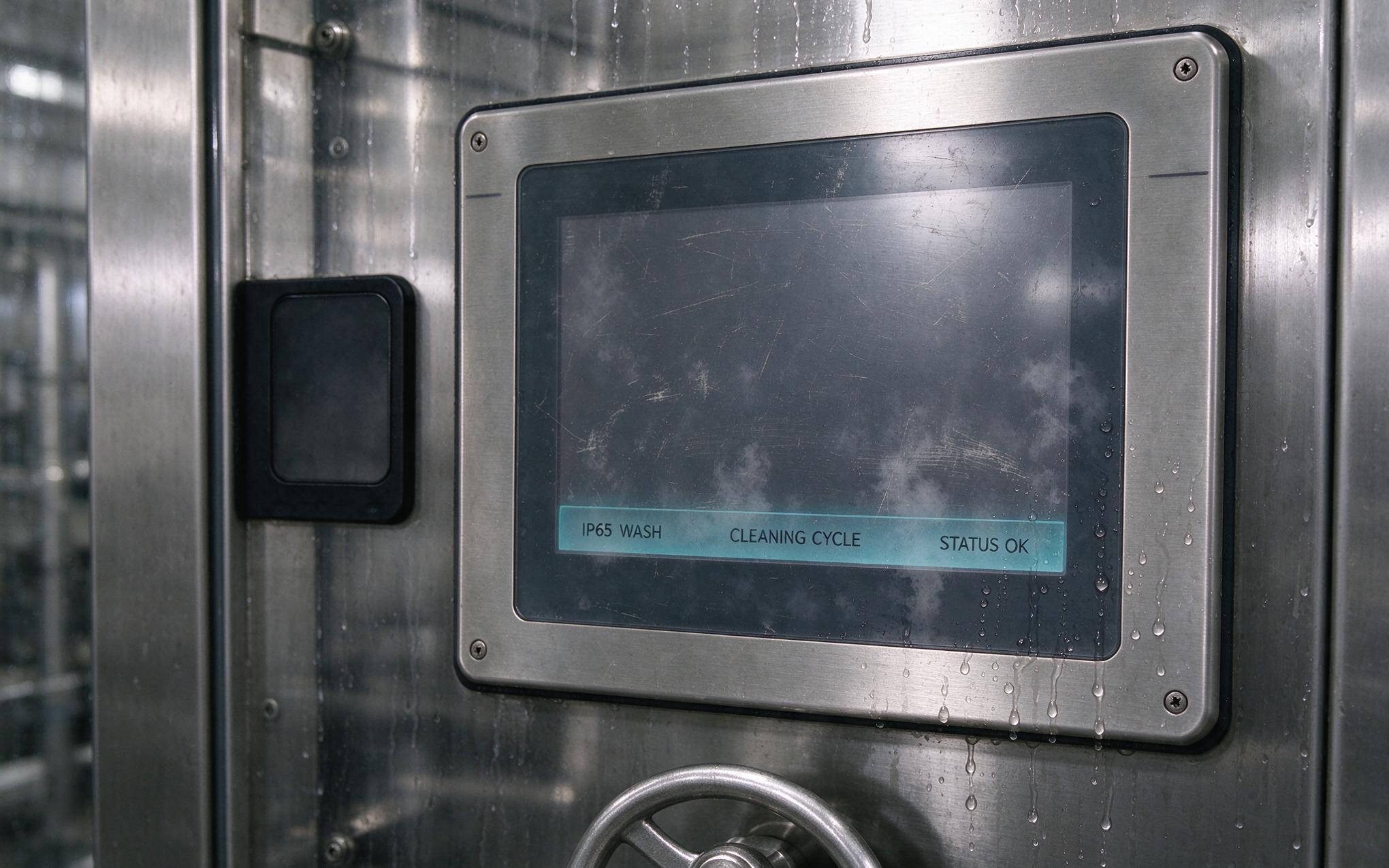
Edge AI inference means nothing if the hardware fails within months of deployment. Food processing plants, pharmaceutical lines, and outdoor kiosk installations all expose panel PCs to moisture, dust, and chemical cleaning agents that would destroy conventional computing equipment. An IP65-rated sealed computing terminal from manufacturers like KOXIAN addresses this through a continuous gasket seal around the front bezel, stainless steel or powder-coated aluminum housing, and chemically strengthened cover glass that resists both impact and abrasion. The key engineering detail is the touch sensor design: projected capacitive overlays must maintain sensitivity through wet or gloved contact while the front panel remains fully sealed against high-pressure washdown. For edge AI applications, the protection rating directly influences deployment location options. An IP65 enclosure allows installation directly on the production line rather than in a remote control room, placing inference hardware centimeters from the cameras and sensors that feed it.
Edge AI does not eliminate the cloud but restructures the architecture into a two-tier model. Critical inference happens at the panel PC on the factory floor, while model retraining, fleet analytics, and historical logging flow upstream through secured MQTT or OPC UA channels. This separation of concerns gives plant engineers deterministic latency where it matters and scalable learning where bandwidth allows. As neural processing units continue their cost-per-TOPS decline, the barrier to embedding AI directly inside industrial computing hardware drops correspondingly. The ruggedized panel computing platform is no longer just a display terminal for operator interaction; it has become a compute node that processes, decides, and acts without waiting for a server response. For system integrators evaluating next-generation automation architectures, the question is shifting from whether to adopt edge AI to how quickly the existing panel PC fleet can be upgraded to support it.