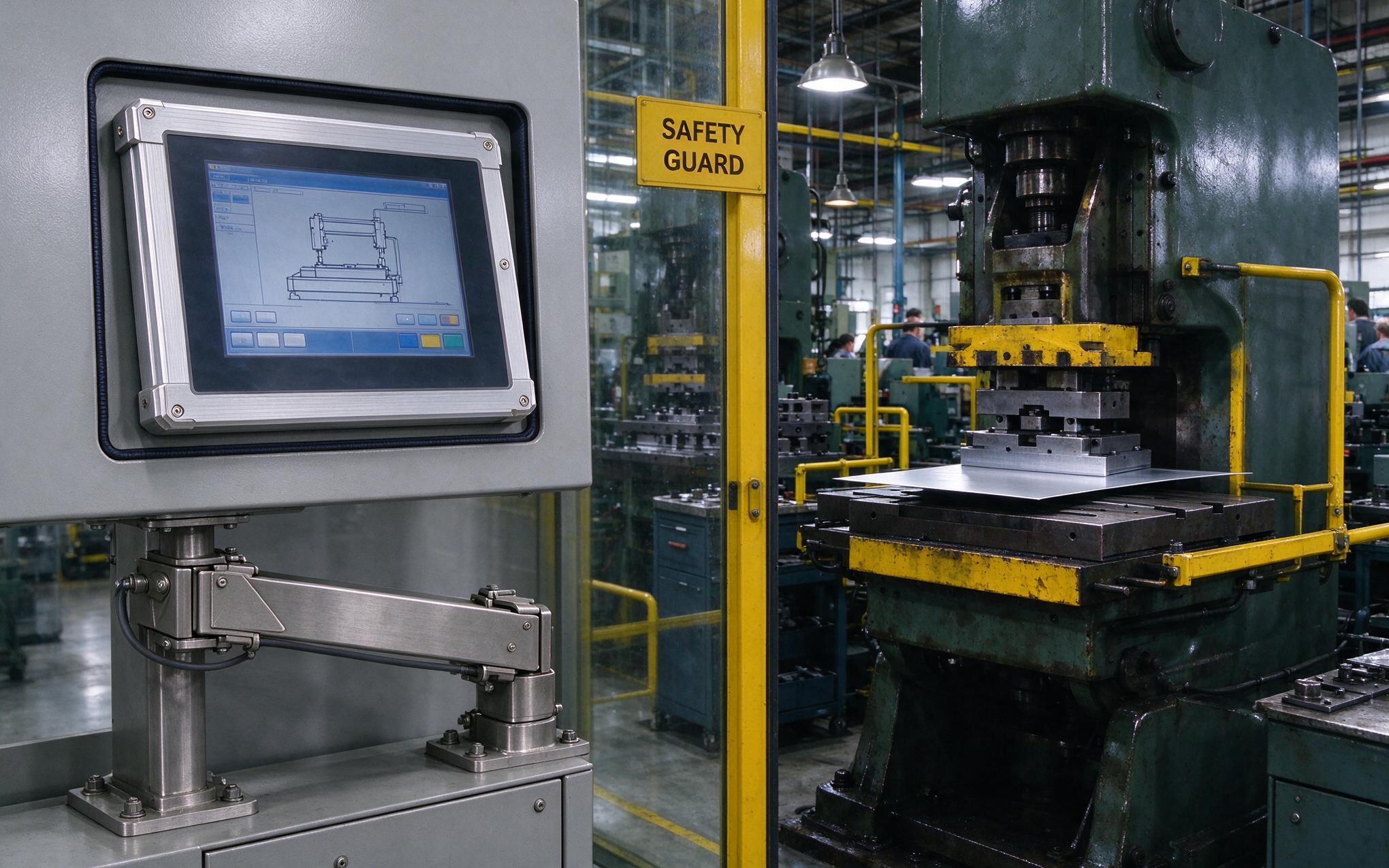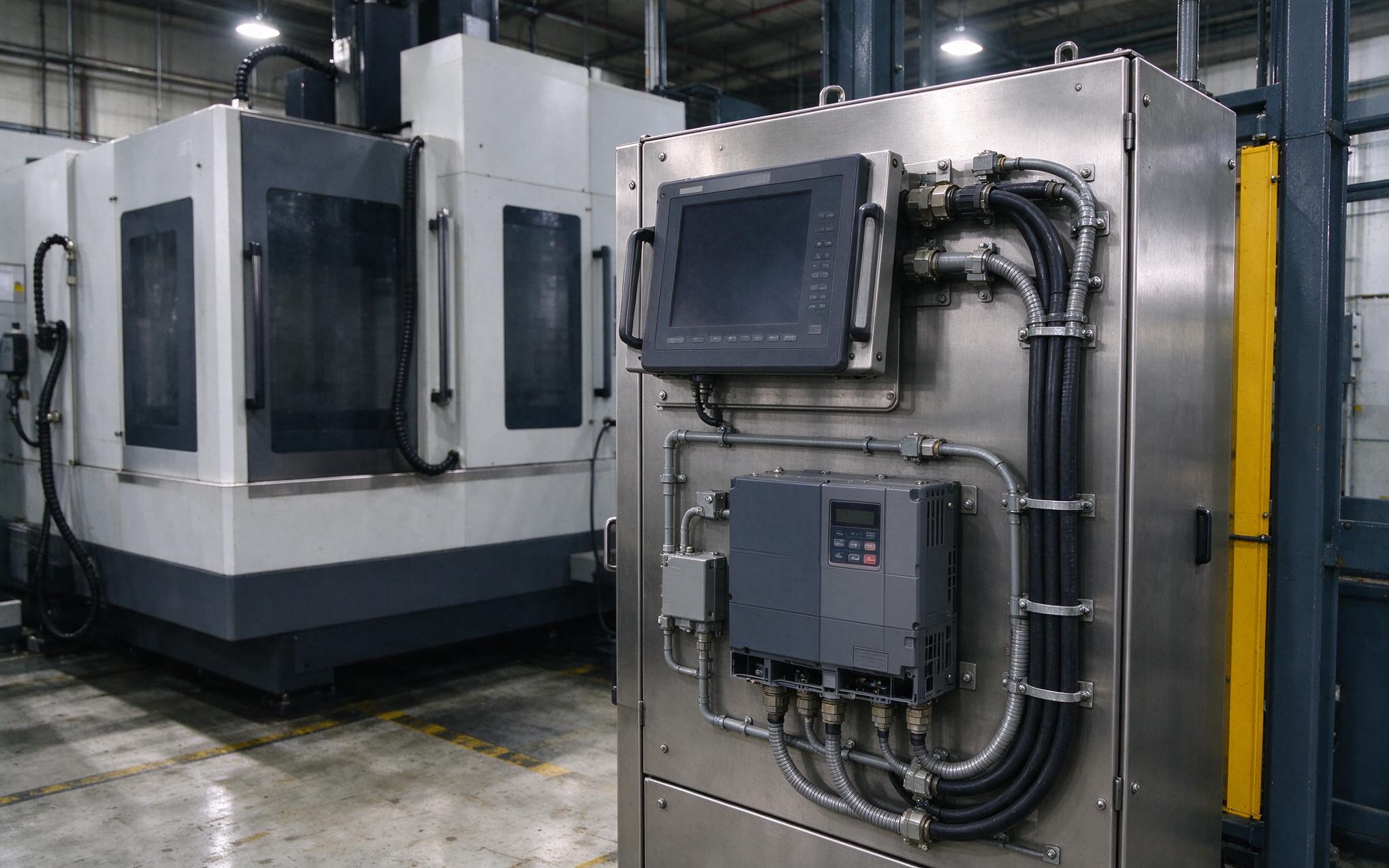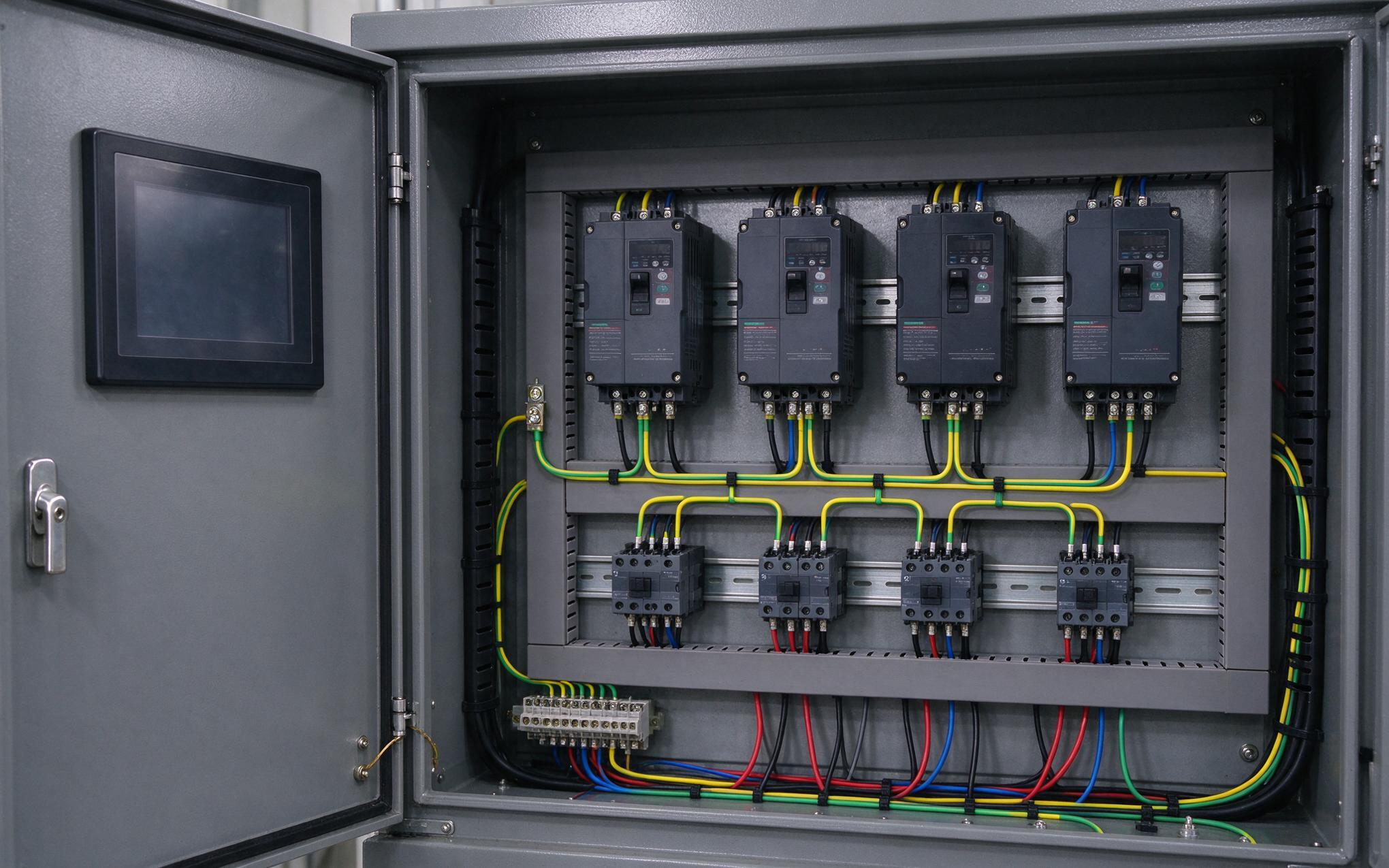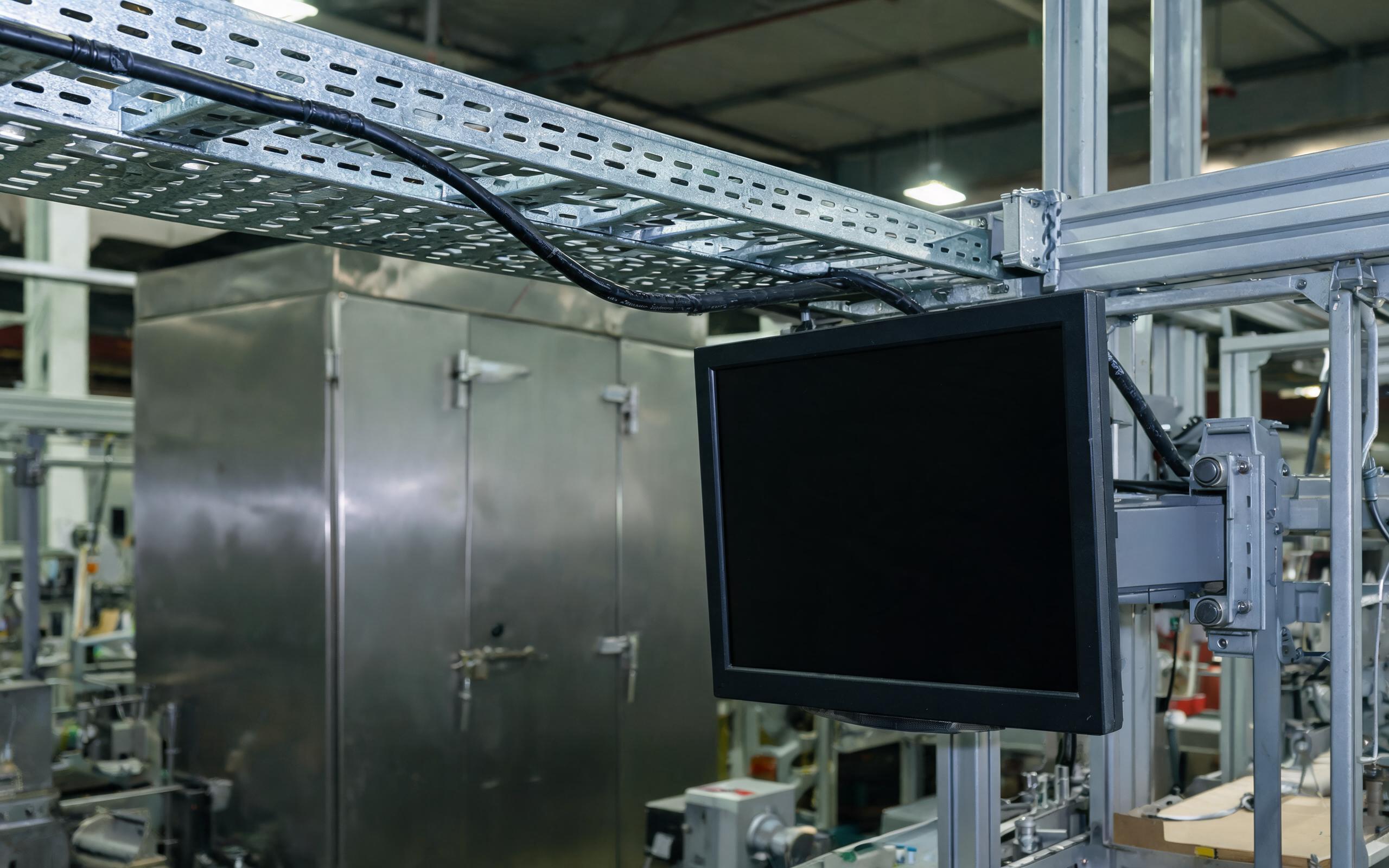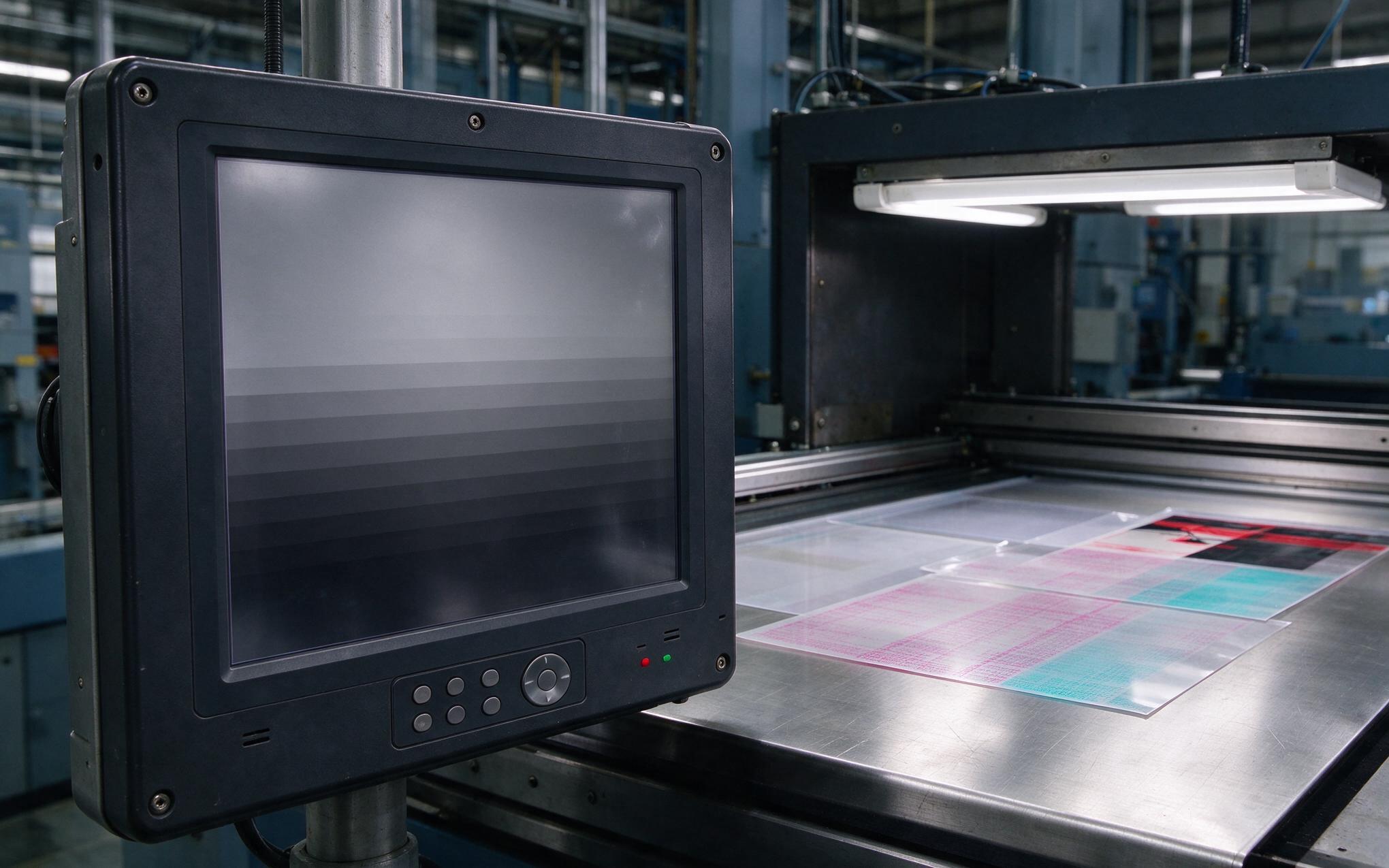
Factory floor vibration levels routinely exceed 5 Grms during robotic welding and heavy stamping operations, yet commercial-grade steel enclosures often fail within 18 months under these sustained dynamic loads. Aluminum alloy industrial PC chassis, by contrast, demonstrate significantly longer service lives when engineered for vibration and shock resistance from the outset. The convergence of die-cast aluminum construction, fanless thermal architecture, and vibration-tested mounting hardware directly addresses the root causes of premature failure in demanding manufacturing environments.

Die-Cast Aluminum Alloy Chassis Properties
Aluminum alloy enclosures for industrial computing typically use ADC12 or A380 die-cast alloys, which deliver tensile strength exceeding 250 MPa while weighing roughly one-third as much as equivalent steel housings. This weight reduction is critical in cantilevered or arm-mounted installations where mechanical load on support structures directly affects positioning accuracy and long-term fatigue life. The thermal conductivity of aluminum alloys, approximately 96 W/m·K for ADC12, also enables passive heat dissipation through the chassis walls themselves, reducing or eliminating the need for forced-air cooling in many embedded computing configurations. Salt spray resistance testing per ASTM B117 confirms that properly powder-coated aluminum alloy housings survive 96 hours or more of continuous salt fog exposure, making them viable for coastal production lines and chemically aggressive processing areas.

Vibration and Shock Testing Standards
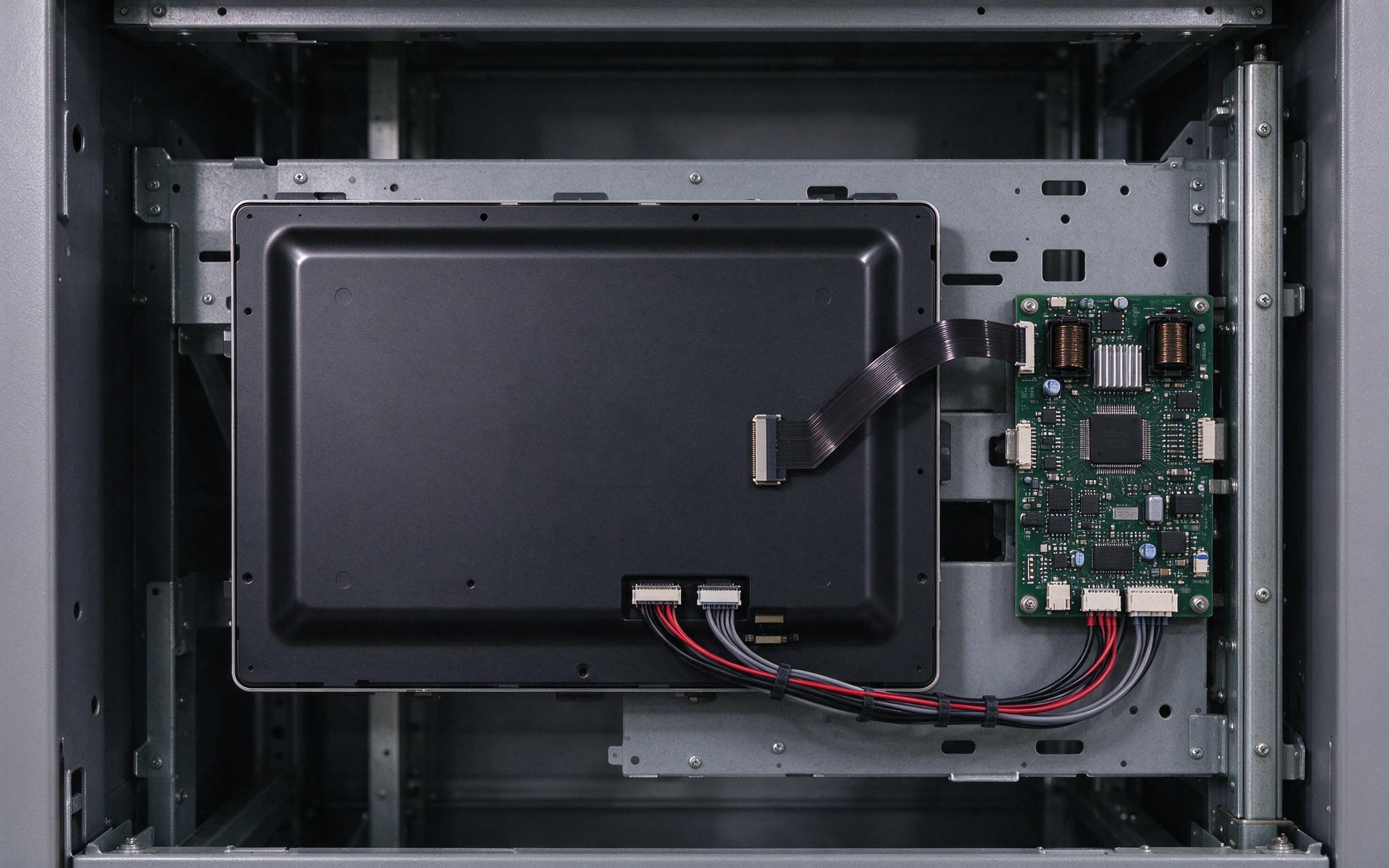
Industrial computer manufacturers subject aluminum alloy chassis to rigorous vibration testing protocols defined by IEC 60068-2-6 for sinusoidal vibration and IEC 60068-2-64 for random vibration. MIL-STD-810H Method 514.8 specifies vibration profiles simulating transportation and operational environments, with typical test levels of 5 Grms across the 20 Hz to 2000 Hz frequency range. Shock resistance testing per MIL-STD-810H Method 516.8 applies half-sine pulses of 50g for 11 milliseconds, validating the enclosure’s ability to survive impacts during installation or accidental drops. System integrators sourcing these units should request test reports covering the complete assembled system rather than bare chassis certifications alone, since internal component mounting and cable routing significantly affect overall vibration tolerance. In vibration-critical deployments, KOXIAN recommends validating the full assembled system against these standards rather than relying on chassis-level certifications alone.

Thermal Management in Fanless Aluminum Designs
The thermal conductivity advantage of aluminum alloy directly supports fanless industrial PC architectures by distributing processor heat across the entire chassis surface area. In a typical fanless configuration, copper heat pipes transfer thermal energy from the CPU to the aluminum alloy enclosure walls, where it dissipates through natural convection and radiation. This approach eliminates the single most common mechanical failure point in industrial computing: the cooling fan. Without rotating fan bearings, the system removes a primary source of vibration-induced wear and particulate contamination that can compromise internal electronics over time. Vendors such as KOXIAN apply this principle in their fanless aluminum alloy industrial PC product lines, integrating heat sink fins directly into the die-cast chassis walls to maximize surface area without introducing separate components that could loosen under sustained vibration.

Field Deployment and Connector Selection
Selecting an aluminum alloy industrial PC for high-vibration environments requires attention to installation factors beyond the enclosure material. M12 locking connectors replace standard RJ45 and USB interfaces to prevent cable disconnection under continuous mechanical stress. Conformal coating on the printed circuit board provides secondary protection against moisture and particulate ingress that might bypass the primary enclosure seal over years of operation. DIN-rail or VESA mounting brackets equipped with anti-vibration rubber isolators further decouple the chassis from structural vibration transmitted through the mounting surface. When evaluating industrial PC options for stamping presses, robotic welding cells, or heavy conveyor systems, engineers should verify that the complete system has been tested to the applicable vibration and shock standards for the intended deployment environment. Field reports from KOXIAN indicate that combining die-cast aluminum enclosures with M12 connectors and rubber-isolated mounting reduces unplanned downtime in vibration-heavy production lines by addressing both enclosure-level and connection-level failure modes simultaneously.
Aluminum alloy construction provides a measurable durability advantage for industrial PCs deployed in high-vibration factory environments. Die-cast chassis designs combining adequate tensile strength, superior thermal conductivity, and verified vibration resistance address the primary failure mechanisms that plague commercial-grade enclosures on the production floor. When paired with fanless thermal architecture and vibration-rated connectors, aluminum alloy industrial PC systems deliver the mechanical resilience required for continuous operation in demanding manufacturing conditions.