Two suppliers can post the same specification sheet for a ten-inch stainless panel and still run entirely different factories behind it. One builds to your drawings, the other sells a platform it already tuned and validated, and the difference surfaces later in change orders, test records and warranty returns. That is why the question buyers put to touch screen manufacturers is rarely about glass thickness alone. Choosing between an OEM and an ODM engagement is an engineering decision as much as a commercial one, because it decides who owns the mechanical design, the controller firmware and the evidence that proves each unit was built to print.
What Separates OEM and ODM Touch Screen Manufacturers
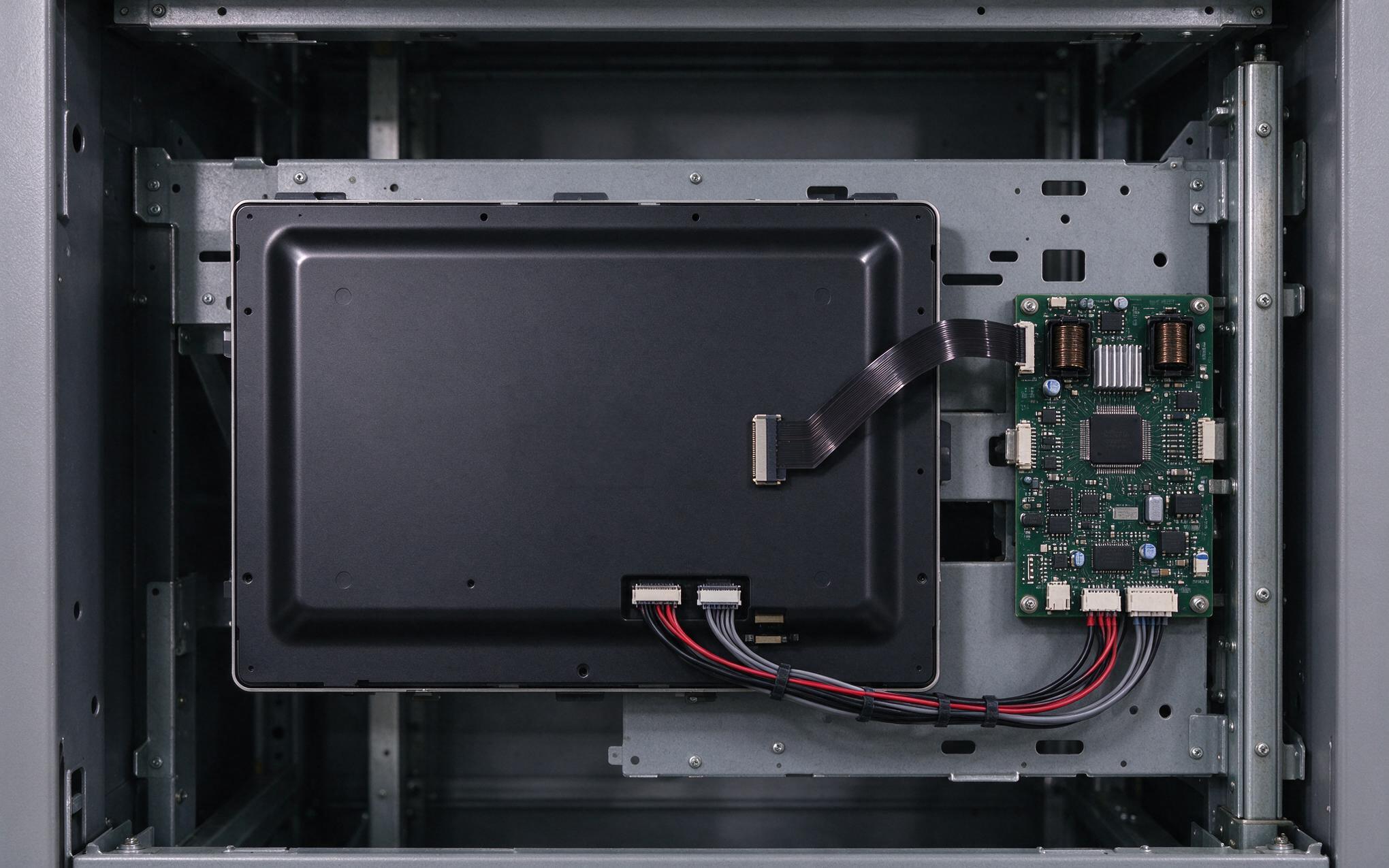
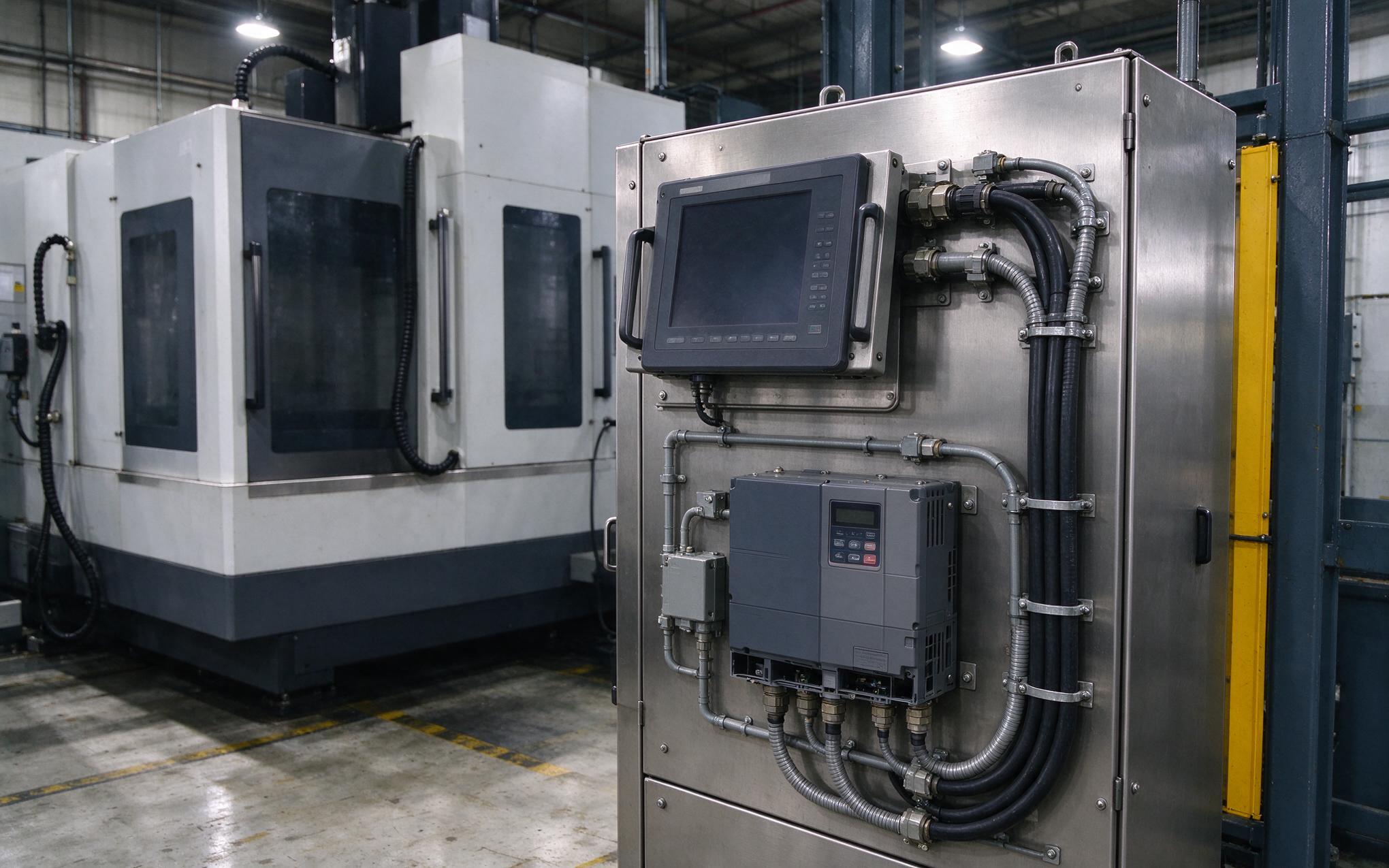
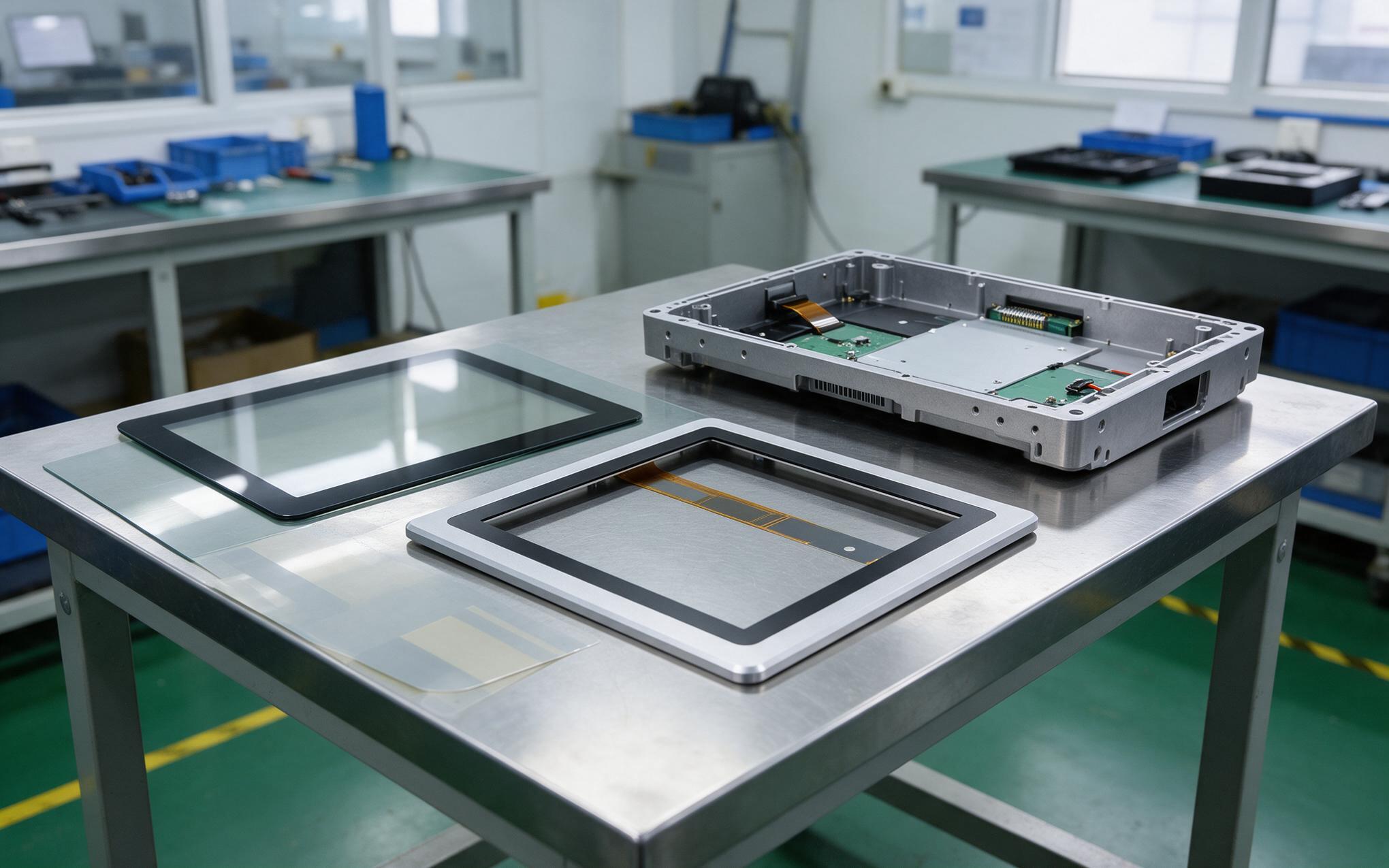
Under an OEM engagement the buyer controls the drawings, so enclosure, cutout, mounting and the sensor stack are specified upstream while the factory owns process capability against those prints. Under ODM the cover glass, controller and firmware baseline come from a platform the supplier validated earlier, which leaves the buyer’s freedom mostly in branding and software. Both structures show up in industrial PC OEM and ODM contracts, so the same questions apply to any shortlist of touch screen manufacturers: which drawings are under revision control, which firmware builds stay supported, and how long the platform stays in production before a panel is declared obsolete. That answer also decides who pays when a change forces a retest, and the cost sits inside any quote that looks cheaper on paper.

Under ODM Terms, Sensor Stack Changes Require Sign-Off
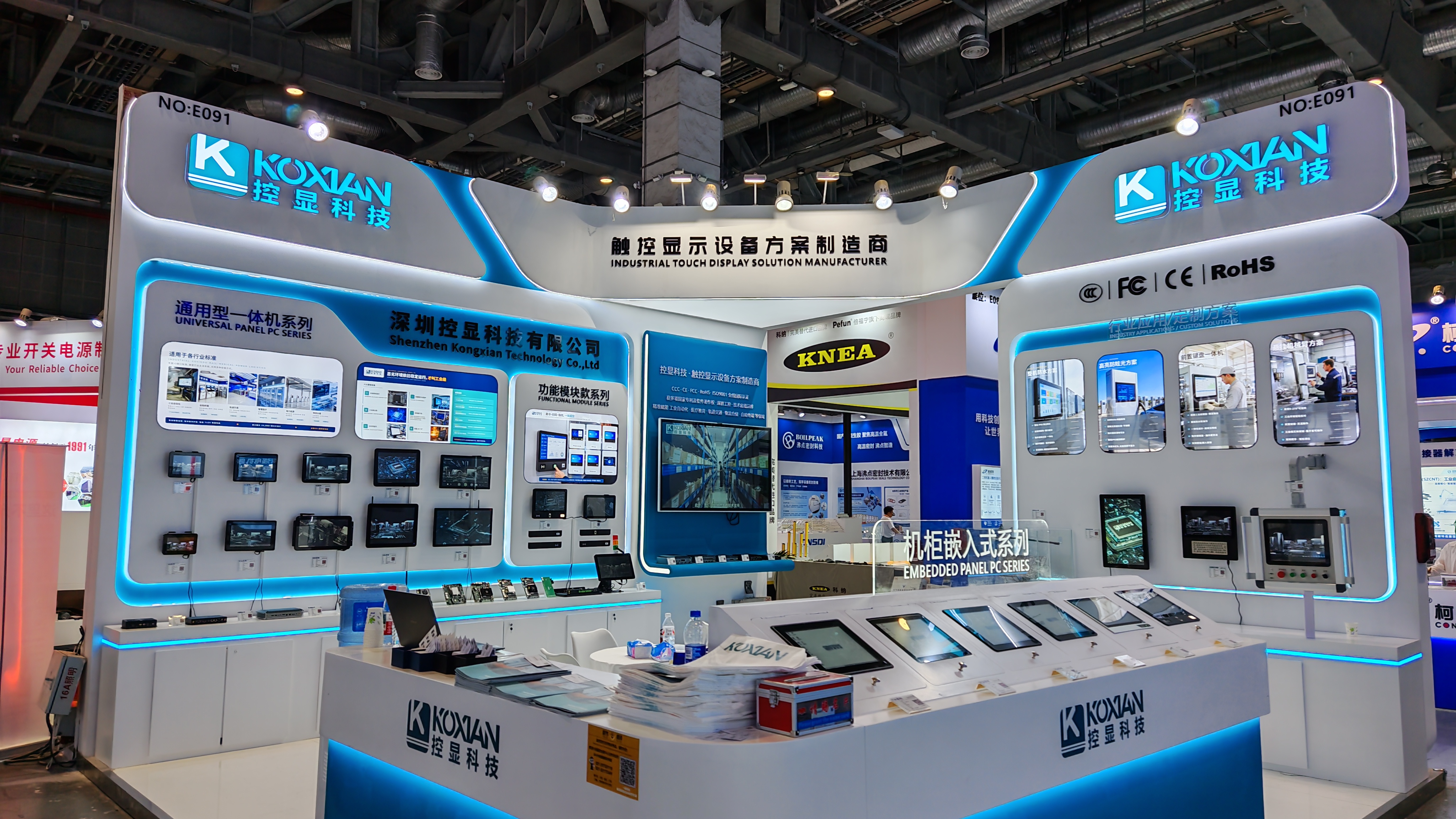
Manufacturers that laminate the stack in-house, including KOXIAN, tie every cover glass substitution to a written change order before the line restarts, because a thinner pane shifts the touch baseline the firmware was tuned against. In an ODM program the supplier owns that firmware, so a buyer who approves a glass change without a re-tuning record is accepting an unverified shift in sensitivity. This is where touch screen manufacturers with a documented change process separate themselves from shops that adjust parameters on the fly and leave the difference to the operator. The practical request is the change file itself rather than a summary: revision level, the bench measurements taken after the change, and the firmware build those measurements belong to.
Test Fixture Ownership and Production Evidence
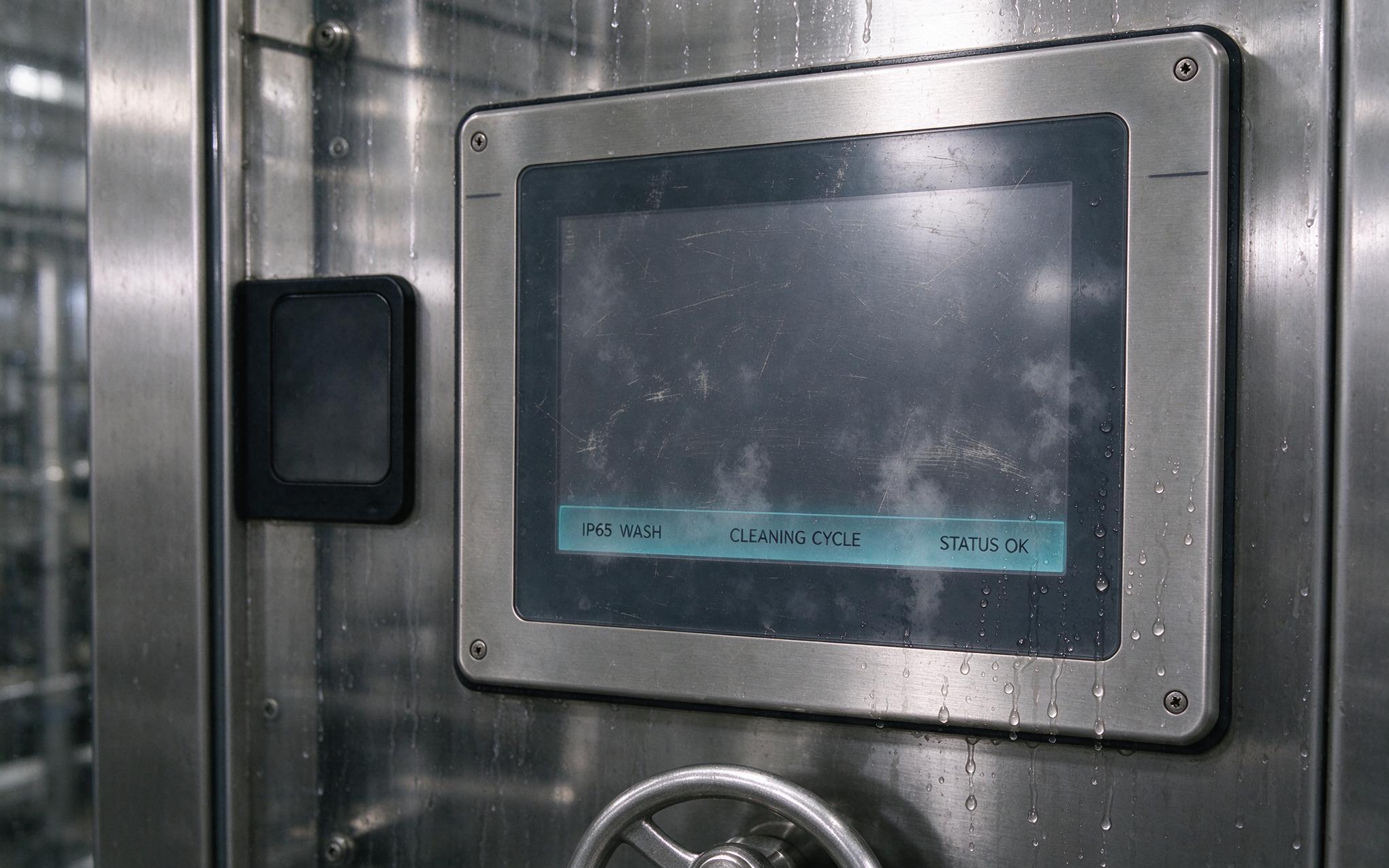
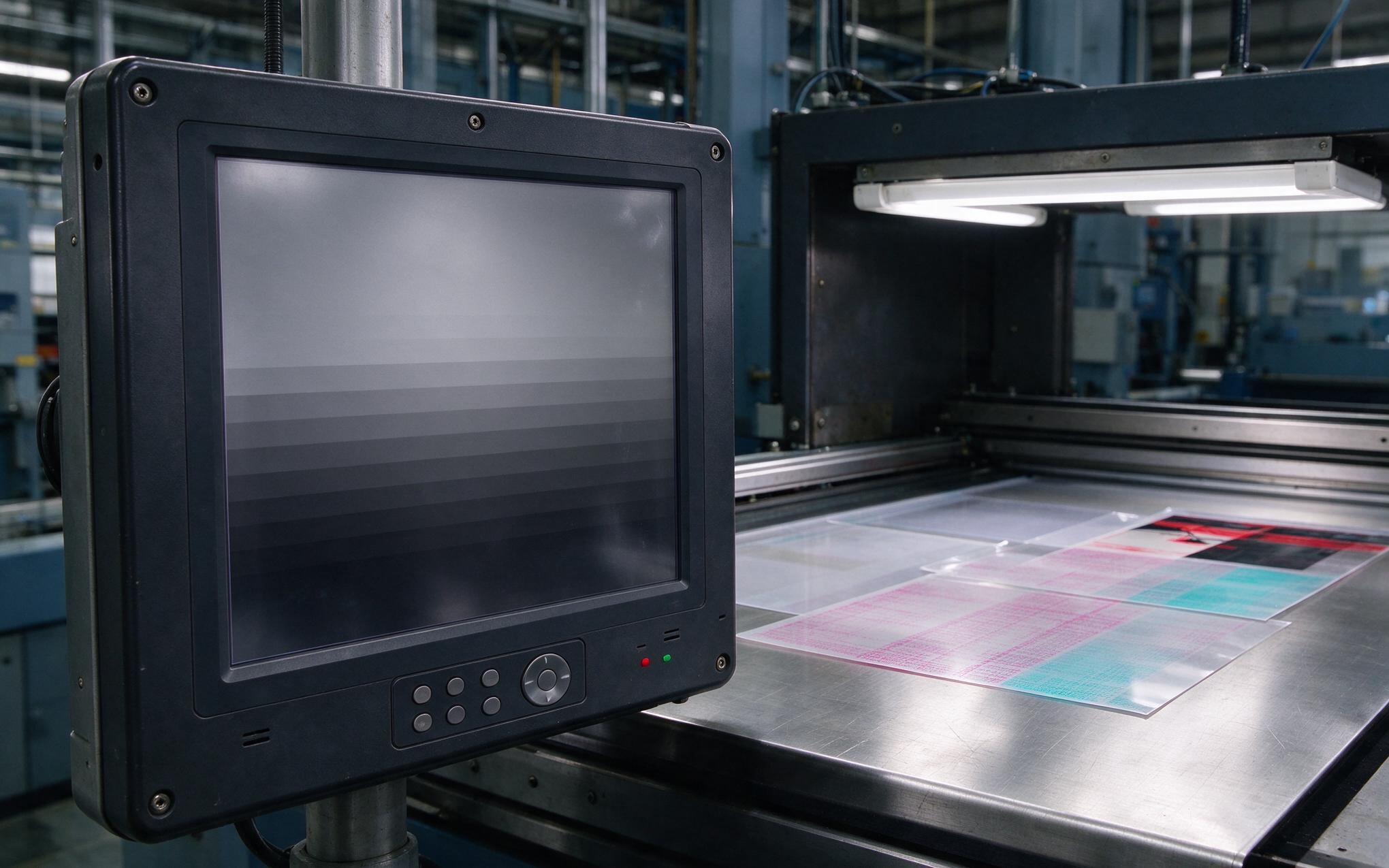
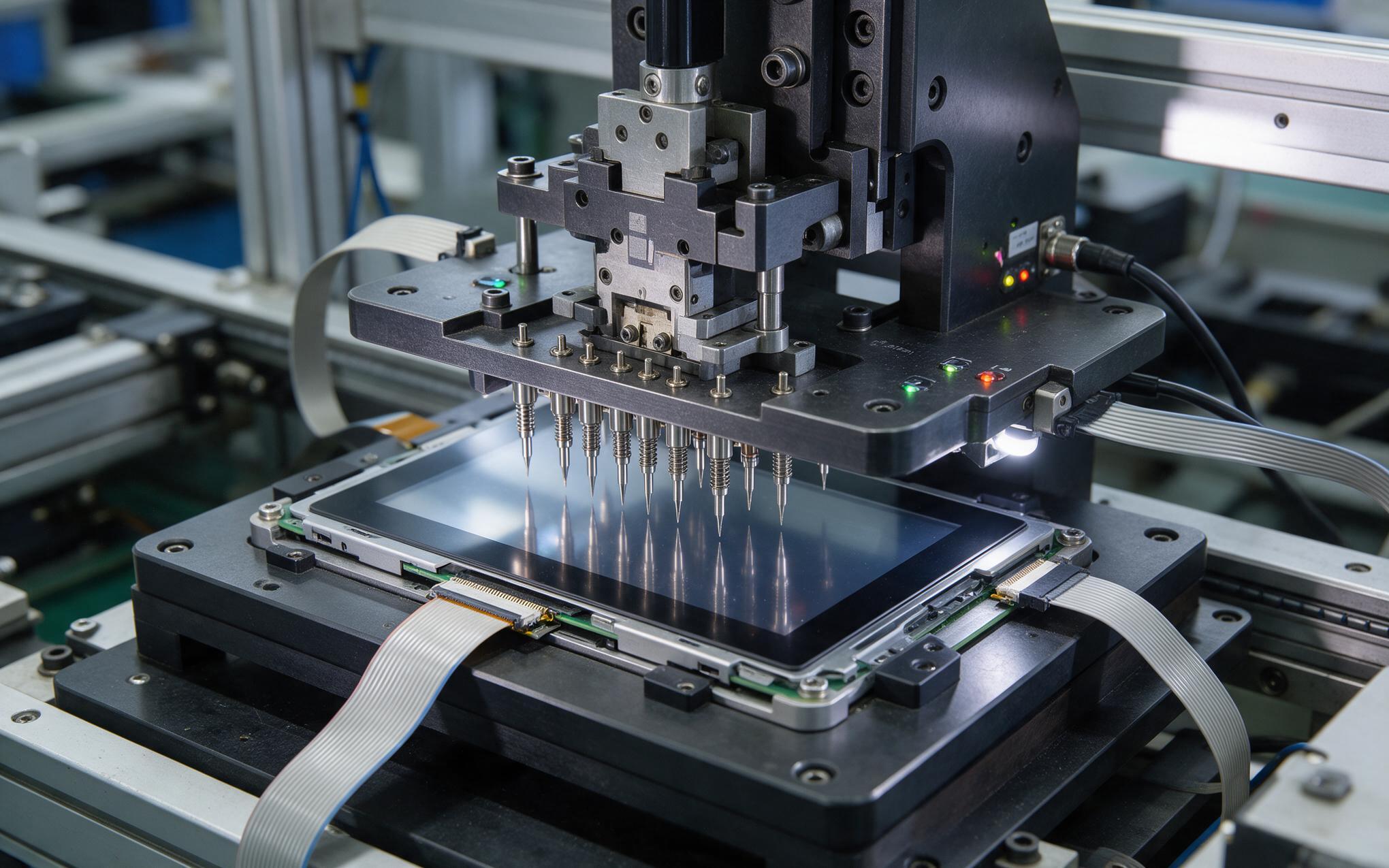
A purchase order names the unit that ships, but the dossier arriving with it decides how that unit is treated at commissioning. Put the same fixture questions to every one of the touch screen manufacturers: which fixtures run the linearity and gesture checks, who calibrates them, and how often that calibration repeats. A useful reference point is the KOXIAN G1 series, where fixture identity, calibration date and sample retention are listed in the delivery paperwork rather than treated as a side conversation. Fixture ownership matters because a supplier that borrows a buyer’s fixture cannot repeat the check after a component switch. The same logic covers environmental sampling, where a sealed IP65 touch screen sample should arrive with its ingress report and the sample identity behind it.

Verifying Environmental Claims Before Production Release
Certification language travels easily between quotations, so verification has to happen before tooling is released. An industrial monitor supplier that cannot produce a third-party IEC 60529 report for the exact front panel assembly is describing a capability rather than a product, and the two diverge once the assembly differs from the configuration that was tested. Request that report with the assembly drawing attached, agree on witness testing when volumes justify it, and record the sample serial behind the results. Wide temperature claims need the same treatment, because a catalog range says little about warm-up behavior at the low end. Buyers closing a touch screen manufacturers evaluation should treat this evidence as part of the award package, since the paperwork is what makes a specification enforceable.
The OEM and ODM question is ultimately a question about evidence. Whoever owns the design also owns the tuning records, the change files and the test reports, and a buyer who cannot inspect those artifacts is buying a promise instead of a specification. Asking for them early, before tooling is released and before the pilot run, costs little and removes most of the risk that later shows up as returns, rework or field failures. Treat the paperwork as part of the hardware, and the evaluation gets shorter rather than longer.