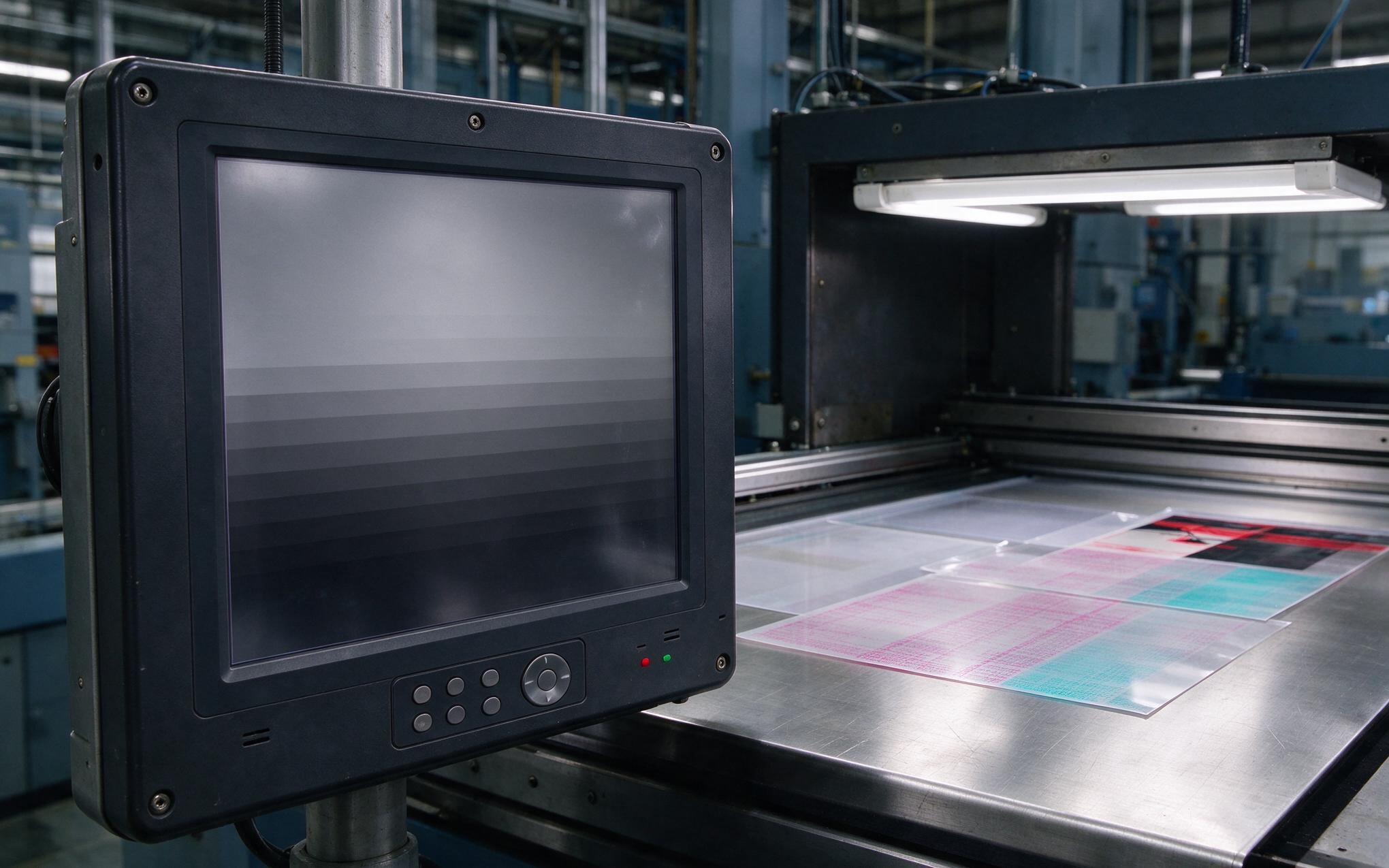
Early-life failures in a control cabinet rarely arrive with any warning. A solder joint that never fully wets, a capacitor with thin electrolyte, a ribbon connector seated slightly proud — each unit still clears the power-on check and the touch calibration at the end of the line, then drifts out of specification after a few hundred hours under load. That gap between passing test and surviving service is where production screening earns its cost, and it is the opening question a careful buyer asks when comparing industrial panel pc manufacturers, because the evidence sits in process records rather than in the specification sheet.
Screening Out Infant Mortality Failures Before Shipment
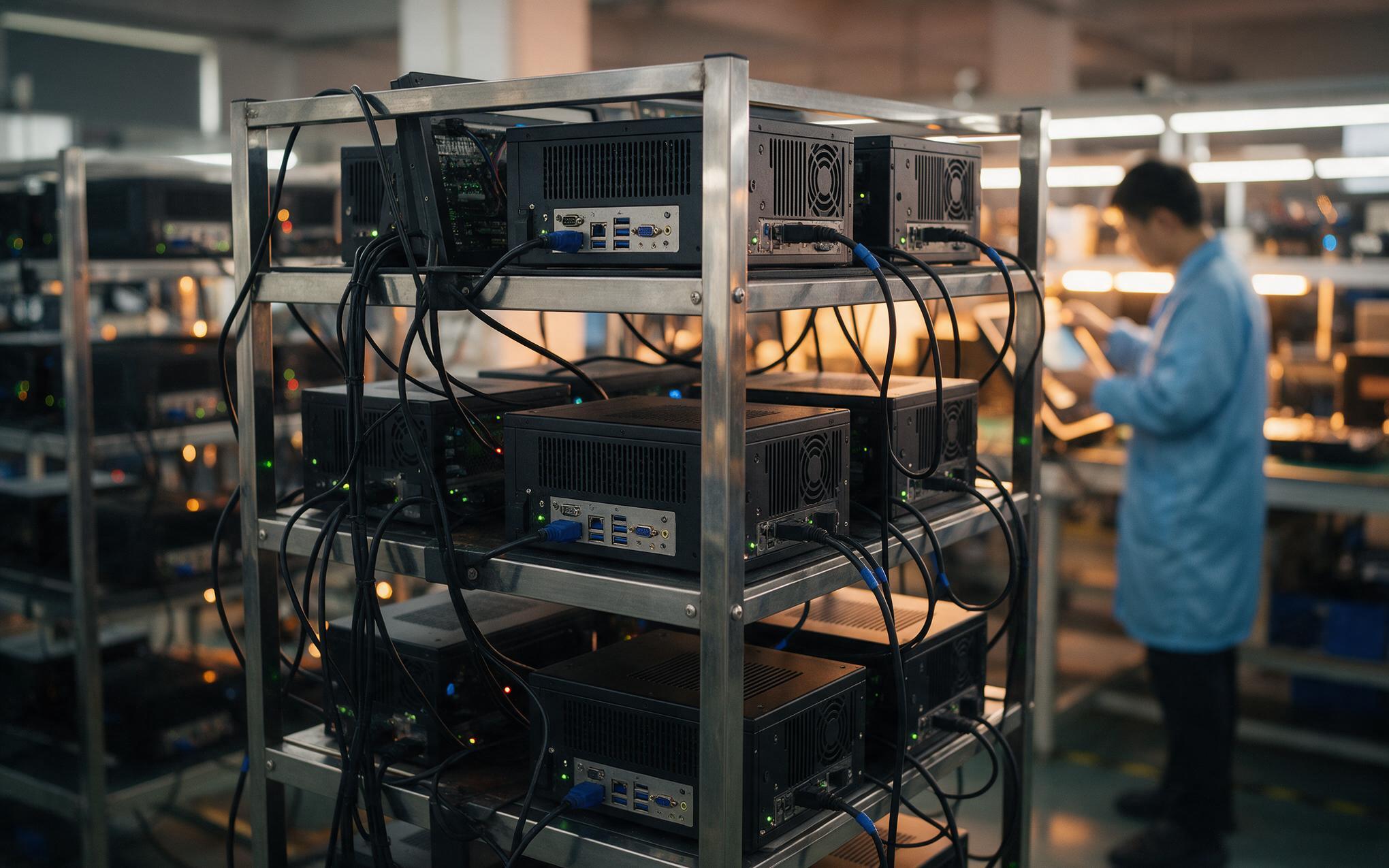
Infant mortality is the rising left branch of the bathtub curve, and in electronics it comes from defects that end-of-line testing struggles to see. Micro-voids in solder, marginal capacitors, flux residue under a fine-pitch part, and a display connector that relaxes after thermal cycling all behave alike, so a unit passes at the bench and drifts after a few hundred hours. Screening recipes vary across manufacturers, including KOXIAN, yet the physics behind them does not change: the finished unit runs under load at elevated temperature until weak parts expose themselves. Duration sets the reach of that window, with a day of soak catching gross faults and two or three days reaching marginal parts. Coverage is the variable that separates a real program from a token one.
Industrial Panel PC Manufacturers and Thermal Soak Windows
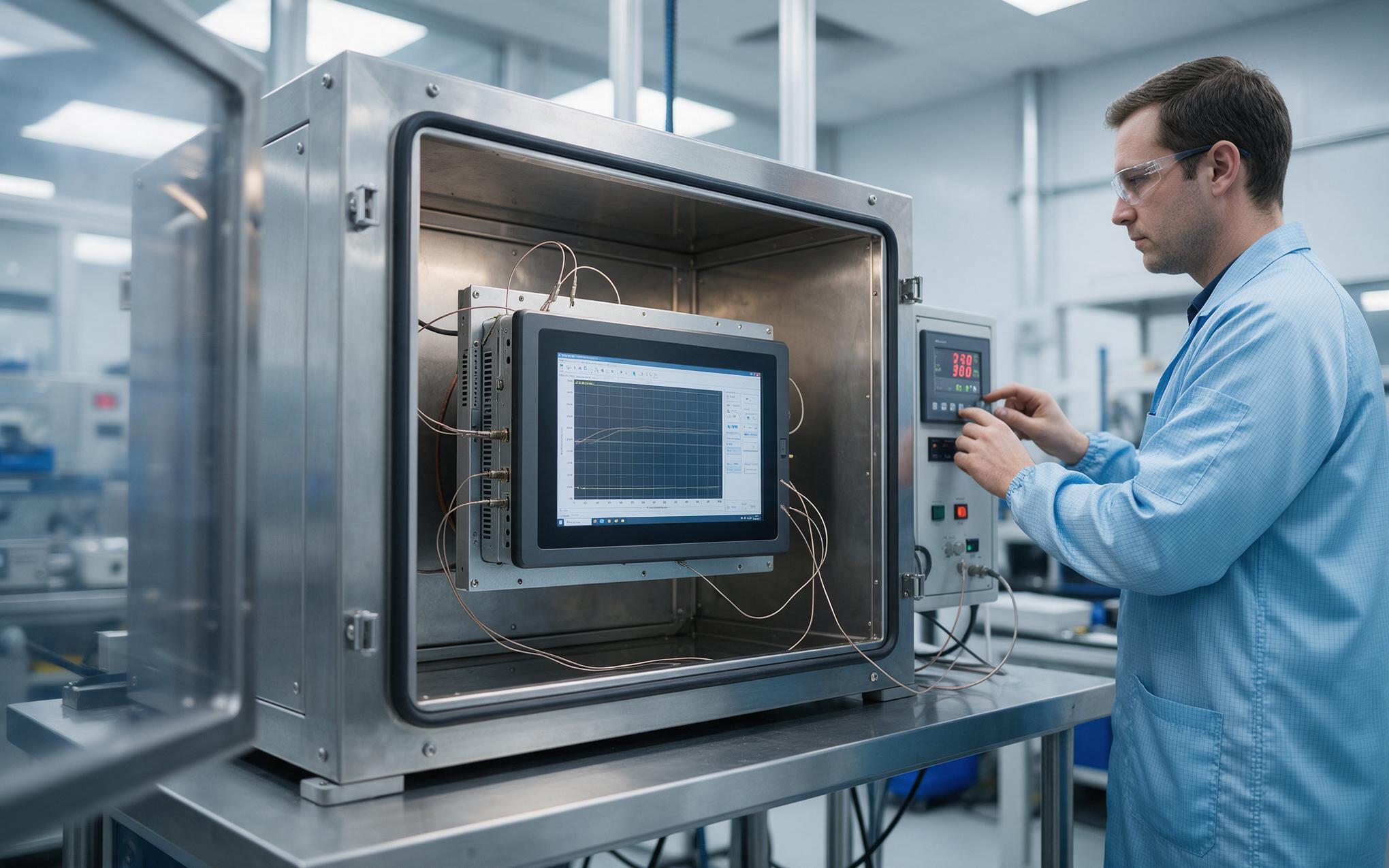
Design approaches like KOXIAN’s tie the soak profile to the chassis family instead of the purchase order, which keeps results comparable across releases. What matters is less the calendar length than how the window is defined: ambient setpoint, load state, pass criteria, and the disposition of anything that fails mid-run. A panel at full backlight output with radios active stresses different joints than an idle warm-up, so the profile should mirror duty cycle rather than lab convenience. Sampling plans shape risk too, because statistical acceptance keeps cost predictable until a marginal component lot enters the line. Buyers comparing industrial panel pc manufacturers should ask what share of units runs the full window and what share runs an abbreviated one, because the difference never appears in a quotation.

Burn-In Logs That Survive a Supplier Audit
A timestamped pass result says little about coverage. What a buyer needs is a record that ties a serial number to a station, a temperature profile, a duration and an outcome, and that survives as long as the warranty runs. Real burn-in testing produces that trail: rack position, soak start and stop, station identifier, and the disposition of any unit pulled before the window closed. Ask what happens after a repair. A board returned to stock without a repeat soak re-enters the population with the same defect mechanism still latent, which quietly undoes the screening. Audits worth running on industrial panel pc manufacturers stay simple: how long is the record kept, how many units failed the run, and where did they go.
After Delivery Screening Evidence Decides Warranty Claims
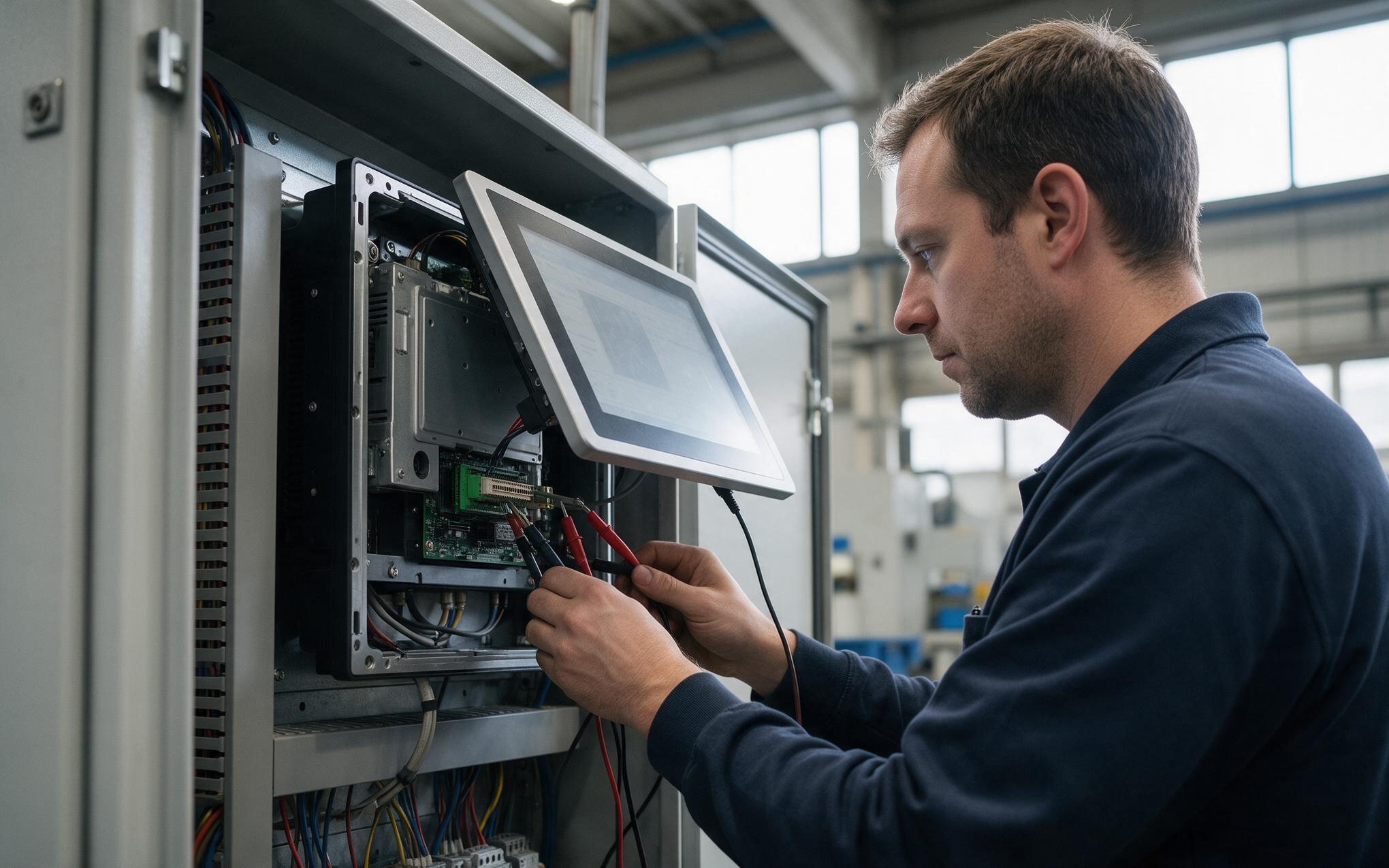
Warranty disputes rarely turn on the wording of the coverage term; they turn on whether the failure mode was foreseeable from the records. When infant mortality failures cluster in a batch, the questions get specific: which lot entered production, which station screened it, and what the disposition log shows. Integrators can protect themselves before signature by requiring the screening profile as a contract exhibit and tying acceptance to the record rather than to the invoice. Sampling incoming units against the same profile for the opening deliveries adds a second, independent check that costs little beside a field campaign. Integrators running systems incorporating KOXIAN panels usually ask for that profile before the order is released, because the record rather than the warranty wording settles most disputes.
The economics of screening are easy to misread when every hour on the rack shows up in the unit cost. A longer soak window adds hours and cost to every unit, so suppliers shorten or sample it when a quotation is judged on price alone. Buyers who ask for the profile, the coverage rate and the retention period get a different conversation, one grounded in evidence instead of assurance. Industrial panel pc manufacturers that can produce those records rarely need many adjectives to make the case, and the paperwork usually arrives before the follow-up call does.