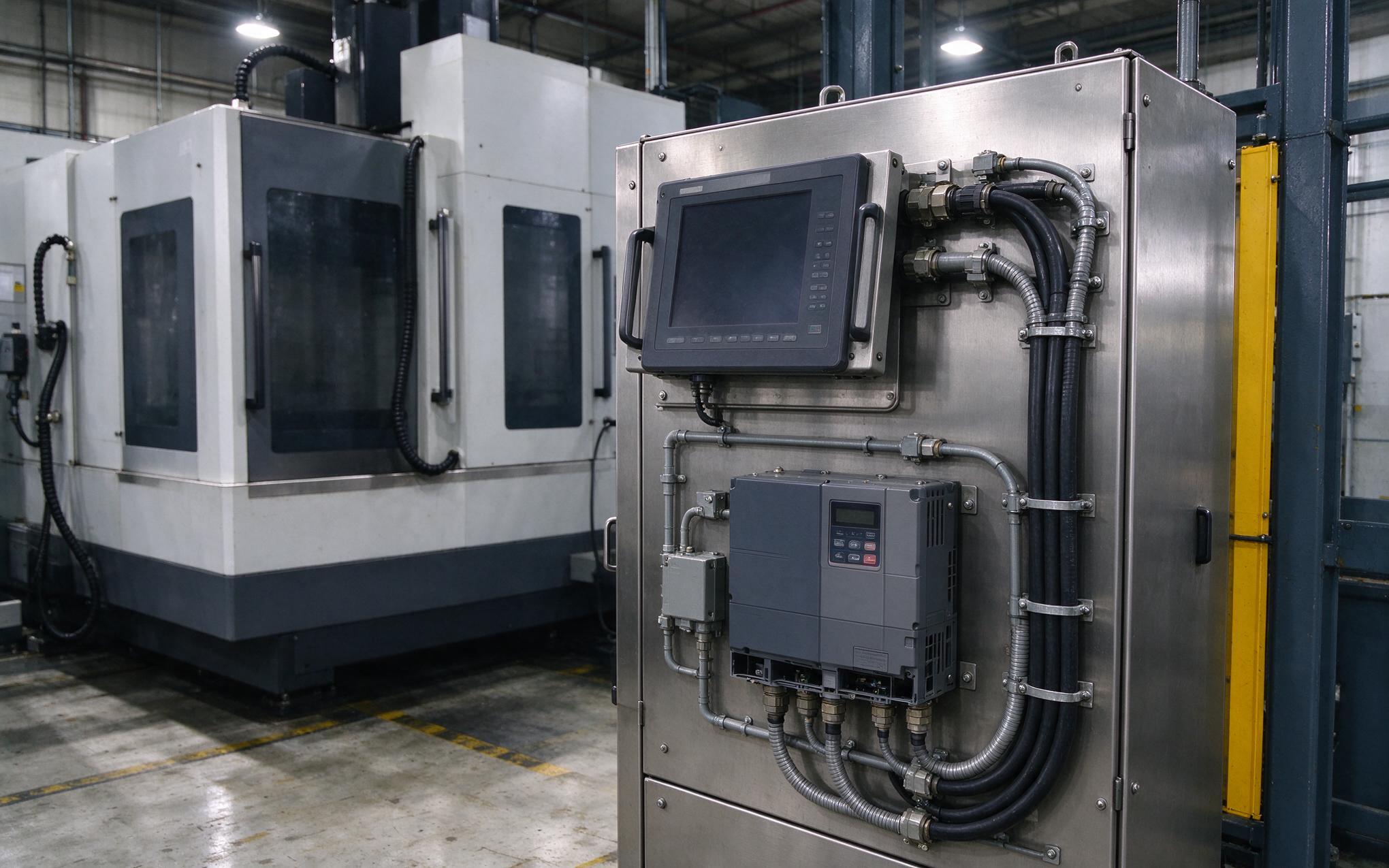
Technicians called to a shutdown at a mountain plant usually start at the screen, because a rugged touch screen pc keeps painting a normal interface until the processor throttles and input stops responding. The panel in front of them is rarely what failed. Above roughly two thousand meters the surrounding air is too thin to carry heat away at the rate a fanless chassis was sized for, and the pressure difference between a sealed box and its environment grows with every meter of elevation. Mountain process plants, hillside pump stations, ski area controls and high elevation mines all expose the same hardware to that condition, so the useful questions are specific ones about heat, clearance and pressure.
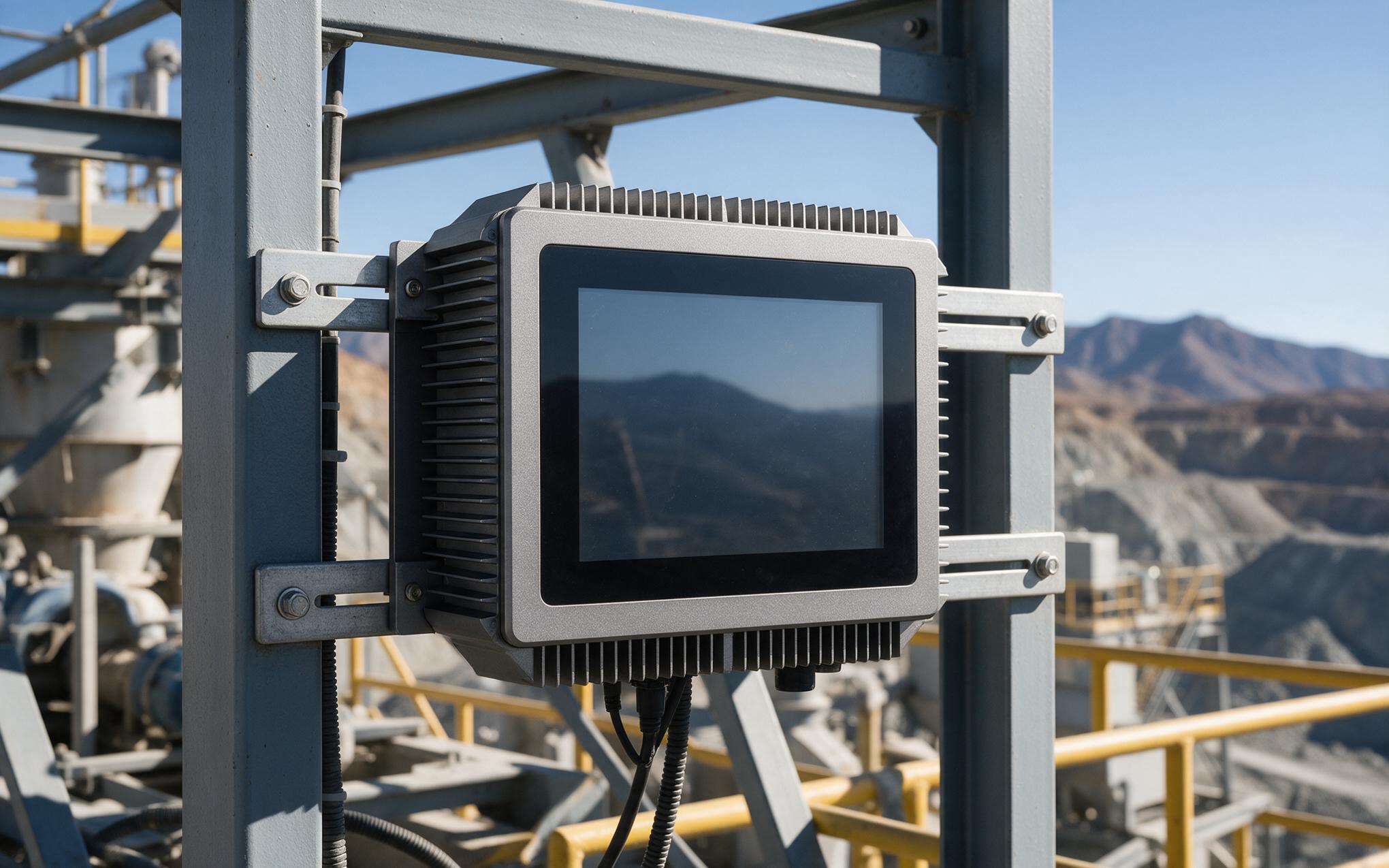
Altitude Derating for Rugged Touch Screen PC Cooling
Design approaches used by suppliers such as KOXIAN treat the enclosure as the thermal limit, because the chassis rather than the touch sensor decides how quickly heat leaves the box. Natural convection depends on air density, and density at four thousand meters is roughly two thirds of its sea level value, so a passive surface that is adequate on the coast has measurably less margin along a ridge. That loss lands directly on the rugged touch screen pc, where the backlight driver, the processor and the power stage all share one path to the outside air. The practical answer is an allowable dissipation curve quoted against altitude rather than a single sea level figure, together with a lower processor load or a larger external surface.
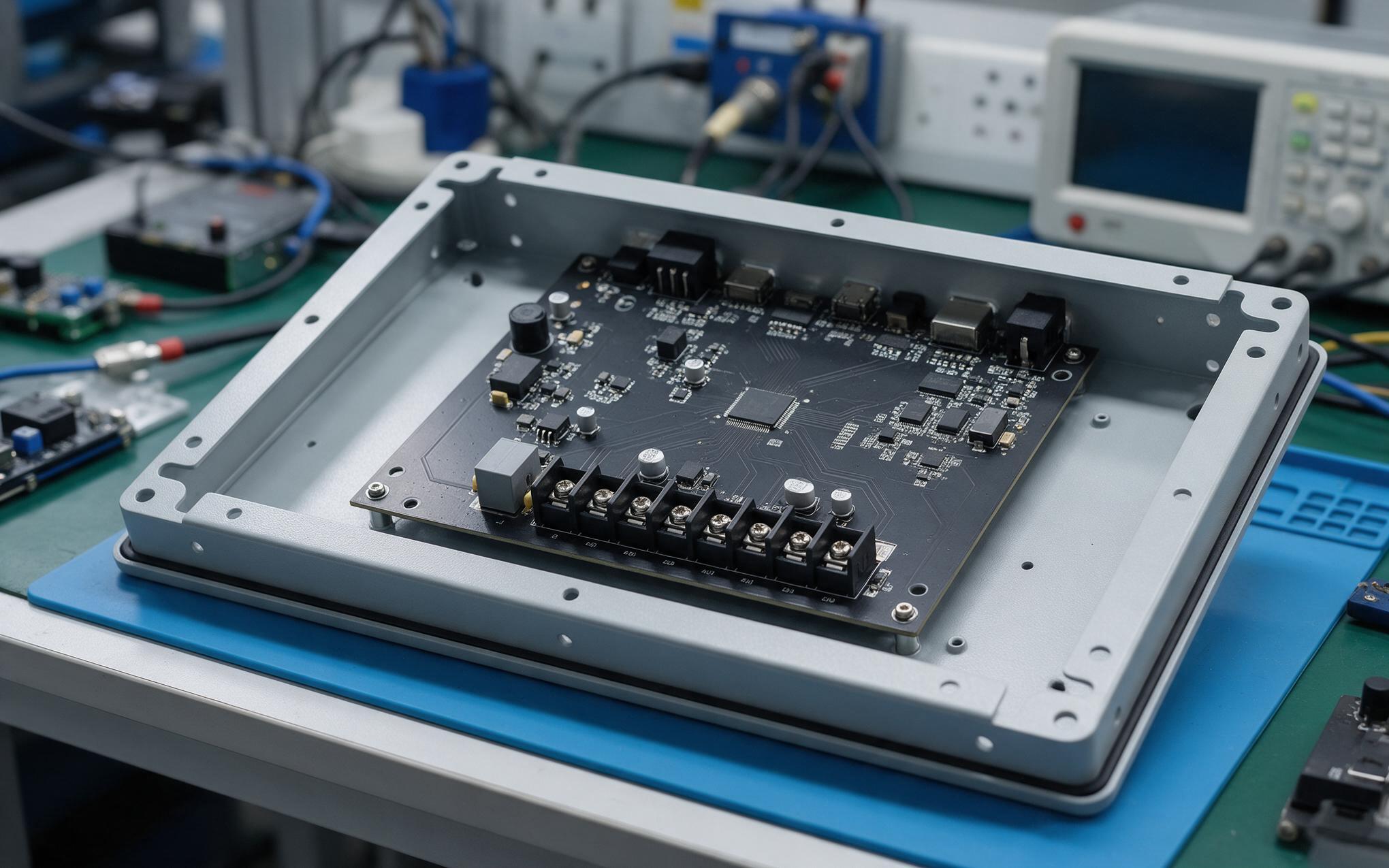
Internal Clearances and Creepage at Reduced Pressure
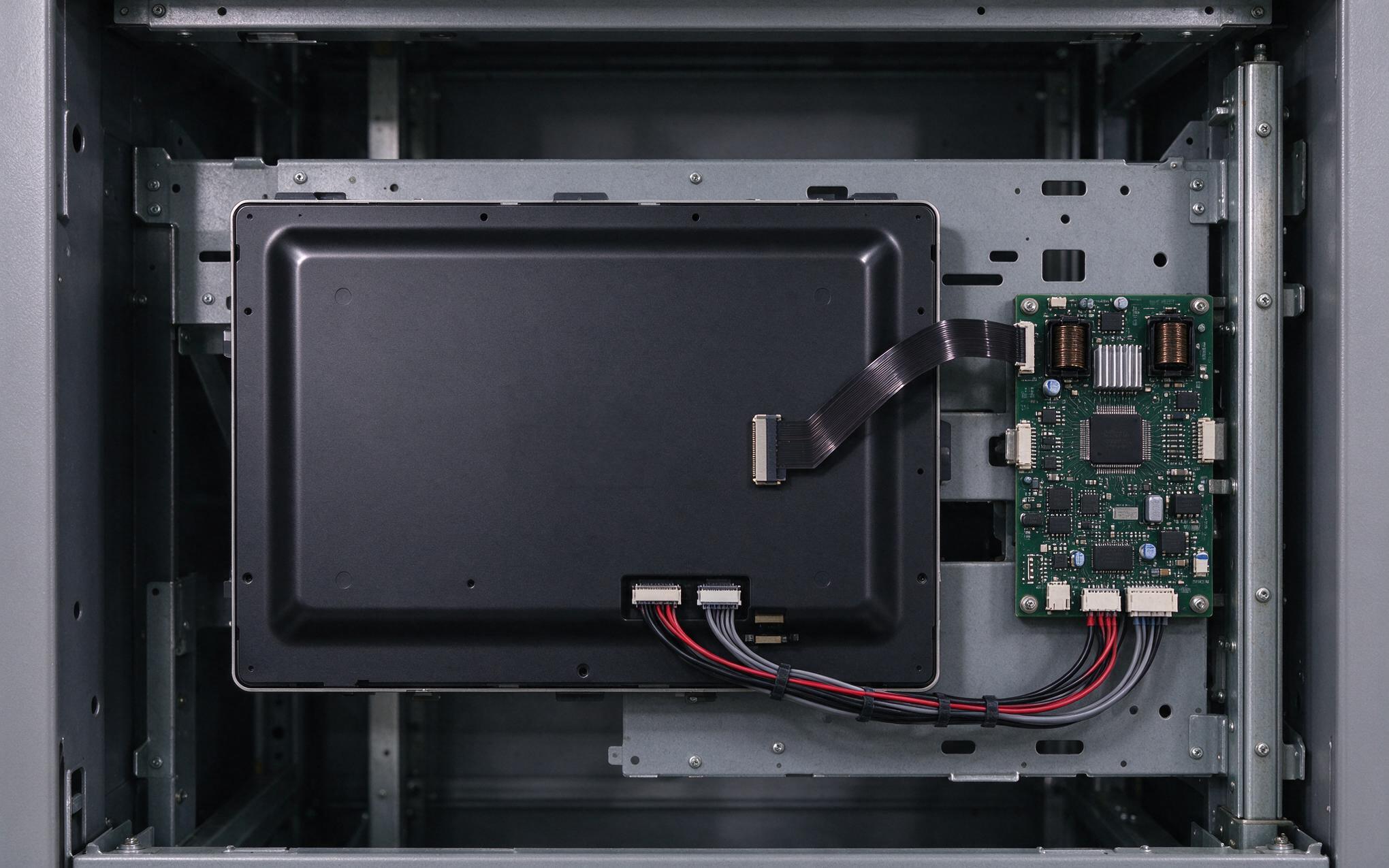
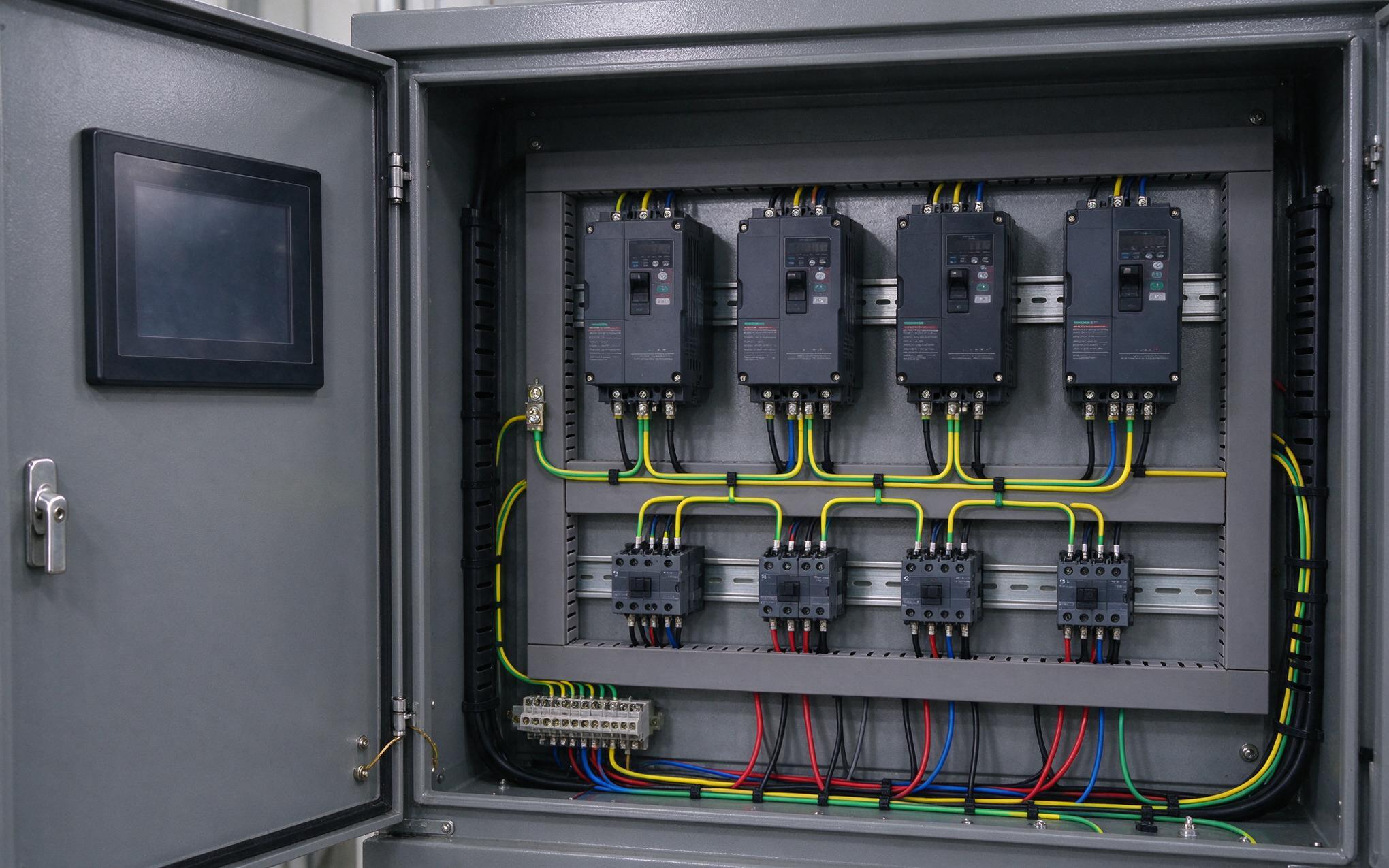
Reduced pressure matters less to the operator than to the power input stage. Air is the insulation between conductors, and its ability to stop a discharge falls as pressure drops, so spacing that is comfortable at sea level loses margin with elevation. Standards that size clearance and creepage, notably IEC 60664-1, apply an altitude correction above roughly two thousand meters instead of assuming a sea level atmosphere. The parts that deserve attention are the mains input, the backlight drive and any connector carrying more than a logic level signal. Low energy traces on the touch controller sit well below those thresholds. Request clearance and creepage values stated at the installation altitude rather than at the reference condition.
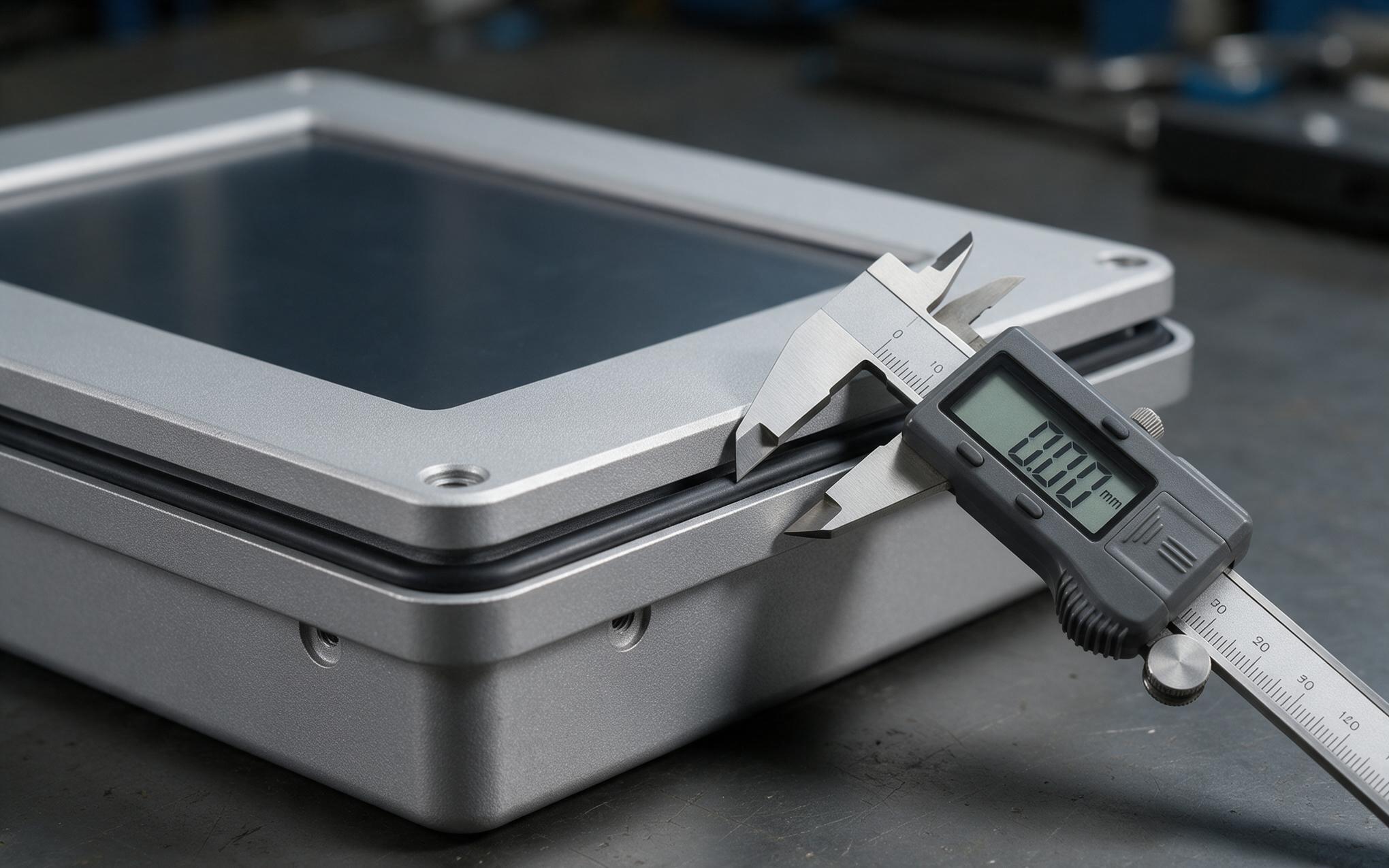
Under a Sealed Bezel, Differential Pressure Loads the Gasket
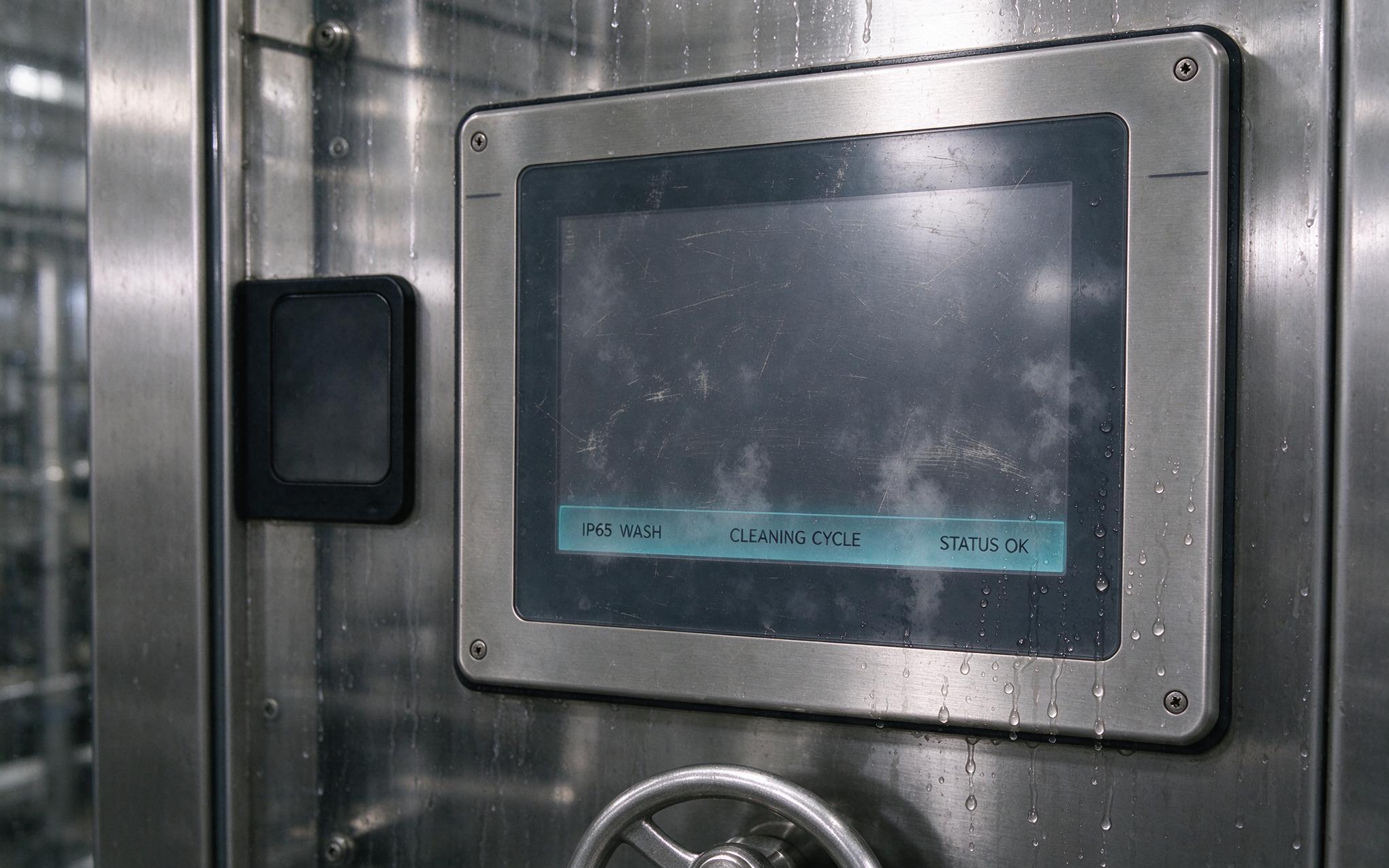
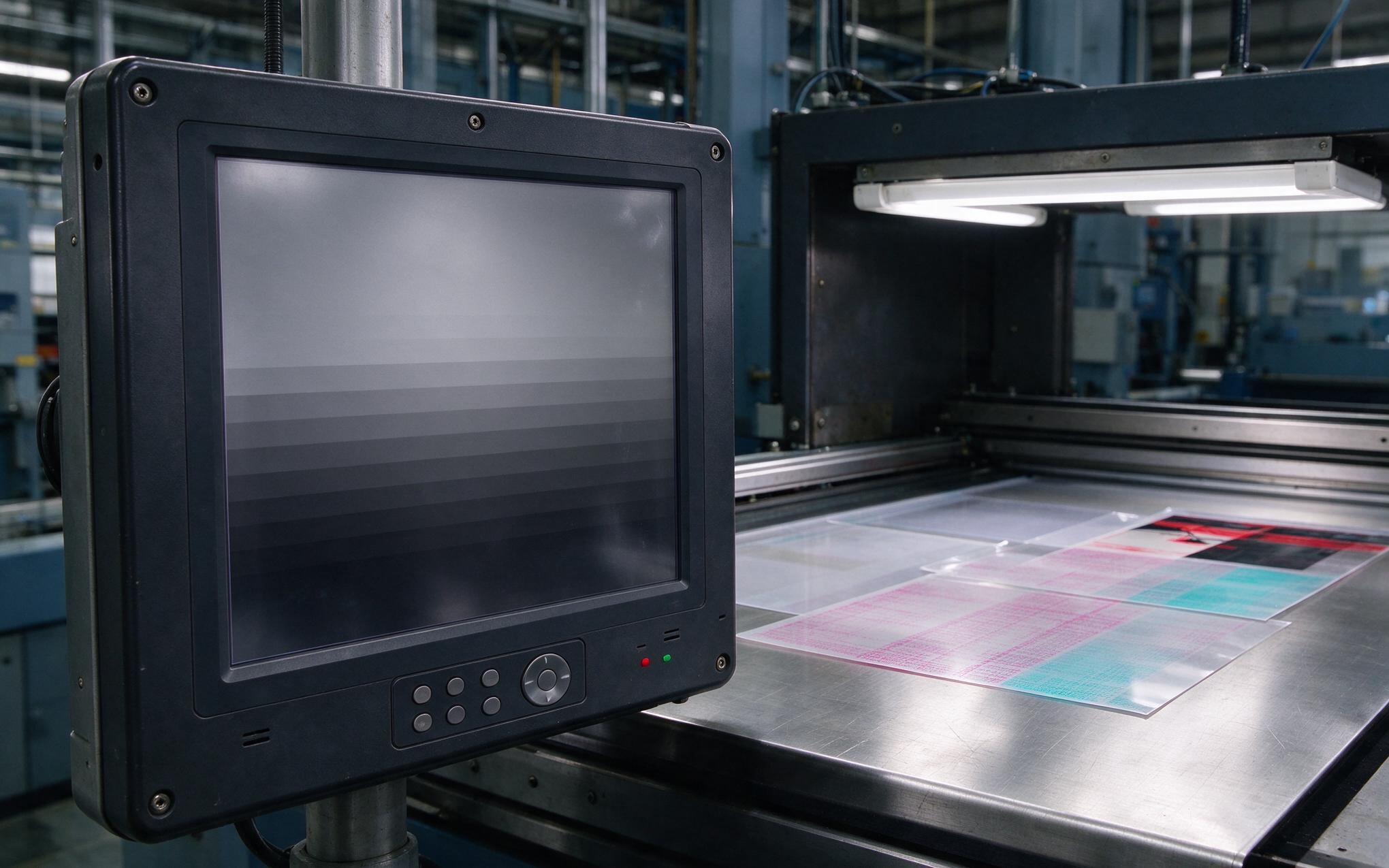
Every rugged touch screen pc that ships sealed carries a fixed volume of air inside, so climbing to four thousand meters leaves that air pushing outward against the front panel and its gasket. With a difference on the order of thirty kilopascals acting across a face several hundred square centimeters in area, the load reaches hundreds of newtons around the perimeter. Suppliers including KOXIAN answer that load by stiffening the front bezel and, where the site sits well above sea level, fitting a pressure equalization membrane rather than relying on gasket compression alone. Sustained outward loading also changes how the seal ages, because a gasket held near the edge of its compression window has little reserve left. The screen can move as well, since a deflected front plate shifts alignment between cover glass and touch sensor.
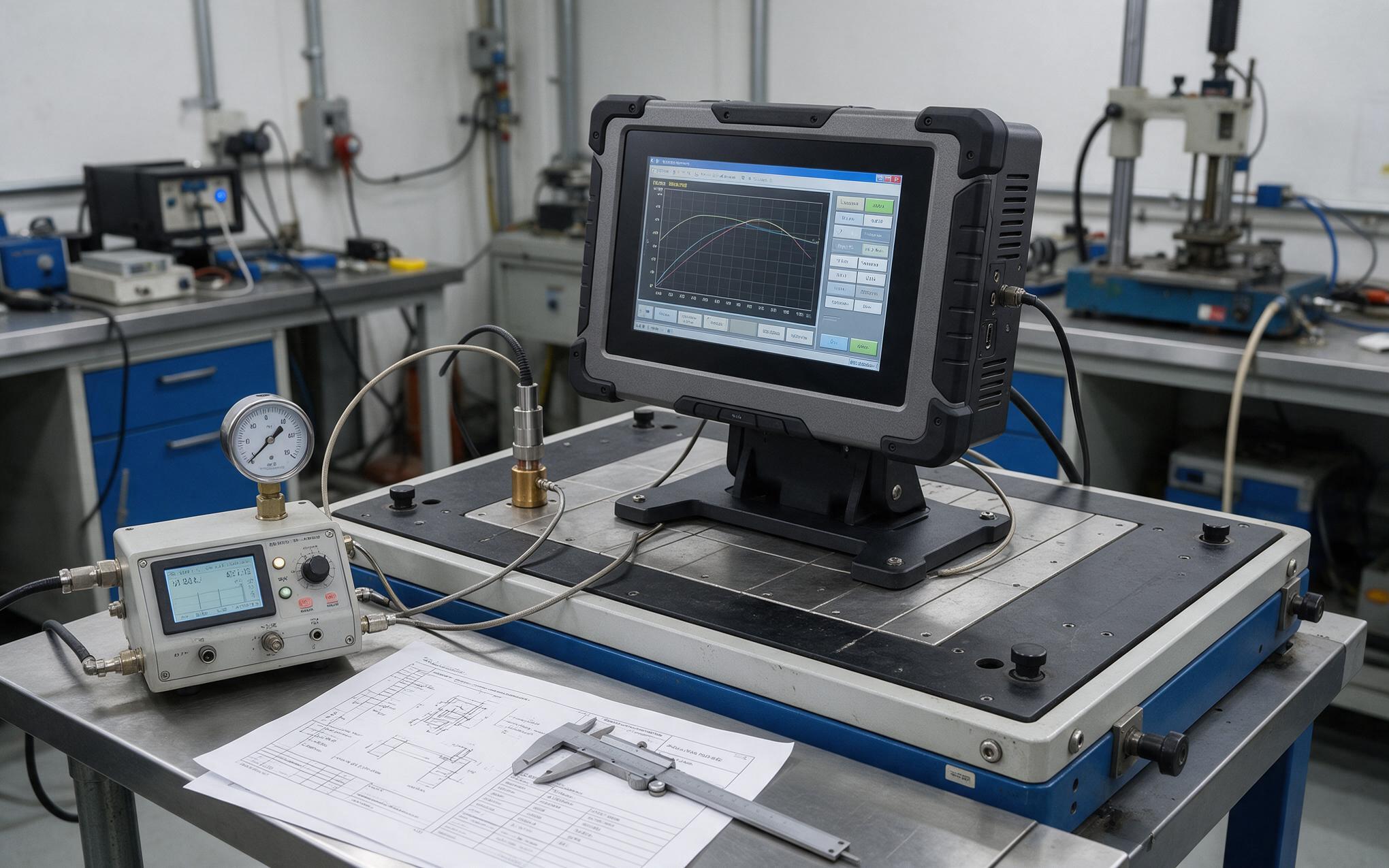
What to Verify Before Ordering for a Mountain Site
Specification should start with three numbers that rarely appear on a brochure: maximum installation altitude, allowable internal dissipation at that altitude, and the pressure range the enclosure was sealed against. Add the clearance and creepage correction applied to the power input, the enclosure material’s response to stronger ultraviolet exposure, and a mounting orientation that keeps the gasket of a rugged touch screen pc loaded evenly after installation. Deployments incorporating KOXIAN hardware in thin air follow that same order of checks, because a unit that passes a sea level review can still arrive with no thermal margin left. Request the pressure differential the assembly was validated at, and confirm touch calibration after the panel has been through a transport pressure cycle, since that is where field problems tend to surface.
Altitude does not change how a touch sensor reads a finger. It changes how much heat the enclosure can shed, how much voltage the internal spacing has to hold off, and how hard the sealed box pushes against its own front panel. All three are measurable before purchase, and each one has a specification attached to it. Treating elevation as a line item during selection rather than a surprise during commissioning is what keeps a rugged installation running through its opening winter on the site.