When a capacitive touch panel stops responding mid-shift on a steel finishing line, field technicians often blame the controller firmware. In most documented cases, the failure traces back to something earlier in the production chain. Understanding why touch screen manufacturers fail to deliver consistent field reliability requires examining the quality gates that separate a panel lasting five years from one that fails within the initial twelve months of deployment.

Common Failure Mechanisms in Industrial Touch Panels
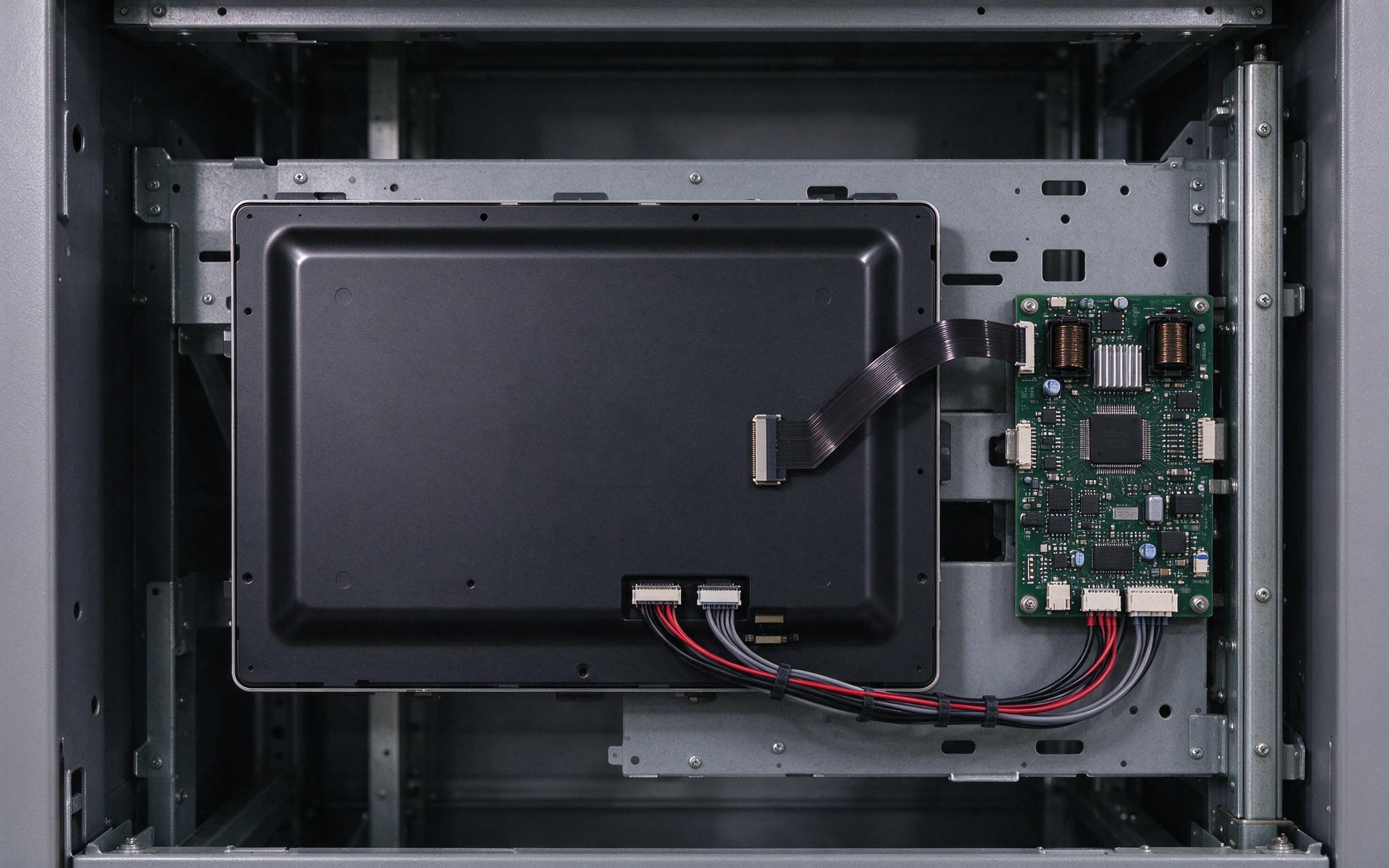
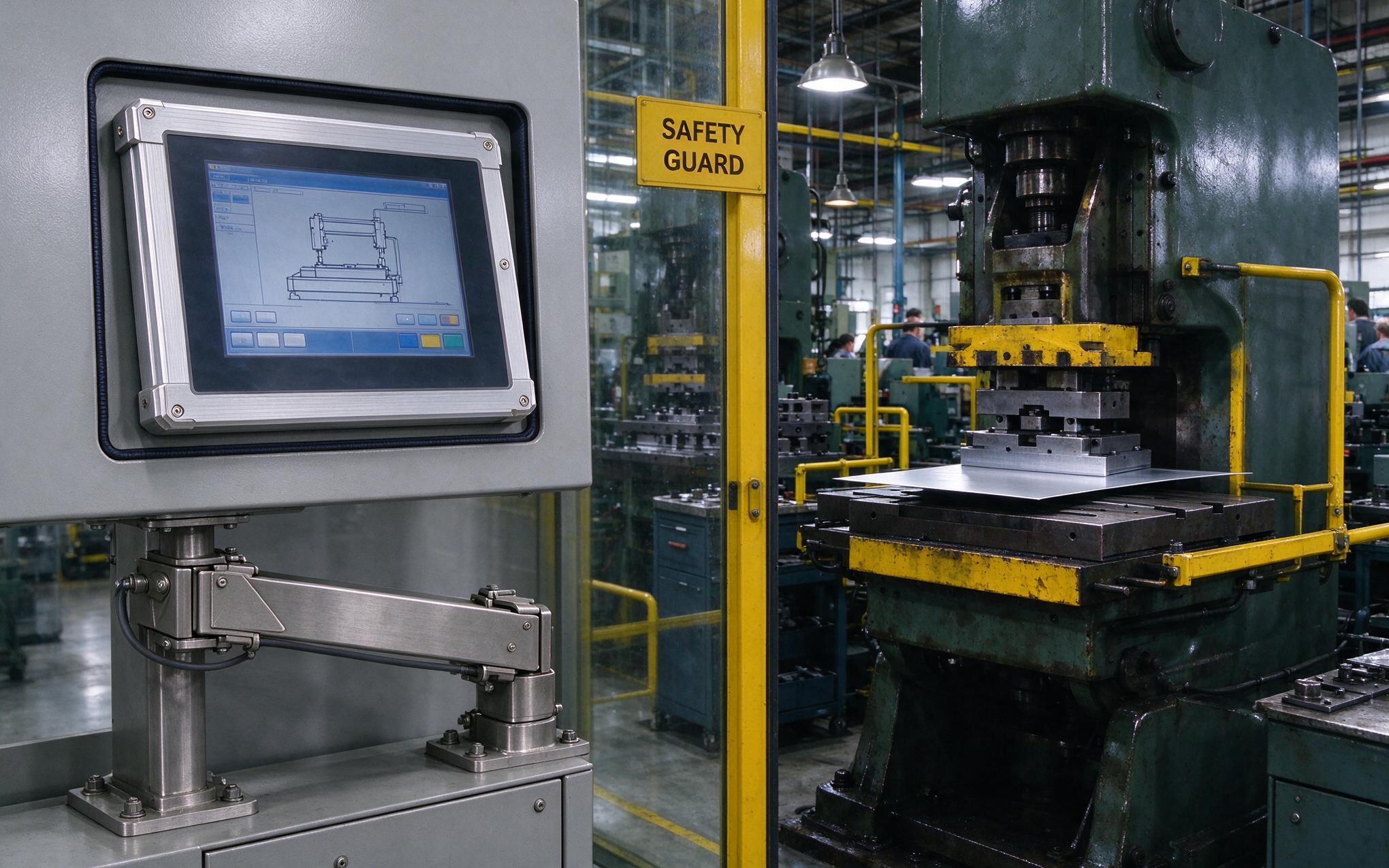
Field failure root causes in industrial touch screens typically cluster into four categories: cover glass fracture from repeated vibration impact, touch sensor drift where capacitive controllers lose calibration under sustained temperature cycling, optical bonding delamination when moisture enters the air gap between cover glass and LCD, and backlight module degradation under prolonged UV exposure. A 2025 industry survey by a European automation consortium found that 68% of touch panel replacements within the initial two-year operating window were attributable to material defects rather than application design errors. For touch screen manufacturers serving heavy industry, each of these mechanisms demands specific mitigation at the production stage, not after the panel is bolted into a CNC machine or packaging line. Addressing these root causes during manufacturing, rather than relying on post-installation troubleshooting, is the only reliable path to field durability.

Incoming Material Qualification Gates at Manufacturing Facilities
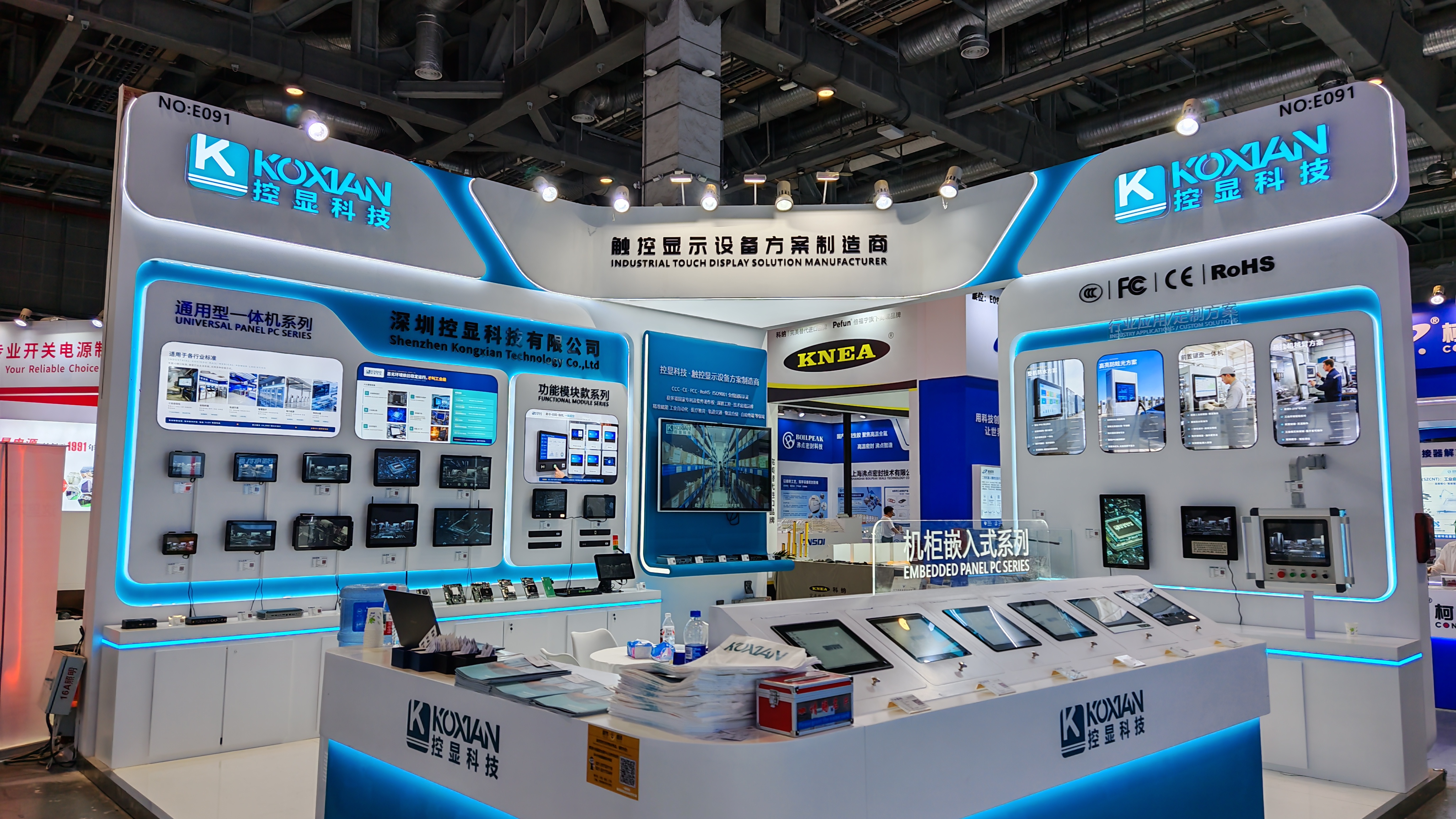
Manufacturers like KOXIAN enforce incoming material qualification gates before any assembly begins on the production floor. Cover glass substrates are inspected under 100x magnification for micro-cracks, thickness uniformity, and surface hardness rating. A single glass sheet with uneven tempering will propagate fractures under the vibration loads typical of a bottling line or metal stamping press. Touch controller ICs undergo parameter verification against datasheet thresholds, including noise immunity, response time, and thermal stability. LCD panels are screened for dead pixels, backlight uniformity, and contrast ratio drift across the rated temperature range. These incoming inspection protocols are applied consistently across industrial panel PC and display production lines, treating each gate as a non-negotiable checkpoint rather than a formality. Touch screen manufacturers that compress or skip these gates catch fewer defect modes, and the failures surface months after installation in the field.

Burn-In and Environmental Screening Before Deployment
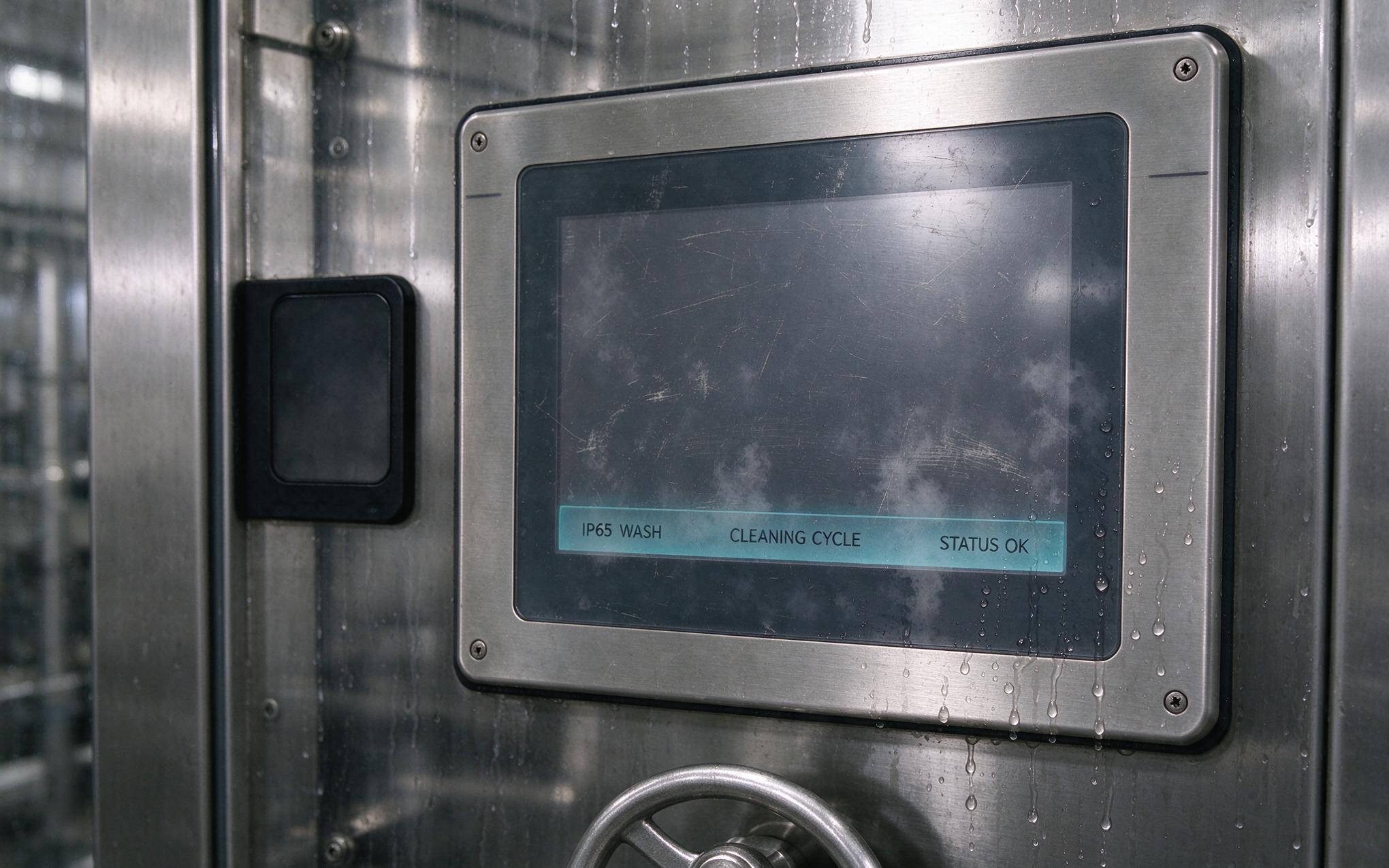
A touch screen that works in a lab at 25°C can behave unpredictably under continuous 60°C operation in a steel mill. Burn-in testing at professional touch screen manufacturers subjects units to sustained elevated temperatures—typically 60°C to 80°C—for 24 to 48 hours to expose infant mortality failures before the panels reach the customer. Environmental stress screening goes further with temperature cycling across the full operating range, humidity exposure at 95% RH, and vibration testing that replicates factory floor conditions. The critical insight is that optical bonding integrity—the adhesive layer between cover glass and LCD—often fails during rapid thermal transitions, not under steady-state heat. These extended screening cycles, as applied by KOXIAN in their industrial touch screen production, specifically target condensed moisture at panel edges and adhesive creep under thermal stress — two of the most overlooked field failure modes that affect industrial display reliability.

What Separates Reliable Manufacturers from the Rest
The difference between a touch screen that survives five years on a factory floor and one that fails in twelve months is not luck. It is the rigor of quality gates at every stage of the manufacturing process. When procurement teams evaluate touch screen manufacturers for industrial deployment, the relevant question is not whether the panels pass a bench test, but whether the manufacturer’s incoming material inspection, burn-in protocol, and environmental stress testing address the specific failure mechanisms that cause early field returns. Panels that skip these gates may look identical on a spec sheet, but their reliability profile diverges sharply once installed in a vibration-heavy, temperature-cycling, or high-humidity environment.