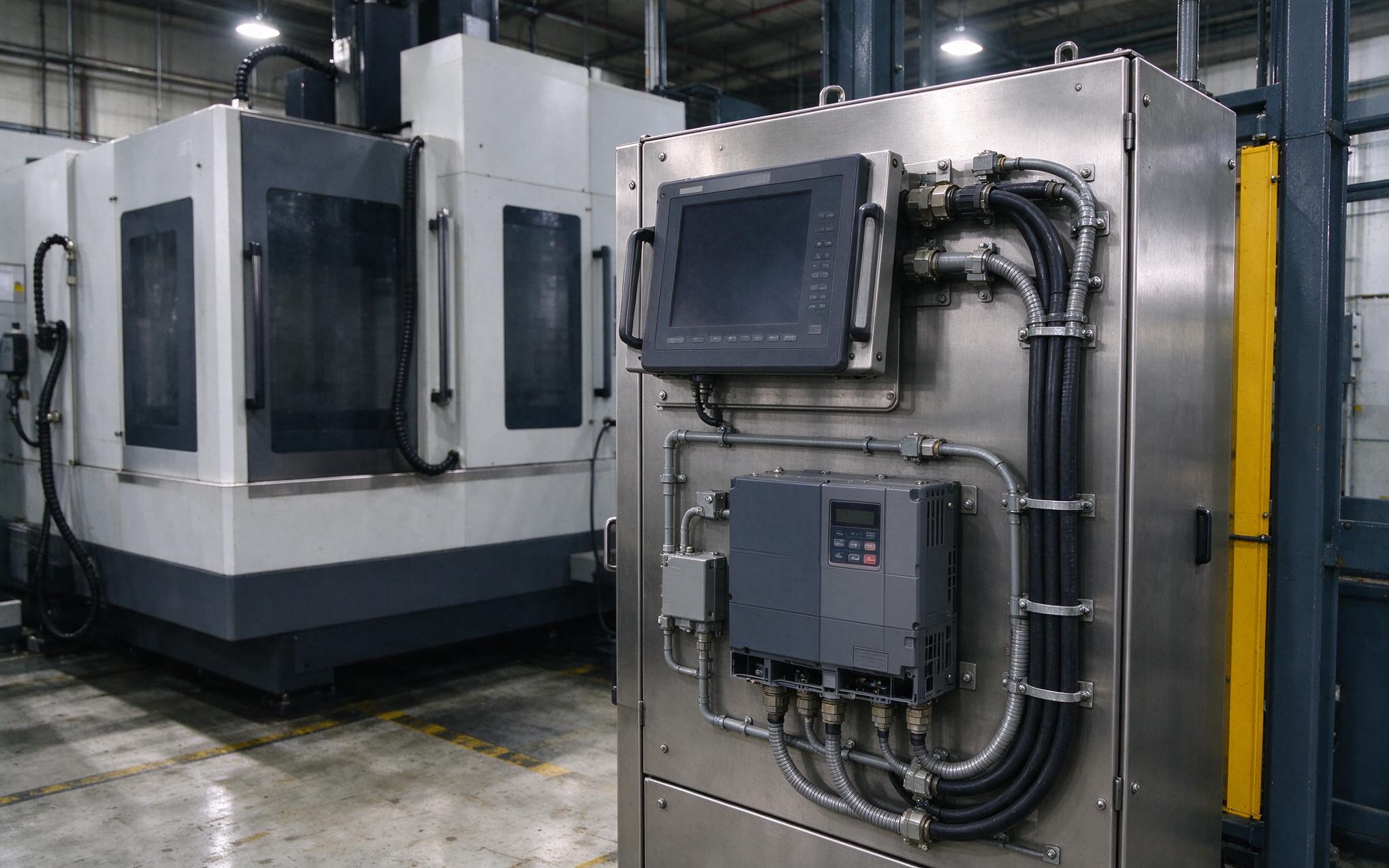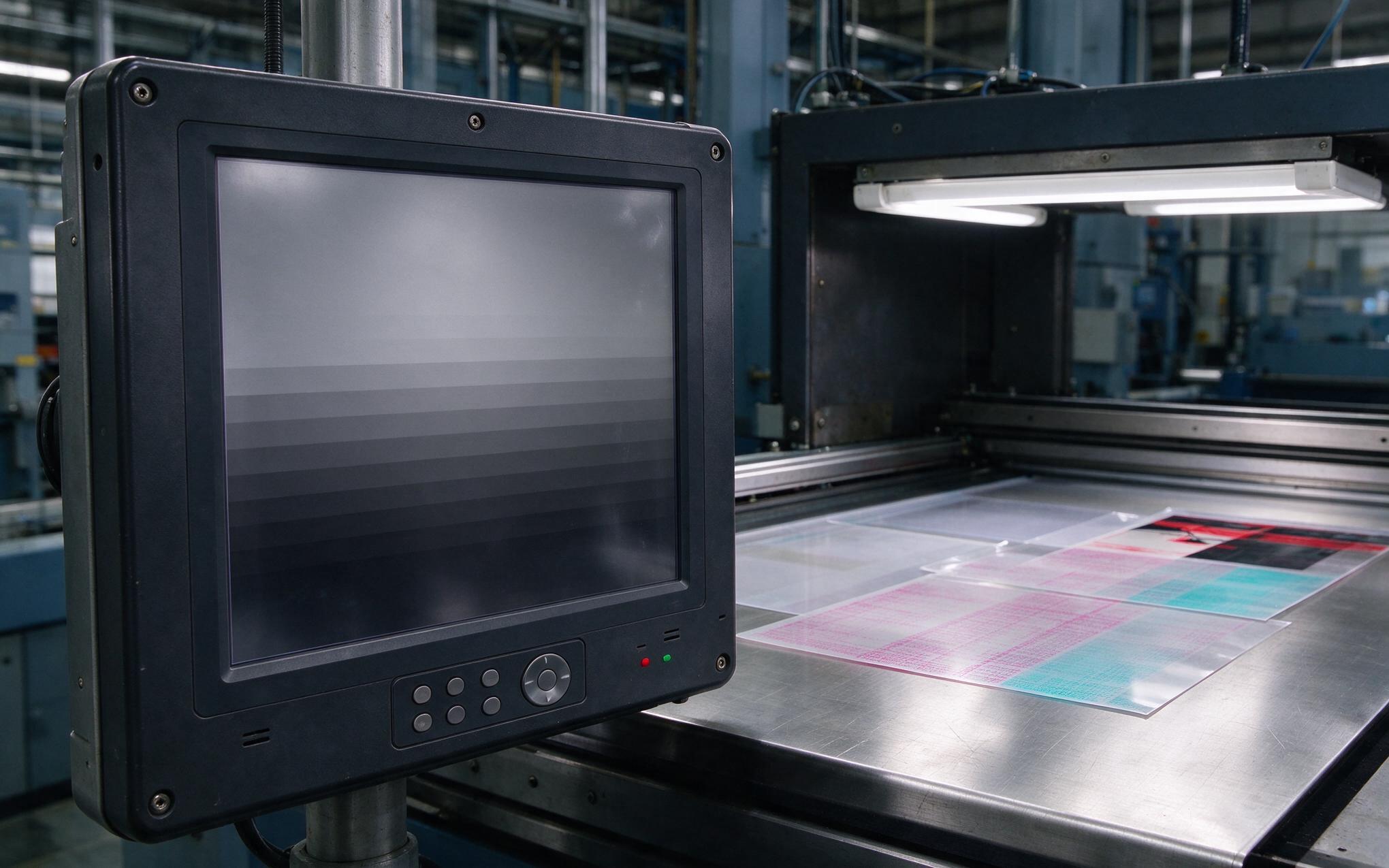
Factory floor operators rarely think about the touch technology behind their panel PCs until it fails. A unresponsive screen on a packaging line or a misregistered tap on a chemical dosing station can halt production for hours. Industrial panel pc touch screen systems must deliver precise input recognition while surviving dust, moisture, vibration, and temperature swings that would destroy consumer-grade displays within weeks. Understanding how modern capacitive touch technology is engineered for these conditions helps procurement teams and system integrators specify the right hardware for continuous factory operation.

Capacitive Technology Fundamentals for Industrial Use
Projected capacitive (PCAP) touch technology relies on a grid of transparent electrodes deposited on a glass substrate. When a conductive object such as a finger approaches the surface, it disrupts the electrostatic field at the intersection point, and the controller chip calculates the exact coordinates. Unlike resistive screens that depend on physical pressure between two flexible layers, capacitive panels respond to light contact and support multi-touch gestures natively. For industrial panel pc touch screen applications, this translates to faster input recognition and reduced operator fatigue during extended shifts. Industrial panel PC systems from manufacturers like KOXIAN leverage this principle to deliver consistent touch accuracy across thousands of hours of continuous operation. The absence of moving parts in the touch sensor layer also eliminates the wear mechanisms that degrade resistive panels after millions of actuations, making PCAP the preferred choice for high-throughput production environments.

Optical Bonding and Environmental Sealing
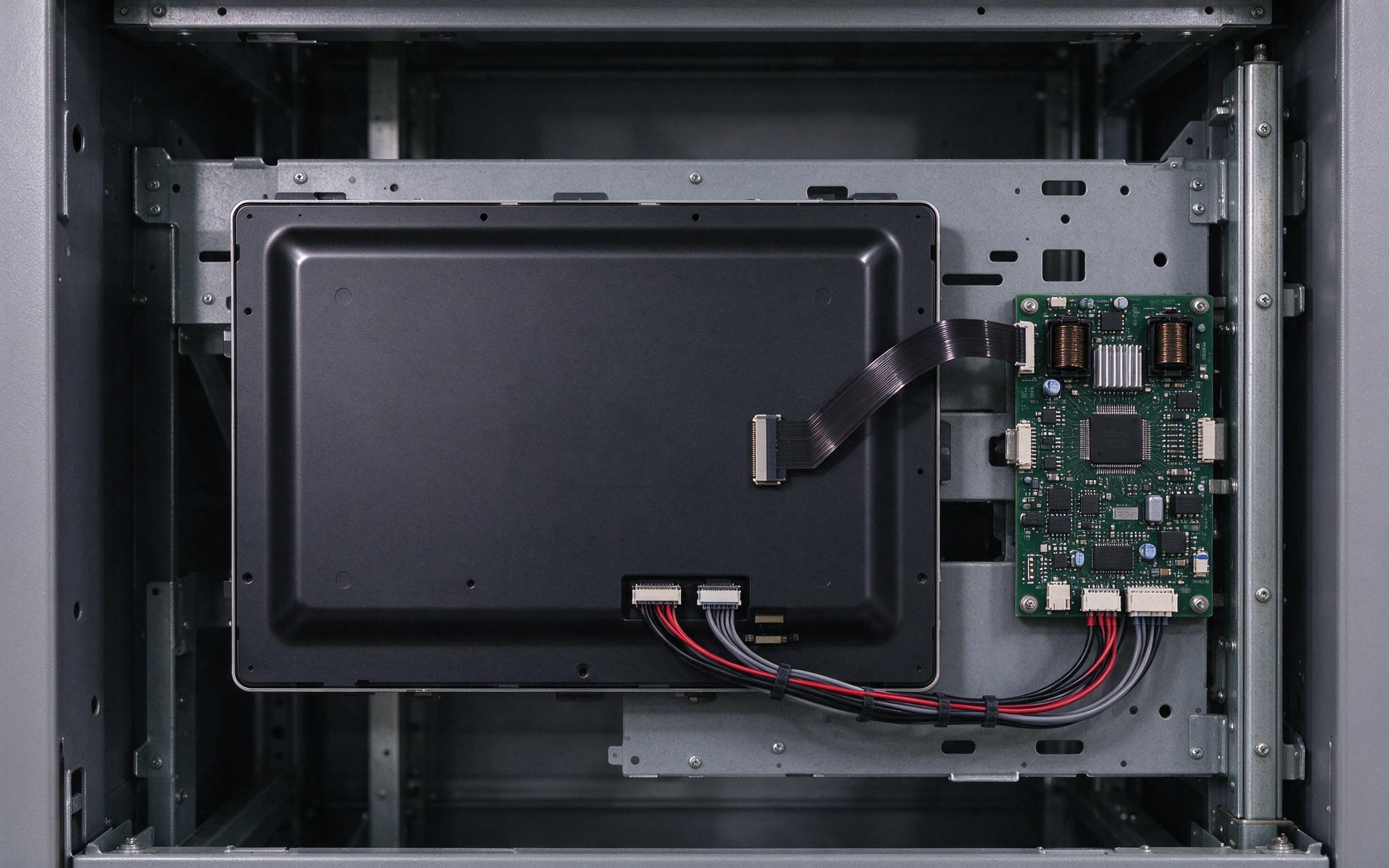
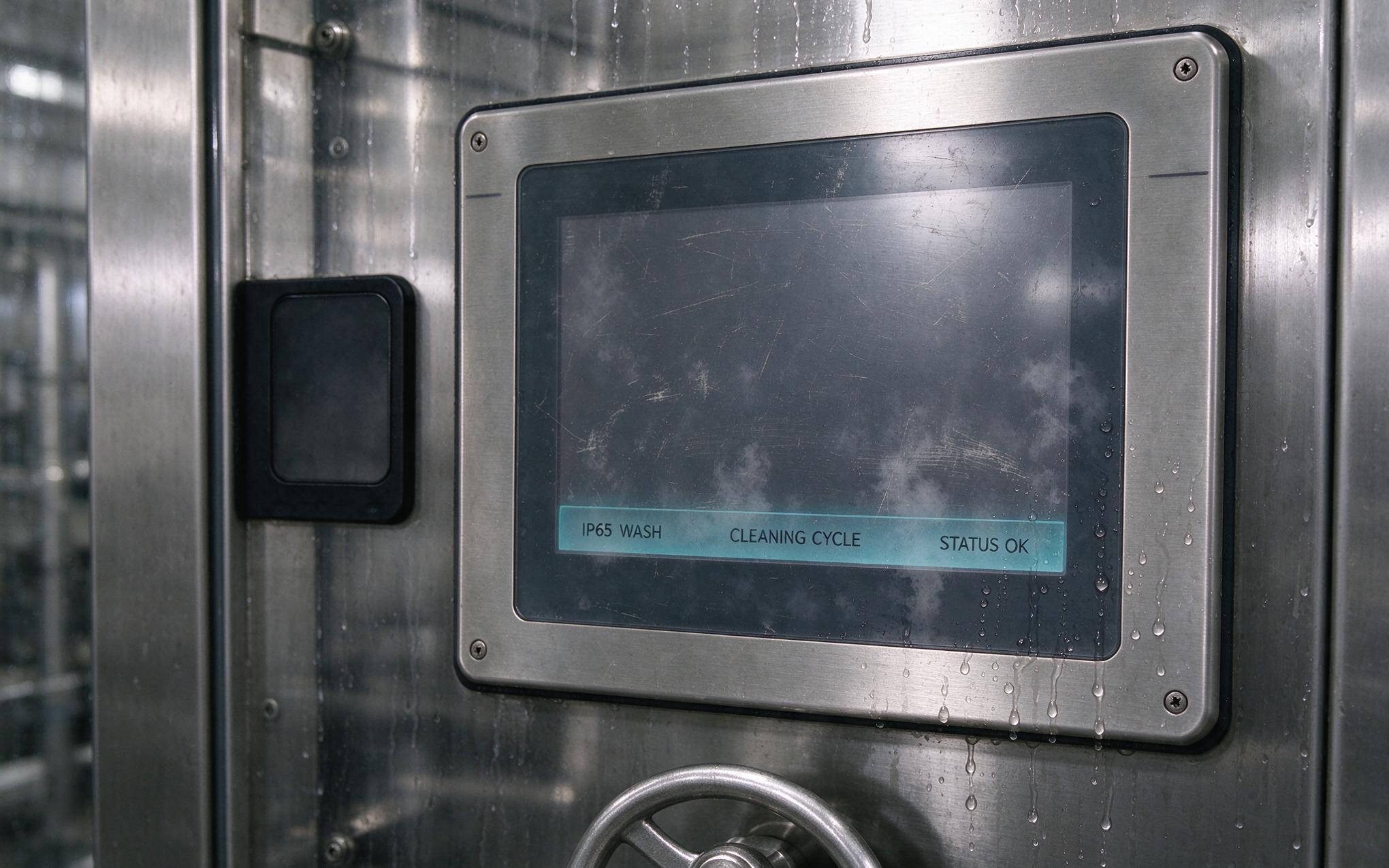
Optical bonding is the process of filling the air gap between the LCD cell and the touch sensor with a transparent adhesive compound. This eliminates internal reflections that wash out the display under overhead factory lighting, and it prevents condensation from forming inside the panel when temperatures shift rapidly. The bonding layer also adds mechanical rigidity that helps the assembly survive vibration from adjacent machinery. Combined with an IP65-rated front bezel and sealed I/O connectors, an optically bonded panel PC maintains display clarity and touch accuracy in environments where airborne particulates and periodic washdowns are routine. For food processing and pharmaceutical lines, this combination of optical performance and environmental sealing directly reduces unplanned downtime caused by illegible displays or unresponsive touch inputs.

Deploying Touch Screens Across Factory Environments
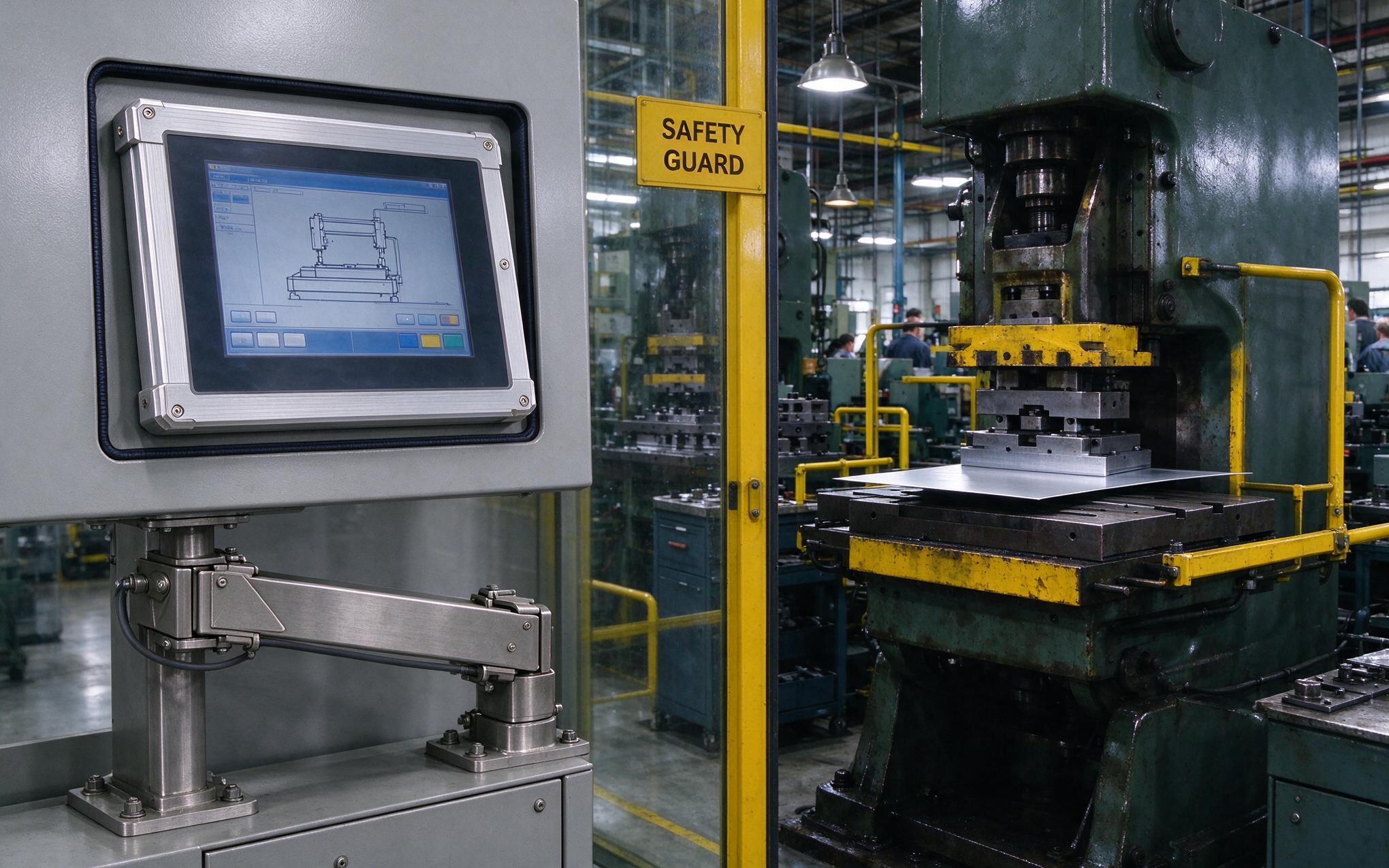
In automotive assembly plants, operators interact with panel PC touch screens while wearing nitrile or leather protective gloves. Modern PCAP controllers support glove mode, adjusting sensitivity thresholds to register input through materials up to three millimeters thick. Food processing facilities present an entirely different challenge: surfaces must withstand high-pressure washdown cycles with caustic cleaning agents. IP65-rated front panels with chemically toughened cover glass maintain touch responsiveness after repeated exposure to these solutions. Temperature also plays a role. A panel PC installed near a paint curing oven may face ambient temperatures above 50 degrees Celsius, while cold storage warehouses demand reliable operation below negative 20 degrees. Wide-temperature-rated industrial panel pc touch screen assemblies use components rated for these extremes, and some configurations include heater elements that activate automatically during cold startup. System integrators evaluating such solutions should carefully verify that the specified unit meets the environmental demands of each installation zone before committing to a procurement decision. Manufacturers like KOXIAN publish detailed environmental test reports that help integrators cross-reference panel specifications against site-specific conditions.
Choosing the right industrial panel pc touch screen means matching touch technology, optical performance, and environmental sealing to the specific demands of each production area. Capacitive touch with optical bonding delivers the clarity and durability that modern factories require, while glove-compatible sensing and wide-temperature ratings ensure the panel remains operational across the full range of factory conditions.