Industrial networks have undergone a fundamental shift in the last decade. The days of isolated machine cells communicating through proprietary fieldbuses are fading. In their place, a unified Ethernet backbone now carries everything from high-volume sensor data to precision motion commands across the same physical infrastructure. This convergence brings enormous operational benefits, but it also introduces a critical question: how do you guarantee that a real-time motion control packet arrives within its microsecond deadline when it shares a wire with routine file transfers and video streams? Time-Sensitive Networking, or TSN, provides the answer by extending standard Ethernet with deterministic scheduling capabilities that were once exclusive to specialized industrial protocols.
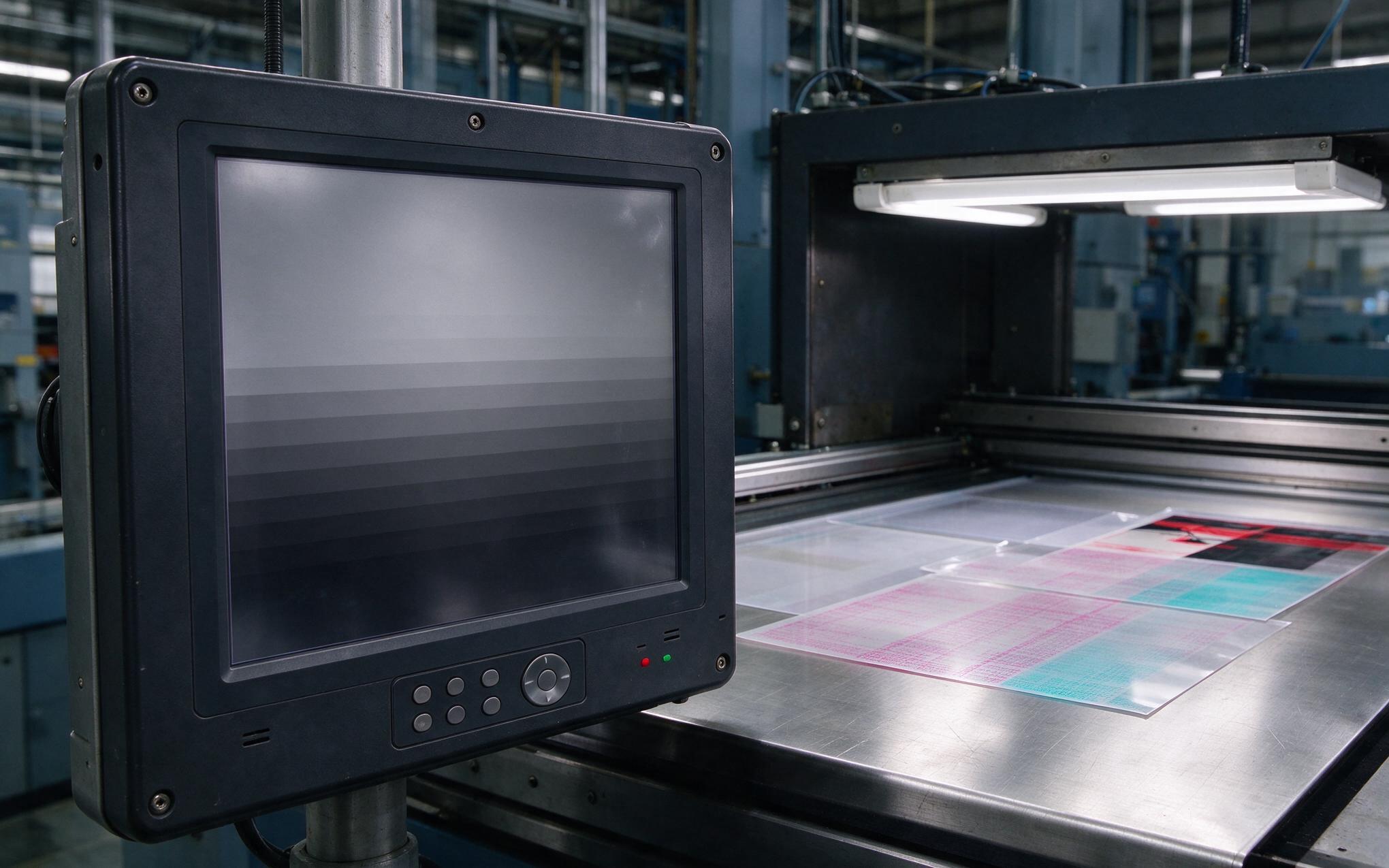
The IEEE 802.1 TSN standards transform Ethernet from a best-effort medium into a deterministic one through time-aware scheduling, frame preemption, and stream reservation. A KOXIAN panel PC running a visualization application can now share the same network with high-speed I/O devices, safety systems, and enterprise IT services without interference.
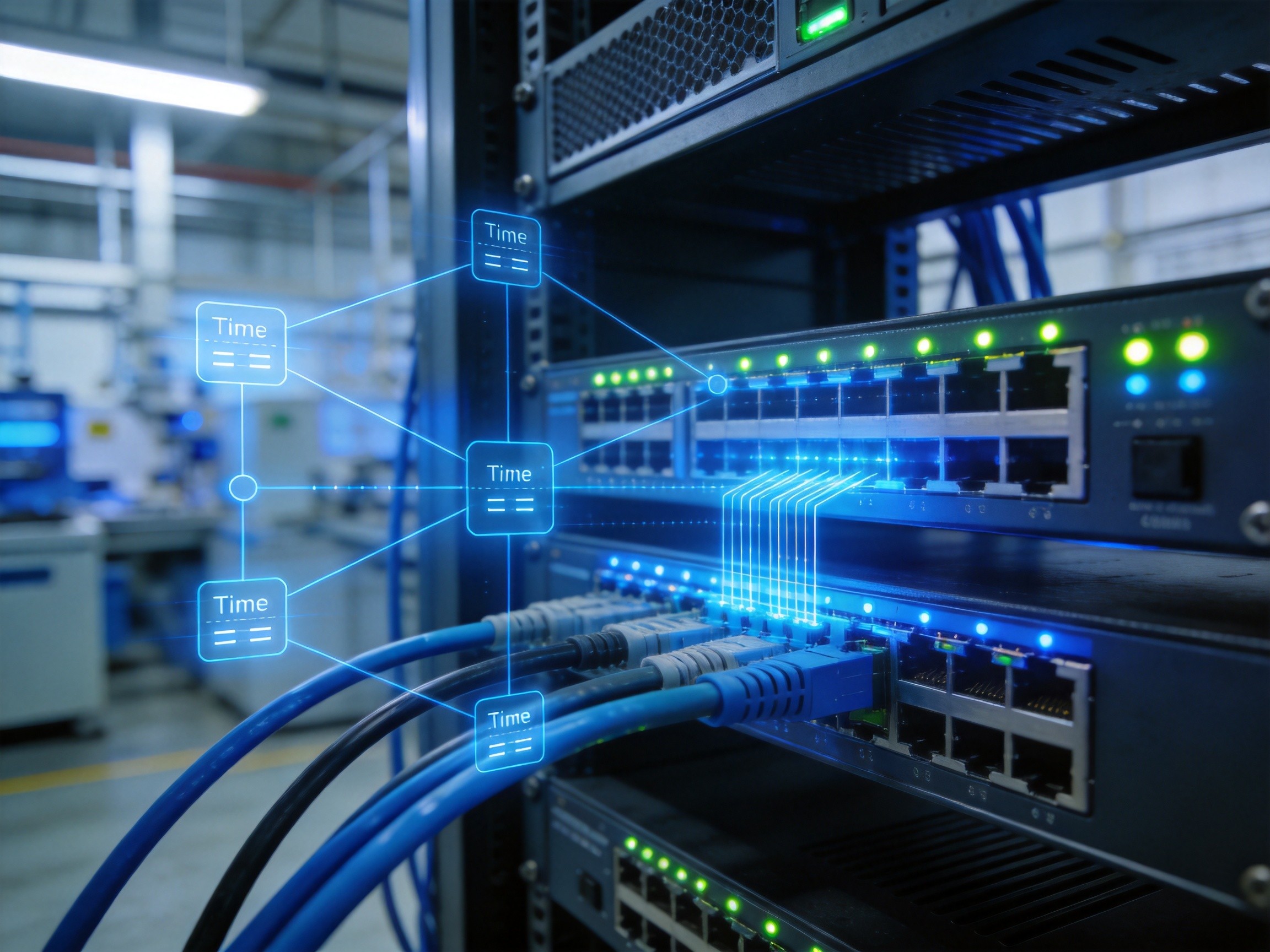
How TSN Creates Deterministic Behavior on Standard Ethernet
The magic of TSN lies in its ability to divide network time into precise, synchronized windows. Every device on the network shares a common time reference, typically distributed through the IEEE 802.1AS timing protocol, which achieves sub-microsecond synchronization accuracy. With this shared clock, the network scheduler can assign dedicated transmission slots to time-critical streams. A motion controller sending position updates every 250 microseconds gets its own reserved window, while bulk data transfers fill the gaps in between. Frame preemption—the ability to interrupt a large, low-priority frame mid-transmission to let a critical one through—adds another layer of protection against unexpected delays. The result is a network where the worst-case latency for any critical stream is mathematically bounded and provably guaranteed.
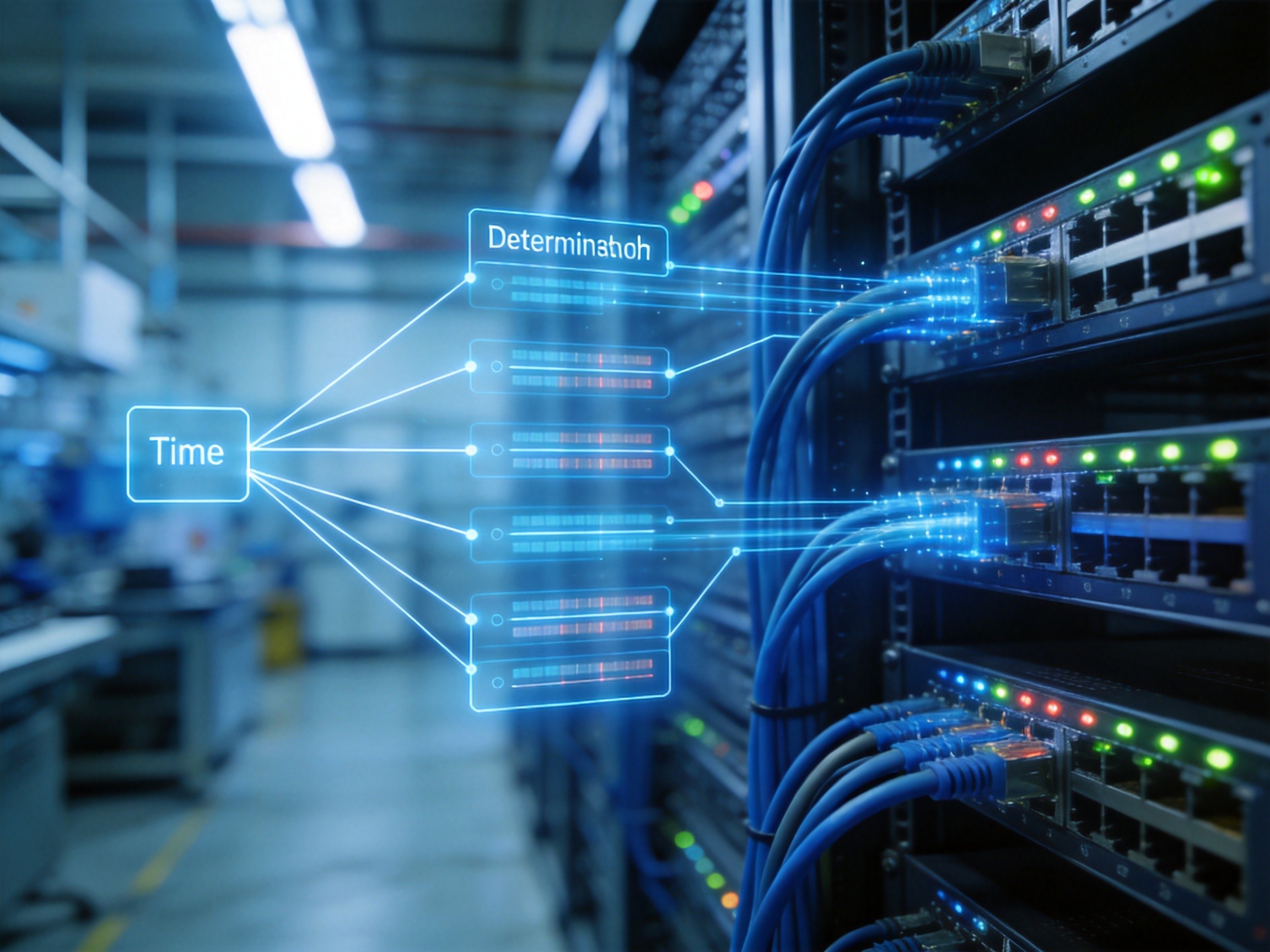
Why Industrial Panel PCs Benefit from Converged Networks
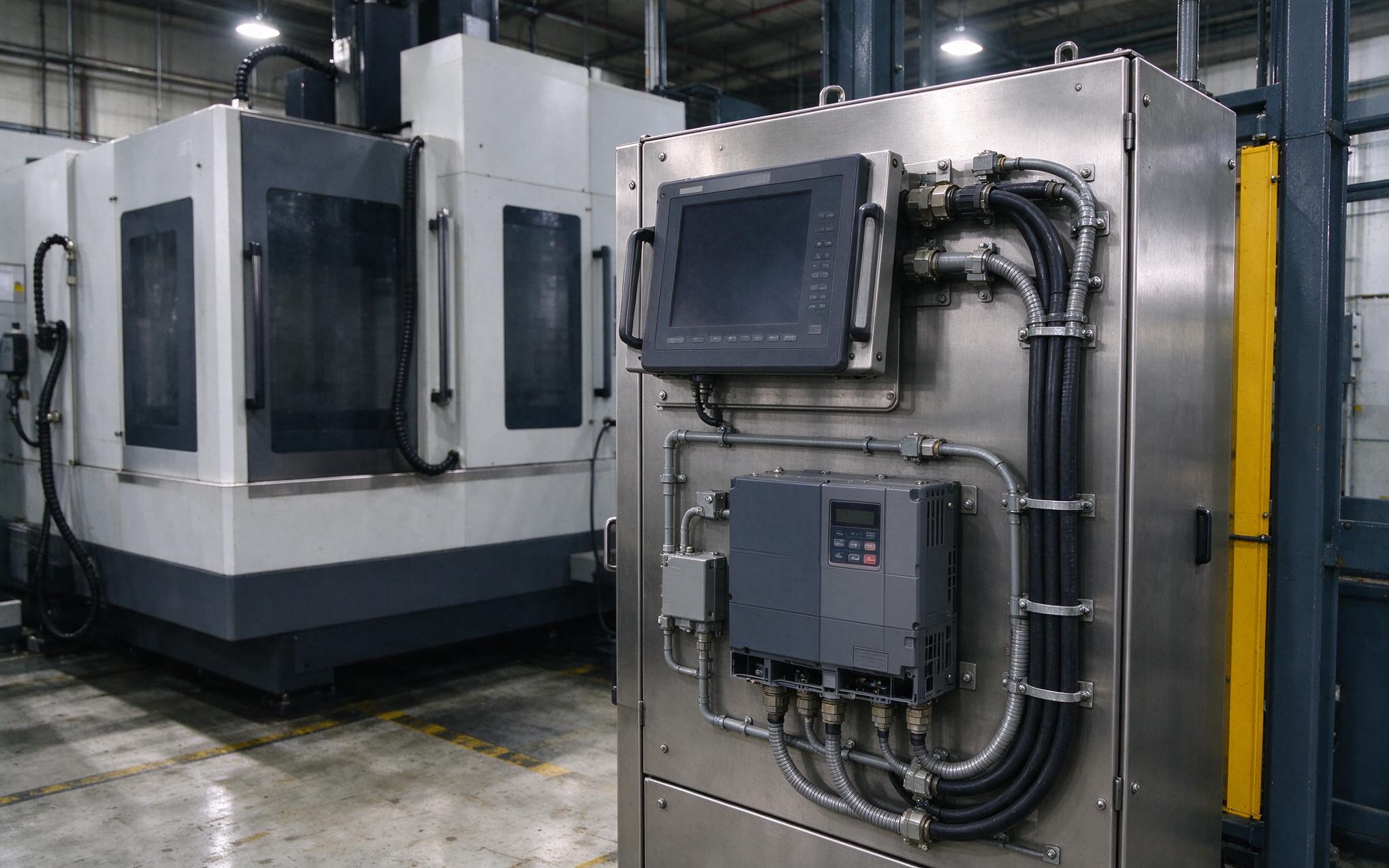
In a traditional factory network architecture, the panel PC that operators use to monitor production sits on a separate network from the high-speed control loop. This isolation is necessary to prevent visualization traffic from interfering with real-time operations, but it also creates data silos and complicates system integration. With TSN, a KOXIAN panel PC can pull live data from the same infrastructure that carries deterministic control traffic, giving operators a genuinely real-time view of the production floor. Machine status, quality metrics, and alarm conditions appear on screen with the same temporal fidelity as the control system itself, eliminating the frustrating lag between what the machine is doing and what the operator sees.
The Role of TSN Profiles in Industrial Deployments
Not every deployment needs every TSN feature. The IEC/IEEE 60802 profile, currently under development, defines a standardized subset of TSN capabilities specifically for industrial automation. This profile selects the most relevant standards—time synchronization, scheduled traffic, frame preemption, and stream reservation—and combines them into a coherent, testable specification. Equipment vendors and system integrators can then design against a known target rather than navigating the full TSN standards landscape. For panel PC manufacturers, this means designing hardware that supports the right combination of features: time-aware network interfaces, hardware timestamping, and driver stacks that expose TSN configuration to the application layer. The goal is interoperability without requiring every device to implement every standard.
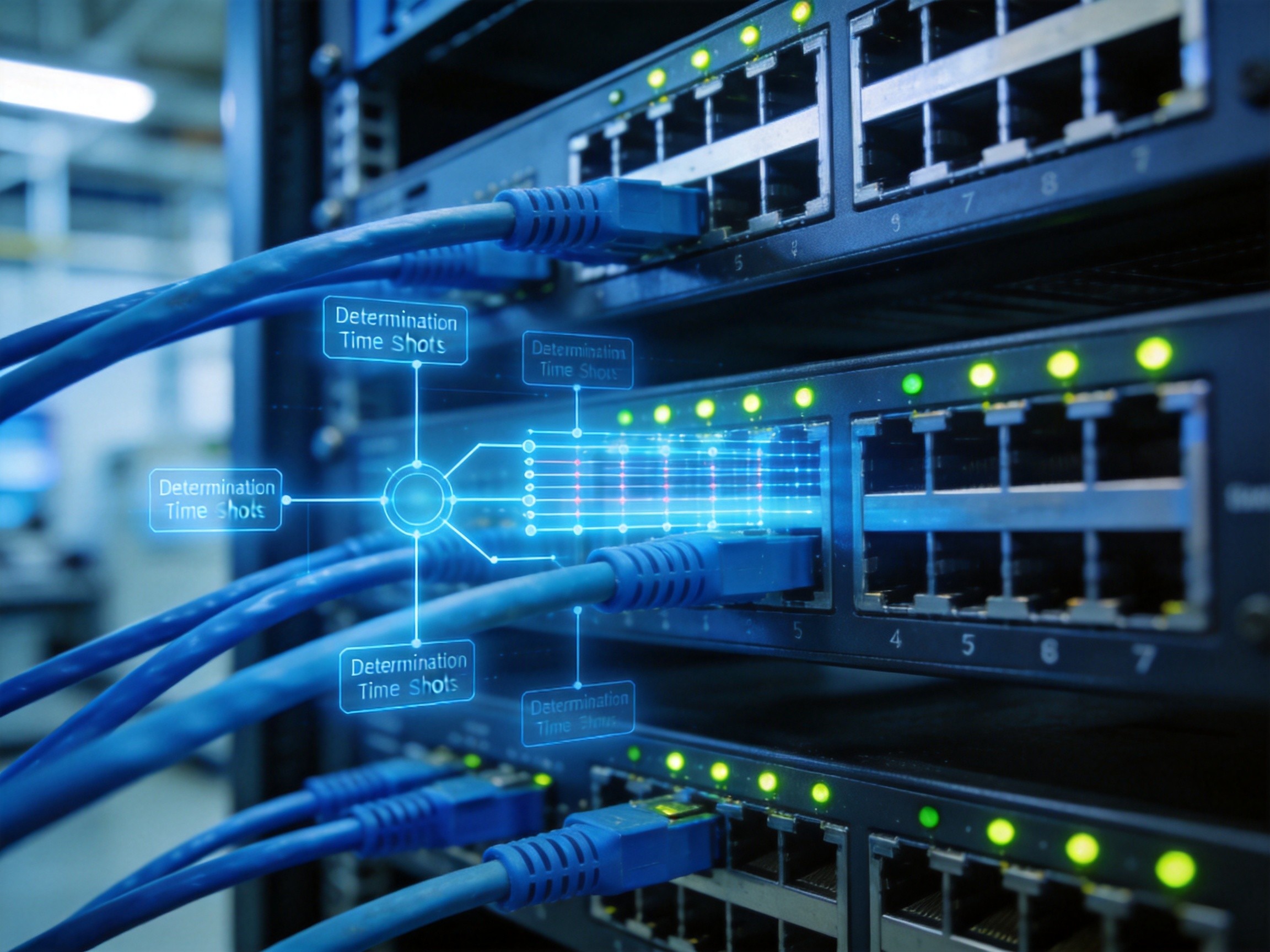
Practical Considerations for Migration
Migrating to TSN does not require a rip-and-replace strategy. TSN operates at Layer 2, coexisting with legacy traffic on the same infrastructure. Facilities can deploy TSN-capable switches at aggregation points and introduce TSN-enabled endpoints as equipment is refreshed. The prerequisites are clear: switches with IEEE 802.1Qbv time-aware shaping, endpoints with hardware timestamping, and a network topology that accounts for traffic patterns. For operations teams evaluating their next panel PC refresh cycle, selecting hardware with TSN-ready interfaces ensures the operator interface layer is ready when the rest of the plant transitions.
Deterministic Ethernet is no longer a research project or a niche requirement for ultra-high-performance applications. It is becoming the standard backbone for industrial communication, driven by the same forces that pushed enterprise IT toward converged networks decades ago: simplicity, cost reduction, and the operational value of unified data. For facilities that depend on industrial panel PCs to bridge the gap between operators and automated systems, TSN delivers the real-time visibility that makes that bridge reliable, responsive, and ready for whatever comes next.