Outdoor kiosk deployments are expanding rapidly across EV charging networks, digital signage, transit information systems, and self-service retail. The global push toward electrification and smart city infrastructure is placing thousands of panel PCs in exposed outdoor environments where they face an underestimated threat: internal condensation. Unlike direct rain ingress, mitigated with proper gasket design and IP-rated enclosures, condensation forms silently from within when temperature and humidity gradients cross the dew point threshold. For system integrators and fleet operators, understanding moisture ingress physics and implementing effective countermeasures is essential to achieving the five-to-seven-year service life expected from outdoor computing assets.
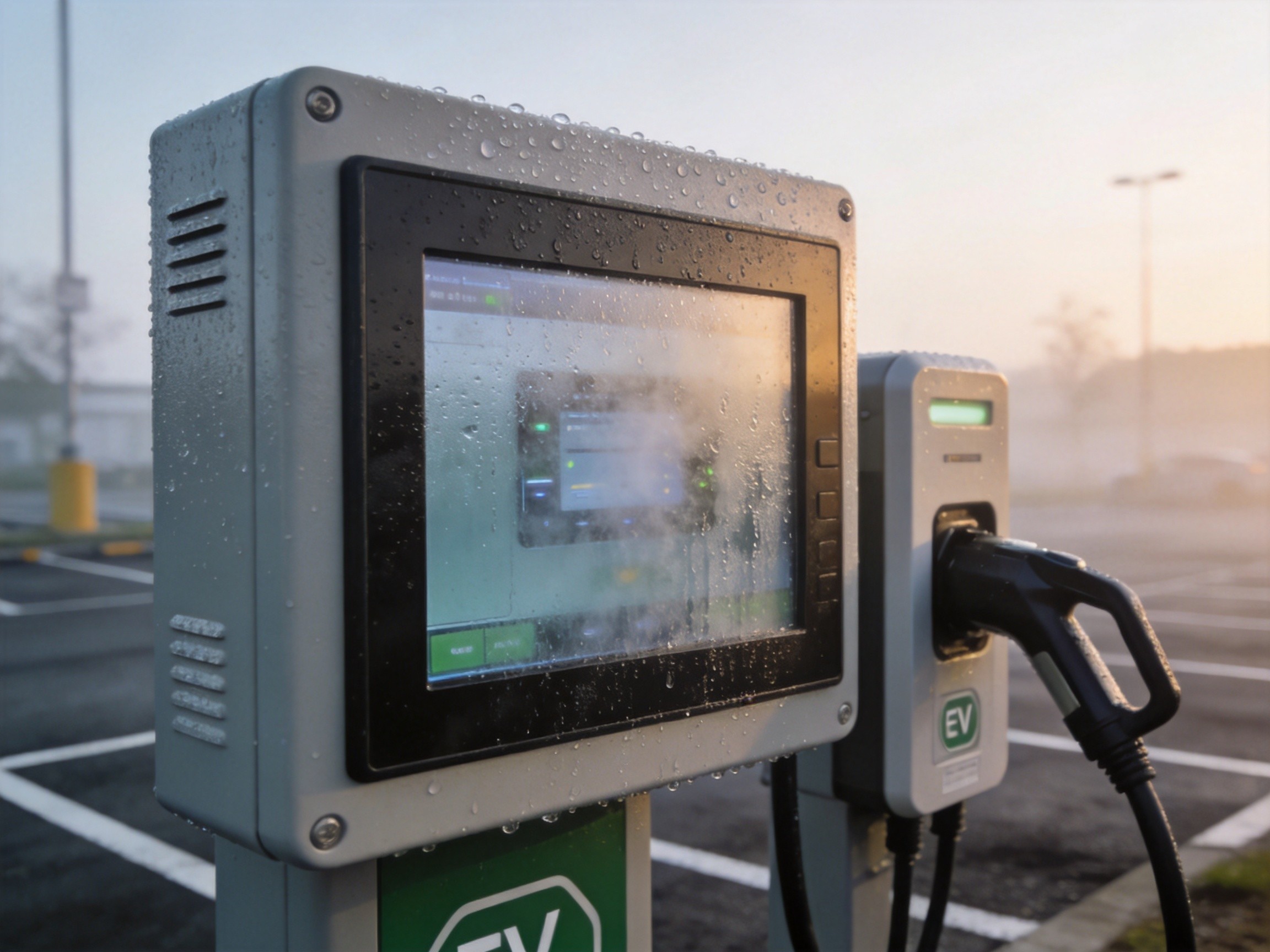
Dew Point Dynamics: The Invisible Threat
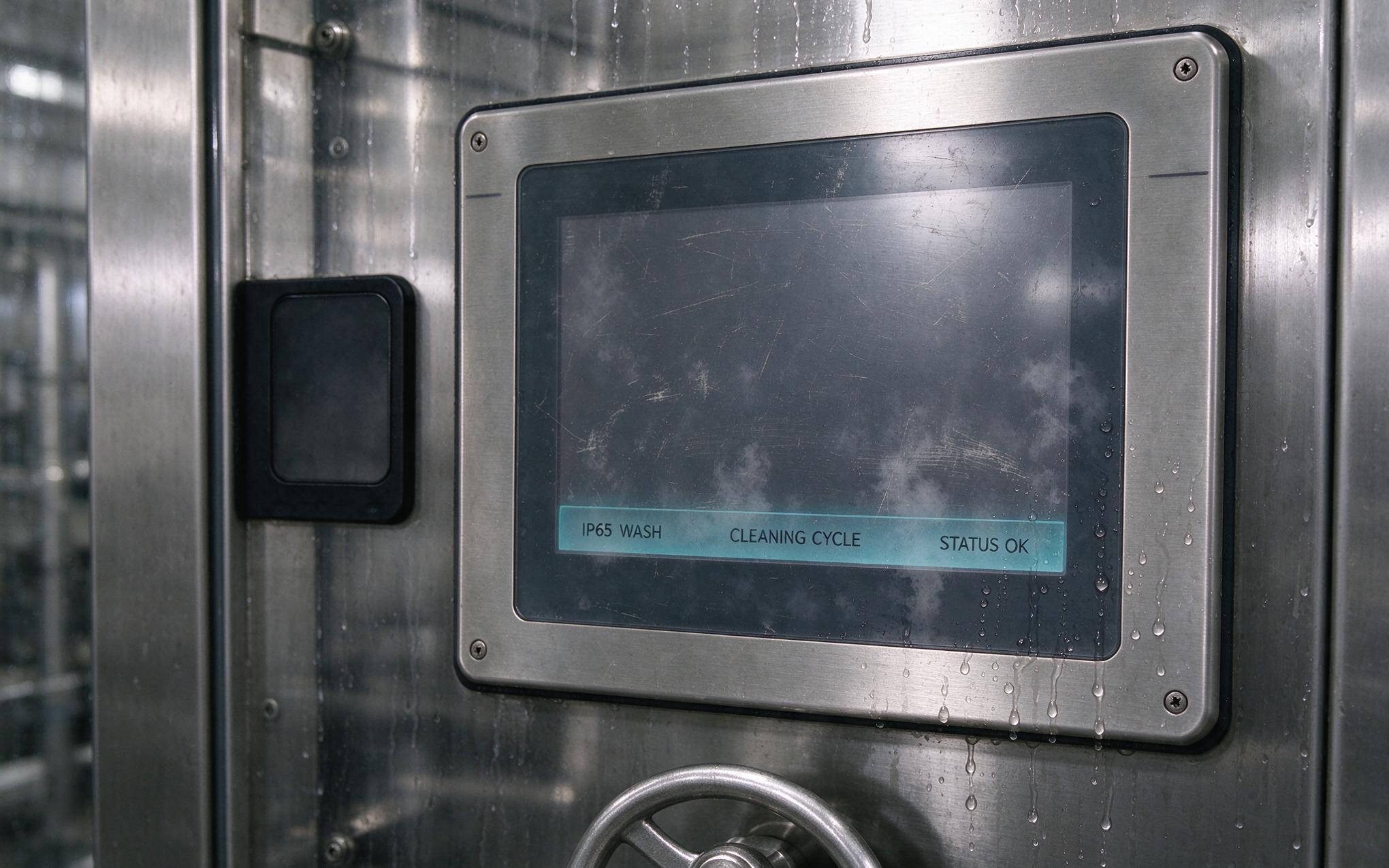
Condensation occurs when an enclosure’s internal surface temperature drops below the dew point of trapped air. This happens during rapid ambient temperature changes: a kiosk that cools overnight in high-humidity coastal air, then warms at sunrise, creates ideal conditions for moisture formation. The thermal mass of metal enclosures lags behind air temperature changes, providing cold surfaces for condensation to nucleate. Even IP65 or IP66 enclosures are vulnerable because these ratings address liquid water and dust, not vapor diffusion. Repeated condensation cycles deposit mineral residues on circuit boards, accelerate connector oxidation, and cause dendritic growth between adjacent PCB traces. The failure mode is insidious: a kiosk may operate normally for eighteen months before intermittent touchscreen malfunctions appear, with no visible external damage.
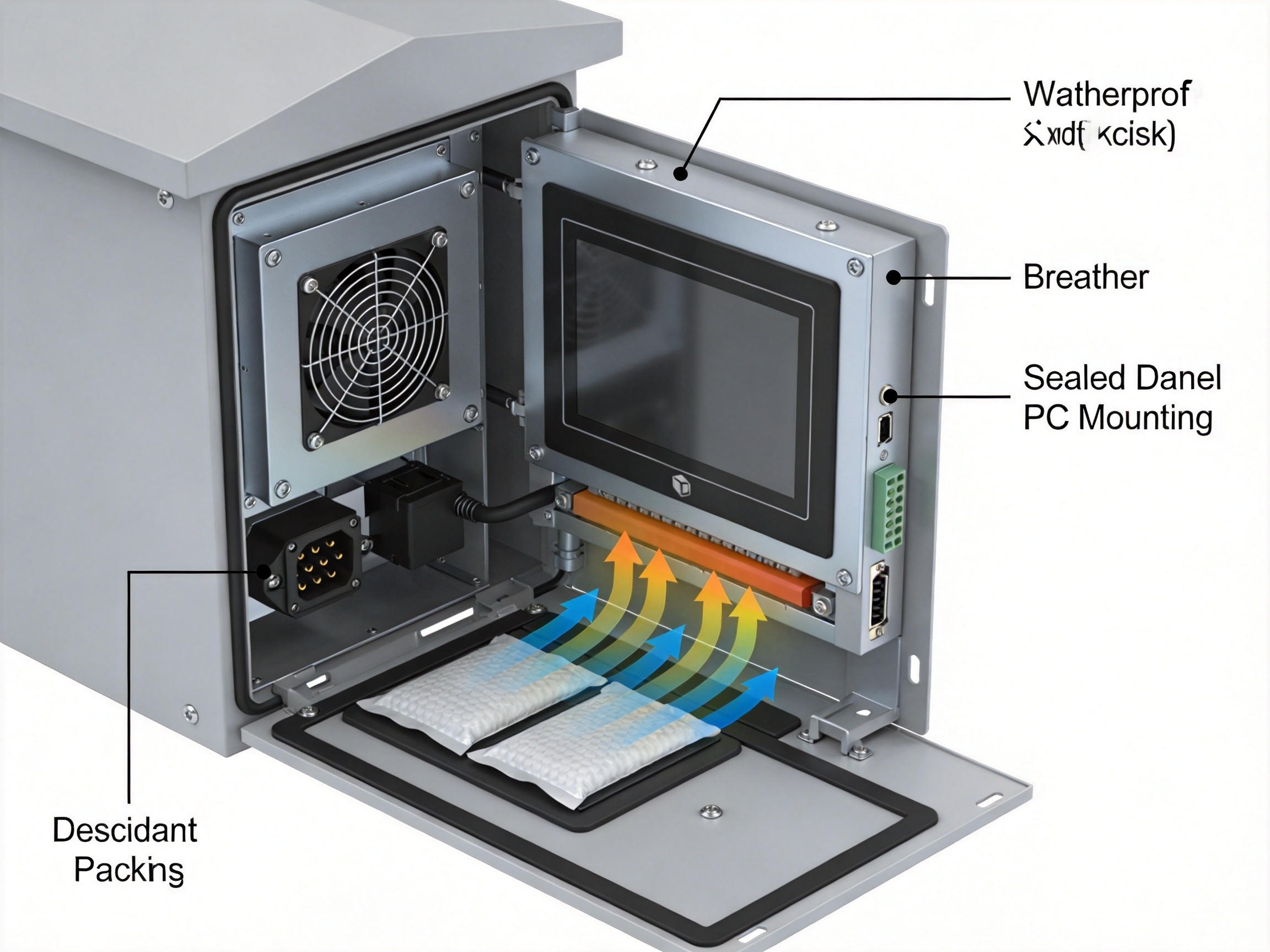
Enclosure Design: Beyond IP Ratings
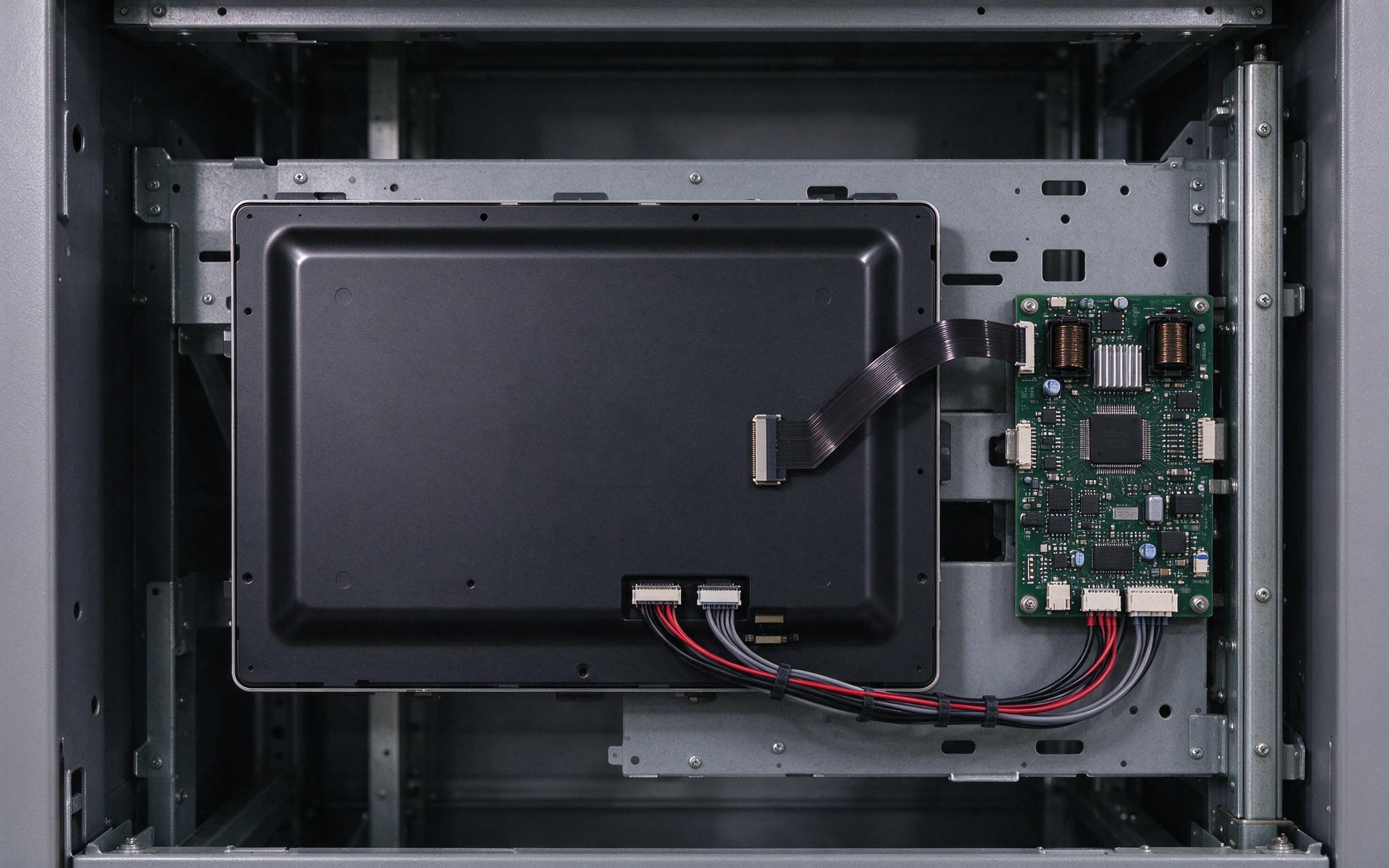
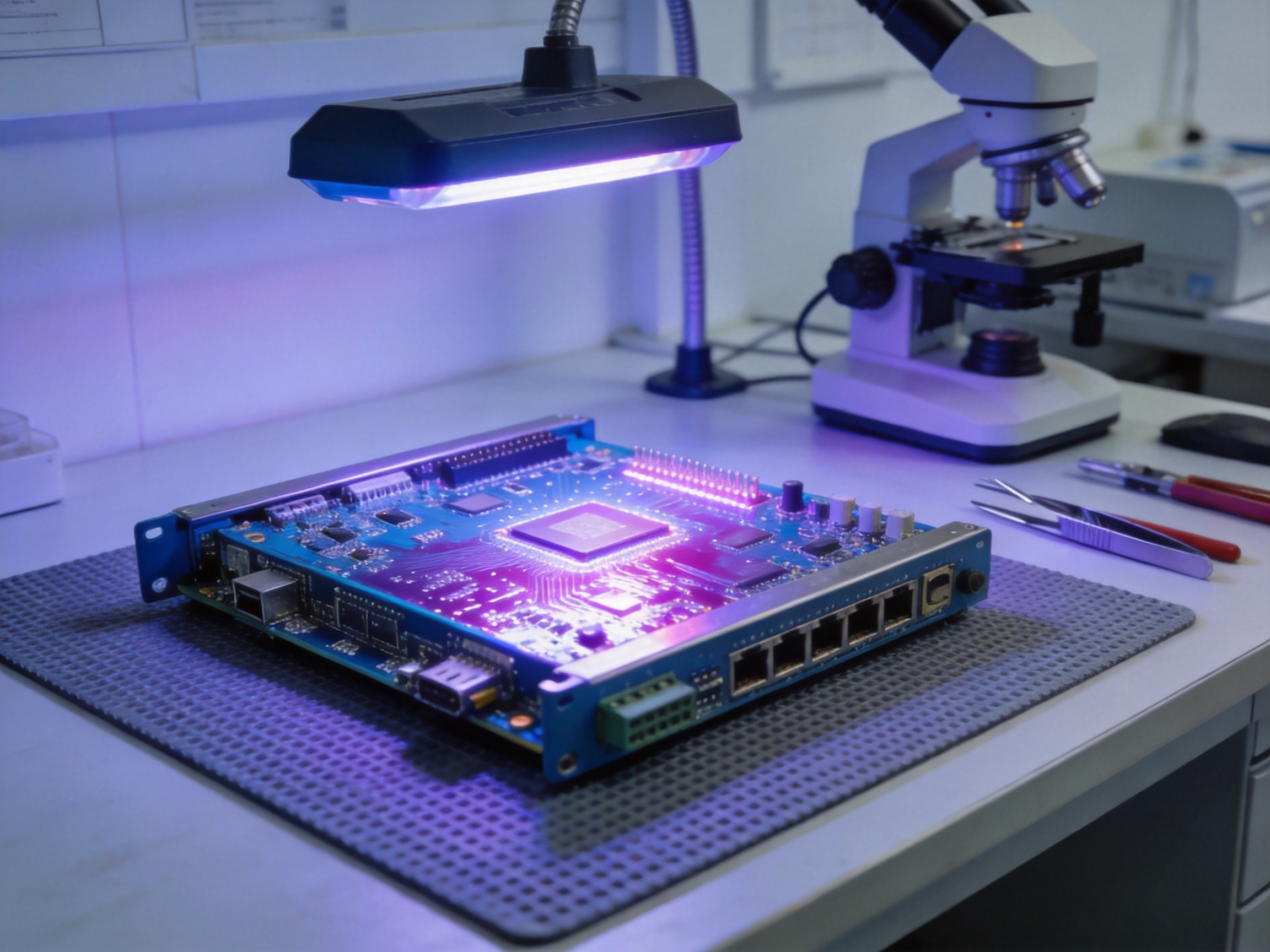
Condensation protection begins with enclosure design. Membrane breather vents, constructed from expanded PTFE with pore sizes between 0.2 and 3.0 microns, allow pressure equalization while blocking liquid and particulate ingress. These vents prevent the vacuum effect that draws moisture through cable glands during thermal cycling. Strategic placement of desiccant packs, sized to internal air volume and expected humidity exposure, provides a second line of defense. For tropical or coastal regions, enclosure heaters with integrated hygrostats maintain internal temperature above the maximum expected dew point, preventing condensation regardless of external conditions. KOXIAN panel PCs for outdoor kiosk integration incorporate conformal coating on all circuit boards as a final protective layer, safeguarding electronics even if enclosure-level defenses are temporarily overwhelmed.
Material Selection and Thermal Management
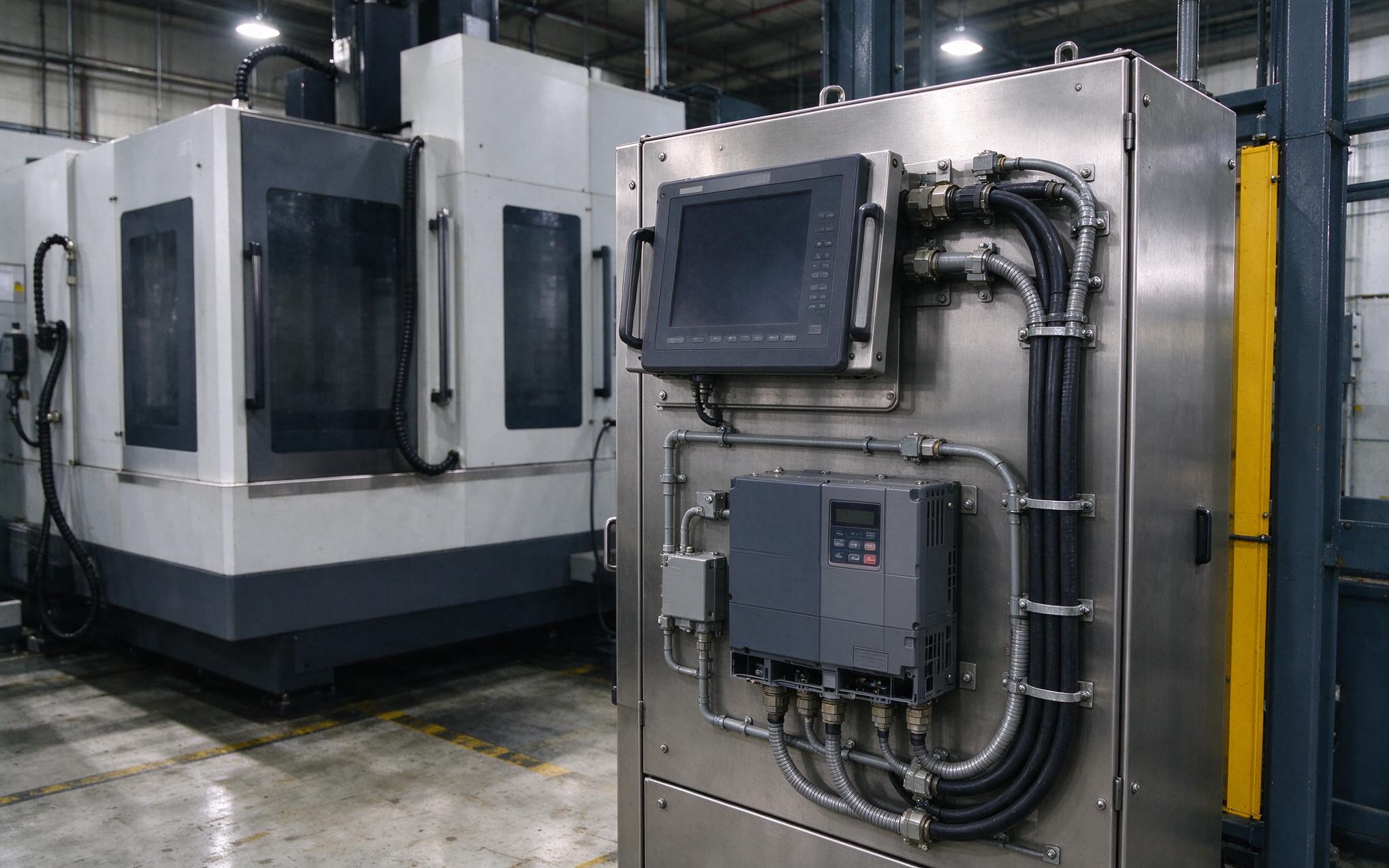
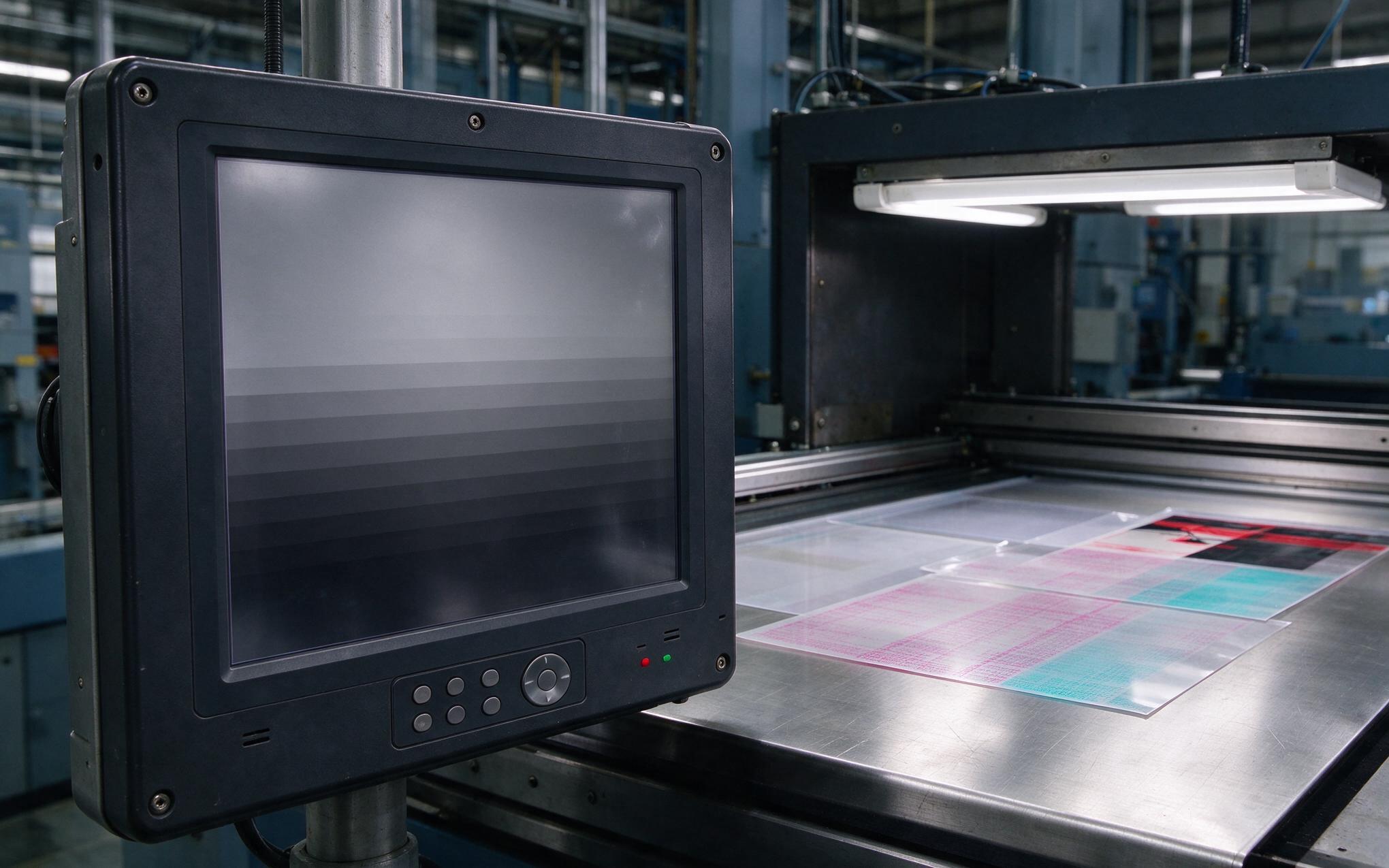
Enclosure materials and thermal architecture influence condensation risk. Stainless steel enclosures, while offering excellent corrosion resistance, have high thermal conductivity that accelerates internal temperature changes and promotes condensation cycling. Aluminum enclosures with thermal break designs, where the internal mounting plate is thermally isolated from the outer shell, reduce the temperature change rate at the electronics surface. Glass-fronted kiosks present a challenge: the large display window acts as a condensation surface, and fogging between the touchscreen overlay and LCD panel can render the display unreadable. Optical bonding, where the touch sensor and LCD are laminated with a transparent adhesive that eliminates the air gap, is an effective mitigation. The bonded assembly prevents internal condensation while improving sunlight readability. KOXIAN outdoor-rated panel PC displays employ optical bonding as standard, addressing both condensation and optical performance in a single process step.
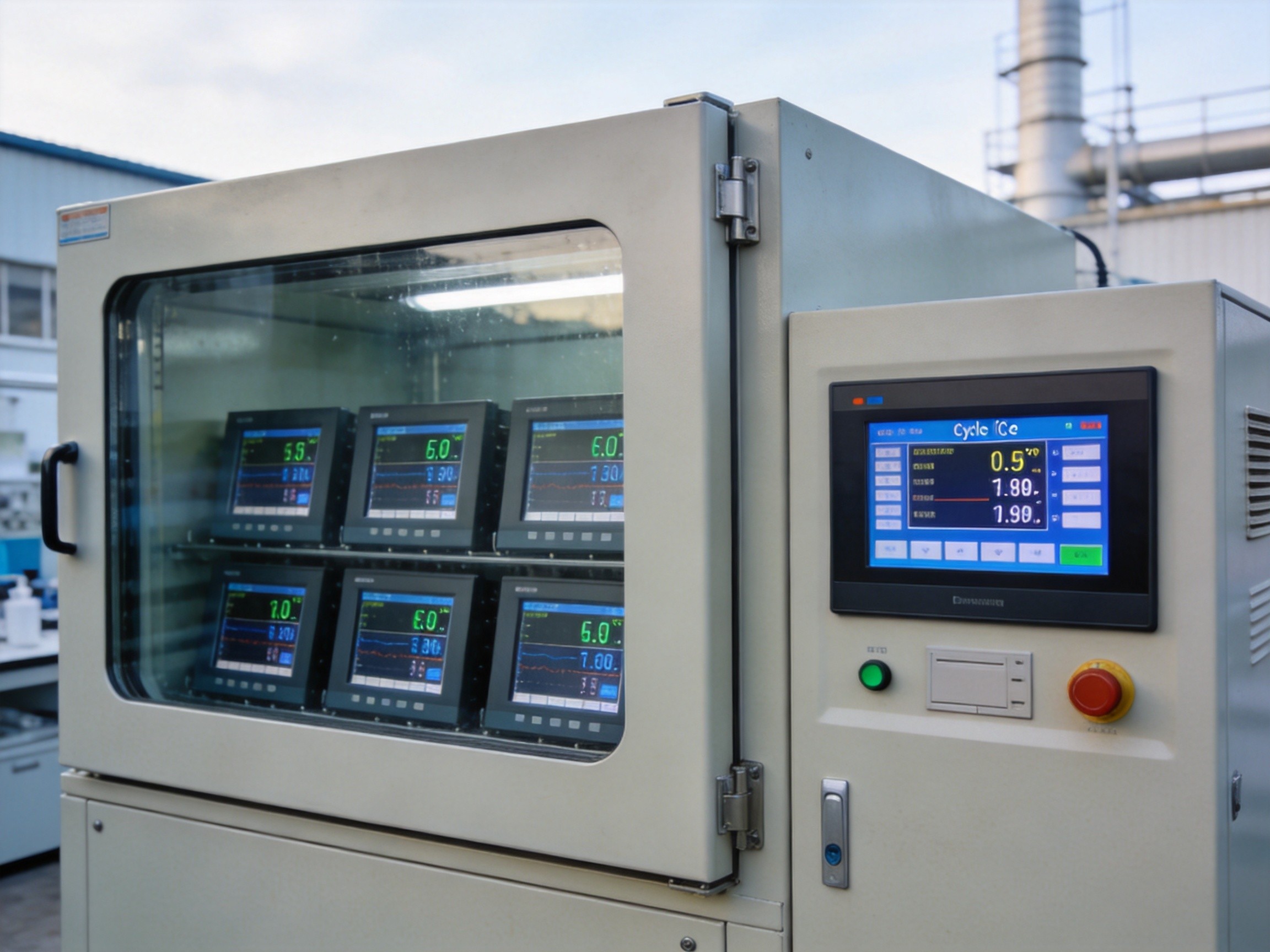
Testing and Validation Protocols
Validating condensation resistance requires testing beyond standard ingress protection ratings. IEC 60068-2-30 damp heat cyclic testing is more relevant for condensation assessment than the static immersion tests used for IP certification. The test cycles between 25 and 55 degrees Celsius at 95 percent relative humidity, creating the rapid temperature transitions that drive condensation in real-world deployments. For outdoor kiosk applications, a more aggressive profile is warranted: cycling between minus 10 and 60 degrees Celsius with humidity at saturation, repeated for a minimum of 48 hours. After testing, visual inspection and electrical testing of insulation resistance between adjacent connector pins reveal early-stage moisture damage before functional failures occur. Deploying remote environmental sensors inside kiosk enclosures provides ongoing validation, alerting operators when internal humidity approaches dew point conditions and enabling preventive maintenance before condensation-related failures impact end users.
Condensation is a silent, cumulative threat that undermines the reliability of outdoor panel PC deployments. Unlike catastrophic failures from direct water ingress, condensation damage accumulates over months and years, escaping detection until it manifests as intermittent failures difficult to diagnose and expensive to remediate across a distributed fleet. A layered protection strategy combining breather vents, desiccants, active heating, conformal coating, optical bonding, and environmental monitoring provides the defense-in-depth approach outdoor kiosk operators require. As outdoor infrastructure continues to expand, the ability to prevent condensation-related failures will increasingly differentiate panel PC platforms designed for the realities of outdoor deployment from those merely rated for it.