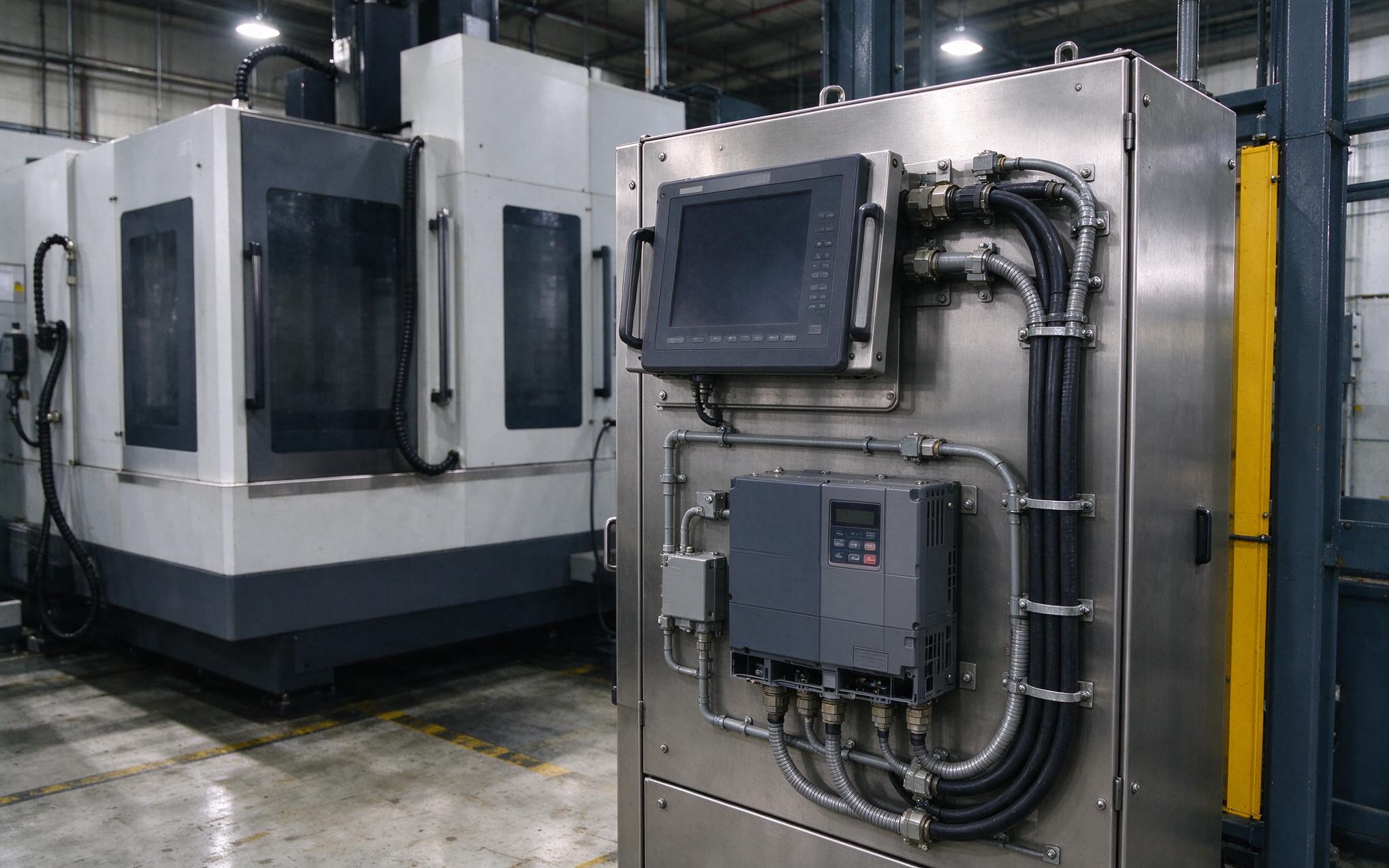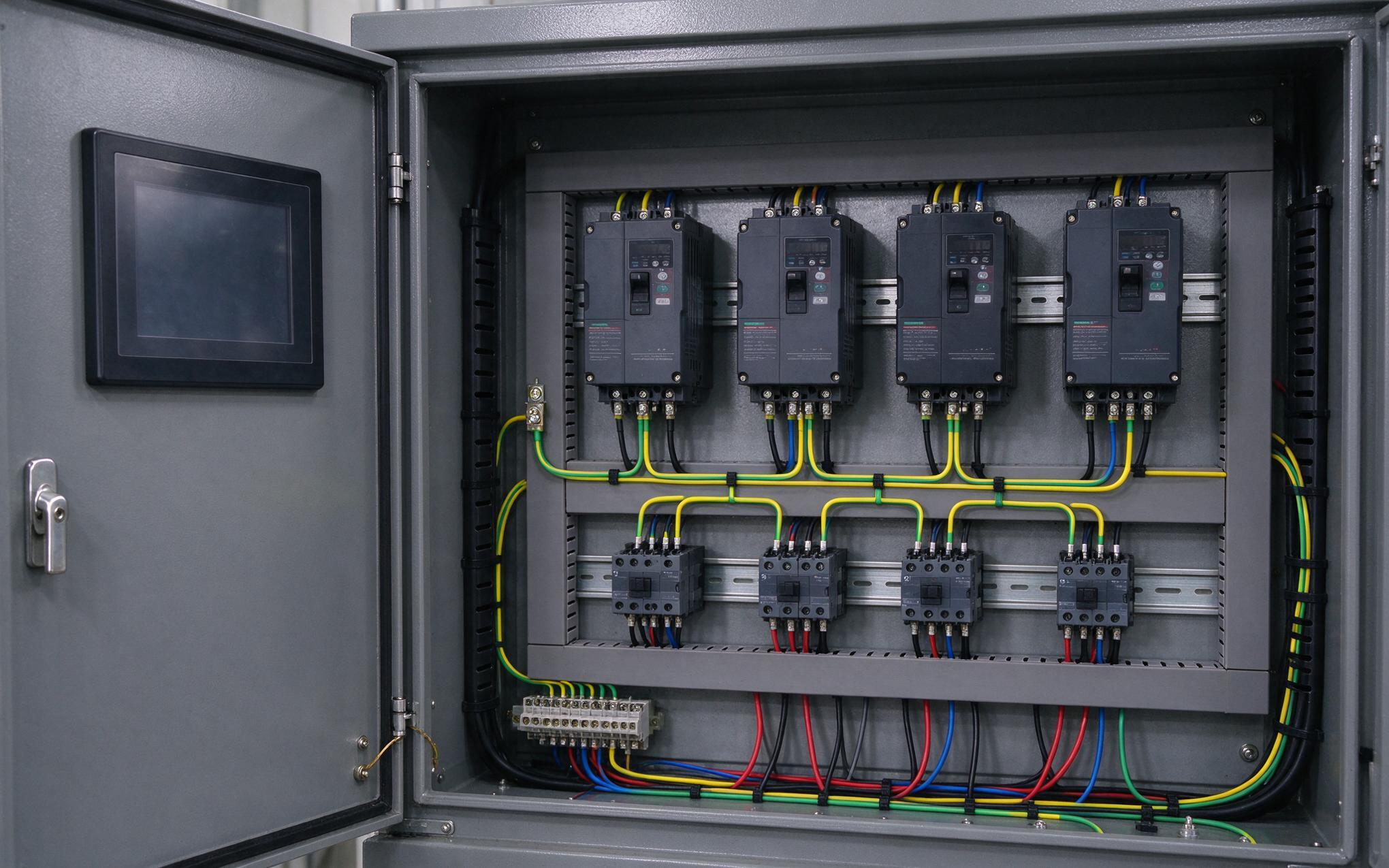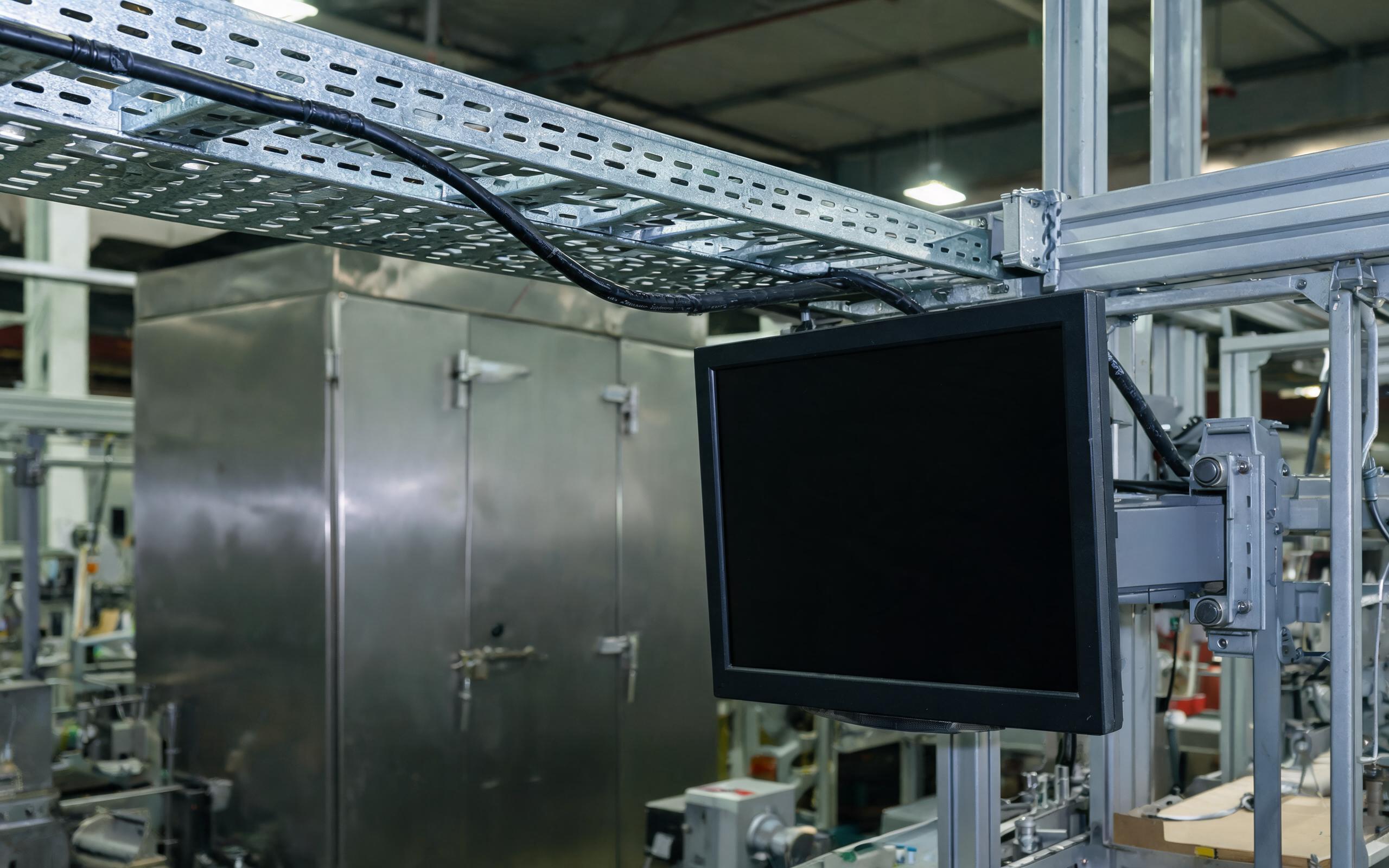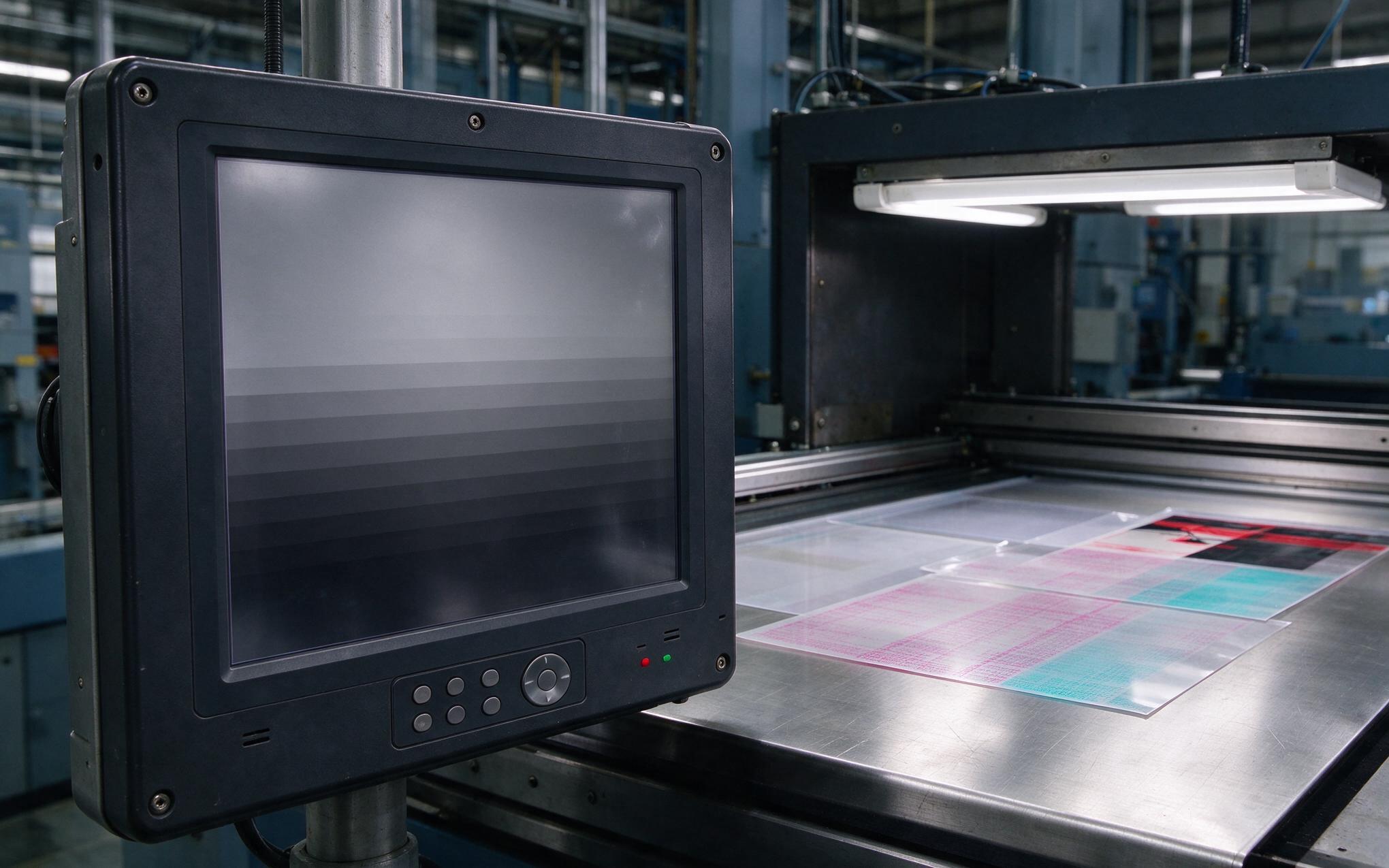
Temperature is the silent adversary in pharmaceutical logistics. A shipment of temperature-sensitive biologics can cross three continents and pass through a dozen handling points, all while the active ingredients remain vulnerable to thermal degradation. When a single excursion outside the validated range can render an entire batch unfit for use, the stakes could not be higher. At the center of modern cold chain monitoring infrastructure sits the industrial panel PC, serving as the human interface for temperature mapping, alarm management, and GxP compliance documentation.
GxP guidelines demand rigorous environmental monitoring wherever pharmaceutical products are stored or handled. Cold storage warehouses, refrigerated loading docks, and ambient distribution areas must maintain documented temperature records with audit trails, alarm thresholds, and corrective action procedures. A KOXIAN temperature-controlled panel PC provides the computing platform that turns raw sensor data into a GxP-compliant monitoring system, built to withstand the same cold, condensation, and cleaning protocols that the facility itself endures.
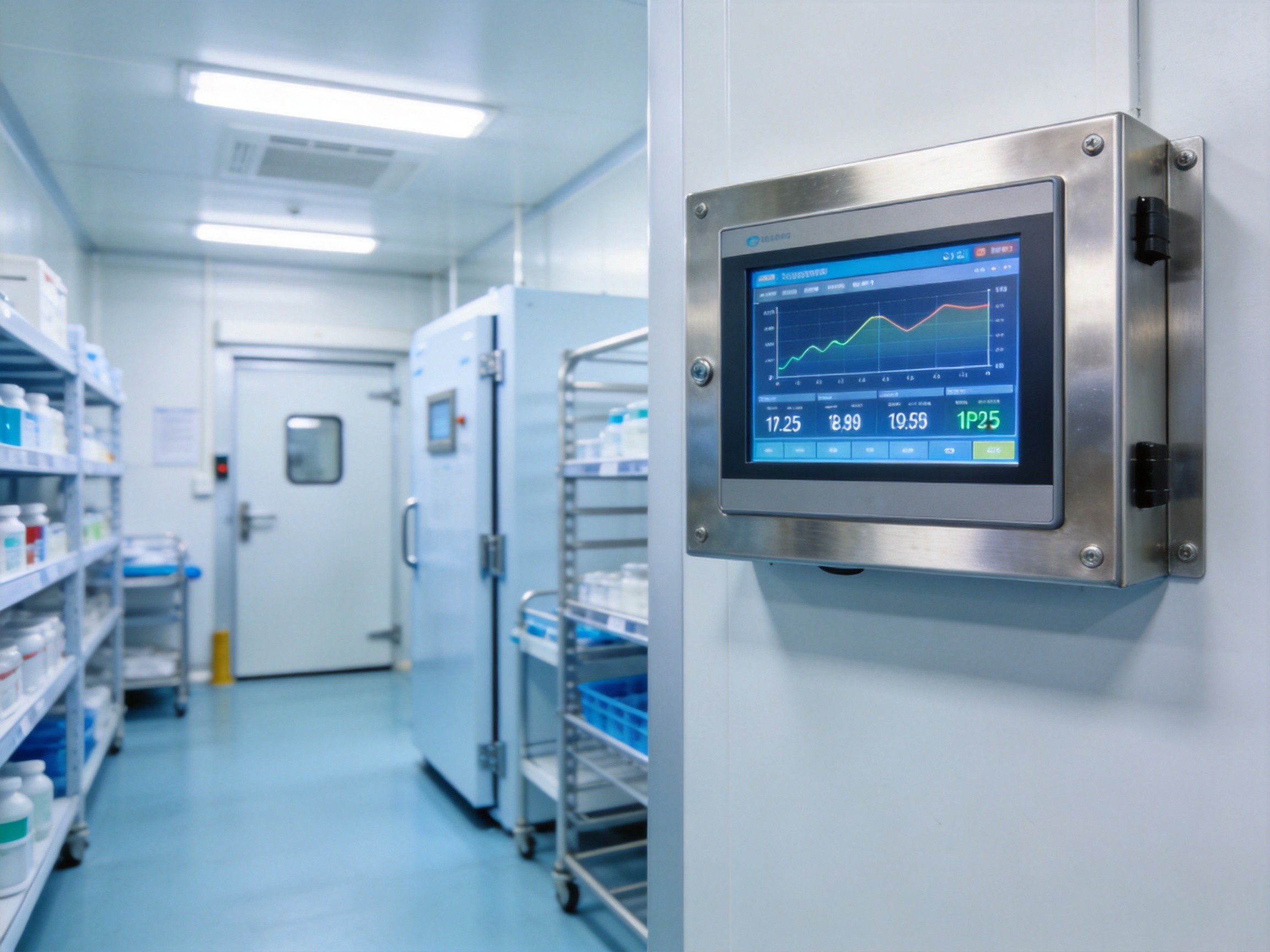
The GxP Monitoring Framework and Why Hardware Matters
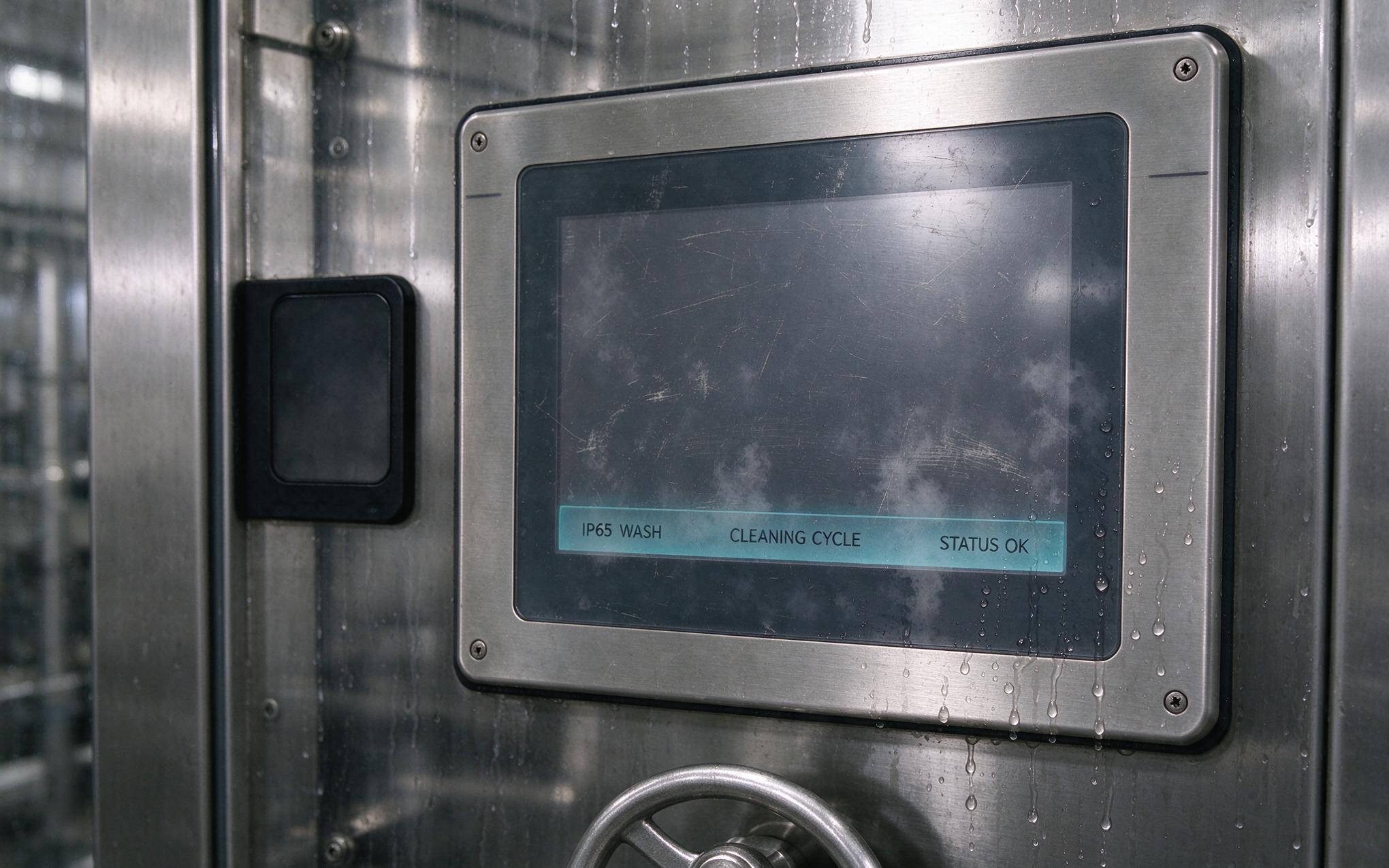
A GxP-compliant monitoring system is only as strong as its weakest component. If the panel PC that operators use to view temperature data, acknowledge alarms, and generate audit reports is not designed for the environment, the entire validation chain is compromised. Condensation from door openings in a 2°C to 8°C cold room can seep into consumer-grade electronics within hours, causing touchscreen failures and corrosion. The hardware must be sealed against moisture, rated for continuous low-temperature operation, and resistant to pharmaceutical cleaning agents. Stainless steel enclosures with IP65 ratings are the baseline. Beyond physical resilience, the panel PC must support 21 CFR Part 11-compliant electronic signatures, secure user authentication, and tamper-evident audit trails that survive regulatory inspection.
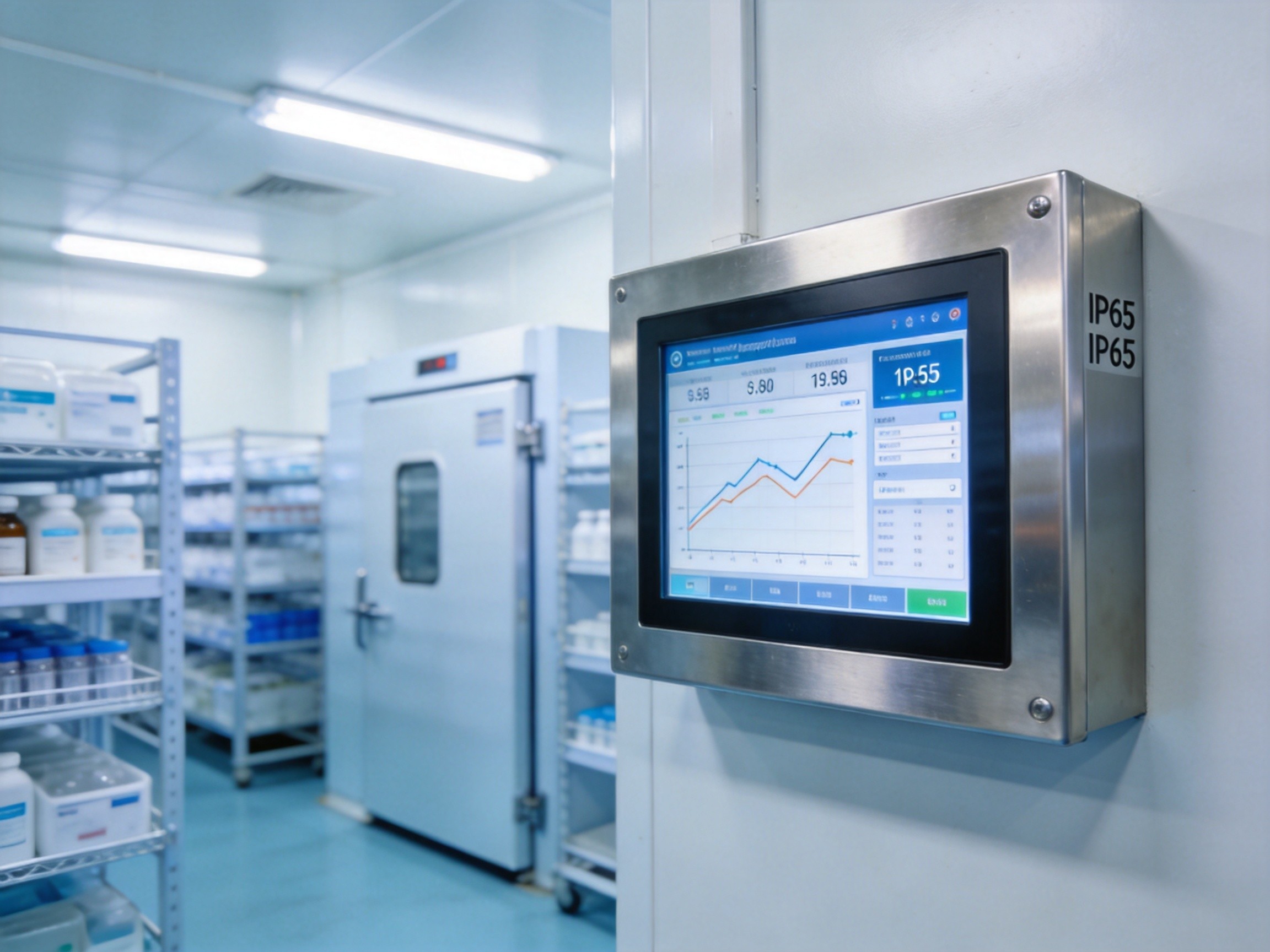
Temperature Mapping and the Role of Edge Computing
Temperature mapping validates a cold storage environment by placing calibrated sensors throughout the space and recording distribution under normal and worst-case conditions. Historically, this data was collected by standalone loggers and analyzed days later. Today, a KOXIAN panel PC with edge computing capability ingests sensor data directly, performs real-time thermal modeling, and alerts operators to developing excursions before they breach validated limits. This shift from reactive to proactive monitoring separates a regulatory checkbox exercise from a genuine quality assurance system. The panel PC becomes the central nervous system, correlating data from wired probes, wireless sensors, and the facility’s building management system into a unified view.
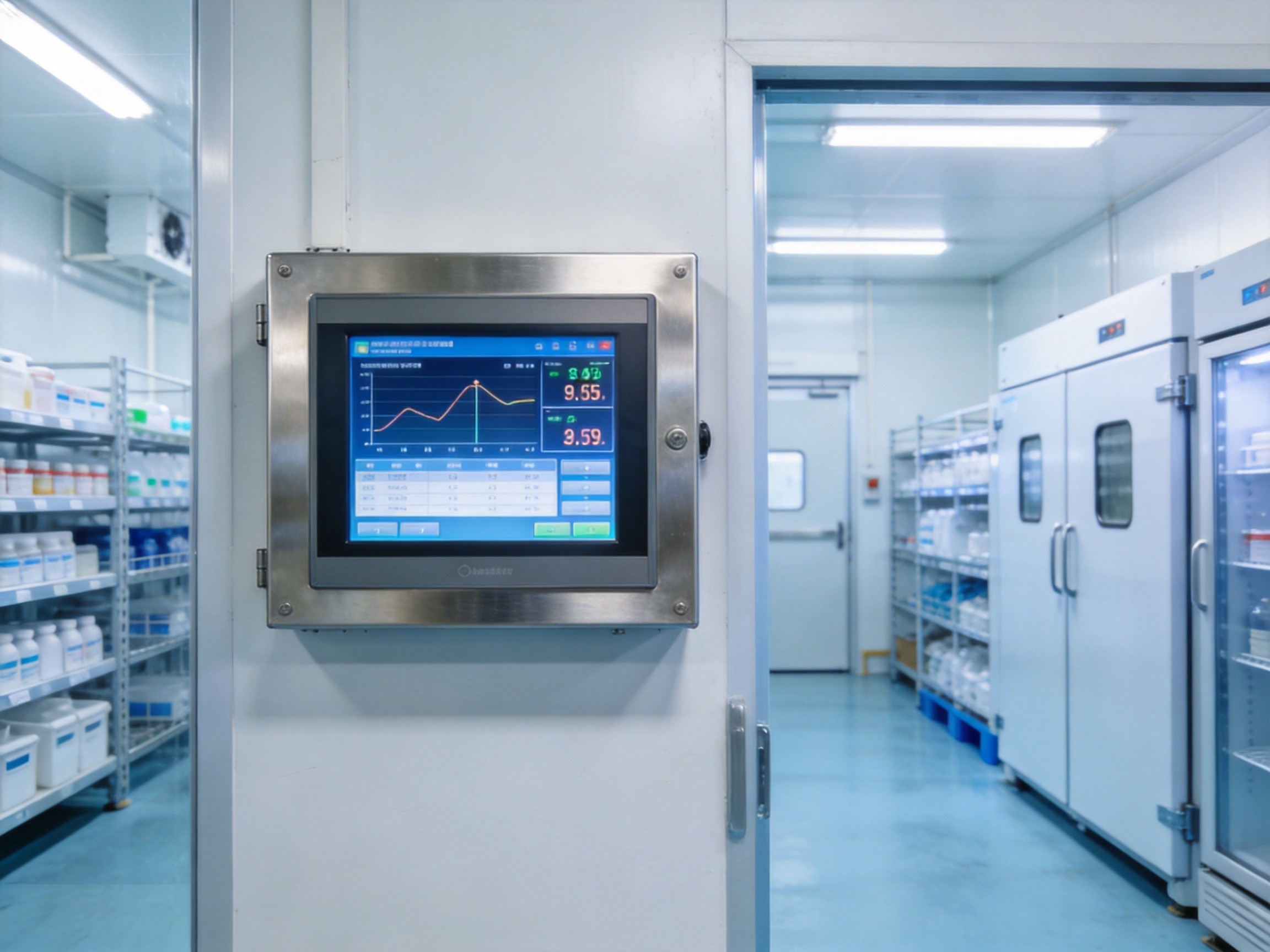
Refrigerated Warehousing: Beyond the Cold Room
The cold chain does not end at the cold room door. Refrigerated loading docks, where pallets transition between cold storage and refrigerated trucks, are among the most challenging environments in pharmaceutical logistics. The dock sits at the boundary between ambient and cold zones, subjecting equipment to thermal shock, condensation, and rapid temperature cycling. A panel PC mounted at the dock must remain operational as the environment swings from humid summer heat to near-freezing conditions within minutes. It must also support critical handoff workflows: scanning barcodes, verifying temperature logger data, printing compliance labels, and capturing electronic signatures. When the hardware fails at this boundary, documentation gaps can delay shipments, trigger regulatory queries, and force product quarantine pending verification.
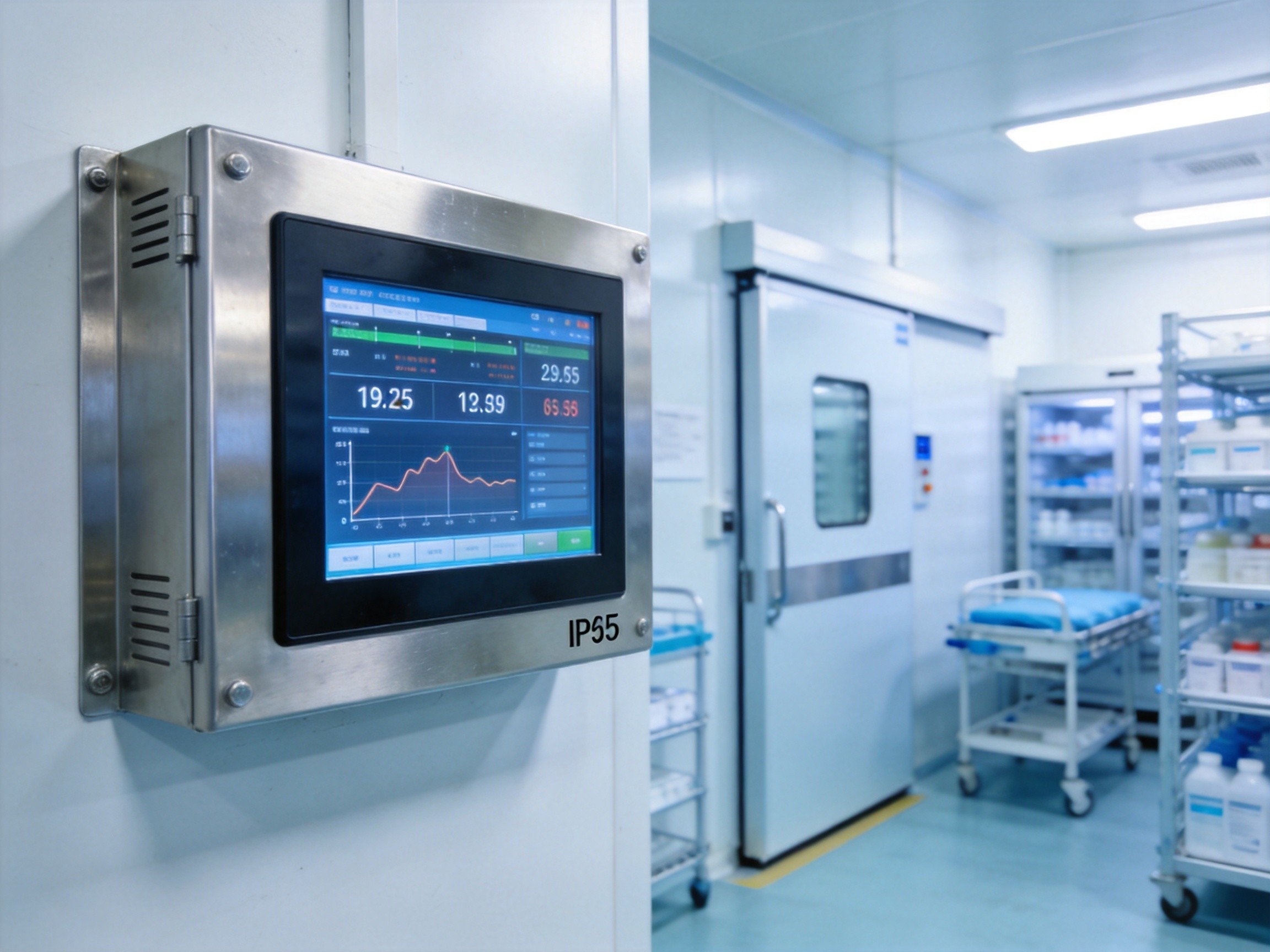
Building a Validated System That Survives an Audit
Regulatory auditors do not simply check that temperatures were recorded. They examine the entire system: sensor calibration, alarm threshold justification, access controls, and self-diagnostic capabilities. A validated monitoring system must include documented installation qualification, operational qualification, and performance qualification protocols. The hardware must be part of this validation package, with specifications for operating temperature range, ingress protection, and electromagnetic compatibility verified against actual deployment conditions. Selecting a panel PC platform with pharmaceutical deployment experience and proper documentation accelerates validation and reduces regulatory risk. In an industry where compliance standing directly affects market access, the cost of choosing the right hardware is trivial compared to the cost of a failed audit.
Pharmaceutical cold chain monitoring is a discipline where reliability is not negotiable. The panel PC that sits at the intersection of operators, sensors, and regulatory requirements must deliver the same level of dependability as the refrigerated storage systems it monitors. When the hardware is built for the environment, the software is designed for compliance, and the validation documentation is complete, the result is a monitoring system that protects both product integrity and regulatory standing, shipment after shipment, audit after audit.