An engineer specifying a sunlight readable industrial monitor for a desert solar farm faces a fundamentally different set of thermal challenges than one deploying the same class of display on a coastal oil terminal. Desert sites combine extreme ambient temperatures with relentless solar radiation, while coastal installations pit the hardware against salt-laden air and persistent humidity. Understanding how these two environments stress outdoor displays—and the design rules that govern reliable operation in each—is essential for any procurement decision involving these displays beyond the controlled factory floor.

Solar Radiation and Ambient Heat in Desert Deployments
Desert environments present the most severe thermal challenge for any sunlight readable industrial monitor. Ambient air temperatures regularly exceed 45°C, and direct solar irradiance on the display face can add 800 to 1,000 watts per square meter of additional heat load. The combination pushes internal chassis temperatures well beyond what indoor-rated hardware can sustain, and the backlight LED junction temperature climbs rapidly under these conditions.
The critical design rule for desert deployment is thermal headroom. The monitor’s passive cooling system must be sized not for the average daily temperature but for the peak afternoon load. In practical terms, this means the enclosure thermal resistance should be low enough to maintain internal temperatures within 15°C of ambient at maximum backlight output. Systems incorporating KOXIAN outdoor display architectures demonstrate this margin through multi-zone thermal mapping, which validates that no single component exceeds its rated junction temperature under worst-case desert solar loading.

Salt Air and Humidity Challenges in Coastal Installations
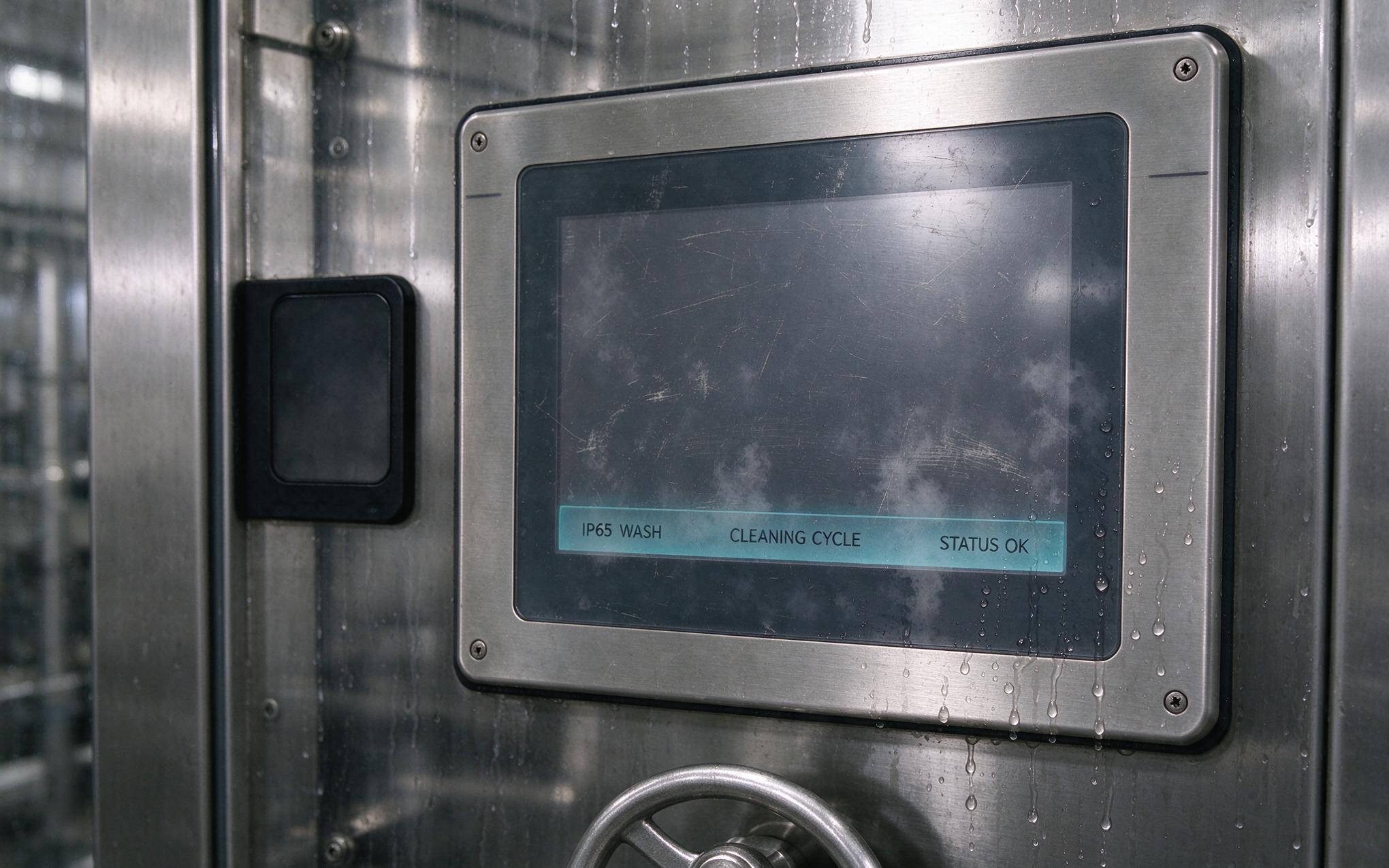
Coastal sites introduce a different failure mode. Salt aerosol carried by onshore winds deposits on enclosure surfaces and penetrates imperfect seals over time. The chloride ions accelerate corrosion on aluminum and steel components, and moisture ingress can cause condensation on the display panel’s internal optical layers. Unlike desert heat, which degrades brightness gradually through LED thermal stress, salt damage can cause sudden failures when corrosion compromises electrical connections or clouding of the optical bonding layer reduces contrast.
The engineering rule for coastal deployment is enclosure integrity under sustained chemical exposure. IP65 sealing alone is necessary but not sufficient—the enclosure materials and surface treatments must also resist salt corrosion. Field observations from port installations show that hardware configurations utilizing KOXIAN marine-grade enclosure designs maintain display clarity after five years of continuous salt air exposure. Standard powder-coated enclosures, by comparison, show visible corrosion within eighteen months under the same conditions.

Enclosure Material and Cooling Rules for Extreme Environments
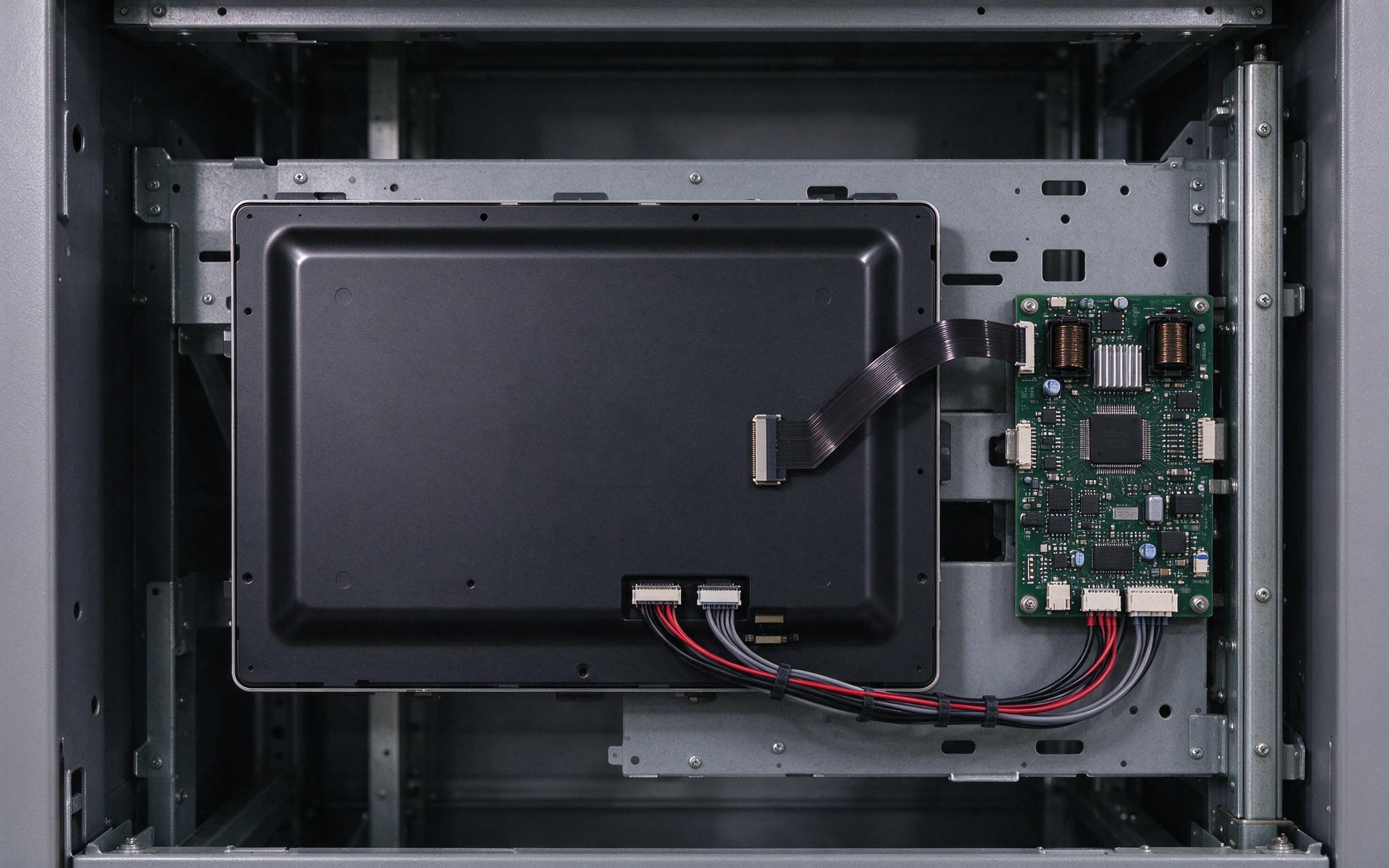
The enclosure is the primary interface between the display electronics and the harsh external environment, and its material selection directly determines both thermal performance and corrosion resistance. Aluminum alloy with anodized or marine-grade coating provides an optimal balance of thermal conductivity and salt resistance. The enclosure wall thickness, fin geometry, and internal thermal interface materials all contribute to the overall thermal resistance path.
When selecting a sunlight readable industrial monitor for extreme environments, design approaches like those adopted in KOXIAN outdoor display platforms incorporate dual-rated enclosure testing. This validates thermal performance at 55°C ambient while simultaneously exposing the enclosure to salt spray per IEC 60068-2-52. The dual validation ensures the monitor will perform reliably whether deployed in a desert processing plant or a coastal loading dock, without requiring site-specific hardware variants.

Site Assessment and Specification Validation for Outdoor Displays
Before committing to a specific sunlight readable industrial monitor, engineers should conduct a structured site assessment that captures the actual environmental conditions the display will face. This assessment should record peak and average ambient temperatures, direct solar irradiance levels, prevailing wind patterns, proximity to salt water or chemical processing, and the expected duty cycle of the display.
The specification validation process should then cross-reference these site conditions against the monitor’s thermal derating curve, enclosure corrosion rating, and IP sealing class. Two monitors with identical nits ratings may have very different real-world performance if one was validated under desert conditions and the other under temperate laboratory conditions. Requesting the full environmental test reports—not just the summary specifications—gives engineers the data needed to make a reliable selection.
Whether the deployment site is a sun-scorched desert facility or a salt-sprayed coastal terminal, the engineering rules remain consistent: validate thermal headroom against peak conditions, verify enclosure materials against the specific corrosive agents present, and insist on environmental test data that matches the actual deployment scenario. A sunlight readable industrial monitor that passes these checks will deliver consistent performance regardless of how demanding the outdoor environment proves to be.