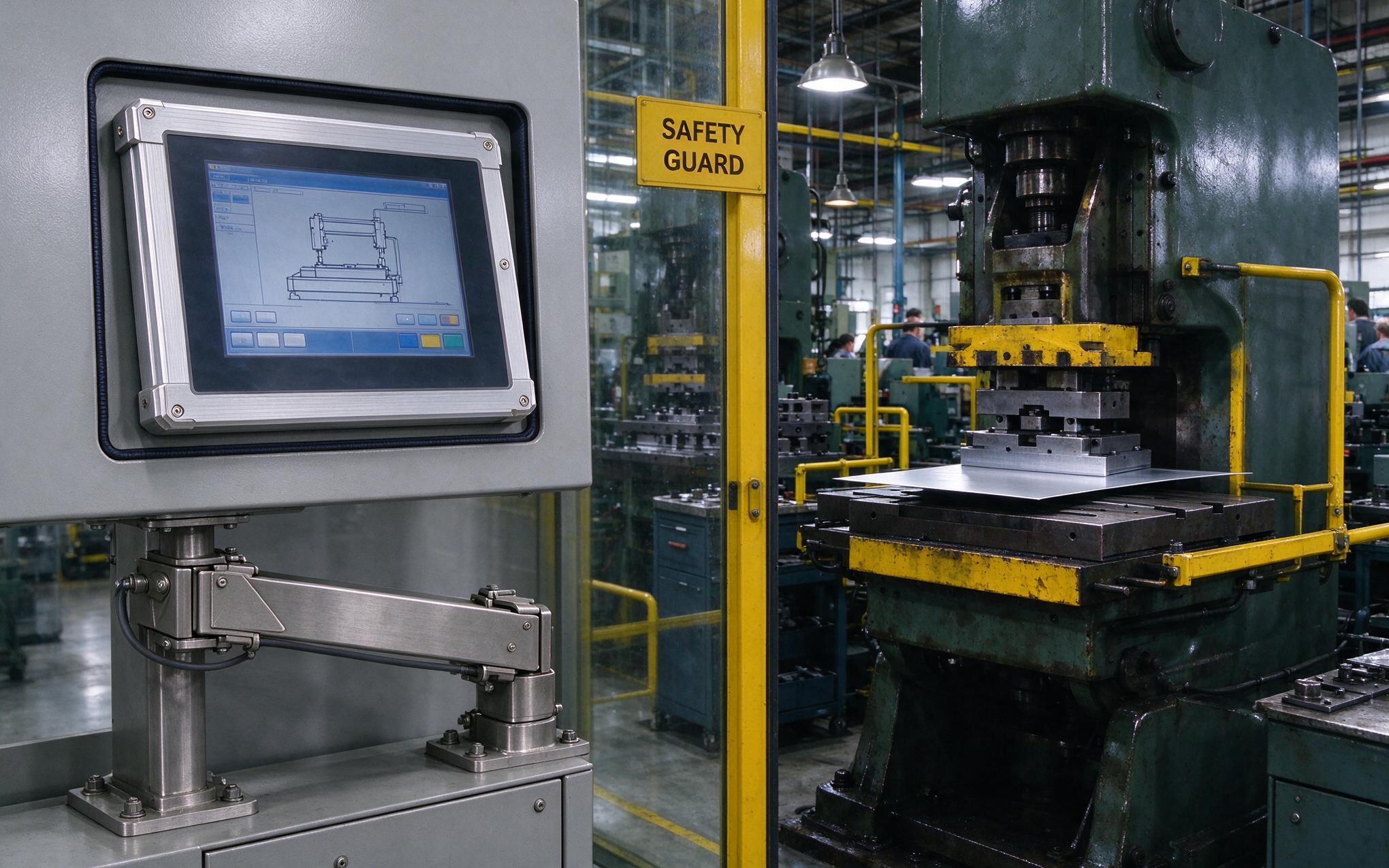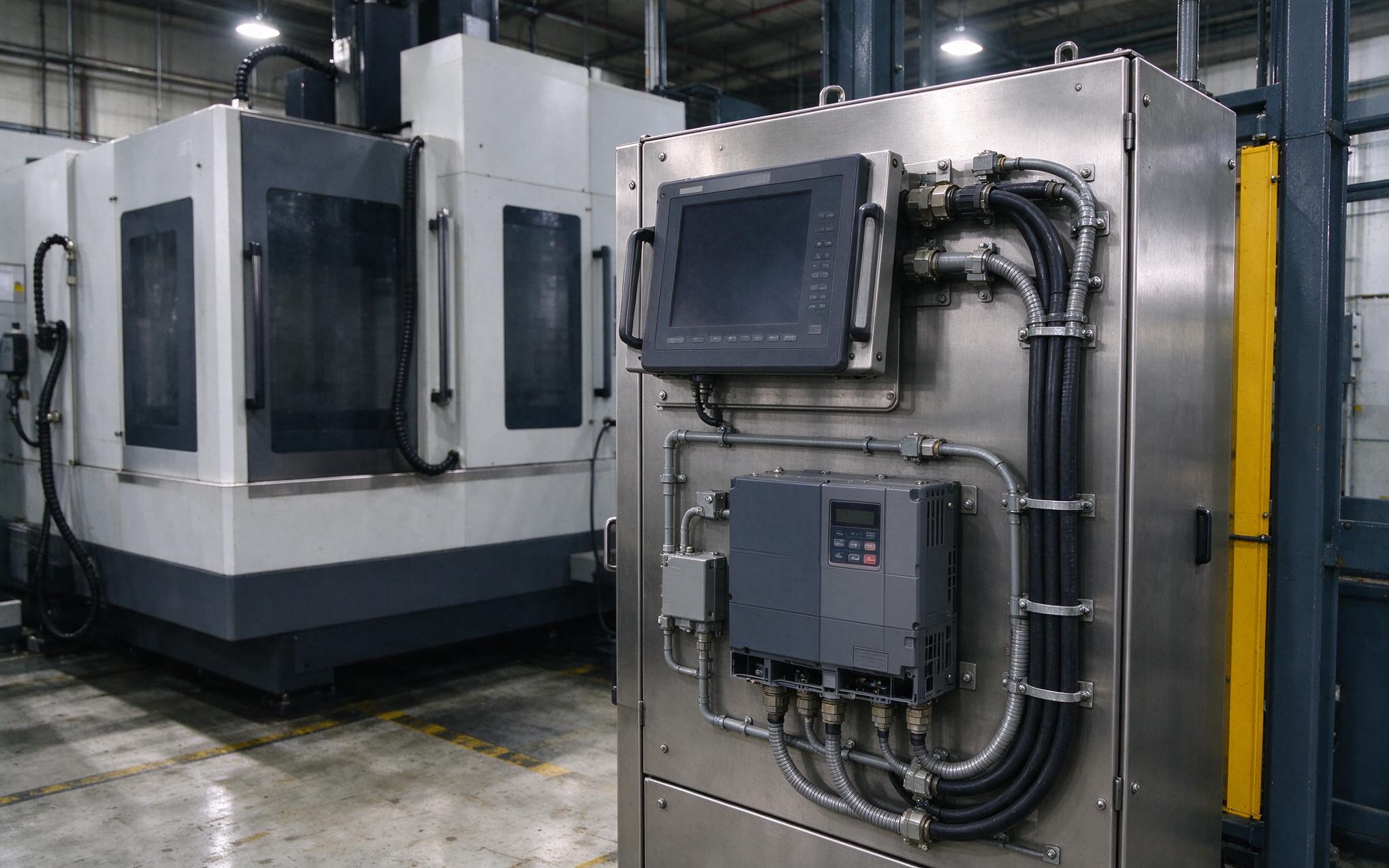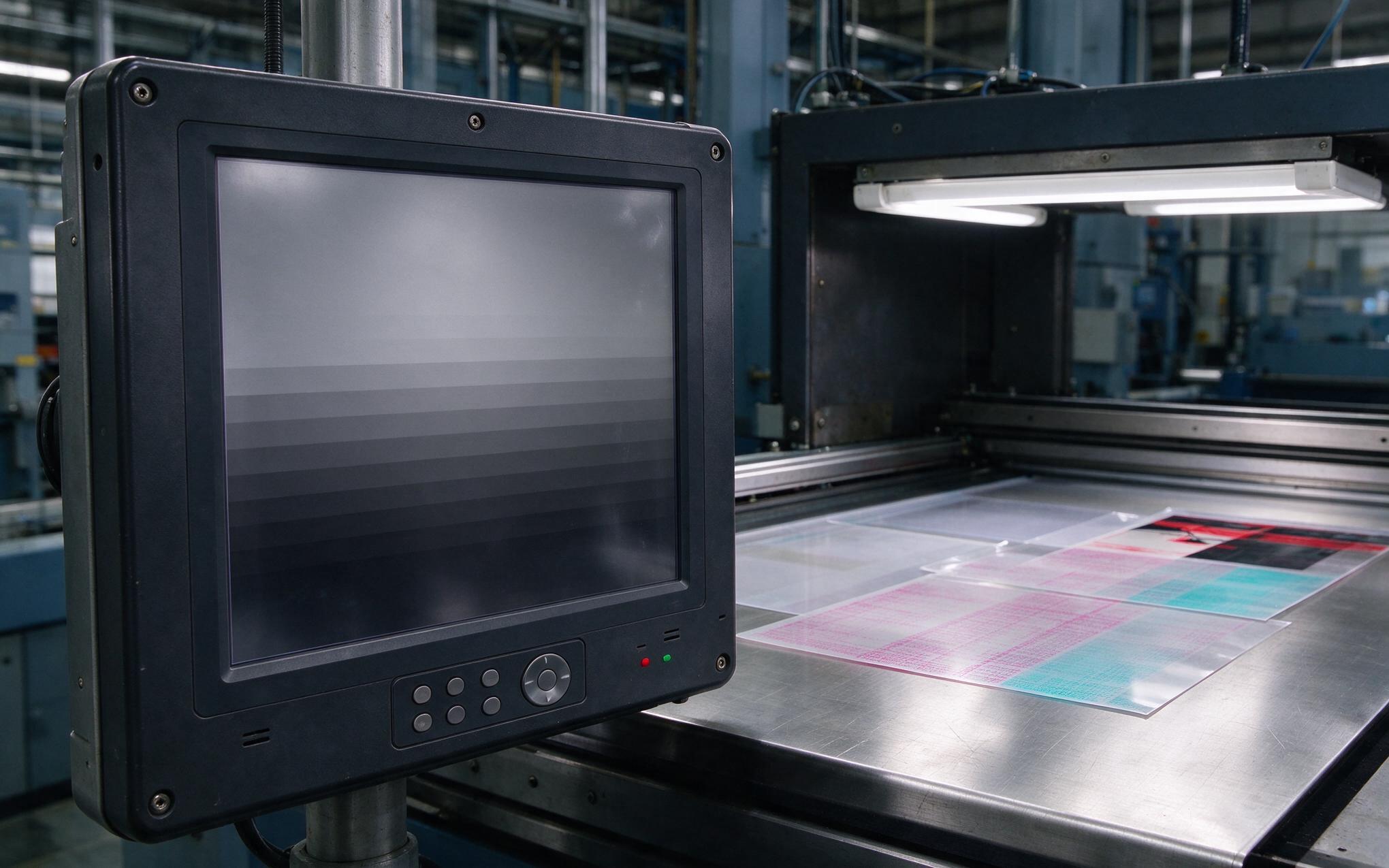
A steel processing plant replaces its fifteenth failed control terminal in six months. The active-cooled all-in-one units along the rolling mill line keep succumbing to the same combination of airborne metal dust, ambient temperatures above 45 degrees Celsius, and vibration from nearby machinery. Fanless industrial all-in-one PCs offer an alternative by eliminating the mechanical fan entirely, but their survival depends on how well the thermal architecture manages heat through the chassis itself. When the fan disappears, every design decision from alloy selection to gasket material determines whether the unit lasts two years or ten.

Building the Thermal Path From Die to Chassis
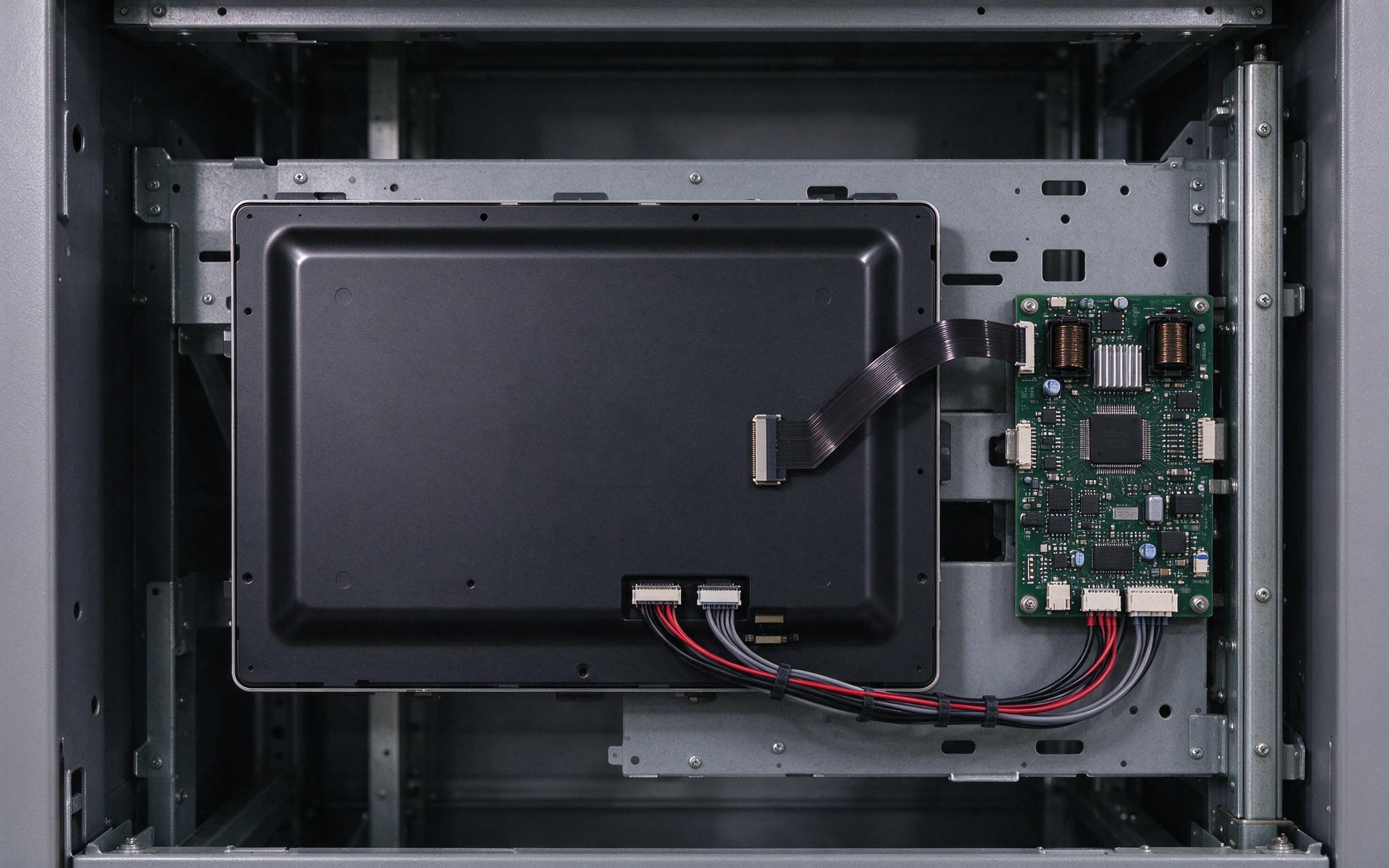
In a fanless panel PC, heat travels a fixed route: from the processor die through a thermal interface material to a copper or aluminum spreader plate, then through heat pipes or direct conduction to the outer chassis walls, and finally into the surrounding air via natural conduction and convection. Each junction adds thermal resistance, and the cumulative effect determines the maximum ambient temperature at which the system can operate without throttling. Aluminum alloys such as 6063 offer thermal conductivity between 160 and 200 watts per meter-kelvin while remaining light enough for arm-mounted or wall-mounted installations. For a compact all-in-one with a 25-watt TDP processor at 50 degrees Celsius ambient, the total junction-to-air resistance must stay below 1.4 degrees Celsius per watt, a threshold that drives material selection decisions across the KOXIAN product range. The TIM alone consumes 0.3 to 0.8 of that budget, the spreader plate adds 0.1 to 0.3, and the chassis-to-air contribution takes 0.5 to 1.0 depending on fin geometry. Manufacturers like KOXIAN optimize this chain through CNC-machined chassis surfaces that minimize initial TIM contact resistance, extending the thermal path lifespan across years of continuous operation.

IP65 Sealing and Its Thermal Trade-offs
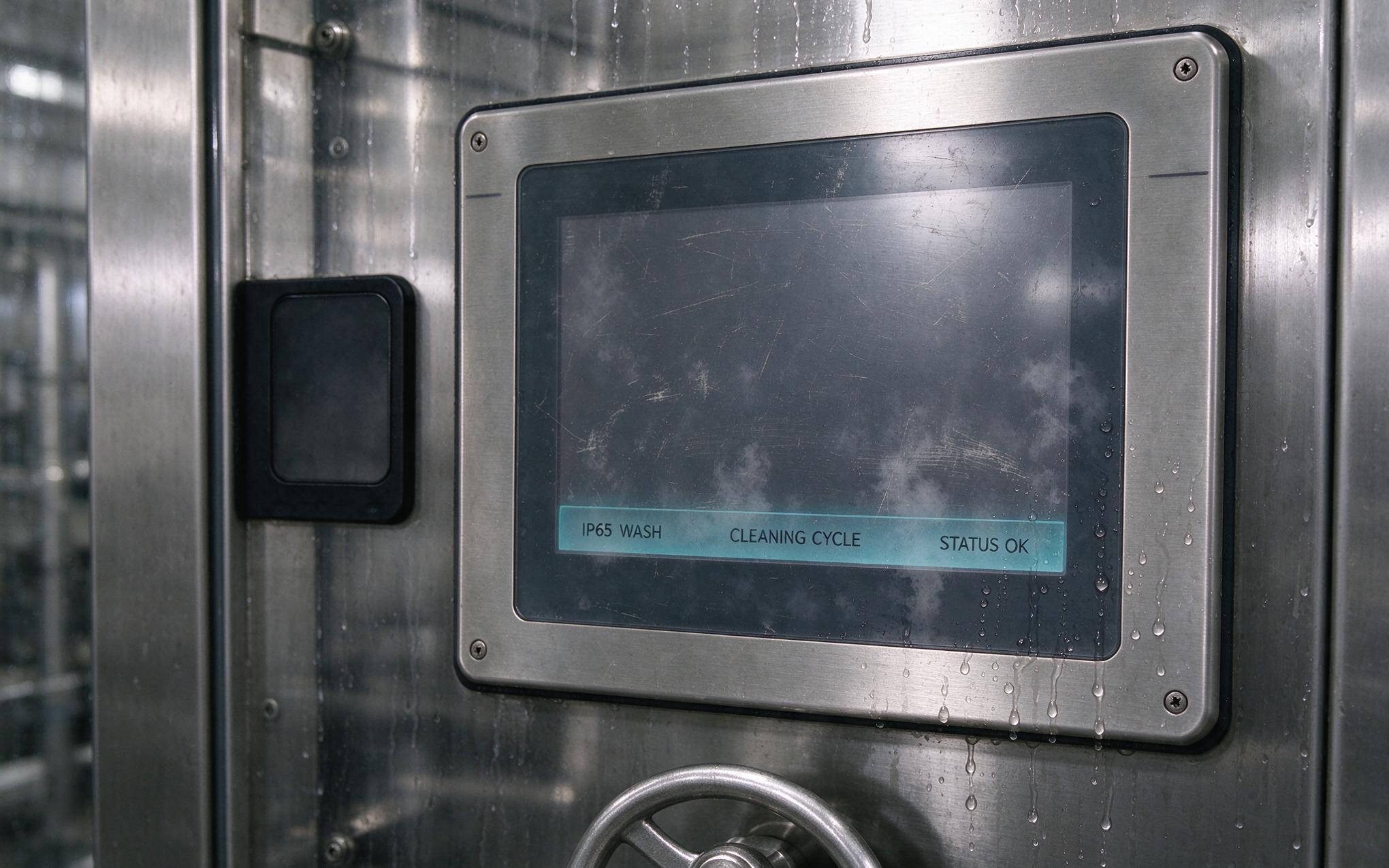
Achieving IP65 ingress protection while maintaining adequate thermal paths creates a fundamental tension in fanless industrial all-in-one PC design. A fully sealed enclosure blocks the convective airflow that would otherwise assist heat dissipation, forcing the entire thermal load onto conduction through the chassis walls. The front panel typically achieves IP65 through a compression gasket between the display assembly and enclosure frame, while rear ports use sealed connectors with rubber grommets. Optical bonding between the LCD and touch sensor eliminates an internal air gap that could trap moisture, but it also removes a thin insulating layer that would slow heat transfer from the backlight to the front surface. In washdown zones and chemical processing areas, thermal cycling repeatedly expands and contracts gasket materials. Silicone gaskets maintain flexibility across wider temperature ranges than nitrile alternatives, but they compress more readily under sustained clamping loads, potentially creating leak paths after years of cycling. Corrosion at connector interfaces represents another failure mode that IP65 certification alone does not address, requiring stainless steel or nickel-plated shells and conformal coating on exposed PCB edges.

Compact Form Factor Thermal Constraints
The all-in-one configuration places unique demands on fanless thermal design because the display, compute module, and power supply share a single compact enclosure with limited surface area. All-in-one architectures address this constraint by integrating the compute module directly behind the display panel, reducing the thermal path length between heat-generating components and the chassis surface. A 15.6-inch display with 1000-nit brightness generates approximately 15 to 20 watts of heat from the LED backlight alone, adding directly to the passive cooling load. Dense mounting configurations compound the problem: when multiple fanless units sit side by side in a control cabinet, each unit’s convective dissipation is partially blocked by its neighbors, creating localized thermal islands where ambient temperatures exceed the surrounding environment by 5 to 10 degrees Celsius. System integrators must derate the published ambient specification by 10 to 15 degrees Celsius for tightly packed installations, and thermal engineering standard practices recommend additional margin for enclosed cabinet deployments. Over a five-to-ten-year deployment, TIM degradation through pump-out or drying increases processor-to-chassis thermal resistance in any fanless industrial all-in-one PC, and in a system without active cooling backup, even modest degradation pushes junction temperatures past the throttling threshold. These constraints make chassis material selection and fin geometry optimization critical design variables in fanless industrial all-in-one PC architectures rather than secondary considerations.