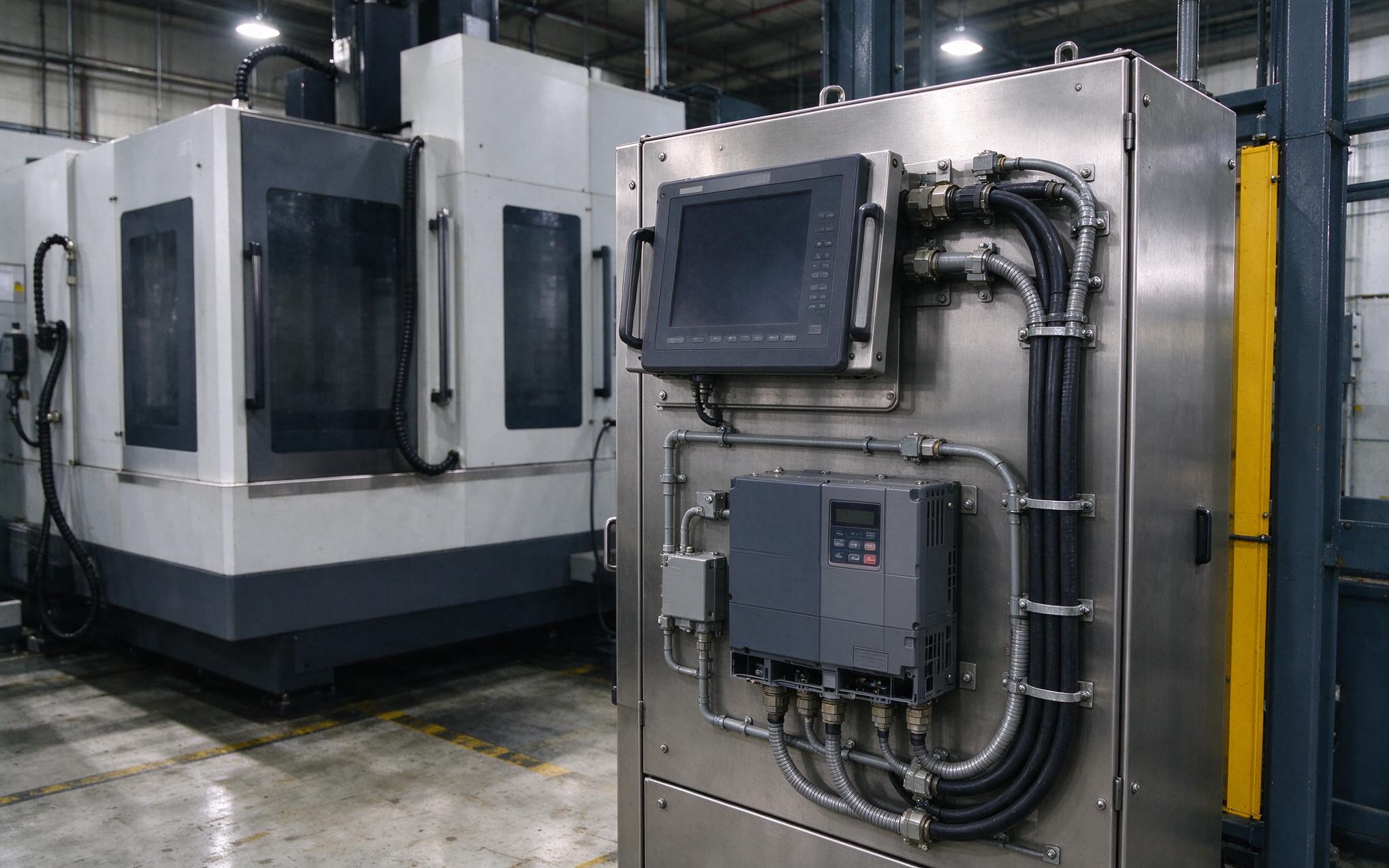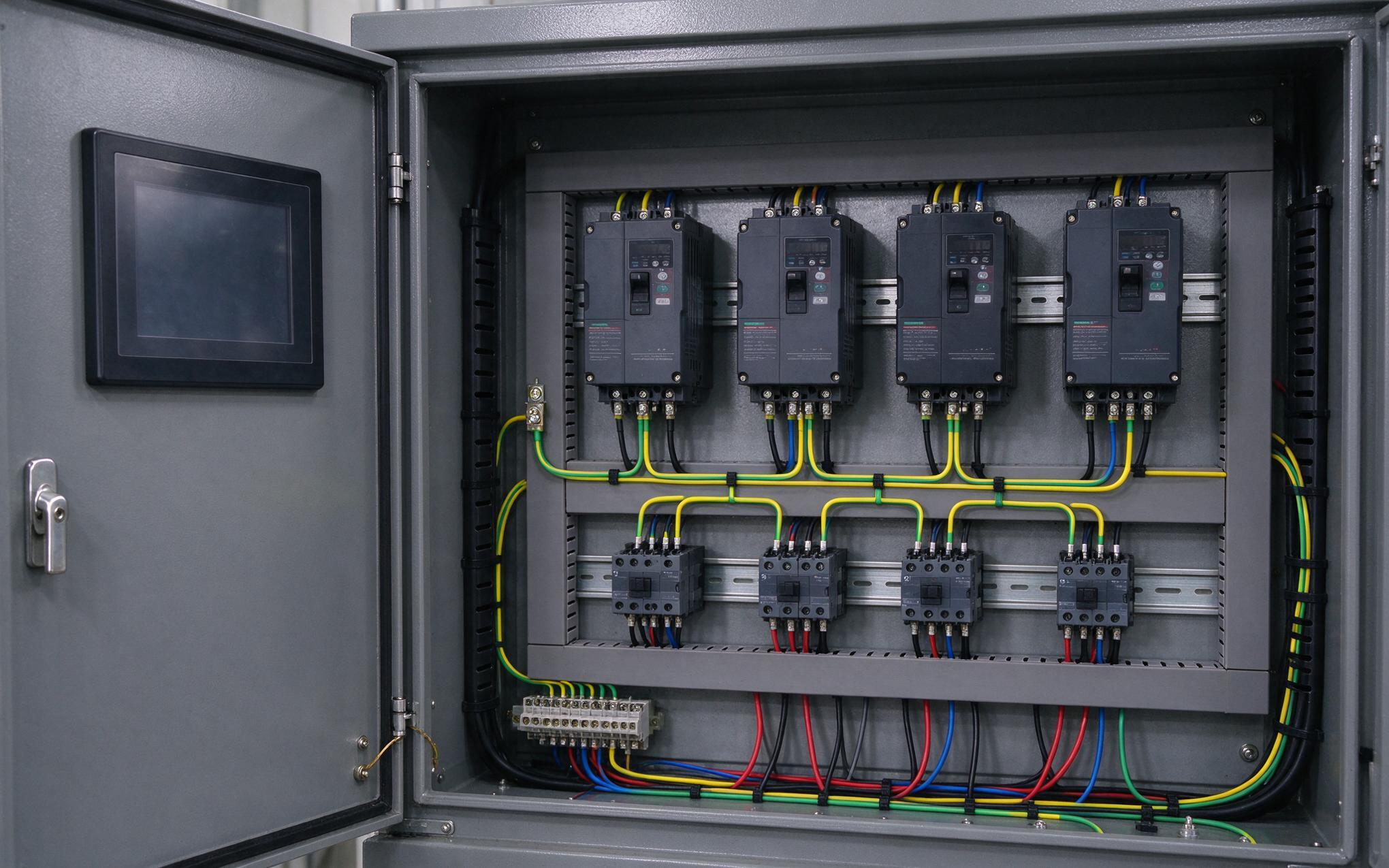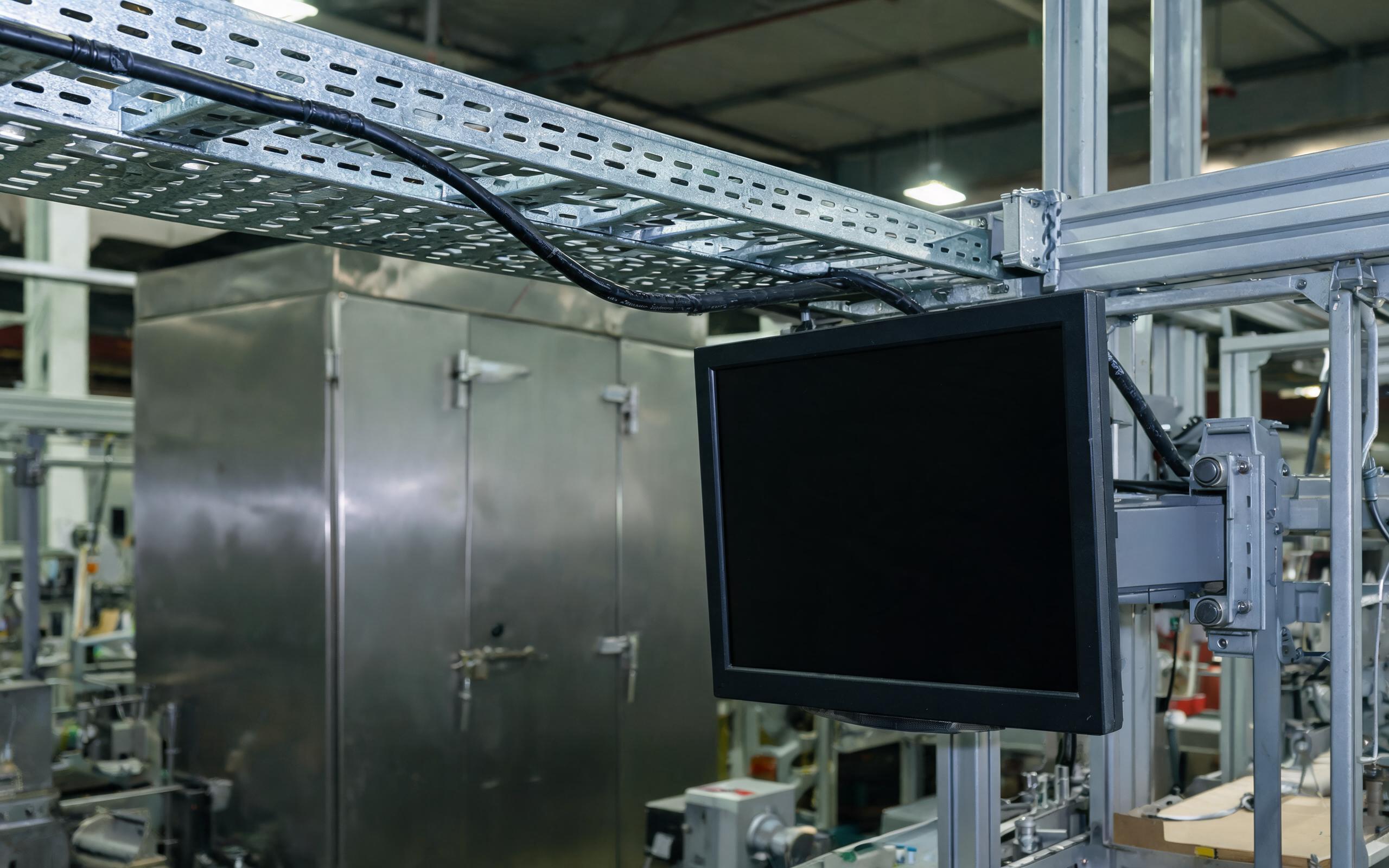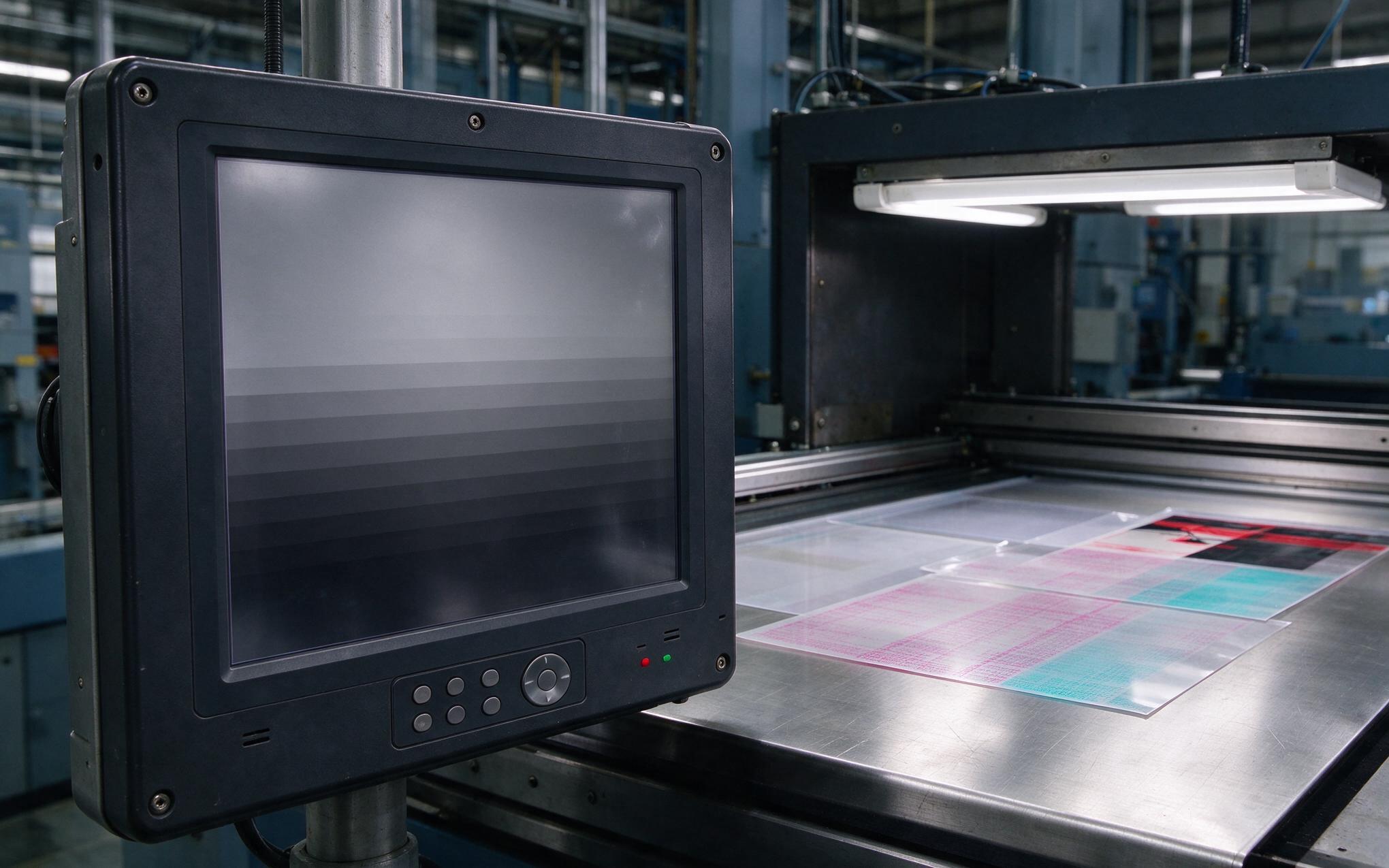
The global industrial PC OEM ODM market is expanding rapidly, with projections placing it above USD 18 billion by 2030. Factory floors running legacy equipment and automated assembly cells rarely match the specifications of mass-produced industrial PCs. An off-the-shelf unit may cover the processor and memory requirements, but interface layout, enclosure dimensions, and thermal management rarely align with a specific production cell or retrofit project. This mismatch drives procurement teams toward industrial PC OEM ODM partnerships, where hardware configuration, I/O selection, and mechanical design are shaped by the actual deployment environment rather than a generic product catalog.

Understanding the OEM ODM Manufacturing Process
Building an industrial PC under an OEM or ODM arrangement follows a structured engineering sequence rather than a simple branding exercise. The process begins with requirement definition, where the customer specifies operating temperature range, ingress protection targets, interface protocols, and mechanical footprint for the platform. Engineering teams then produce thermal simulation reports, PCB layouts, and 3D enclosure models for review.
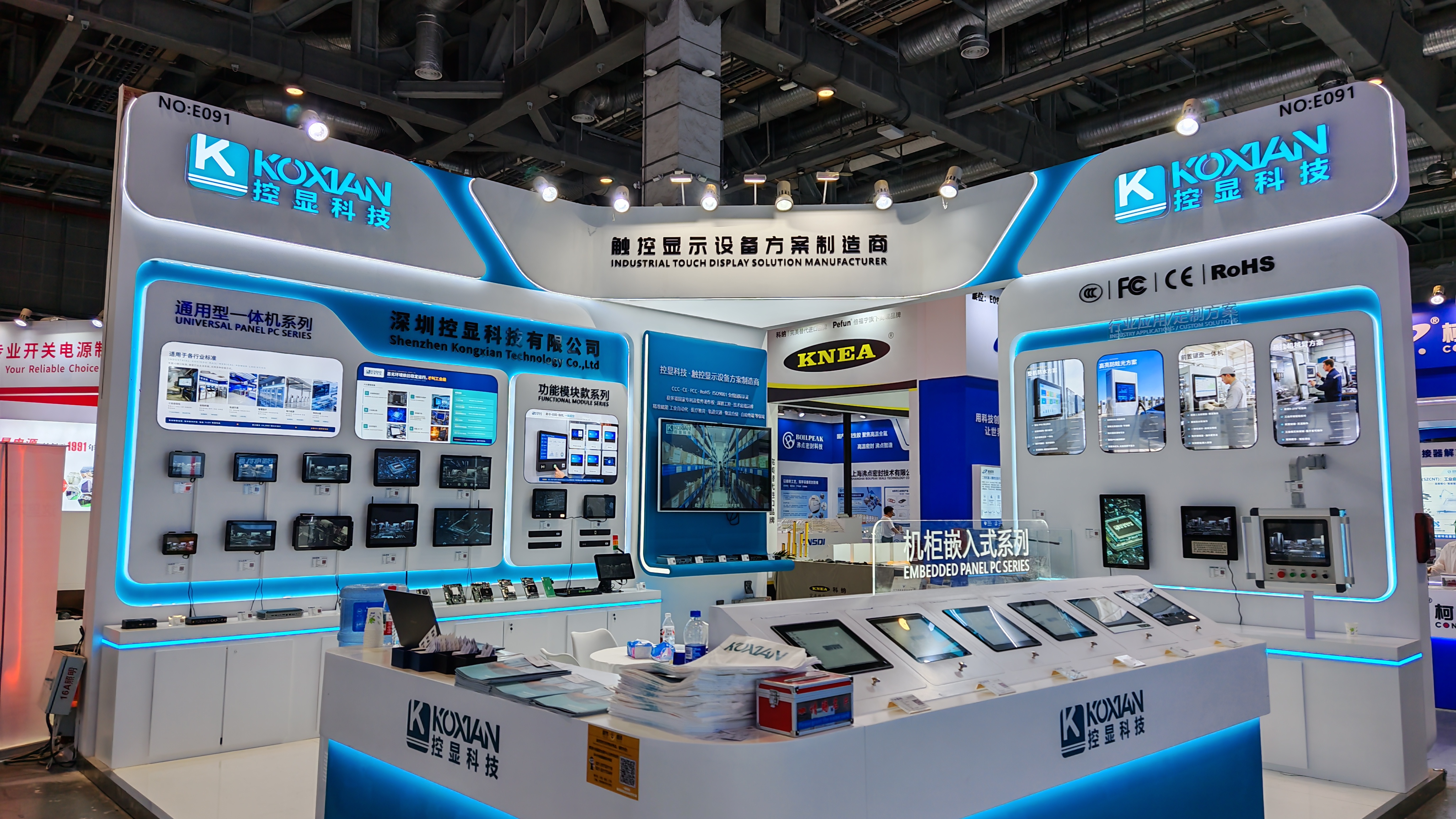
During prototype validation, three to five engineering samples undergo 72-hour burn-in testing under thermal cycling and vibration conditions. Key metrics include cold-start reliability at minus 20 degrees Celsius, touch response latency under gloved operation, and communication stability across serial and Ethernet interfaces. Once prototypes pass acceptance criteria, pilot production runs of 50 to 100 units verify assembly consistency before full-scale manufacturing begins. Manufacturers like KOXIAN have documented this phased validation approach as standard practice, reducing field failure rates in demanding factory environments.

Customization Axes for Industrial Deployments
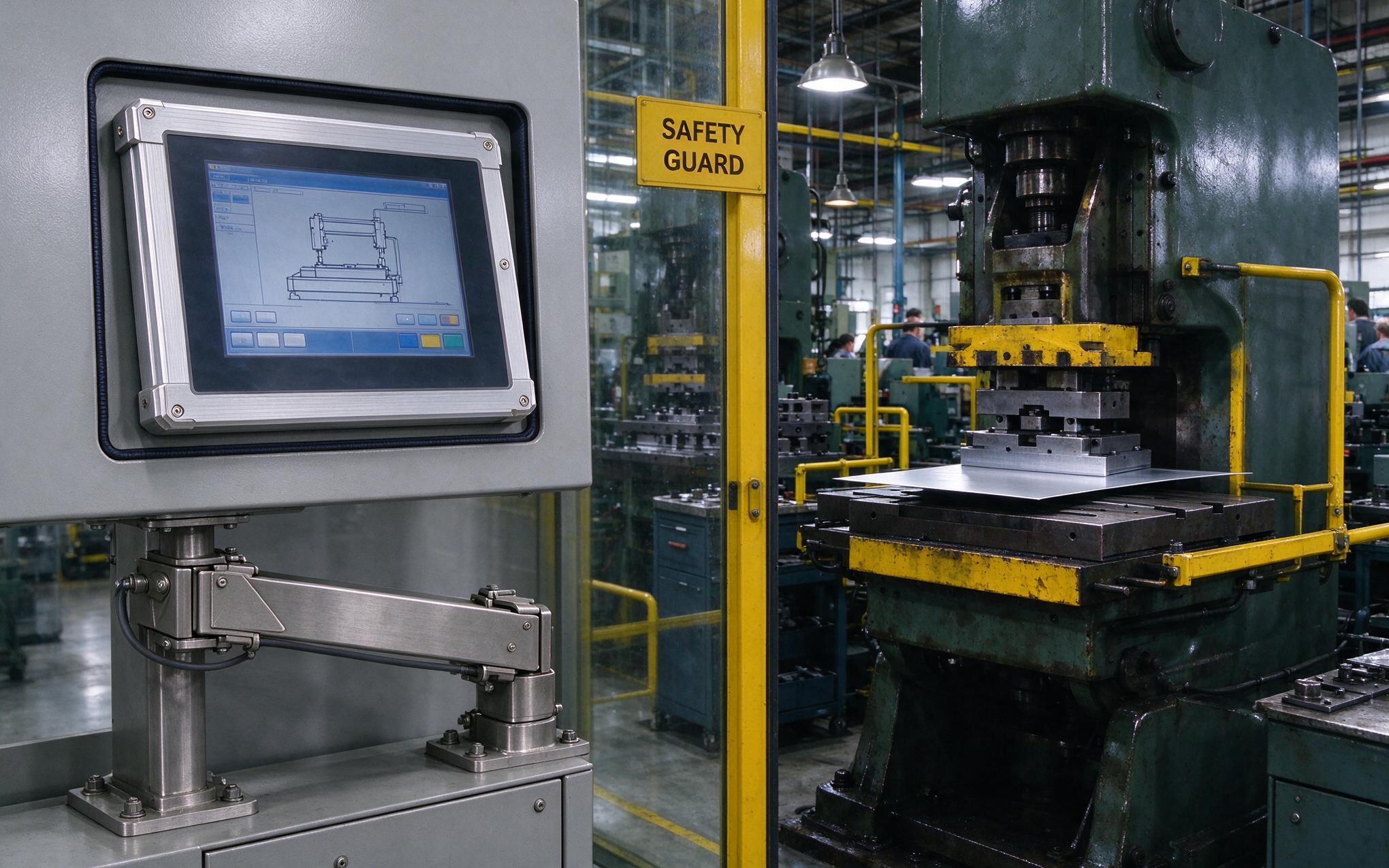
Customization decisions cluster around four engineering dimensions that directly affect deployment reliability. Thermal architecture determines whether a fanless aluminum chassis with passive heat pipes suits the environment, or whether filtered active cooling is necessary for higher-wattage processors. I/O interface configuration addresses connectivity demands ranging from legacy RS-232 serial ports for CNC controllers to dual Gigabit Ethernet for redundant network topologies.
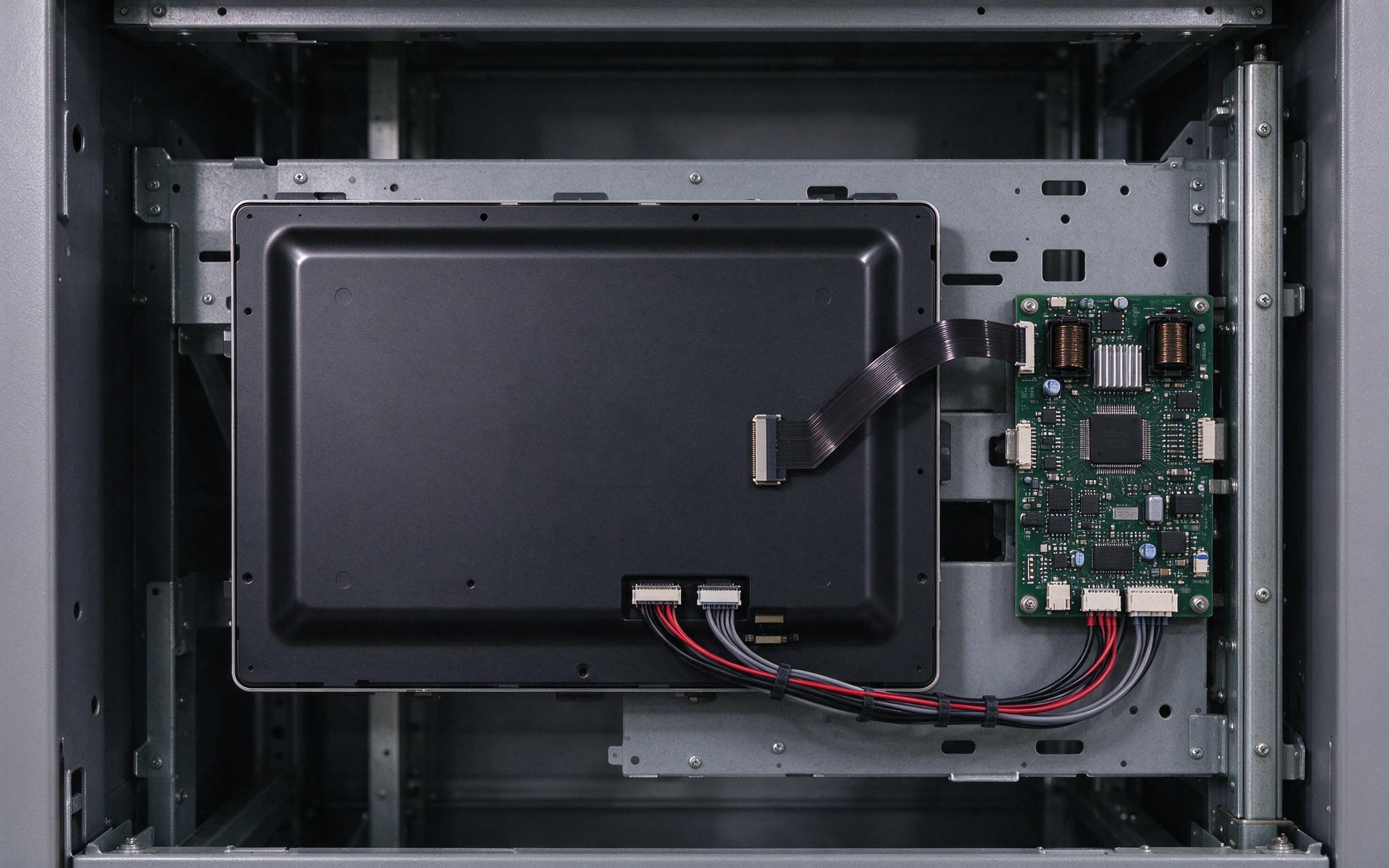
Structural modifications address physical constraints such as cabinet mounting depth, VESA bracket compatibility, and front panel IP65 sealing requirements. Firmware and operating system customization ensures the industrial PC platform boots into a locked-down environment with preloaded drivers, communication stacks, and application software aligned with the target automation platform. OEM ODM partners that cover all four dimensions enable procurement teams to specify exact requirements rather than compromising on a preconfigured product.

Balancing Customization with Standardization
Excessive customization introduces engineering overhead that erodes the cost advantage OEM partnerships are meant to deliver. Standardizing on a proven base platform, such as an Intel 12th-generation N100 or Core i5 board with a validated thermal solution, allows OEM ODM manufacturers like KOXIAN to absorb customization requests at the module level rather than redesigning the entire system. I/O expansion cards, wireless communication modules, and display panel swaps can be layered onto a stable motherboard foundation without triggering a full requalification cycle.
This modular approach also simplifies long-term support. When a plant standardizes on one industrial PC platform across multiple production cells, spare parts inventory shrinks, firmware updates follow a unified path, and field technicians troubleshoot using consistent hardware references. For factory automation environments where unplanned downtime costs hundreds of dollars per minute, this standardization dividend outweighs the marginal savings of purchasing the lowest-priced generic system.

OEM ODM Models Reshaping Factory Automation Adoption
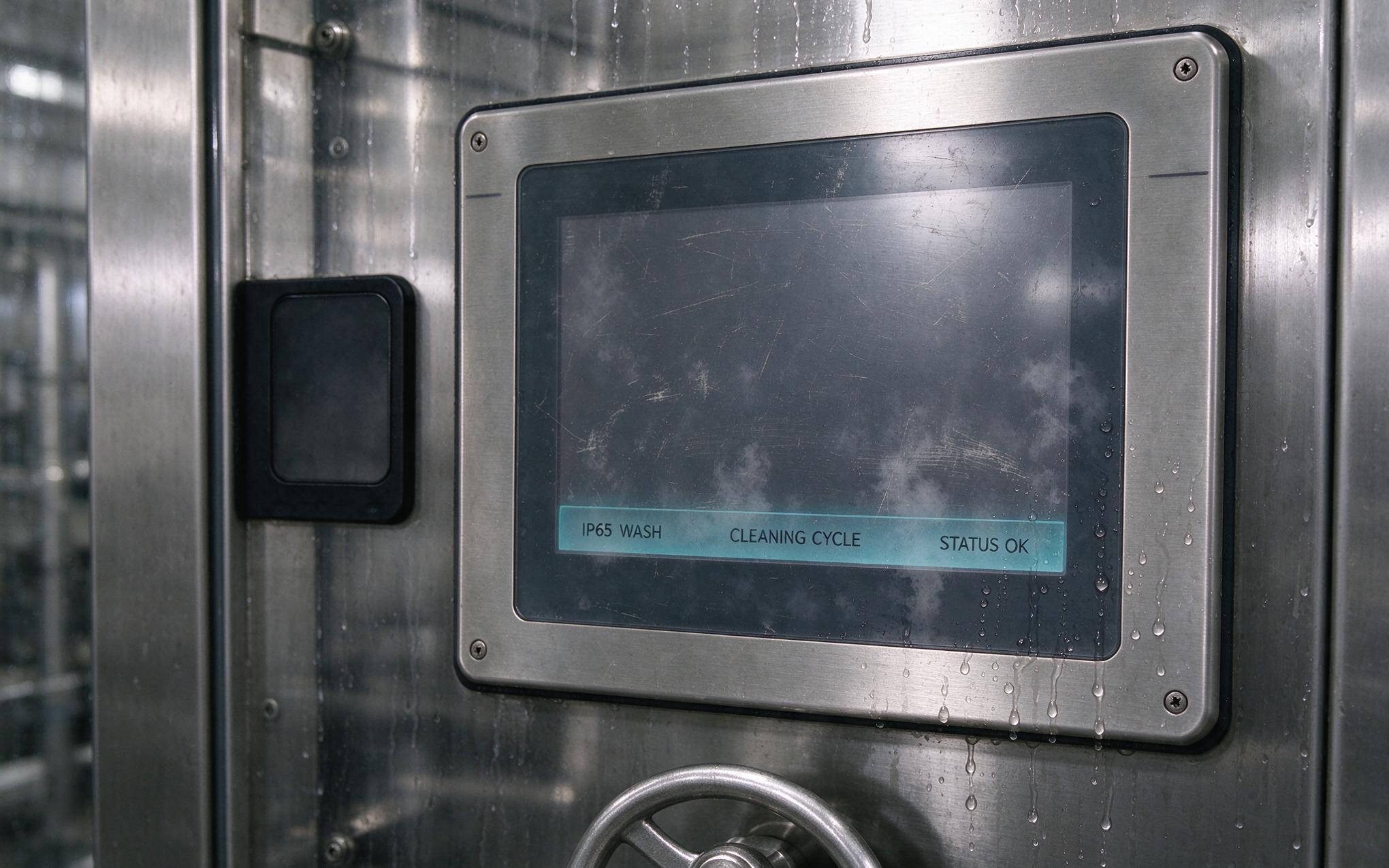
The shift toward OEM and ODM procurement reflects a broader structural change in how factory automation infrastructure is sourced. Instead of selecting from a fixed product lineup, engineering teams now specify exact requirements and work with manufacturing partners to produce ODM systems purpose-built for their operational conditions. This model particularly benefits deployments in food processing plants requiring washdown-rated enclosures, pharmaceutical lines demanding validated traceability, and outdoor installations where sunlight readability and wide temperature tolerance are non-negotiable.
As edge computing and IoT sensor integration continue to expand across factory networks, the demand for configurable industrial PC OEM ODM platforms will intensify. These partnerships offer a procurement pathway that aligns hardware specifications with real-world operating conditions, reducing the gap between what a factory needs and what a standard product delivers.
Industrial PC OEM ODM partnerships represent a procurement strategy that aligns hardware design with operational reality. For factory automation teams evaluating deployment options, the ability to specify exact I/O configurations, thermal profiles, and mechanical dimensions through an OEM or ODM arrangement delivers measurable advantages over off-the-shelf purchasing. As manufacturing environments grow more complex and edge computing requirements tighten, OEM and ODM manufacturing partnerships will continue to gain traction as the preferred sourcing approach for purpose-built factory computing platforms.