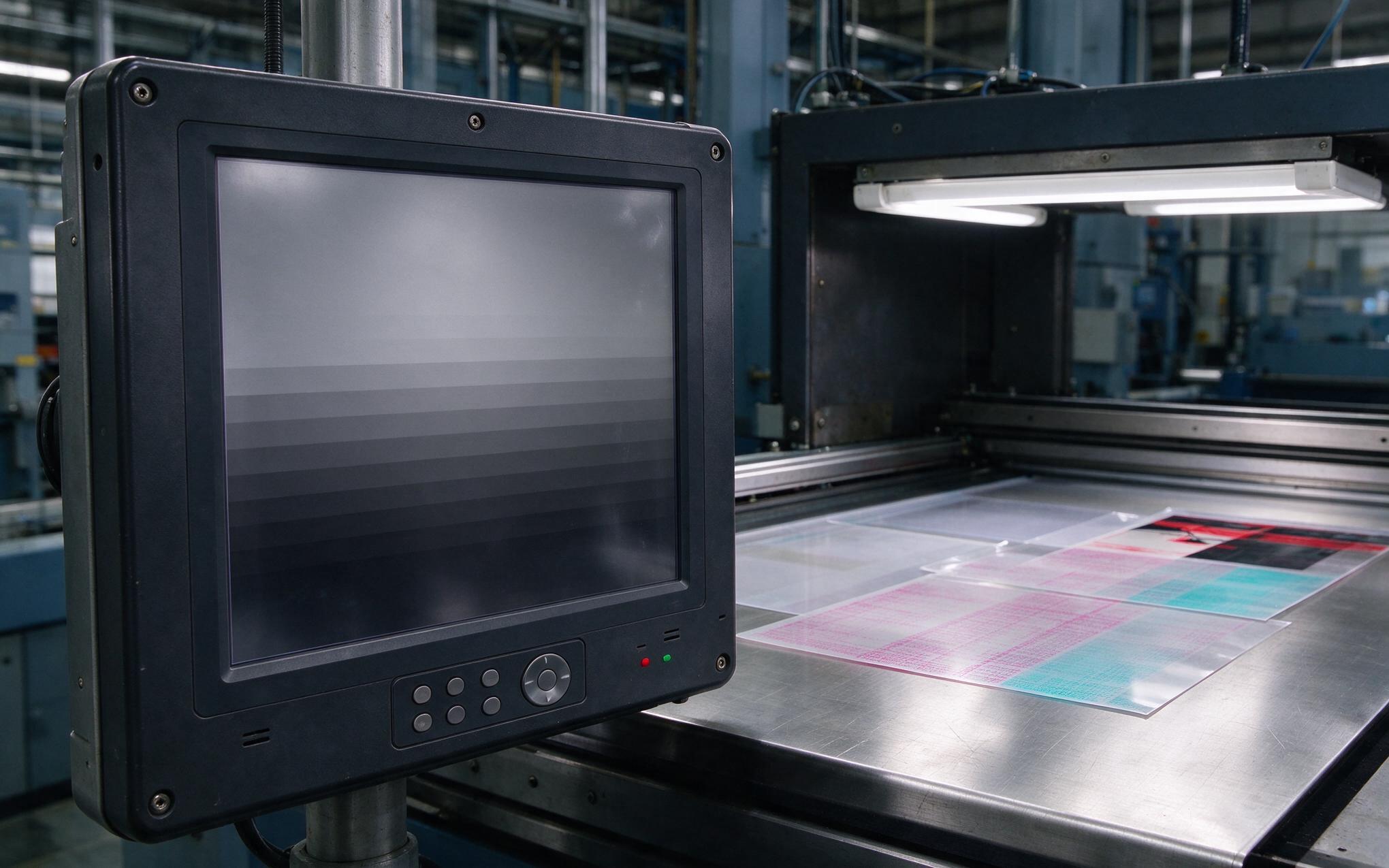
Maintenance technicians at a steel mill replaced a consumer-grade touchscreen monitor for the third time in eighteen months, each swap costing four hours of line downtime plus the replacement unit itself. That pattern of repeated failures drives plant managers to examine the industrial touchscreen monitor price structure more carefully, because the initial purchase cost is only a fraction of what the production floor actually demands. Understanding the cost gap between consumer and industrial display hardware helps engineering teams make purchasing decisions that survive the thermal, chemical, and mechanical stresses of real factory environments.

Why the Same Screen Size Carries Different Price Tags on the Factory Floor
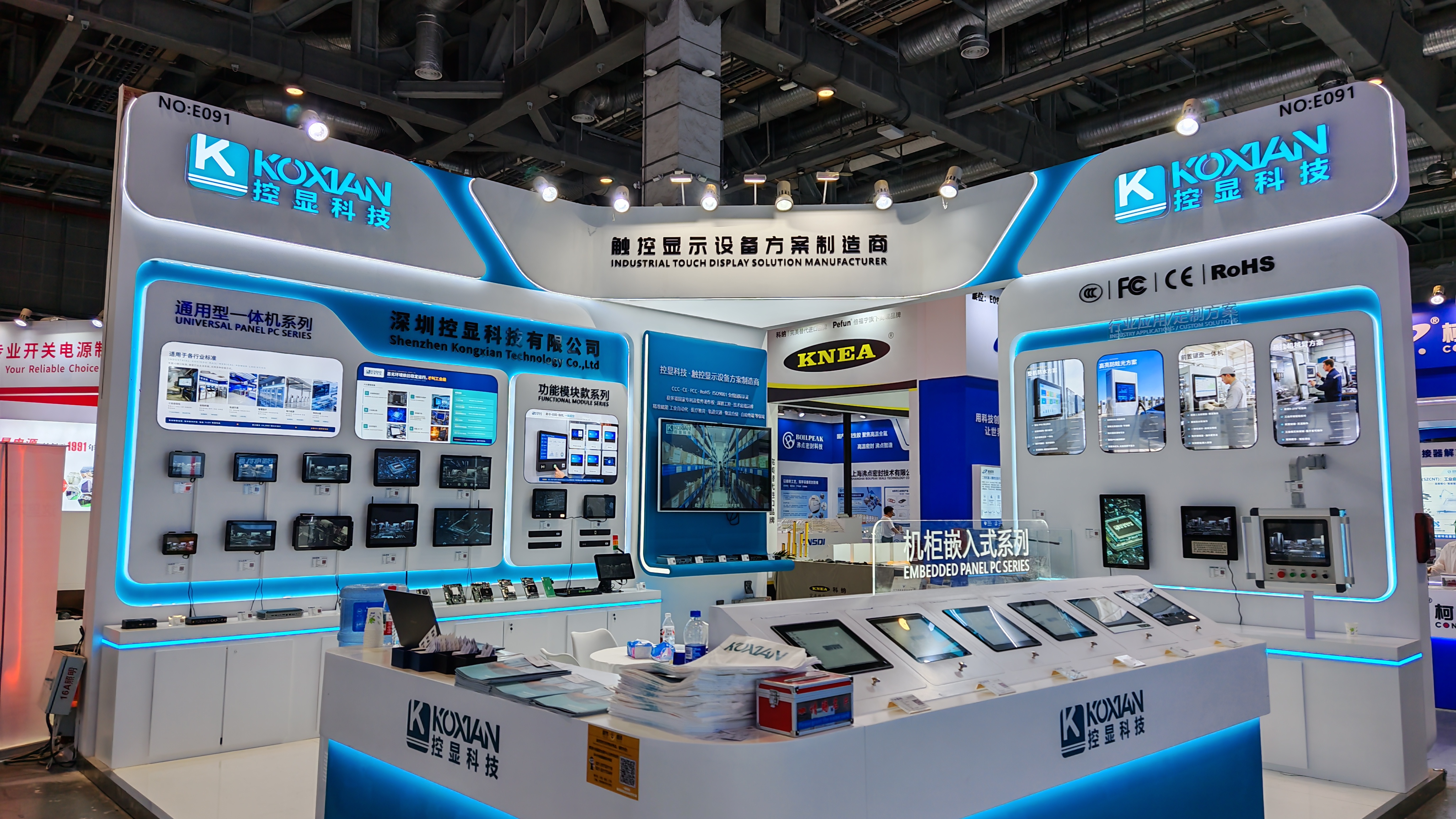
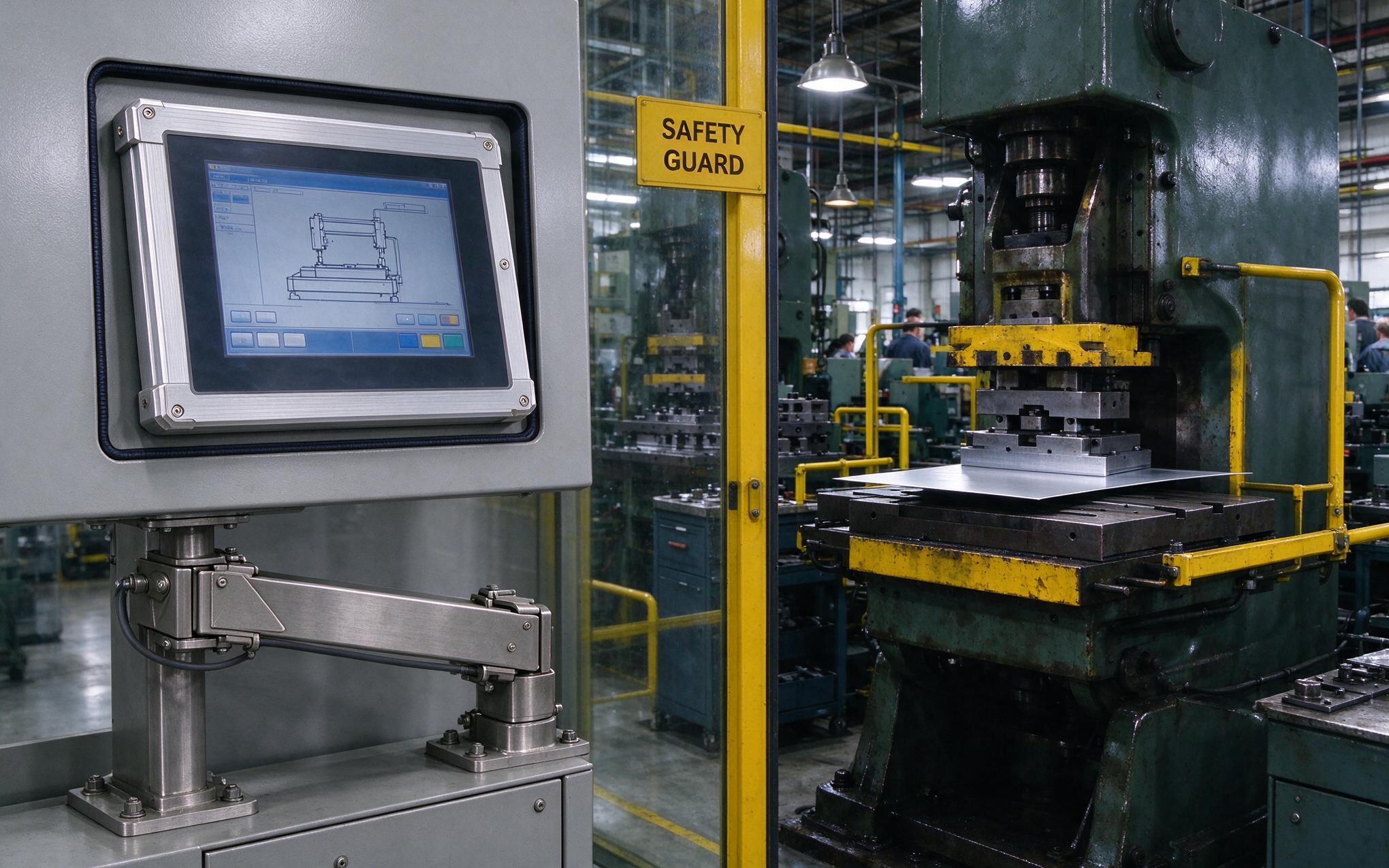
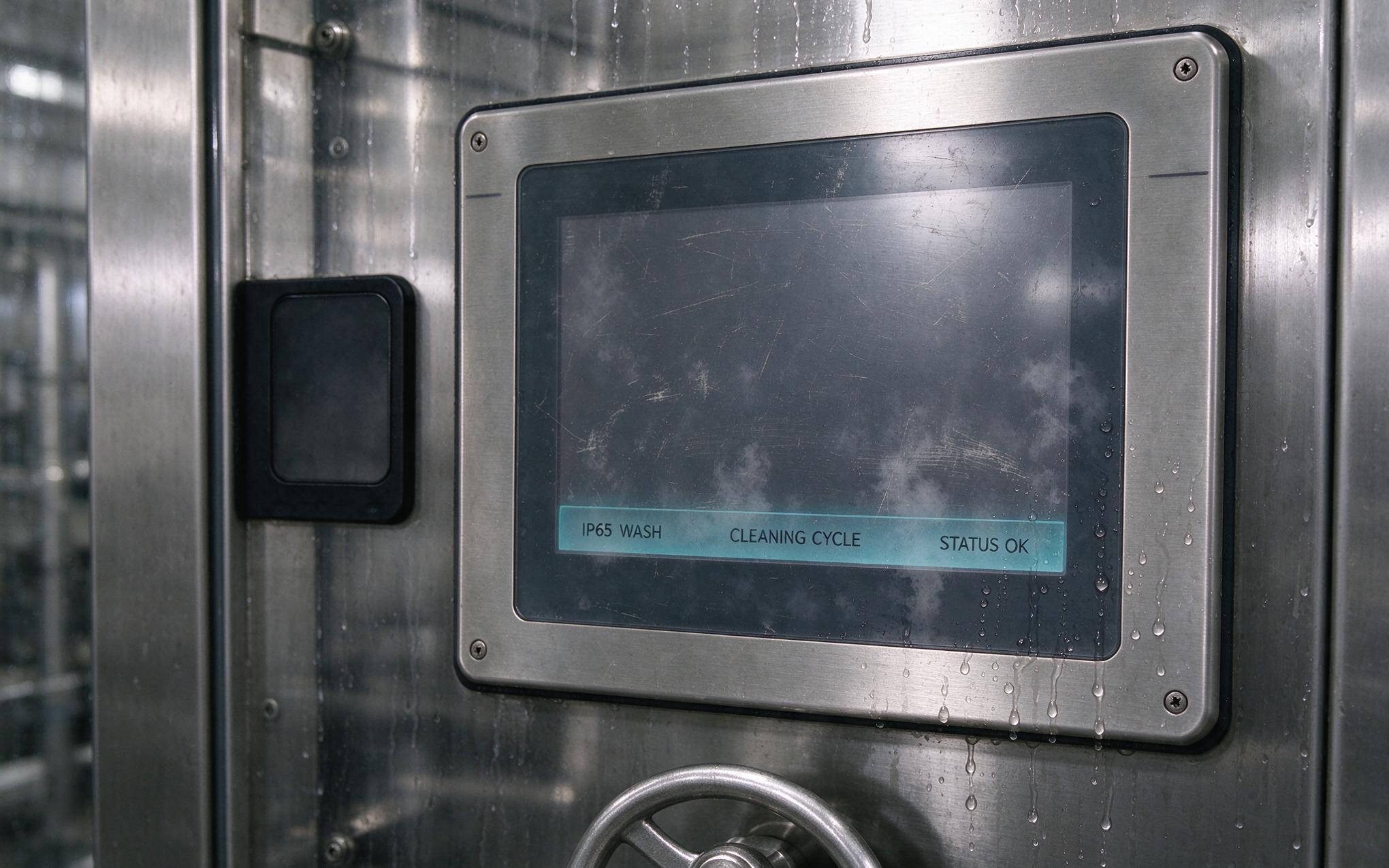
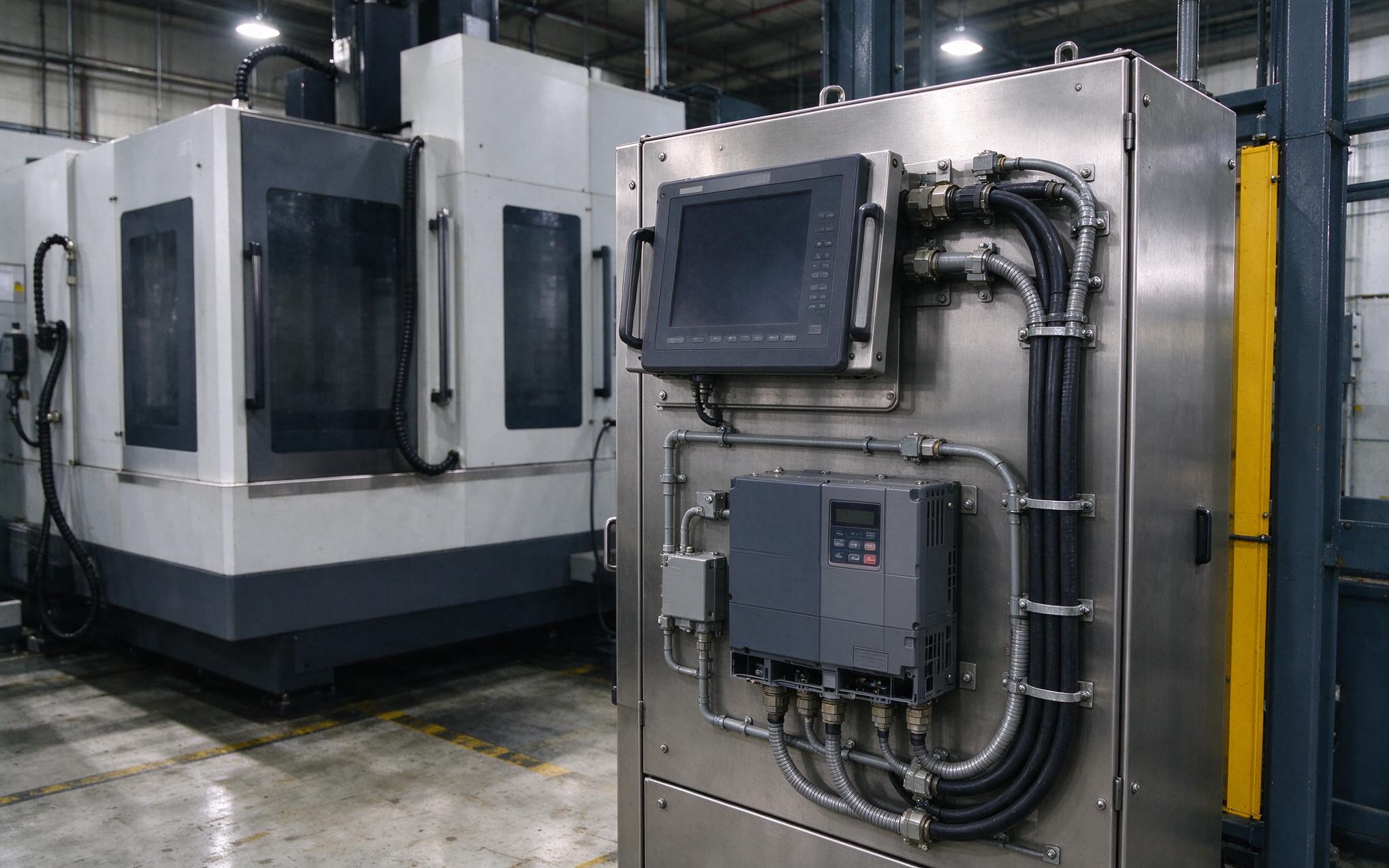
The cost gap between a consumer panel and an industrial touchscreen monitor starts with the enclosure. Consumer housings use thin plastic shells rated for office temperatures of 5°C to 35°C. Industrial units require aluminum alloy or stainless-steel chassis that dissipate heat passively and survive thermal shock from a steam-cleaned food line. Manufacturers like KOXIAN engineer sealed aluminum enclosures with gasket-sealed front panels, which increases the bill of materials but eliminates condensation failures that plague consumer hardware on factory floors. Beyond the housing, the touchscreen layer carries a significant cost premium. Capacitive panels with optically bonded cover glass outperform standard resistive overlays in durability and clarity, but the bonding process alone adds fifteen to twenty percent to the display module cost. For plant engineers, the enclosure rating and touch technology represent the two largest line items in the price delta between consumer and industrial products.

Component Selection That Shapes Industrial Touchscreen Monitor Price
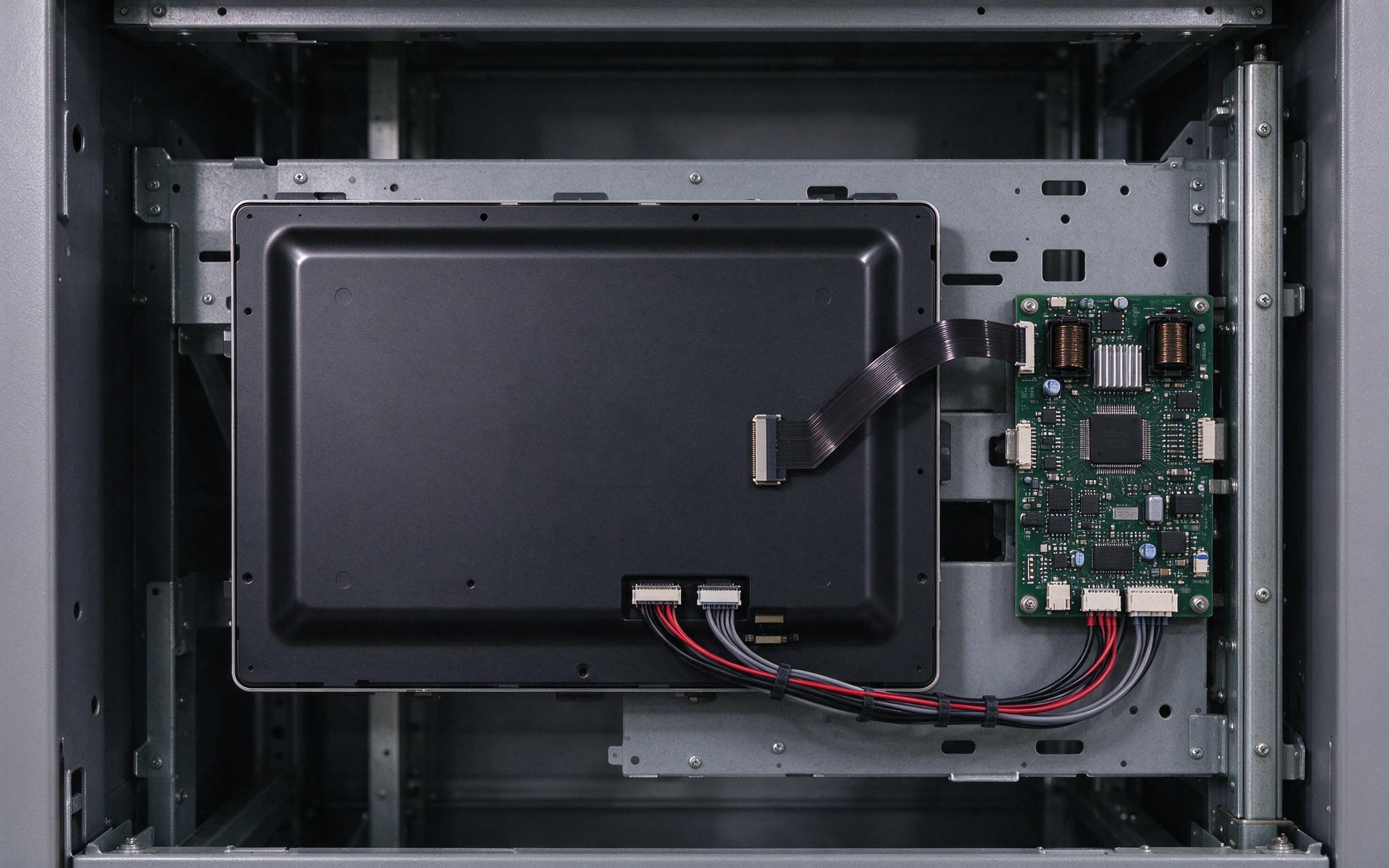
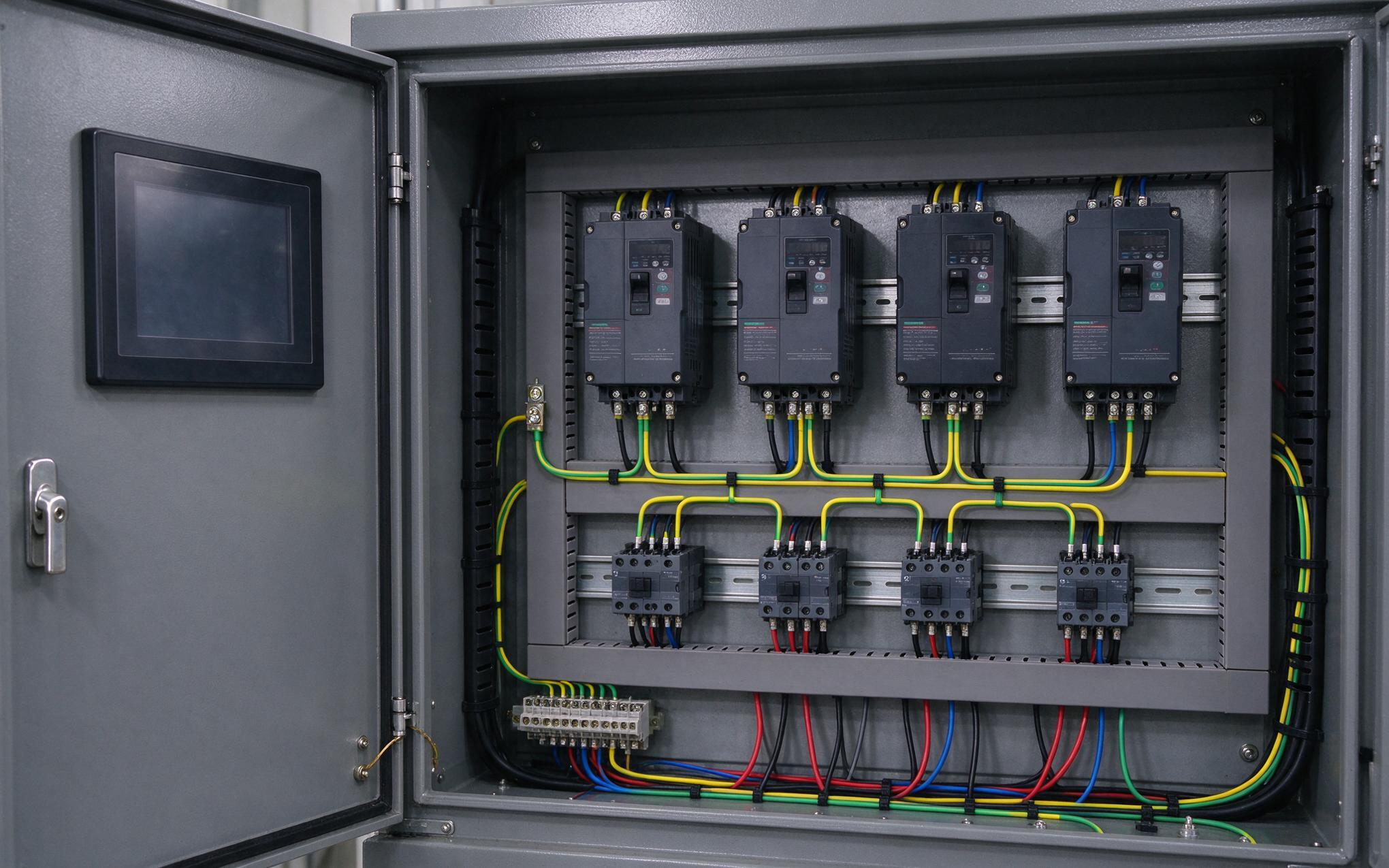
Component-level decisions compound the enclosure premium into the final purchase cost. Industrial displays specify brightness ratings of 500 to 1,500 nits for sunlight-readable outdoor kiosks, whereas consumer panels rarely exceed 300 nits. Each 100-nit increment in backlight power demands a larger thermal management system, which feeds back into enclosure sizing and cost. The processor board follows a similar logic. Industrial-grade embedded CPUs like the Intel Atom E3940 or Celeron N6210 operate across −40°C to 85°C junction temperatures, with manufacturer-guaranteed long-life supply of seven to ten years. Consumer chips rated for 0°C to 70°C cannot meet the continuous-operation demands of a 24/7 production line. Power supply design adds another cost layer: industrial units incorporate 9V to 36V wide-voltage input with surge protection, compared to fixed 12V adapters supplied with consumer monitors. These design choices are not optional upgrades and directly shape what buyers pay. For example, units from KOXIAN ship with wide-voltage input and conformal-coated PCBs as standard, which stabilizes the price by embedding durability into the base configuration rather than offering it as a costly add-on.

Evaluating Industrial Touchscreen Monitor Price Against Total Cost of Ownership
Purchasing decisions based solely on sticker price ignore the total cost of ownership metrics that matter most to plant managers. A unit purchased at $300 that requires replacement every eighteen months generates a five-year hardware cost of $1,000, not counting labor and downtime associated with each swap. An industrial unit at $800 with a seven-year rated life produces a five-year hardware cost of $800, plus near-zero replacement labor. When factoring in production downtime estimated at $5,000 to $20,000 per hour depending on the line, even a single premature failure erases initial savings many times over. Buyers should evaluate the display unit cost across four dimensions: enclosure IP rating and temperature range, touch technology durability measured in millions of touch cycles, processor lifecycle commitment measured in guaranteed years of supply, and warranty terms covering parts and on-site replacement. Systems integrators who standardize on units meeting all four criteria report thirty to forty percent lower five-year maintenance budgets compared to facilities that spec on price alone. The price premium is not a luxury markup. It is an engineering investment that pays measurable returns in reduced downtime, extended service life, and simplified spare-parts management across factory automation environments.
The industrial touchscreen monitor price carries meaningful engineering substance when evaluated against factory floor realities. Procurement teams that align purchasing decisions with enclosure durability, component longevity, and total cost of ownership models avoid the cycle of premature replacements that plagues consumer-hardware deployments. The industrial touchscreen monitor price ultimately depends on matching rated capabilities to the thermal, chemical, and mechanical stresses of the target production environment rather than defaulting to the lowest bid.