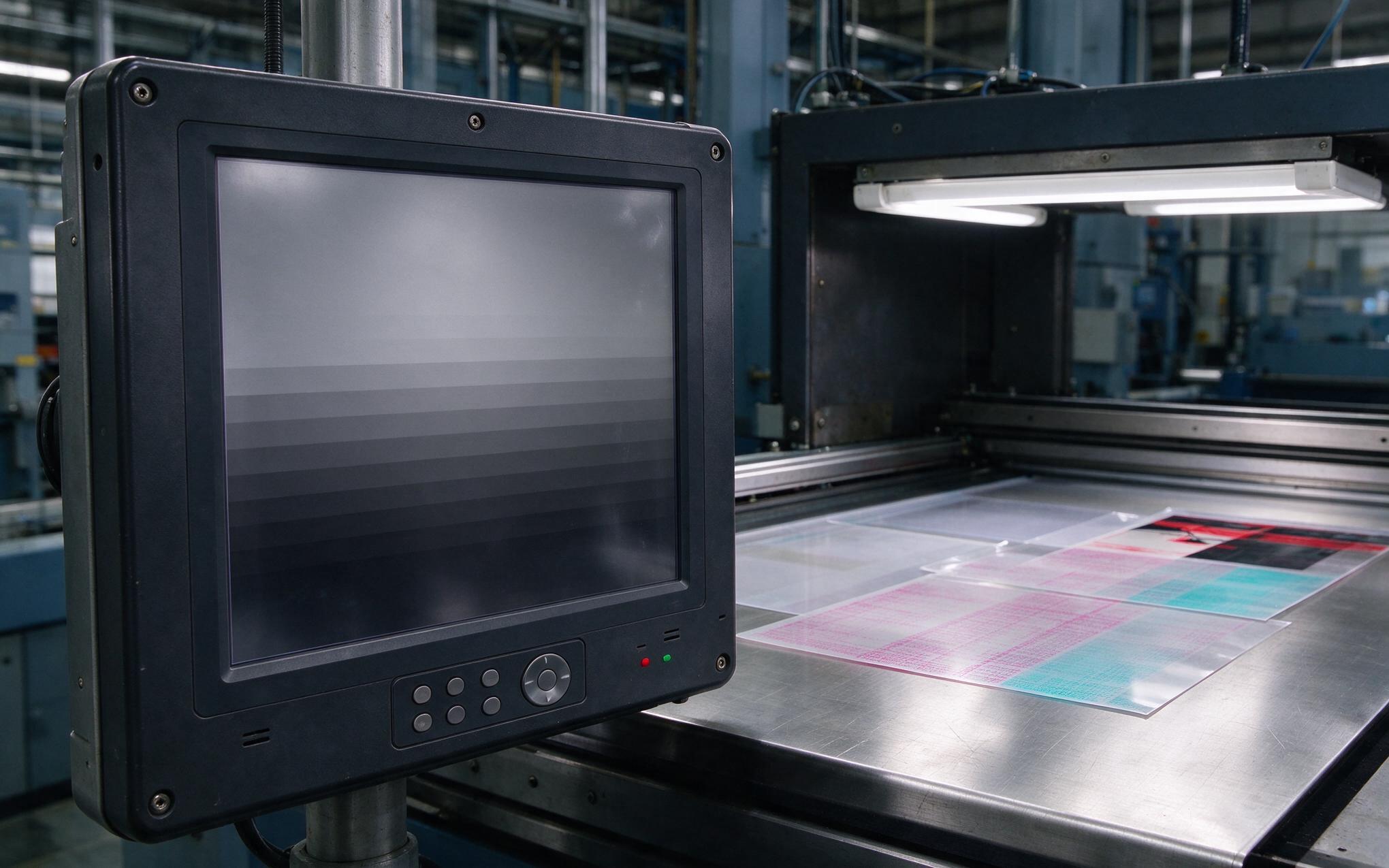
The manufacturing sector is undergoing its most dramatic structural shift in decades. The World Economic Forum’s Global Lighthouse Network added 23 new industrial sites in January 2026, bringing the total to over 220 facilities across more than 30 countries. These sites are no longer experimental pilots — they represent a new operational baseline where lights-out and near-lights-out production is becoming the reference architecture for competitive manufacturing. At the center of this transformation sits a deceptively simple question: when human operators step back from the production floor, what interface layer remains between autonomous systems and the physical world?
The Benchmark Data Reshaping Investment Decisions
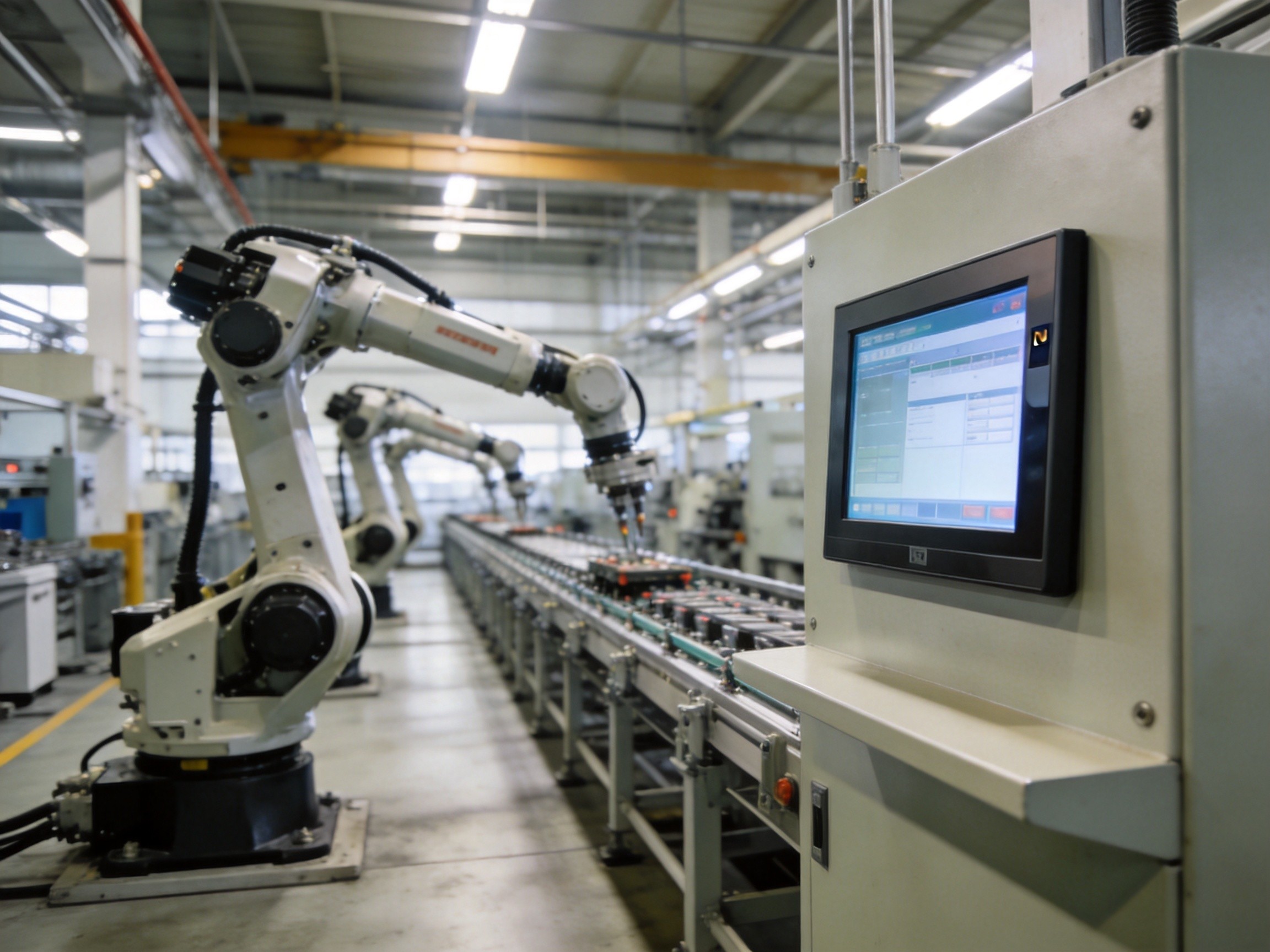
The operational metrics emerging from recognized Lighthouse sites are rewriting ROI models across the industry. Foxconn’s Bắc Giang facility in Vietnam — the country’s first WEF Lighthouse factory — deployed over 40 Industry 4.0 use cases integrating AI, IoT, and big data analytics for end-to-end production management. The results: a 190% improvement in labor productivity, 99.5% on-time delivery, and a 45% reduction in manufacturing costs. These figures, verified by the WEF and cited by Manufacturing Digital in its July 2026 ranking of top automated facilities, have become the reference points that procurement and operations leaders now use when evaluating automation infrastructure investments. The International Federation of Robotics recorded 542,000 industrial robot installations globally in 2024 — more than double the figure from a decade earlier — and the trajectory shows no sign of flattening.
Where Panel PCs Become the Last Physical Touchpoint
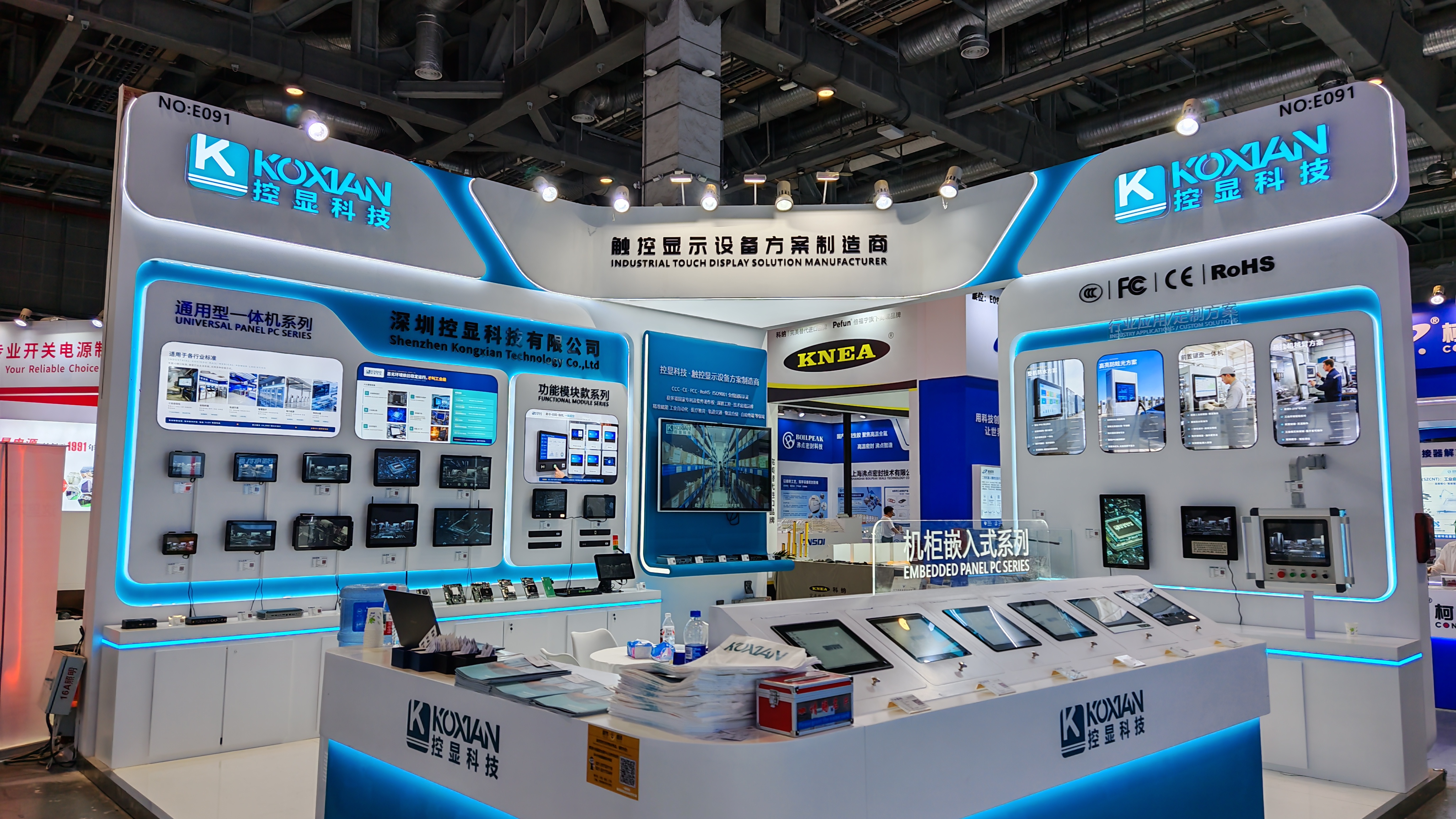
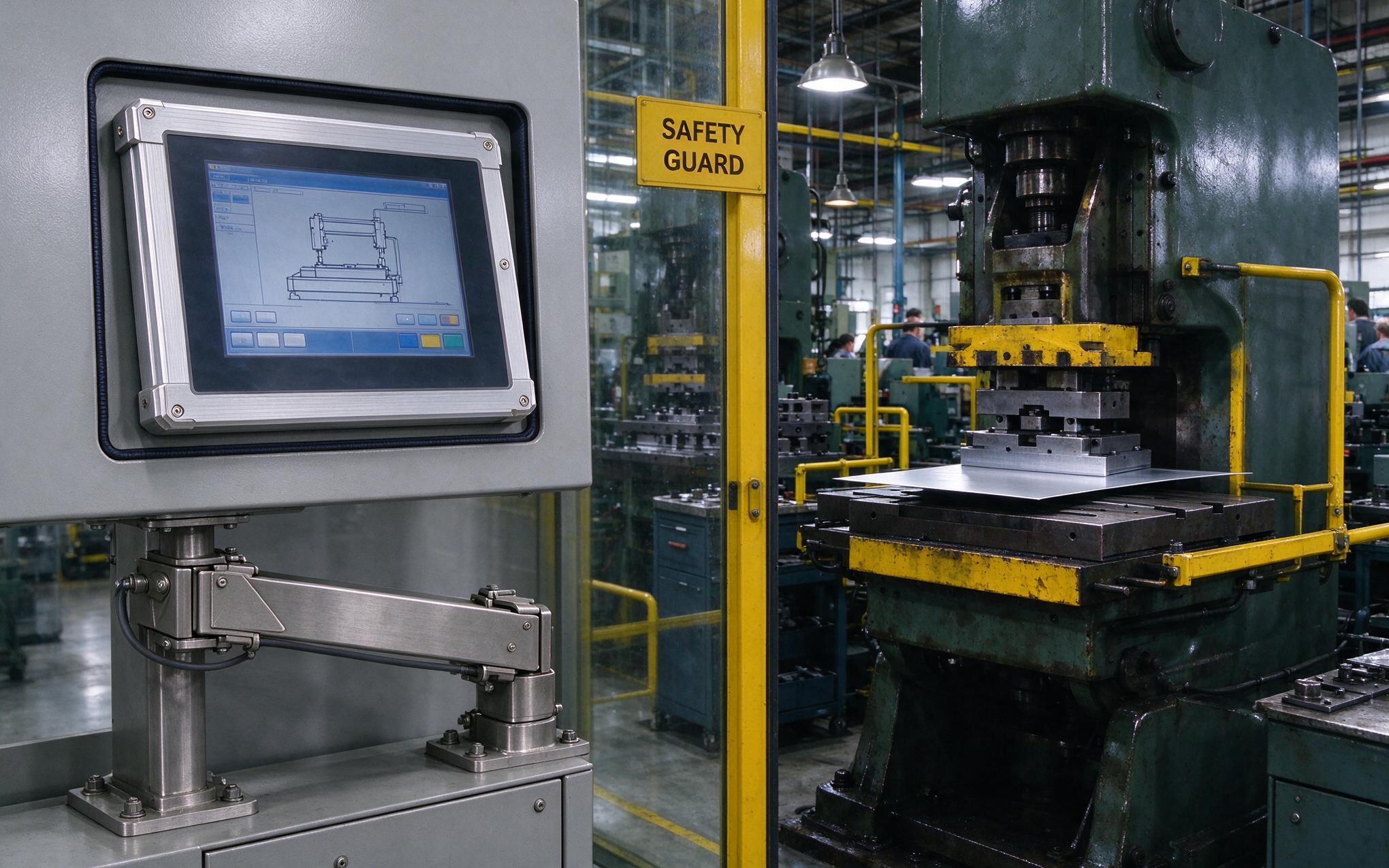
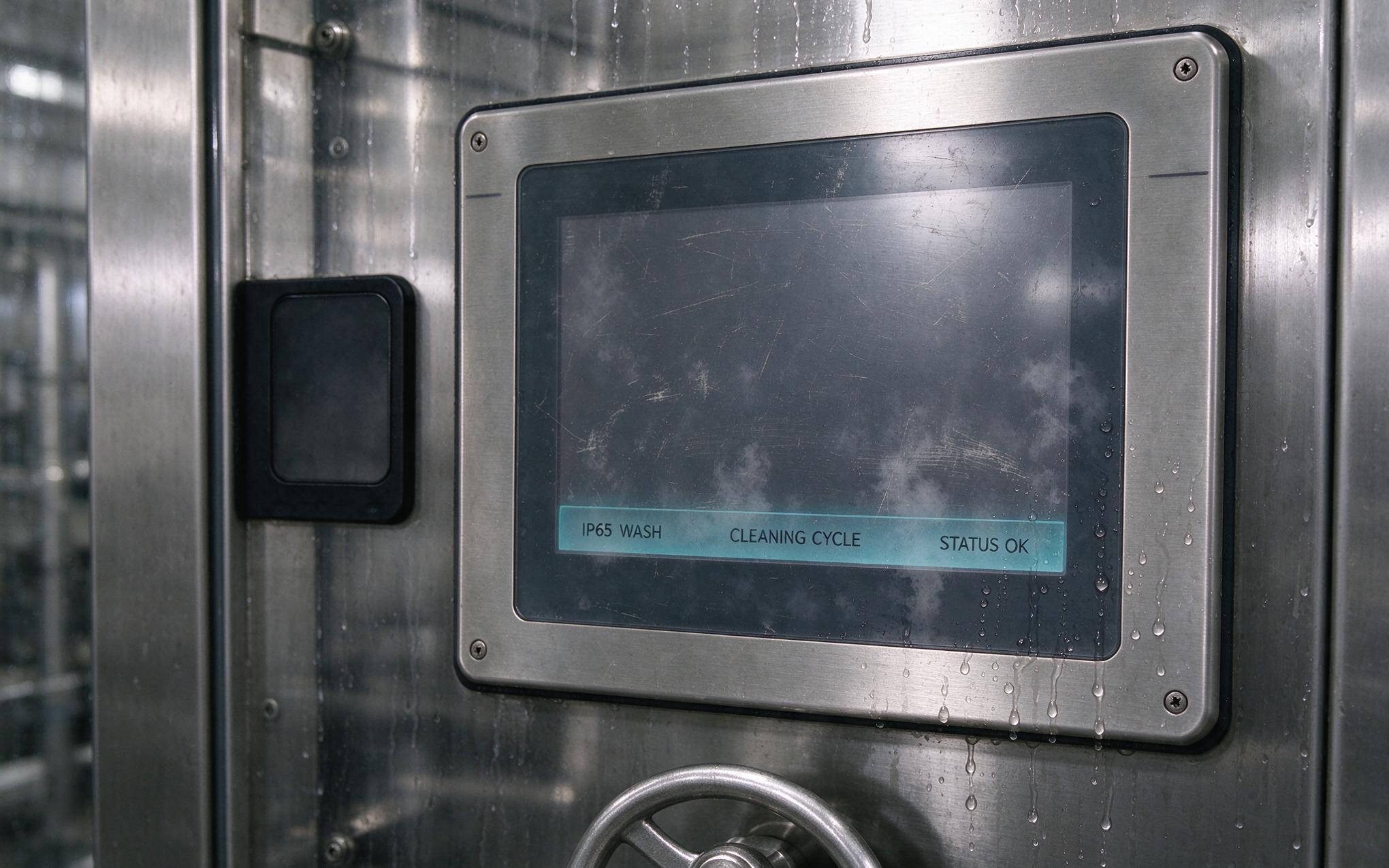
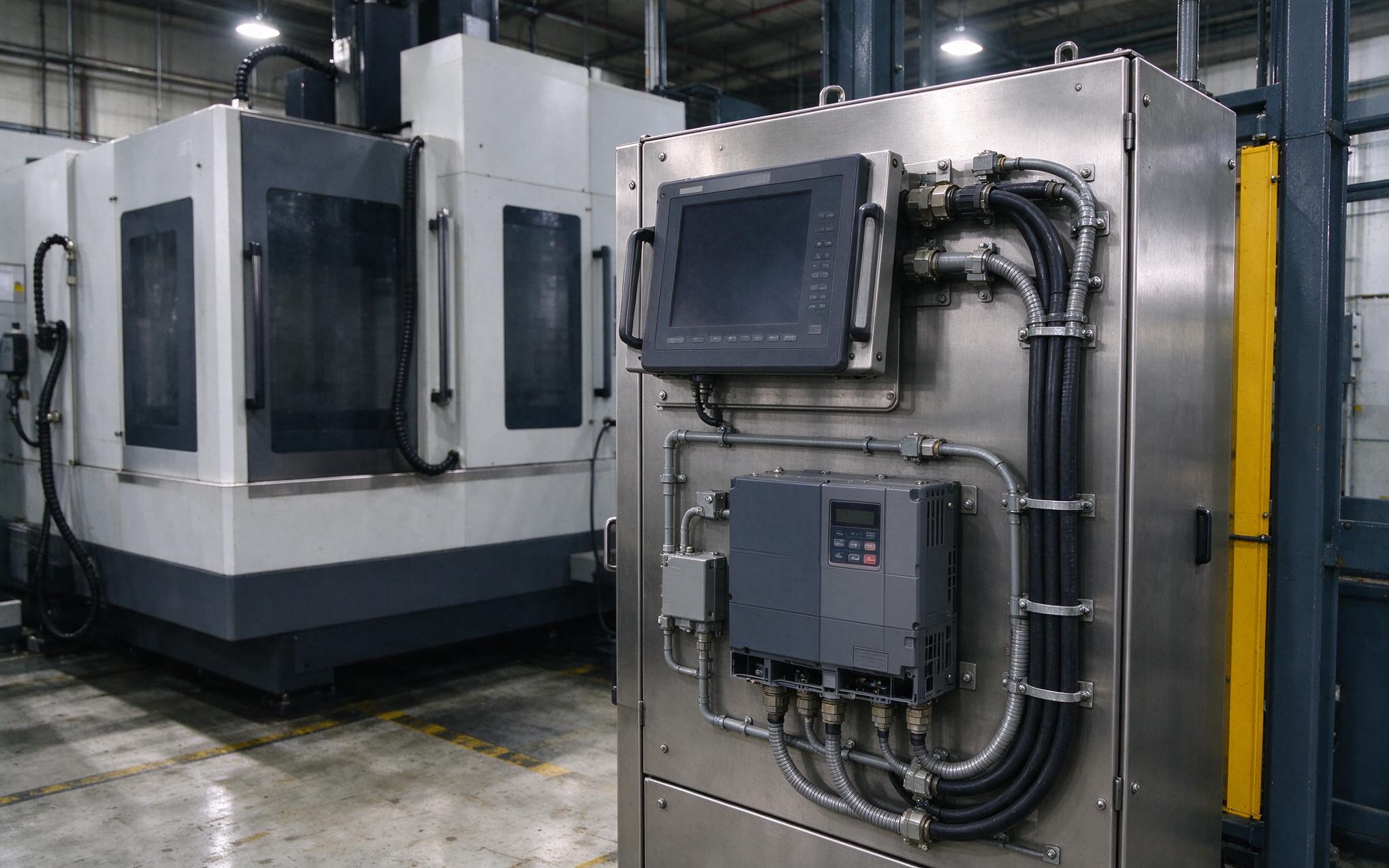
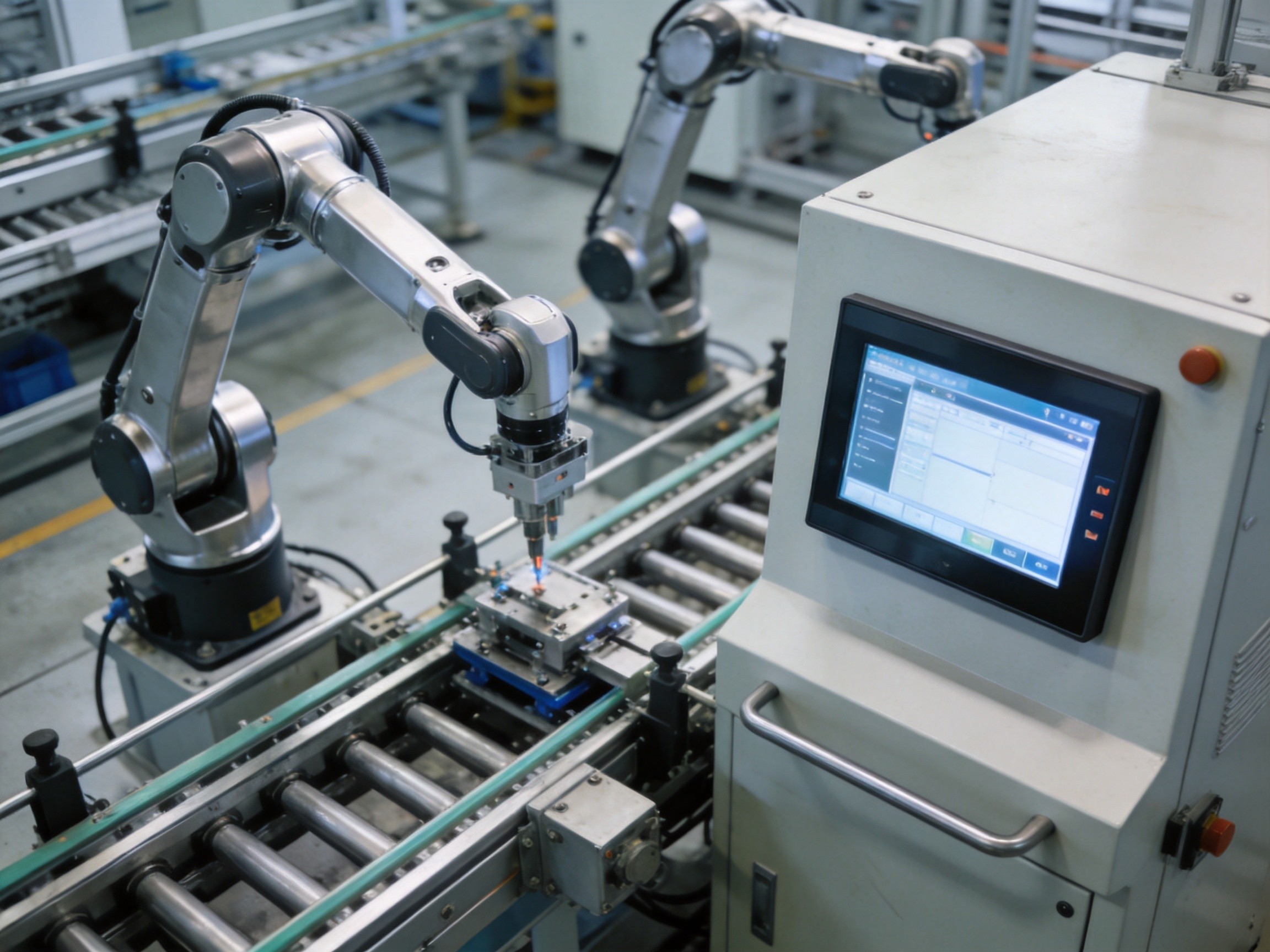
In a lights-out environment, industrial panel PCs serve as the critical bridge between autonomous control systems and the occasional human intervention that even the most advanced factories still require. When a Schneider Electric facility in El Paso achieved a jump from 61% to 97% on-time delivery after its Lighthouse transformation, the operator stations that remained on the floor were ruggedized panel PCs — not consumer-grade displays. The reason is straightforward: autonomous systems generate enormous volumes of real-time data that need to be rendered, visualized, and acted upon at the edge. A panel PC mounted at the production cell must survive vibration, airborne particulate, and temperature swings that commercial hardware cannot tolerate. KOXIAN has focused its engineering efforts on exactly this interface layer, developing embedded computing platforms that maintain consistent touch responsiveness and display clarity even in the harsh ambient conditions typical of autonomous production environments.
The Workforce Equation and the Interface Imperative
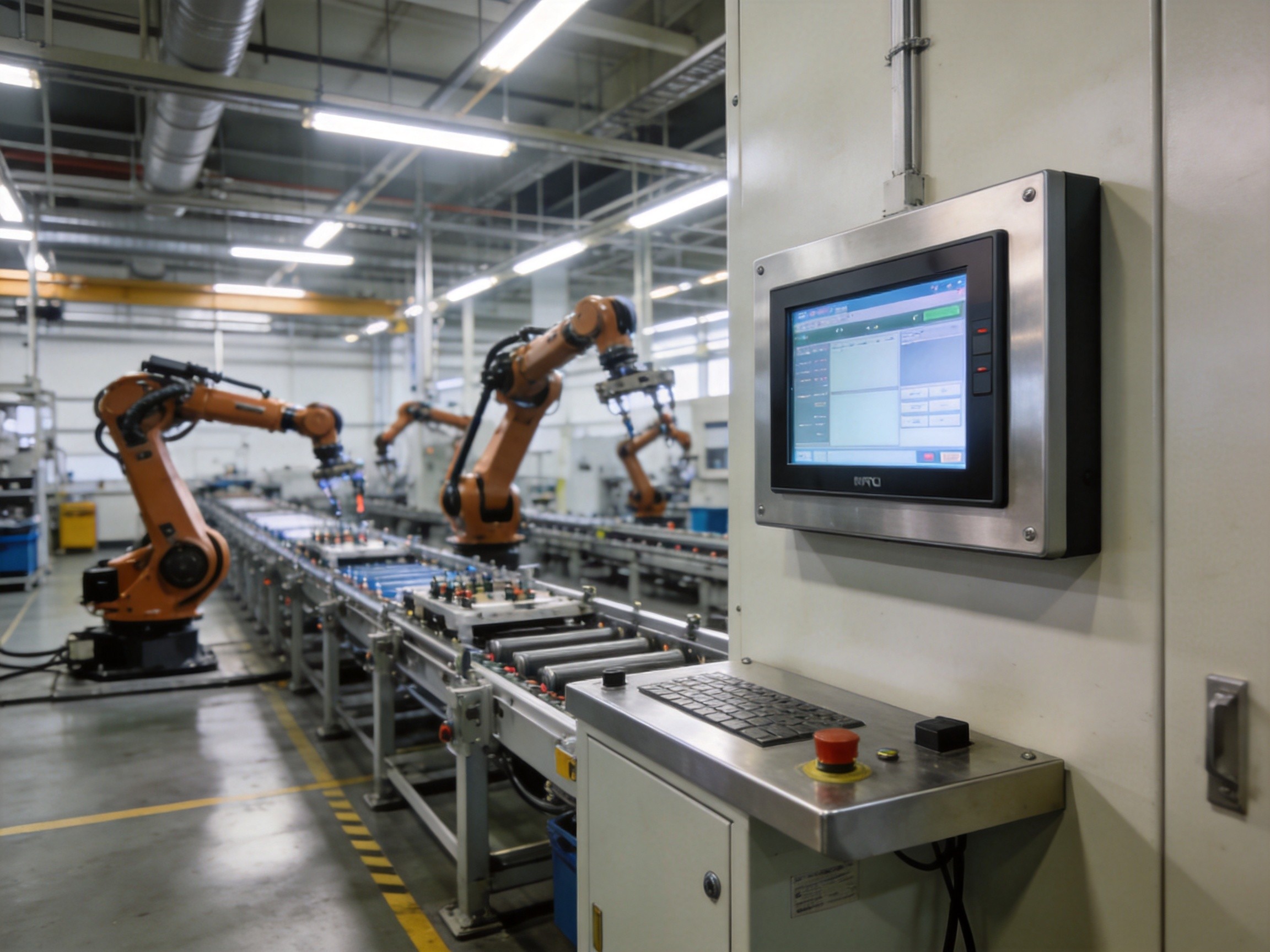
The automation story is not exclusively about removing people from the equation — it is about changing what those people do and how they interact with production systems. General Motors’ installation of 50 additional robots at its flagship EV factory in mid-2026 generated significant attention, as did the fact that more than 1,000 UAW members remained on indefinite layoff. Yet the operational reality in most autonomous facilities is more nuanced. Workers transition from manual assembly to supervisory roles that require them to interpret data, respond to alerts, and make rapid decisions through touchscreen interfaces. This shift places enormous pressure on the reliability of the panel PC layer. When a production anomaly triggers an alert at 3 a.m. in a lights-out shift, the responding technician must be able to trust that the touch controller will register every input accurately and that the display will render diagnostic information legibly under whatever lighting conditions exist on the floor at that moment.
Designing Hardware for the Autonomous Era
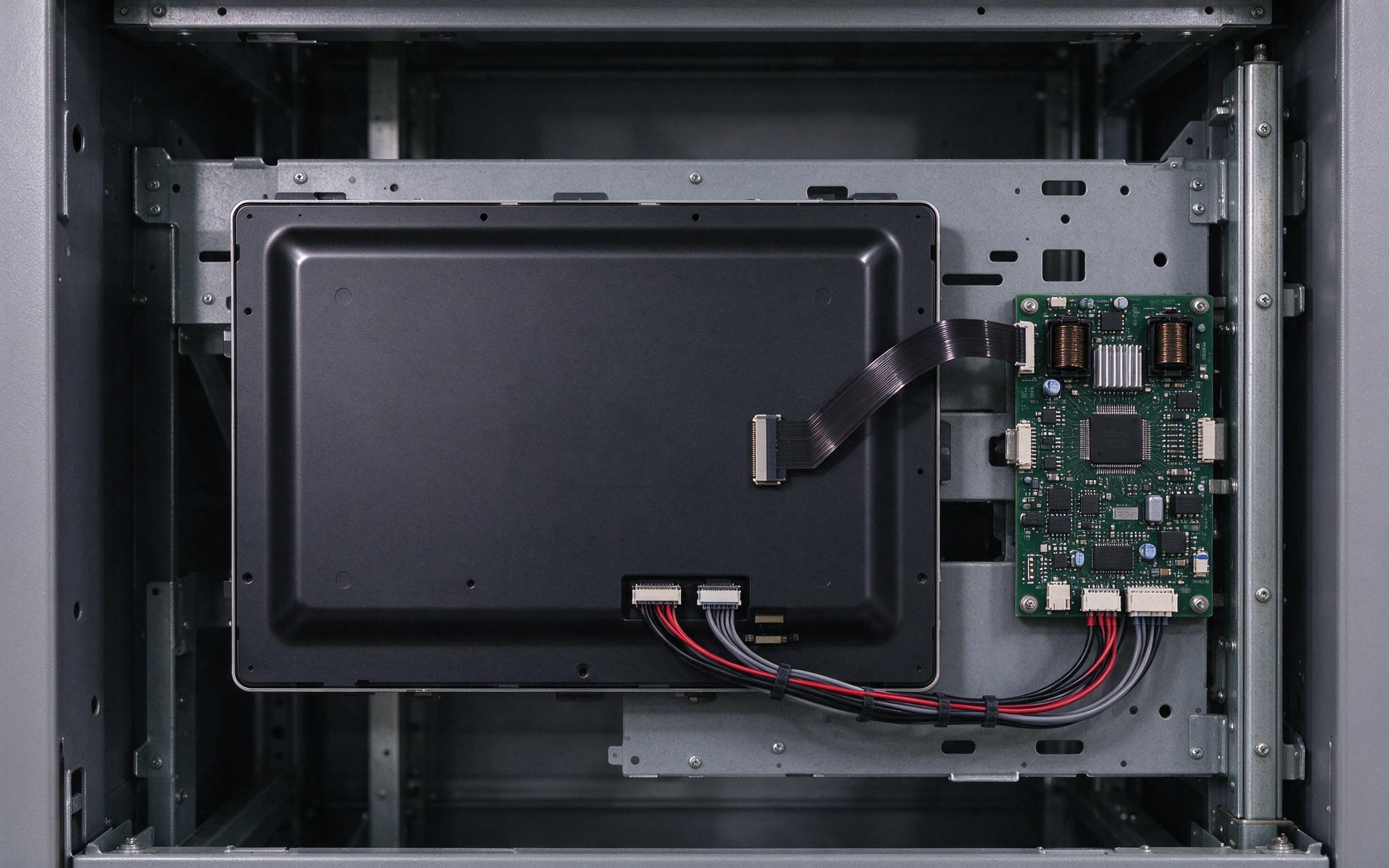
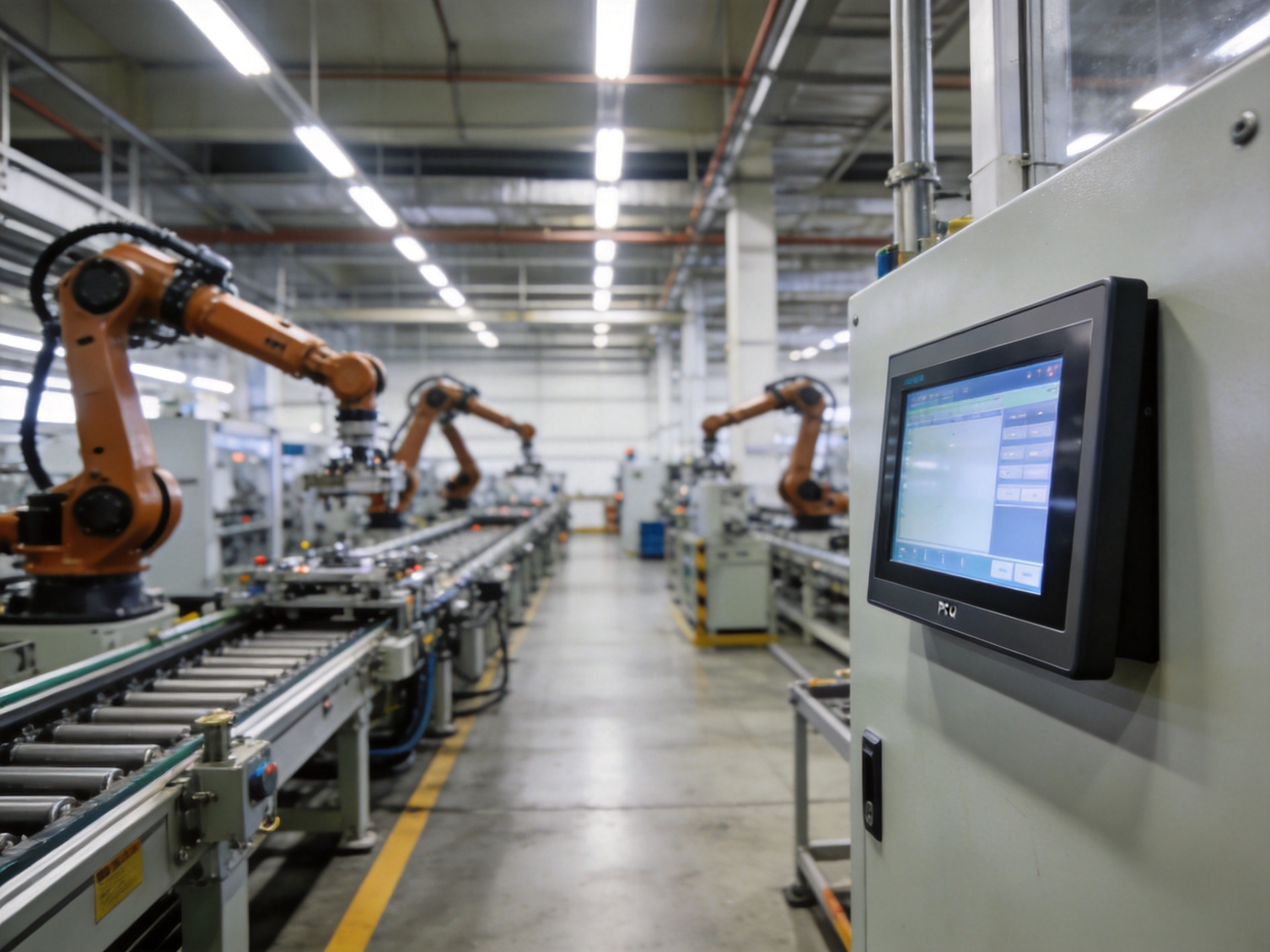
The hardware requirements for panel PCs in autonomous factories differ fundamentally from those in conventional operator-attended lines. Dust, oil mist, and electromagnetic interference are constants in robot-dense environments. Fanless thermal designs eliminate a common ingress point for contaminants. Wide-voltage input circuitry handles the power fluctuations that dozens of simultaneously cycling servo drives can introduce. These are not premium features — they are table stakes for any computing platform that autonomous production depends on. KOXIAN’s approach to panel PC design reflects this operational reality: fully sealed enclosures, wide operating temperature ranges from -40°C to 85°C, and projected capacitive touch technology that remains functional through gloves and minor surface contamination. As more facilities follow the path charted by the Lighthouse Network — from Bosch’s 60,000-sensor Blaichach plant to Hyundai’s Metaplant America targeting 500,000 vehicles annually — the panel PC layer will increasingly determine whether autonomous operations deliver on their promise of sustained, unattended production.
The rise of autonomous factories is not a future scenario — it is a present condition backed by auditable data from more than 220 WEF-recognized sites. The infrastructure decisions that manufacturers make today, from robot selection to edge computing hardware, will define their competitive position for the next decade. In that architecture, the industrial panel PC is not a peripheral. It is the point where data becomes decision, and where autonomous systems remain accountable to the humans who designed them.